The 1980s are making a massive comeback — and luckily, you don't need a time machine to step back into the decade.
Think oversized jackets, big hair, neon lights, cassette tapes, vintage cars, and that iconic warm, grain-heavy film photography. The '80s had a visual personality like no other era, which is exactly why its signature look is popping up everywhere again — from fashion and digital art to music and social media.
Thanks to modern AI image generation, capturing that nostalgic charm is now as simple as typing a quick prompt. With just a few descriptive words, a casual phone selfie can instantly transform into a cinematic, retro portrait that feels straight out of an old photo album.
The real magic, however, is all in the subtle details. True authenticity takes more than slapping on a quick vintage filter. It comes down to combining period-accurate outfits, lighting, hairstyles, props, camera grain, and color shifts so the image looks genuinely captured on 35mm film decades ago. If you want the deeper mechanics of how to keep your face intact while doing this, the 80s AI photo trend guide walks through the identity-lock approach this list assumes.
Whether you're crafting content for social media, working on a creative project, or just wondering what you would have looked like back in 1985, these 10 AI prompts will help you recreate the authentic, retro aesthetic of 1980s photography.
10 AI prompts for 1980s retro images
1. The classic 1986 identity restage
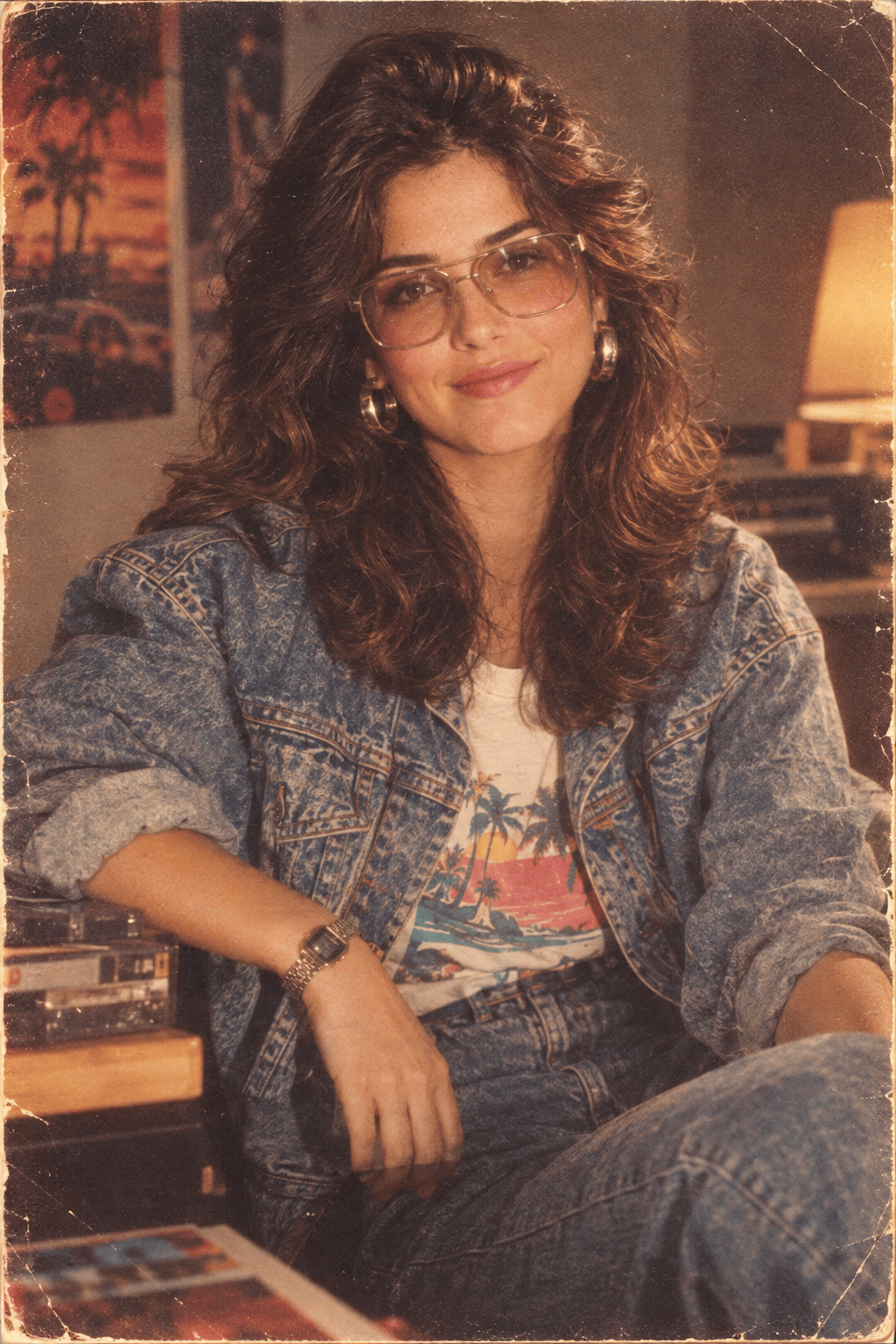
Use my uploaded photo as the identity reference. Recreate the same adult person as if the photograph had been taken in 1986. Preserve recognizable facial features, skin tone and proportions. Add authentic 1980s hair, clothing and accessories, warm studio light, soft 35mm focus and subtle analogue grain. Make it look like a real printed photograph, not a modern image with a filter.
2. Bold mid-1980s styling with a date stamp
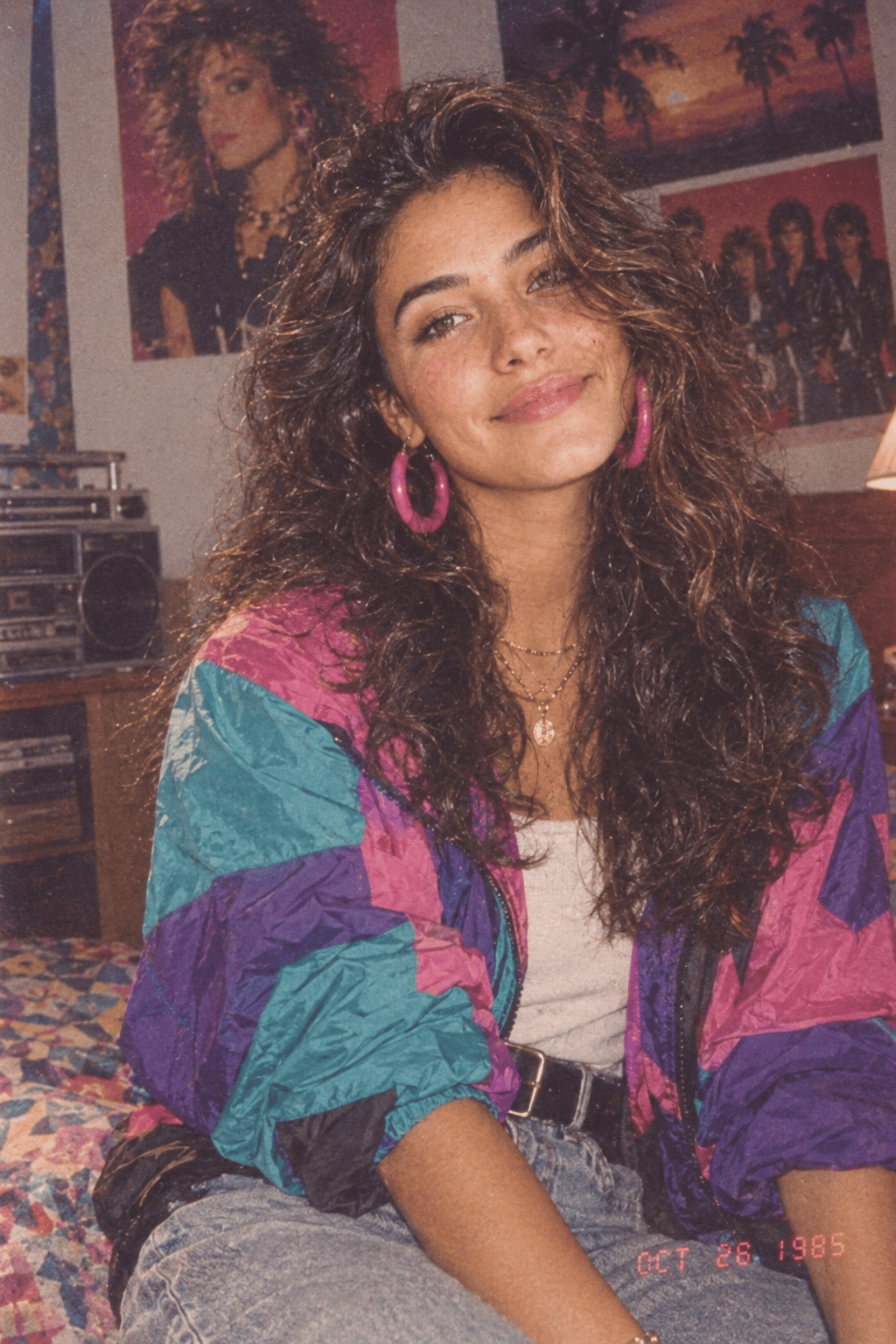
Using my uploaded photo, show me what I would have looked like around 1985. Preserve my identity, facial features, skin tone, age, and recognizable appearance. Reimagine my hair, clothing, accessories, and surroundings with bold, unmistakably mid-1980s styling — expressive silhouettes, statement accessories, layered details, distinctive colors, and textures. Make it feel like a genuine 1985 photograph with analog grain, faded color, direct flash, and subtle softness. Add a period-accurate 1980s red-orange date stamp in the lower corner. No modern objects or text.
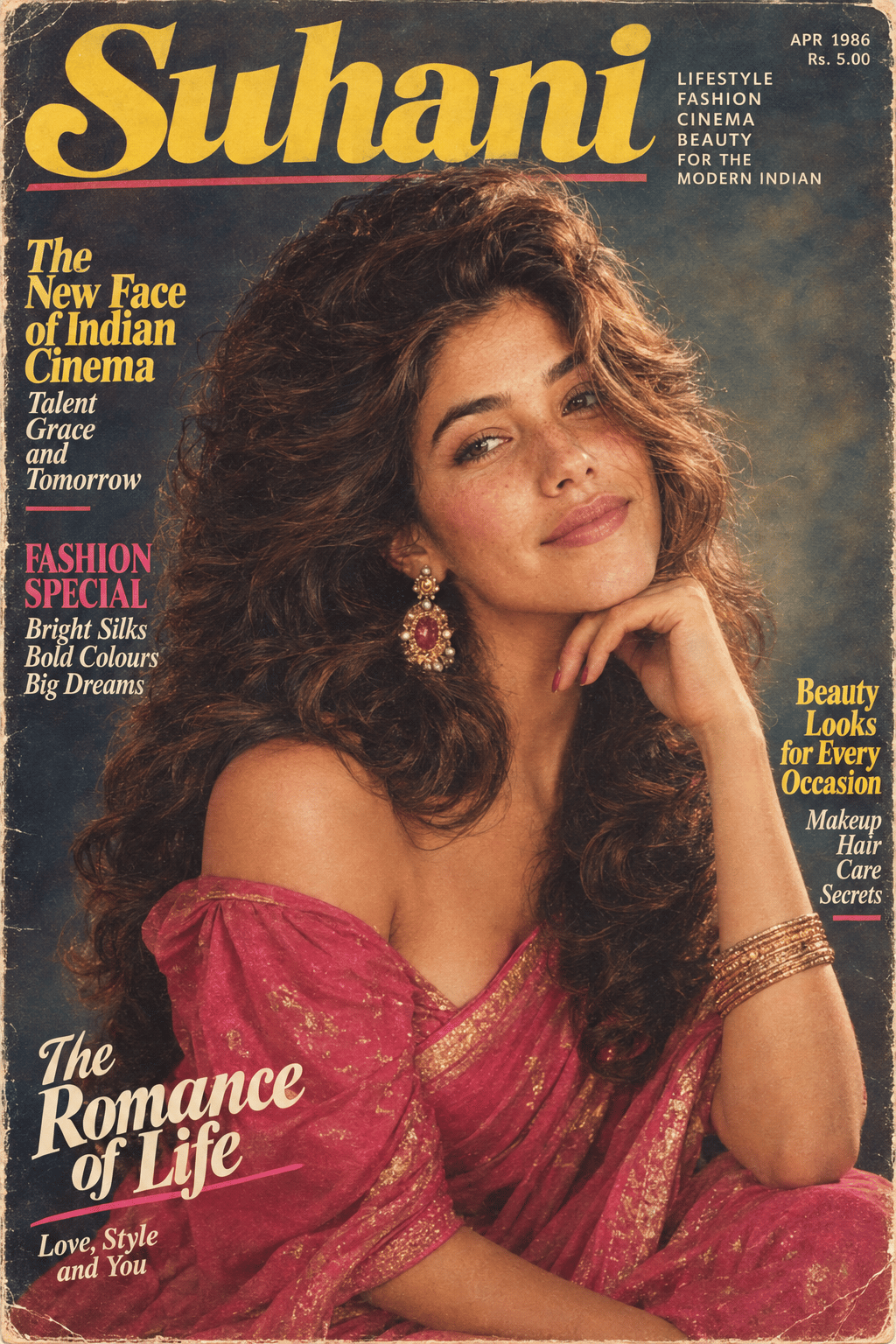
3. Fictional 1980s Indian magazine cover
Transform the uploaded person into the cover star of a fictional 1980s Indian lifestyle and cinema magazine. Preserve their real facial identity while completely adapting the styling to the era. Create glamorous retro hair, authentic 1980s clothing, statement jewelry, dramatic studio lighting, and a painted photographic backdrop. Make the composition resemble a professionally printed Indian magazine cover from 1986, with slightly faded CMYK colors, paper texture, analog film grain, subtle printing imperfections, soft highlights, and vintage photographic realism. Include tasteful fictional magazine typography and period-inspired graphic design without using any real magazine logos.
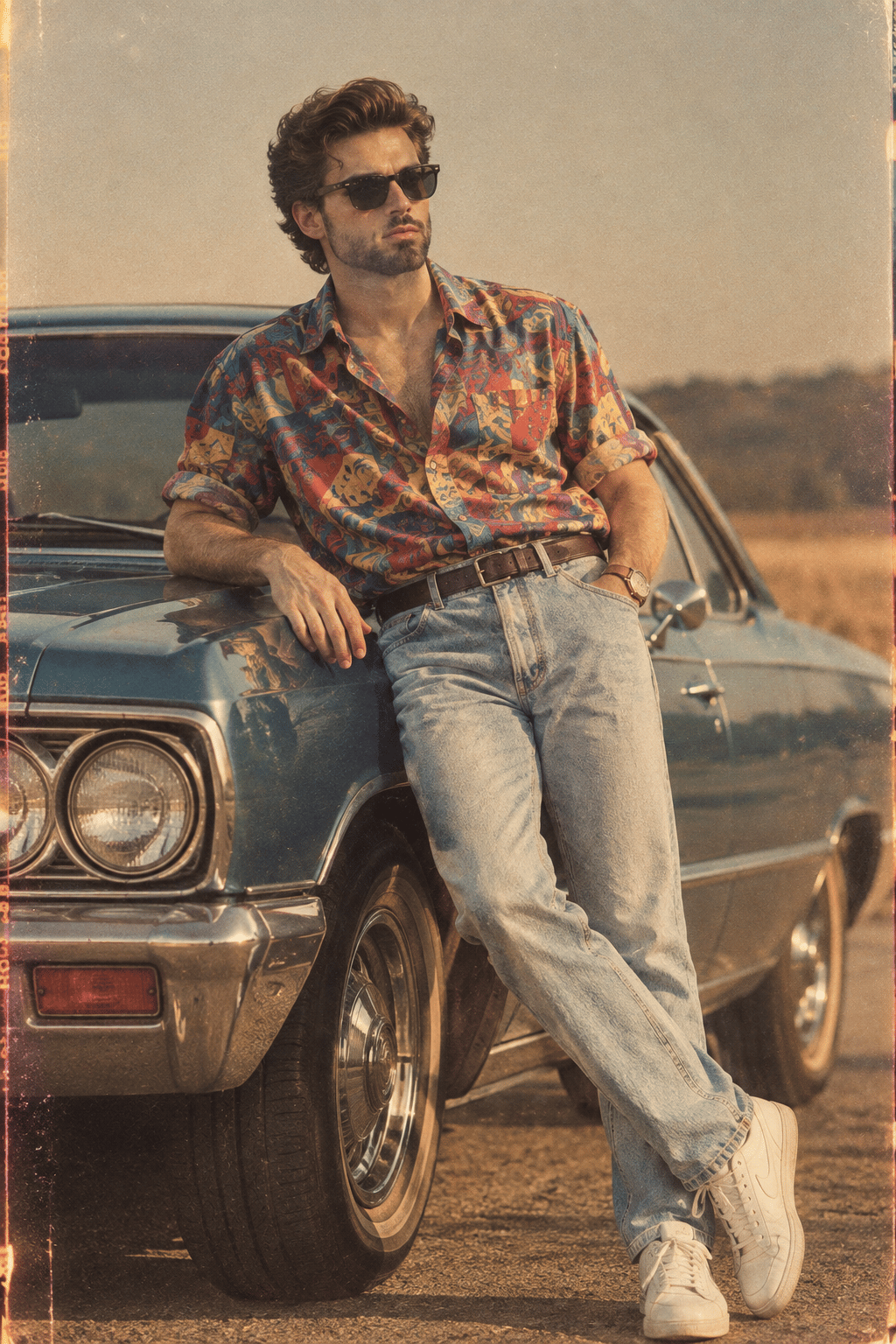
4. Retro street style beside a vintage car
Create a realistic 1980s-inspired portrait of a young man with a vintage vibe. Dress him in a colorful retro shirt with bold prints, light-wash jeans, white sneakers, and a classic belt. He should be leaning against a vintage car, wearing sunglasses, with a relaxed, confident pose and natural expression. Keep the background simple and cinematic, with warm lighting and film grain for an authentic 80s feel.
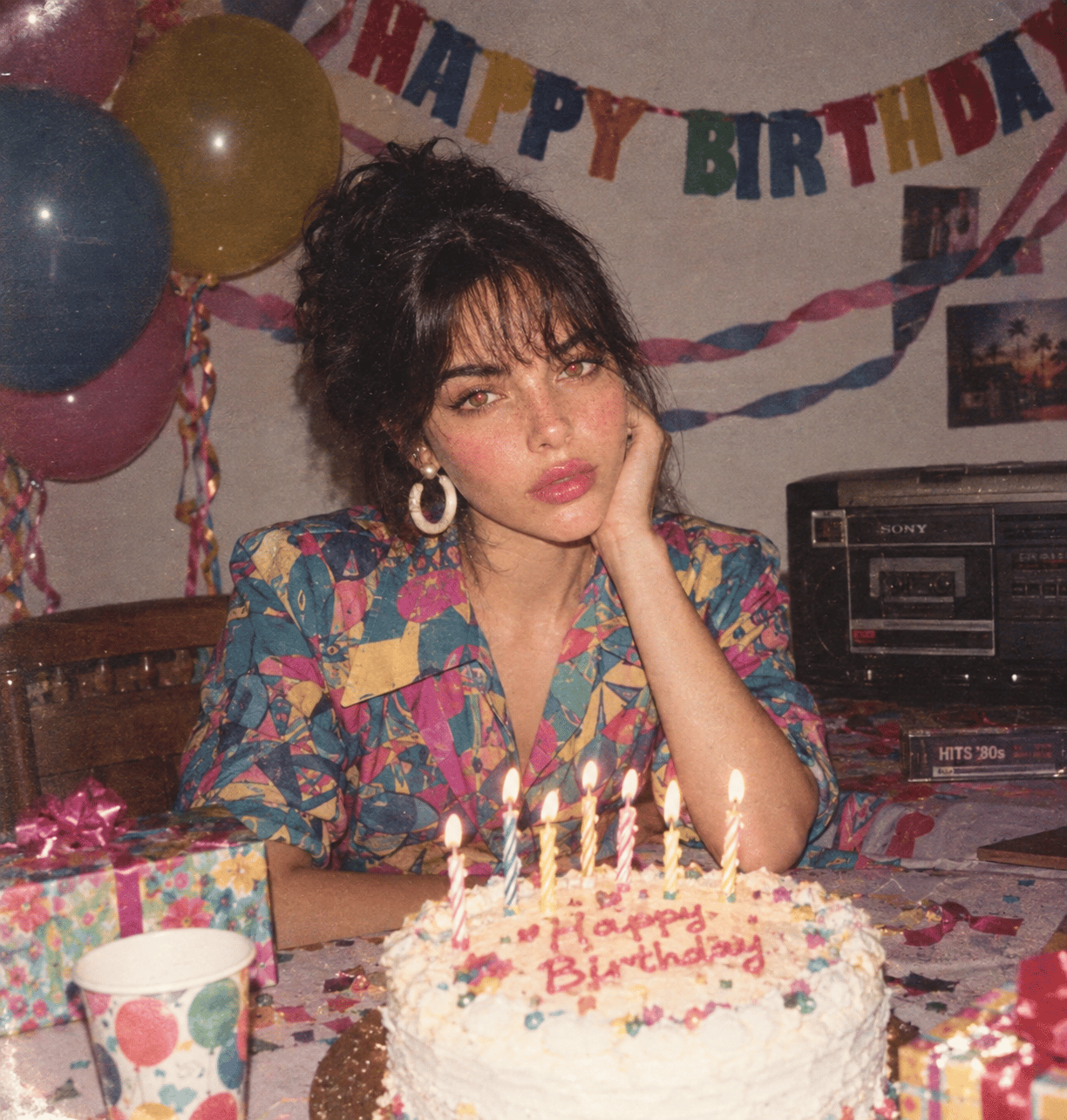
5. A forgotten 1980s birthday party photo
Create a joyful 1980s birthday party photograph featuring the uploaded person. Preserve their exact facial identity. Dress them in authentic 80s party clothing with oversized collars, colorful patterns and period-accurate hairstyles. Place them beside a homemade birthday cake, paper decorations, balloons, wrapped gifts and a cassette player. Use direct on-camera flash, slight red-eye, realistic 35mm grain, imperfect exposure, faded colors and spontaneous framing. Make it look genuinely amateur and emotionally authentic — like a forgotten birthday photograph found inside an old family drawer.
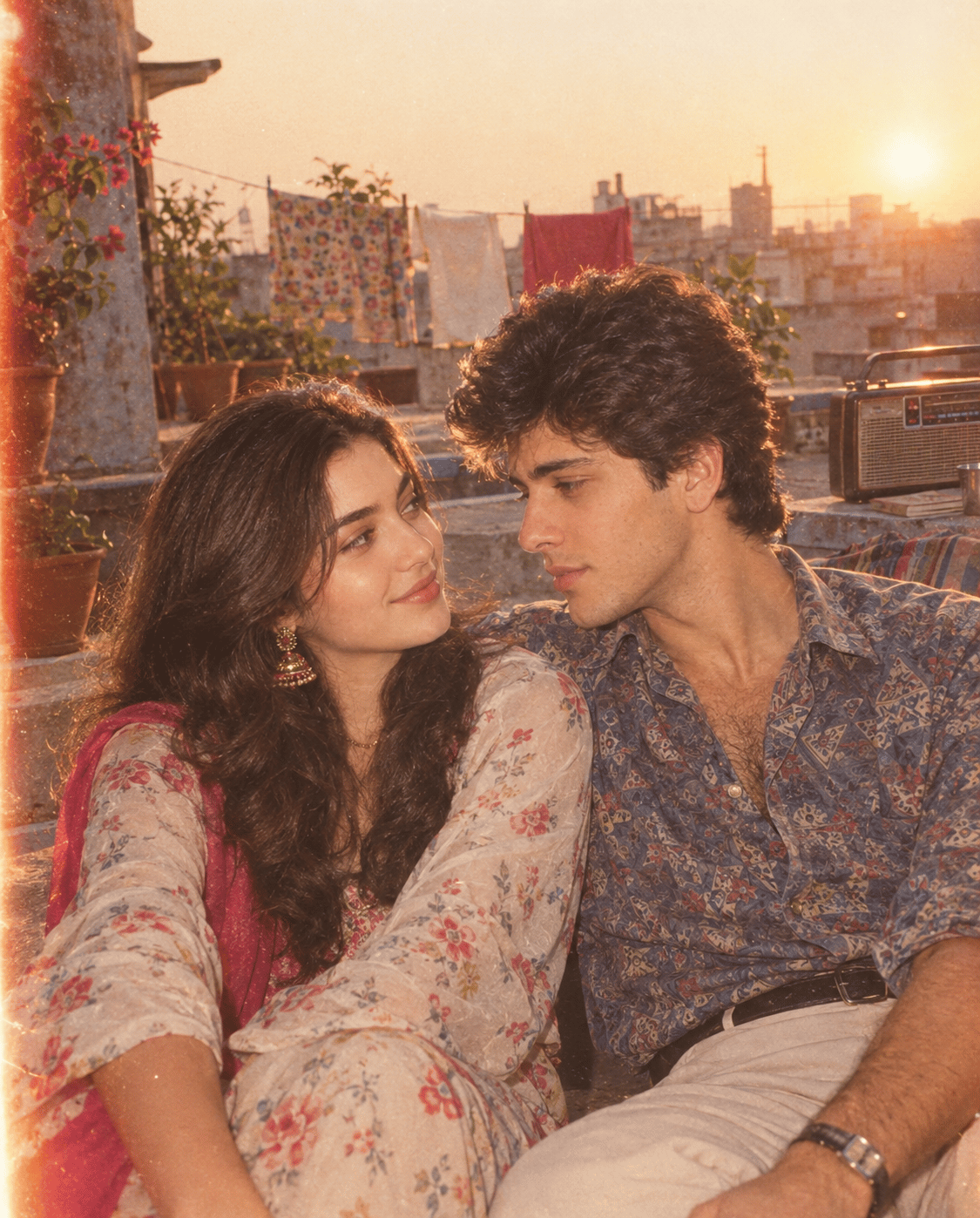
6. A dreamy 1985 rooftop portrait for couples
Transform the uploaded couple into a dreamy alternate-life photograph set in 1985. Preserve their exact facial identities. Give them authentic 80s hairstyles, fashion and accessories while keeping their real facial characteristics completely recognizable. Place them together on a beautiful Indian rooftop at golden hour, surrounded by clotheslines, potted plants, an old transistor radio and distant city rooftops. They look at each other naturally, with a quiet romantic expression. Shoot on 35mm analog film with warm sunlight, direct flash, subtle grain, halation, faded colors and imperfect exposure. The final image should feel like a memory from a life they never actually lived.
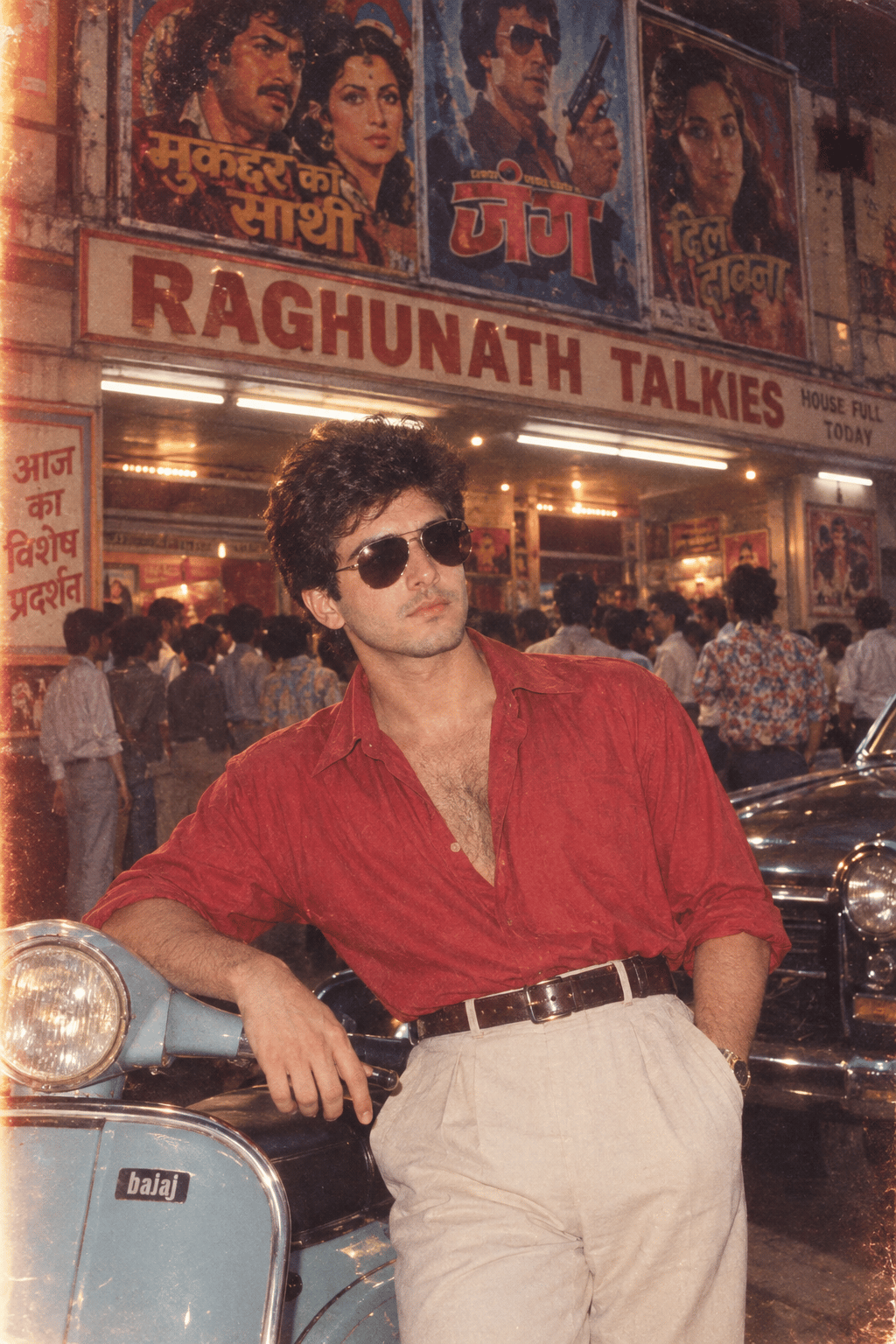
7. A fictional 1980s Indian cinema publicity still
Reimagine the uploaded person as the lead character of a fictional 1980s Indian cinema film. Preserve their exact facial identity and natural appearance. Give them dramatic 80s Bollywood-inspired styling — oversized hairstyle, bold shirt, high-waisted trousers, leather belt, statement sunglasses and confident movie-star attitude. Set the scene outside an old Indian cinema hall covered with colorful fictional movie posters, glowing tube lights, vintage scooters and crowds waiting for the evening show. Capture the photograph with dramatic on-camera flash, 35mm film grain, warm tungsten highlights, slight halation, faded colors and authentic analog imperfections. The result should look like a rare behind-the-scenes publicity photograph from 1986, not a modern recreation.
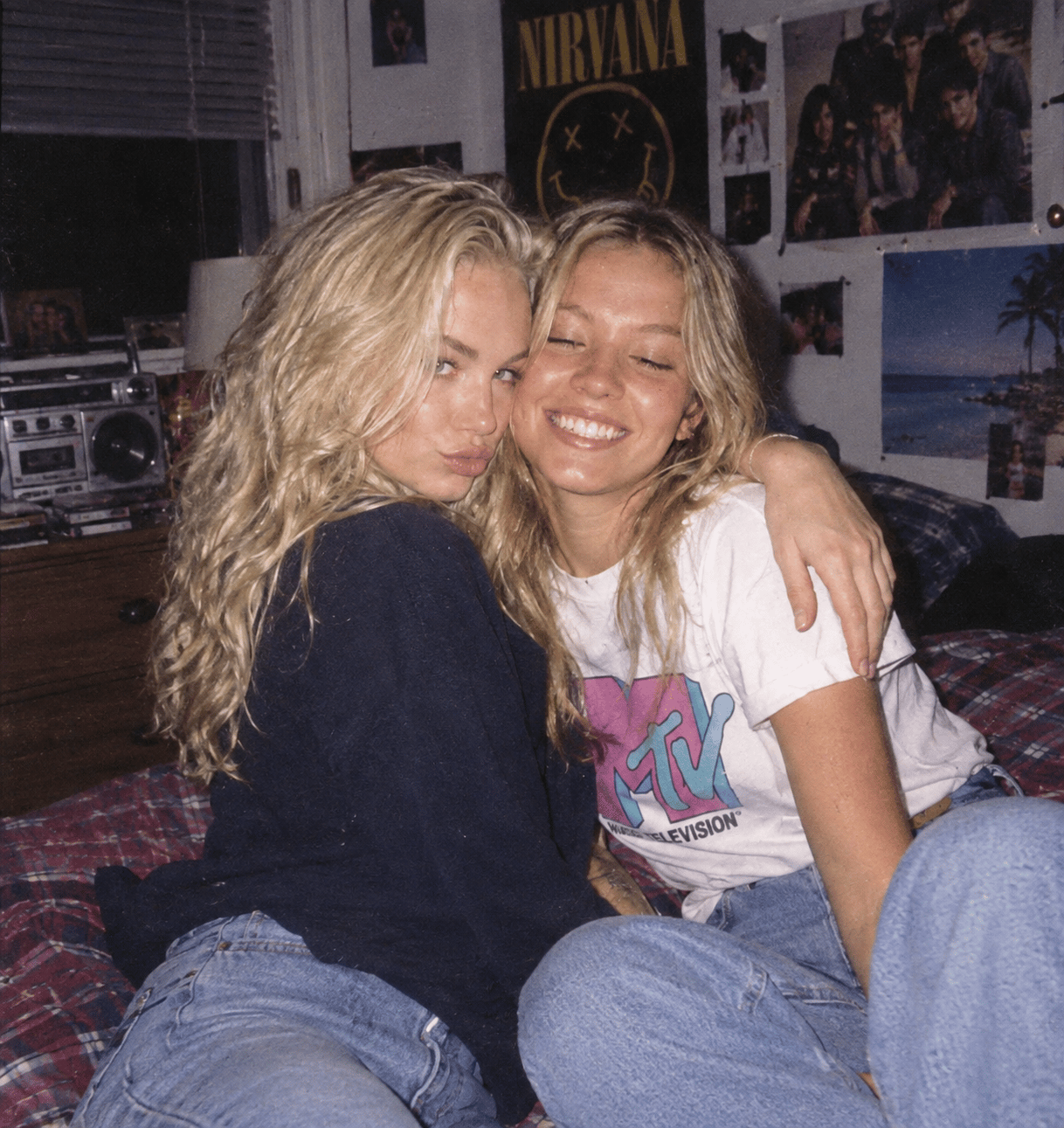
8. A casual 90s best-friends snapshot
Recreate two uploaded friends as a casual 1990s best-friends snapshot. Preserve both identities. Use simple clothing, an ordinary street or bedroom, direct point-and-shoot flash, mild grain, and imperfect framing. Make it spontaneous and believable.
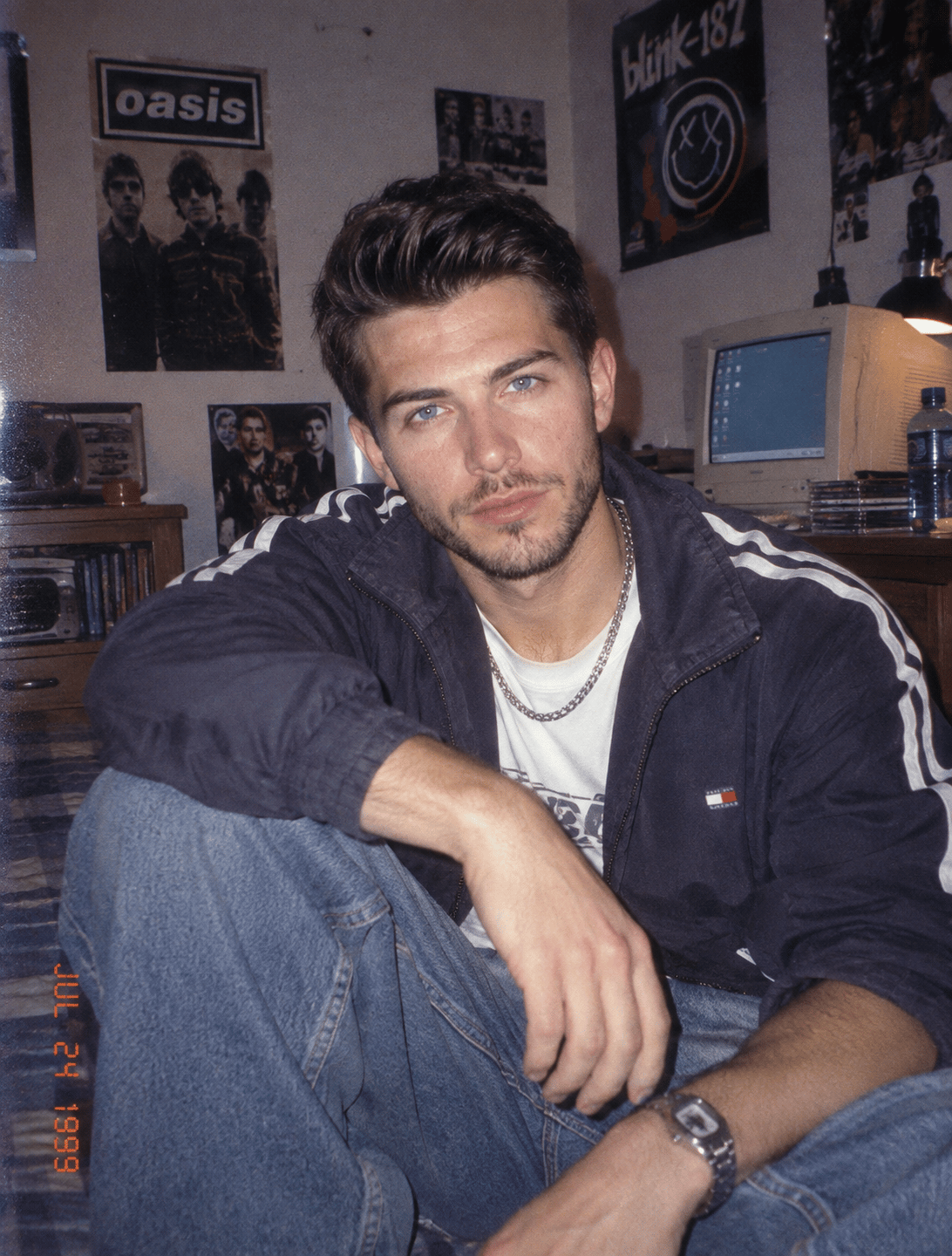
9. Late-90s, early Y2K without going 2000s
Transform the uploaded photo into a late-1990s portrait that hints at early Y2K fashion without becoming a 2000s photo. Preserve identity. Use relaxed denim, restrained metallic accessories, compact-camera flash and subtle grain. Keep it unmistakably 1999.
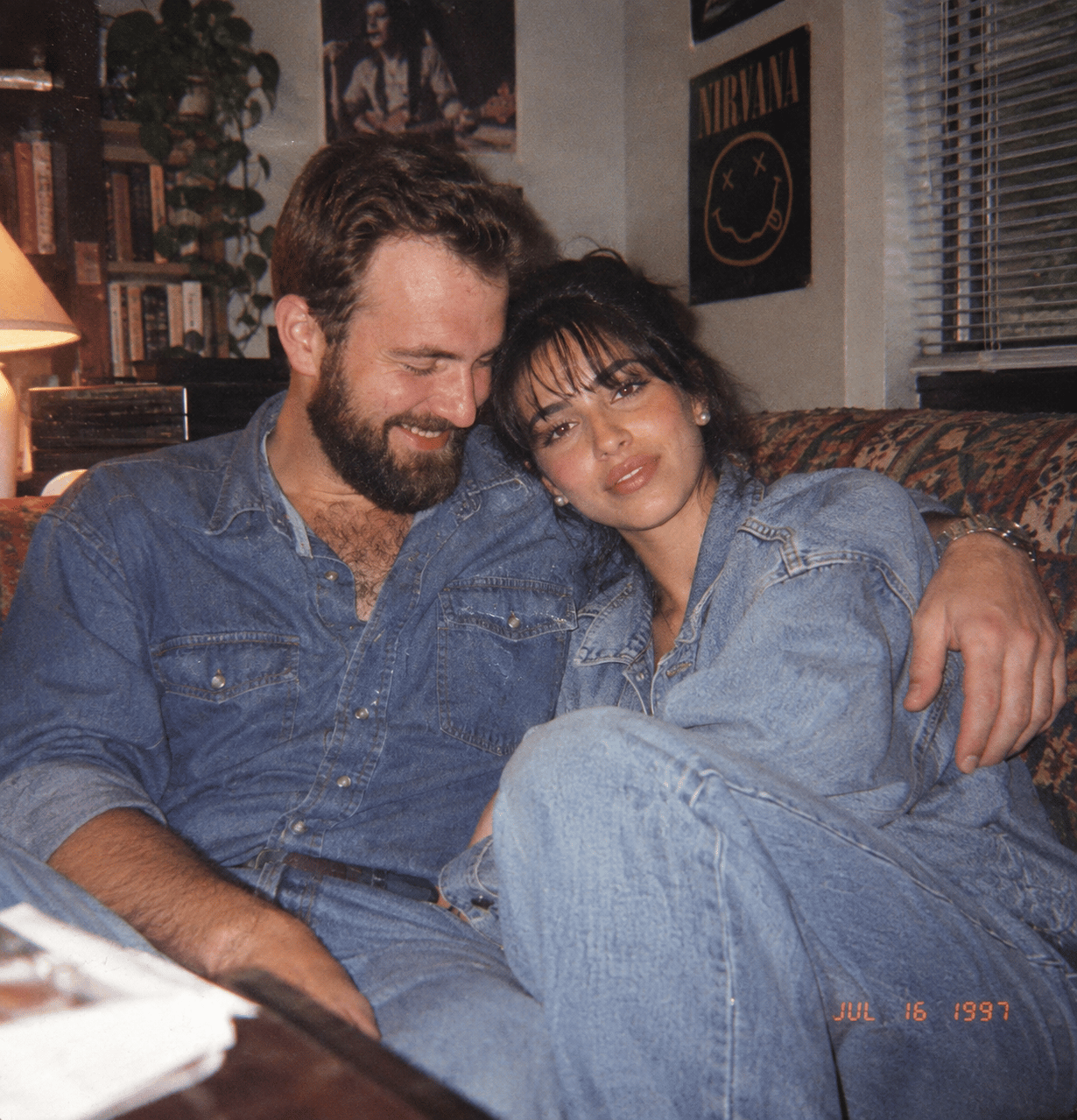
10. A believable 90s couple photograph
Recreate two uploaded people as a believable 1990s couple photograph. Preserve both identities. Use casual denim, a candid pose, direct flash and point-and-shoot framing. Add authentic 35mm grain and natural background clutter.
For a much larger set of ready-to-copy variations on these same ideas — family albums, school photos, magazine covers, road trips and more — see the 50 80s and 90s AI image prompts roundup.
What makes an AI image feel truly 1980s?
When generating retro images with AI, it's easy to focus solely on the outfit — but clothes are only half the story. To capture that authentic 1980s feel, every single element in the frame needs to ground the viewer in the decade.
Start by dialing in the camera aesthetics. Digital shots today are crisp and polished, but vintage 35mm prints were defined by gentle softness, color shifts, analog grain, and unpredictable exposure. Prompting for these subtle quirks makes all the difference in achieving a believable film look.
Lighting is another giveaway. Back in the '80s, direct on-camera flash was standard for family gatherings and casual hangouts. Embracing sharp highlights, harsh shadows, and slightly blown-out whites gives your image the raw, spontaneous feel of a real photo album snapshot.
Don't forget the background details. Everything from bulky TVs, cassette decks, and boxy sedans to retro wall art and period hairstyles helps tell the story. A single modern item hiding in the background can instantly break the illusion.
Embrace the imperfections
It might sound counterintuitive, but the key to realistic retro AI photography lies in leaning into visual flaws.
Snapshot photography from the 1980s wasn't flawless. Pictures often had a touch of motion blur, color fading, light leaks, or heavy grain. That unpolished quality is exactly what gives vintage photos their charm.
When crafting your prompts, encourage those natural imperfections. You're not trying to make the image look aged or damaged — you're recreating the practical limitations of point-and-shoot cameras from that era. For the identity side of this same problem — how to keep imperfections without losing your actual face — see why AI portraits lose your face.
Turn modern photos into retro memories with PicX Studio
You don't need thrift-store finds or film cameras to play with '80s aesthetics. With modern AI tools, a single headshot can serve as the canvas for a nostalgic journey back in time.
Platforms like PicX Studio let you transform modern portraits into distinct historical concepts. In just a few prompts, you can reimagine yourself in a 1984 family portrait, a glam 1987 magazine cover, or a casual late-80s street scene.
This offers creative freedom for social media managers, designers, content creators, or anyone who loves nostalgic storytelling.
And the technique isn't limited to the 1980s — once you master period lighting, styling, and scenery, you can easily travel to the 1970s, the grunge '90s, or the early Y2K era. Browse retro templates for a finished look to start from.
Final thoughts
The fascination with '80s photography goes beyond pure nostalgia. It's about that unmistakable interplay of bold fashion, analog warmth, vibrant palettes, and retro environments.
AI gives creators an accessible gateway to that distinct era. With a thoughtful prompt, a modern image can comfortably find a home in a dusty family album, a retro music magazine, or a vintage fashion archive.
Use the prompts in this guide as inspiration, but feel free to experiment. Tweak the lighting, adjust the wardrobe, swap the location, or shift the decade to bring your own creative vision to life.
So if you've ever caught yourself wondering, "What would I have looked like in 1985?", AI can now offer a wonderfully vivid answer.
With the right prompt and tools like PicX Studio, you aren't just generating an old photo — you're crafting a visual memory from an era gone by.