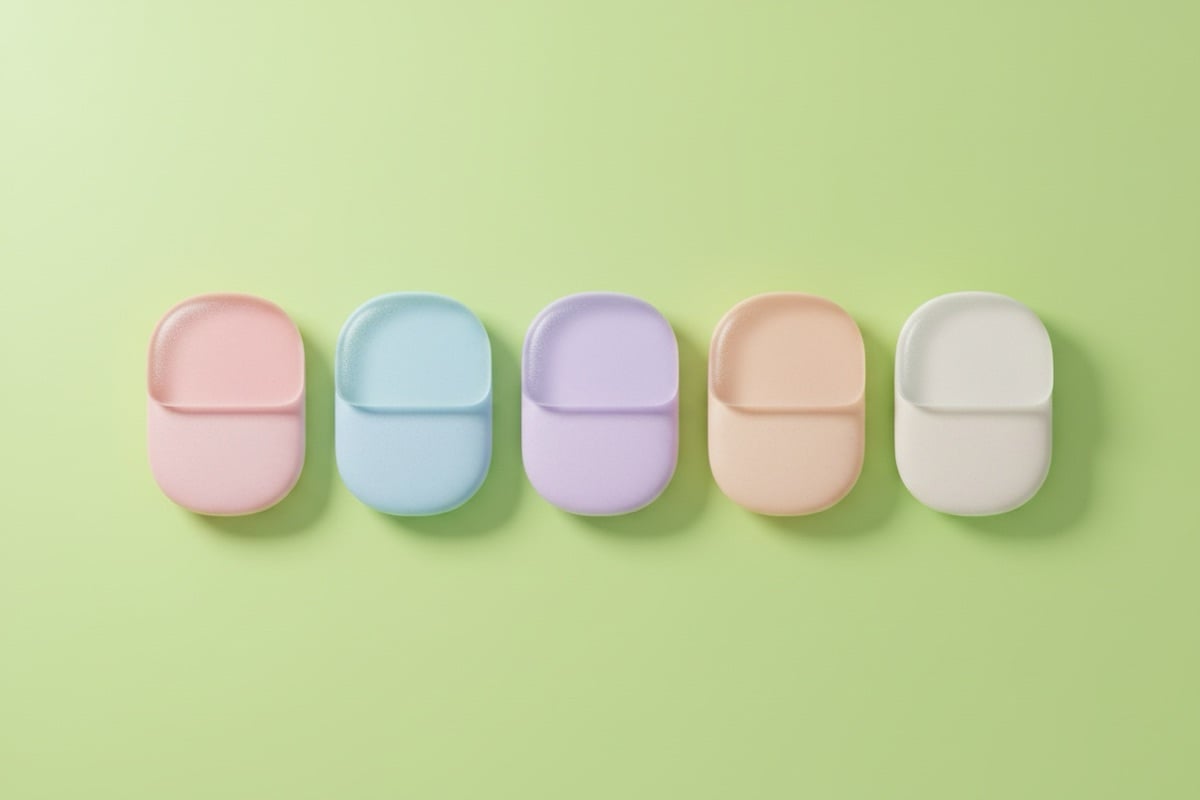
How to get a color palette from an image
Upload the image and it's sent to PicX's servers, where an AI vision model looks at it the way a designer would. It identifies 5–6 dominant colors that represent the image well and work together, gives the palette a short name, names each color and suggests where to use it. Every hex code is checked to be a valid six-digit value before you see it.
Because the AI chooses the colors rather than counting pixels, a small but striking accent, such as a red umbrella in a grey street, can make the palette even though it covers little of the image. If you need the exact value of one specific pixel instead, use the Color Picker.
Using your palette: the 60-30-10 rule
A palette of six colors doesn't mean using all six equally. A dependable starting point for websites, slides and rooms alike is 60-30-10: one dominant color for most of the space, a secondary color for about a third, and an accent for the small things you want noticed.
- Check text against its background for contrast: WCAG asks for at least 4.5:1 for body text.
- Keep a near-white and a near-black handy for text, even if they aren't in the palette.
- Use the palette's usage suggestions as a starting point, not a rule.
- Test the palette on a real layout, not just swatches; colors change character next to each other.
| Share | Role | Typical use |
|---|---|---|
| 60% | Dominant | Page background, large surfaces |
| 30% | Secondary | Cards, sections, headings |
| 10% | Accent | Buttons, links, highlights |
Color palette from image vs color picker
Use a color palette generator from image when you want a set of colors with a mood: inspiration, theming, branding. Use a color picker when you need one exact value you can see, like the blue in a logo. Many designers use both: the palette for direction, the picker to match a specific detail.
Palettes also make a good brief. Paste the hex codes into a message to a designer, into a Canva brand kit or into your website theme settings, and everyone works from the same colors instead of guessing from a screenshot.