
Cinematic Casino Card Handling
A highly detailed technical prompt for Seedance 2.0 focused on maintaining character identity and realistic physics during intricate card tricks in a cinematic casino setting.
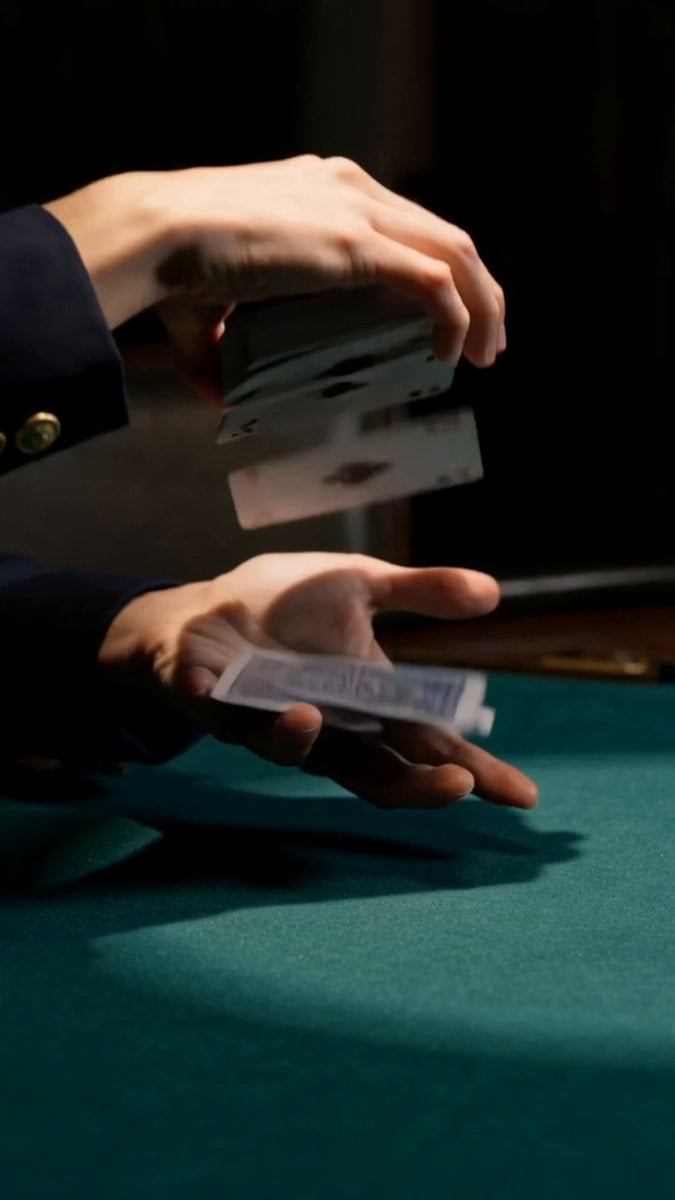
- Prompt included
- Model and format preset
- Free template
The prompt behind this video
Copy the exact prompt behind Cinematic Casino Card Handling, or open it in the studio and make it yours.
720P, portrait 9:16 format to create a 15-second video. Please utilize Seedance 2.0's ability to generate a 15-second video in a single pass. Ultra-realistic live-action cinematic short film, 15 seconds, set inside an upscale casino. Use the uploaded character image@【人物三视图】 as the sole identity reference for the protagonist. Preserve the exact same facial identity, facial proportions, skin tone, hairstyle, hair color, age impression, body proportions, clothing, accessories, and overall presence from the uploaded character image. The protagonist must remain visually consistent throughout the entire film. Use the uploaded five action reference videos only to control the corresponding card actions. These action reference videos must influence only the hand movements, finger articulation, grip, deck handling, card trajectories, motion rhythm, timing, release force, catching motion, and finishing poses. Do not inherit any character appearance, wardrobe, background, framing, lighting, composition, camera angle, or visual style from the action reference videos. SCENE: A real upscale casino interior with a deep green felt card table positioned at the center. The distant casino environment remains dim and subdued, with only faint silhouettes of tables, chairs, chandeliers, and architectural elements visible in the darkness. The setting feels premium, restrained, and cinematic. LIGHTING: A single focused warm-white overhead spotlight illuminates the protagonist’s upper body, hands, cards, and the green felt table. The rest of the casino falls into near darkness. Add a very subtle soft frontal fill light only to preserve detail in the eyes, finger joints, and card edges without flattening the dramatic shadows. The lighting must create realistic depth, directional contrast, natural falloff, and physically believable shadow behavior. The cards, hands, and fingers must cast consistent and dynamically changing shadows onto the green felt table. As cards move, flip, arc, rotate, and fall, their brightness, reflections, motion blur, occlusion, and shadows must respond naturally to their angle and position under the overhead light. Avoid flat lighting, decorative rim lighting, fantasy glow, neon effects, or unmotivated light sources. ACTION CHAIN: CARD WATERFALL PULL Strictly reference the uploaded “【拉牌】” video for the movement only. Begin already in motion. Extreme close-up from a front-right angle near hand level. Show only both hands, part of the sleeves, the deck, and a small area of green felt. One hand releases the cards in a continuous controlled stream into the other hand. Preserve the exact rhythm, hand spacing, release pattern, falling arc, and receiving motion from the reference. The receiving hand catches the full deck and squares it cleanly. The overhead light creates thin moving highlights along the card edges and layered moving shadows across the receiving hand and table. ONE-HANDED CHARLIER CUT Strictly reference the clean one-handed Charlier cut segment from the uploaded “【查理切】” video for the movement only. Use only one complete Charlier cut. Do not add any extra one-handed flourishes or multi-packet variations. Close hand shot from the protagonist’s left-front side, slightly below hand level. The frame includes the operating hand, the other hand resting naturally near the table edge, a small portion of the torso, and the green felt table. The deck separates into two packets, the lower packet drops, the finger pushes through, the packets pass, and the deck closes as one. The camera remains locked off. One side of the hand is lit by the overhead light while the opposite side falls into natural shadow, clearly showing the thickness and layers of the cards. VERTICAL TWO-HAND FLOURISH Strictly reference the uploaded “【花切】” video for the movement only, specifically the segment where the cards form a continuous stepped vertical chain between the upper hand and the lower receiving hand. Do not include the crossed-arm ending. Front-facing medium close-up at chest height. Frame the upper hand, the vertical chain of cards, the lower receiving hand, and part of the torso. The face should be only partially visible or remain secondary to the card action. Preserve the exact hand spacing, stepped structure, curved path, release rhythm, downward flow, and final catching motion from the reference. As the cards pass through the overhead beam, each card briefly moves from shadow into highlight and back into shadow, producing flickering natural edge highlights and layered moving shadows on the hands, torso, and table. TABLE RIBBON SPREAD AND PROGRESSIVE TURNOVER Strictly reference the uploaded “展牌” video for the movement only. Use an overhead 90-degree top-down view. The frame contains only both hands and the full ribbon spread on the green felt table. The protagonist spreads the deck smoothly into one long evenly spaced ribbon with card backs facing upward, then progressively turns the entire ribbon over from one end to the other with a continuous finger motion, revealing the card faces in sequence. Preserve the reference movement direction, spreading speed, card spacing, ribbon length, turnover rhythm, and finish. The camera remains completely static. The overhead spotlight creates a soft oval pool of light across the center of the table, with fine contact shadows between the cards and a traveling hand shadow moving along the ribbon during the turnover. Multiple one-handed cuts in rapid succession, the silver ring flashing with every movement. Wide shot of him seated at the card table with the dark casino behind him, alternating with tight close-ups of his hands and a sharp side profile. He suddenly launches the entire deck high into the air. The cards explode upward, spinning rapidly and catching the overhead light. HERO MOMENT. The instant the cards reach their highest point, time slows dramatically into a bullet-time effect. The camera orbits around him as hundreds of cards hang suspended in mid-air, rotating slowly under the light. He remains completely still, then turns his eyes directly toward the camera for the first time—cold, controlled, unflinching. Time suddenly accelerates again and the cards begin falling rapidly around him. Without looking away from the camera, he reaches into the collapsing cloud of cards and cleanly catches a single card between two fingers. All remaining cards fall onto the table. Close-up: he slowly turns the captured card toward the camera—the seven of clubs. Faintest smile. Cut to black. Jazz fades into AND EDITING RULES: Each action must be fully completed before the next cut. Use clean hard cuts only. No dissolves, no morphing transitions, no flash transitions, no AI-style warping, and no continuous blending between different actions. Every new shot begins with the hands and deck already in the correct starting pose for that action. Do not visibly transform one grip into another on screen. AUDIO: It should remain subtle and never overpower the card sounds. Every action must have synchronized, realistic card audio: friction, sliding, snapping, dropping, spreading, flipping, flying, and not generate background music for the entire video except for SFX. VISUAL STYLE: Ultra-realistic live-action cinema. Real actor, real casino environment, real card material, real hand structure, and physically believable movement. Skin must show natural pores, slight tonal unevenness, knuckle creases, and realistic tension in the fingers. Cards must have believable thickness, slight edge wear, realistic flexibility, and consistent physical inertia. Use restrained exposure, soft highlight roll-off, deep layered shadows, realistic focus transitions, subtle sensor noise, and natural motion blur.
How to use Cinematic Casino Card Handling in 3 steps
- 1Upload ImagePNG, JPG or paste
Add your photo
Upload the photo the template builds on. The prompt, model and format are already set.
- 2…a portrait of your subject in softgolden-hour light, 85mm…
Personalize
Edit the subject and creative details for your destination.
- 3Generate
Generate
Press Generate — your video is created in PicX Studio, so you can compare it with the original and refine one variable at a time.
More like this
Templates with the same subject, style or setup. Open one to see its prompt.
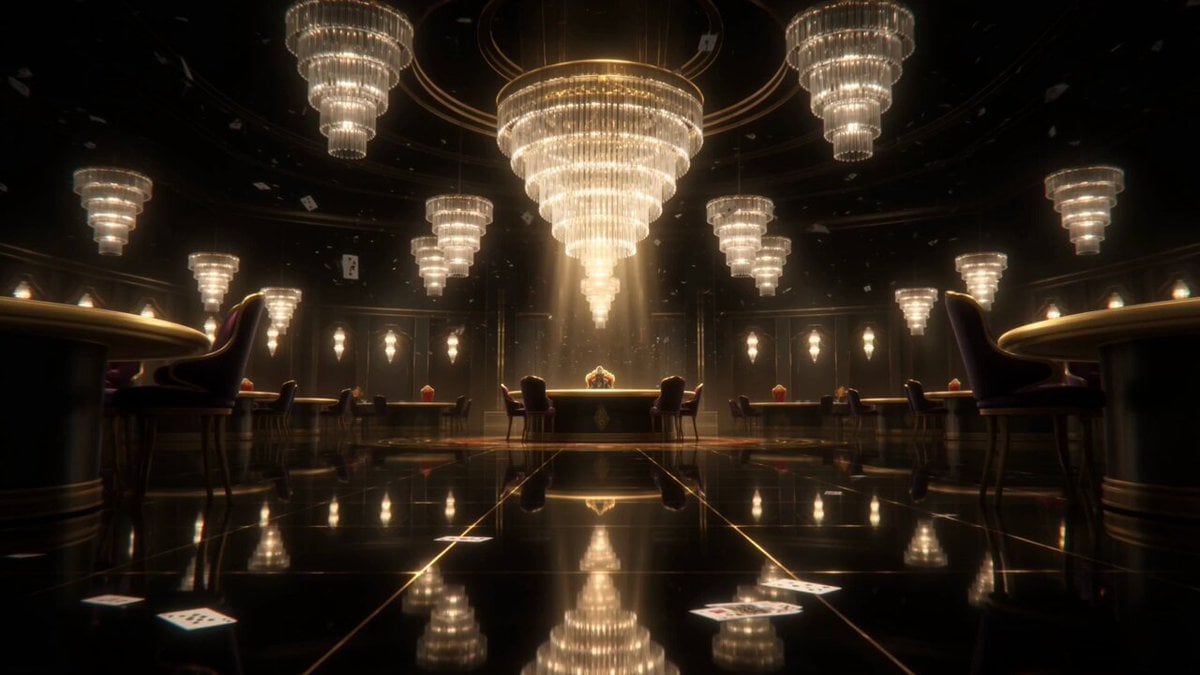
Supernatural Casino Card King Transformation
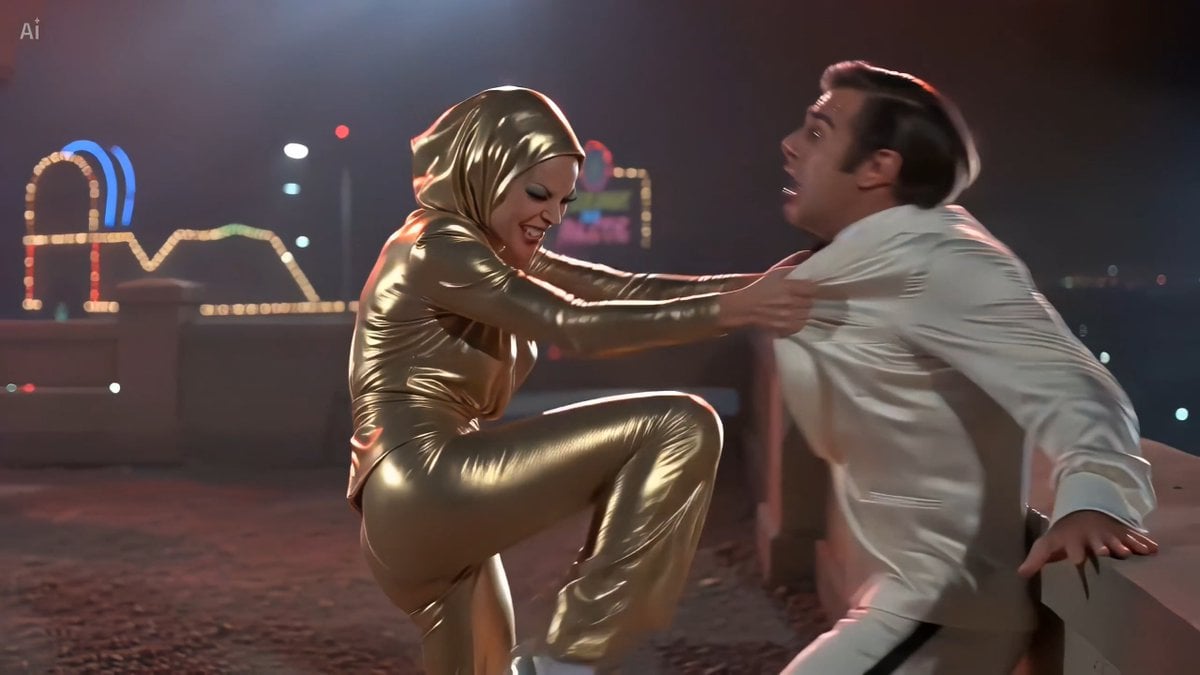
70s Giallo Action Casino Battle
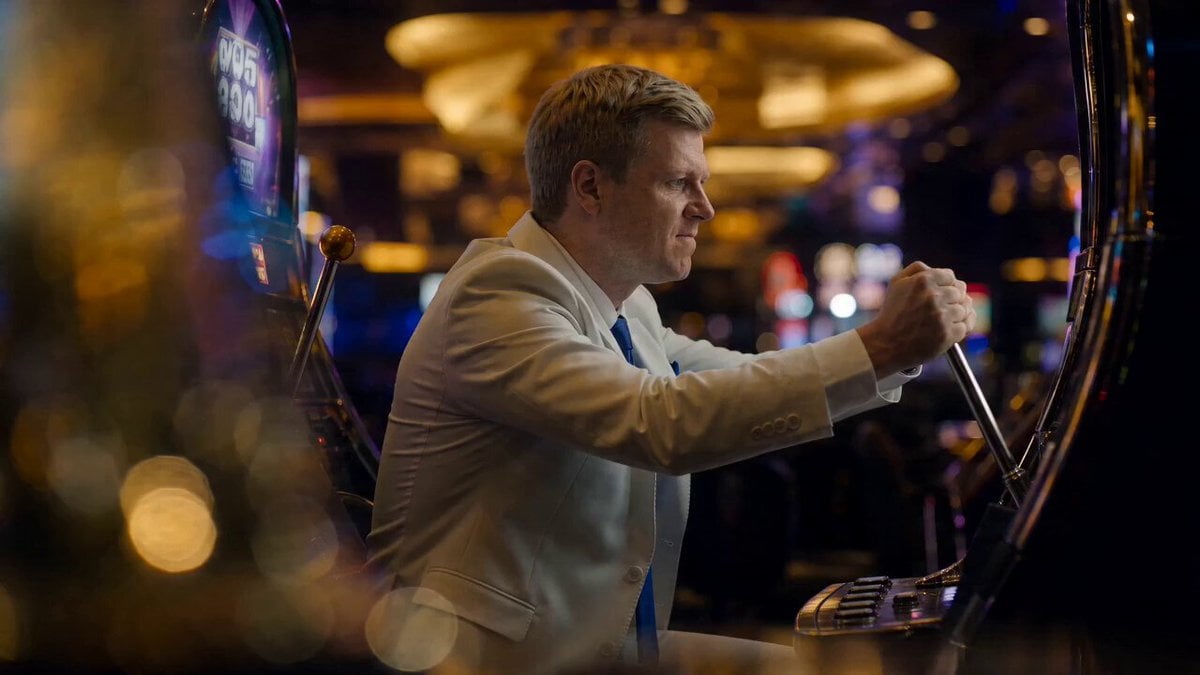
Cinematic Casino Suspense Sequence
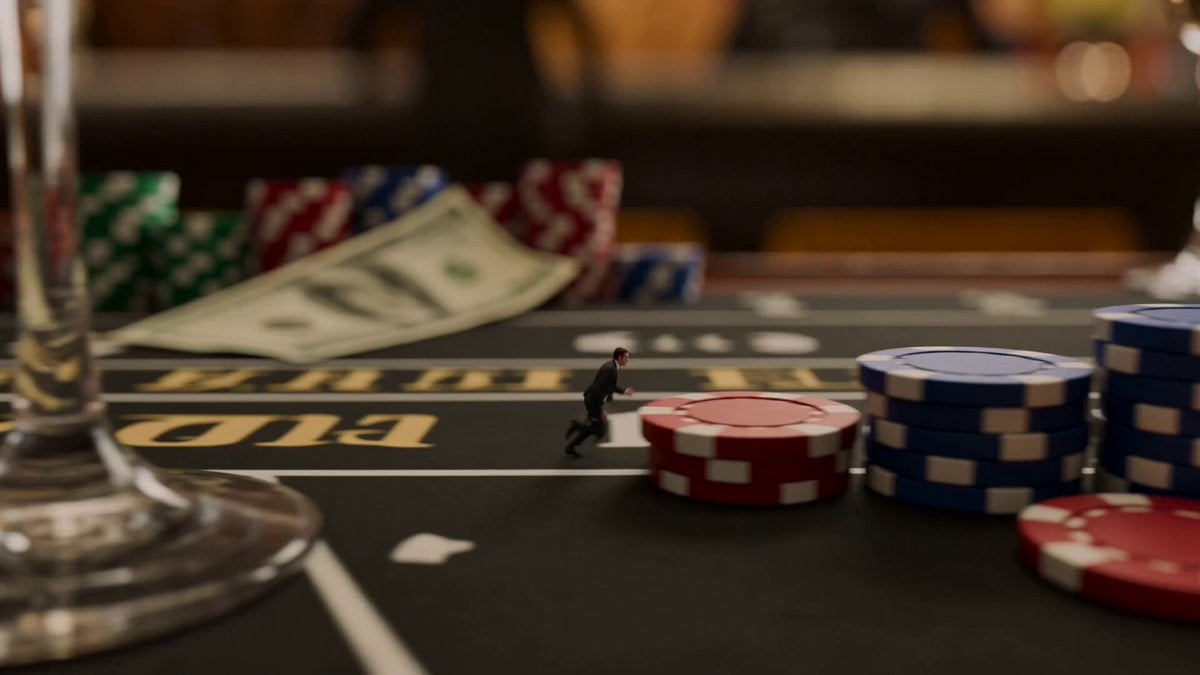
Tiny Agent Casino Heist Action
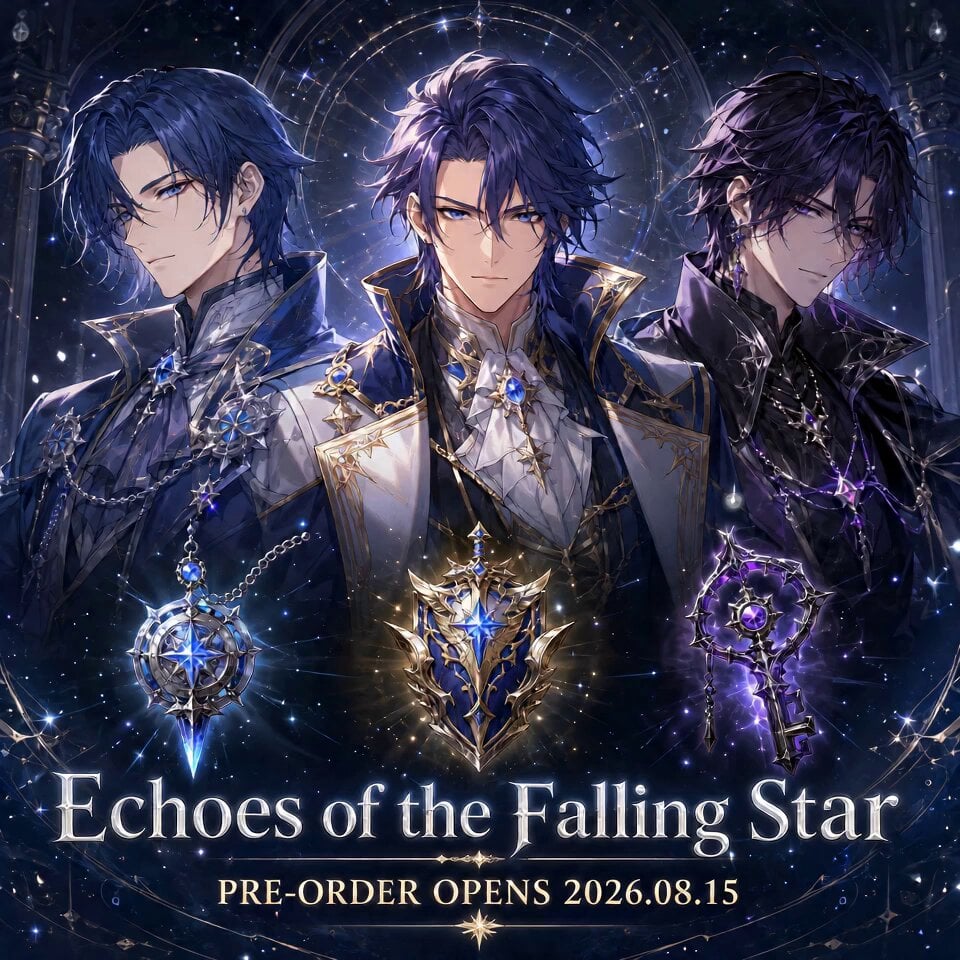
Fictional Game Teaser Visual Card
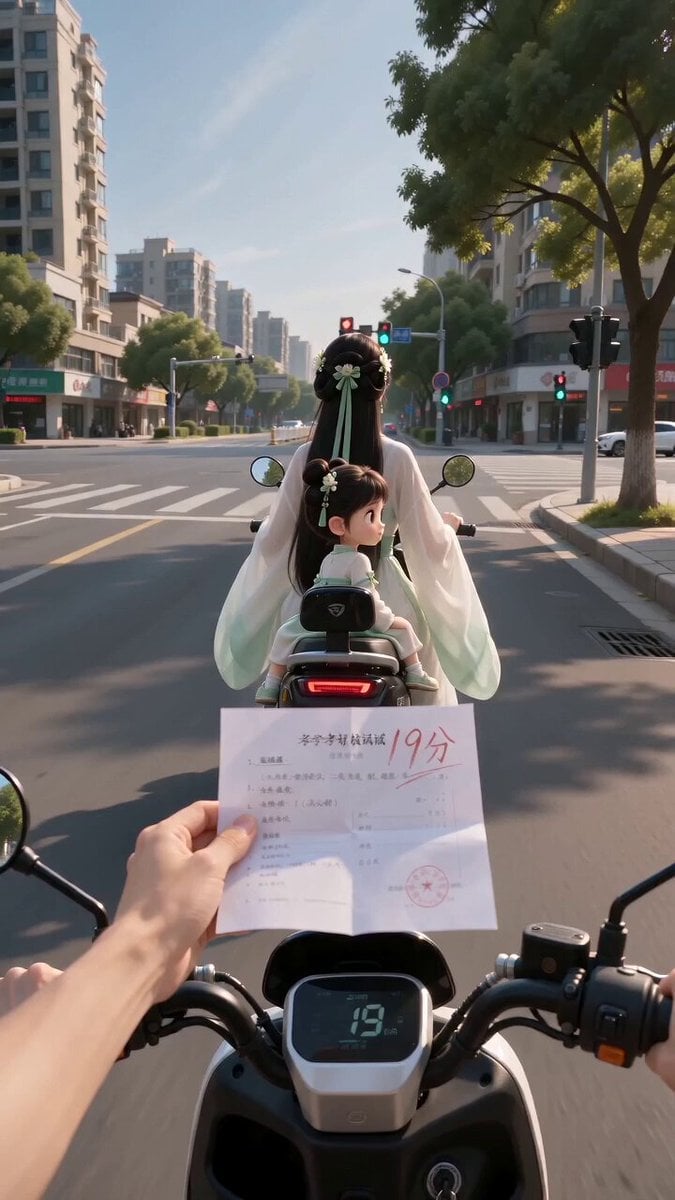
Ancient POV Child Report Card
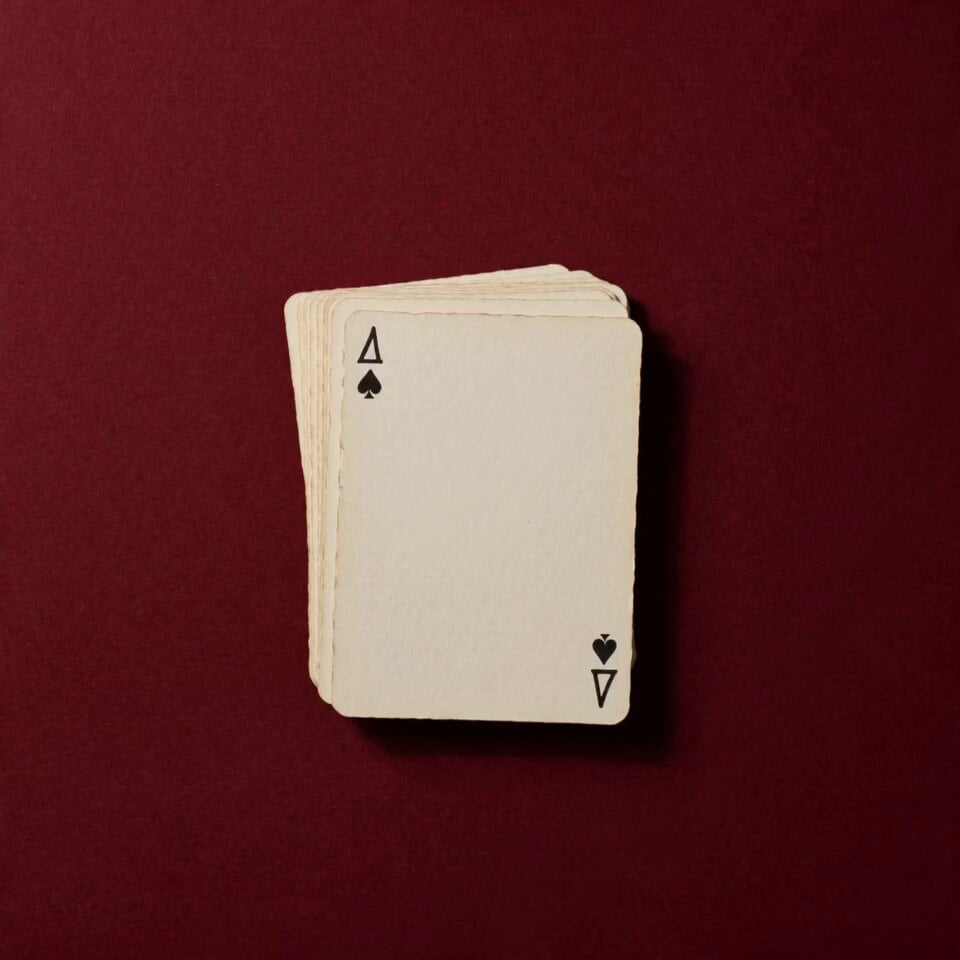
Stop Motion Playing Card Art Film
Pokemon Card Unboxing First Person POV
Seedance 2.0 Prompt for 'Card Check' Transition Video
Apartment Arrival Storyboard Animation

Horror Short Guesthouse Box
Mercedes 190 SL Luxury Ad
Make it yours
Cinematic Casino Card Handling works as-is. These are the safest ways to change it without losing the look.
Change one field
Copy a single group, rewrite it, and generate again so you can see what that field is doing.
Keep the frame, change the subject
Hold the composition and light of Cinematic Casino Card Handling, then swap wardrobe, props or the person for a new take.
| If the result… | Why | Fix |
|---|---|---|
| The result drifts from the preview | Too many fields changed at once. | Reuse Cinematic Casino Card Handling as-is first, then change one group — subject, light, or setting. |
| The model over-stylizes the scene | The prose prompt leaves finish and camera underspecified. | Add one camera or lighting sentence and stay on Seedance 2.0. |
More Seedance 2.0 templates
Other prompts made for Seedance 2.0.
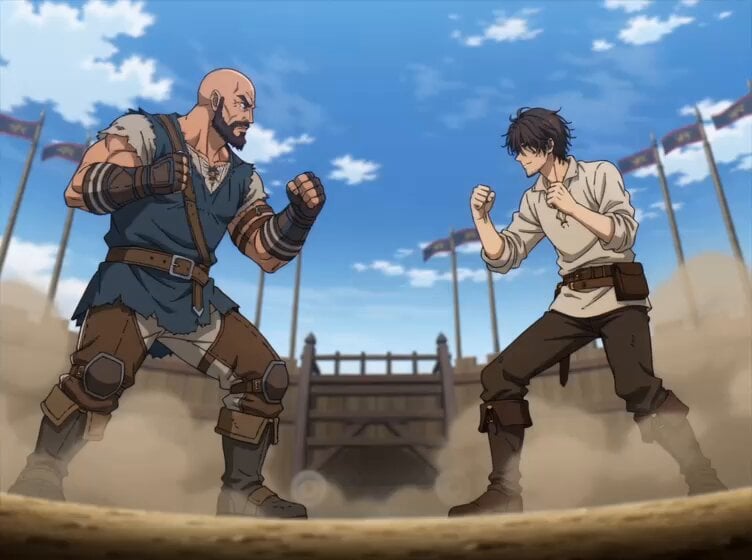
Comical Martial Arts Punch Scene
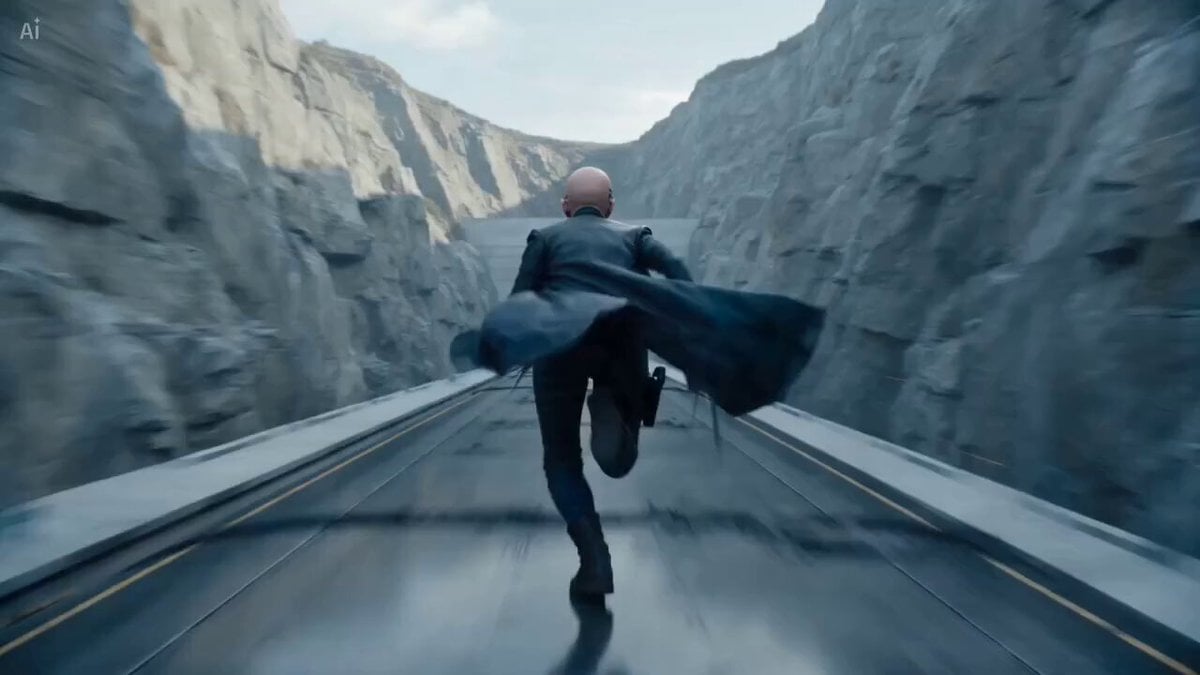
Maglev Train Action Sequence
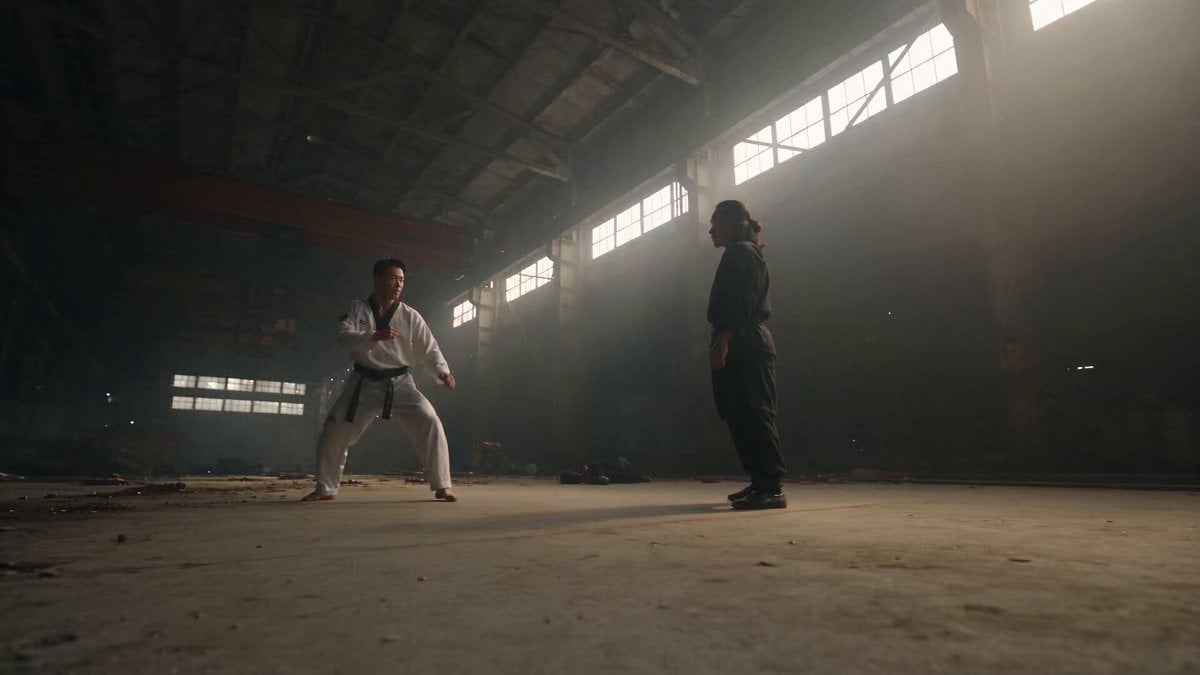
Martial Arts Fight Sequence
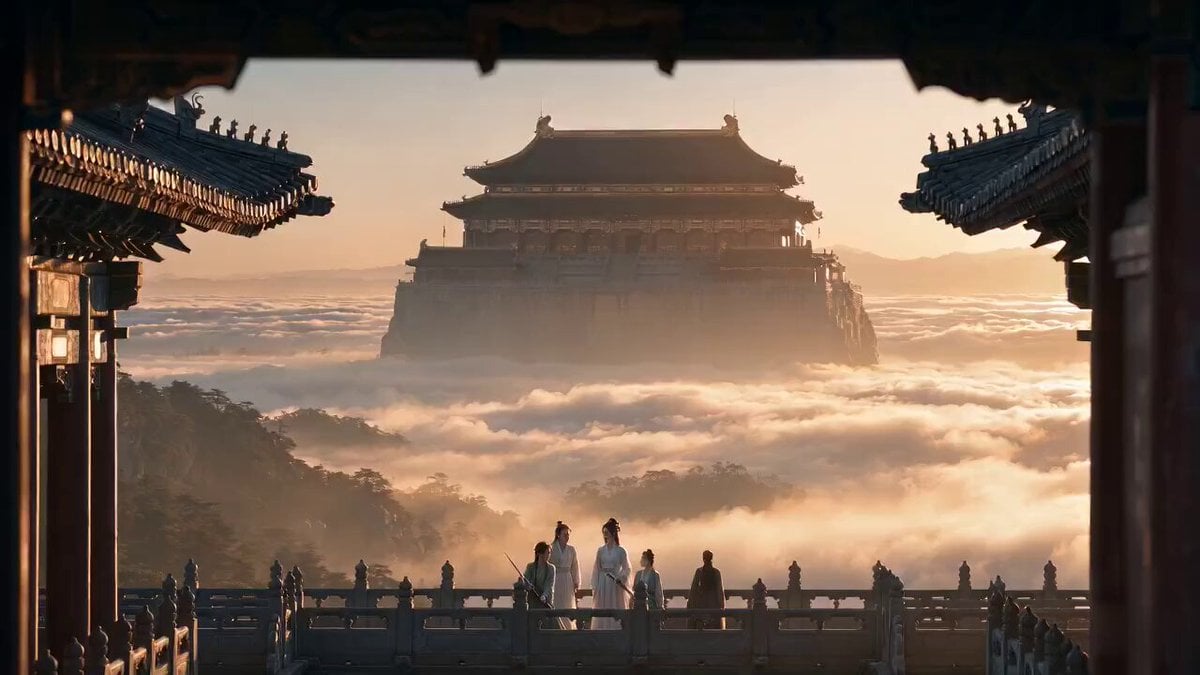
Wuxia Protection and Trust Script
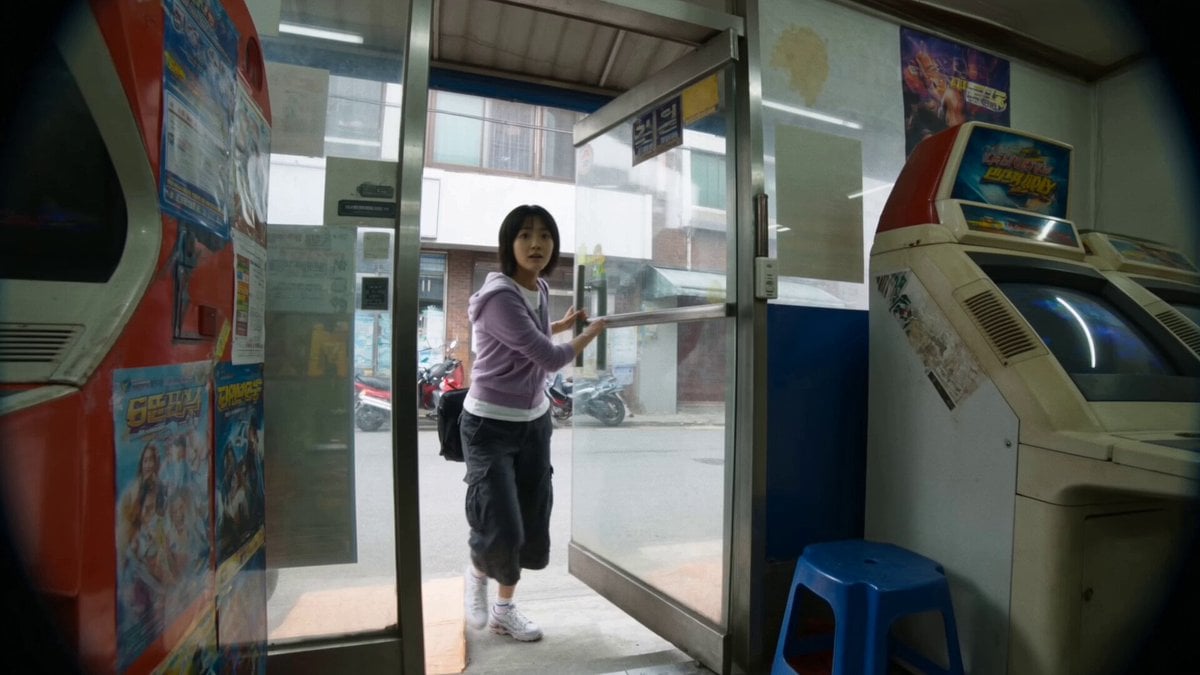
Vintage Korean Arcade MiniDV Vlog
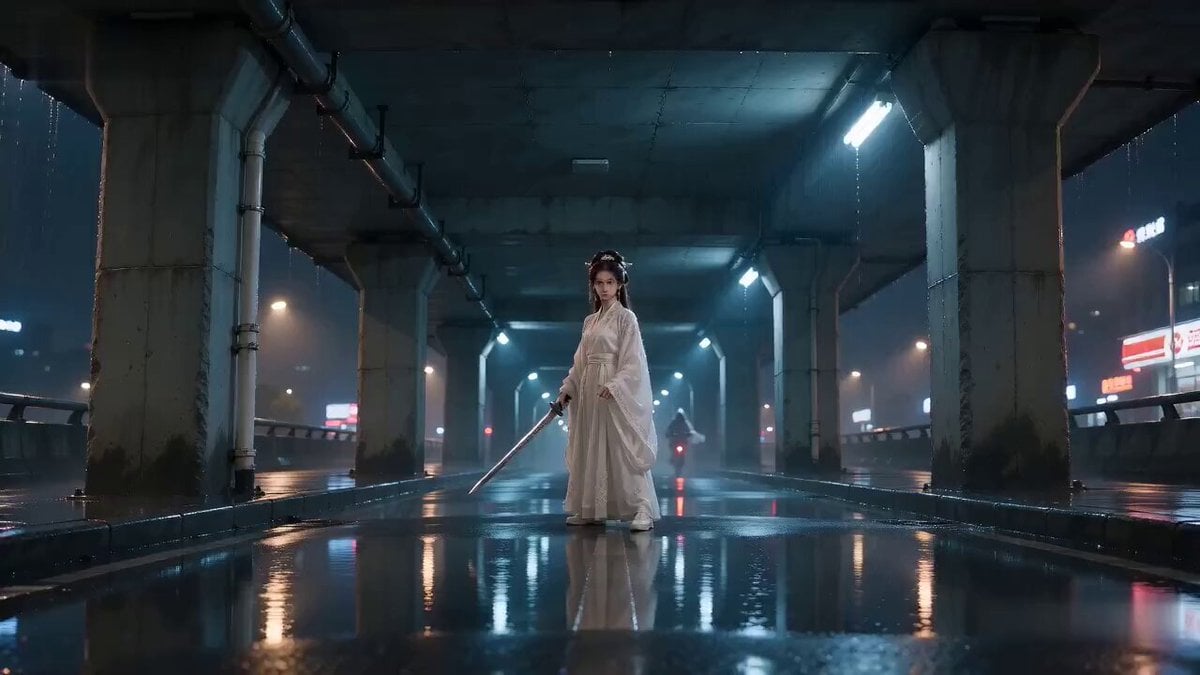
Rainy Night Supernatural Reverse Comedy Video Script

Amazon Civilization Discovery
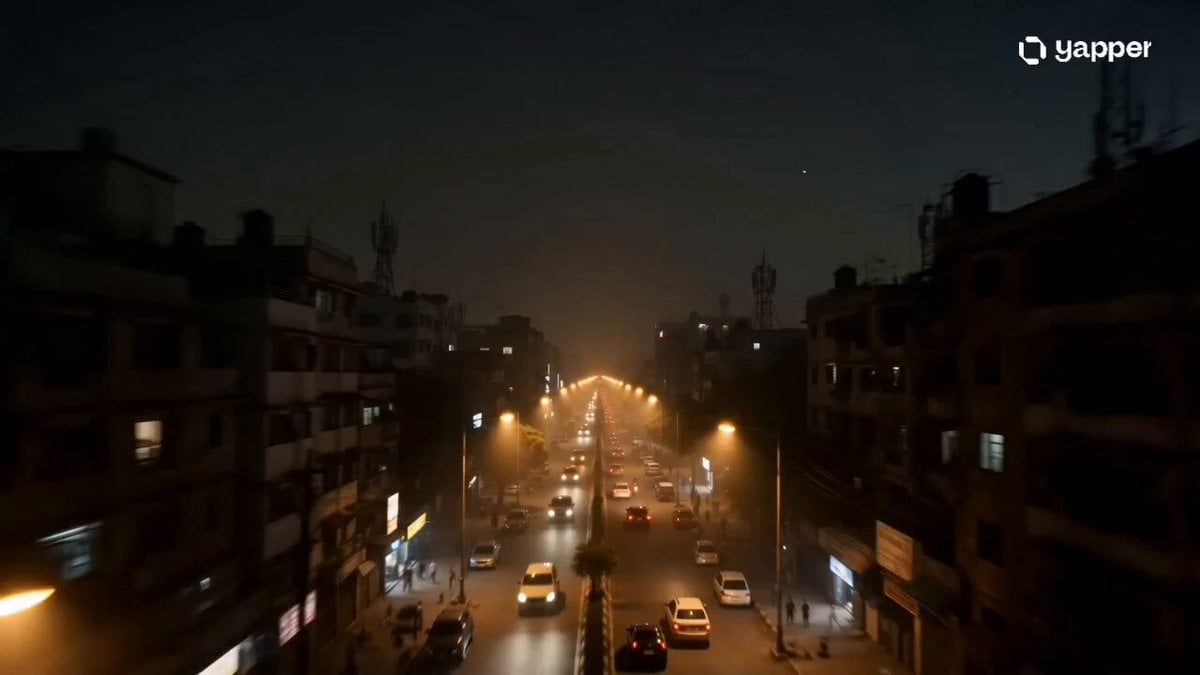
Futuristic South Asian City Transformation
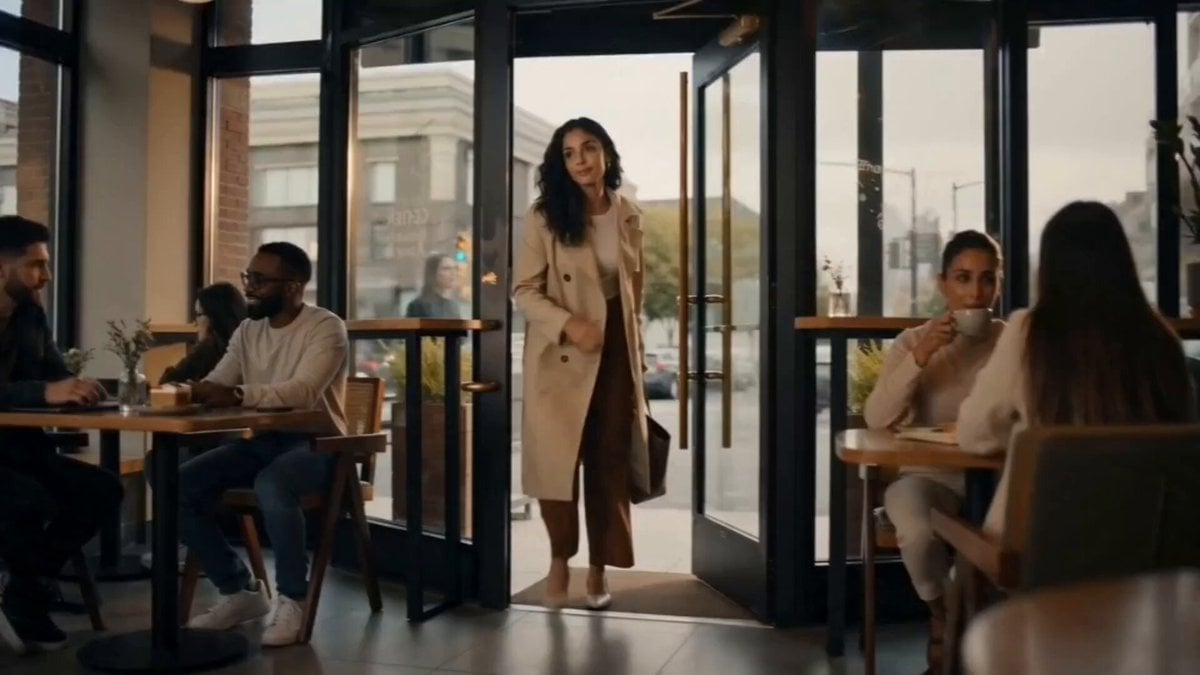
Cozy Luxury Cafe Commercial
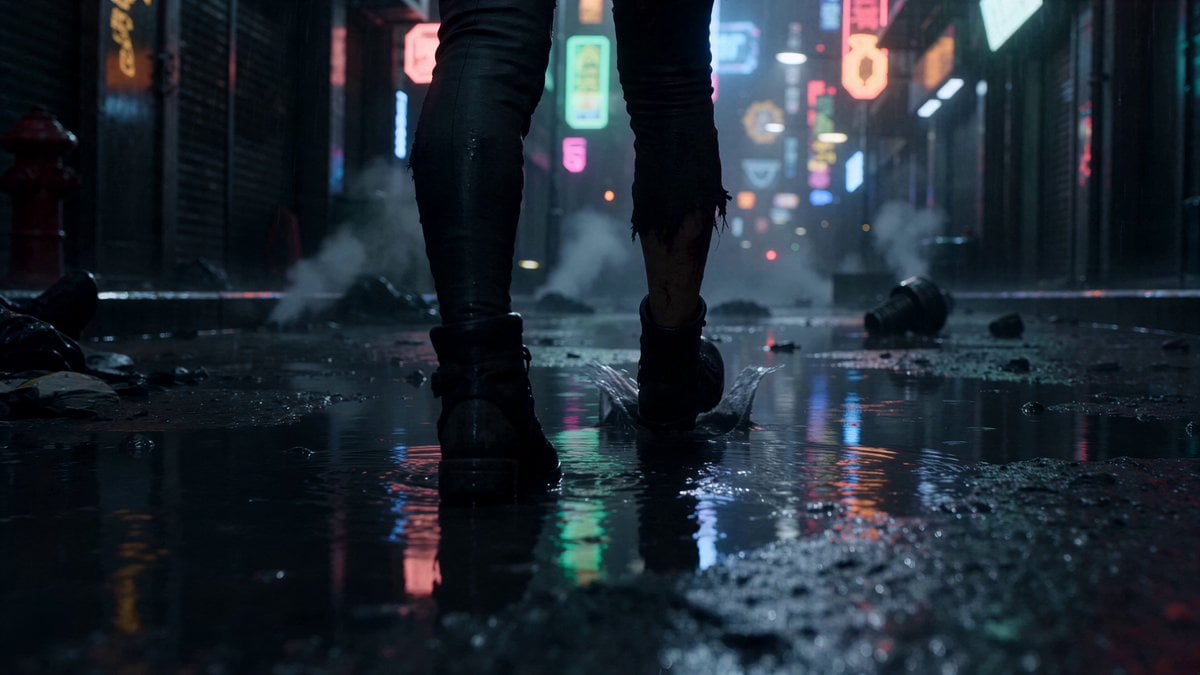
Cyber Ronin Nanotech Transformation Video
More video prompts
Fresh picks from across the catalog.
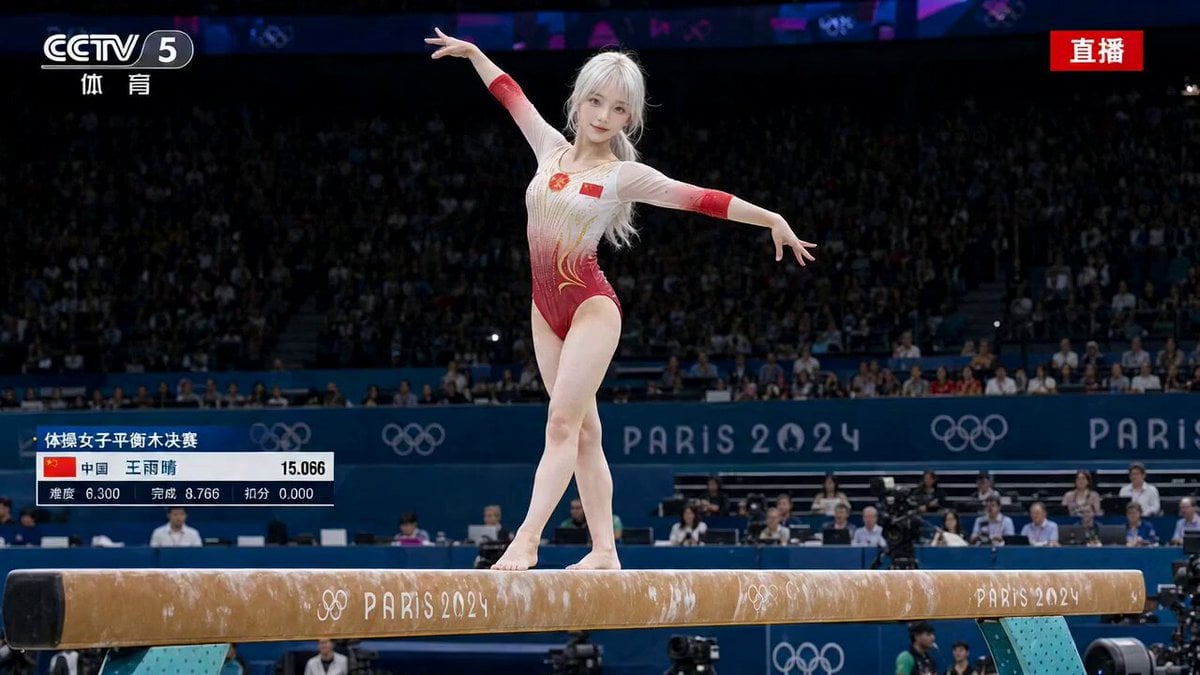
Olympic Gymnastics Balance Beam Sequence

Crystal Light Goddess
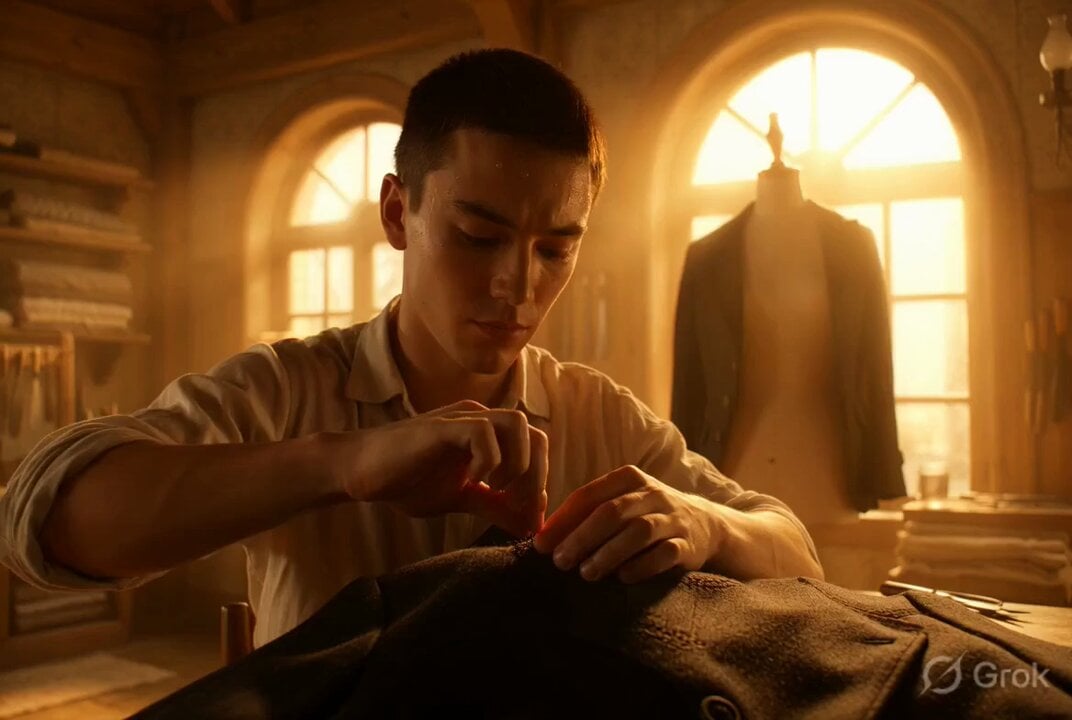
Photorealistic cinematic portrait of a young tailor

Giant Anaconda Houseboat Attack Horror

Epic Xianxia Immortal Chess Battle

Image-to-Video Character Animation

Swans Tossing Rose on Lake
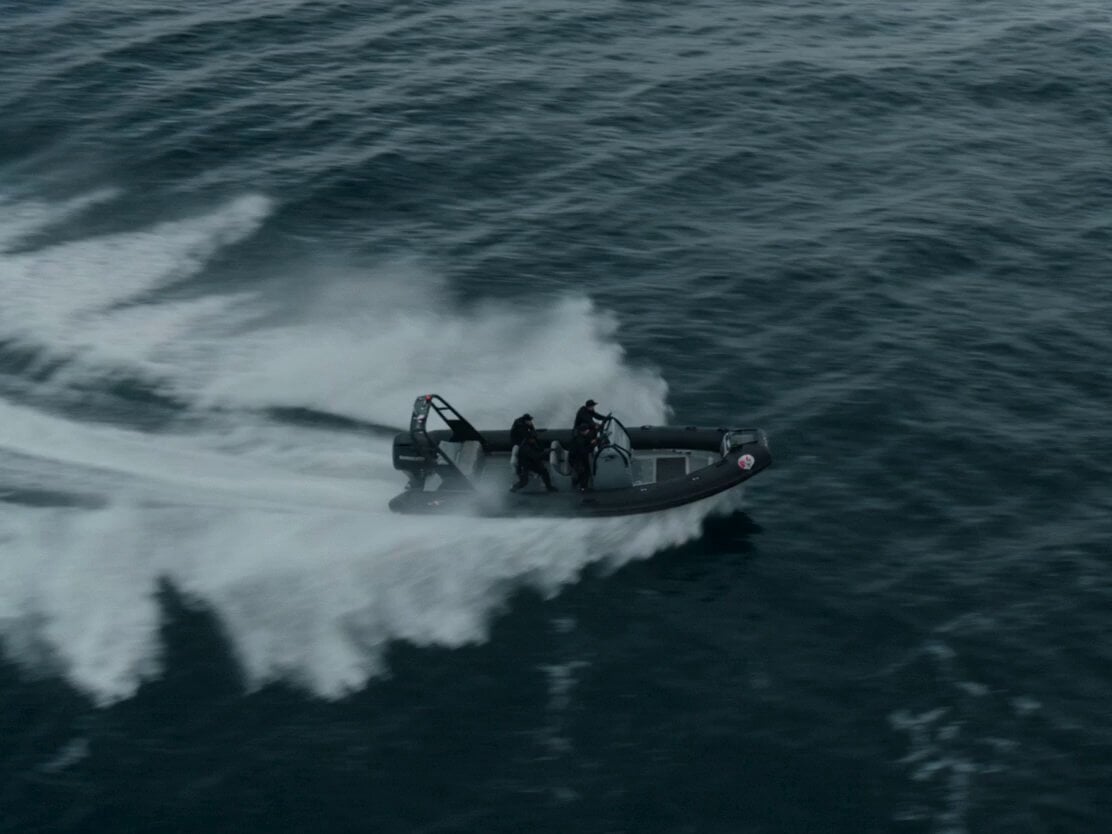
Kraken vs Speedboat Action Battle
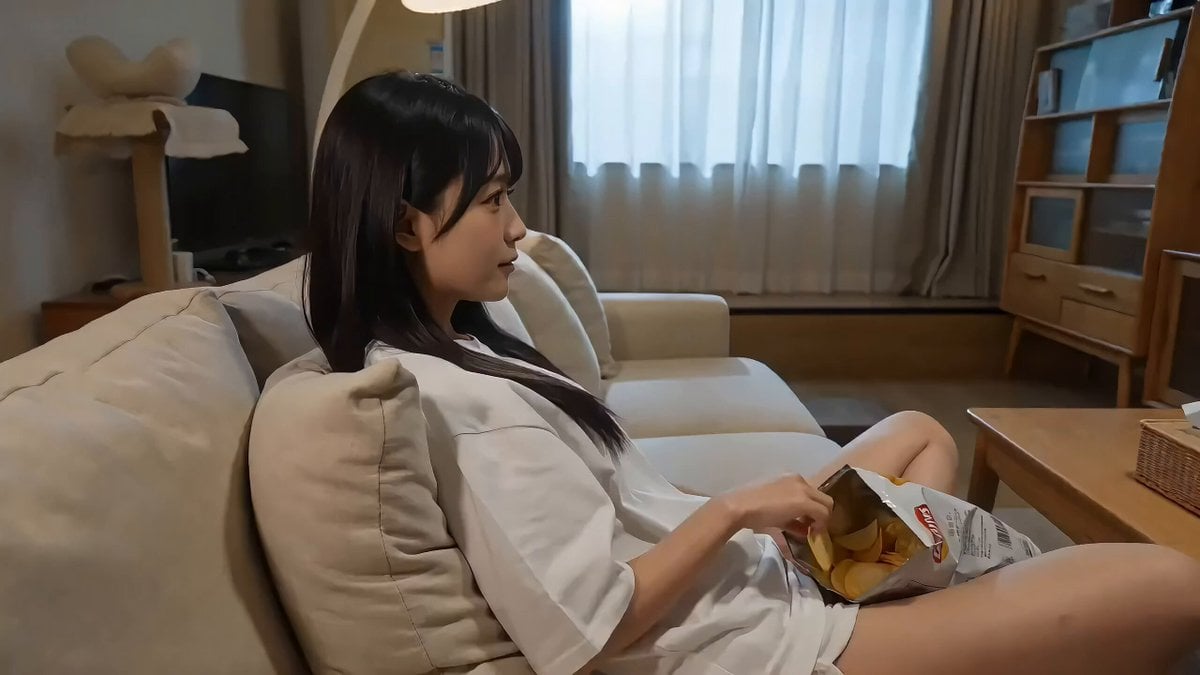
Boyfriend POV Video Prompt for Seedance 2.0
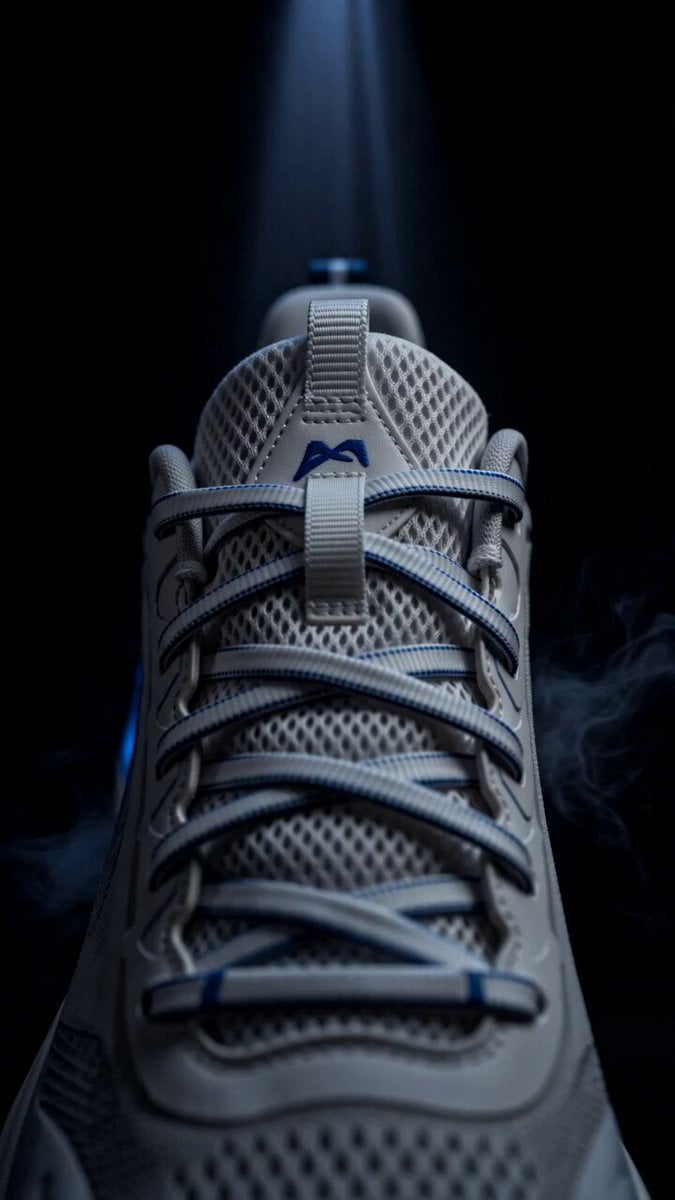
Blue Sports Shoe Product Commercial Shots
Browse template categories
Cinematic Casino Card Handling questions
How do I use the Cinematic Casino Card Handling template?
Add your photo if the template asks for one, edit the prompt if you like — the template's model and format are already selected — and press Generate. Your version opens in PicX Studio.
Can I customize the Cinematic Casino Card Handling template?
Yes. You can change the subject, setting, lighting, mood, format, and available model controls before creating your video.
Is the Cinematic Casino Card Handling template free?
Opening and editing this template is free. Generating uses credits, shown on the Generate button when you are signed in.
Which AI model should I use?
Start with Seedance 2.0, which is the model associated with this template. You can compare another compatible model for a different finish.
Looking for something else? Browse all templates.

Your photo, any look
Thousands of ready templates for every top image and video model, from one credit balance.