
Tibetan Kung Fu Temple Storyboard
A comprehensive 12-panel storyboard prompt for a high-intensity Tibetan kung fu performance, featuring explosive movement and spiritual elemental effects.
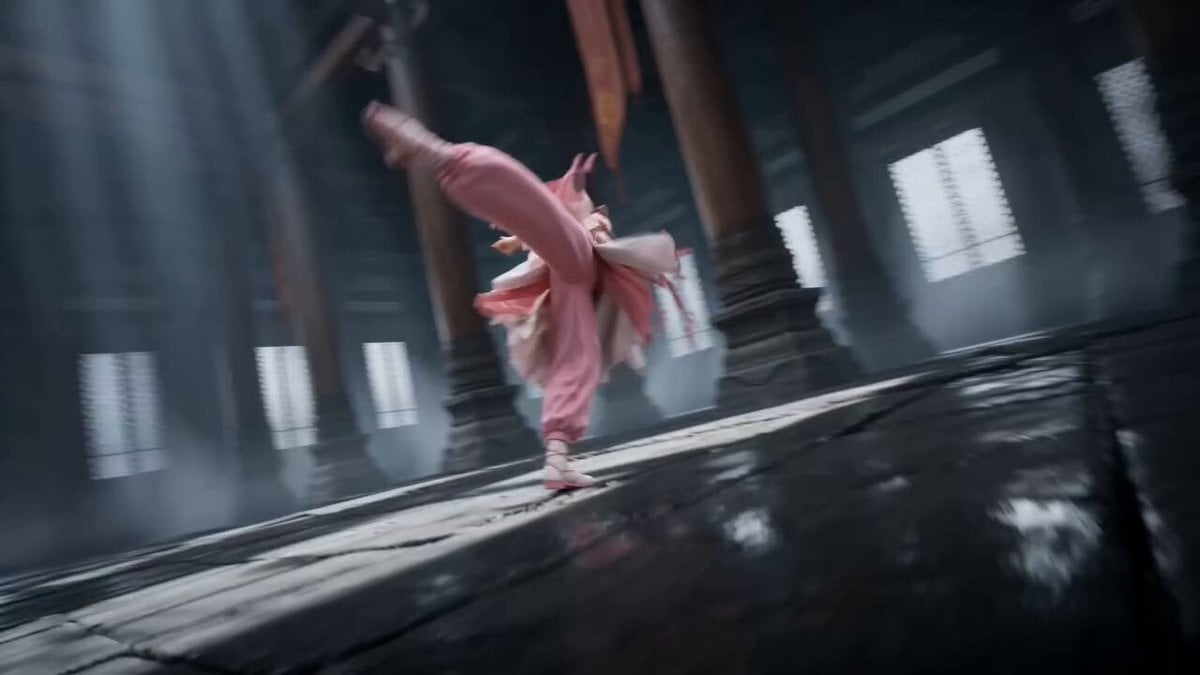
- Prompt included
- Model and format preset
- Premium template
The prompt behind this video
Copy the exact prompt behind Tibetan Kung Fu Temple Storyboard, or open it in the studio and make it yours.
Create a raw kung fu performance storyboard focused on extreme physical action. Use reference image for the character. 16:9 storyboard sheet, 12 cinematic panels. The actual storyboard drawings must be black and white only: rough pencil lines, minimal detail, fast gesture drawing energy, simple anatomy construction and strong silhouette readability. Keep the artwork lightweight, dynamic and unfinished like early fight choreography previs. Start directly in action. Do not begin with a calm stance, preparation shot or slow introduction. A solitary female performer executes an aggressive Tibetan kung fu master-style routine inside a vast ancient temple. The choreography is exaggerated, explosive and constantly escalating: flying diagonal kicks, monk-style low stances, rapid palm strikes, spinning cloth-like body turns, animal-form hand shapes, deep lunges, aerial twists, floor-level sweeps, sudden drops, claw-like blocks, back-arched jumps, sliding recoveries and violent sculptural impact poses. Every panel must contain visible motion and strong body momentum. Avoid static standing poses. The performer should feel like a ritual warrior moving with discipline, fury, spiritual pressure and total body control. Action progression: 1. begin mid-air with a flying diagonal kick already in motion 2. handheld close-up palm sweep cutting through air 3. orbiting wide shot of a full-body spin 4. low-angle impact palm strike with shockwave 5. long-lens side profile spinning kick 6. top-down aerial turn with body, hair and fabric flaring outward 7. hard floor stomp cracking the temple stone 8. sliding low sweep across the floor 9. aggressive close-up flurry of elbows, palms and backfist strikes 10. extreme low monk-style beast stance with energy rising 11. spinning elemental vortex around the body 12. final airborne action pose, suspended above the temple floor, body twisted in a powerful kung fu strike, all elements converging around her before impact Add selective elemental energy effects as VFX-style storyboard accents. The effects should feel spiritual, ritualistic and cinematic, not superhero-like: air bursts around spins and flying kicks, dust and stone fragments lifting from stomps, water-like floor ripples during slides, fire-like trails around explosive strikes, heat distortion around high-intensity movement, elemental vortex near the climax. Element progression: early panels: subtle wind, dust and pressure lines middle panels: stronger stone fragments, floor ripples and air shockwaves late panels: controlled fire trails and energy spirals final panel: the strongest combined elemental surge while the performer is still airborne Use cinematic arthouse action camerawork: handheld energy, whip-pan feeling, orbiting camera moves, overhead shots, side silhouettes, aggressive close-ups, long-lens compression, extreme low angles, wide negative space, strong parallax. Keep the temple environment minimal and atmospheric: towering stone columns, worn temple floor, drifting incense smoke, hanging fabric, harsh light shafts, faint dust in the air, subtle wet floor reflections. Do not overcrowd the frames. Annotation color system: red arrows = body movement blue arrows = camera movement green marks = framing / composition notes orange marks = lighting direction yellow marks = elemental VFX / energy effects black text = short lens notes and panel labels No timestamps. No dialogue. No singing. No extra characters. No enemies. No logos. No watermark. Create a 15-second cinematic kung fu performance video. Use Image1 as the fixed character sheet reference. The character must strictly match the character sheet. Use Image2 ] as the storyboard reference. Follow the storyboard shot by shot as the main source for action order, camera rhythm, body movement, framing, movement direction, camera angles and visual progression. Treat each storyboard panel as a sequential keyframe. Preserve the shot order and make the video feel like the storyboard has been translated into continuous live-action motion. The sequence must end on a frozen final frame while the performer is still airborne. Do not add text, captions, storyboard labels, arrows, UI, logos or watermarks. Do not treat the storyboard as a single image. Do not redesign the character, change the costume or alter the face. Do not begin with a calm stance, preparation pose or slow introduction. Do not make the elemental effects look like superhero powers or excessive fantasy glow. Visual style: stylized cinematic realism, high-end 3D painterly animation quality, dynamic cloth simulation, expressive silhouette design, rich cinematic lighting, controlled color palette, natural motion blur, dramatic scale, beautiful but aggressive physicality, premium feature-animation aesthetic. Environment: vast ancient temple, towering stone columns, worn temple floor, drifting incense smoke, hanging fabric, harsh light shafts, faint dust in the air, subtle wet floor reflections, high contrast shadows. The performance is a solitary female kung fu routine inside a vast ancient temple. The routine starts immediately in action, with no calm stance, no preparation pose and no slow introduction. The movement should feel aggressive, ritualistic, disciplined, physically extreme and spiritually charged. This is not a fight against an enemy. It is a solo performance of force, control, exhaustion, fury and release. Follow story board for choreography direction. Element progression: early sequence: subtle wind, dust and pressure lines responding to movement. middle sequence: stronger air shockwaves, stone fragments, floor cracks and water-like ripples across the temple floor. late sequence: controlled fire trails, heat distortion and energy spirals around explosive strikes and kicks. climax: wind, dust, stone, water ripple and fire accents combine into a stronger elemental vortex. final beat: the performer is airborne above the temple floor in a powerful kung fu strike, body twisted mid-air, hair and fabric flaring outward, with all elements converging around her before impact. Elemental VFX must feel spiritual, ritualistic and cinematic. The effects should be integrated with the choreography and motivated by physical movement. Keep the energy raw, elemental, atmospheric and grounded in the temple environment. Use Laban movement logic throughout: weight: strong, heavy, grounded during impacts, with brief lightness during jumps and aerial twists time: quick during strikes, kicks, drops and turns, sustained during suspended holds and recovery transitions space: direct during attacks, blocks and lunges, indirect during spinning turns and elemental vortex moments flow: bound during rooted stances and precise strikes, free during aerial motion, spinning fabric movement and elemental release
How to use Tibetan Kung Fu Temple Storyboard in 3 steps
- 1Upload ImagePNG, JPG or paste
Add your photo
Upload the photo the template builds on. The prompt, model and format are already set.
- 2…a portrait of your subject in softgolden-hour light, 85mm…
Personalize
Edit the subject and creative details for your destination.
- 3Generate
Generate
Press Generate — your video is created in PicX Studio, so you can compare it with the original and refine one variable at a time.
More like this
Templates with the same subject, style or setup. Open one to see its prompt.
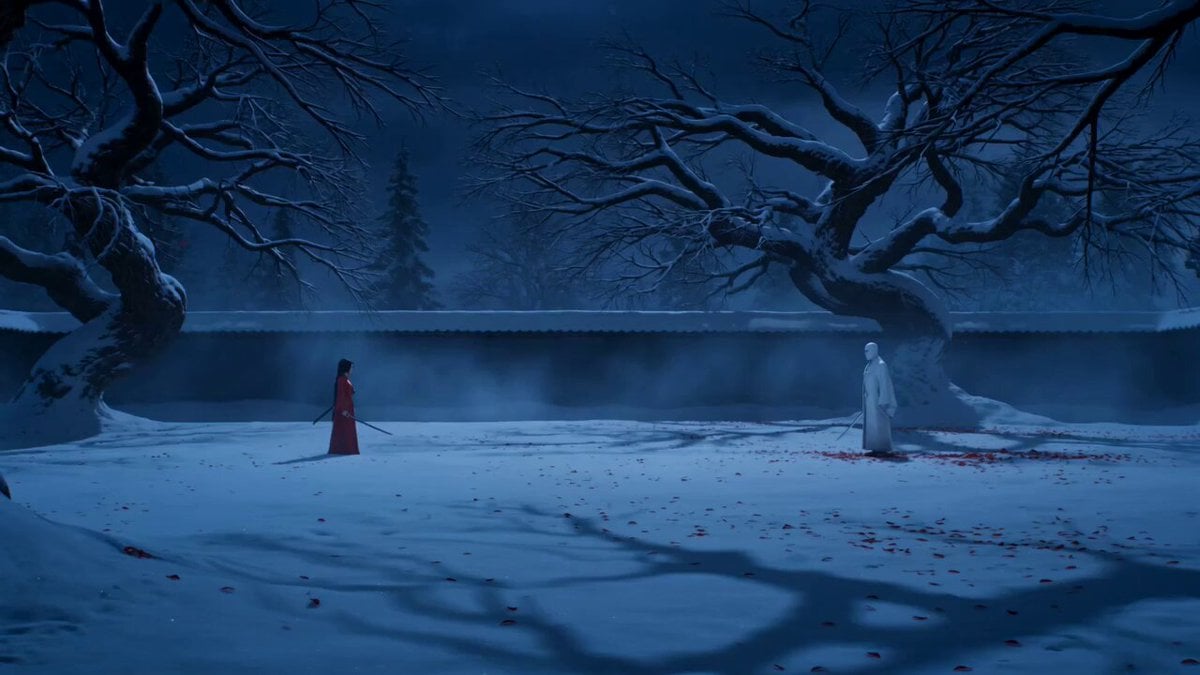
Kung-Fu Revenge Duel in Snowy Temple
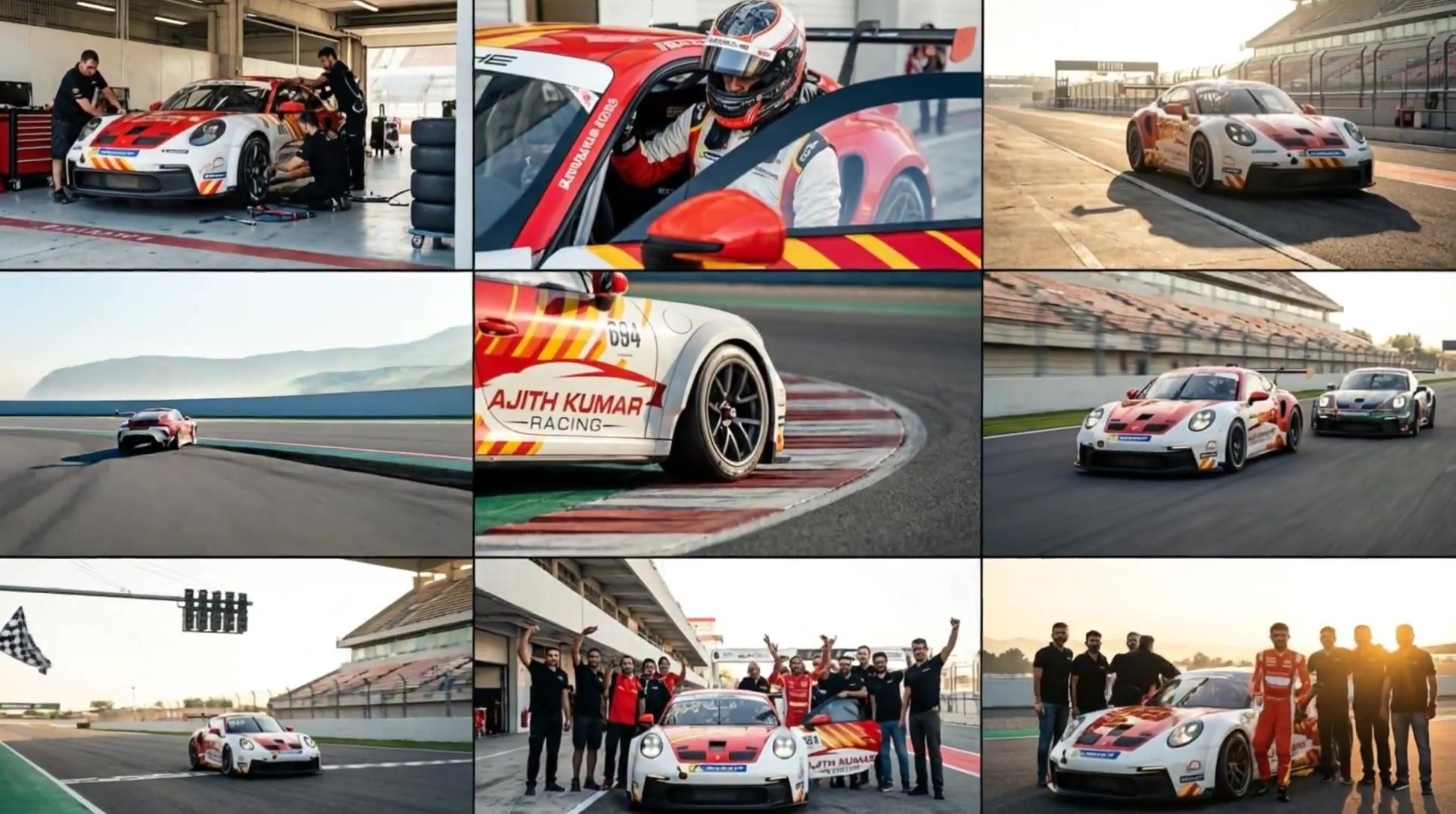
3x3 Grid Storyboard Racing — Kling 3.0 O3 Pro
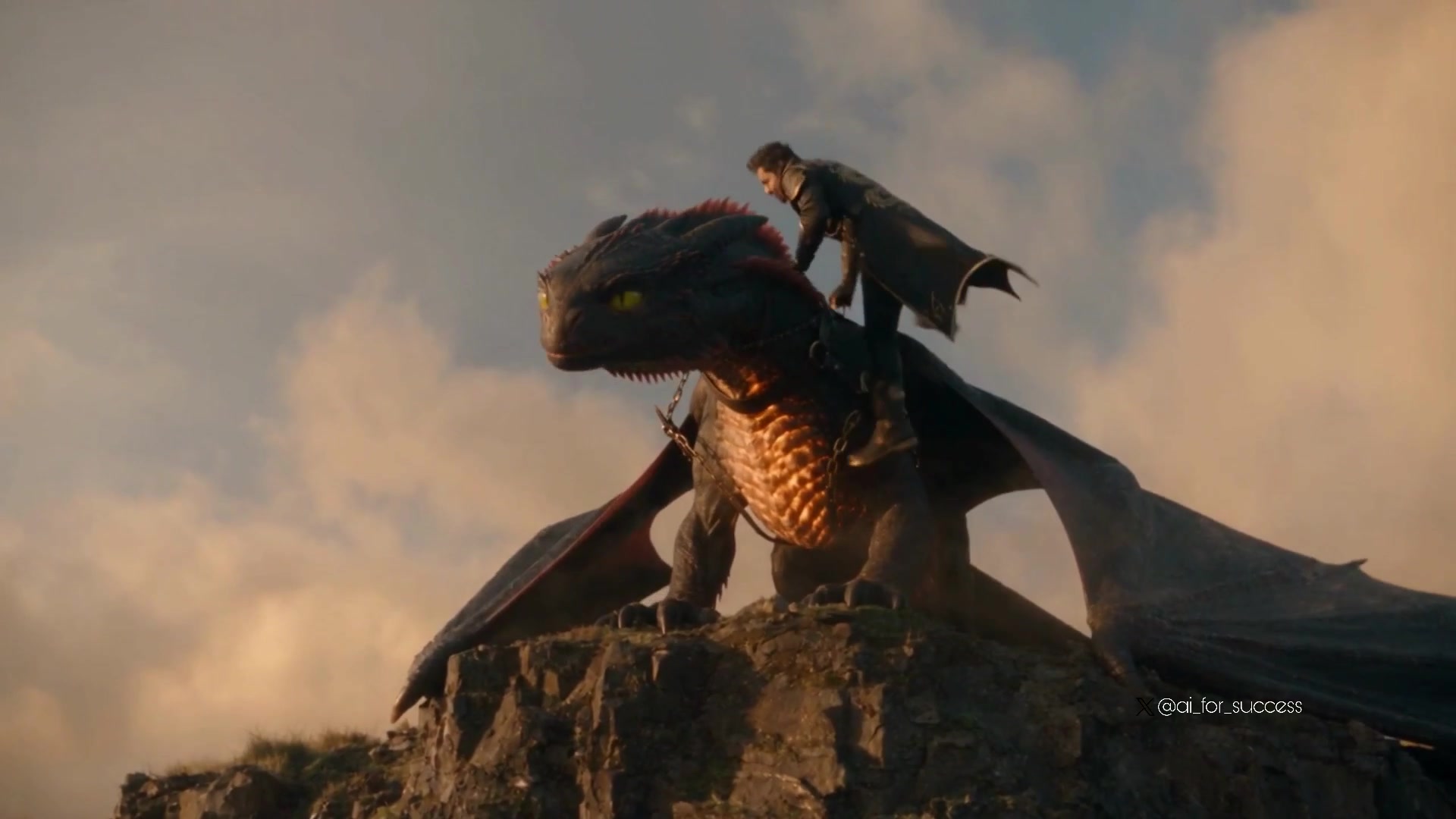
Dragon Rider Cinematic Flight — Seedance 2.5
Gpt2 Gpt2 Seedance Storyboard to Video
Underground Temple Escape — Seedance 2.0
Intense Baji Quan Kung Fu Sequence

Cinematic Anime Kung Fu Performance
Thai Temple Cinematic Clip
Realistic Wing Chun Kung Fu Training Video
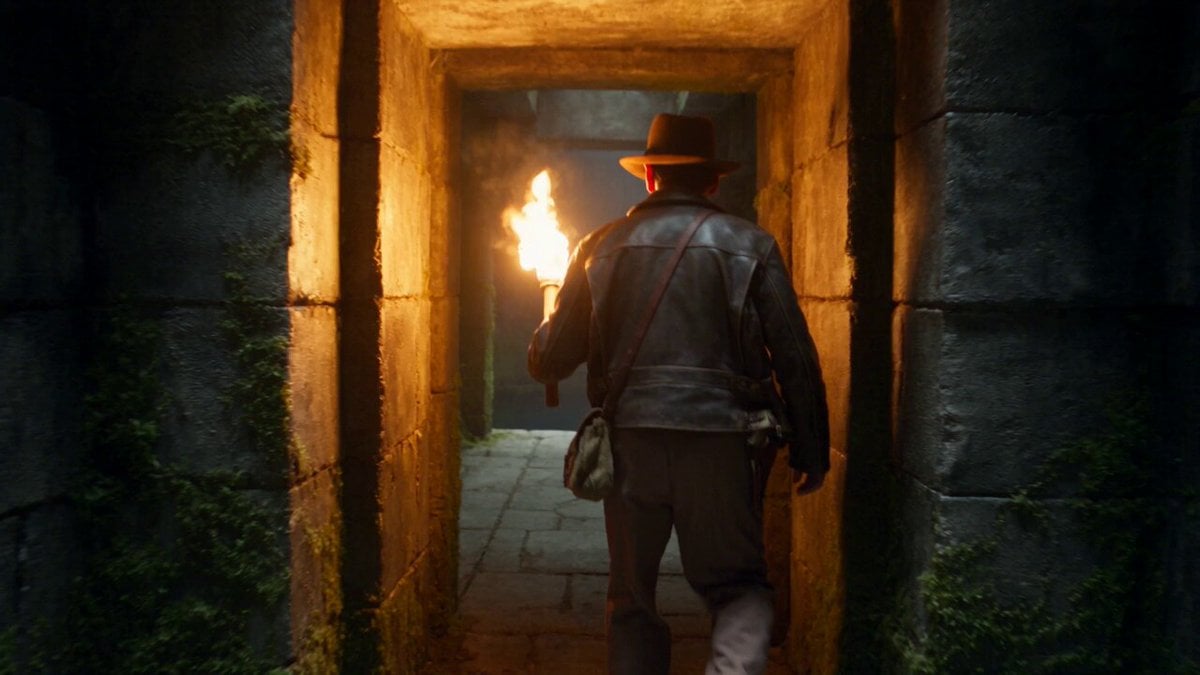
Cinematic One-Shot Temple Adventure
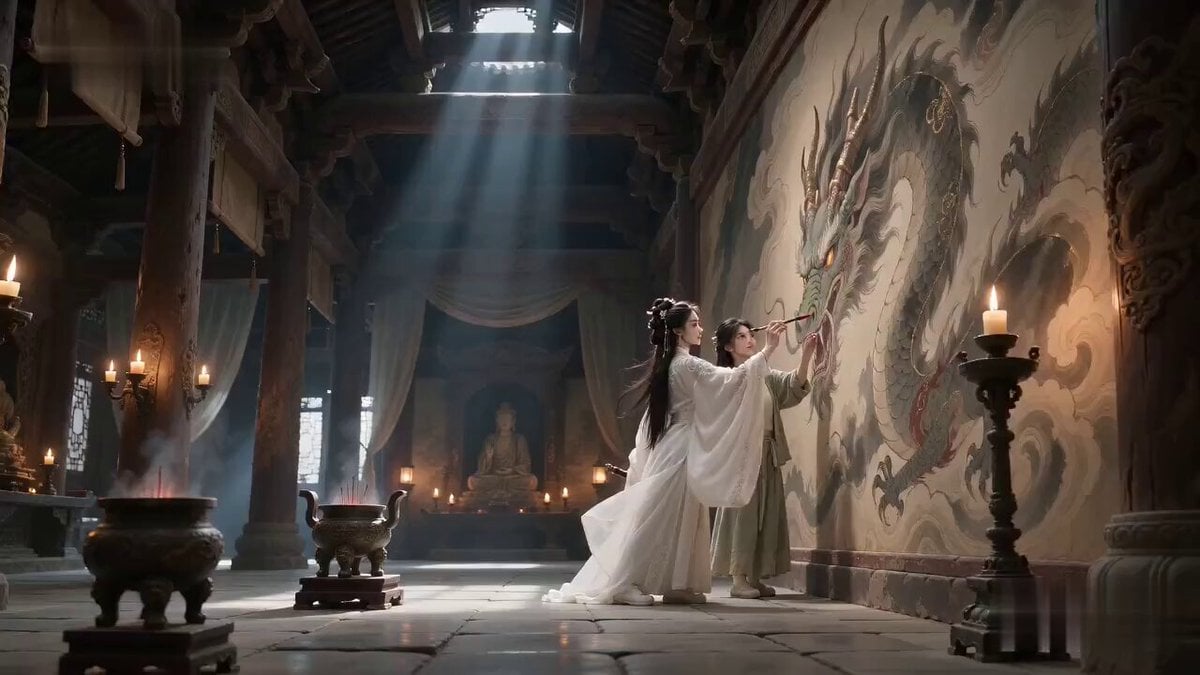
Ancient Temple Animated Mural Dragon
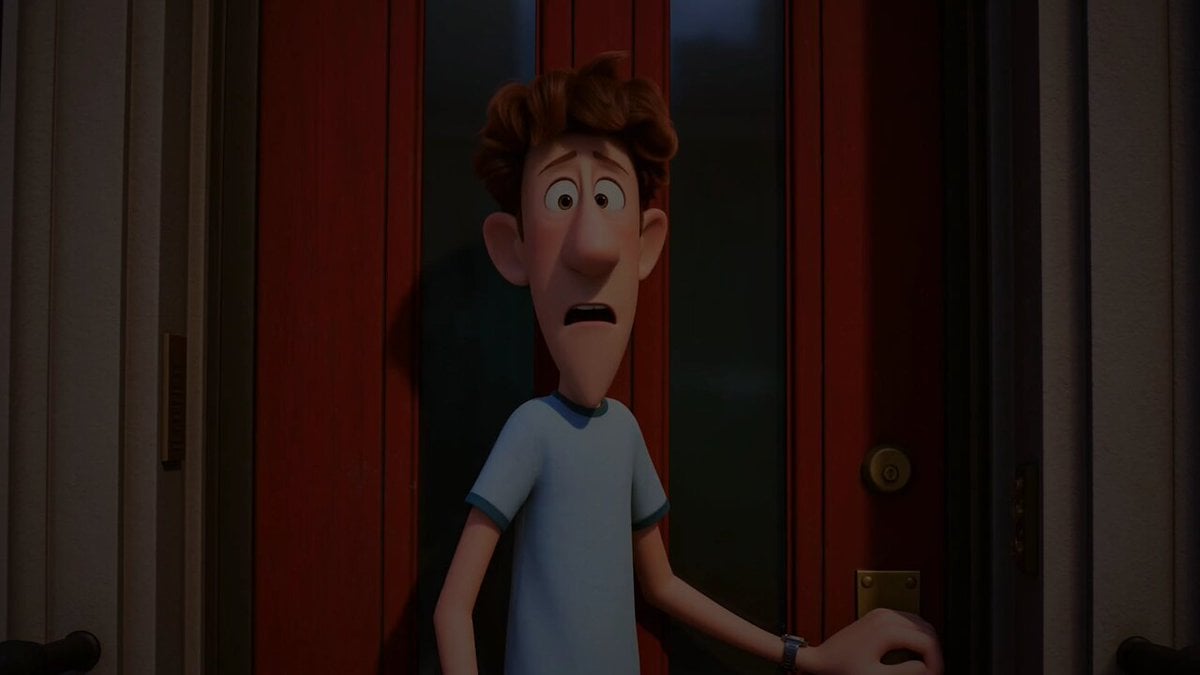
Pigeon Nemesis Pixar Animation Storyboard
Make it yours
Tibetan Kung Fu Temple Storyboard works as-is. These are the safest ways to change it without losing the look.
Change one field
Copy a single group, rewrite it, and generate again so you can see what that field is doing.
Keep the frame, change the subject
Hold the composition and light of Tibetan Kung Fu Temple Storyboard, then swap wardrobe, props or the person for a new take.
| If the result… | Why | Fix |
|---|---|---|
| The result drifts from the preview | Too many fields changed at once. | Reuse Tibetan Kung Fu Temple Storyboard as-is first, then change one group — subject, light, or setting. |
| The model over-stylizes the scene | The prose prompt leaves finish and camera underspecified. | Add one camera or lighting sentence and stay on Seedance 2.0. |
More Seedance 2.0 templates
Other prompts made for Seedance 2.0.
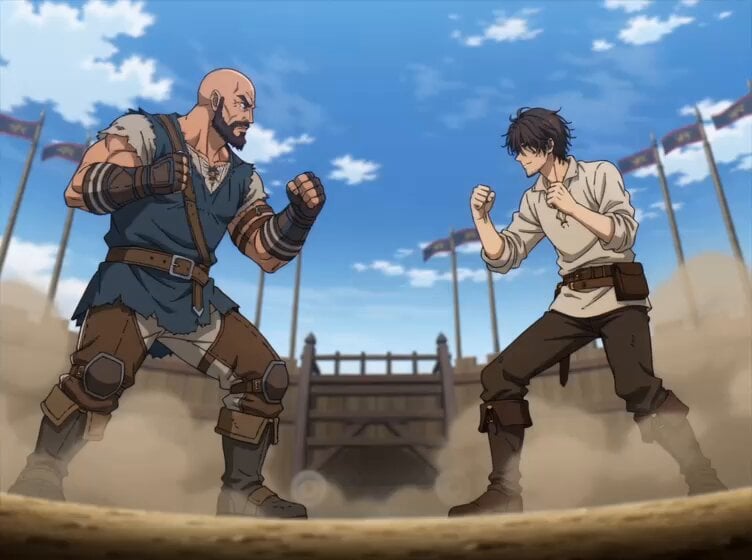
Comical Martial Arts Punch Scene
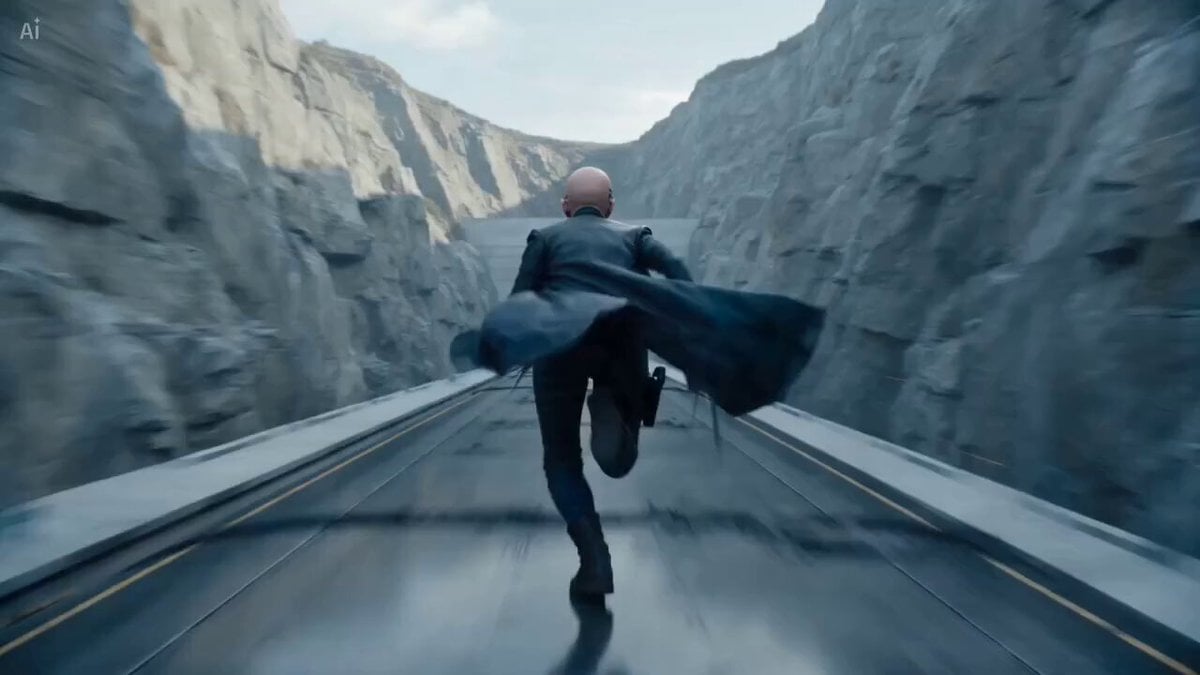
Maglev Train Action Sequence
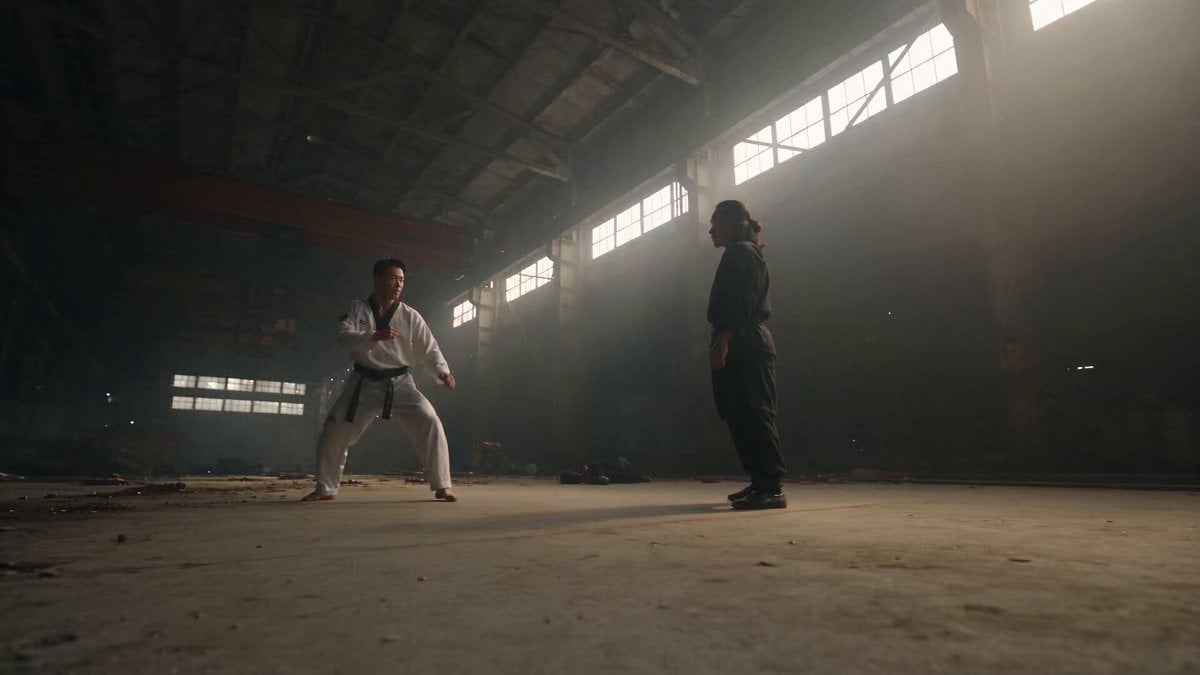
Martial Arts Fight Sequence
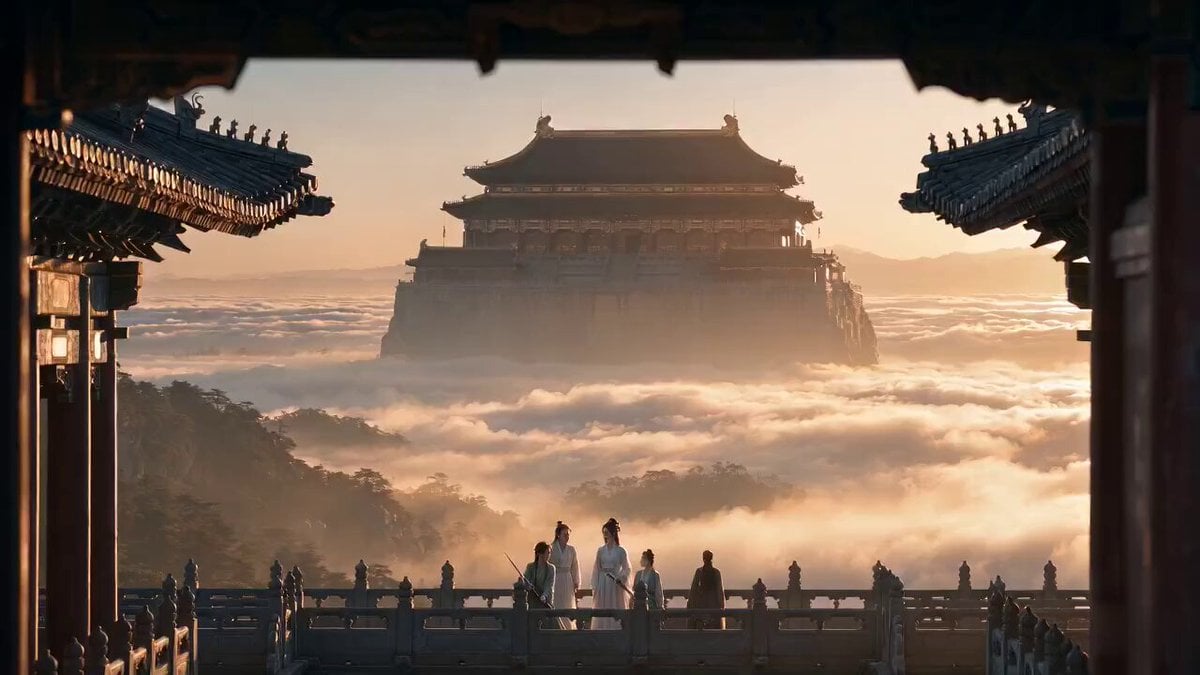
Wuxia Protection and Trust Script
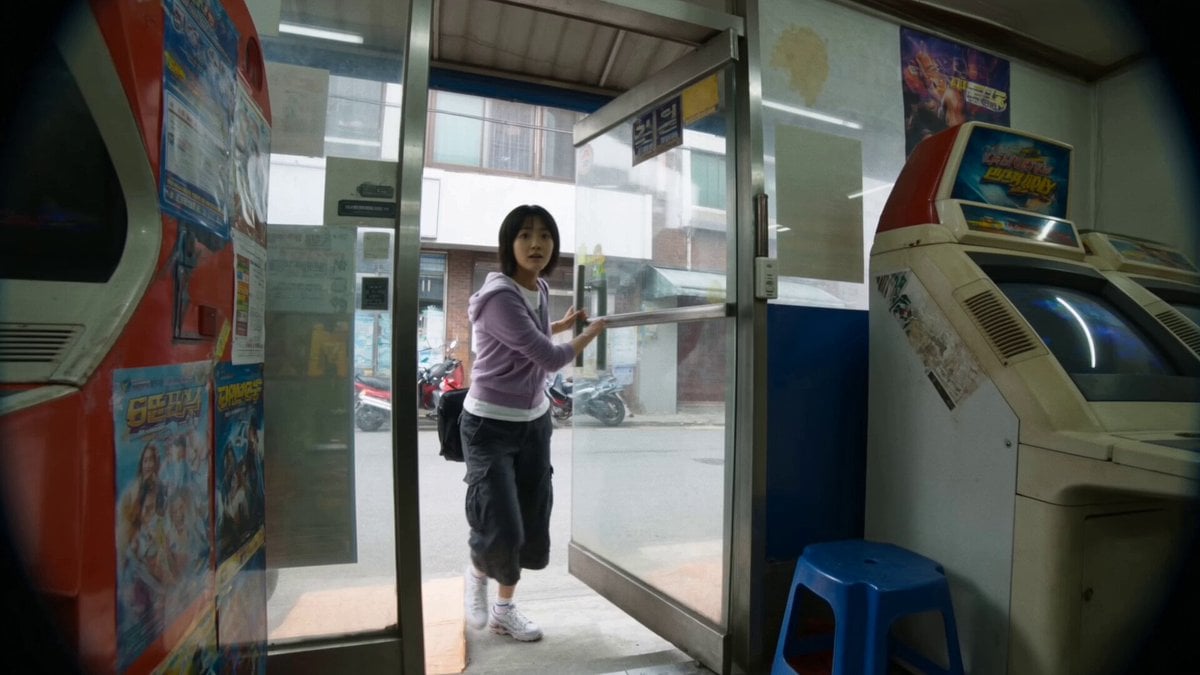
Vintage Korean Arcade MiniDV Vlog
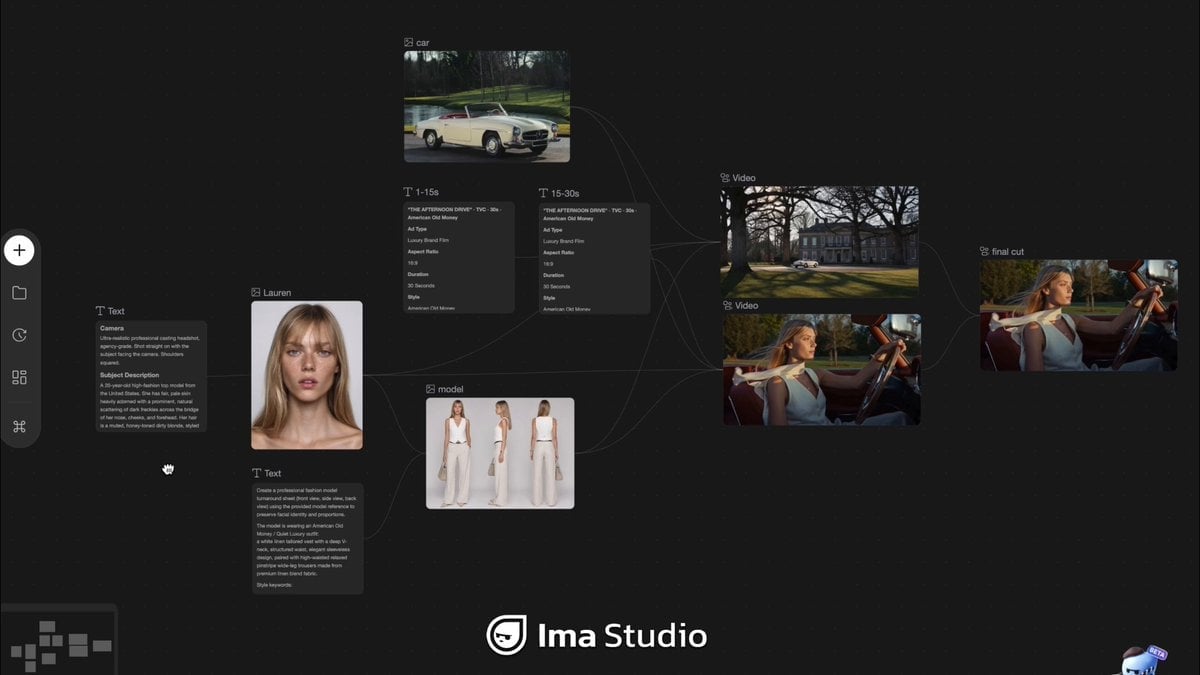
Mercedes 190 SL Luxury Ad
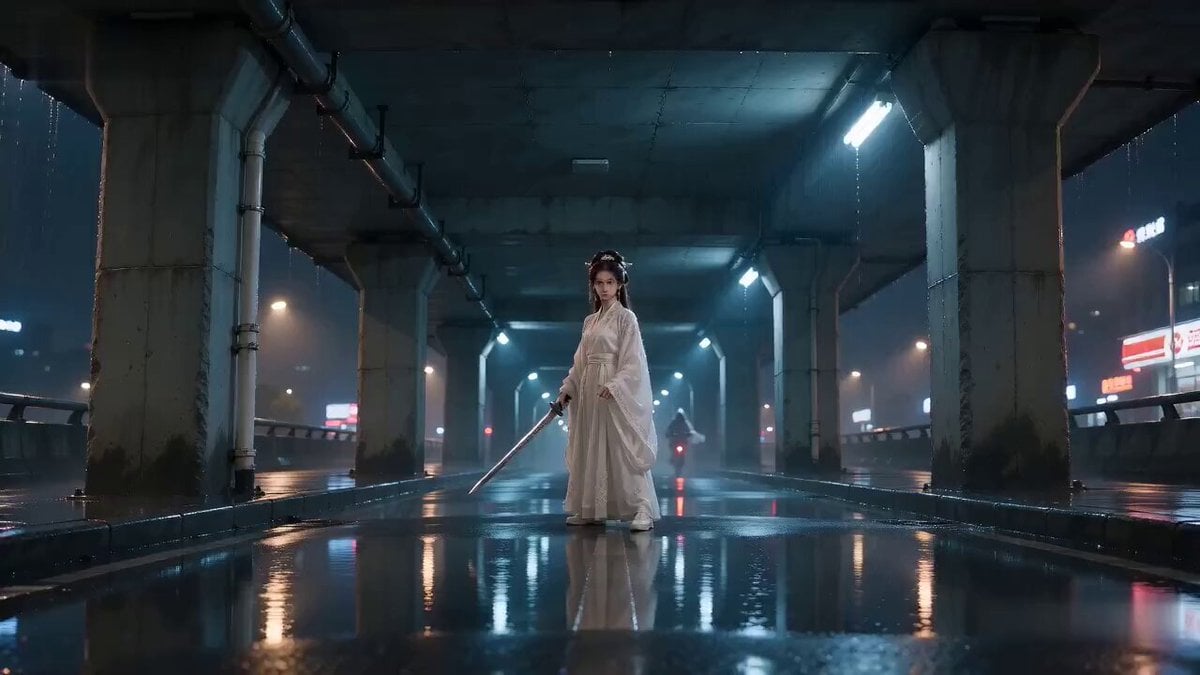
Rainy Night Supernatural Reverse Comedy Video Script

Amazon Civilization Discovery
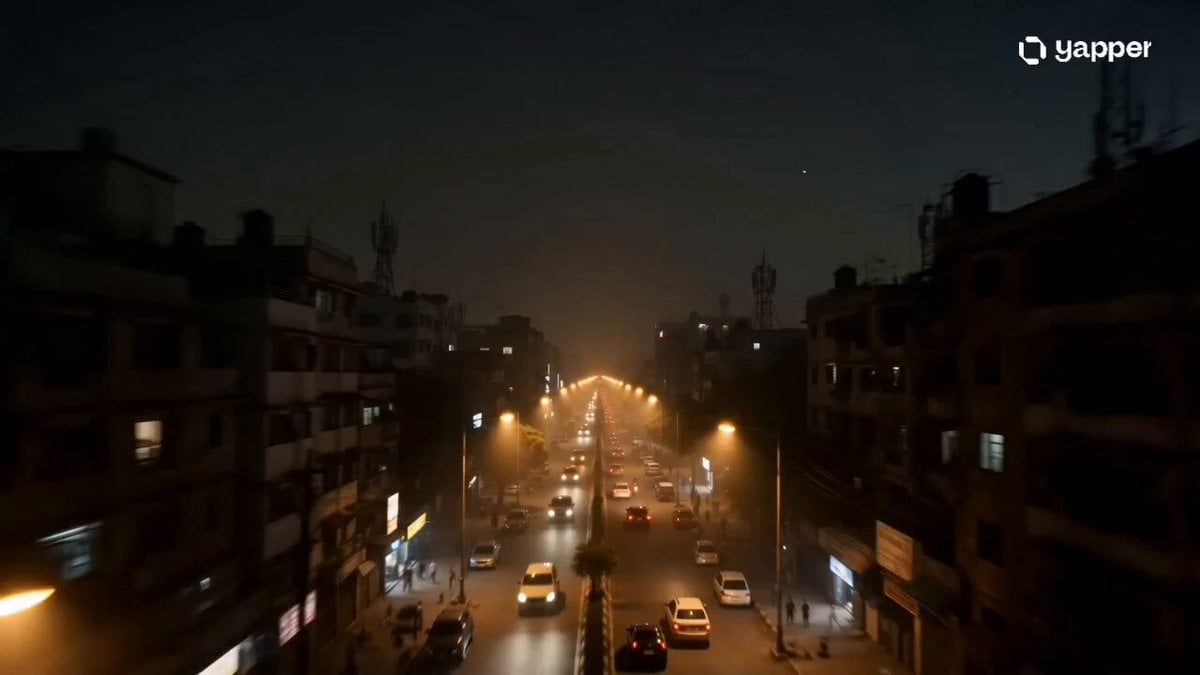
Futuristic South Asian City Transformation
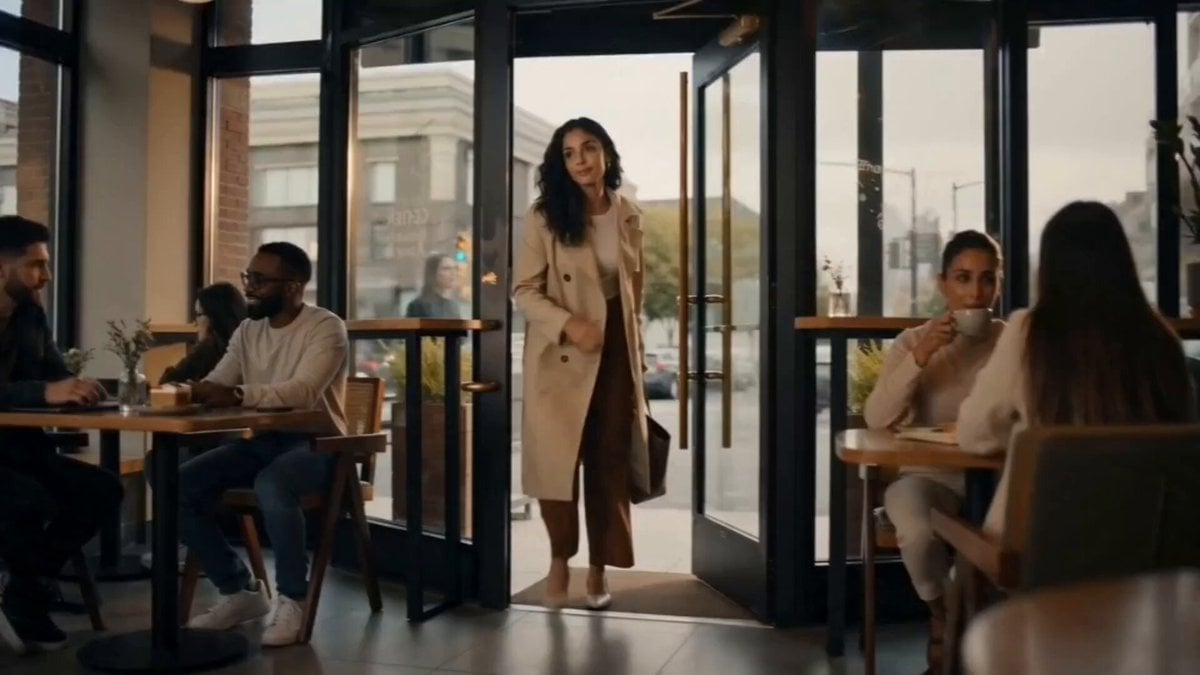
Cozy Luxury Cafe Commercial
More video prompts
Fresh picks from across the catalog.
Epic Chinese Fantasy MiniDV Self-Vlog
1980s Retro Japanese Game Show Challenge
Seedance 2.0 Prompt for Hyper-Realistic Epic War Scene (Xiang Yu)

Ferrari Miracle Growth Reveal
Asian Woman Werewolf Transformation
London Eye 15-shot cinematic sequence
Multimodal Video Generation Instruction
Arctic Research Station Thriller
Warrior vs Jungle Gorilla Battle
Bank Heist Escape Thriller
Browse template categories
Tibetan Kung Fu Temple Storyboard questions
How do I use the Tibetan Kung Fu Temple Storyboard template?
Add your photo if the template asks for one, edit the prompt if you like — the template's model and format are already selected — and press Generate. Your version opens in PicX Studio.
Can I customize the Tibetan Kung Fu Temple Storyboard template?
Yes. You can change the subject, setting, lighting, mood, format, and available model controls before creating your video.
Is the Tibetan Kung Fu Temple Storyboard template free?
Opening and editing this template is free. Generating uses credits, shown on the Generate button when you are signed in.
Which AI model should I use?
Start with Seedance 2.0, which is the model associated with this template. You can compare another compatible model for a different finish.
Looking for something else? Browse all templates.

Your photo, any look
Thousands of ready templates for every top image and video model, from one credit balance.