
Scientific Theory Visualization Generator
A complex, multi-phase prompt designed to visualize abstract scientific theories or formulas (like black holes) as photorealistic, impossible architectural structures.
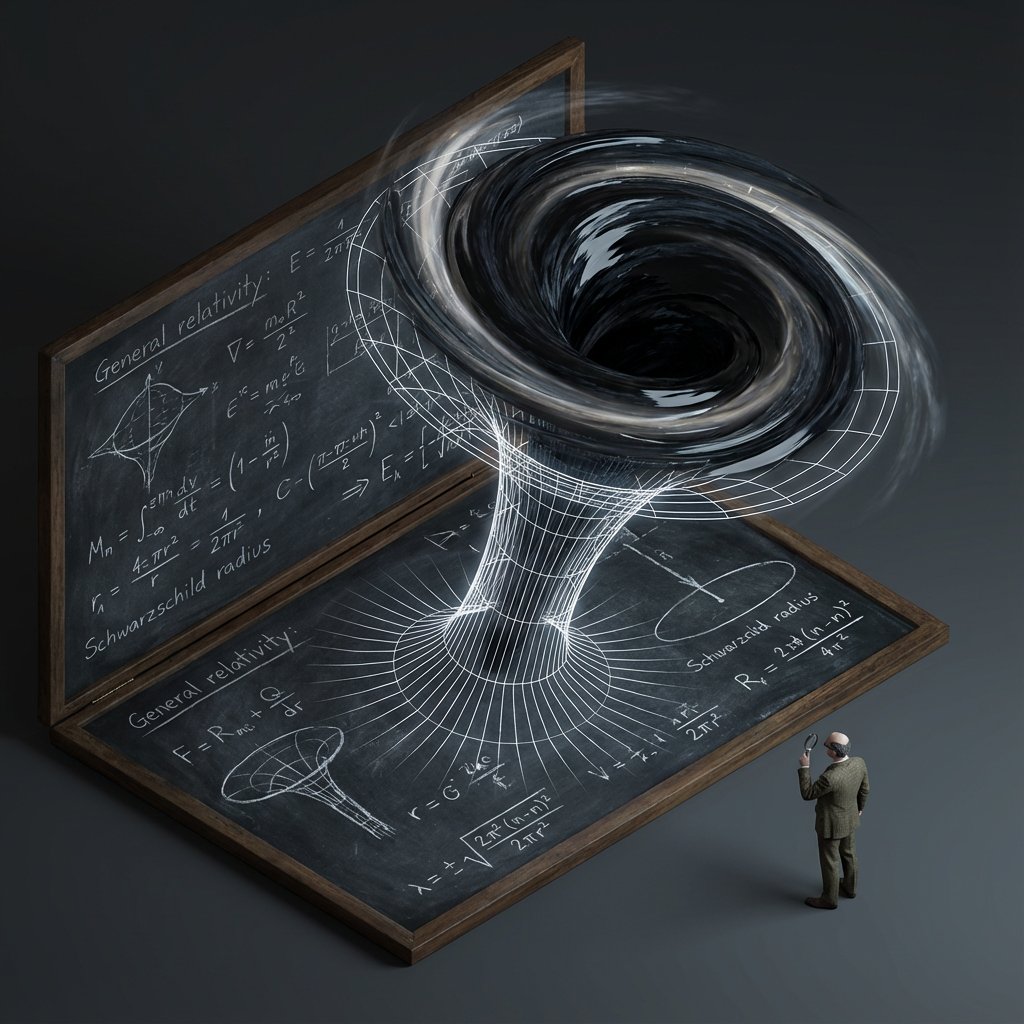
- Prompt included
- Model and format preset
- Free template
The prompt behind this image
Copy the exact prompt behind Scientific Theory Visualization Generator, or open it in the studio and make it yours.
<instructions> do this for {argument name="scientific concept" default="black holes"} Input Variable: {argument name="theorem or formula" default="[Theorem / Formula]"} Phase 1: Schematic Decomposition Analyze the Notation: Identify the primary visual language of the scientist (Chalk on blackboard? Ink on parchment? Pencil on graph paper?). Identify the "Structure": If this theory were a building, what would it look like? Logic: Chaos Theory -> Fractal Spire. Thermodynamics -> Engine Block. Phase 2: The Dimensional Transition The Base: A flat surface covered in the [Notation Medium] (e.g., a slate blackboard covered in chalk equations). The Extrusion: The chalk lines physically lift off the surface. They begin as white wireframes, then gain opacity, then gain texture. The Climax: At the top of the image, the wireframes have fully solidified into a photorealistic, impossible structure representing the theory. The Observer: A tiny, scale-model figure of the scientist stands on the flat "2D" section, looking up in awe at the massive "3D" structure they have summoned. Output: High-Angle Isometric, "Architectural Visualization" style, stark contrast between sketchy lines and solid mass. </instructions>
How to use Scientific Theory Visualization Generator in 3 steps
- 1
Open
The prompt is already in the box next to the preview, with the template's model and format selected.
- 2…a portrait of your subject in softgolden-hour light, 85mm…
Personalize
Edit the subject and creative details for your destination.
- 3Generate
Generate
Press Generate — your image is created in PicX Studio, so you can compare it with the original and refine one variable at a time.
More like this
Templates with the same subject, style or setup. Open one to see its prompt.
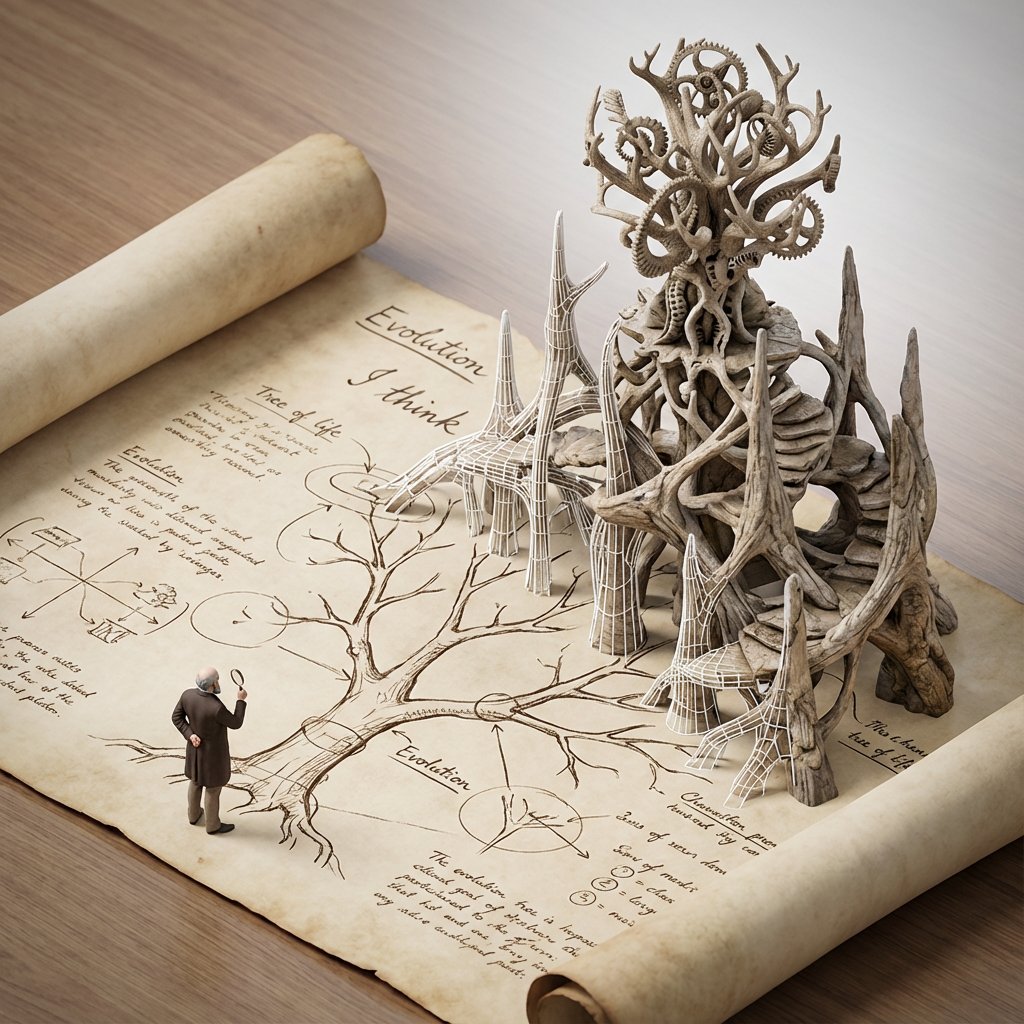
Scientific Theory Visualization: 2D to 3D Extrusion
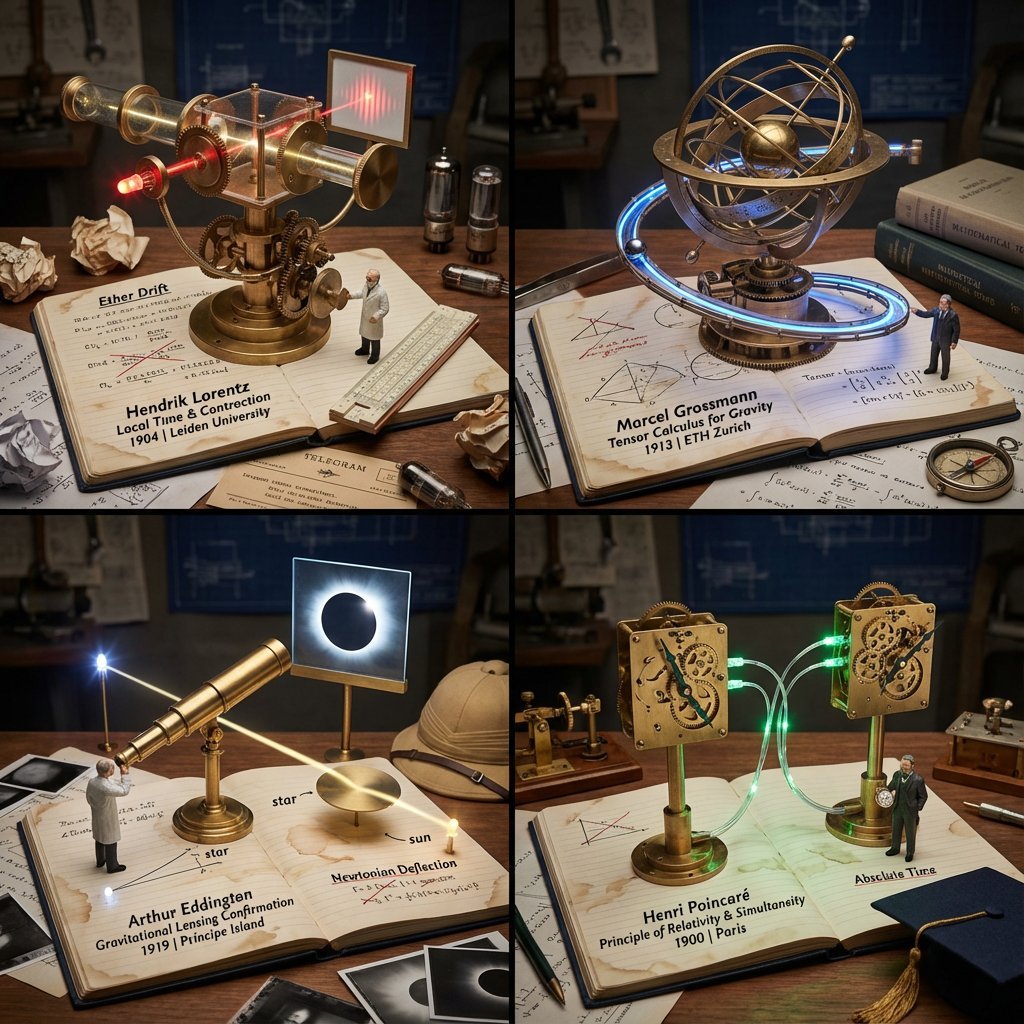
Scientific Discovery Visualization: Kinetic Sculpture Lab Notebook
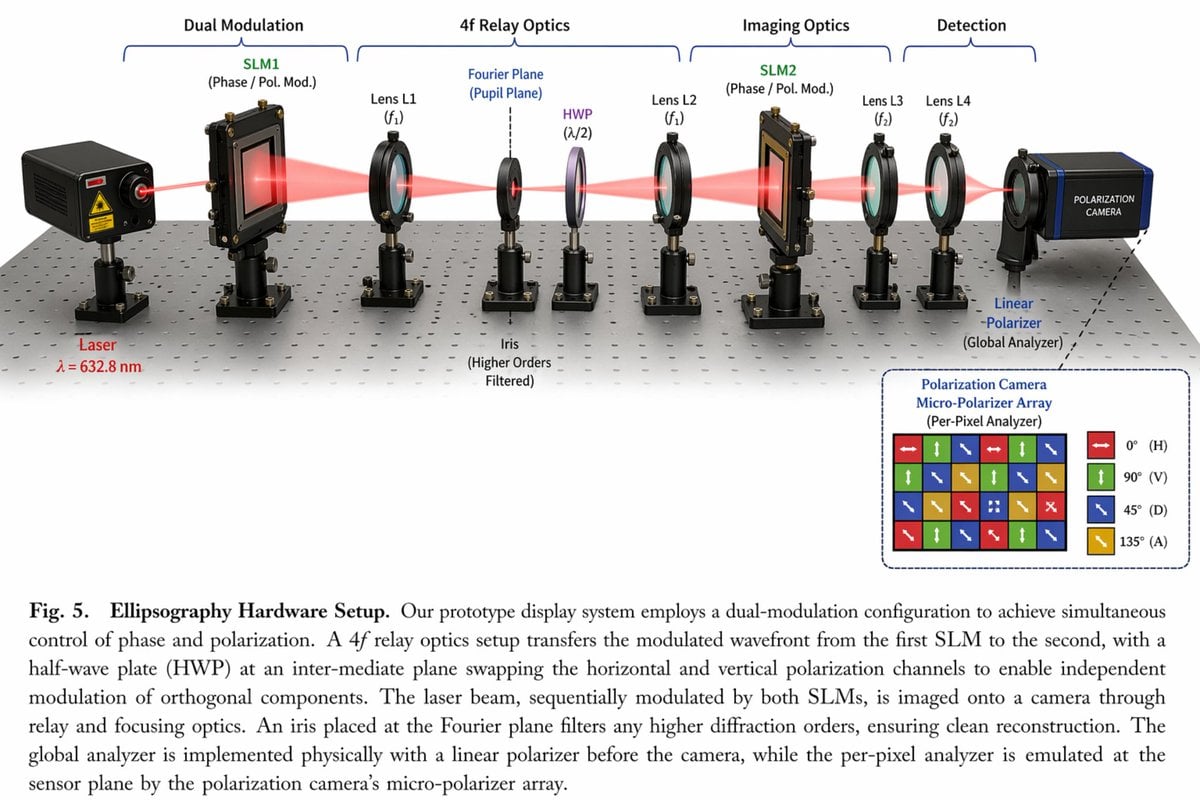
Scientific Optical Hardware Diagram
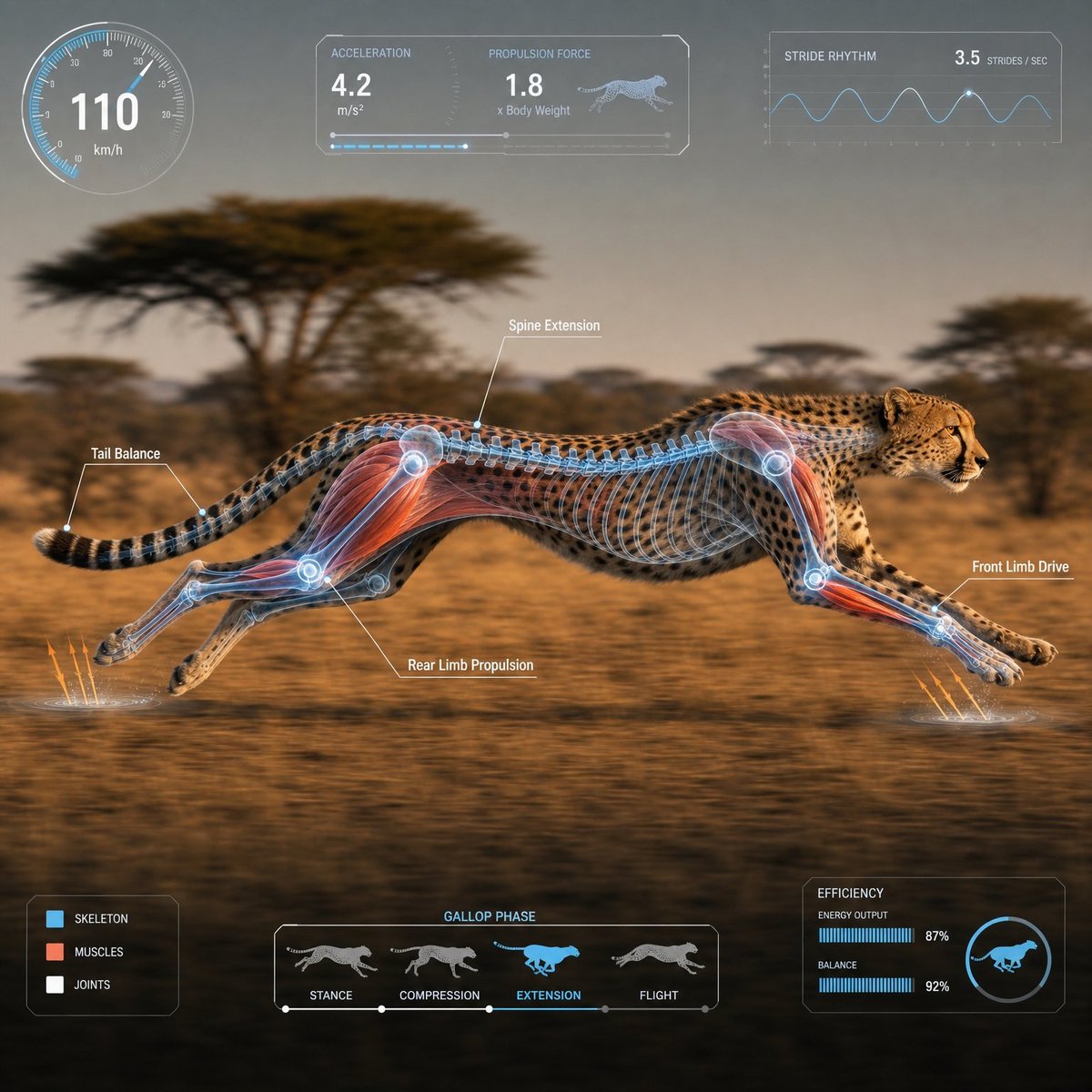
Scientific Animal Motion Analysis HUD
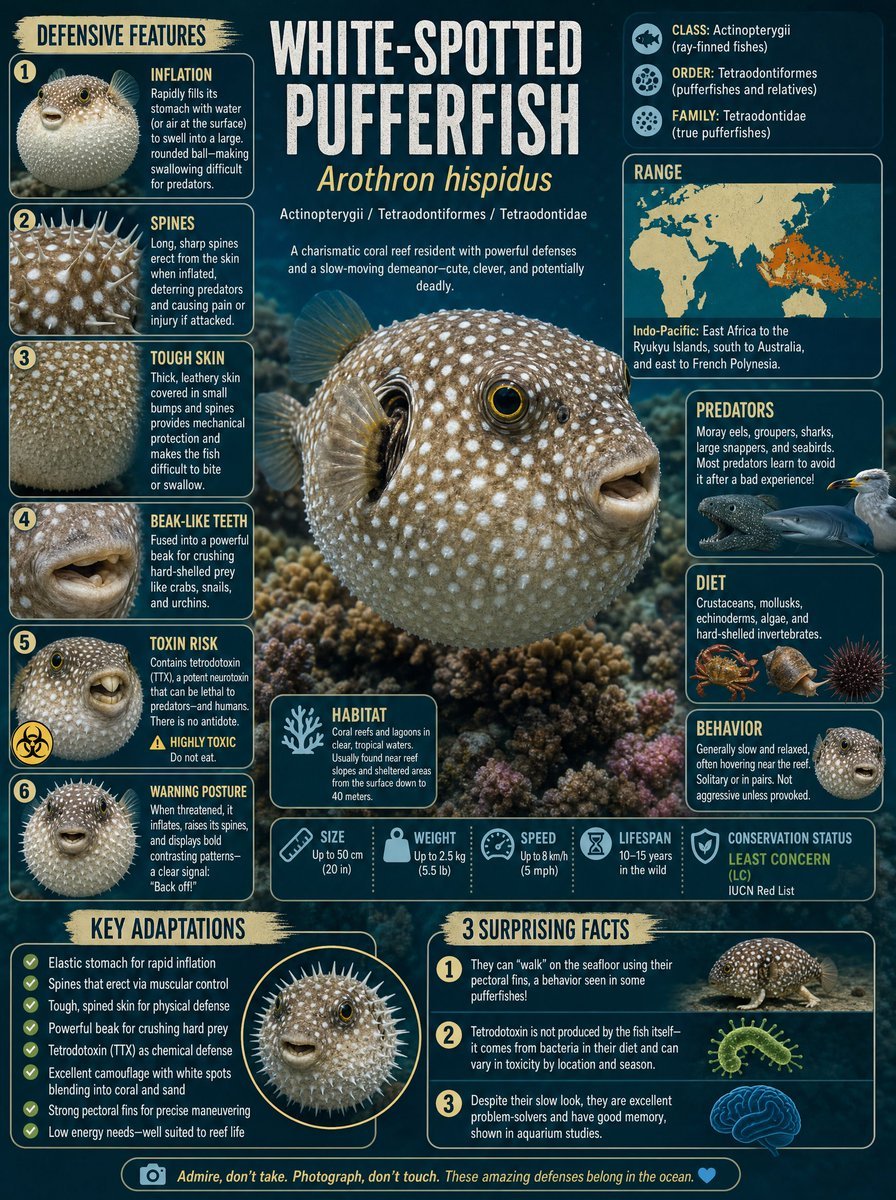
White-Spotted Pufferfish Scientific Plate
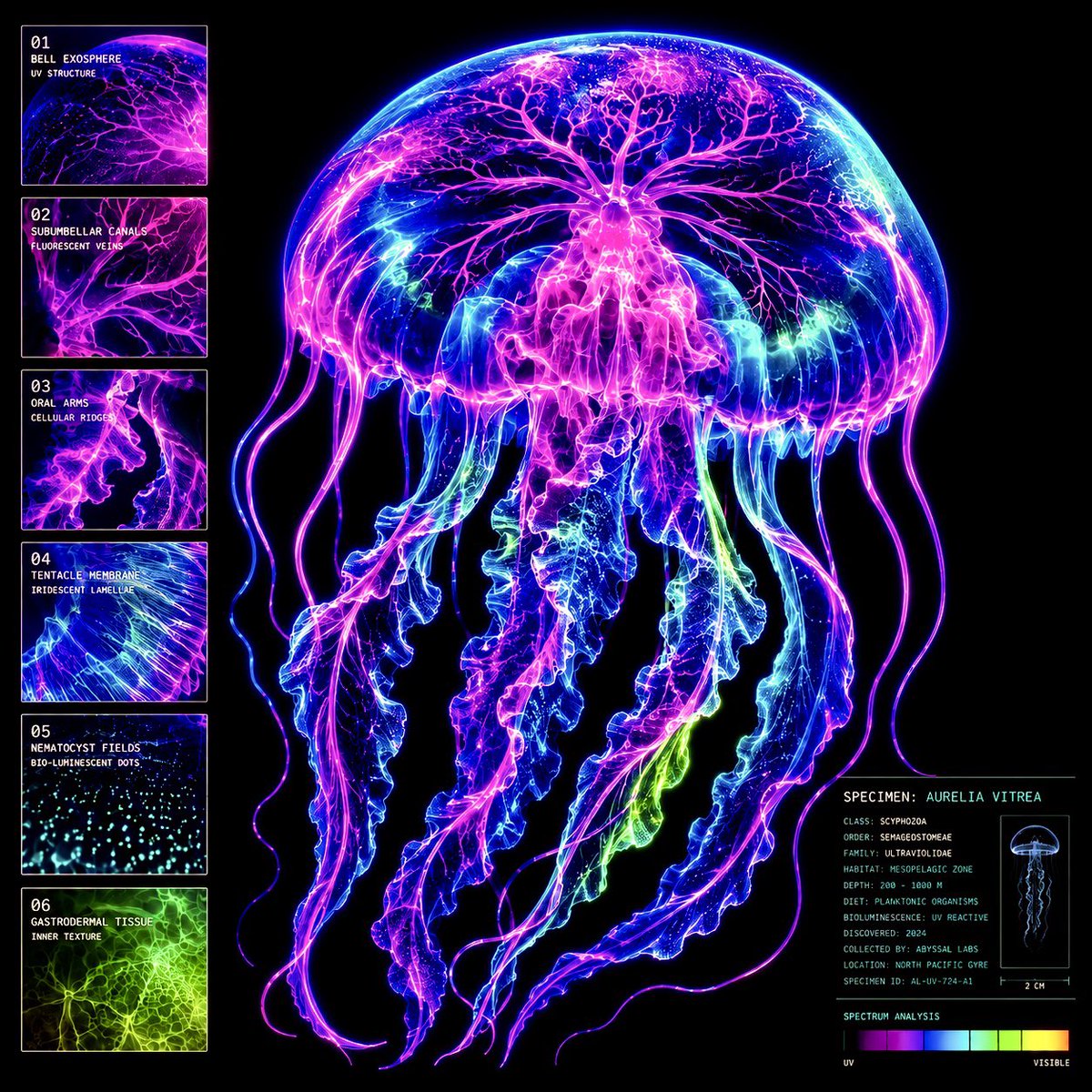
Neon Jellyfish Scientific Specimen
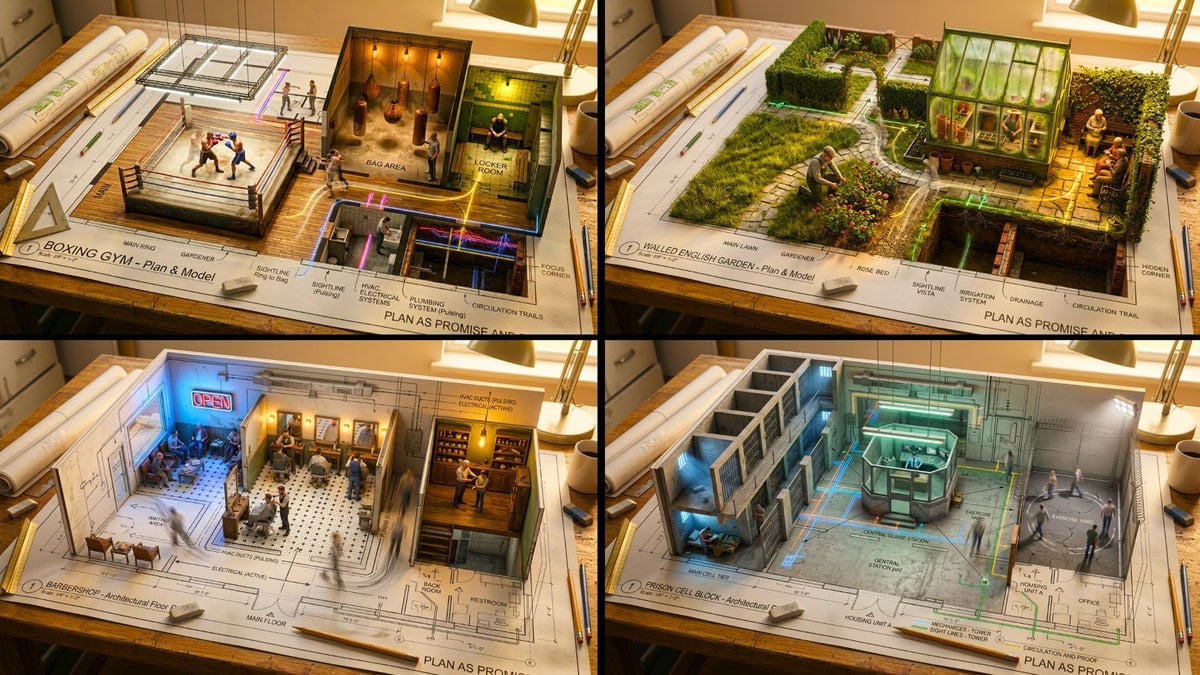
Paper Cut Scientific Illustration
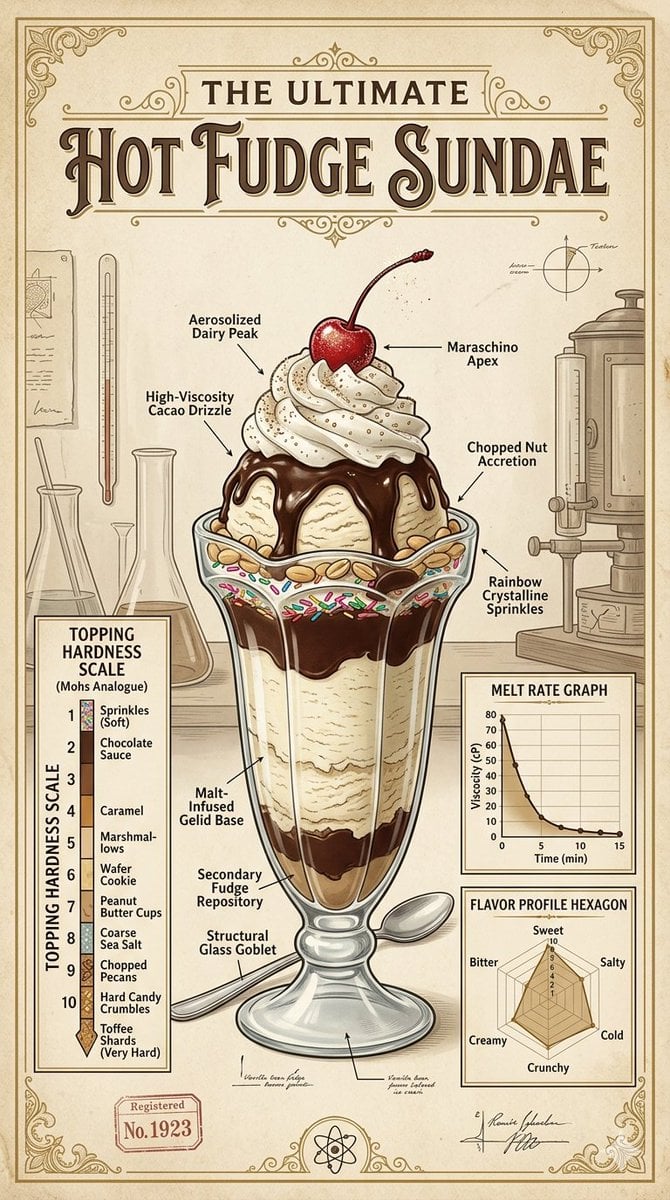
Scientific Dessert Blueprint
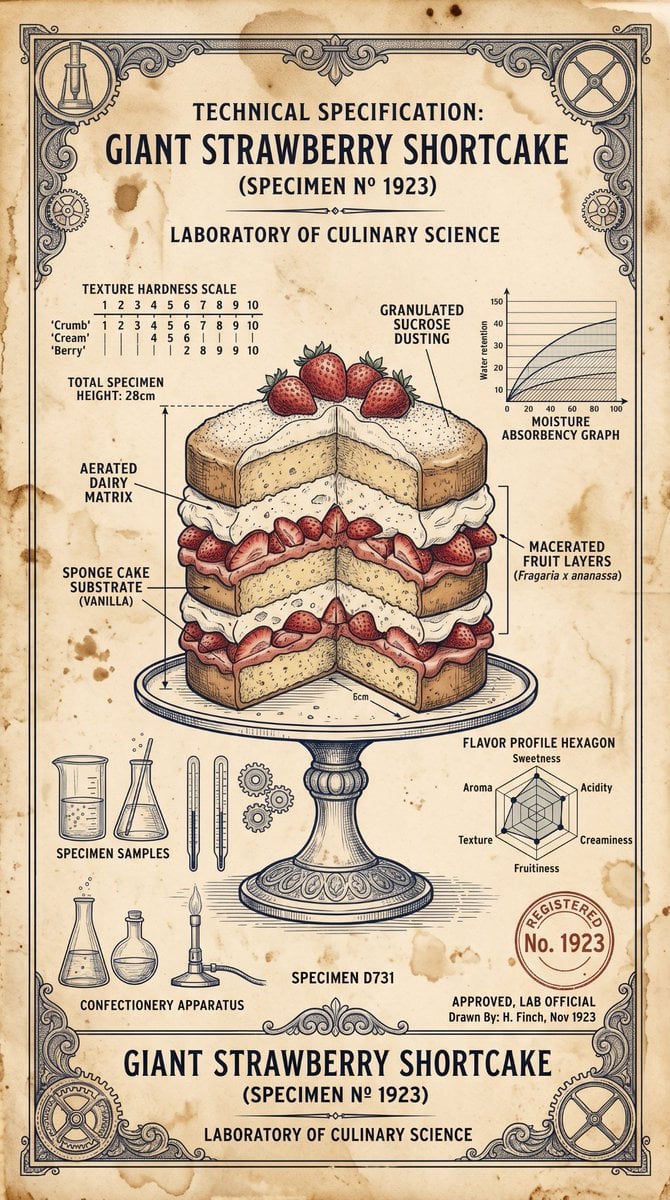
Vintage Scientific Blueprint Dessert
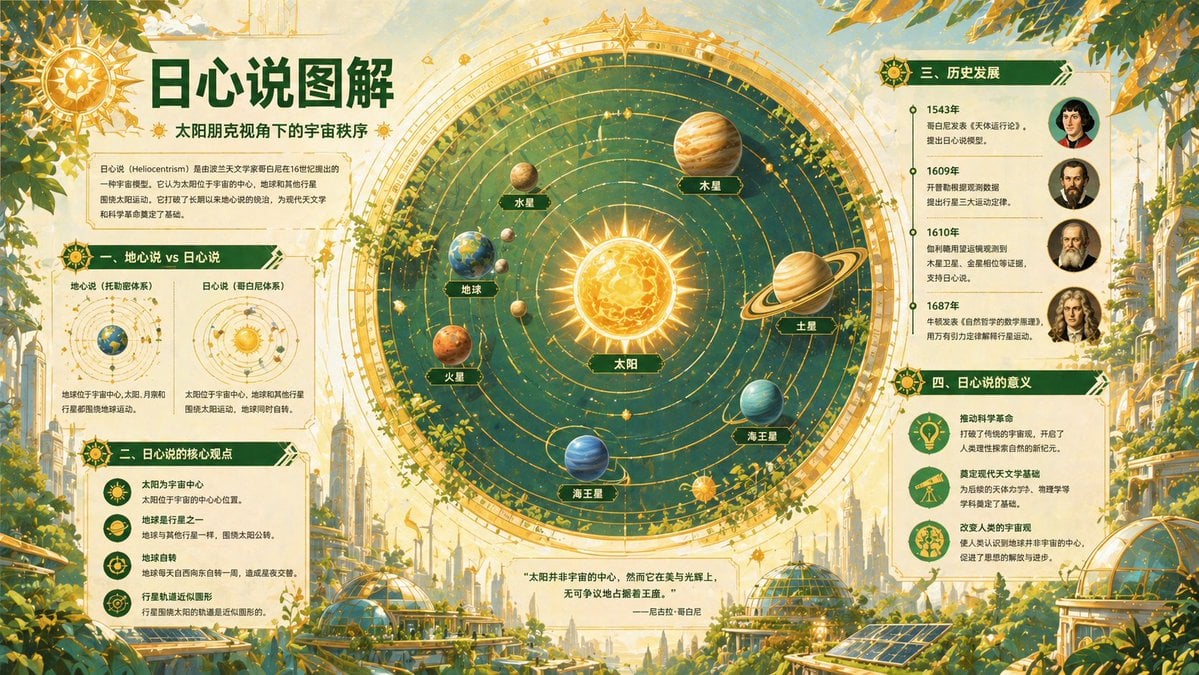
Heliocentric Theory Infographic Poster
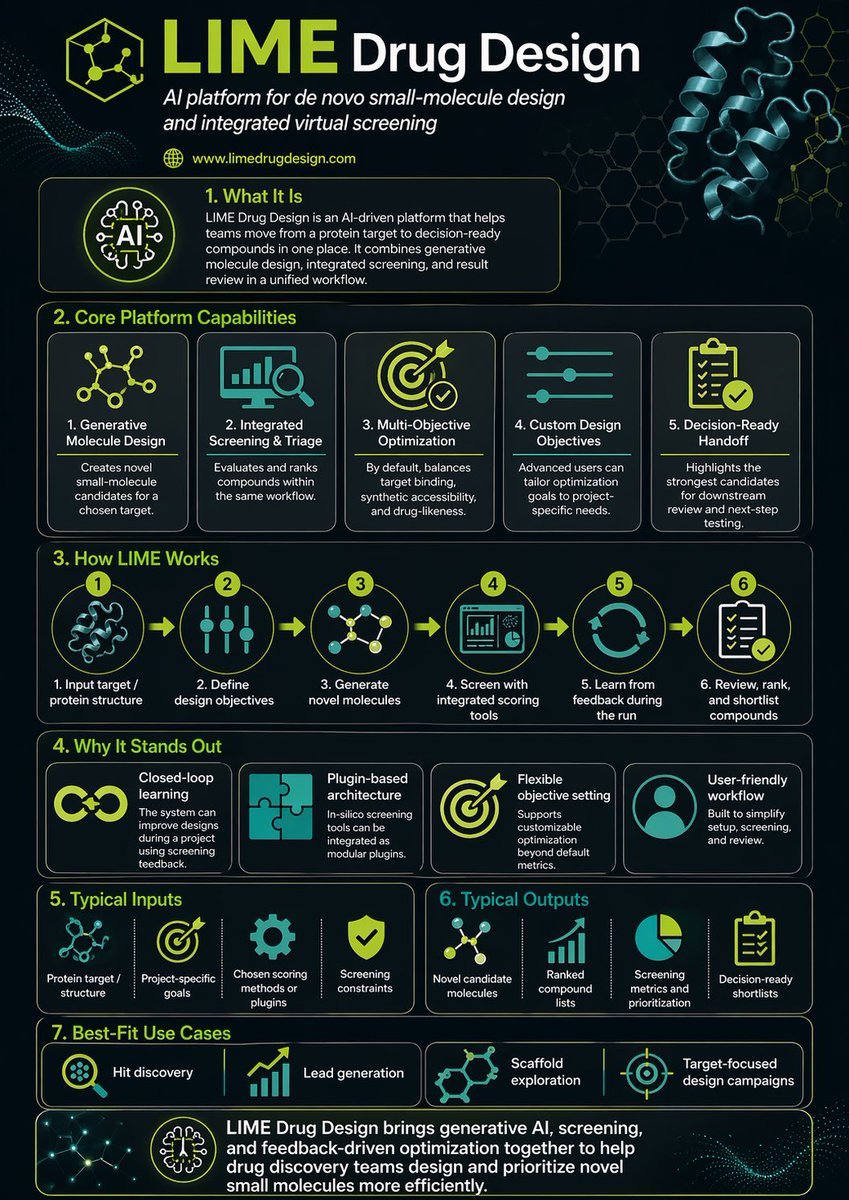
Scientific Infographic for Pharmaceutical Research
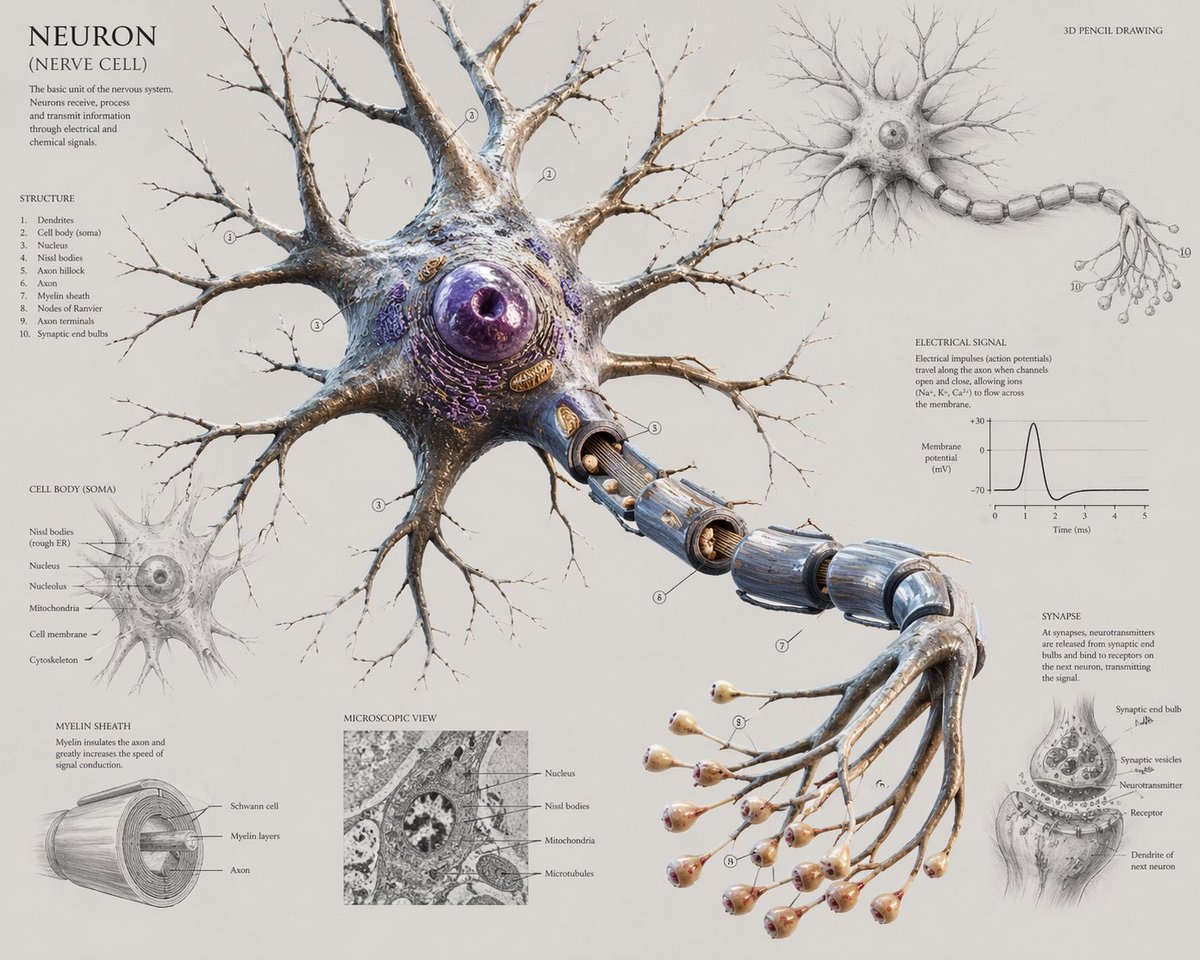
Scientific Neuron Anatomy Poster
Make it yours
Scientific Theory Visualization Generator works as-is. These are the safest ways to change it without losing the look.
Change one field
Copy a single group, rewrite it, and generate again so you can see what that field is doing.
Keep the frame, change the subject
Hold the composition and light of Scientific Theory Visualization Generator, then swap wardrobe, props or the person for a new take.
| If the result… | Why | Fix |
|---|---|---|
| The result drifts from the preview | Too many fields changed at once. | Reuse Scientific Theory Visualization Generator as-is first, then change one group — subject, light, or setting. |
| The model over-stylizes the scene | The prose prompt leaves finish and camera underspecified. | Add one camera or lighting sentence and stay on Nano Banana 2. |
More Nano Banana 2 templates
Other prompts made for Nano Banana 2.

Photorealistic Leaf Shaped Like a Dragon

K-Pop Idol Portrait Grid for Rapid Selection
Poetic Rain Forest Portrait During Golden Hour

Urban Street Portrait with Cartoon Inner Self Duo
Candid Nighttime Photo with Cat Prompt
High-Concept 3D Diorama Generation Prompt

Cinematic Futuristic Studio Portrait Template
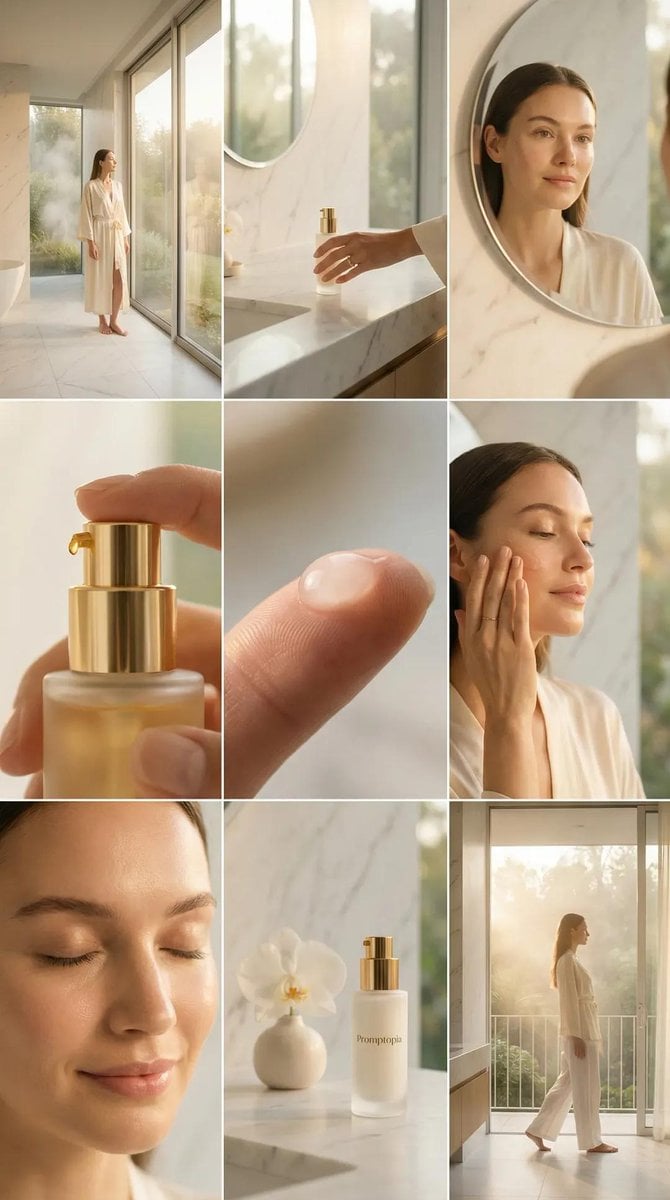
Skincare Editorial Photography Collage Prompt

Hyper-Realistic Commercial Product Photography (Splash Effect)

Hyper-Realistic Nightclub Portrait Prompt
More image prompts
Fresh picks from across the catalog.
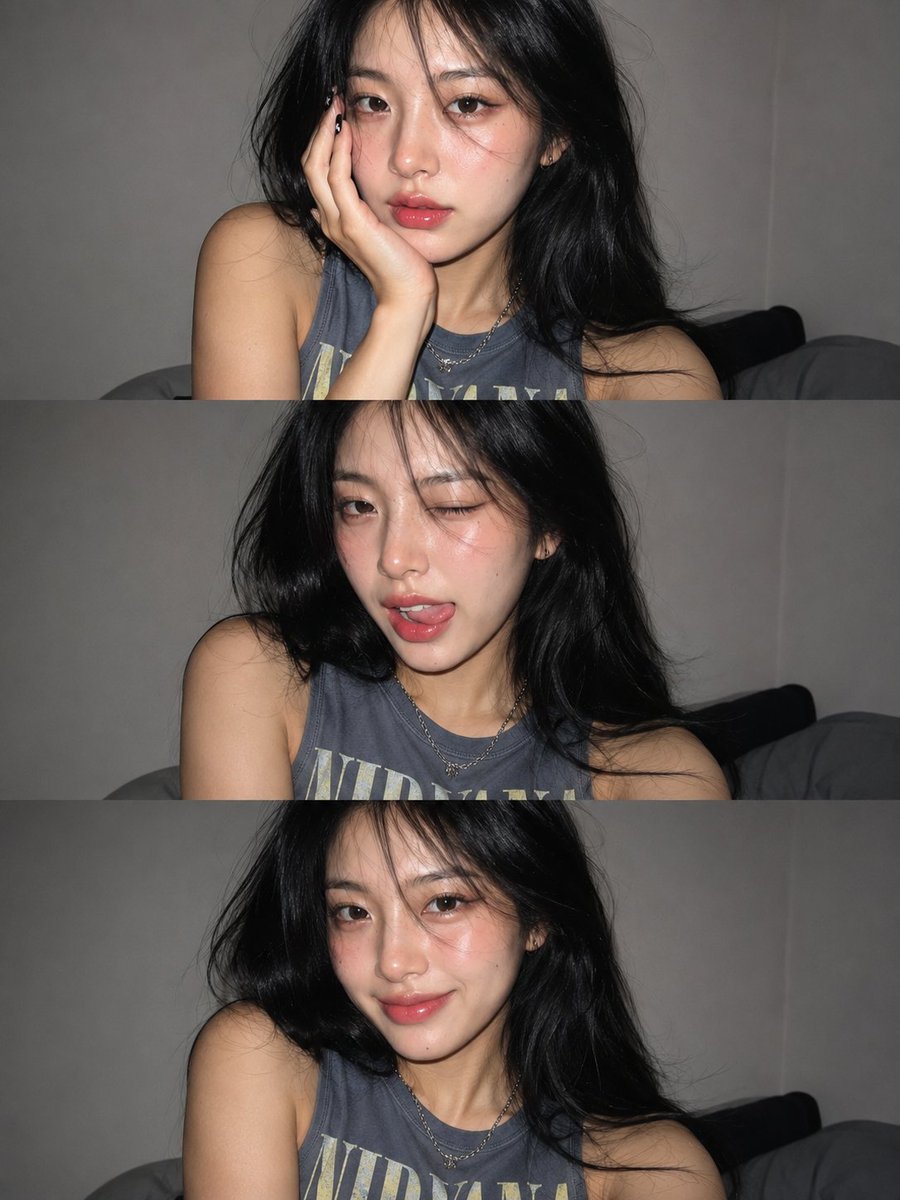
Gen Z Flash Selfie Collage

Morning Classroom Window Portrait
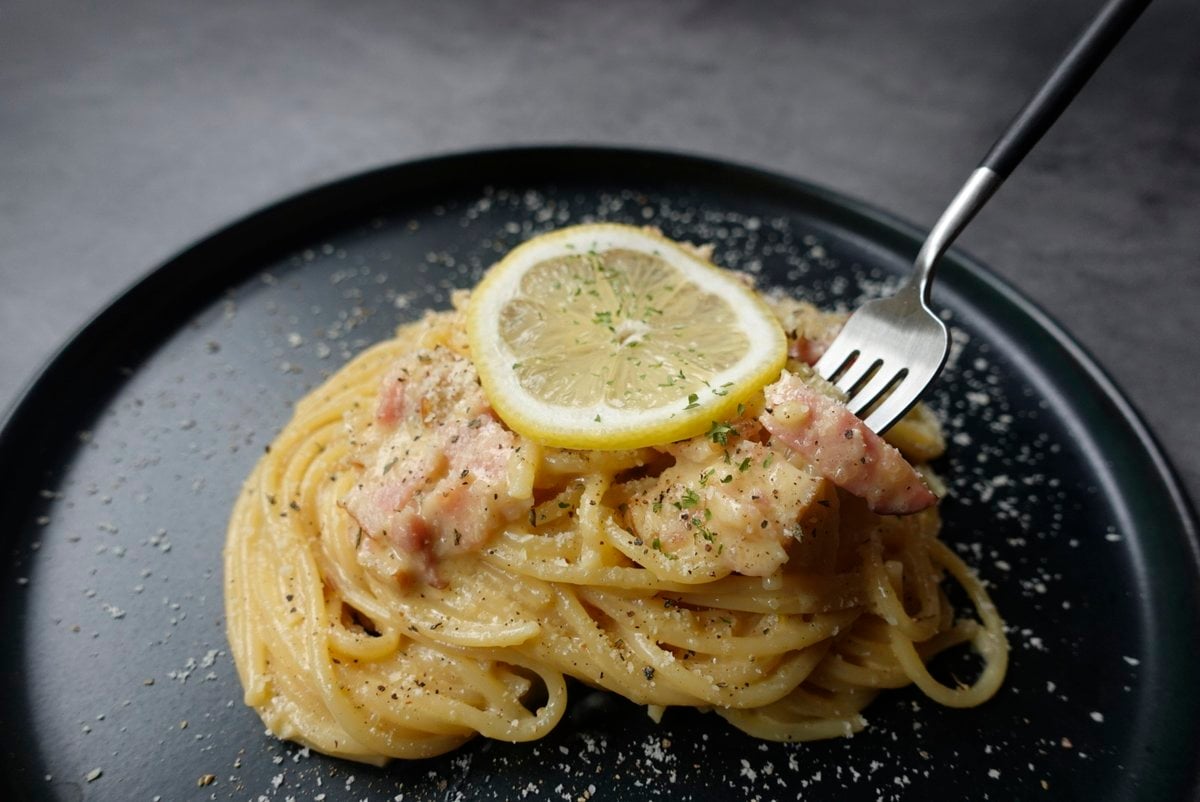
Food Plating and Processing for Instagram
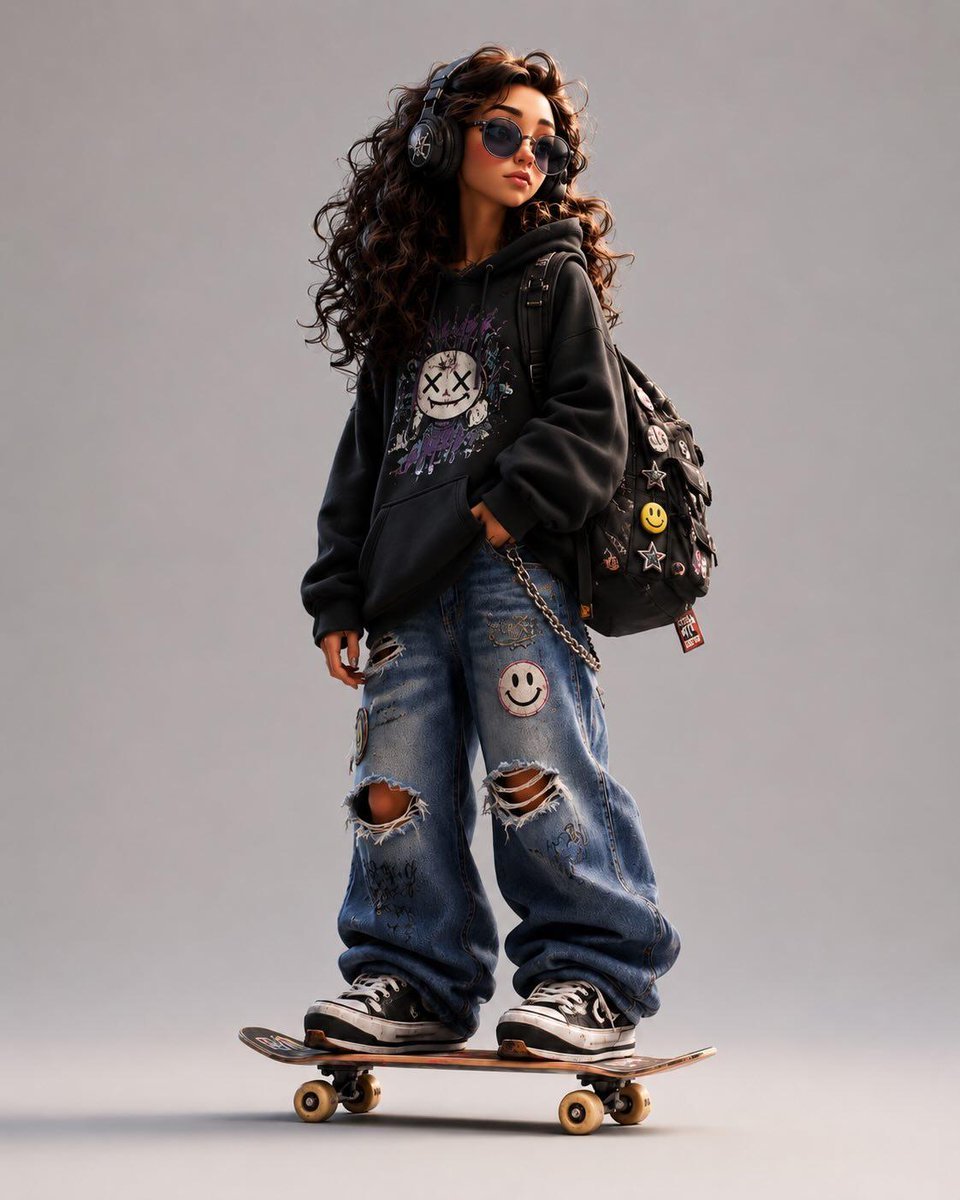
3D Stylized Cartoon Skater

Nano Banana Pro Prompt for a Game Strategy Guide Style
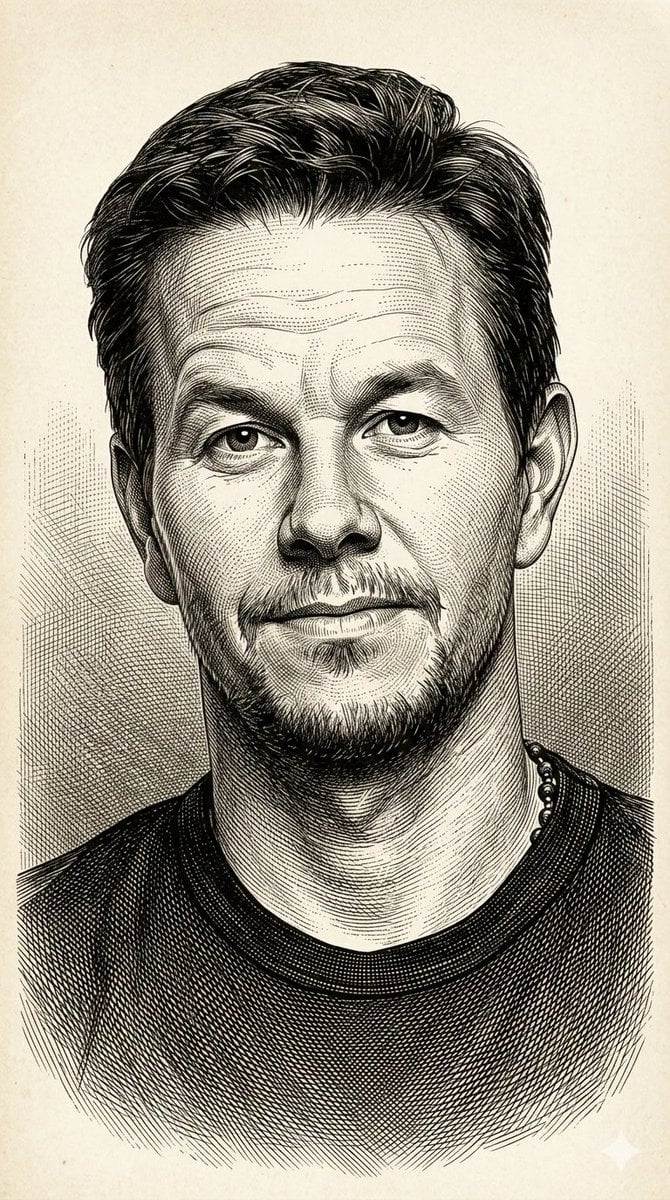
Image-to-Illustration Style Transfer Prompt (Gustave Doré)
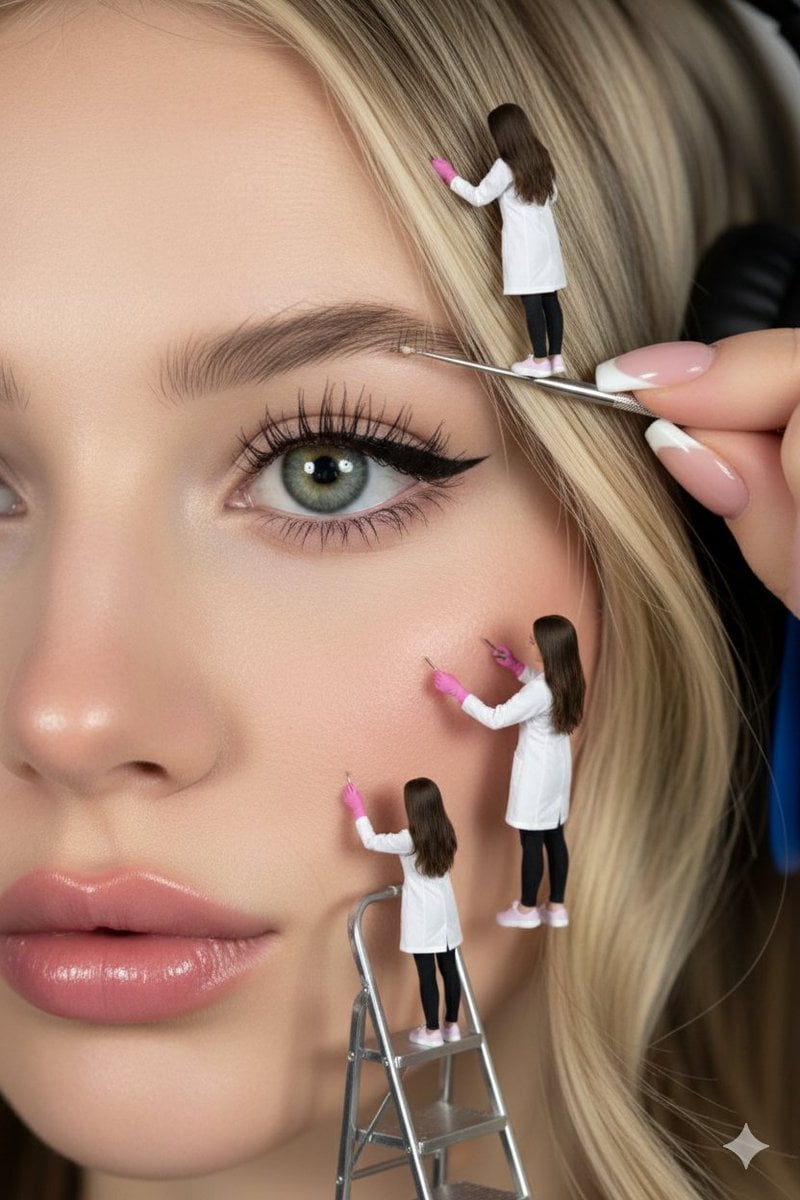
Hyper-realistic close-up of a woman's face being 'maintained' by miniature aesthetic doctors
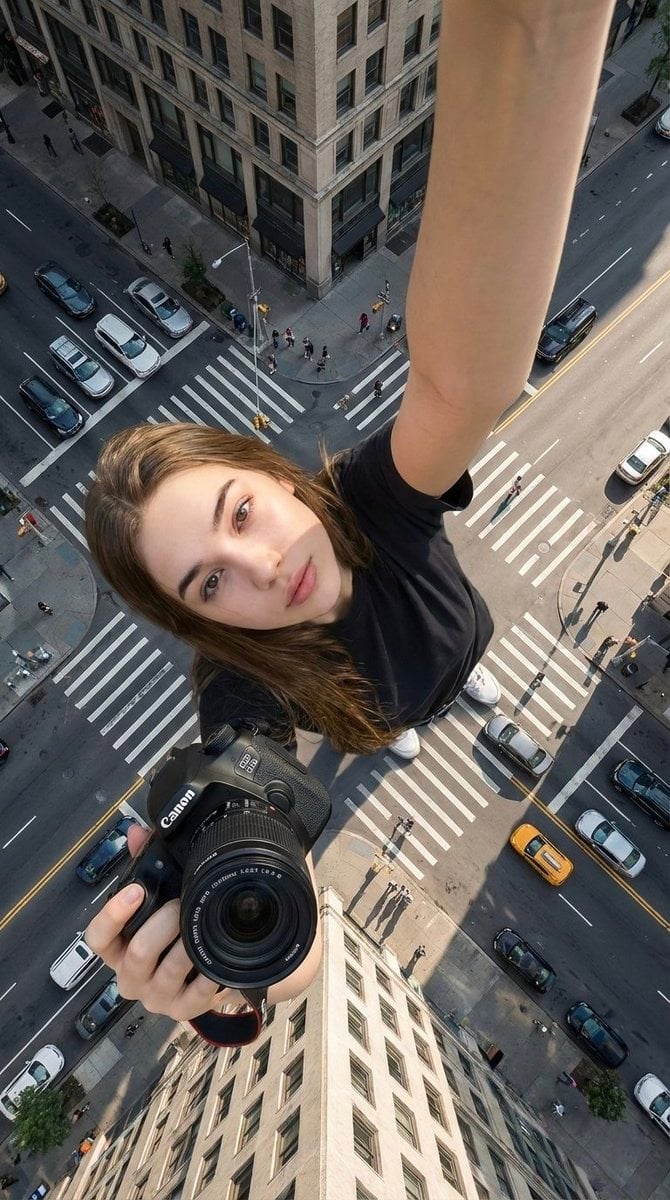
Forced Perspective Urban Giant Selfie

Hyper-Realistic Cinematic Night Rain Portrait JSON Prompt
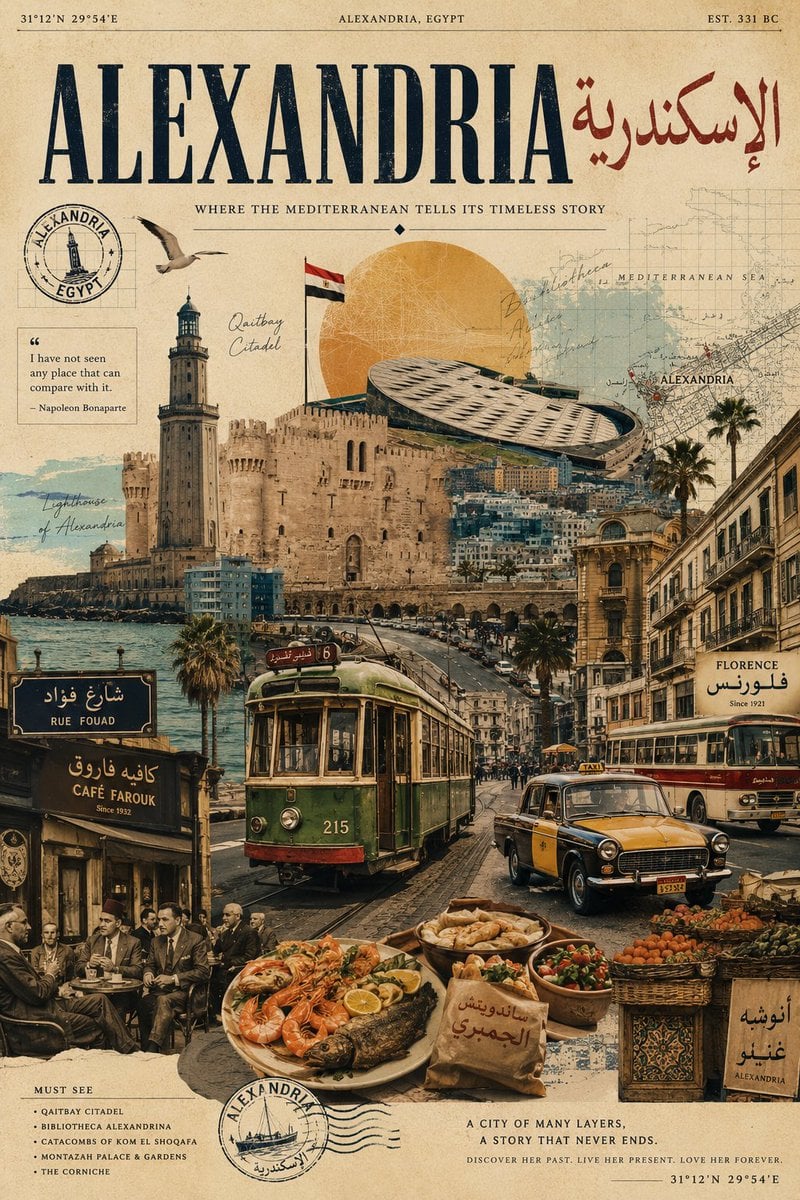
Vintage Alexandria Travel Poster
Browse template categories
Scientific Theory Visualization Generator questions
How do I use the Scientific Theory Visualization Generator template?
Add your photo if the template asks for one, edit the prompt if you like — the template's model and format are already selected — and press Generate. Your version opens in PicX Studio.
Can I customize the Scientific Theory Visualization Generator template?
Yes. You can change the subject, setting, lighting, mood, format, and available model controls before creating your image.
Is the Scientific Theory Visualization Generator template free?
Opening and editing this template is free. Generating uses credits, shown on the Generate button when you are signed in.
Which AI model should I use?
Start with Nano Banana 2, which is the model associated with this template. You can compare another compatible model for a different finish.
Looking for something else? Browse all templates.

Your photo, any look
Thousands of ready templates for every top image and video model, from one credit balance.