
Food Analysis Periodic Table Display Board
A complex instruction prompt designed to transform a dish (via photo or name) into a scientific, periodic table-style display board.
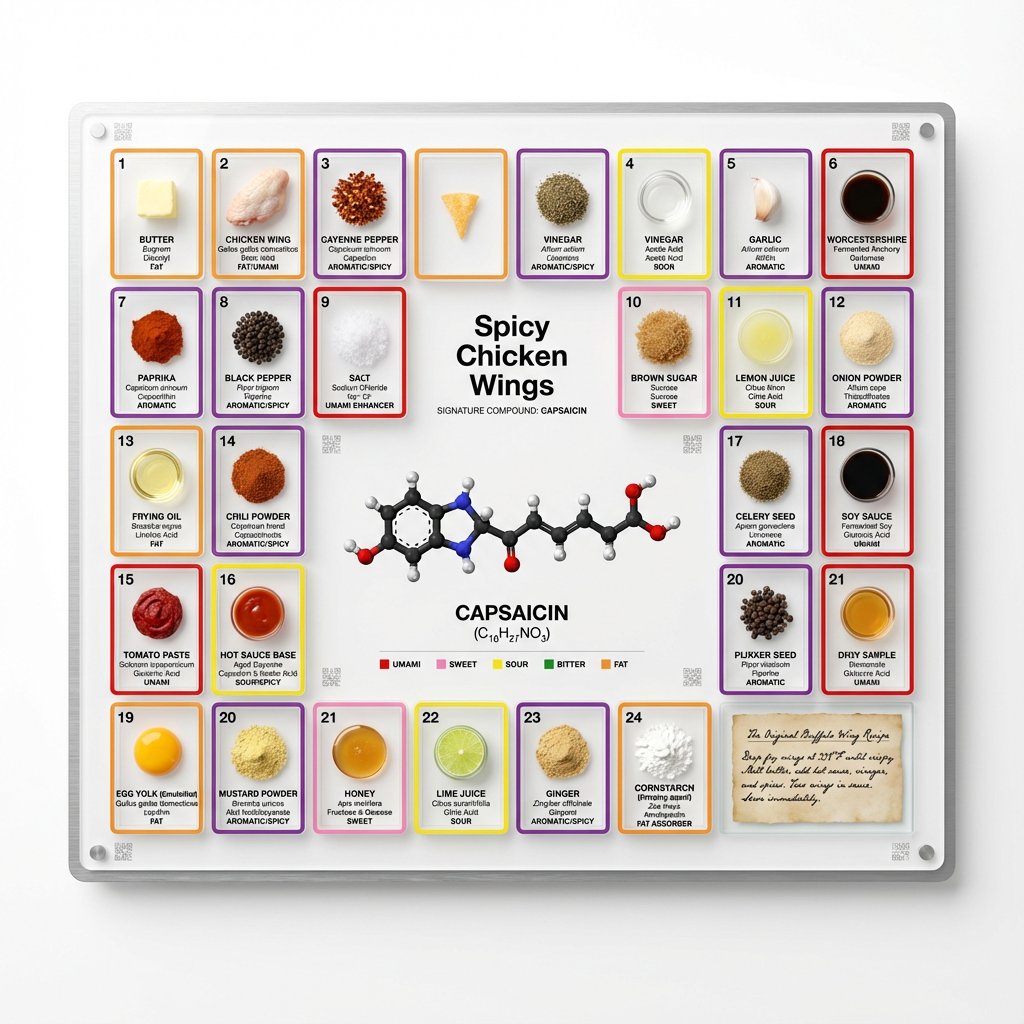
- Prompt included
- Model and format preset
- Free template
The prompt behind this image
Copy the exact prompt behind Food Analysis Periodic Table Display Board, or open it in the studio and make it yours.
<instruction> Input A is a famous dish (photo or dish name). Analyze the dish's complete ingredient breakdown, primary flavor compounds, chemical interactions, and scientific basis for why ingredients work together. Optional Input B is a style reference (laboratory equipment / tech product packaging). If missing, choose scientific periodic table meets Apple product design aesthetic. Goal: Grid-format display board (20"x16") in periodic table structure, with each ingredient in its own compartment labeled with both culinary and scientific information, color-coded by flavor profile. Rules: Brushed aluminum, white acrylic, or frosted glass backing 20-30 small clear compartments in periodic table grid layout Each compartment contains: ingredient specimen, common name, scientific name, primary flavor molecule Color-coded borders: umami (red), sweet (pink), sour (yellow), bitter (green), fat (orange), aromatic (purple) Center "legend" section: 3D molecular structure diagram of signature compound Lower corner: actual handwritten recipe on aged vellum or parchment under glass AR markers for scanning to see animated 3D molecule models Clean sans-serif typography (like Helvetica or Futura) Minimal design with generous white space Include atomic-style "numbers" for each ingredient showing ratio/importance Output: ONE image, 4:5 clean product photography style with soft shadows on pure white background </instruction>
How to use Food Analysis Periodic Table Display Board in 3 steps
- 1
Open
The prompt is already in the box next to the preview, with the template's model and format selected.
- 2…a portrait of your subject in softgolden-hour light, 85mm…
Personalize
Edit the subject and creative details for your destination.
- 3Generate
Generate
Press Generate — your image is created in PicX Studio, so you can compare it with the original and refine one variable at a time.
More like this
Templates with the same subject, style or setup. Open one to see its prompt.
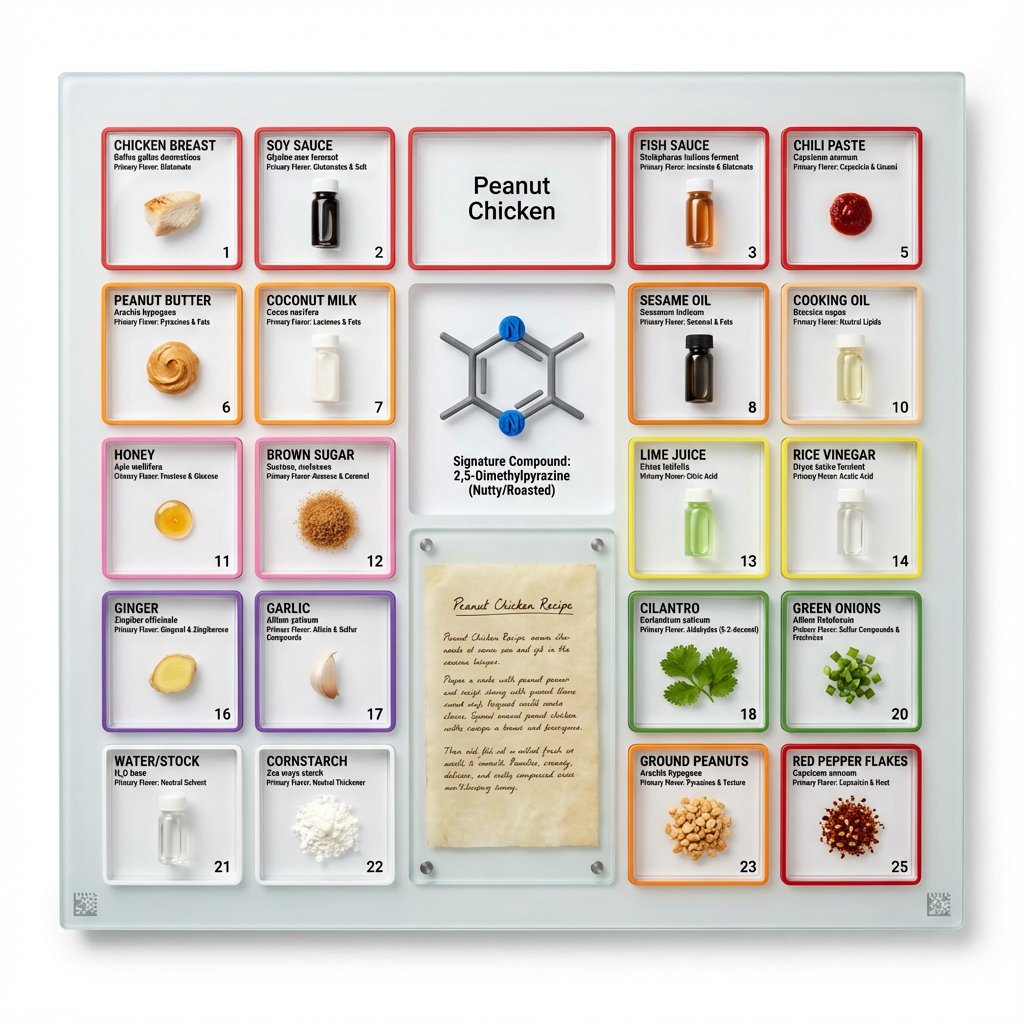
Culinary Periodic Table Display Board Generator
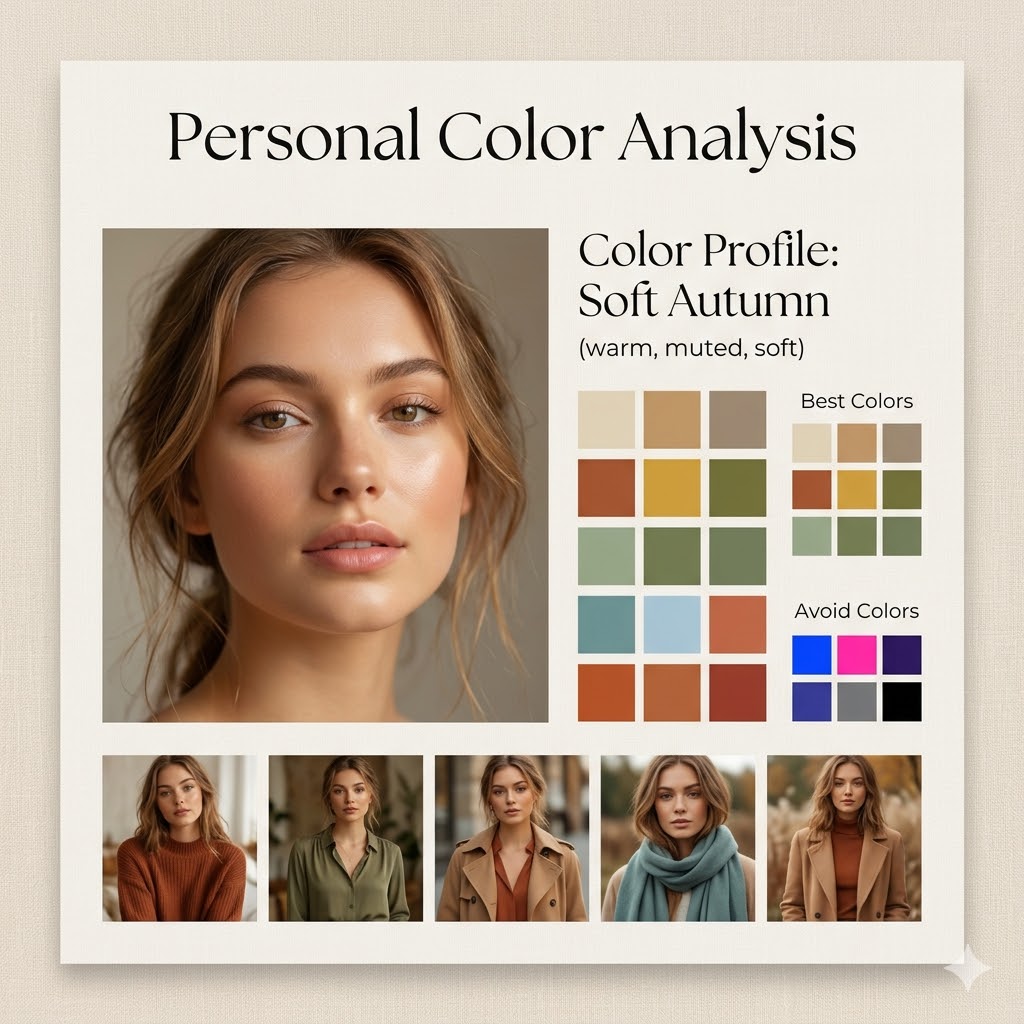
Minimalist Personal Color Analysis Board
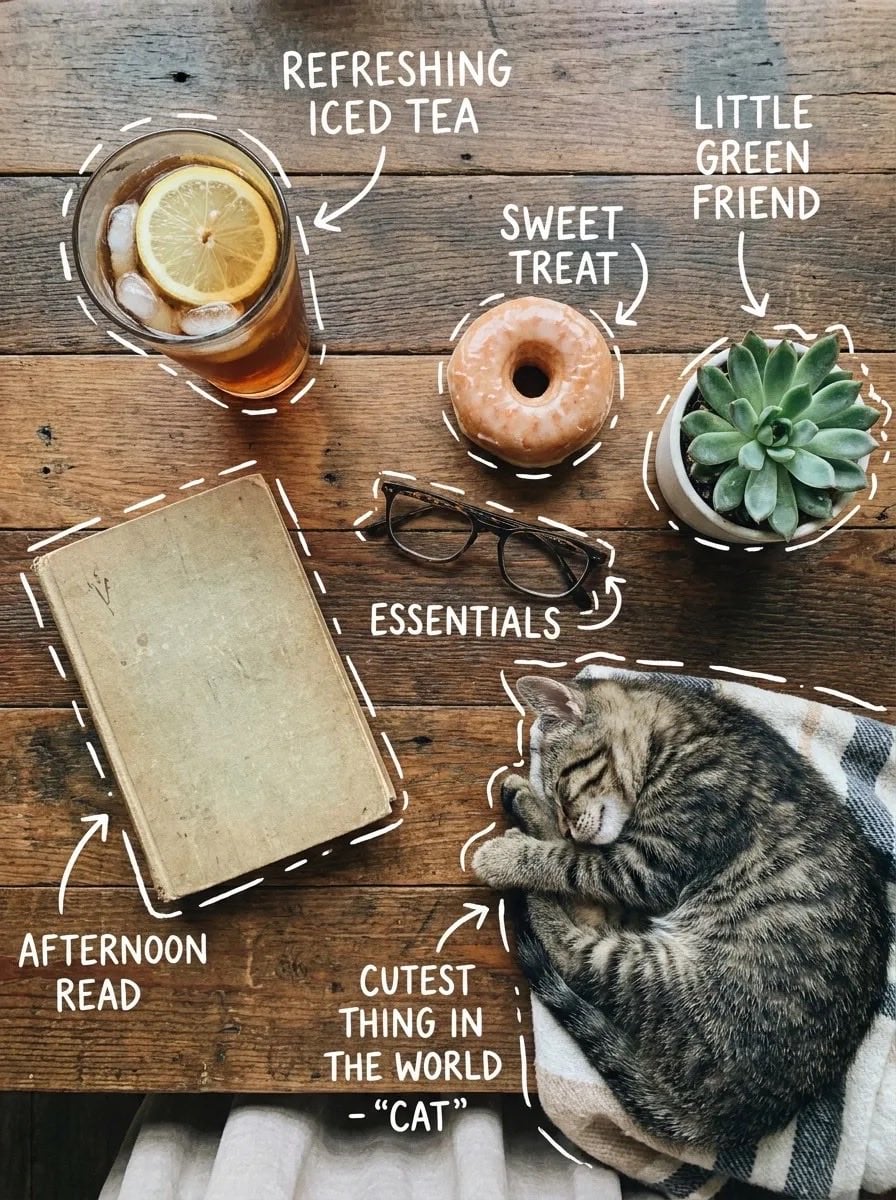
Cozy Food Flat Lay Doodle Labels
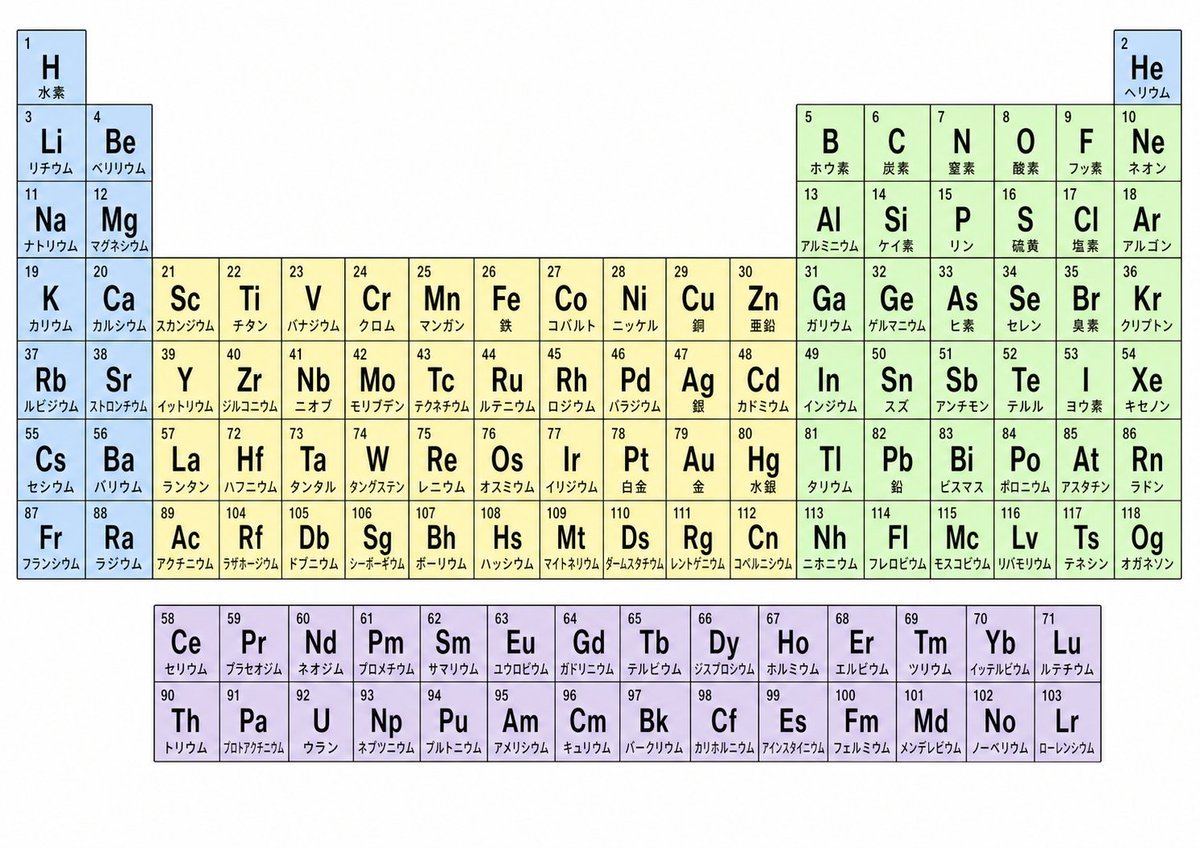
Japanese Color-Coded Periodic Table
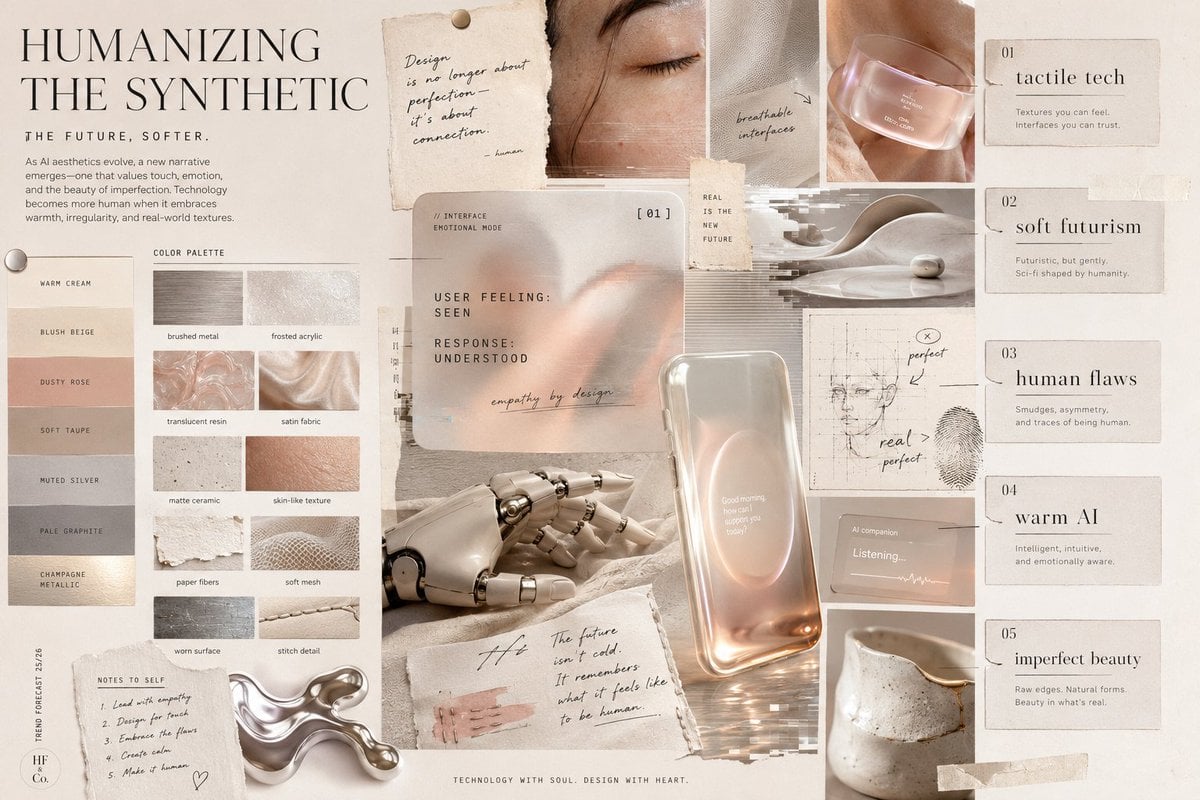
Visual Trend Analysis Moodboard
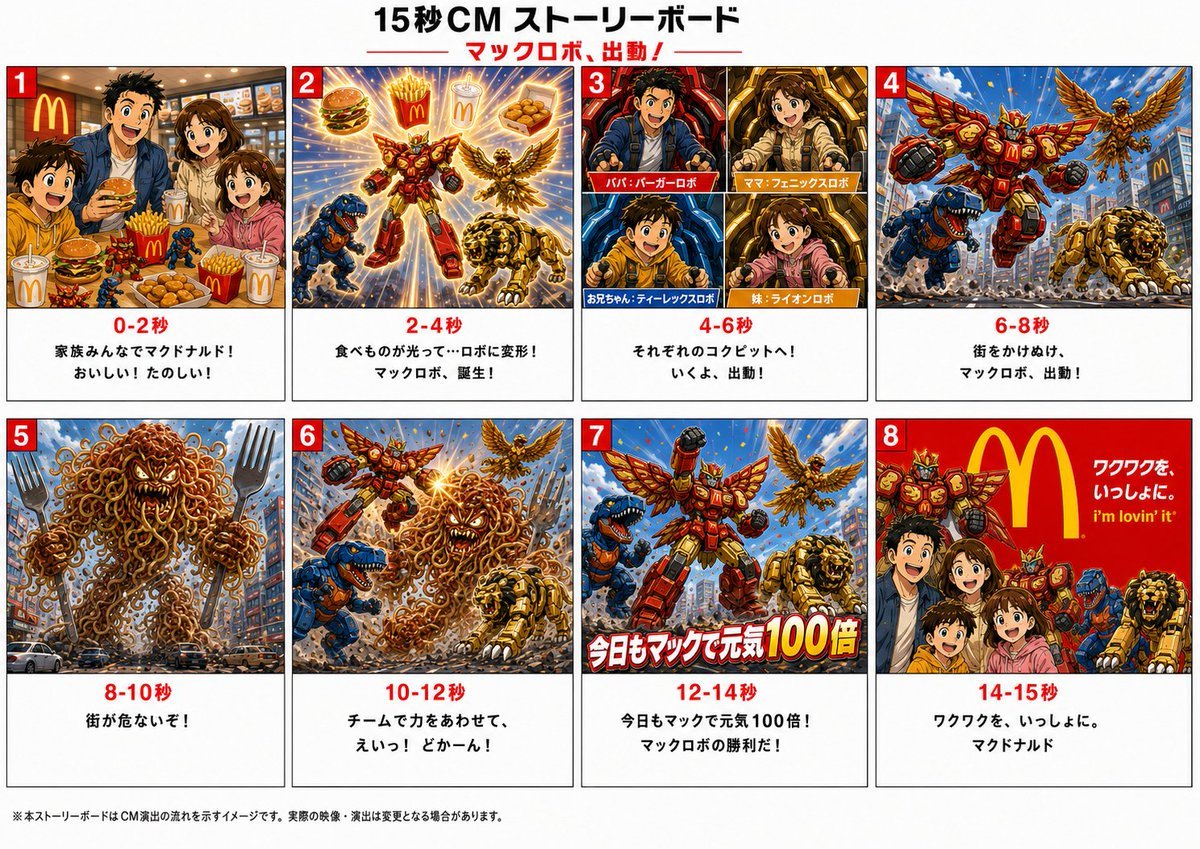
Japanese Mecha Fast Food Storyboard
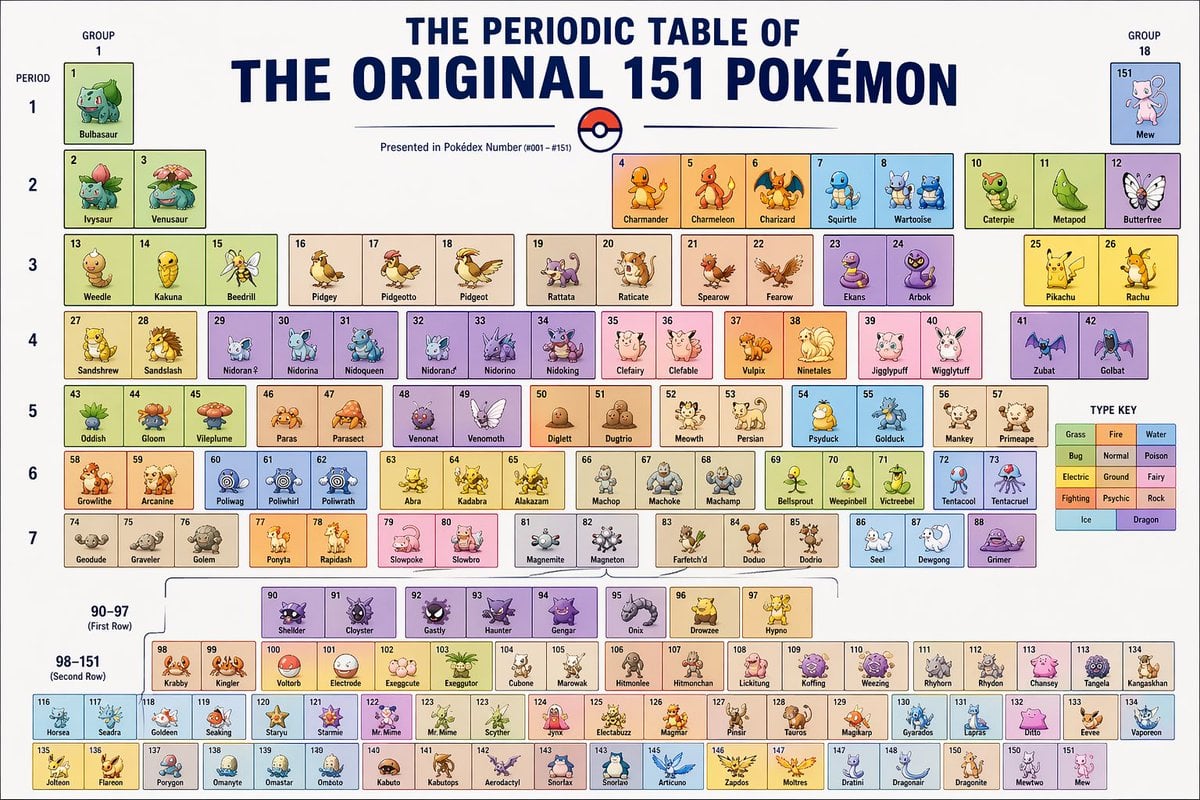
Themed Periodic Table Design
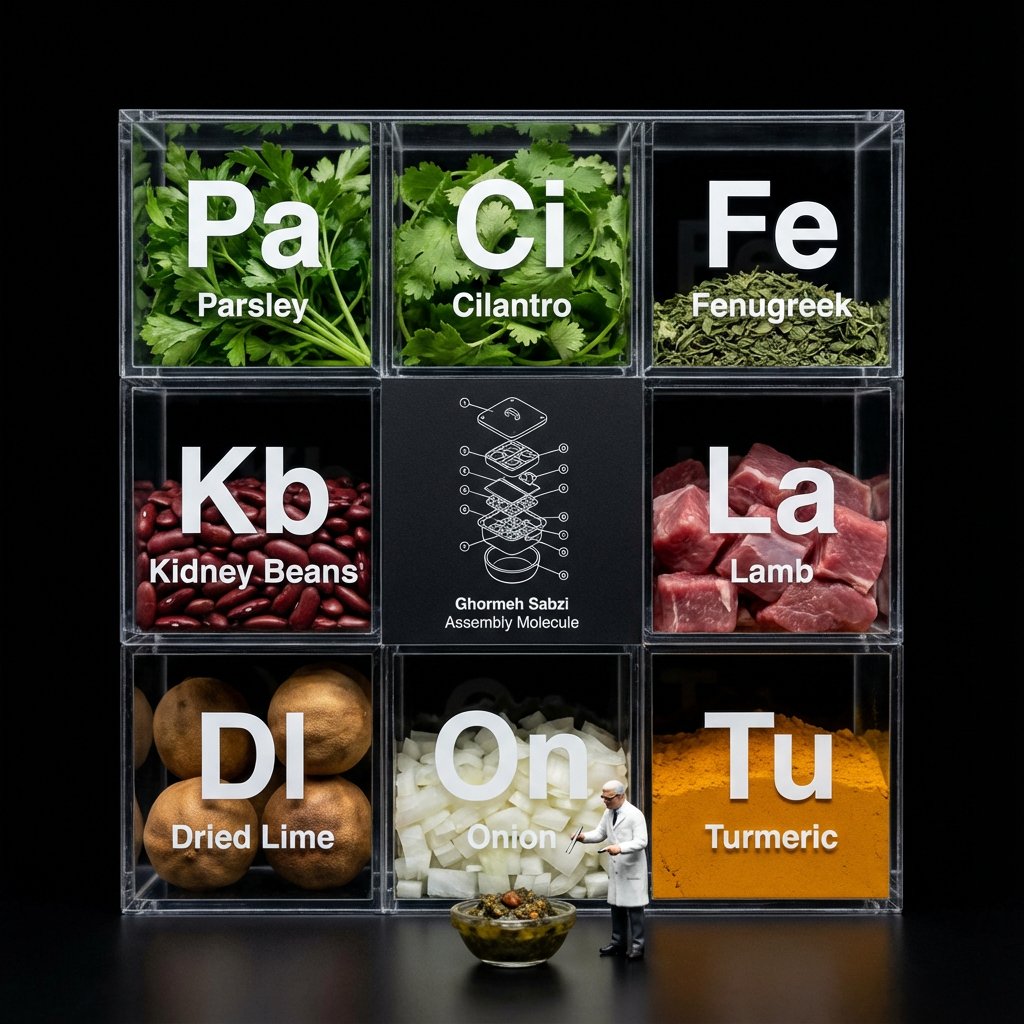
Molecular Gastronomy Display Box for Food Visualization

Premium Food Advertising Campaign Scenes
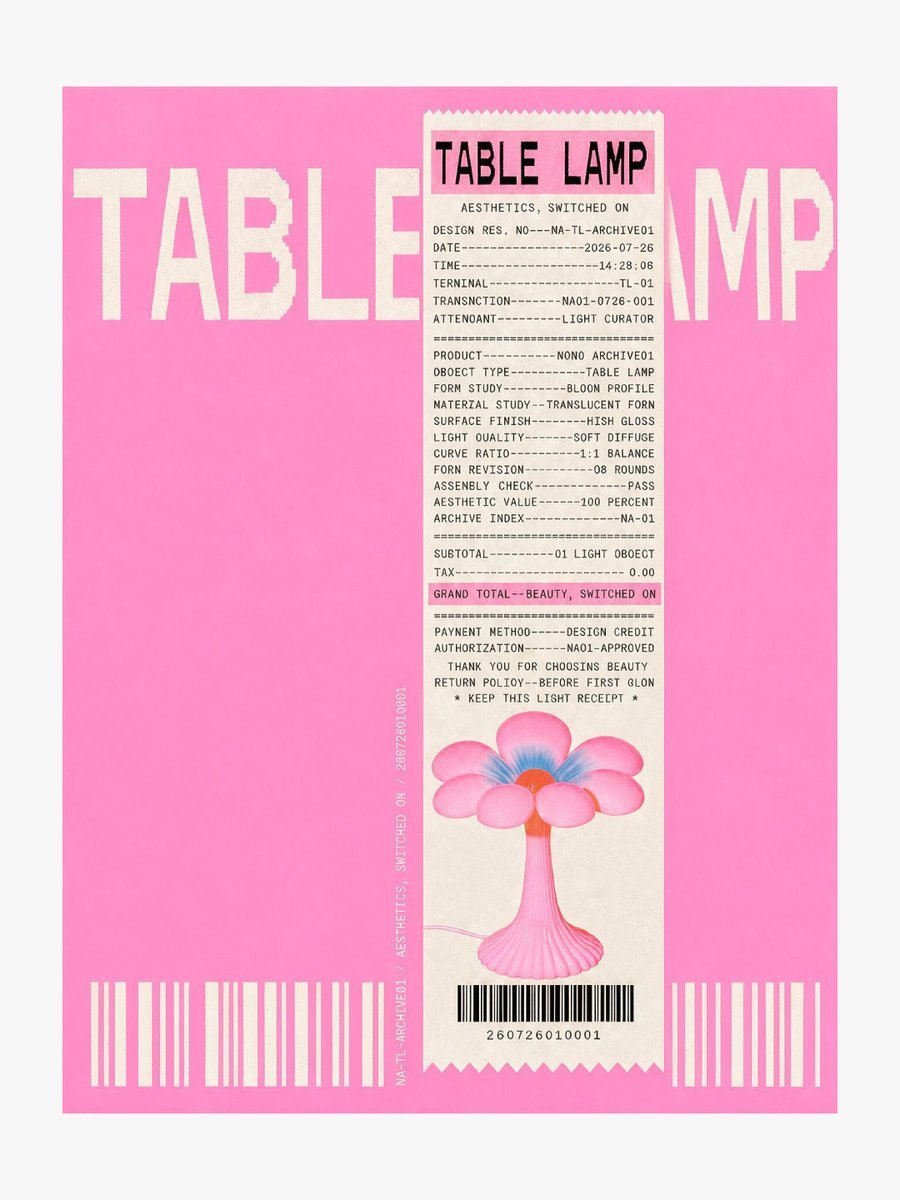
Thermal Receipt Table Lamp Poster
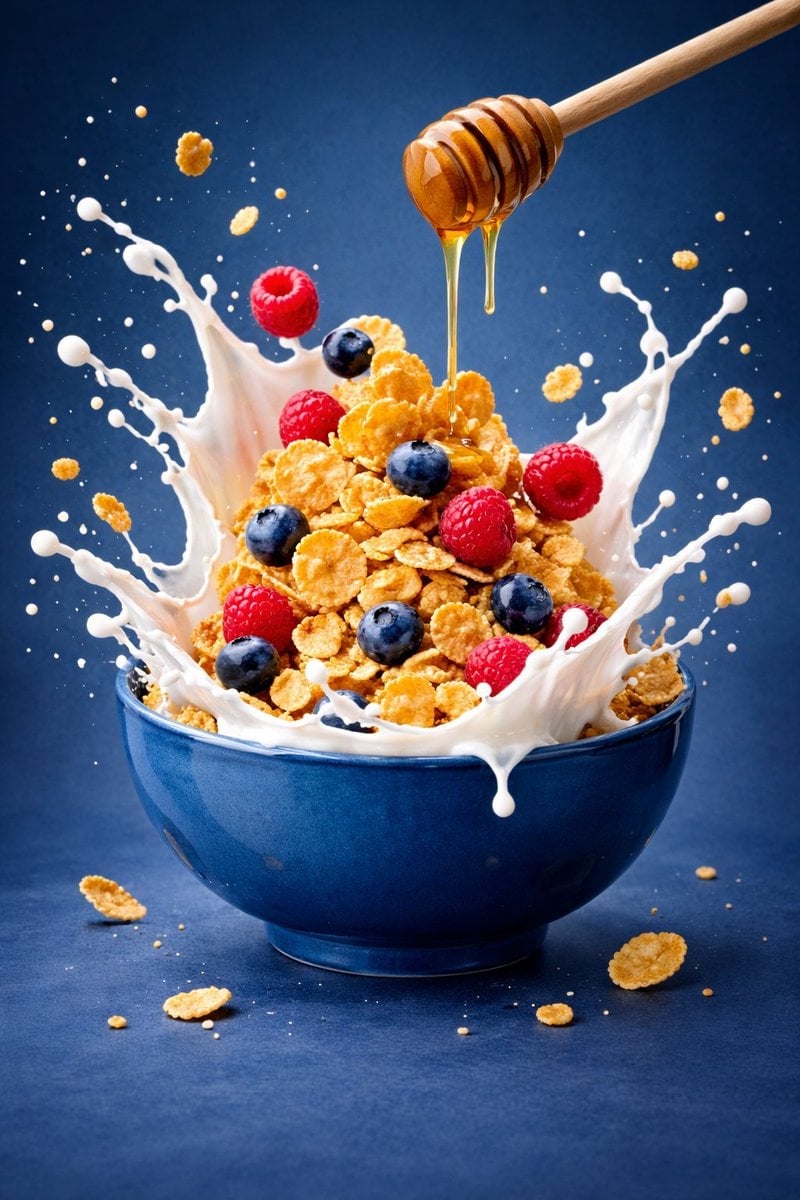
Ultra-premium cinematic food photography, 8K UHD, 3 4 aspect ratio

Bold, intense, premium, cinematic, high-impact food commercial aesthetic
Make it yours
Food Analysis Periodic Table Display Board works as-is. These are the safest ways to change it without losing the look.
Change one field
Copy a single group, rewrite it, and generate again so you can see what that field is doing.
Keep the frame, change the subject
Hold the composition and light of Food Analysis Periodic Table Display Board, then swap wardrobe, props or the person for a new take.
| If the result… | Why | Fix |
|---|---|---|
| The result drifts from the preview | Too many fields changed at once. | Reuse Food Analysis Periodic Table Display Board as-is first, then change one group — subject, light, or setting. |
| The model over-stylizes the scene | The prose prompt leaves finish and camera underspecified. | Add one camera or lighting sentence and stay on Nano Banana 2. |
More Nano Banana 2 templates
Other prompts made for Nano Banana 2.

Photorealistic Leaf Shaped Like a Dragon

K-Pop Idol Portrait Grid for Rapid Selection

Poetic Rain Forest Portrait During Golden Hour

Urban Street Portrait with Cartoon Inner Self Duo

Candid Nighttime Photo with Cat Prompt
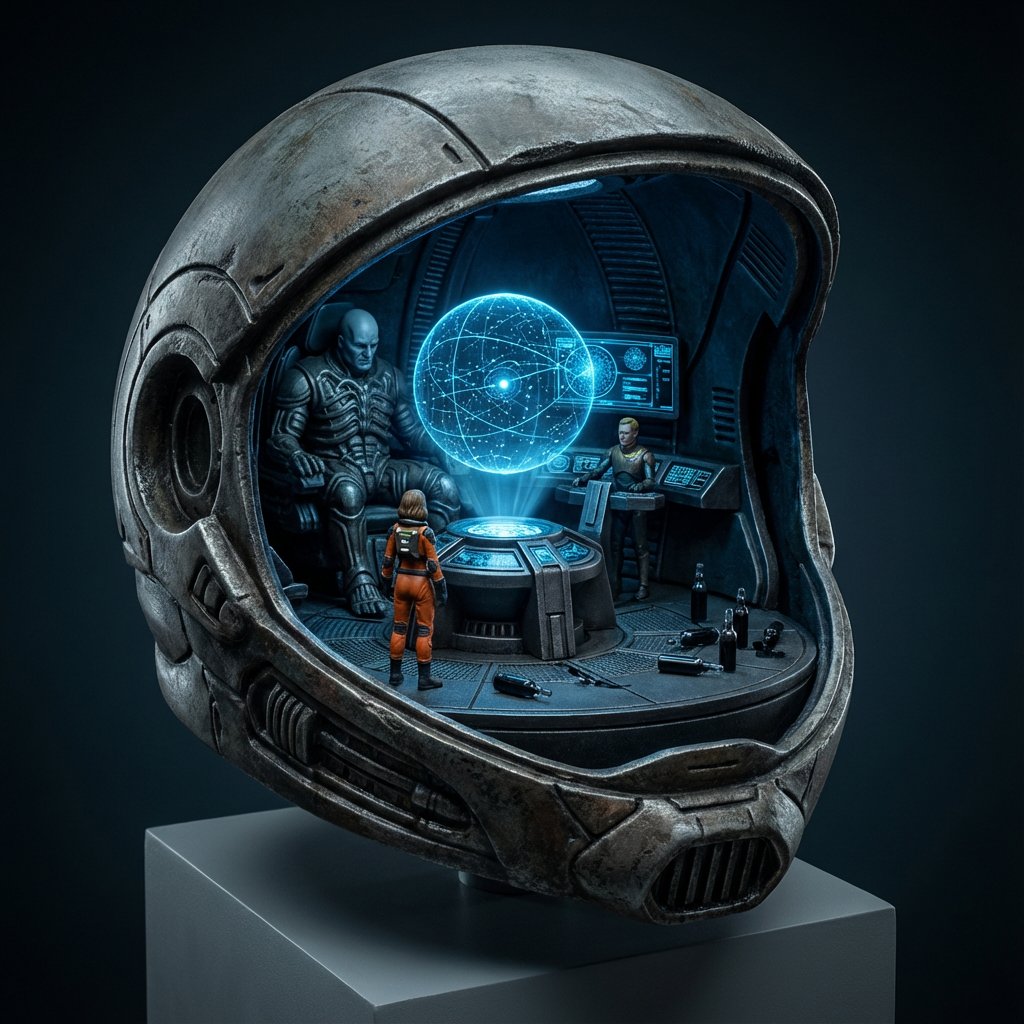
High-Concept 3D Diorama Generation Prompt

Cinematic Futuristic Studio Portrait Template
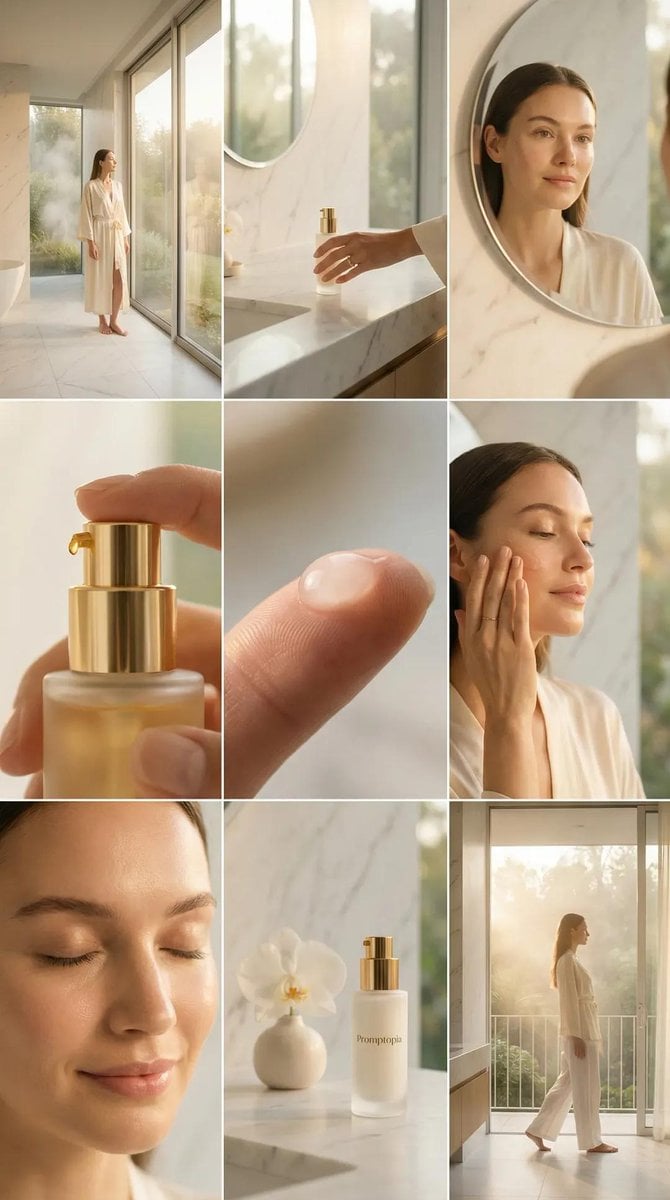
Skincare Editorial Photography Collage Prompt
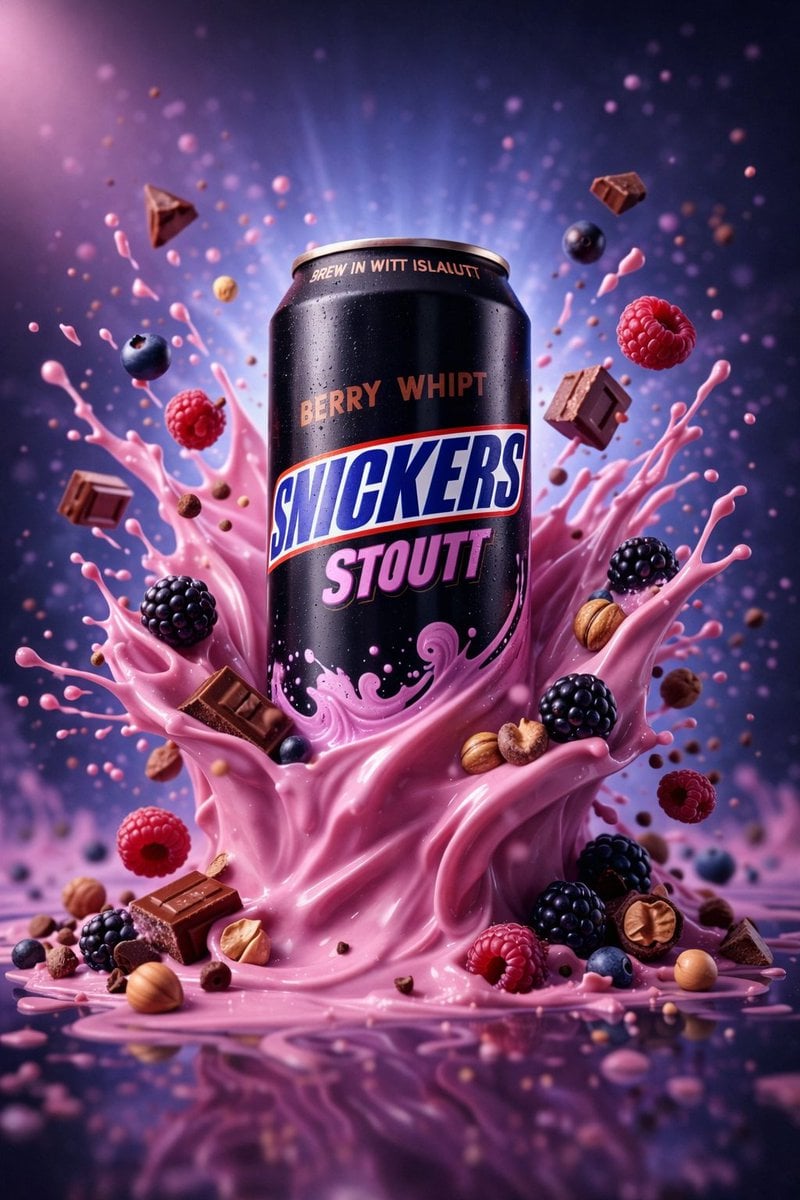
Hyper-Realistic Commercial Product Photography (Splash Effect)

Hyper-Realistic Nightclub Portrait Prompt
More image prompts
Fresh picks from across the catalog.
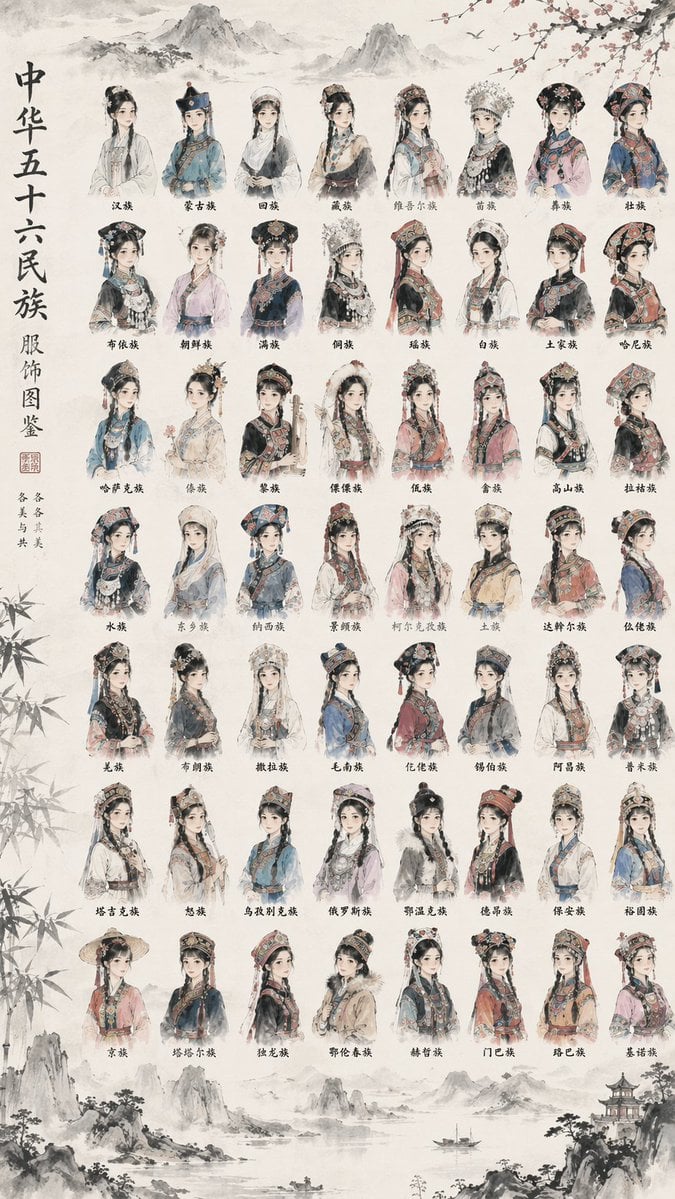
56 Chinese Ethnic Groups Clothing Chart
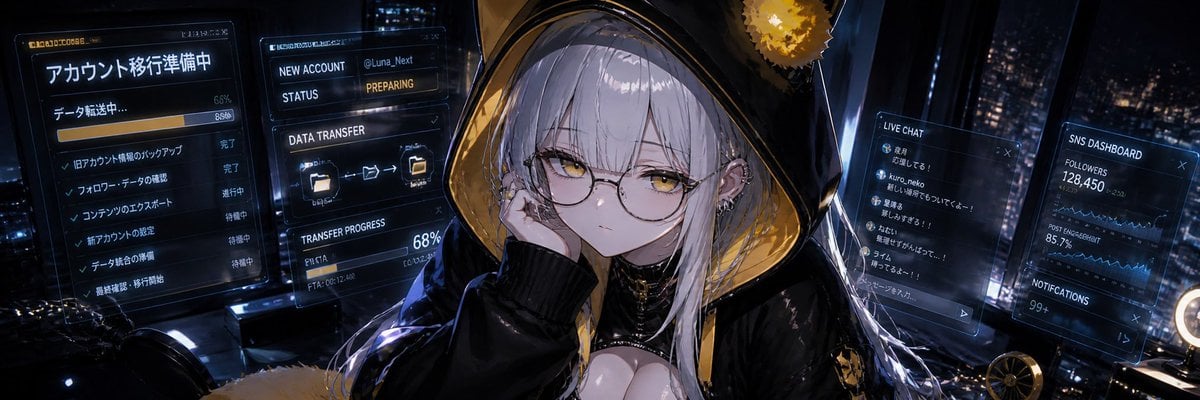
Cyberpunk Account Migration Streamer
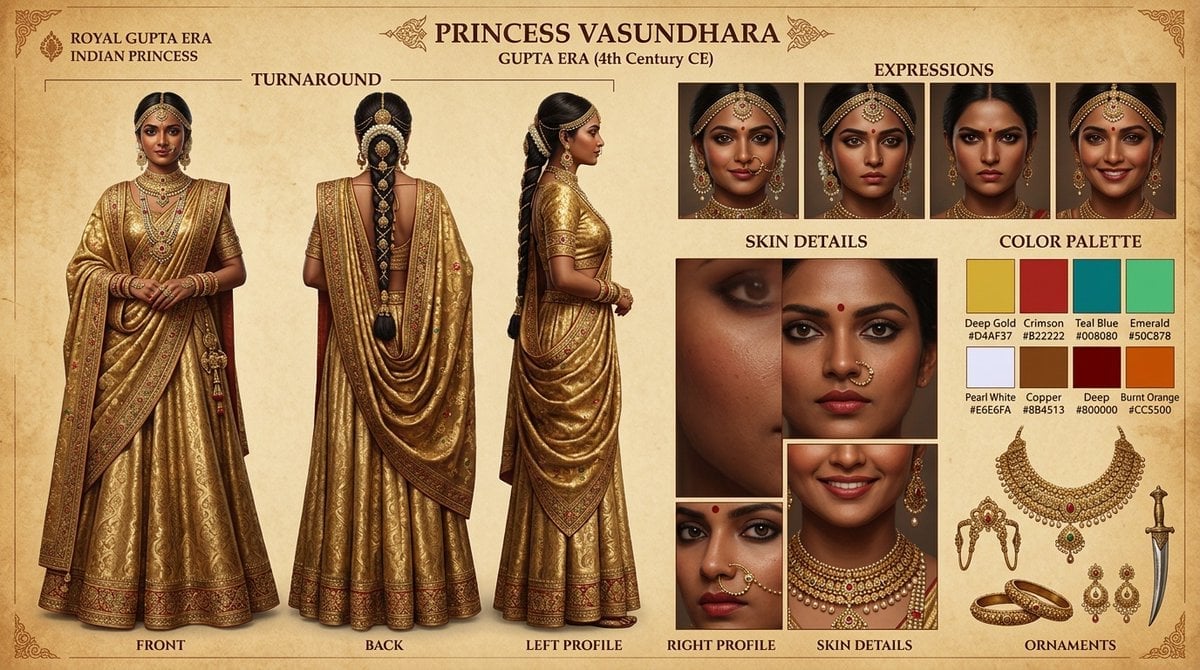
Character Reference Sheet Template

Faceless Blond Anime Icon

Surreal Portrait with Floating Elements
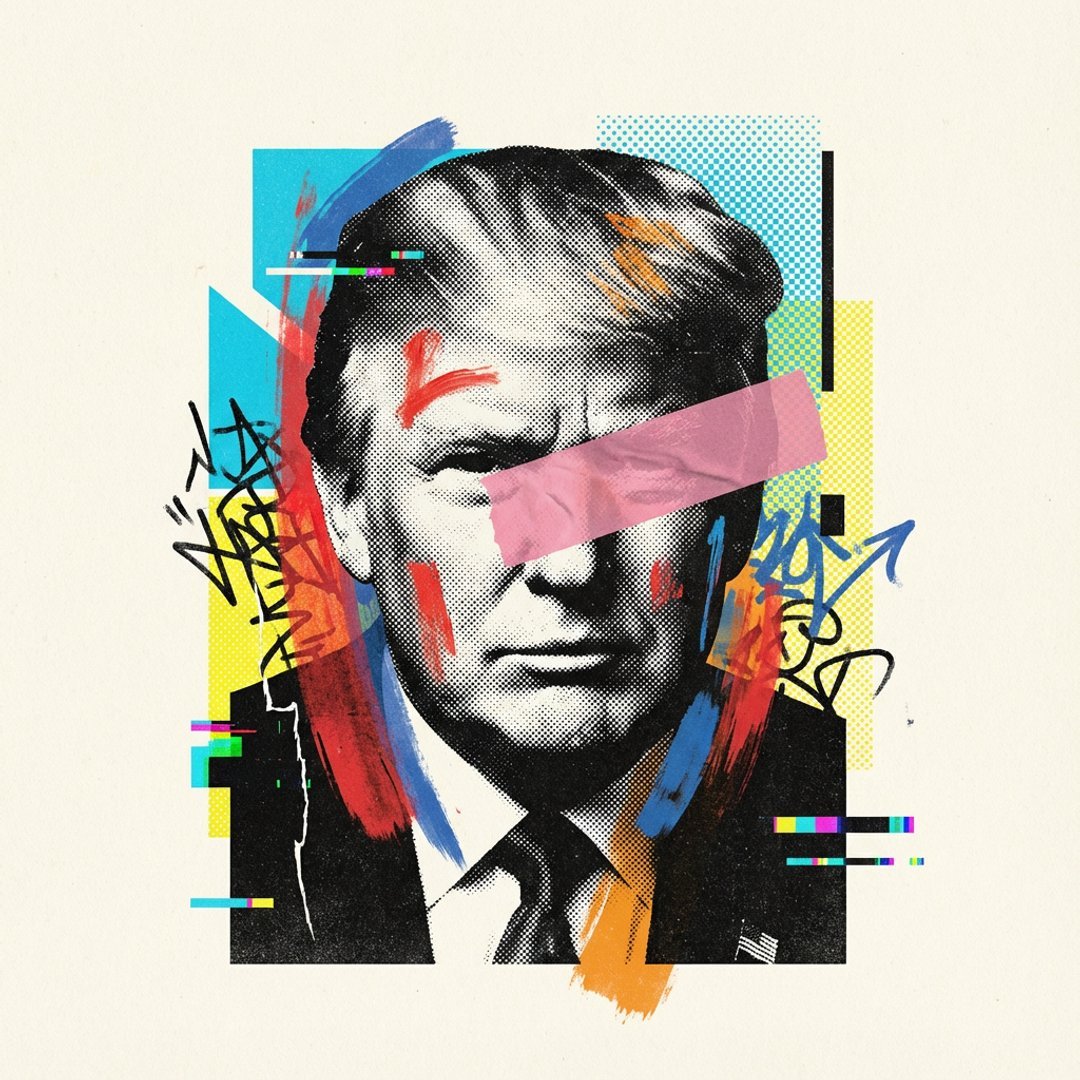
Avant-Garde Mixed Media Risograph Collage
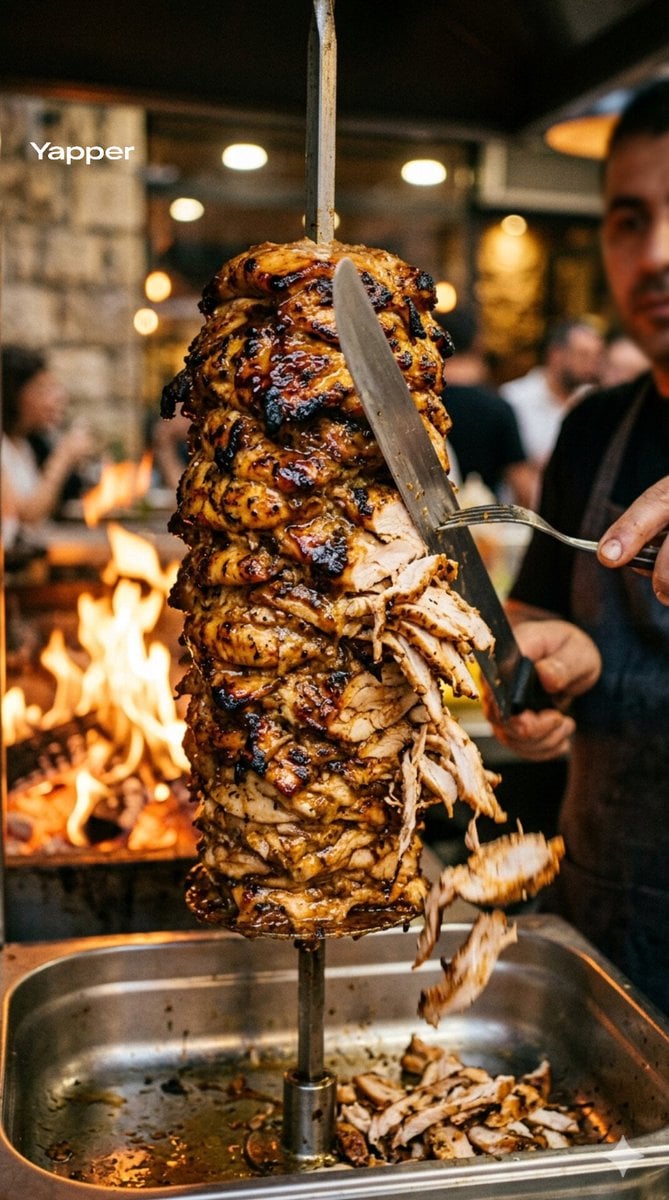
Cinematic Shawarma Rotisserie Shot

Golden Hour Positano Terrace Lifestyle Shot
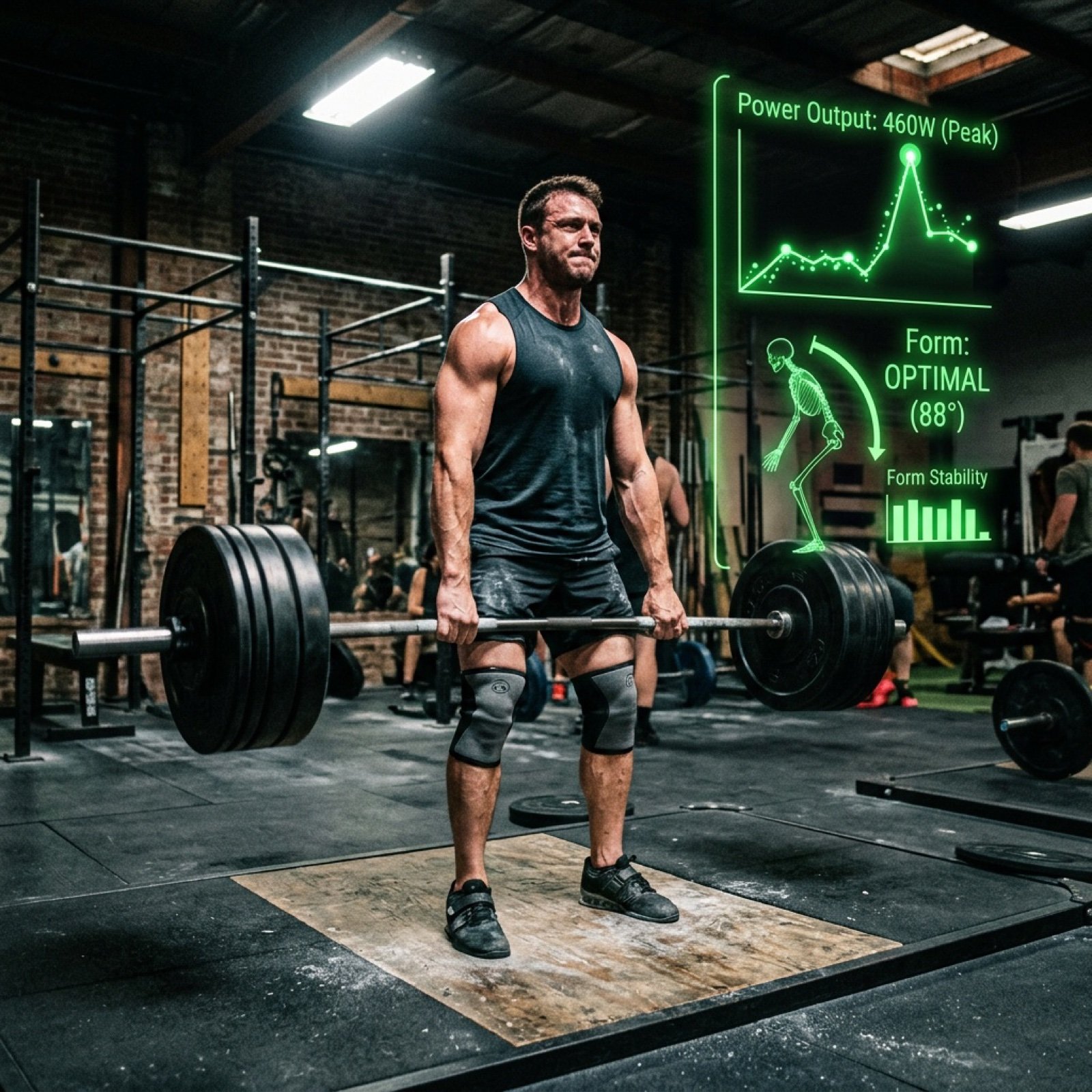
Text-to-Video Prompt: Deadlift with Animated HUD Overlays

Elegant Woman Blowing a Kiss Portrait
Browse template categories
Food Analysis Periodic Table Display Board questions
How do I use the Food Analysis Periodic Table Display Board template?
Add your photo if the template asks for one, edit the prompt if you like — the template's model and format are already selected — and press Generate. Your version opens in PicX Studio.
Can I customize the Food Analysis Periodic Table Display Board template?
Yes. You can change the subject, setting, lighting, mood, format, and available model controls before creating your image.
Is the Food Analysis Periodic Table Display Board template free?
Opening and editing this template is free. Generating uses credits, shown on the Generate button when you are signed in.
Which AI model should I use?
Start with Nano Banana 2, which is the model associated with this template. You can compare another compatible model for a different finish.
Looking for something else? Browse all templates.

Your photo, any look
Thousands of ready templates for every top image and video model, from one credit balance.