
Gpt2 Infographic Edu Visual Ethnographic Plate for Tibetan Ceremonial Hat
This prompt turns historical reference photos into a museum-style Chinese archival diagram sheet documenting a Tibetan ceremonial hat for catalog, research, or exhibition use.

- Prompt included
- Model and format preset
- Free template
The prompt behind this image
Copy the exact prompt behind Gpt2 Infographic Edu Visual Ethnographic Plate for Tibetan Ceremonial Hat, or open it in the studio and make it yours.
Using REFERENCE_0 and REFERENCE_1, create a clean ethnographic archive plate focused on the ceremonial hat. Use REFERENCE_0 as the historical Tibetan context and silhouette reference, and REFERENCE_1 as the color, material, and ornament reference for the hat. Isolate and reconstruct the hat as a museum-style object study, removing the seated body as the main subject. Present the hat on an off-white document page as a scholarly catalog sheet in Chinese with small romanization. Add 8 numbered callouts around the object with fine dashed leader lines, each pointing to a specific structural detail. The centerpiece should be one large three-quarter underside view of the hat. Also include exactly 4 supplementary views/details: 1 side-profile wearing sketch with a faint line-drawn bust, 1 underside interior view, 1 top-down view, and 2 square close-up material swatches. Add exactly 4 thread-color samples near the lower right: blue, red, white, and yellow. At the top center, add the large title {argument name="headline text" default="唐徐帽"} with the romanization {argument name="romanization" default="(thang zhwa)"} beneath it, plus a smaller subtitle describing it as a summer ceremonial hat of high-ranking Tibetan monks. In the upper left, add a boxed metadata panel with multiple short Chinese fields, and in the upper right add a plate number reading {argument name="plate number" default="图版 No. 27"}. At the bottom, add one bordered note paragraph in Chinese. Overall style: meticulous archival infographic, anthropological catalog illustration, historically informed, precise woven texture, ivory-gold base with blue and red ornament, elegant print layout, thin rules and decorative divider marks, high-detail object rendering on a plain paper background.
How to use Gpt2 Infographic Edu Visual Ethnographic Plate for Tibetan Ceremonial Hat in 3 steps
- 1
Open
The prompt is already in the box next to the preview, with the template's model and format selected.
- 2…a portrait of your subject in softgolden-hour light, 85mm…
Personalize
Edit the subject and creative details for your destination.
- 3Generate
Generate
Press Generate — your image is created in PicX Studio, so you can compare it with the original and refine one variable at a time.
More like this
Templates with the same subject, style or setup. Open one to see its prompt.
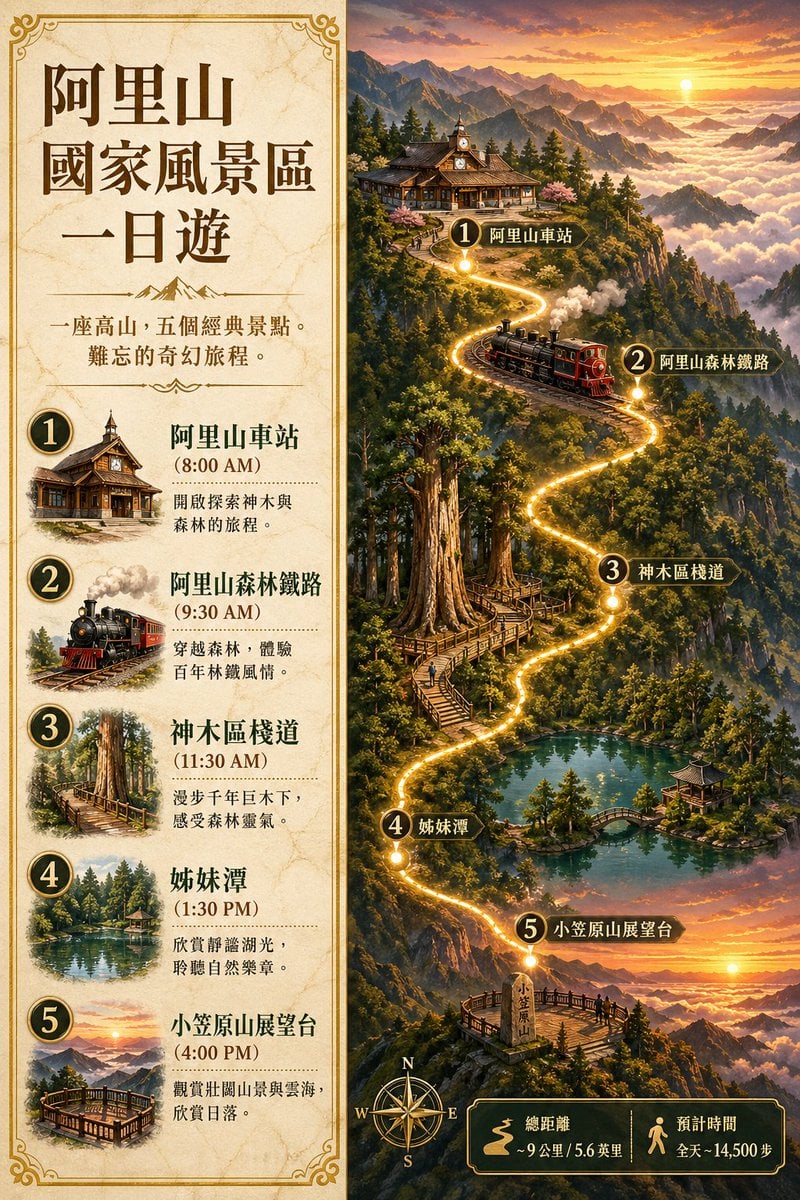
Gpt2 Infographic Edu Visual Alishan One Day Travel Poster
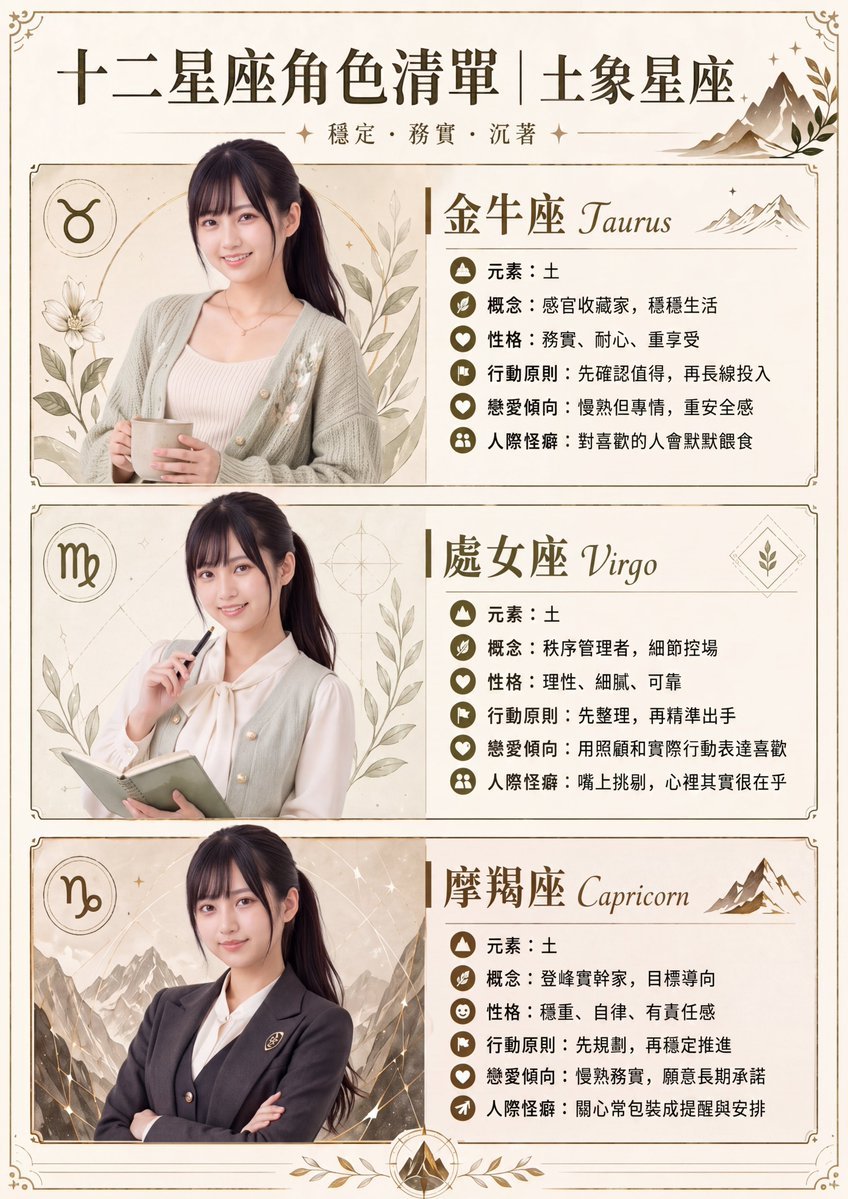
Gpt2 Infographic Edu Visual Earth Signs Zodiac Character Poster
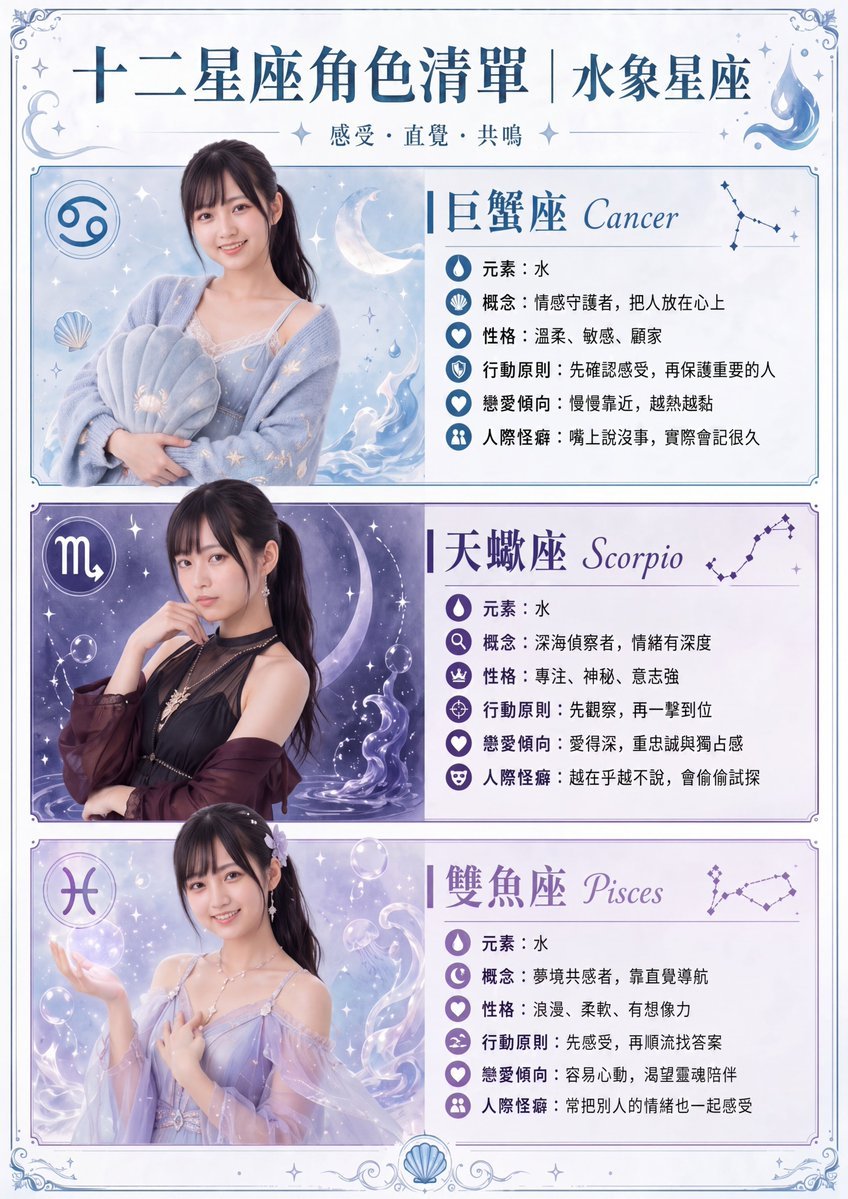
Gpt2 Infographic Edu Visual Water Signs Zodiac Character Poster
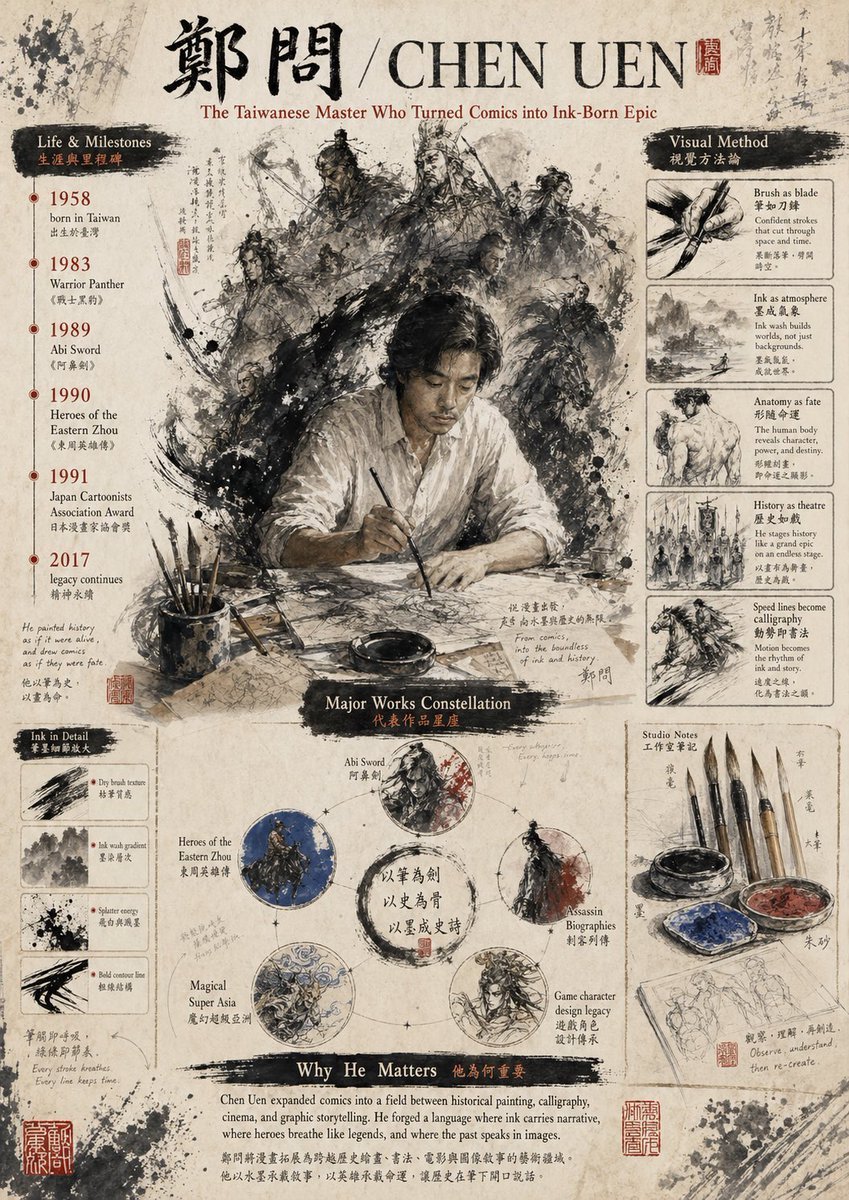
Gpt2 Infographic Edu Visual Ink Wash Tribute Poster for Chen Uen
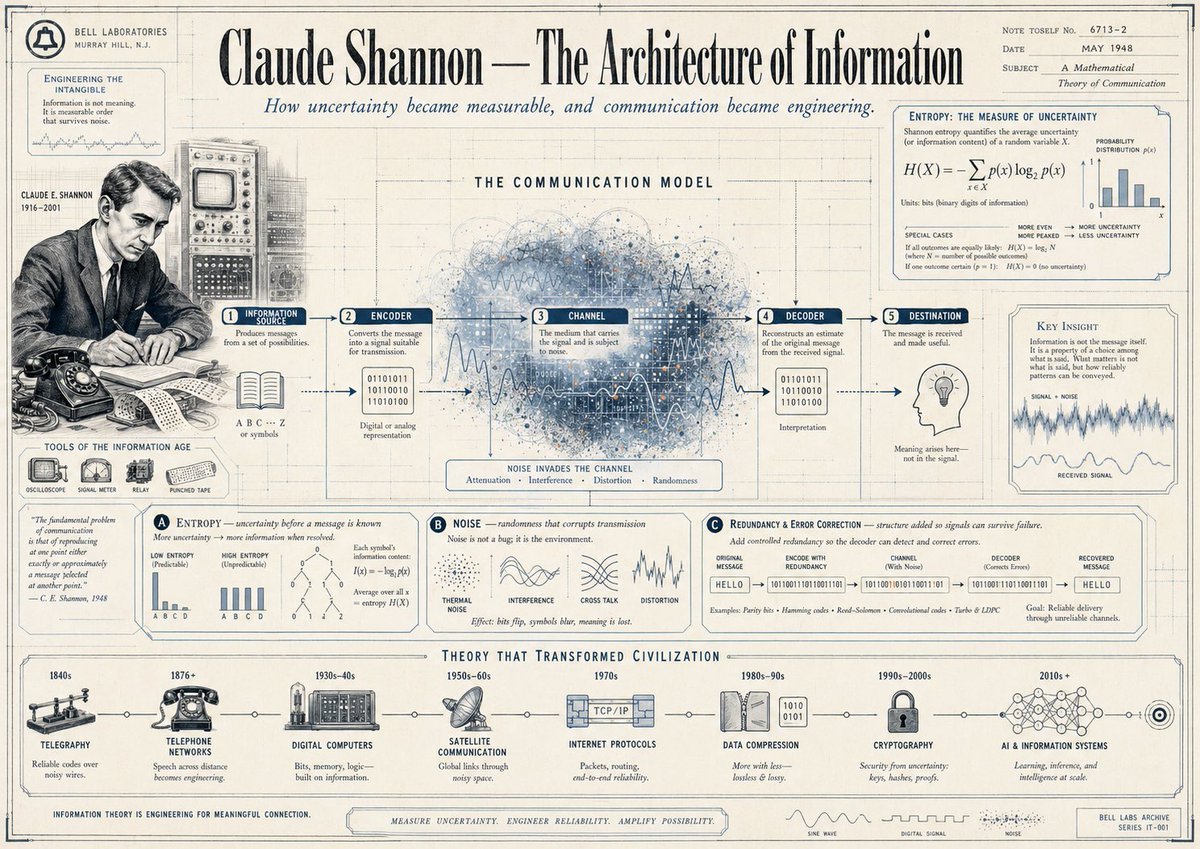
Gpt2 Infographic Edu Visual Vintage Claude Shannon Infographic Poster
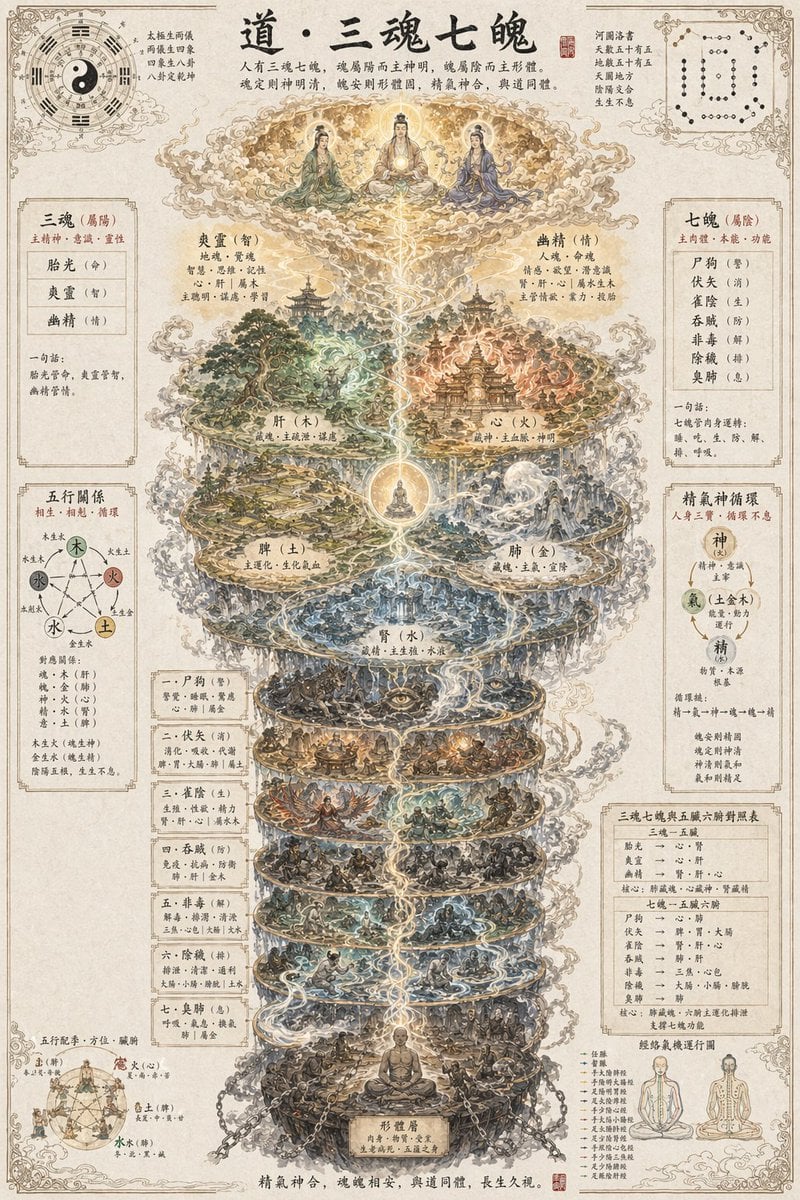
Gpt2 Infographic Edu Visual Taoist Three Souls Seven Po Poster
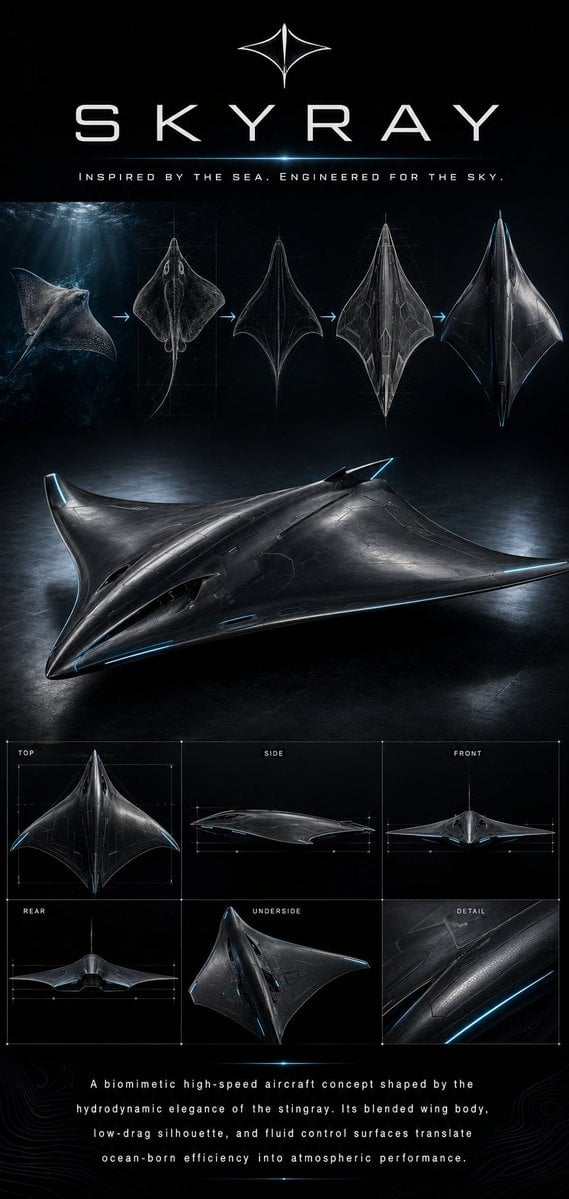
Gpt2 Infographic Edu Visual Biomimetic Skyray Aircraft Poster
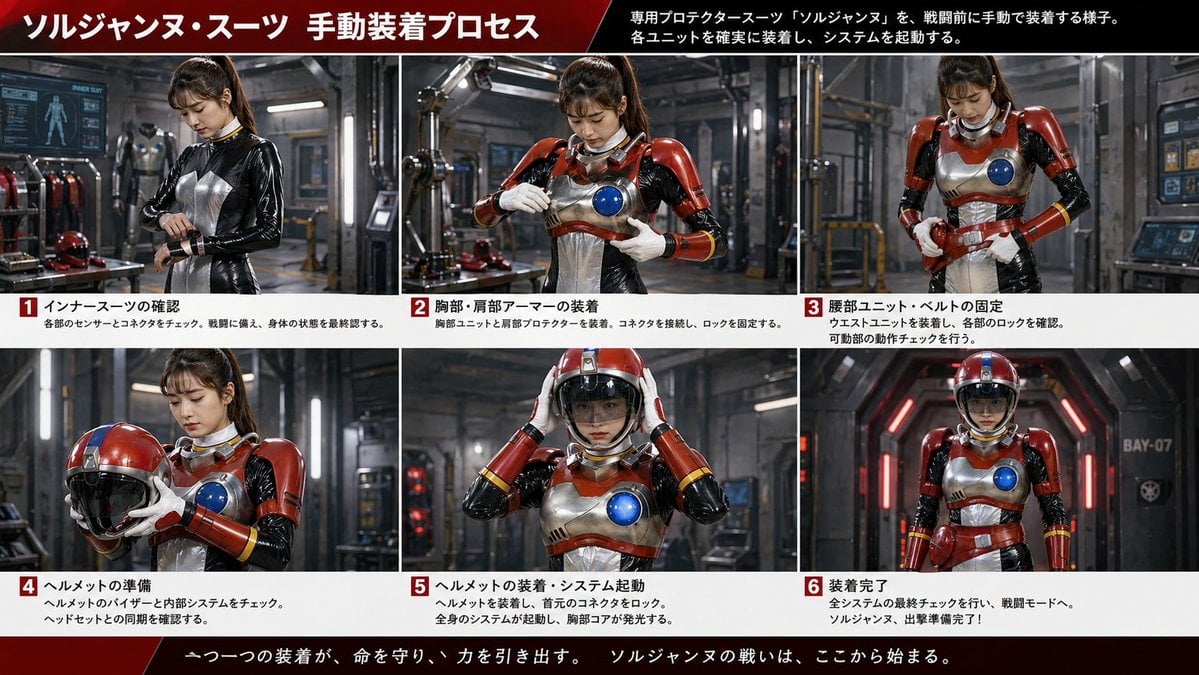
Gpt2 Infographic Edu Visual Japanese Sci Fi Suit Up Process Board
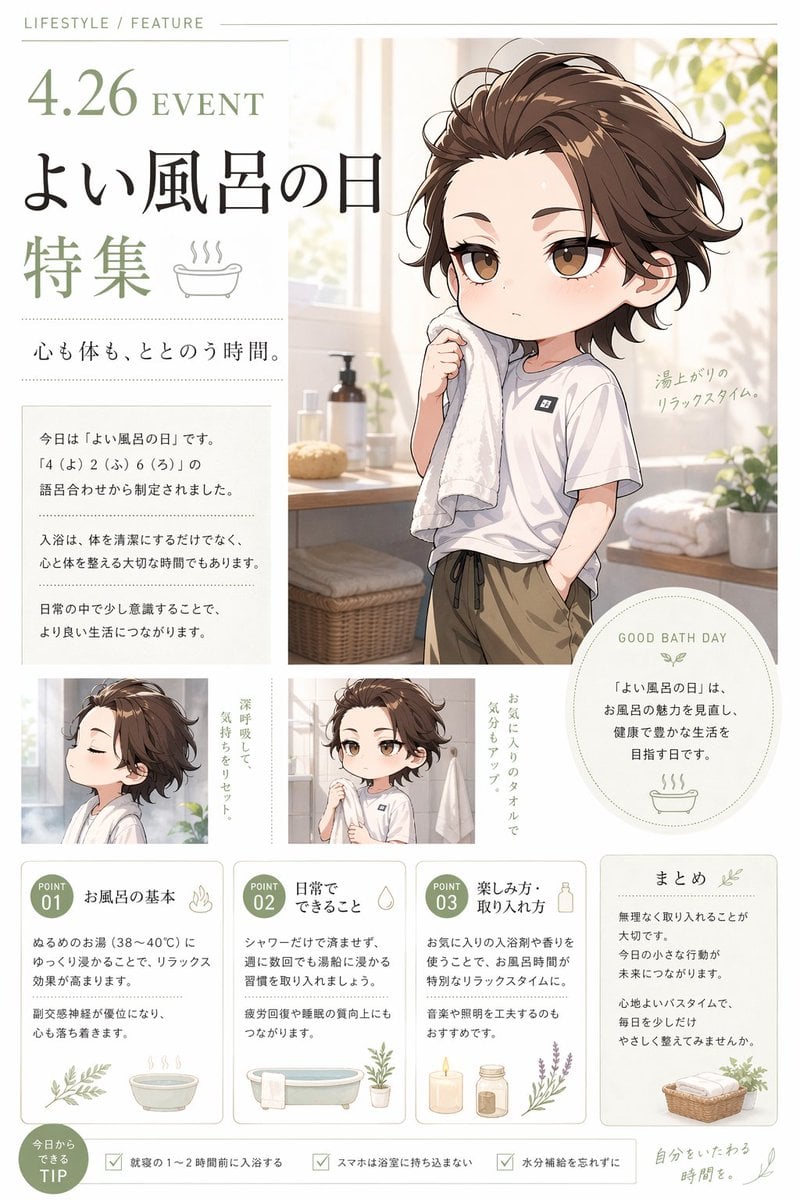
Gpt2 Infographic Edu Visual Good Bath Day Editorial Poster
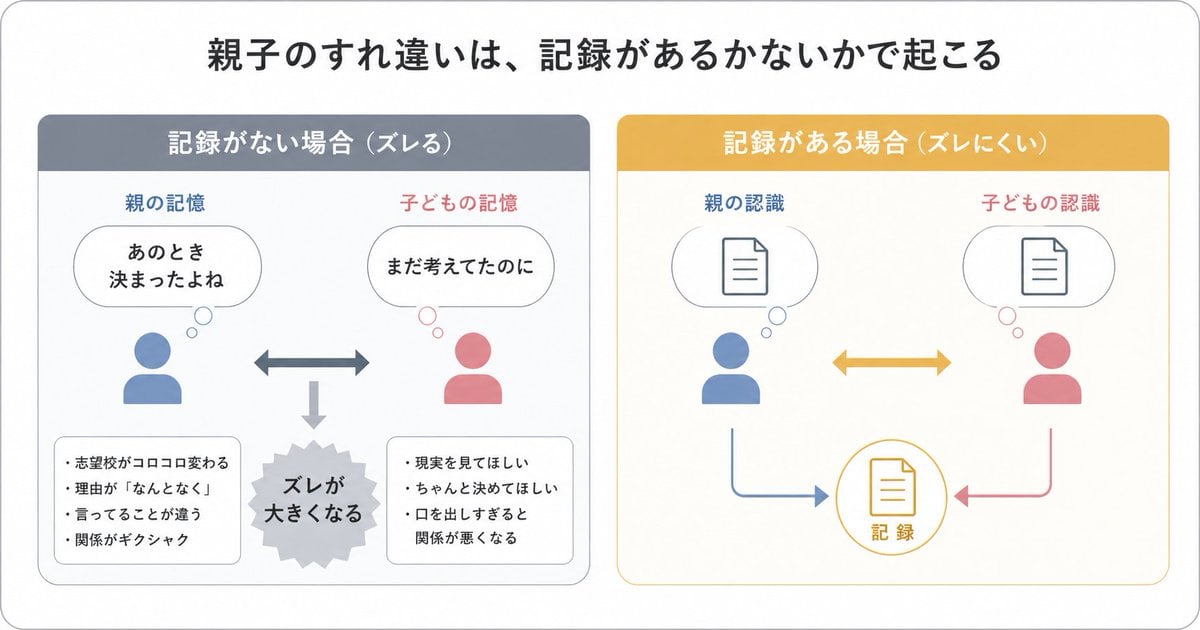
Gpt2 Infographic Edu Visual Parent Child Miscommunication Infographic
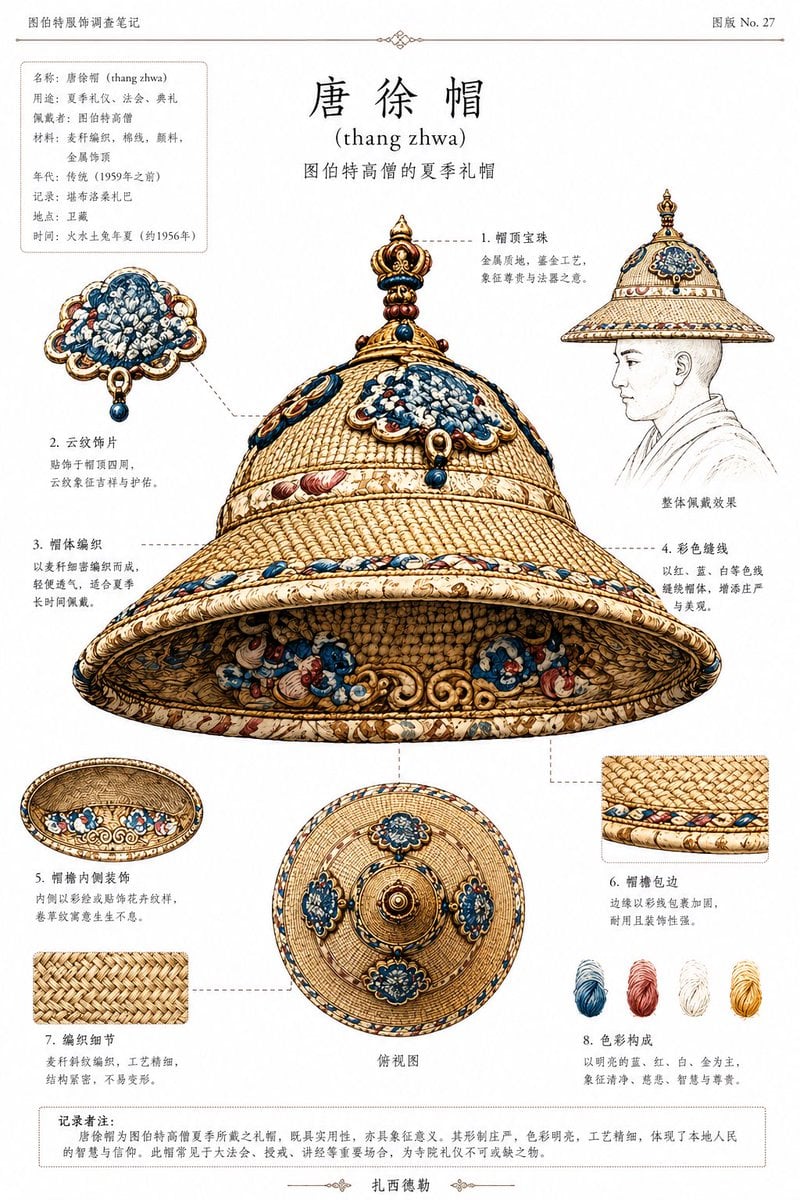
Ethnographic Plate for Tibetan Ceremonial Hat
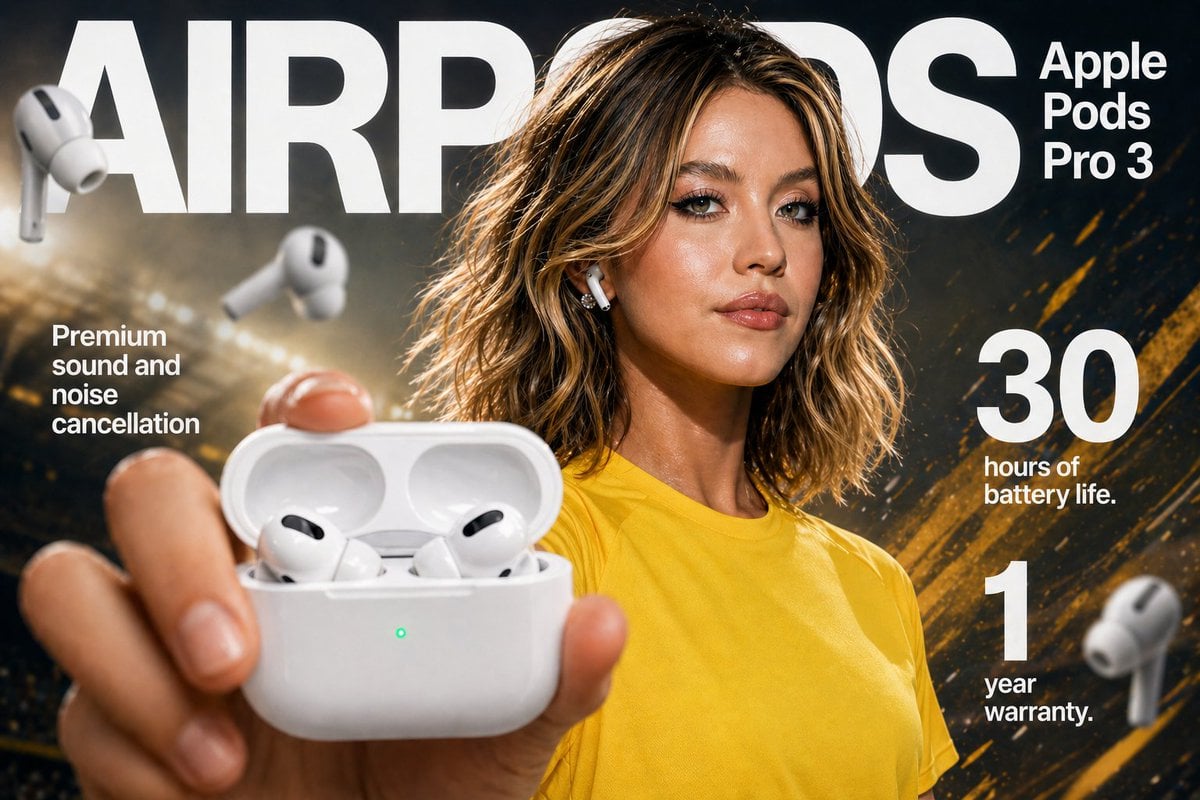
Gpt2 E Commerce Main Image Earbuds E Commerce Infographic
Make it yours
Gpt2 Infographic Edu Visual Ethnographic Plate for Tibetan Ceremonial Hat works as-is. These are the safest ways to change it without losing the look.
Change one field
Copy a single group, rewrite it, and generate again so you can see what that field is doing.
Keep the frame, change the subject
Hold the composition and light of gpt2-infographic-edu-visual-ethnographic-plate-for-tibetan-ceremonial-hat, then swap wardrobe, props or the person for a new take.
| If the result… | Why | Fix |
|---|---|---|
| The result drifts from the preview | Too many fields changed at once. | Reuse gpt2-infographic-edu-visual-ethnographic-plate-for-tibetan-ceremonial-hat as-is first, then change one group — subject, light, or setting. |
| The model over-stylizes the scene | The prose prompt leaves finish and camera underspecified. | Add one camera or lighting sentence and stay on GPT Image 2. |
More GPT Image 2 templates
Other prompts made for GPT Image 2.
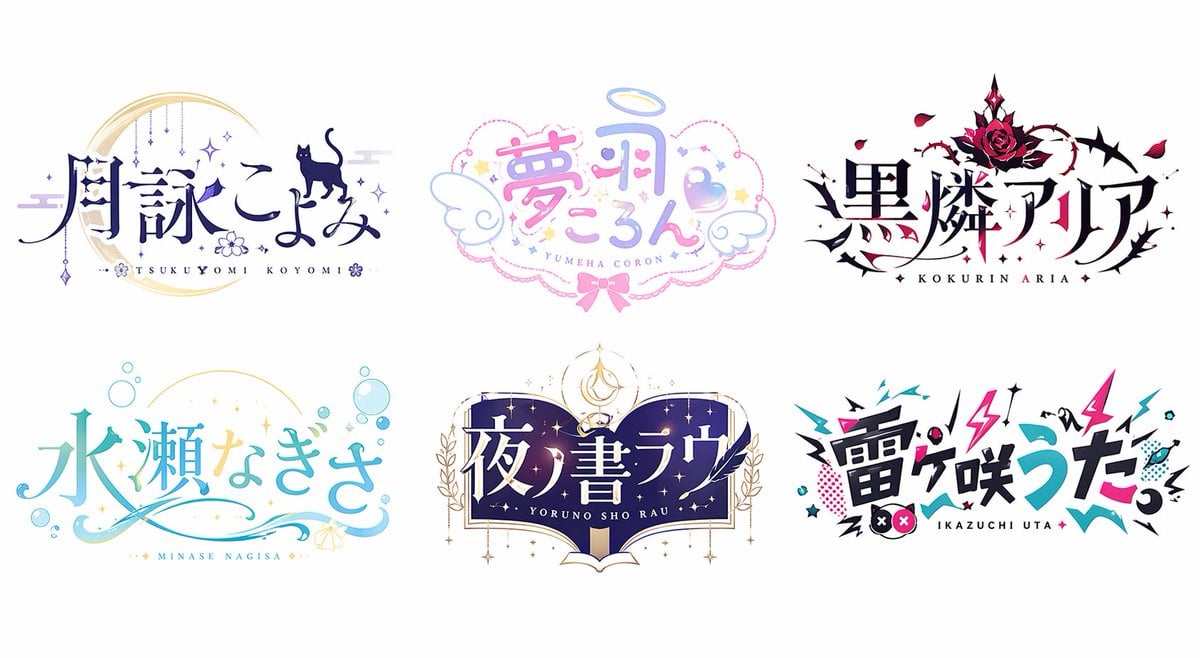
Six VTuber Japanese Logo Sheet
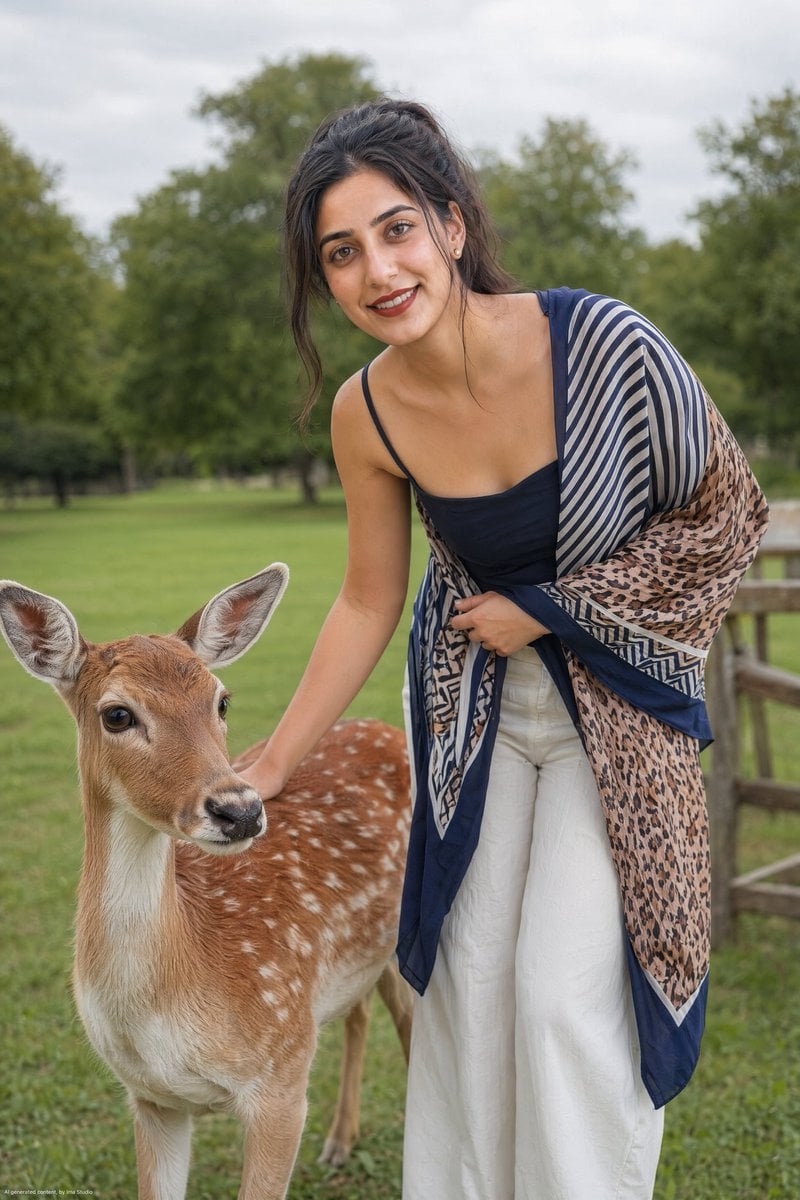
Realistic Portrait of Woman and Deer
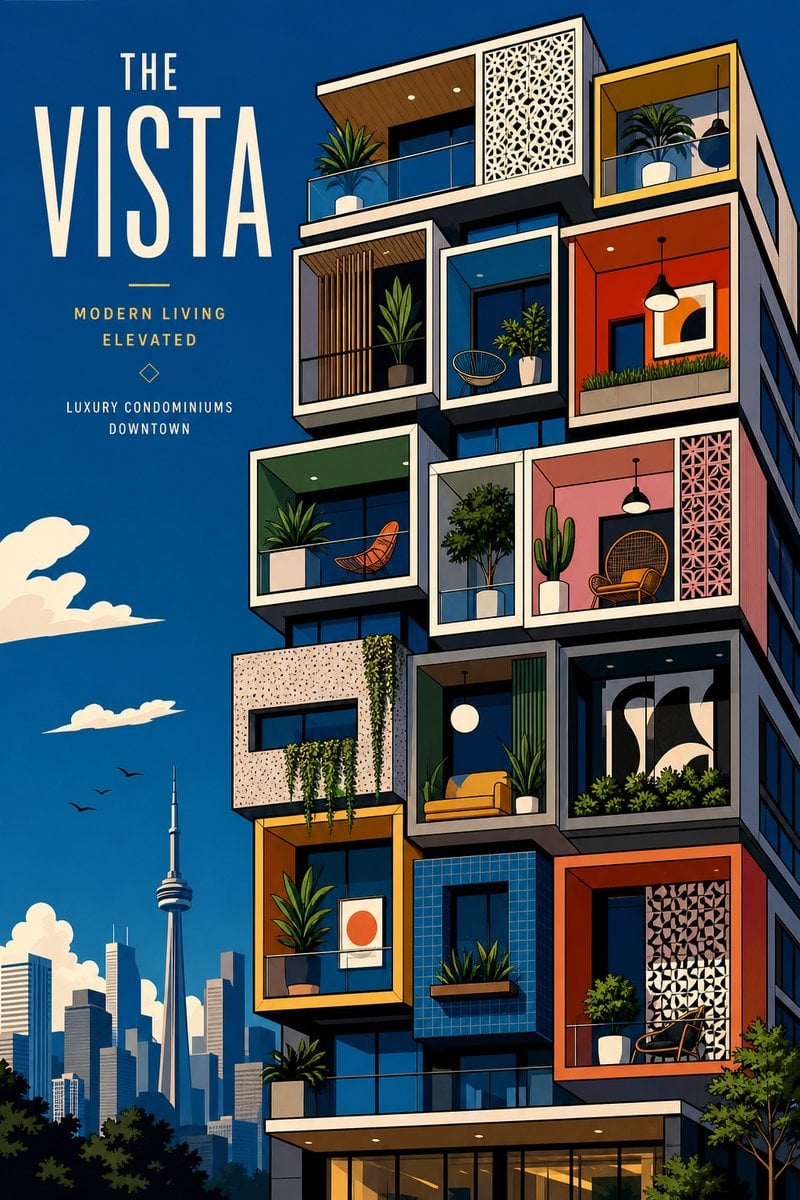
The Vista Modular Condo Poster
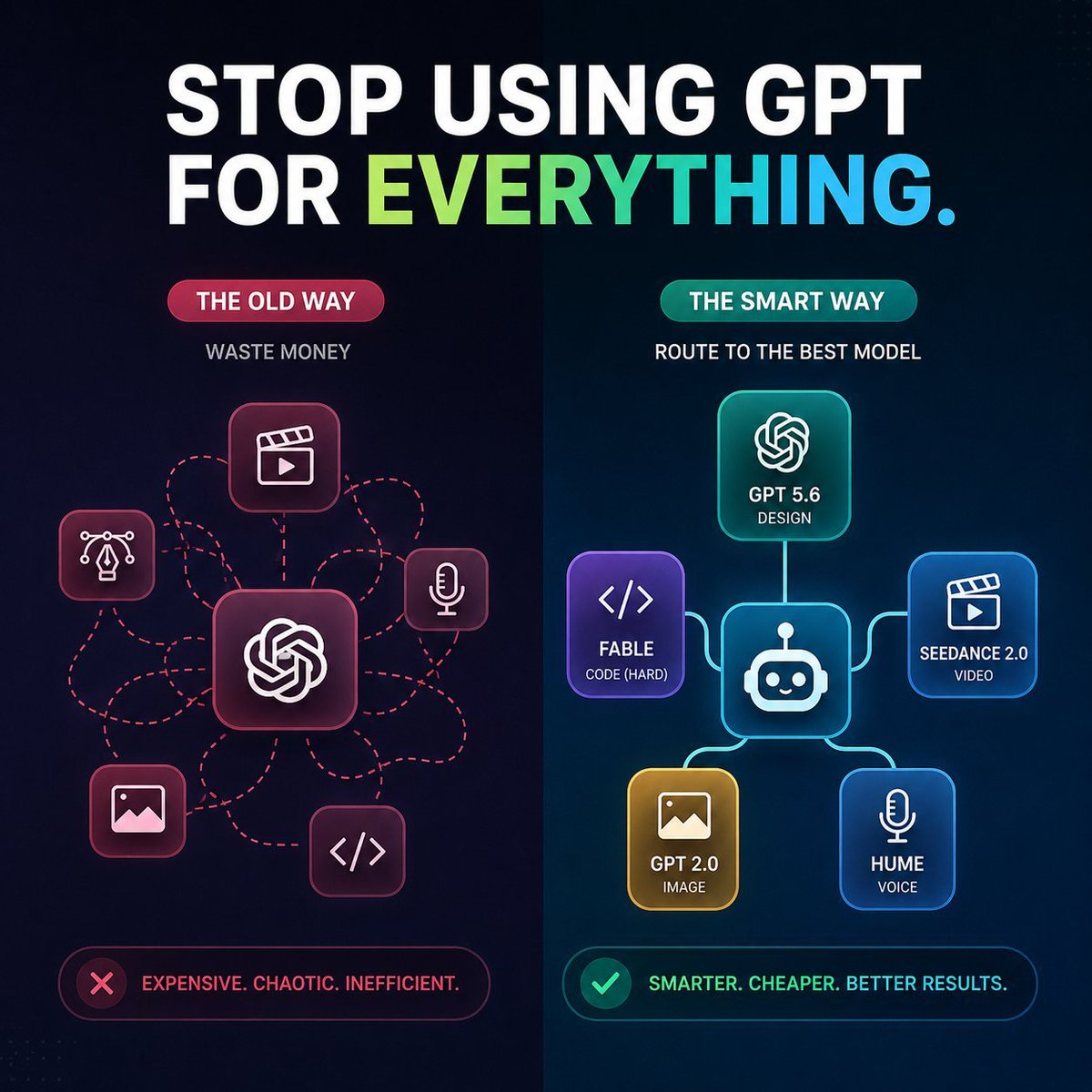
AI Model Routing Comparison Infographic
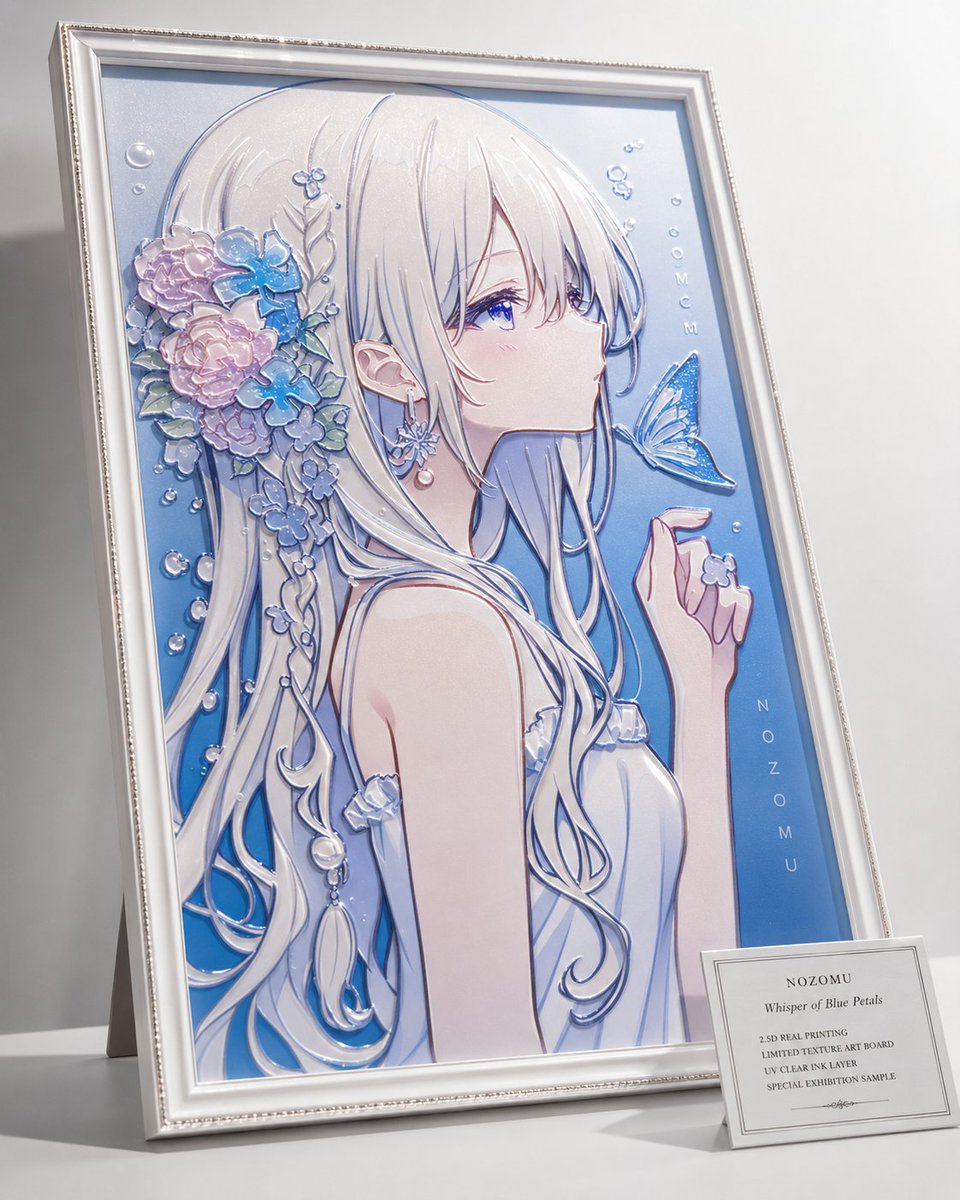
2.5D Anime Art Board

Isometric Productivity Desk Scene

New York Double Exposure Poster
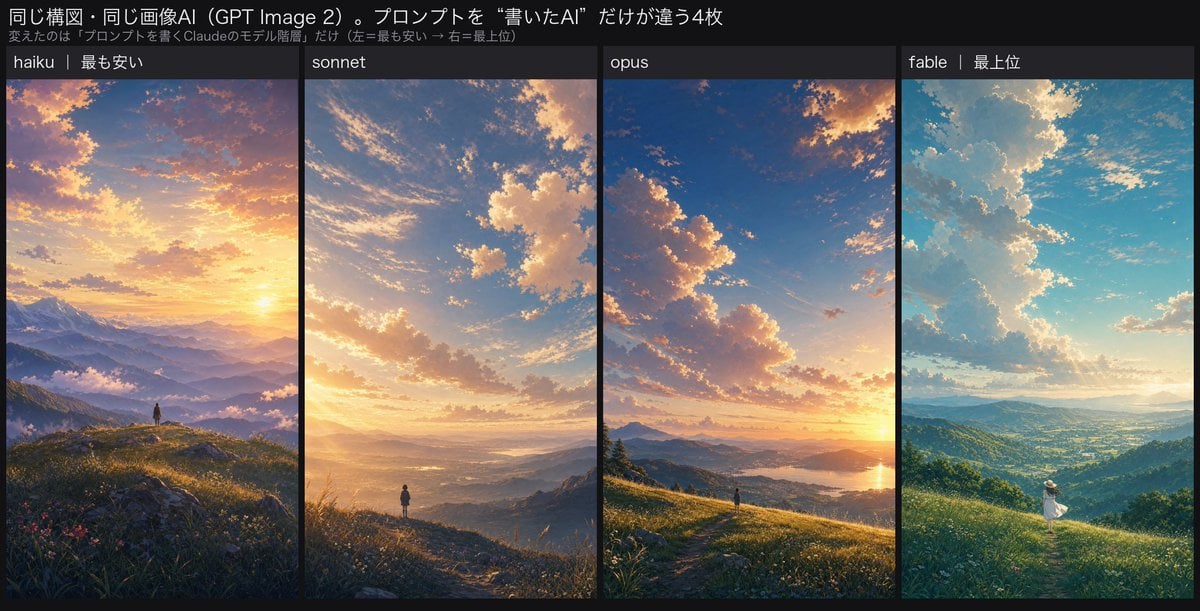
Four-Panel AI Landscape Comparison
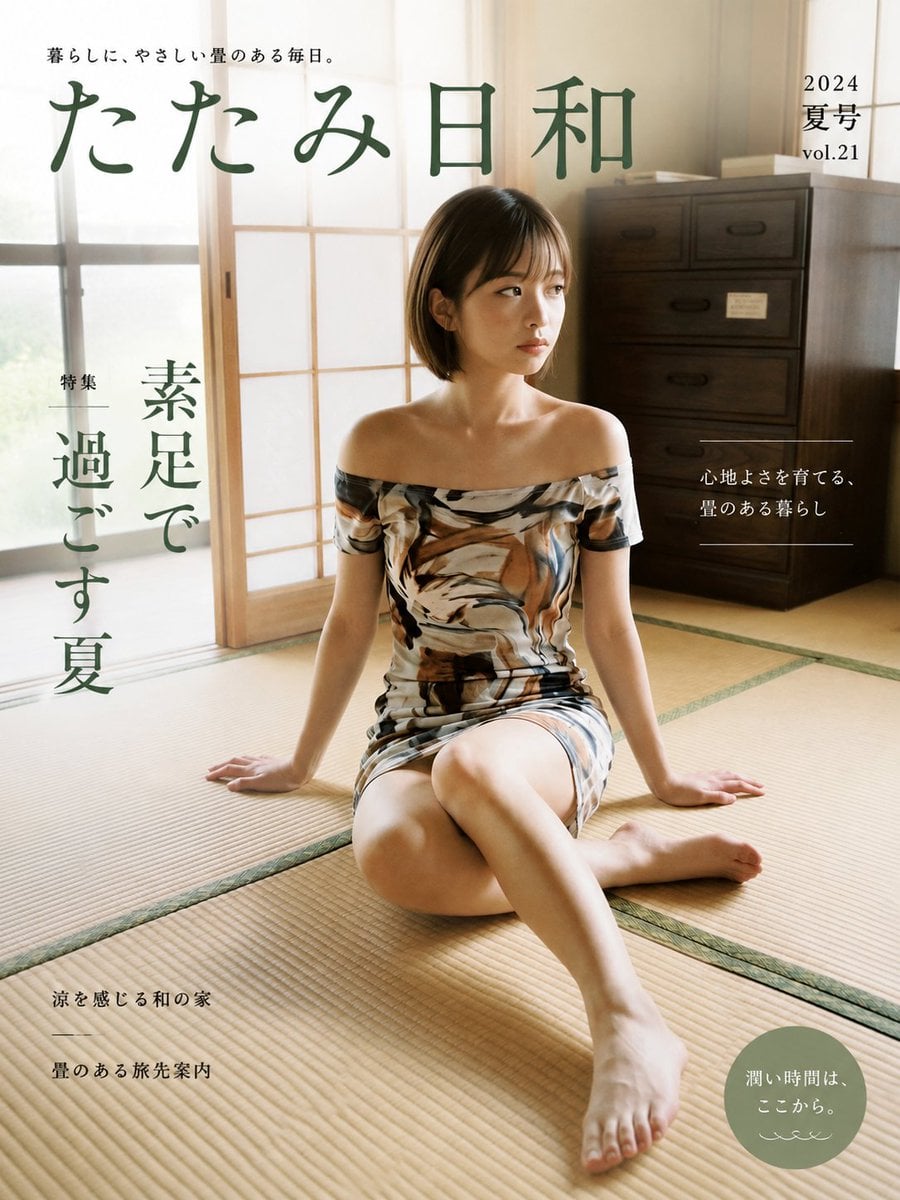
Japanese Tatami Lifestyle Magazine Cover
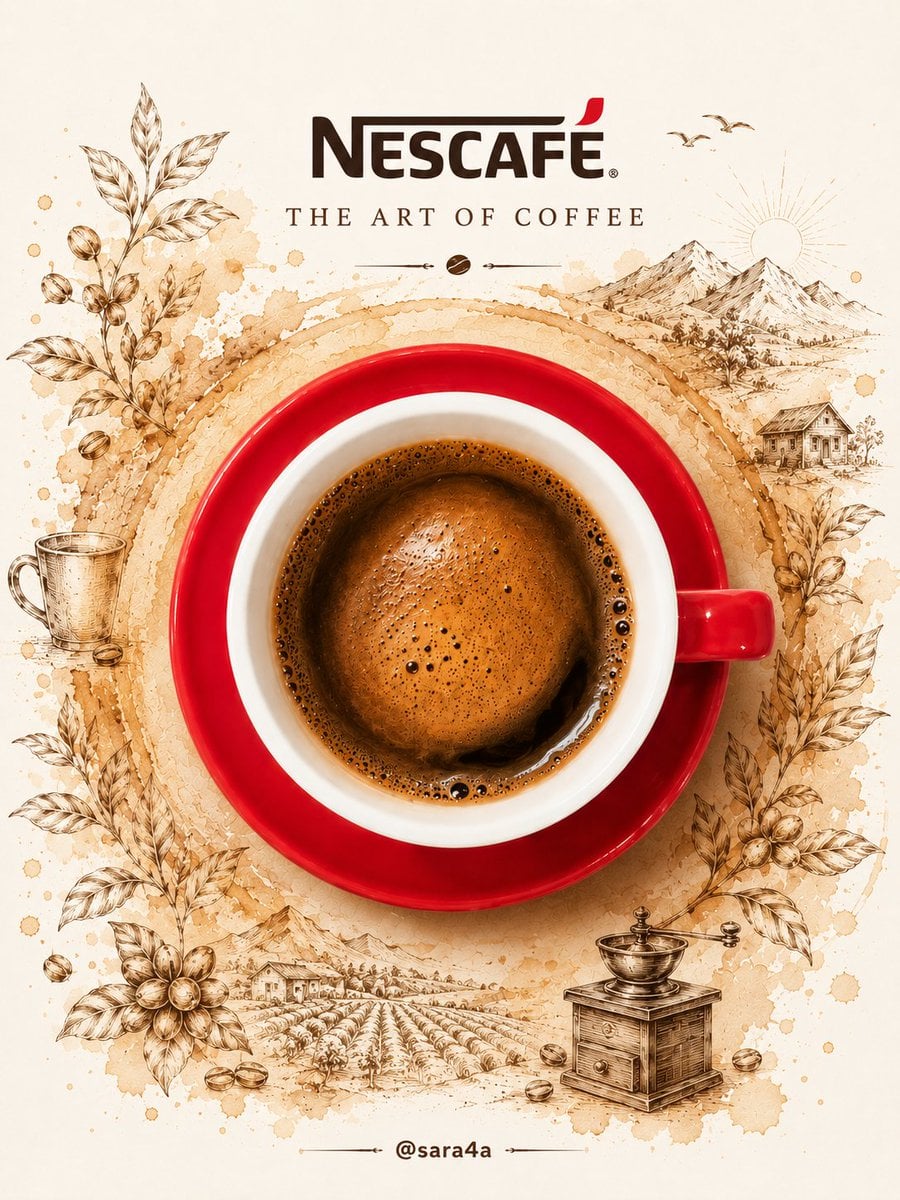
NESCAFÉ Coffee Map Poster
More image prompts
Fresh picks from across the catalog.
Hyper-Realistic Bathroom Vanity Portrait
Image-to-Image Style Transfer: Collage to Cézanne Painting
Vertical Street Portrait of a Young Woman
Mini NYC Food Landscape
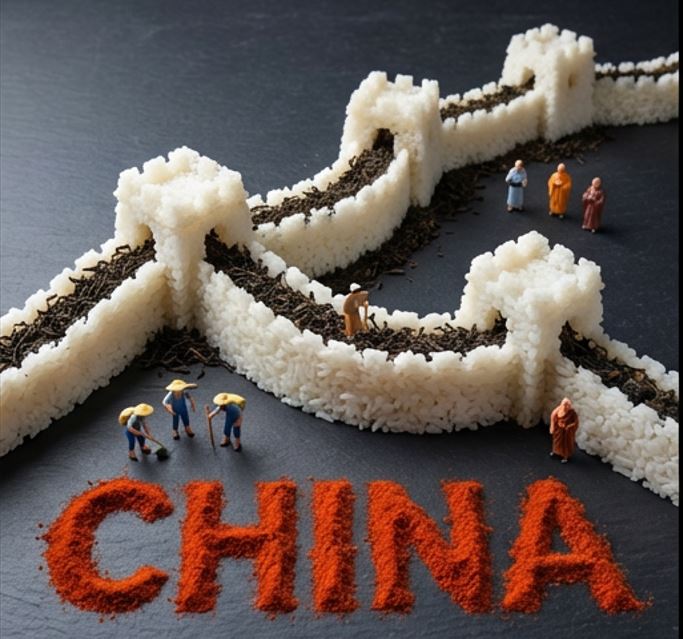
Food Art Diorama of the Great Wall of China Prompt

Anime Portrait of South Asian Woman
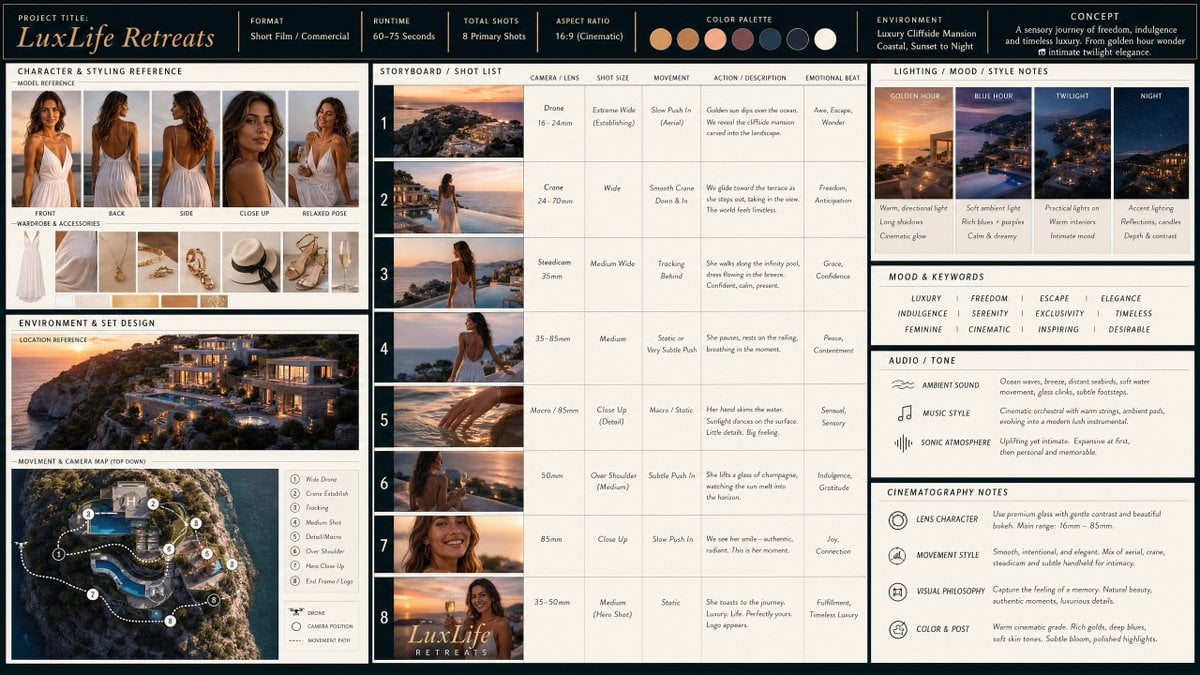
Cinematic Storyboard Production Board
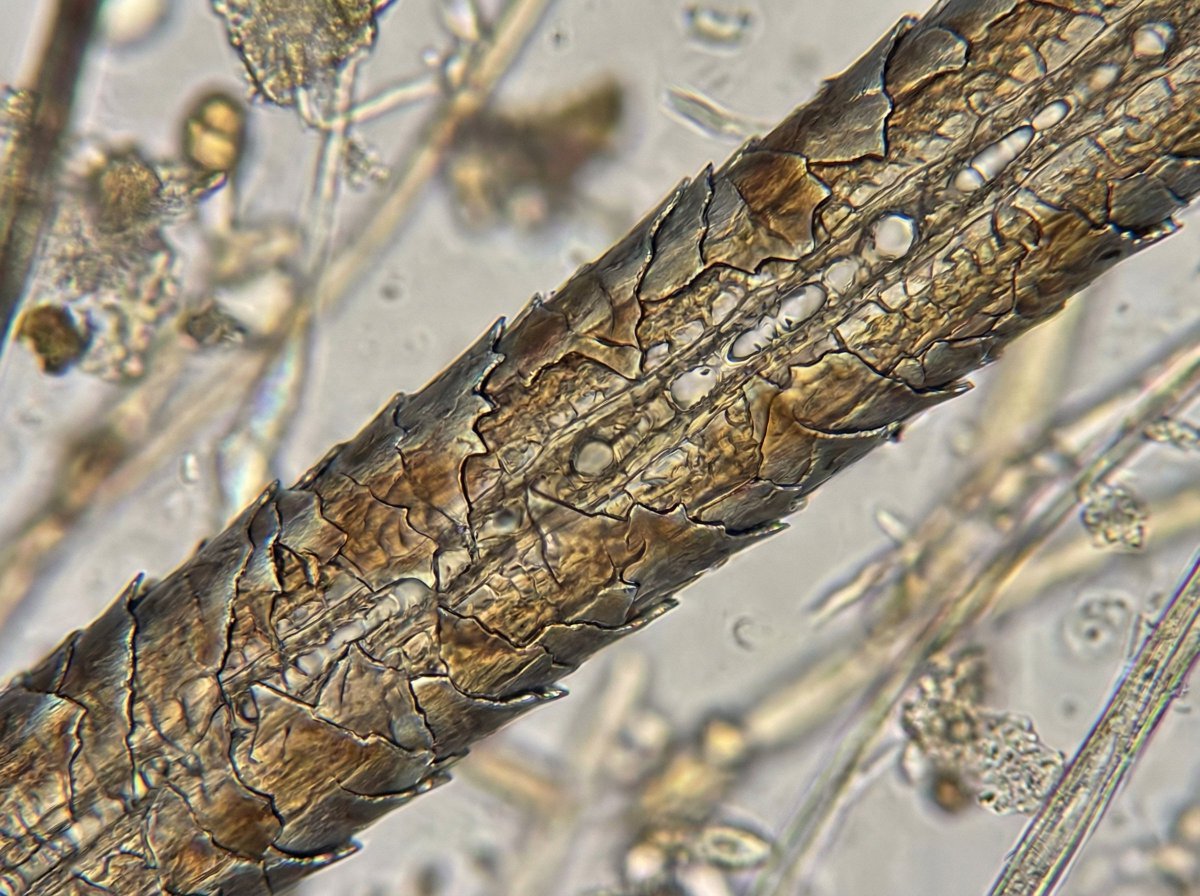
Microscopic View of a Subject
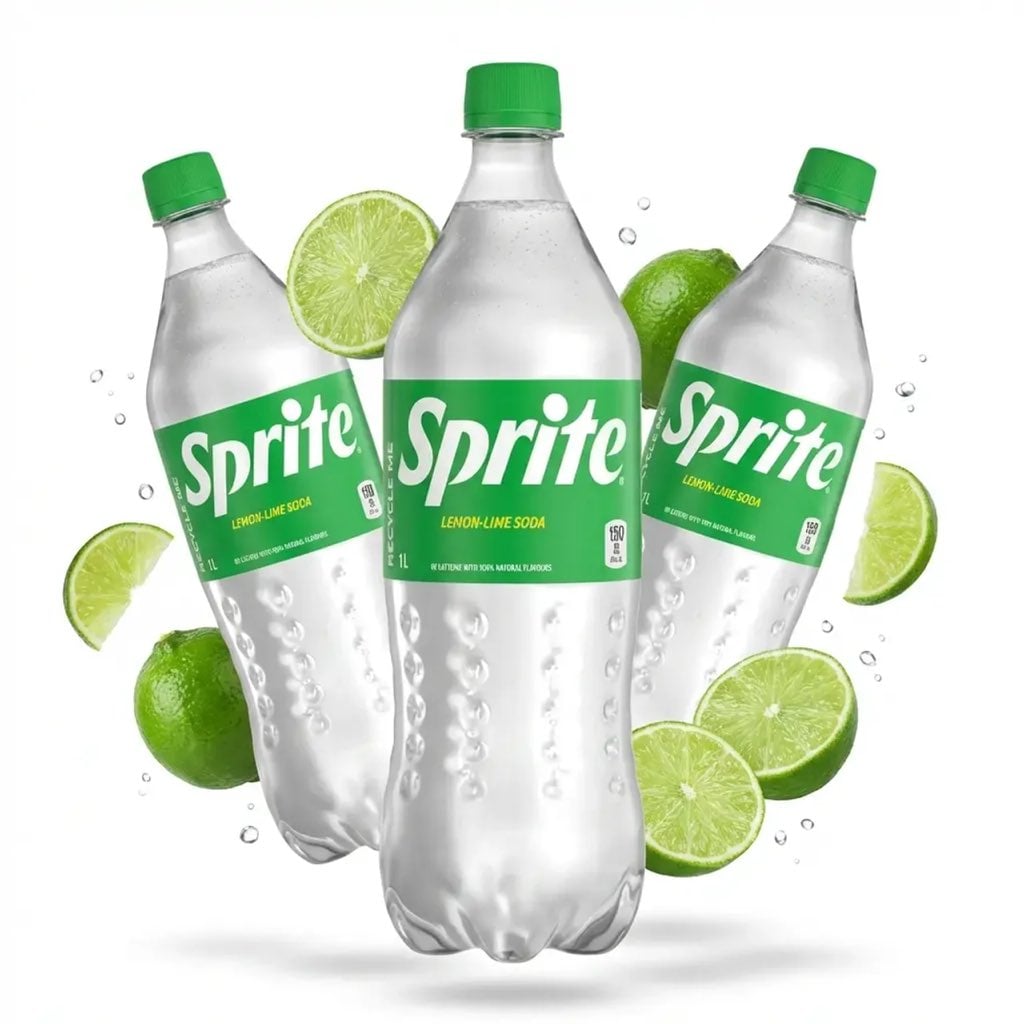
Floating Product Photography Ad
Cherry Blossom Space Colony Illustration Prompt
Browse template categories
Gpt2 Infographic Edu Visual Ethnographic Plate for Tibetan Ceremonial Hat questions
How do I use the gpt2-infographic-edu-visual-ethnographic-plate-for-tibetan-ceremonial-hat template?
Add your photo if the template asks for one, edit the prompt if you like — the template's model and format are already selected — and press Generate. Your version opens in PicX Studio.
Can I customize the gpt2-infographic-edu-visual-ethnographic-plate-for-tibetan-ceremonial-hat template?
Yes. You can change the subject, setting, lighting, mood, format, and available model controls before creating your image.
Is the gpt2-infographic-edu-visual-ethnographic-plate-for-tibetan-ceremonial-hat template free?
Opening and editing this template is free. Generating uses credits, shown on the Generate button when you are signed in.
Which AI model should I use?
Start with GPT Image 2, which is the model associated with this template. You can compare another compatible model for a different finish.
Looking for something else? Browse all templates.

Your photo, any look
Thousands of ready templates for every top image and video model, from one credit balance.