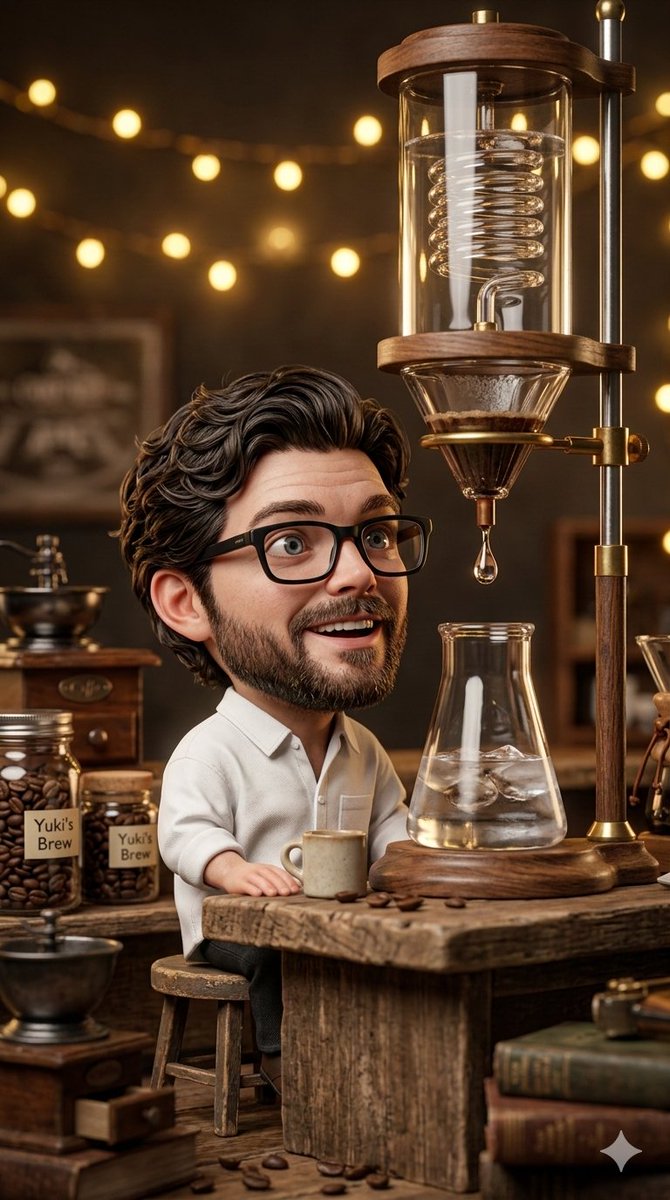
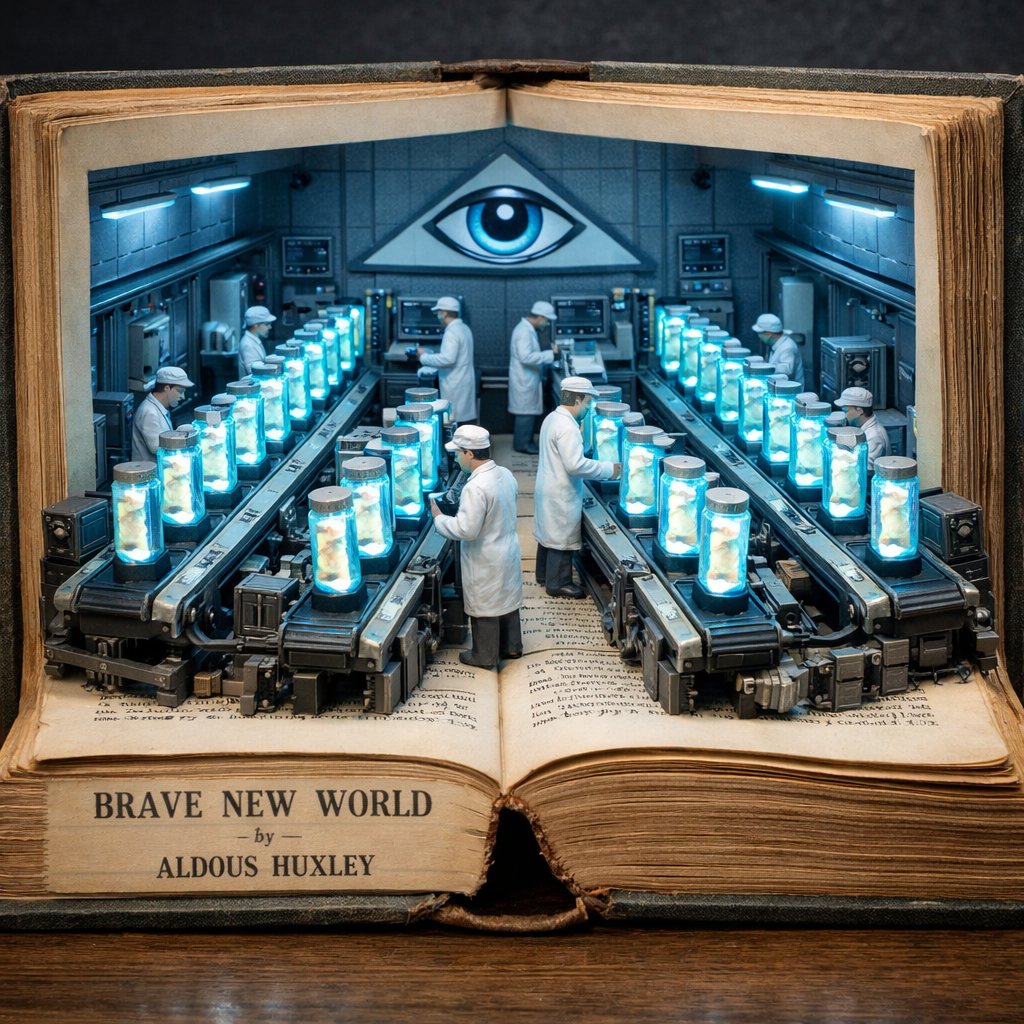
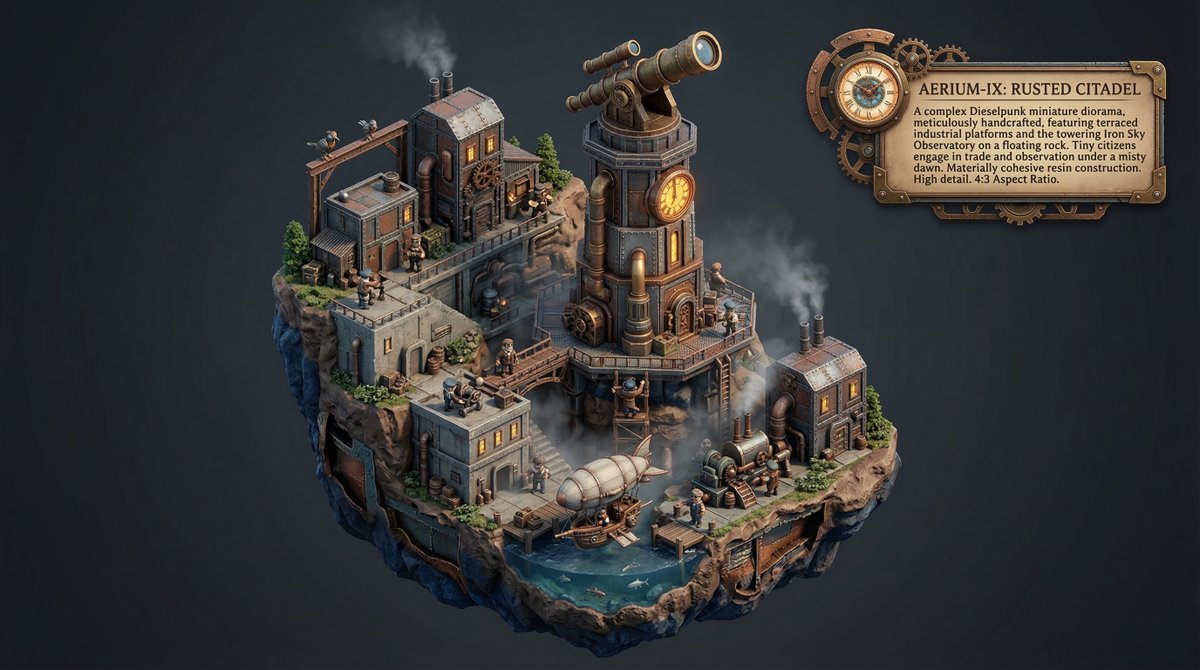
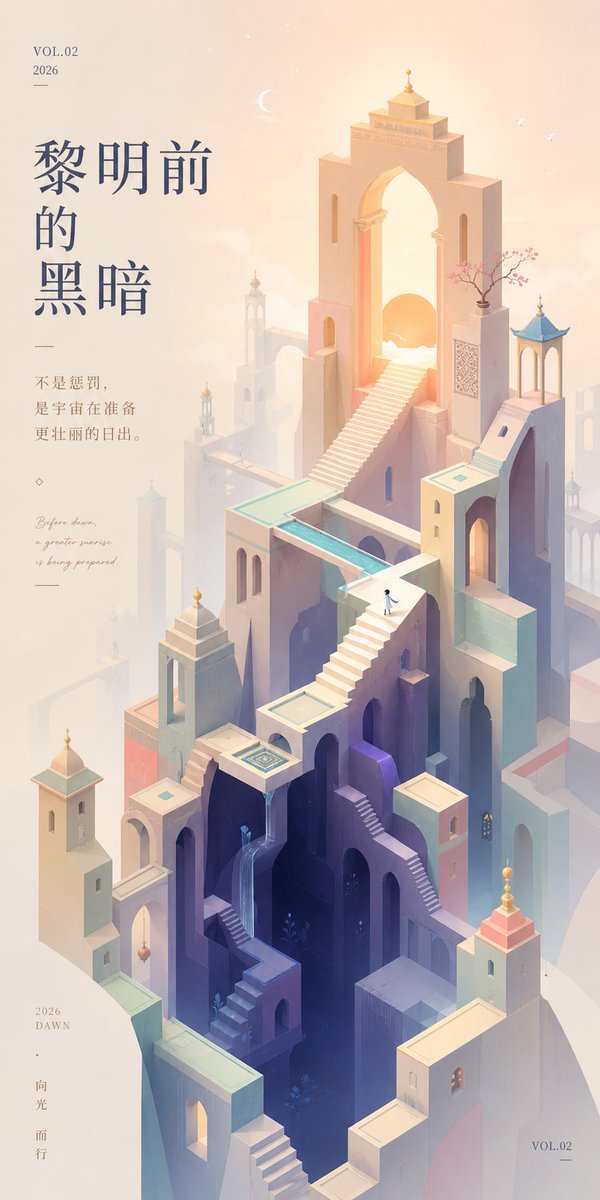
Procedural Whimsical Mono-Punk Floating Miniature Diorama Prompt
WHIMSICAL MONO-PUNK FLOATING MINIATURE DIORAMA PROMPT
(Automatic Background Optimization, Smart Micro-Detail System, Procedural Activity Layer, Natural Irregularity Layer, Atmospheric Depth Layer, Procedural Scene Generator, Procedural Prop Generator, Procedural Architecture Generator, Procedural Lighting & Atmosphere Generator, Procedural Character & Population Generator, Procedural Diorama Base Generator)
VARIABLE GUIDE
GLOBAL_COMPLEXITY = Possible values: 'low','medium','high','ultra'. Controls density of buildings, props, characters, and environmental detail. If blank choose randomly between 'medium' and 'high'.
PUNK_STYLE = {argument name="punk style" default="Steampunk"}
If PUNK_STYLE is empty, then one style is randomly selected from LIST_OF_PUNK_STYLES, otherwise what is in the PUNK_STYLE variable is chosen
LIST_OF_PUNK_STYLES = Steampunk, Dieselpunk, Atompunk, Cyberpunk, Biopunk, Nanopunk, Solarpunk, Decopunk, Clockpunk, Coalpunk, Raypunk, Stonepunk, Sailpunk, Cassettepunk, Teslapunk, Mythpunk, Sandalpunk, Oceanpunk, Frostpunk, Junglepunk, Desertpunk, Gothicpunk, Ironpunk, Crystalpunk, Rustpunk, Vaporwavepunk, Neonpunk, Skypunk, Aquapunk, Arborpunk, Astropunk, QuantumPunk, Mechanopunk, Technopunk, Retrocomputingpunk, Cattlepunk, Hopepunk
SUBSTYLE = If specified use exactly. If set to none disable. If blank infer logically from PUNK_STYLE.
TECHNOLOGY_LEVEL = If specified use exactly. If set to none disable. If blank infer from PUNK_STYLE.
ENVIRONMENT = If specified use exactly. If set to none disable. If blank infer logically from active layers.
CULTURE = If specified use exactly. If set to none disable. If blank infer culturally appropriate framework.
PROCEDURAL_SCENE_GENERATOR = 'on'
PROCEDURAL_PROP_GENERATOR = 'on'
PROCEDURAL_ARCHITECTURE_GENERATOR = 'on'
PROCEDURAL_LIGHTING_ATMOSPHERE_GENERATOR = 'on'
PROCEDURAL_CHARACTER_POPULATION_GENERATOR = 'on'
PROCEDURAL_DIORAMA_BASE_GENERATOR = 'on'
FOCAL_INTEREST_LAYER = off
MATERIAL_COHESION_LAYER = 'on'
VISUAL_CLARITY_OPTIMIZER = 'on'
MICRO_LIFE_LAYER = 'on'
COMPOSITION_ENGINE = 'on'
EDGE_DEFINITION_LAYER = 'on'
COLOR_HARMONY_LAYER = 'on'
DIORAMA_CRAFTSMANSHIP_LAYER = 'on'
PSG LAYER
Implement only if PROCEDURAL_SCENE_GENERATOR='on'. Generate core scene structure using:
LANDSCAPE_STRUCTURE ({argument name="landscape structure" default="floating island, cliff terraces, canyon basin, harbor cove, forest clearing, mountain ridge, giant tree canopy, desert oasis, ice shelf, volcanic ridge"})
SETTLEMENT_TYPE (village, harbor town, trading port, monastery complex, research outpost, fortress town, sky dock, industrial district, hidden enclave)
INFRASTRUCTURE_ELEMENTS (bridges, windmills, rail lines, cable lifts, aqueducts, airship docks, solar arrays, reactor towers, waterwheels)
CIVILIAN_ACTIVITY (market trading, fishing, cargo loading, harvesting, machine repair, patrol movement, fe




![Isometric Brand Store Diorama — Present a clear, 45° top-down isometric miniature 3D cartoon diorama of the [BRAND], with soft refin…](/_next/image?url=https%3A%2F%2Fcdn.picxstudio.com%2Fuploads%2Fmeigen_18578a8c7cb6_25c7ccef-837d-4949-99fb-d6321dc5c72c.jpg&w=828&q=100)
![Mid-Century Travel Book Illustration — [DESTINATION] = {argument name="city name" default="[CITY NAME]"}
Create a charming vertical 4:5 mid-century travel pict](https://cms-assets.youmind.com/media/1786781710843_2ju1t5_HPqpPcDa4AEn4FO-300x375.jpg)





![Mid-Century City Travel Picture Book — [DESTINATION] = {argument name="destination" default="[CITY NAME]"}
Create a charming vertical 4:5 mid-century travel pi](https://cms-assets.youmind.com/media/1786437706436_ycdwcf_HPTEN9dawAAtUgS-300x375.jpg)

![Naive doodle-style subject illustration — A doodle-style {argument name="subject" default="[subject]"}, naive lines, humorous shape exaggeration](https://pbs.twimg.com/media/G6Wl2YxbsAARB2b.jpg)













![Dream Interpreter Terrain Map — render_target =
( 3d_surreal_terrain_map_of_{argument name="dream theme" default="[dream_theme]"}_dreamscape * 1.2 )
+ ( dream](https://cms-assets.youmind.com/media/1778748554264_67uiq0_HH2NnE0XsAkggrC.jpg)