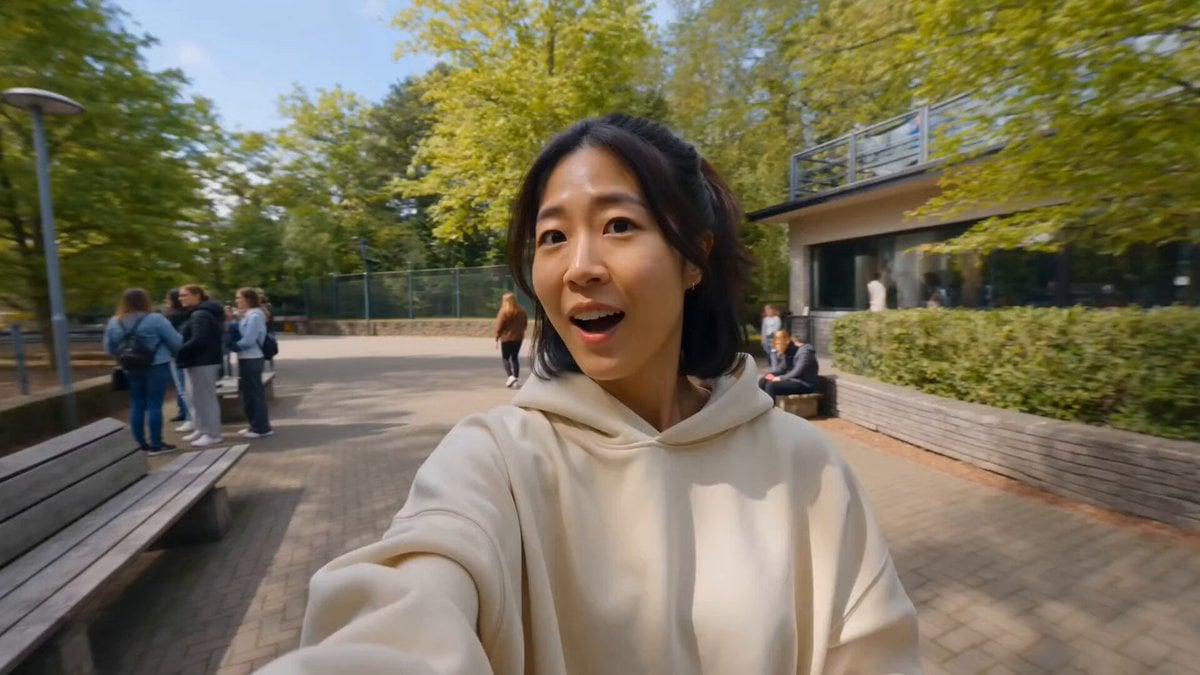
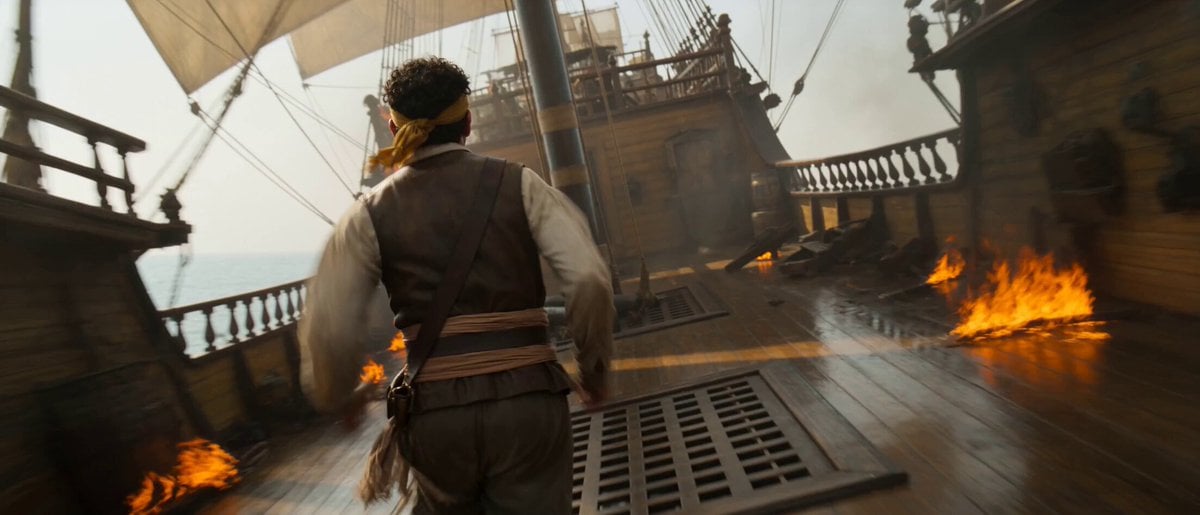
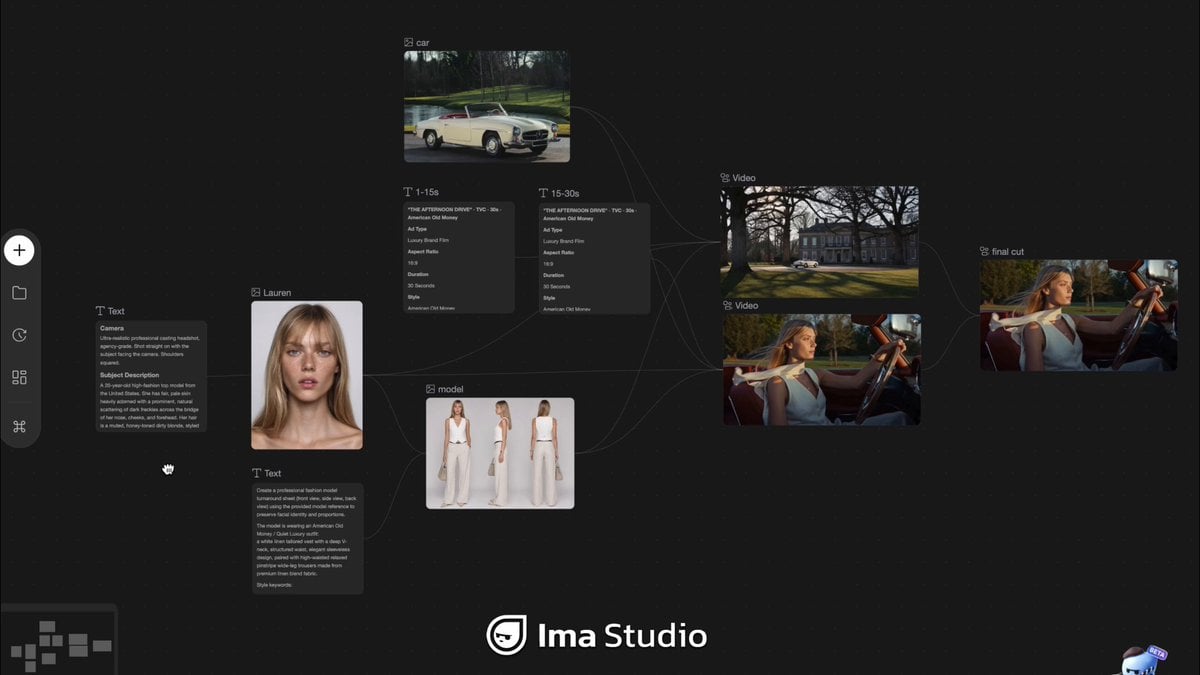
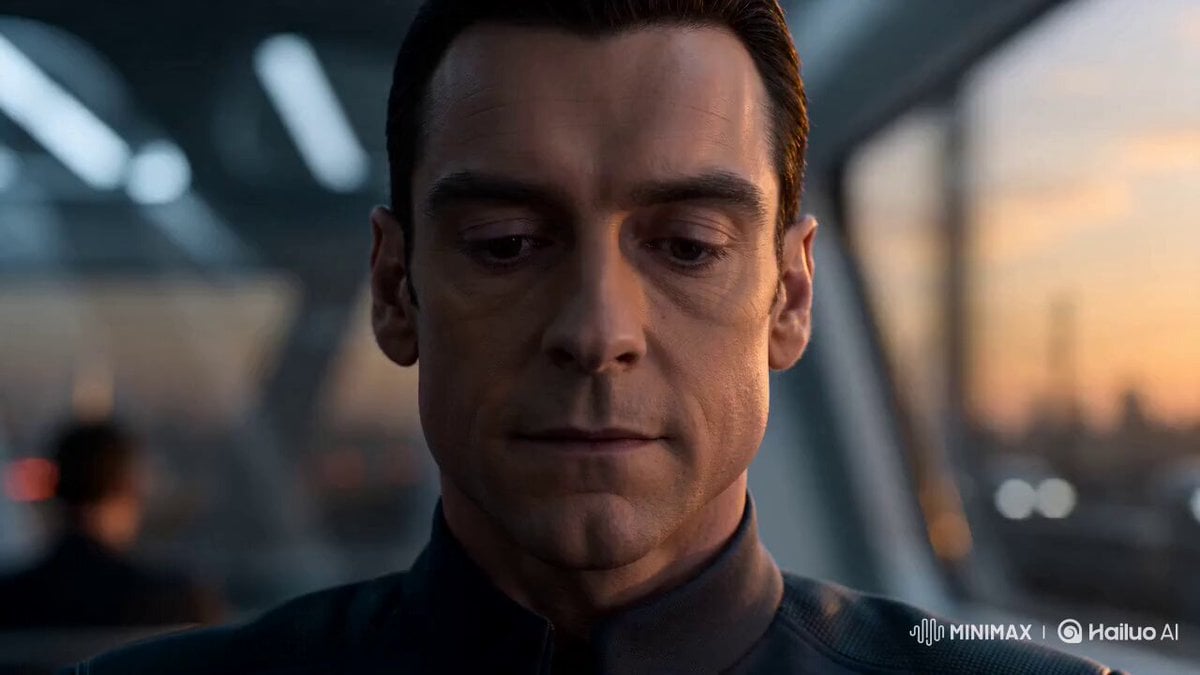
How do I use the Cinematic Montage Video Prompt for Seedance 2.0 template?
Edit the prompt in the box under the preview — the template's model and format are already selected — and press Generate. Your version appears right on this page.
A comprehensive, highly detailed prompt for Seedance 2.0 to generate a 15-second cinematic montage video with specific scene transitions, color grading, camera movements, and audio design, contrasting a warm past scene…
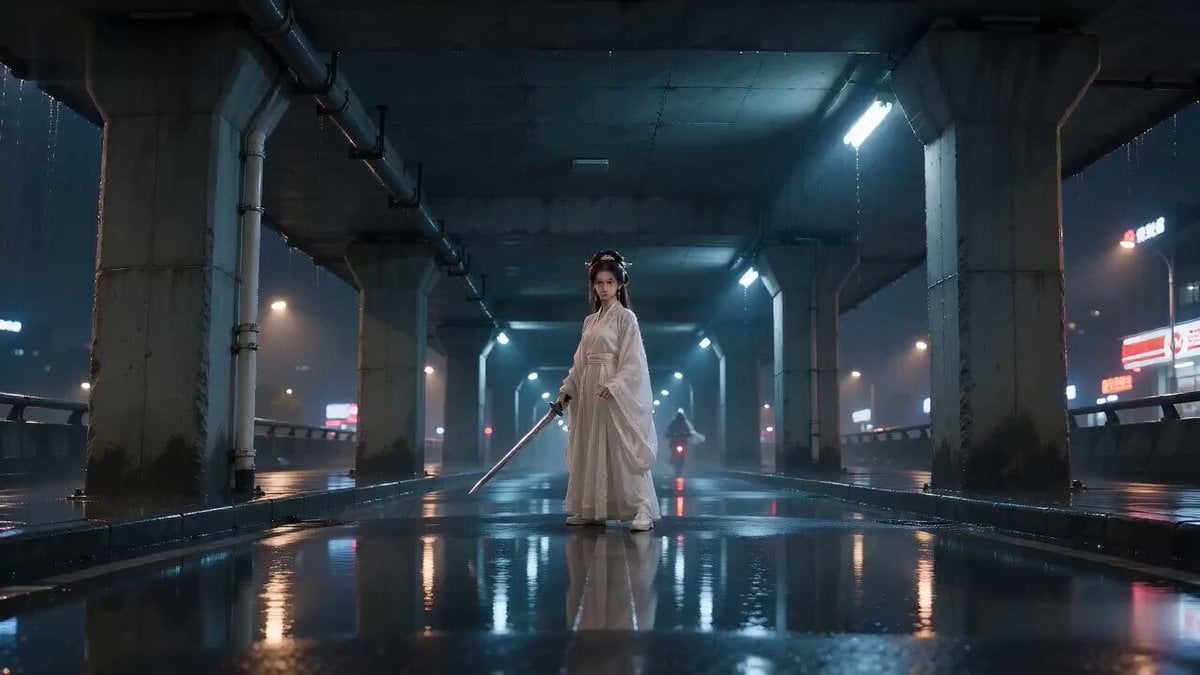
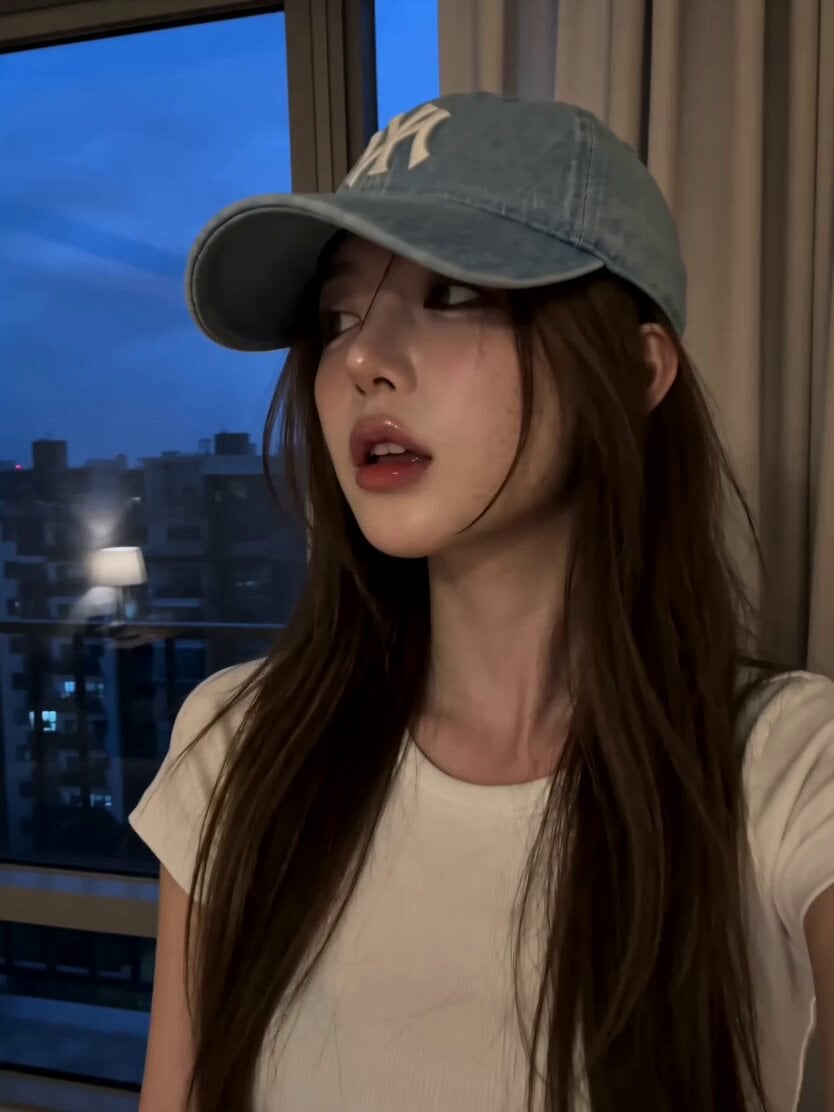
【@Image 1】(male lead reference) 【@Image 2】(female lead reference) Cinematic image quality, 15 seconds, montage editing, no subtitles, Korean dialogue. The opening, from second 0 to second 1, warm yellow film tones, the past — a sunlit afternoon café, she has fallen asleep slumped on the table, he sits across from her, chin resting on his hand, looking down at her, unable to stop the corners of his mouth from curling upward, the image carrying a slight grain and overexposure. Hard cut at second 1, cold blue rainy night, the present — an empty rooftop, he stands in the rain with his back to the camera, his coat soaked through and clinging to his back, completely still, like a stone statue abandoned by time, the temperature shifting abruptly from warm yellow to cold blue within this single frame. Hard cut back to the past, second 2, outside a convenience store at night — she's carrying two hot drinks and hands one to him, he doesn't take it, looking down at her, "이거 나 주는 거야?" (Is this for me?) She rolls her eyes at him and turns to walk away, he laughs and follows, the camera tracking the two of them from behind as they walk into the night. Hard cut back to the present, second 3 — she stands at the rooftop entrance, hand on the iron gate, rain falling on her shoulders, she doesn't move, just stands there watching his back, unsure whether to go in or leave. Hard cut to the past, second 4, an extreme close-up — his hand tucks an earbud into her ear for her, his fingertips lingering by her ear for a second, both of them pretending not to notice. Hard cut to the present, second 5, an extreme close-up — the same pair of hands, now stuffed in his pockets, rainwater seeping in through his cuffs, his hands slowly clenching inside his pockets. From second 6 to second 10, everything slows down — she finally lets go of the iron gate and walks into the rain, stopping half a meter behind him, the rain is loud, but her voice still carries through — "왜 연락 안 했어." (Why didn't you contact me.) He doesn't turn around, silent for two seconds, "연락하면 뭐가 달라져?" (What would it have changed if I had?) She closes her eyes, her chest feels crushed under something heavy, she speaks again, her voice already trembling — "달라지잖아. 나한테는." (It would have. For me, it would have.) He finally turns around, sees that he can't tell if what's on her face is rain or tears, his throat working as he swallows, his voice low and hoarse as he speaks — "알아. 그래서 더 못 했어." (I know. That's exactly why I couldn't.) From second 10 to second 13, a dissolve montage — the same rooftop, the same camera position — in the past it's a clear evening, she stands by the railing and turns back to smile at him, he strides over and pulls her entirely into his arms, the sunset stretching their shadows long; now it's a rainy night, the same spot, he stands in front of her — the two timelines overlap within the same frame for one full second, her smile from the past and her tears from the present pressed onto the same face. From second 13 to second 15, he says nothing more, raises a hand and presses her head against his chest, she holds out for two seconds, then slowly raises her hands and grips the back of his clothes tightly, the camera slowly pulls back to an extreme distance, the two of them shrinking into a single silhouette within the curtain of rain, the neon lights breaking and wavering in the standing water, the image gradually stilling, the sound gradually fading, cut to black. The past scenes are shot entirely in warm yellow-orange 16mm film grain, handheld tracking; the present scenes use a cold blue-black rain-reflective stabilizer; during dialogue the camera pushes in to extreme close-ups; at the moment of the dissolve, the saturation bursts for one frame before pulling back to the cold tone; the score uses light plucked guitar in the past scenes, going silent in the present scenes with only the sound of rain remaining, a single low cello string sounding after the final line of dialogue, complete silence before the cut to black.
【@Image 1】(male lead reference) 【@Image 2】(female lead reference) Cinematic image quality, 15 seconds, montage editing, no subtitles, Korean dialogue. The opening, from second 0 to second 1, warm yellow film tones, the past — a sunlit afternoon café, she has fallen asleep slumped on the table, he sits across from her, chin resting on his hand, looking down at her, unable to stop the corners of his mouth from curling upward, the image carrying a slight grain and overexposure. Hard cut at second 1, cold blue rainy night, the present — an empty rooftop, he stands in the rain with his back to the camera, his coat soaked through and clinging to his back, completely still, like a stone statue abandoned by time, the temperature shifting abruptly from warm yellow to cold blue within this single frame. Hard cut back to the past, second 2, outside a convenience store at night — she's carrying two hot drinks and hands one to him, he doesn't take it, looking down at her, "이거 나 주는 거야?" (Is this for me?) She rolls her eyes at him and turns to walk away, he laughs and follows, the camera tracking the two of them from behind as they walk into the night. Hard cut back to the present, second 3 — she stands at the rooftop entrance, hand on the iron gate, rain falling on her shoulders, she doesn't move, just stands there watching his back, unsure whether to go in or leave. Hard cut to the past, second 4, an extreme close-up — his hand tucks an earbud into her ear for her, his fingertips lingering by her ear for a second, both of them pretending not to notice. Hard cut to the present, second 5, an extreme close-up — the same pair of hands, now stuffed in his pockets, rainwater seeping in through his cuffs, his hands slowly clenching inside his pockets. From second 6 to second 10, everything slows down — she finally lets go of the iron gate and walks into the rain, stopping half a meter behind him, the rain is loud, but her voice still carries through — "왜 연락 안 했어." (Why didn't you contact me.) He doesn't turn around, silent for two seconds, "연락하면 뭐가 달라져?" (What would it have changed if I had?) She closes her eyes, her chest feels crushed under something heavy, she speaks again, her voice already trembling — "달라지잖아. 나한테는." (It would have. For me, it would have.) He finally turns around, sees that he can't tell if what's on her face is rain or tears, his throat working as he swallows, his voice low and hoarse as he speaks — "알아. 그래서 더 못 했어." (I know. That's exactly why I couldn't.) From second 10 to second 13, a dissolve montage — the same rooftop, the same camera position — in the past it's a clear evening, she stands by the railing and turns back to smile at him, he strides over and pulls her entirely into his arms, the sunset stretching their shadows long; now it's a rainy night, the same spot, he stands in front of her — the two timelines overlap within the same frame for one full second, her smile from the past and her tears from the present pressed onto the same face. From second 13 to second 15, he says nothing more, raises a hand and presses her head against his chest, she holds out for two seconds, then slowly raises her hands and grips the back of his clothes tightly, the camera slowly pulls back to an extreme distance, the two of them shrinking into a single silhouette within the curtain of rain, the neon lights breaking and wavering in the standing water, the image gradually stilling, the sound gradually fading, cut to black. The past scenes are shot entirely in warm yellow-orange 16mm film grain, handheld tracking; the present scenes use a cold blue-black rain-reflective stabilizer; during dialogue the camera pushes in to extreme close-ups; at the moment of the dissolve, the saturation bursts for one frame before pulling back to the cold tone; the score uses light plucked guitar in the past scenes, going silent in the present scenes with only the sound of rain remaining, a single low cello string sounding after the final line of dialogue, complete silence before the cut to black.
Edit the prompt in the box under the preview — the template's model and format are already selected — and press Generate. Your version appears right on this page.
Yes. You can change the subject, setting, lighting, mood, format, and available model controls before creating your video.
Opening and editing this template is free. Generating uses credits, shown on the Generate button when you are signed in.
Start with Seedance 2.0, which is the model associated with this template. You can compare another compatible model for a different finish.
Follow a topic to a crawlable collection of related PicX Studio templates.