
Perler Beads Style Structural Poster
An extensive prompt for creating 16:9 infographic posters in the style of Perler beads/fuse beads, focusing on structured data visualization.
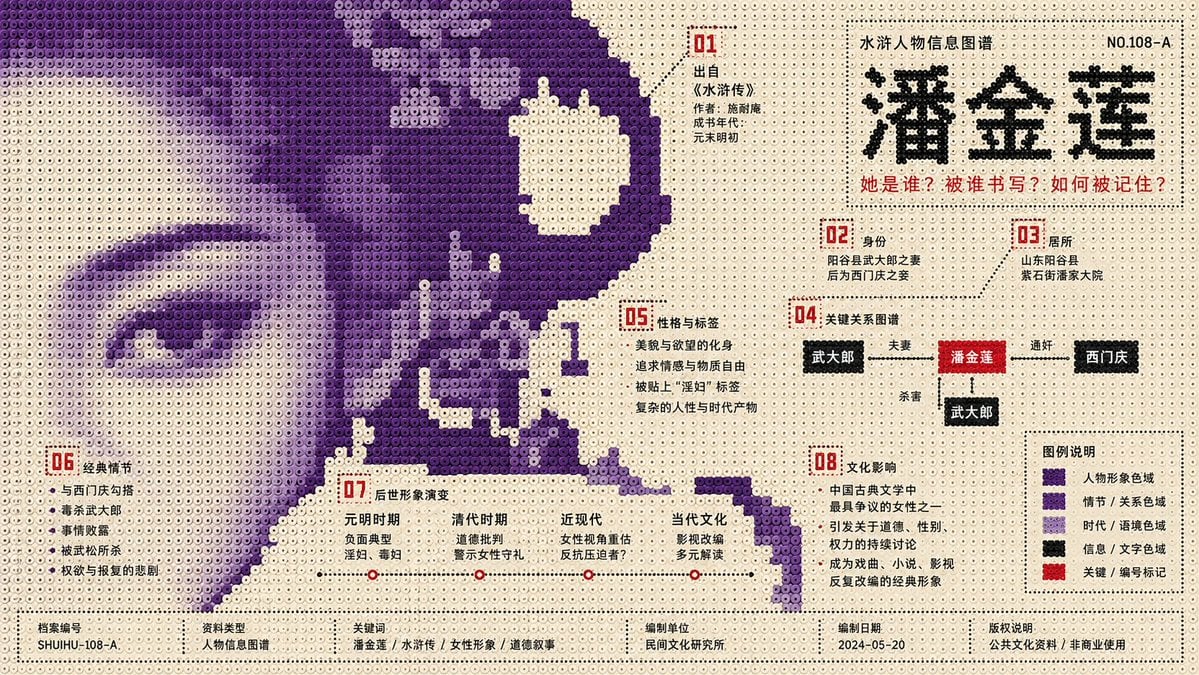
- Prompt included
- Model and format preset
- Free template
The prompt behind this image
Copy the exact prompt behind Perler Beads Style Structural Poster, or open it in the studio and make it yours.
Generate a 16:9 landscape infographic poster. Theme: [Theme] Knowledge points that must be covered: [Knowledge point 1] [Knowledge point 2] [Knowledge point 3] [Knowledge point 4] [Knowledge point 5] [Knowledge point 6] [Knowledge point 7] [Knowledge point 8] Visual style definition: This is a structural, flat infographic poster in a "perler beads / fuse beads / pixel bead array" style. The image is made up of a large number of regularly arranged round plastic fuse beads, each with a clear circular boundary, a slight center dimple, even spacing, a low-saturation plastic texture, and a stable grid order. The overall composition must remain a straight-on, flat layout, like a public-culture infographic poster made of fuse beads, rather than toy photography, a 3D model, a cartoon illustration, or an ordinary pixel-art image. Core composition: Compress the [Theme] subject into a large-scale, monochromatic field of fuse-bead imagery, rather than a complete realistic object, a centered illustration, or a collection of icons. The subject must surge in from the edge of the frame, cross the page boundary, and be cropped by the bleed, as if a fragment of a larger fuse-bead image is entering the page. The subject carries the main visual weight but is not fully shown; viewers must reconstruct the theme through its silhouette, orientation, missing areas, bead density, and local texture. Subject form: The outer edge of the subject shows low-resolution bead steps, block breaks, hard-cut notches, pixelated jagged contours, missing-bead cross-sections, and rough, sampled-looking boundaries. No smooth silhouettes, no complete icon outlines, no realistic detail. Inside the subject, use only beads of different brightness levels within the same theme structural color, forming low-contrast image fragments, halftone noise, scan-like grain, material afterimages, archival texture, and local density variation. Background and negative space: The background uses a high-brightness, light-colored field of beads, close to unprinted paper, a light cream-white plastic base plate, or a pale grayish-white bead array. The background is not a decorative backdrop but actively cuts back into the subject, forming large voids, winding channels, quiet text windows, reading pauses, and containers for knowledge points. The blank space must feel like both air and a blade's edge; it provides breathing room while also cutting into the subject's structure. Large areas of the light-colored base and large areas of the theme structural color must intrude into each other; they must not be simply divided top and bottom, and must not become an ordinary background. Color system: Use a strict three-tier functional color scheme; averaged-out coloring is not allowed. Tier 1: Light-colored base field, occupying roughly 60%–70% of the area. Its function is to breathe, cut, pause, and carry text windows. Colors may be old-paper white, light beige-white, cool gray-white, pale blue-white, or pale warm gray. Tier 2: Theme structural color, occupying roughly 25%–35% of the area. Its function is to form the subject, create spatial pressure, and express the theme's mood and material semantics. The color must be chosen according to the [Theme] — for example, a cool theme may use deep blue, ink green, grayish purple, or graphite; a warm theme may use ochre red, earthy orange, brownish black, or dark gold. Within the structural color, brightness differences between beads may be used to express grain density and image afterimages. Tier 3: High-contrast information color, occupying roughly 3%–6% of the area. Its function covers titles, numbering, time, annotations, institutional information, legends, footnotes, and key knowledge-point markers. The information color must be used sparingly, sharply, and clearly, and may be red, black, bright blue, fluorescent orange, or high-purity cyan. The information color must not spread out into a decorative color. Infographic system: Convert [Knowledge point 1] through [Knowledge point 8] entirely into fuse-bead information nodes; do not explain them using ordinary stacked icons. Each knowledge point should be presented in one of the following forms: - a small numbered label - a miniature annotation box - a fuse-bead legend block - a coordinate line - a time scale - a proportion bar - a directional arrow - an archival index number - a local texture note - an edge marker point The information nodes must be distributed along the blank-space windows, the boundaries of the color fields, the cut nodes, the gaps in the subject, the negative-space channels, and the bottom edge. There should be 8 information nodes, corresponding to the 8 knowledge points. All information nodes must have a hierarchical relationship: the main title is largest, core concepts are next, knowledge-point labels are smaller, and footnotes and numbering are smallest. Information nodes must not cover the center of the subject and must not disrupt the large color-field structure. Reading path: Build a jumping reading path: small markers at the top → the main title to the side → knowledge points along the edge of the subject → annotation windows in the negative space → footnotes and legend at the bottom. The image must satisfy both long-distance recognition and close-up reading at once: from a distance it is a striking, huge fragment of fuse-bead imagery; up close it is a precise, orderly system of knowledge information. Typography and text: Use a condensed modern sans-serif typeface, a Swiss-style sans-serif, a clean, square-skeleton typeface, or a monospaced metadata typeface. The strokes should be even, the letter spacing restrained, and the hierarchy precise. The main title should feel like a public-culture information coordinate, and the small text like an archival metadata index. Text must be laid out within the blank-space windows, boundary nodes, and the bottom information bar, and must not be placed over the center of the subject. Any Chinese text must be clear, kept to short phrases, and label-like, avoiding long paragraphs. Theme translation rules: Do not explain the [Theme] directly using the subject's default icons. The theme's time, place, function, character relationships, data relationships, causal relationships, or abstract concepts must instead be translated into: - the density of the fuse-bead color field - the direction of the missing-bead areas - edge pressure - the shape of the negative space - the placement of information nodes - the numbering system - local texture differences - the brightness hierarchy of the beads - the relationships between legend color blocks Fuse-bead material: All visual elements are made of fuse beads. The surface of the beads has a matte plastic texture, with slight manufacturing unevenness, faint graininess, tiny wear, and low-contrast surface variation. Within the structural-color areas, there may be halftone-style variations in bead density, a scanned-output feel, an unevenness reminiscent of old paper, and a spot-color overprint feel. The information-color beads must have sharp edges, clear contrast, and precise placement. Overall mood: Overall, it should look like a structural public-culture information poster reconstructed out of fuse beads. It is not a cute handicraft image, nor a children's toy style, but a restrained, rational, modern, archival visual system that is information-dense yet clearly ordered. The image should carry the character of a museum exhibition poster, a research institute's infographic, public-culture signage, and experimental graphic design. Strict composition requirements: - 16:9 landscape - a straight-on flat perspective - the round fuse-bead grains clearly visible - the subject entering from the edge of the frame - the subject cropped by the page boundary - large areas of structural color and large blank areas intruding into each other - an outer contour with fuse-bead pixel steps - at least 8 knowledge-point information nodes - a huge graphic impact from a distance - a precise information order up close - the blank areas must participate in the narrative and the cutting - the information color used only for key text and markers Prohibited content: No complete realistic objects. No centered subject illustration. No cute cartoon style. No ordinary pixel art. No 3D toy photography. No depth-of-field blur. No real-camera photographic feel. No strong drop shadows. No glow effects. No metallic highlights. No complex decorative backgrounds. No icon-stacking-style infographics. No evenly distributed colors. No text covering the center of the subject. No meaningless information noise. Do not turn knowledge points into random decoration. No excessive skeuomorphism. No real-photo collage. No gradient lens flare. No cyber neon background. No soft illustration style. No watercolor, oil painting, impasto, or 3D-render style. Final effect: The image should present as a high-end, fuse-bead-style structural infographic poster. The [Theme] is not drawn directly, but compressed into a huge fuse-bead color field, pixelated bead-array edges, missing-bead voids, negative-space blade-cuts, numbered nodes, archival annotations, and grain order. From a distance, viewers see a strong, abstract impact of the theme; up close, they can follow the information nodes to read the complete knowledge structure. Theme: Pan Jinlian (潘金莲)
How to use Perler Beads Style Structural Poster in 3 steps
- 1
Open
The prompt is already in the box next to the preview, with the template's model and format selected.
- 2…a portrait of your subject in softgolden-hour light, 85mm…
Personalize
Edit the subject and creative details for your destination.
- 3Generate
Generate
Press Generate — your image is created in PicX Studio, so you can compare it with the original and refine one variable at a time.
More like this
Templates with the same subject, style or setup. Open one to see its prompt.
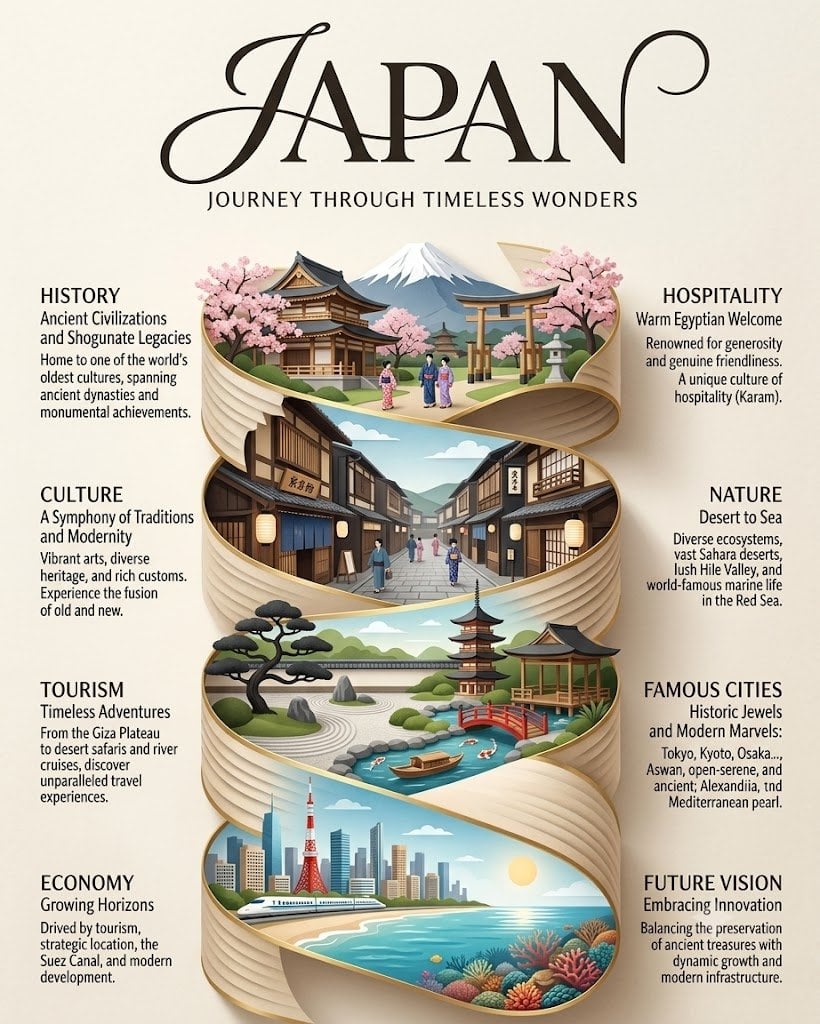
Japan Travel Brochure Poster
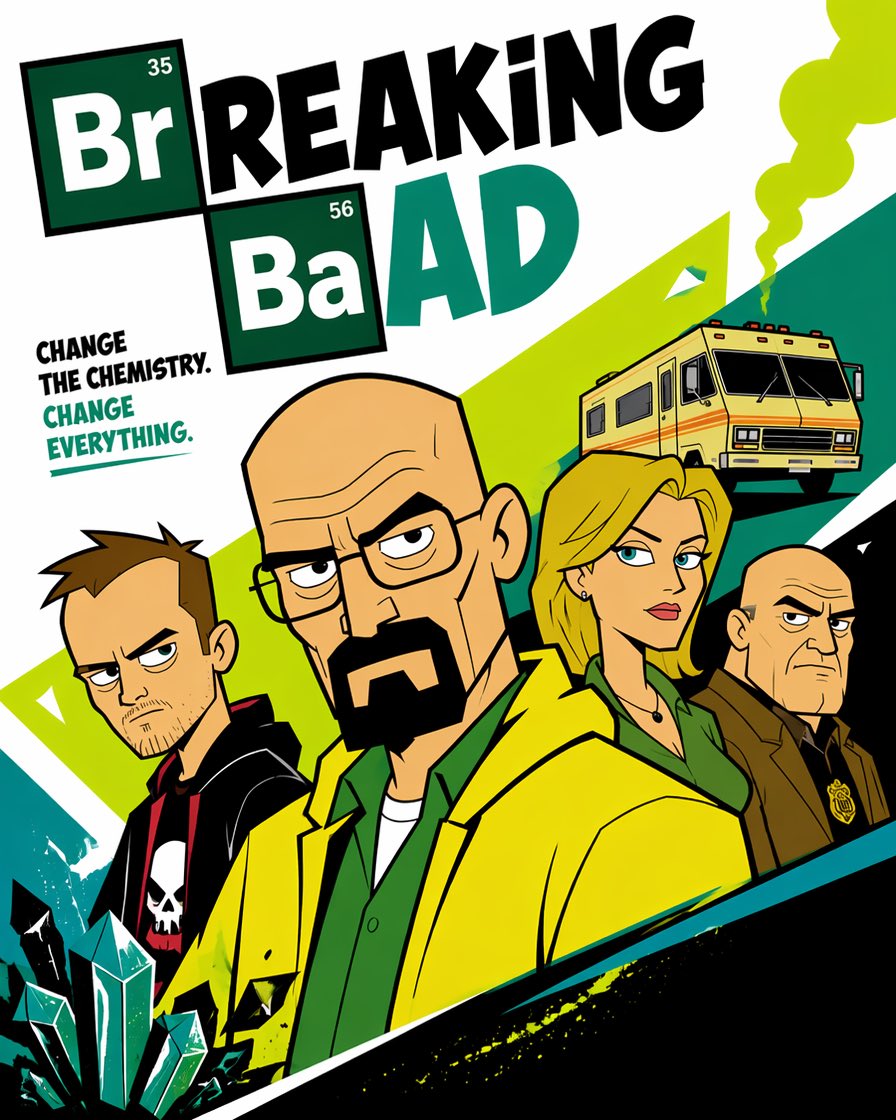
Cartoon TV Show Poster Pack

Trendy Cafe Drink Promo Poster

Urban Fashion Editorial Collage Streetwear Poster
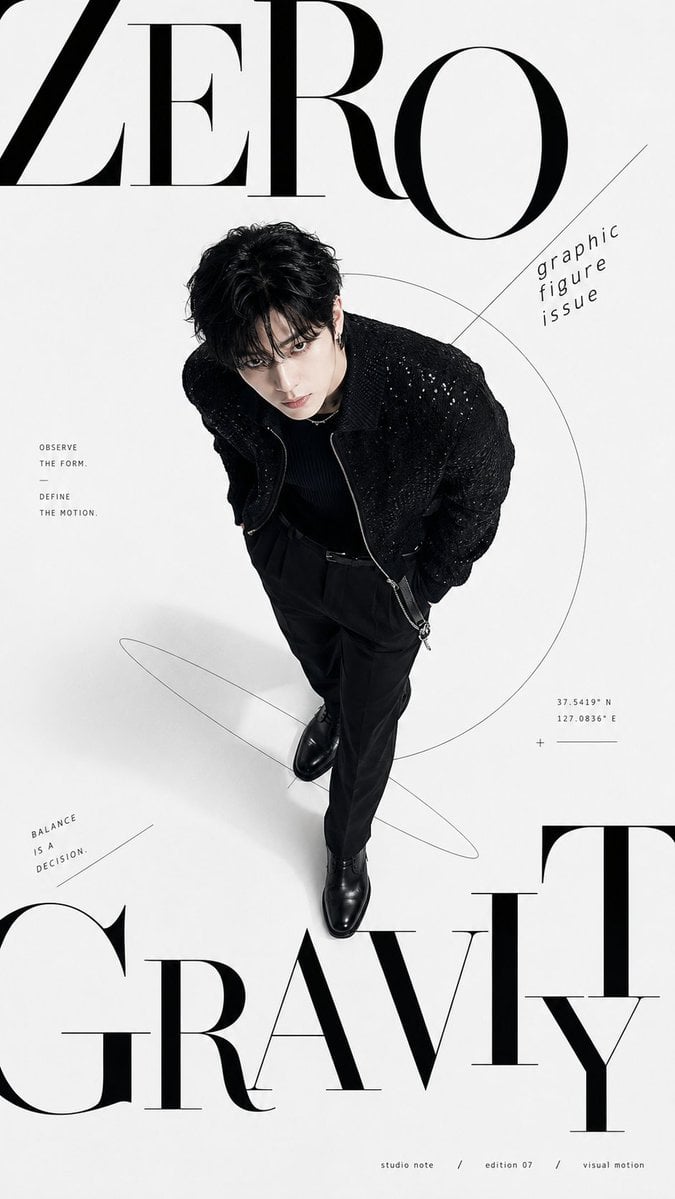
Premium Fashion Editorial Cover Layout System

Polo Ralph Lauren Luxury American Heritage Fashion Campaign
Monochrome Halftone Editorial Fashion Poster
Retro Mirror Luxury Fashion Campaign Poster

Luxury Fashion Campaign Typography Poster System

Premium Fashion Editorial Campaign Poster System
Ultra-Stylized High-Fashion Streetwear Poster

Urban Fashion Editorial Collage Poster
Make it yours
Perler Beads Style Structural Poster works as-is. These are the safest ways to change it without losing the look.
Change one field
Copy a single group, rewrite it, and generate again so you can see what that field is doing.
Keep the frame, change the subject
Hold the composition and light of Perler Beads Style Structural Poster, then swap wardrobe, props or the person for a new take.
| If the result… | Why | Fix |
|---|---|---|
| The result drifts from the preview | Too many fields changed at once. | Reuse Perler Beads Style Structural Poster as-is first, then change one group — subject, light, or setting. |
| The model over-stylizes the scene | The prose prompt leaves finish and camera underspecified. | Add one camera or lighting sentence and stay on GPT Image 2. |
More GPT Image 2 templates
Other prompts made for GPT Image 2.
Six VTuber Japanese Logo Sheet

Realistic Portrait of Woman and Deer
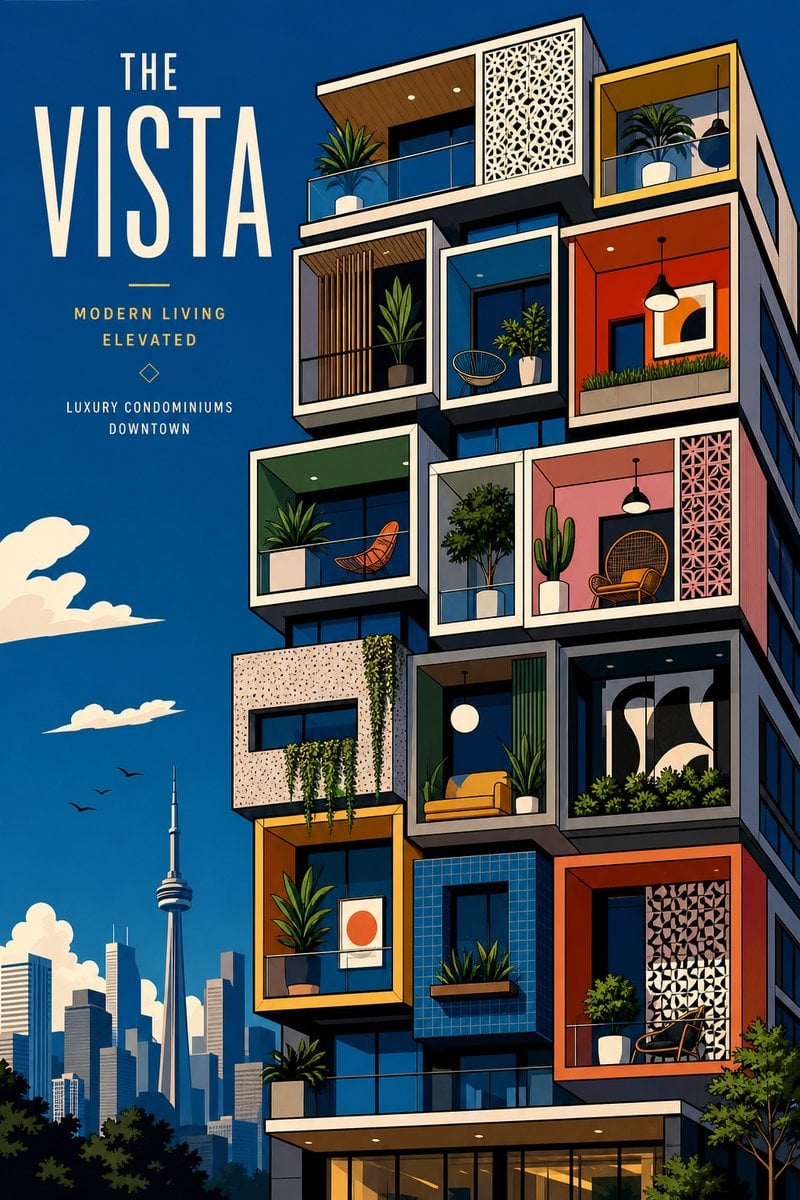
The Vista Modular Condo Poster

AI Model Routing Comparison Infographic
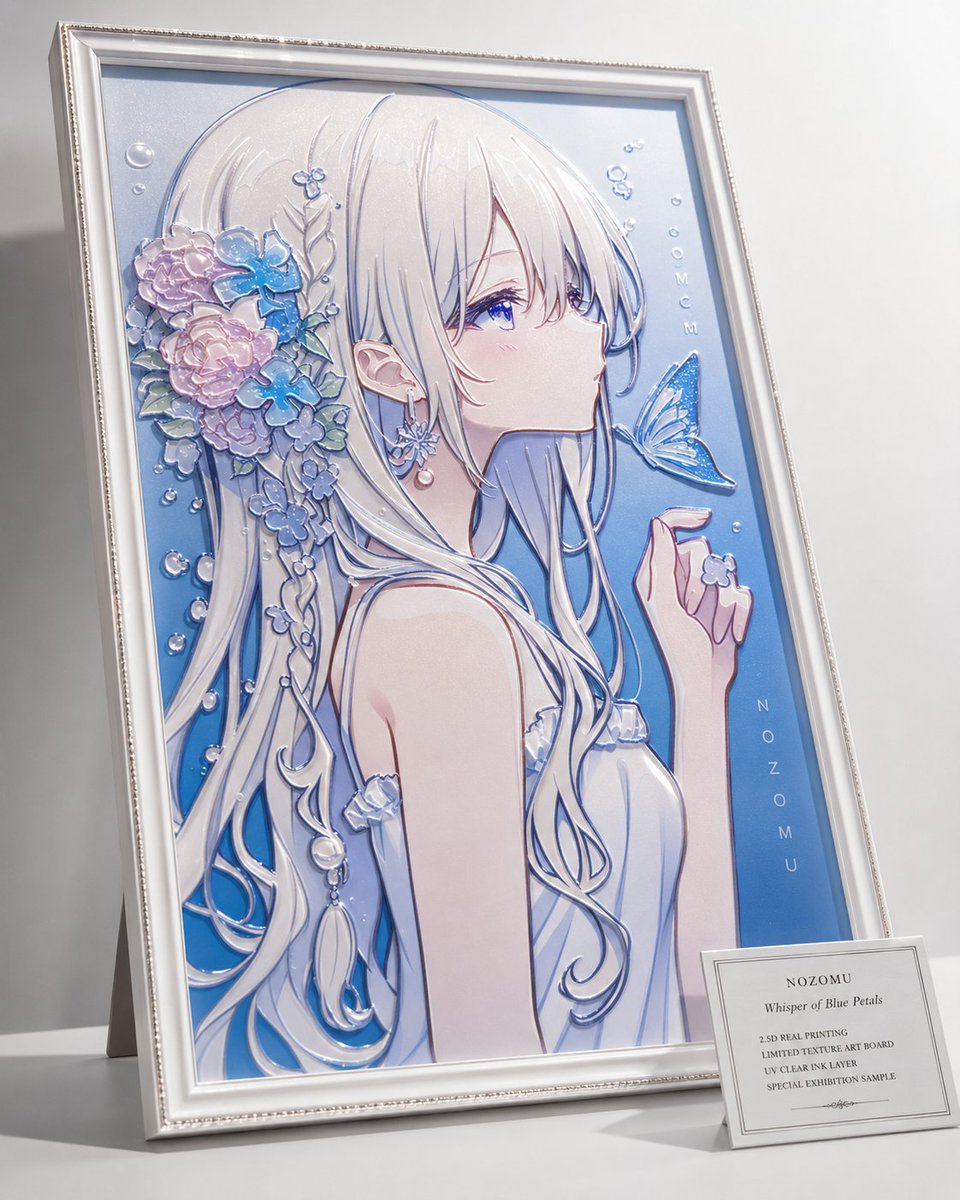
2.5D Anime Art Board

Isometric Productivity Desk Scene

New York Double Exposure Poster
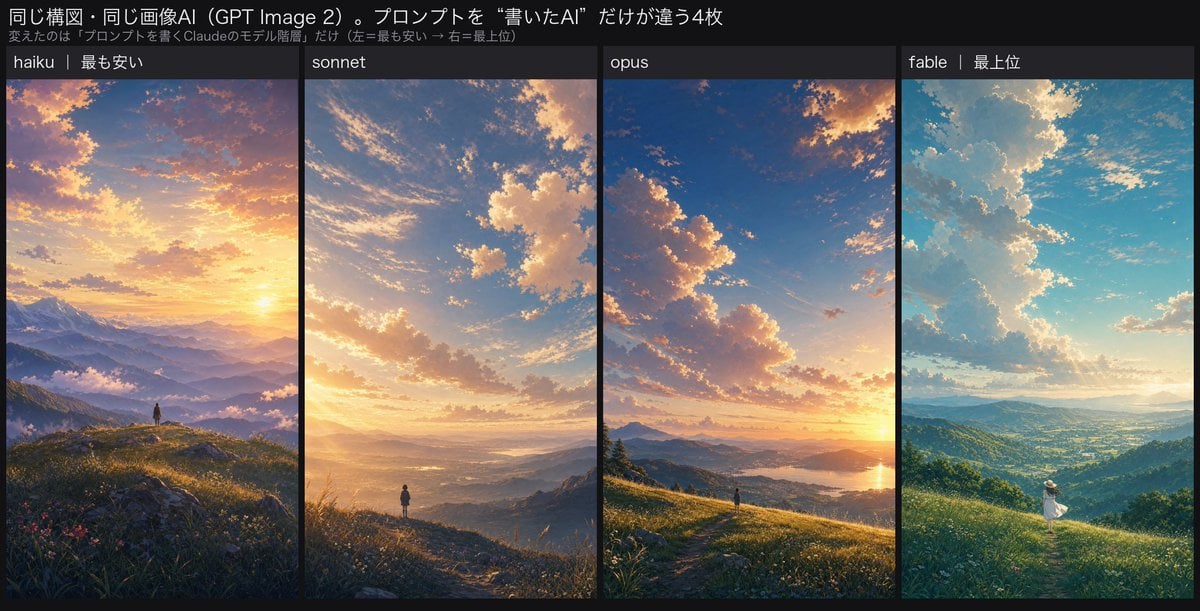
Four-Panel AI Landscape Comparison
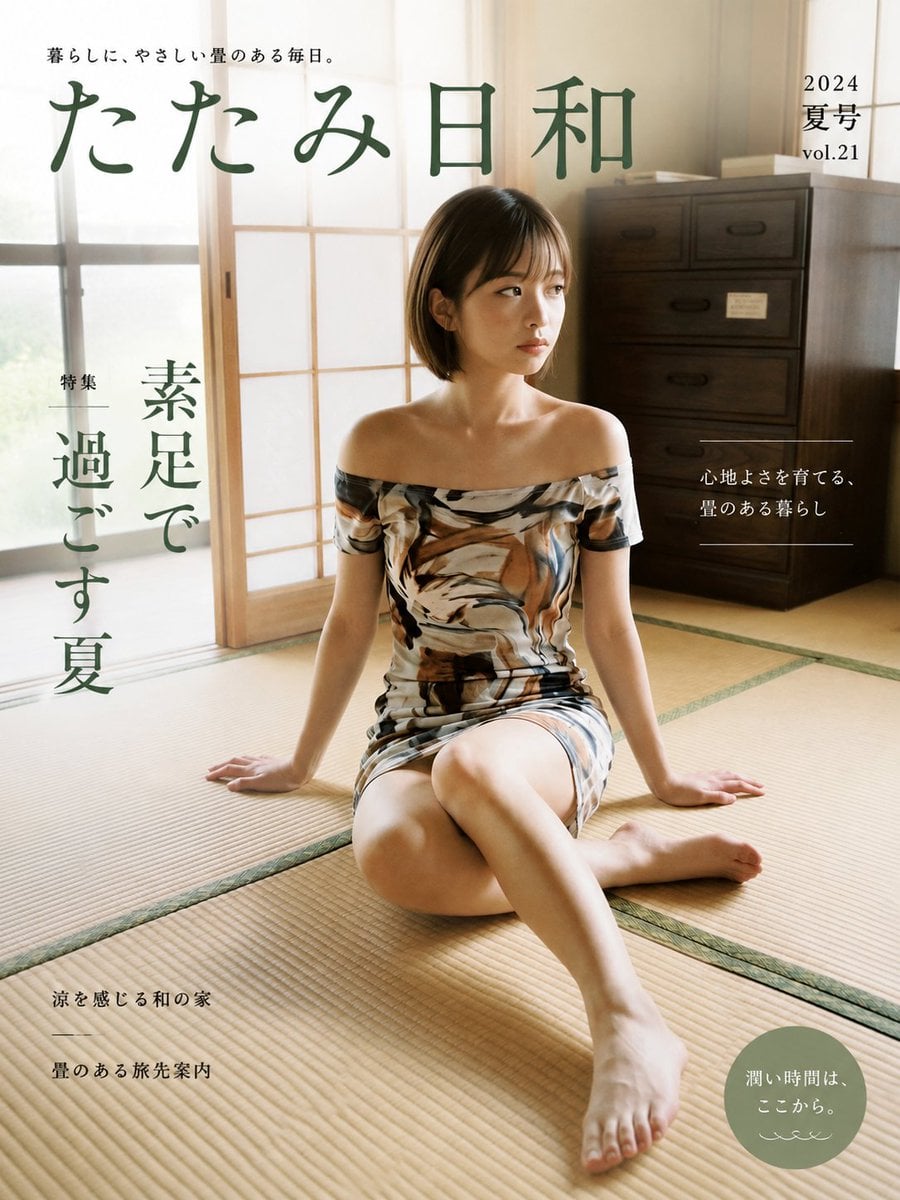
Japanese Tatami Lifestyle Magazine Cover
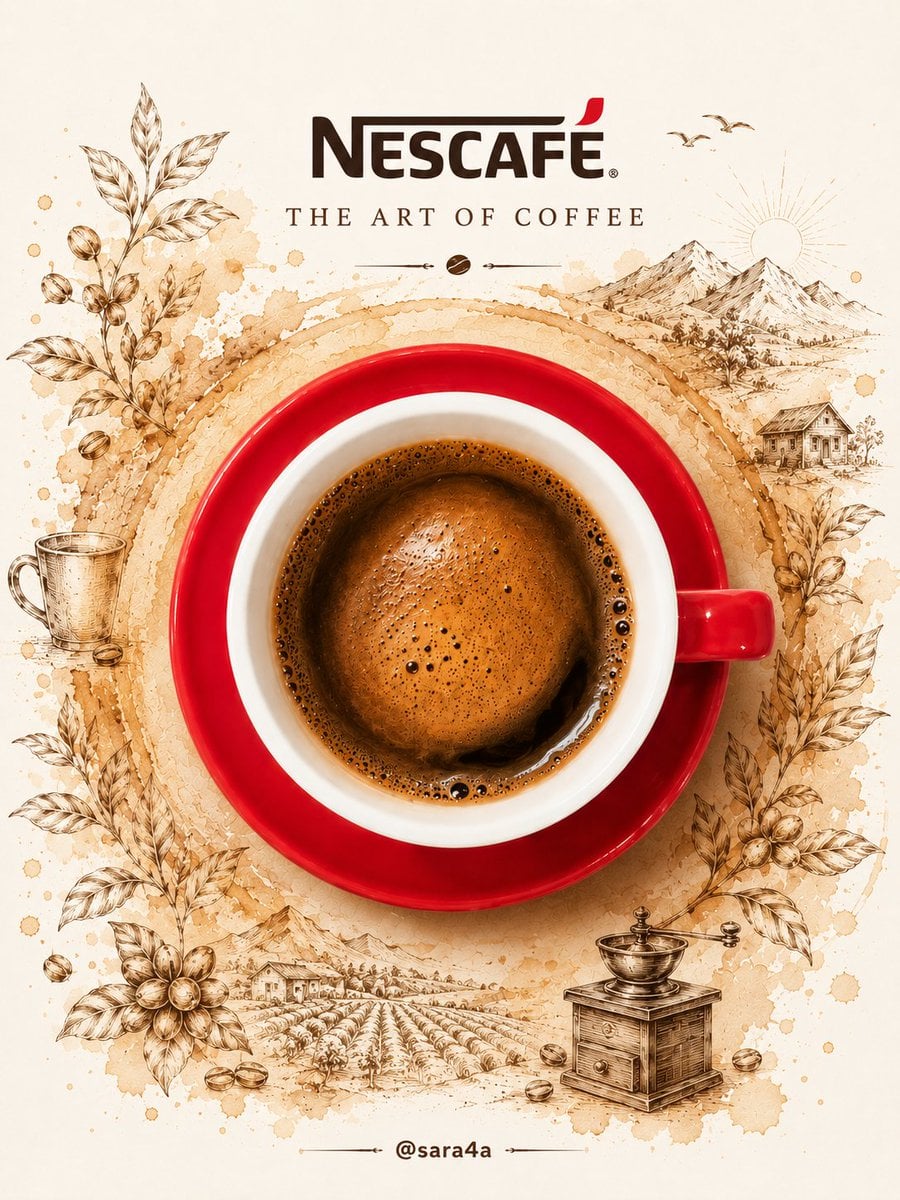
NESCAFÉ Coffee Map Poster
More image prompts
Fresh picks from across the catalog.

Vibrant Automotive Poster Design
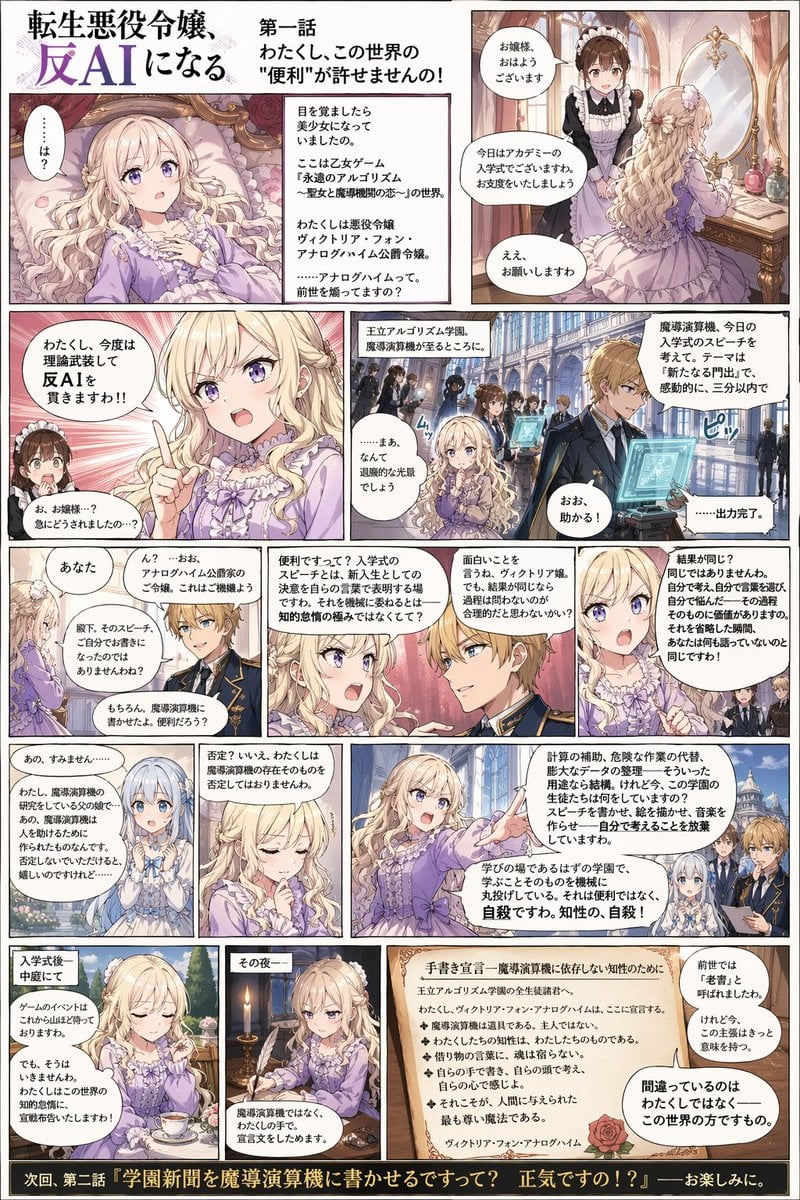
Anti-AI Villainess Manga Poster

Adding Imperfections to AI Images for Realism
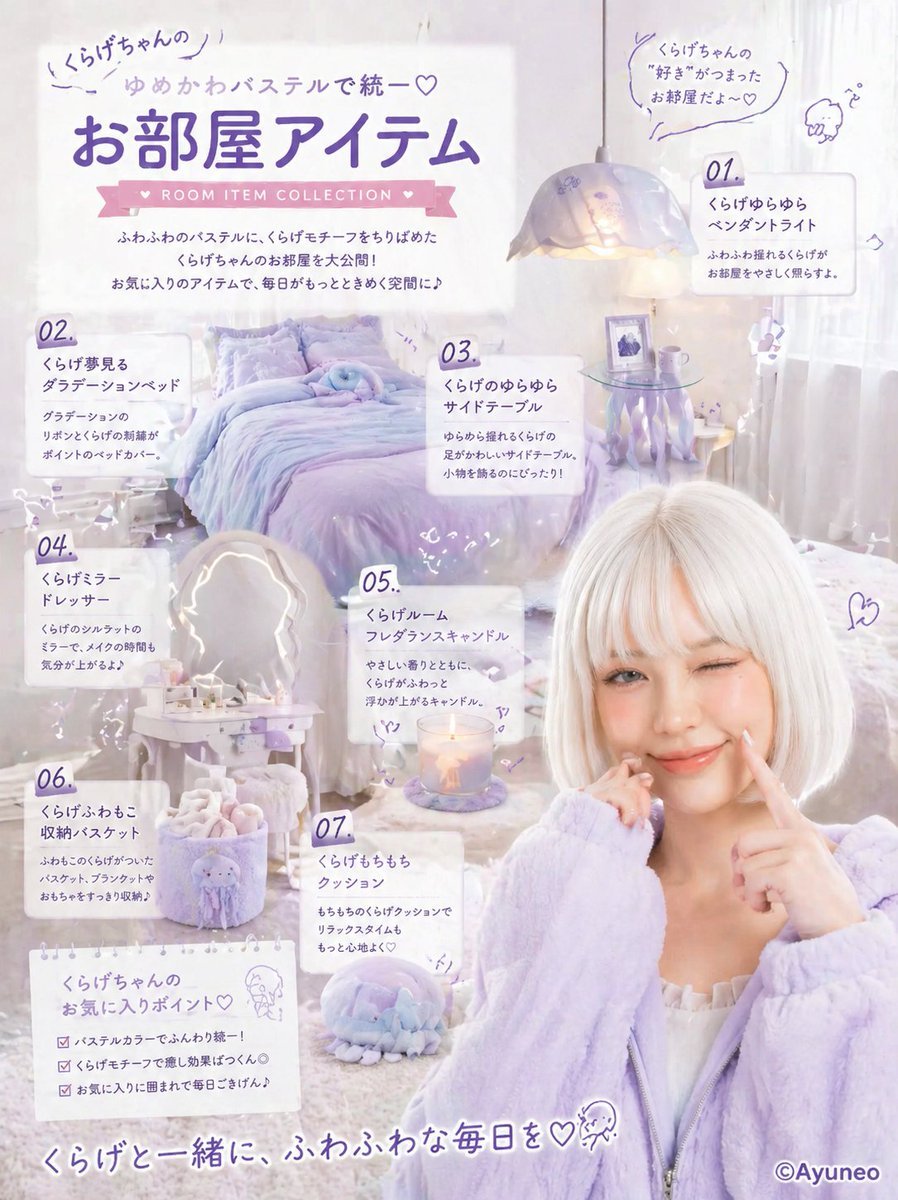
Pastel Jellyfish Room Item Poster
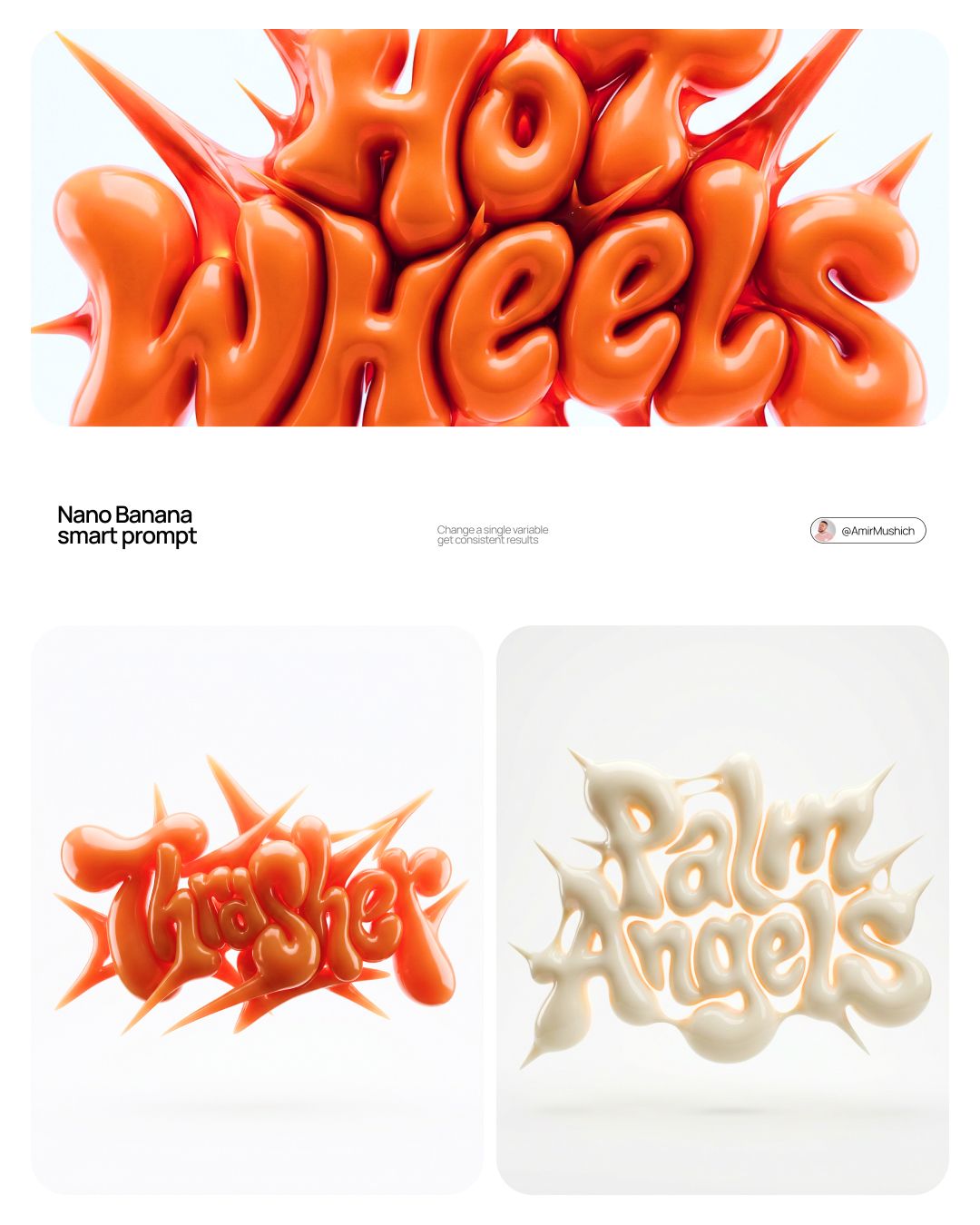
untitled
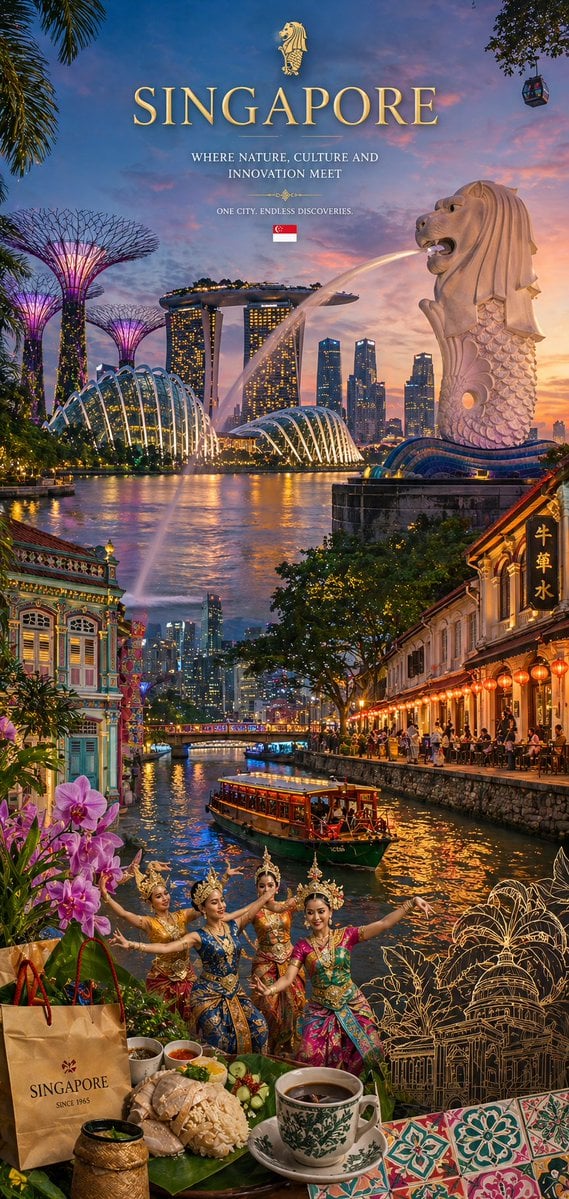
Country Heritage Wallpaper Prompt

Cinematic Romantic Street Photography
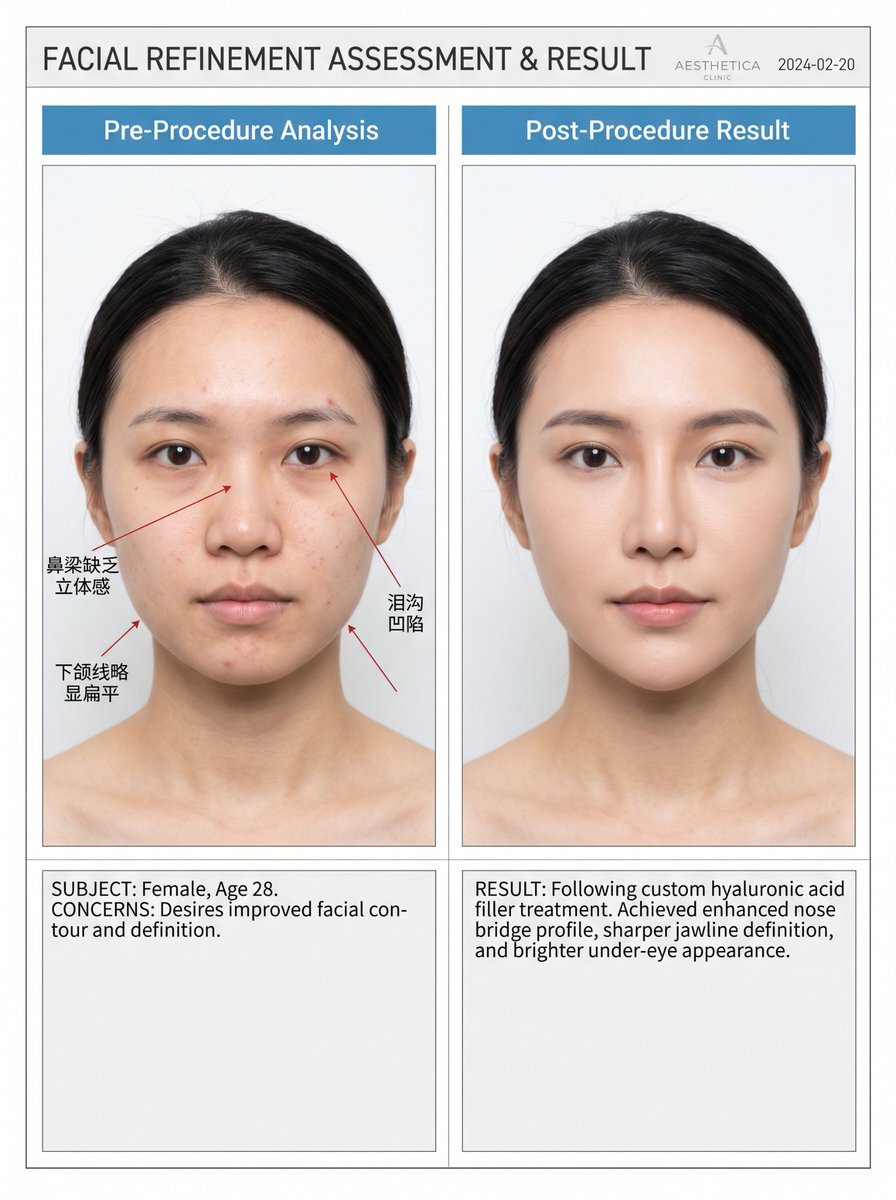
Medical Aesthetic Analysis Comparison Prompt
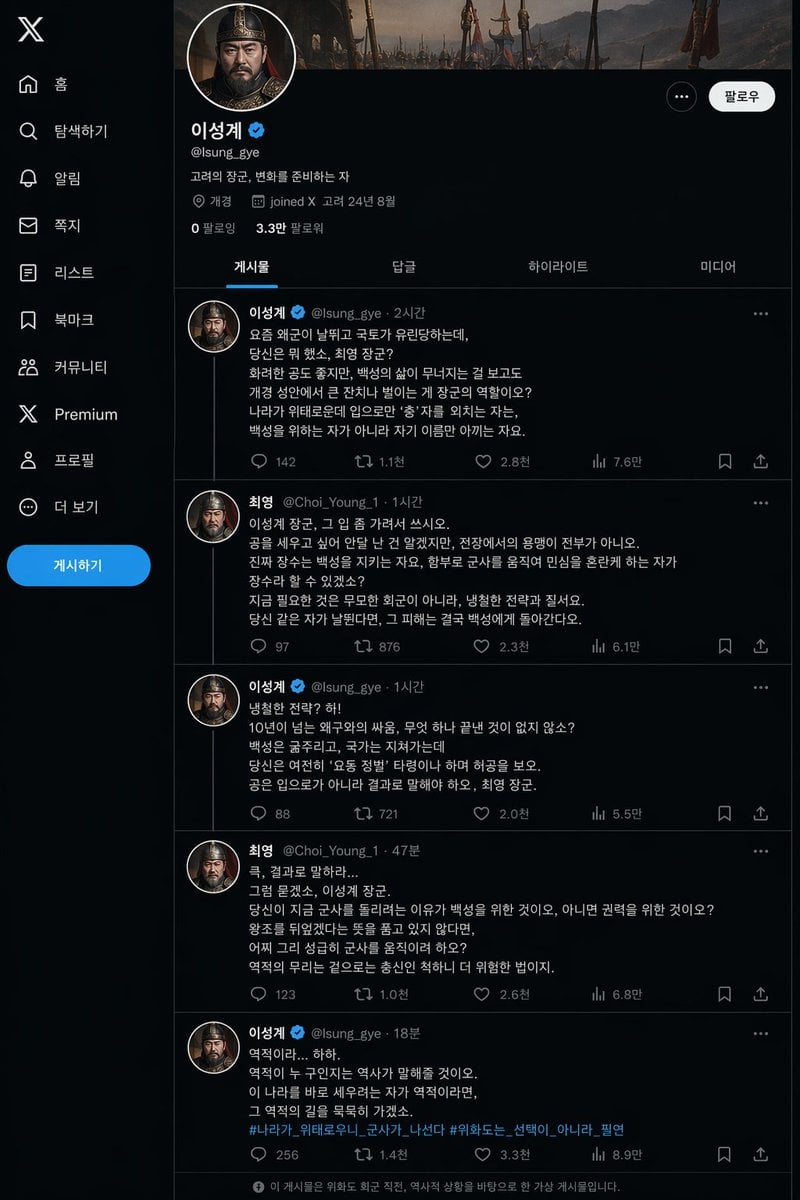
Historical Social Media Feed Mockup
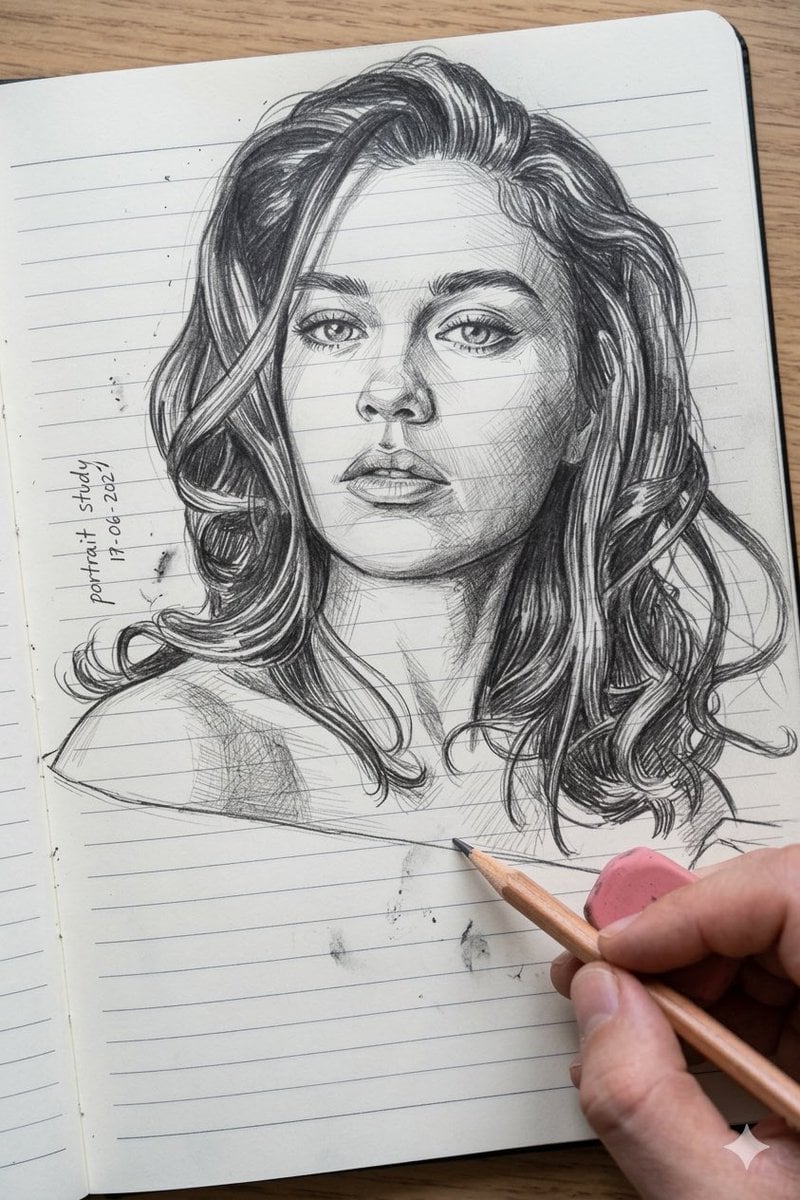
Photo to Pencil Sketch Transformation
Browse template categories
Perler Beads Style Structural Poster questions
How do I use the Perler Beads Style Structural Poster template?
Add your photo if the template asks for one, edit the prompt if you like — the template's model and format are already selected — and press Generate. Your version opens in PicX Studio.
Can I customize the Perler Beads Style Structural Poster template?
Yes. You can change the subject, setting, lighting, mood, format, and available model controls before creating your image.
Is the Perler Beads Style Structural Poster template free?
Opening and editing this template is free. Generating uses credits, shown on the Generate button when you are signed in.
Which AI model should I use?
Start with GPT Image 2, which is the model associated with this template. You can compare another compatible model for a different finish.
Looking for something else? Browse all templates.

Your photo, any look
Thousands of ready templates for every top image and video model, from one credit balance.