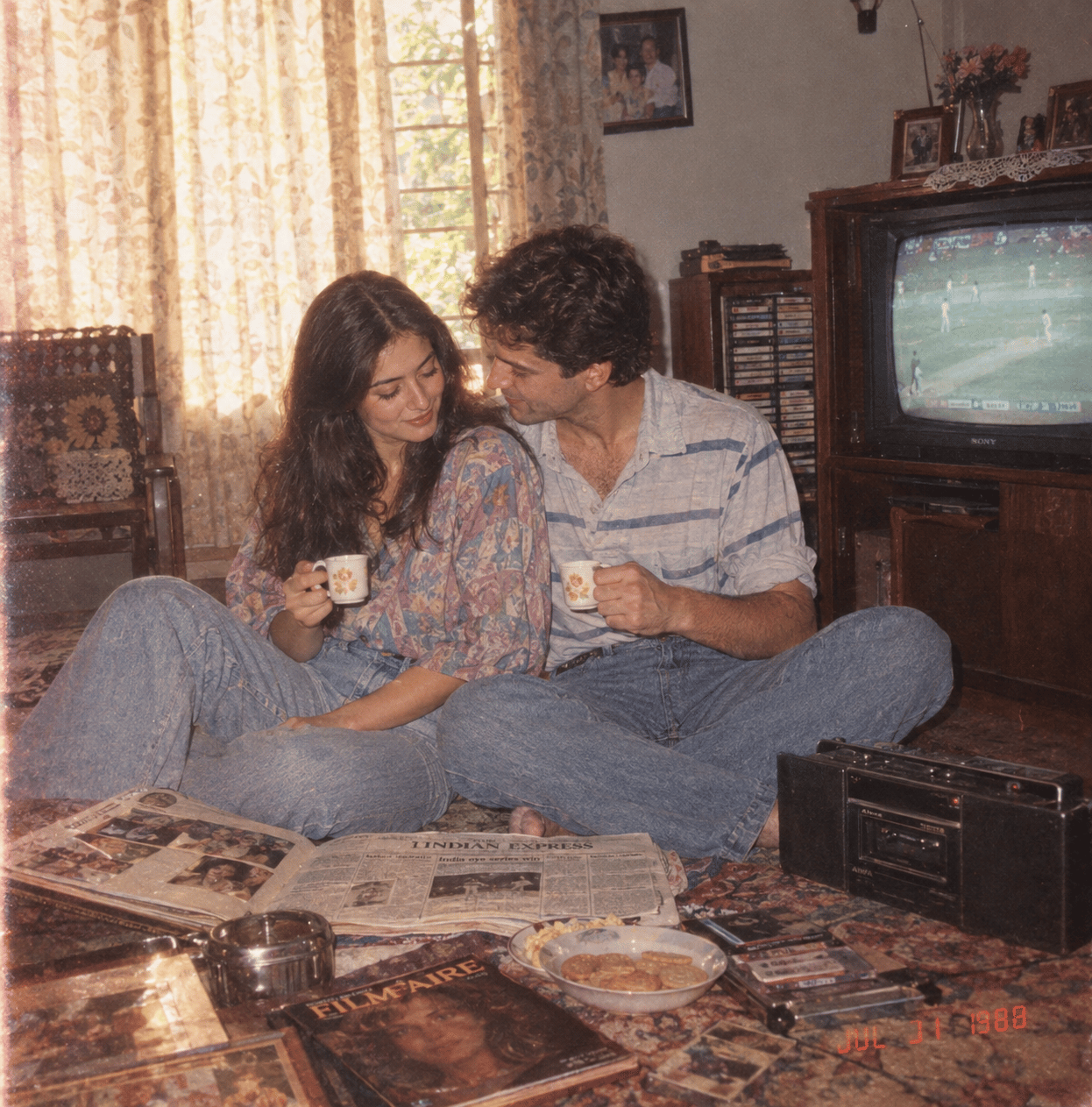
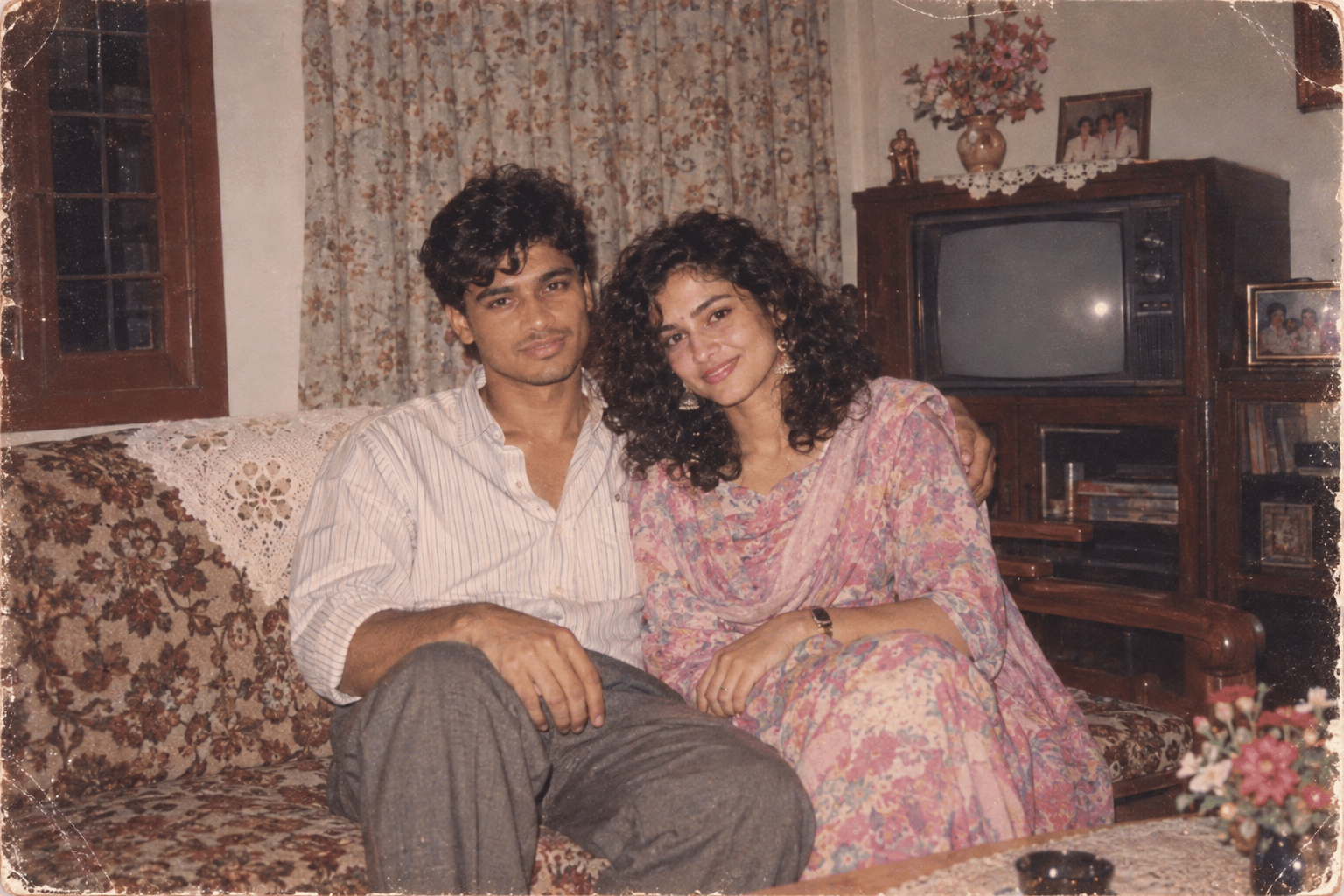
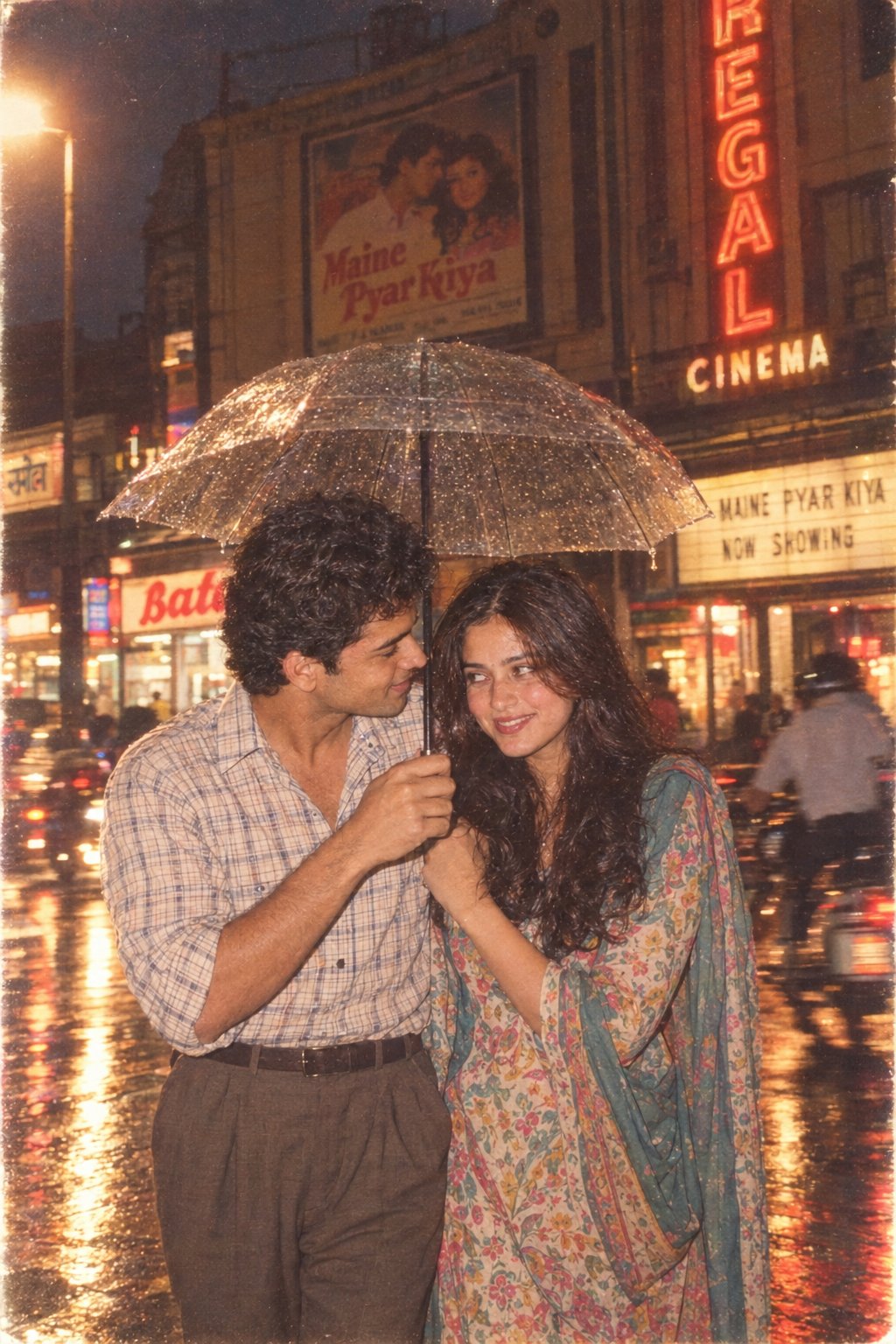
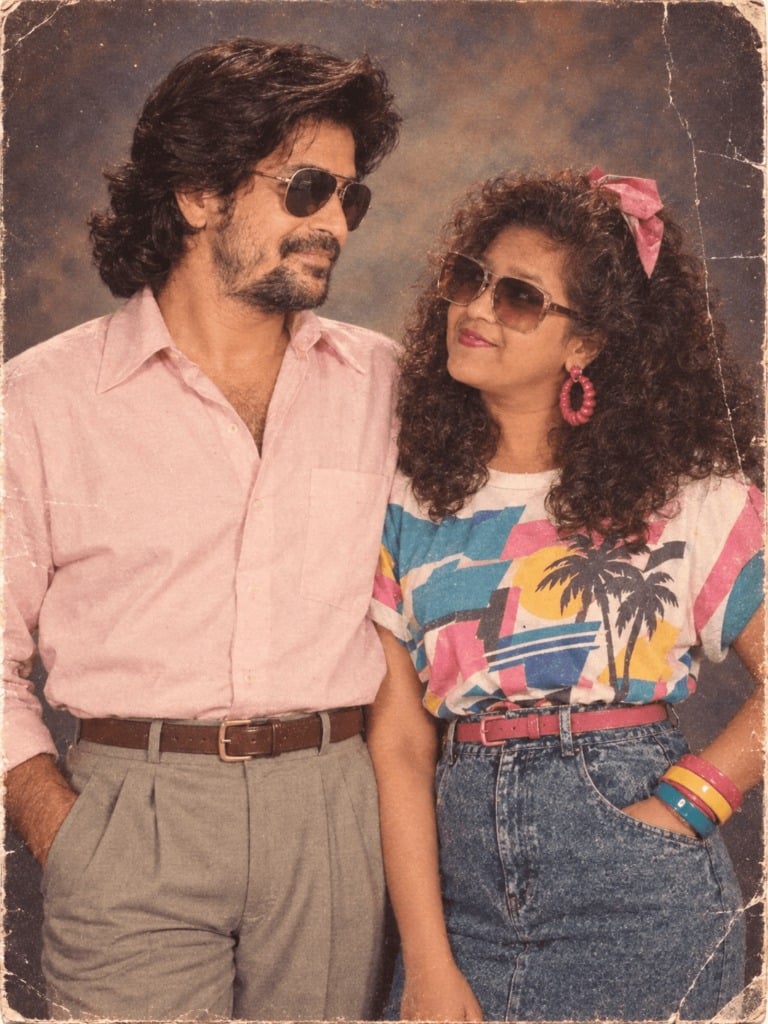
How do I use the 1980s Japanese Film Style Storyboard template?
Edit the prompt in the box under the preview — the template's model and format are already selected — and press Generate. Your version appears right on this page.
A complex instruction to generate a series of storyboard images blending Edo-period history with Indian cinema dance aesthetics in a 1980s film style.

A video that uses the technique—increasingly developed in recent Indian films' dance scenes—of expressing a character's inner feelings abstractly through dance, to portray the fervor of the anti-foreign "expel the barbarians" sentiment of Takasugi Shinsaku and the other attackers, set in an Edo-period townscape with a Western-movie-like atmosphere, just before the burning of the British legation on January 31, 1863. For the characters, look up photos of the real historical figures online, and stylize them by emphasizing their features so they look like characters who could appear in a period drama. To avoid being rejected by the video generation service, do not include sexual content, violent content, or elements resembling existing copyrighted works. The image quality should look like a realistic photograph from a live-action 1980s Japanese film. Plan out the storyboard for this and generate 8 landscape images at a 16:9 aspect ratio for each shot, from the Start frame to the End frame, for use with Seedance 2.0. n=8. Make it bold and comedic, and make good use of close-ups. 1980s Japanese cinema look, shot on 35mm motion picture film. Photochemical texture, organic grain, subtle halation, soft highlight roll-off, slightly lifted blacks, realistic contrast, no digital sharpness, no HDR. Use a 35mm cinema camera with vintage spherical prime lenses. Lens style: 28mm, 35mm, 50mm, 85mm; mostly 35mm and 50mm for dialogue and observational framing. 24 fps, 180-degree shutter, restrained handheld and tripod shots, slow deliberate movement. Lighting is naturalistic and practical: mixed fluorescent and tungsten interior lighting, slightly underexposed, soft shadows, realistic skin tones. Color palette is subdued and earthy: brown, beige, olive, cream, muted red, with a slight yellow-green fluorescent cast. Film stock look inspired by Kodak Eastman 5247 / 5294. The overall feeling is intimate, understated, dryly comic, realistic, and melancholic, like a Japanese feature film from the 1980s. A video that uses the technique—increasingly developed in recent Indian films' dance scenes—of expressing a character's inner feelings abstractly through dance, to portray the fervor of the anti-foreign "expel the barbarians" sentiment of Takasugi Shinsaku and the other attackers, set in an Edo-period townscape with a Western-movie-like atmosphere, just before the burning of the British legation on January 31, 1863. A musical film with no dialogue. Music that is vibrant and upbeat, like the dance scenes in Indian films.
A video that uses the technique—increasingly developed in recent Indian films' dance scenes—of expressing a character's inner feelings abstractly through dance, to portray the fervor of the anti-foreign "expel the barbarians" sentiment of Takasugi Shinsaku and the other attackers, set in an Edo-period townscape with a Western-movie-like atmosphere, just before the burning of the British legation on January 31, 1863. For the characters, look up photos of the real historical figures online, and stylize them by emphasizing their features so they look like characters who could appear in a period drama. To avoid being rejected by the video generation service, do not include sexual content, violent content, or elements resembling existing copyrighted works. The image quality should look like a realistic photograph from a live-action 1980s Japanese film. Plan out the storyboard for this and generate 8 landscape images at a 16:9 aspect ratio for each shot, from the Start frame to the End frame, for use with Seedance 2.0. n=8. Make it bold and comedic, and make good use of close-ups. 1980s Japanese cinema look, shot on 35mm motion picture film. Photochemical texture, organic grain, subtle halation, soft highlight roll-off, slightly lifted blacks, realistic contrast, no digital sharpness, no HDR. Use a 35mm cinema camera with vintage spherical prime lenses. Lens style: 28mm, 35mm, 50mm, 85mm; mostly 35mm and 50mm for dialogue and observational framing. 24 fps, 180-degree shutter, restrained handheld and tripod shots, slow deliberate movement. Lighting is naturalistic and practical: mixed fluorescent and tungsten interior lighting, slightly underexposed, soft shadows, realistic skin tones. Color palette is subdued and earthy: brown, beige, olive, cream, muted red, with a slight yellow-green fluorescent cast. Film stock look inspired by Kodak Eastman 5247 / 5294. The overall feeling is intimate, understated, dryly comic, realistic, and melancholic, like a Japanese feature film from the 1980s. A video that uses the technique—increasingly developed in recent Indian films' dance scenes—of expressing a character's inner feelings abstractly through dance, to portray the fervor of the anti-foreign "expel the barbarians" sentiment of Takasugi Shinsaku and the other attackers, set in an Edo-period townscape with a Western-movie-like atmosphere, just before the burning of the British legation on January 31, 1863. A musical film with no dialogue. Music that is vibrant and upbeat, like the dance scenes in Indian films.
Edit the prompt in the box under the preview — the template's model and format are already selected — and press Generate. Your version appears right on this page.
Yes. You can change the subject, setting, lighting, mood, format, and available model controls before creating your image.
Opening and editing this template is free. Generating uses credits, shown on the Generate button when you are signed in.
Start with GPT Image 2, which is the model associated with this template. You can compare another compatible model for a different finish.
Follow a topic to a crawlable collection of related PicX Studio templates.