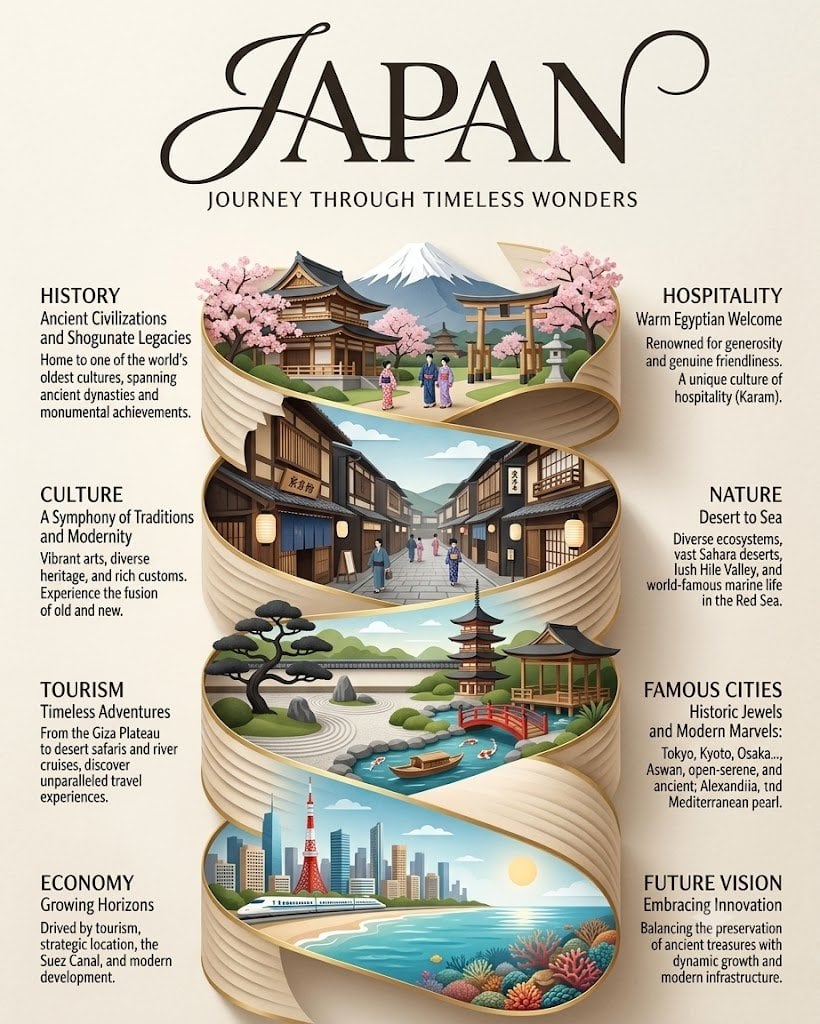
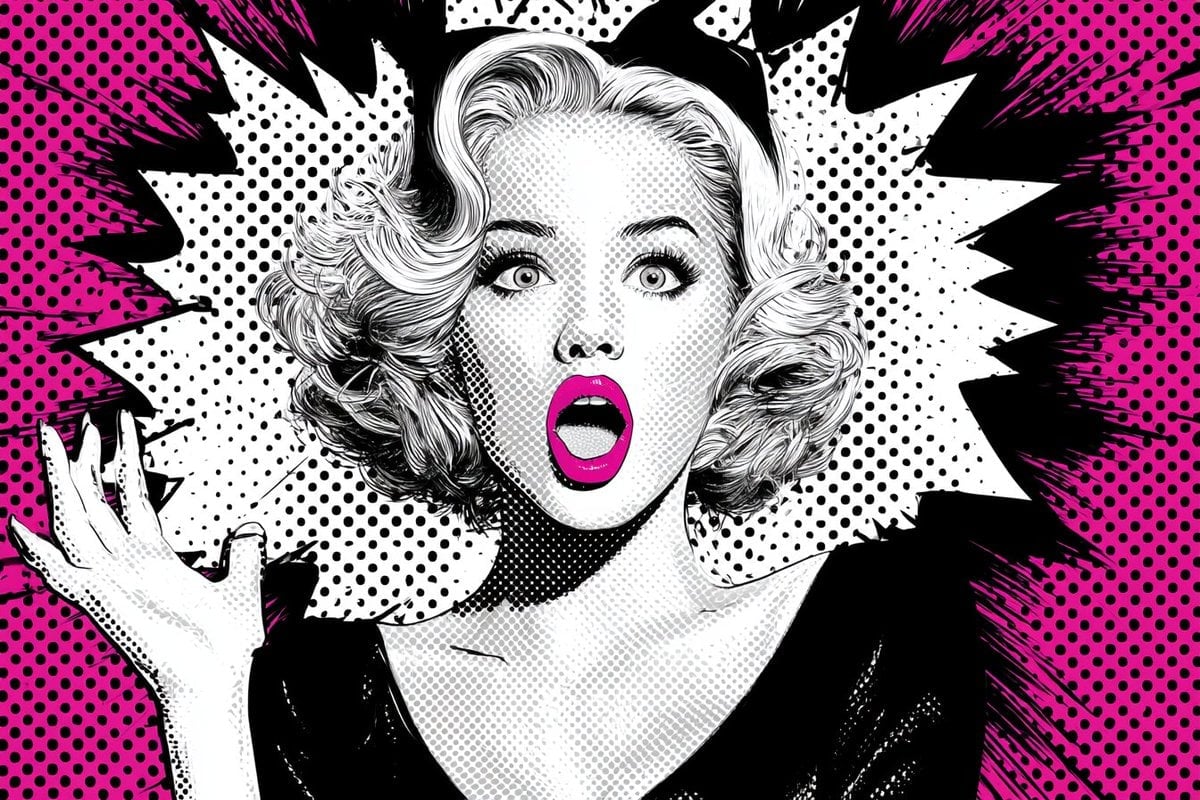
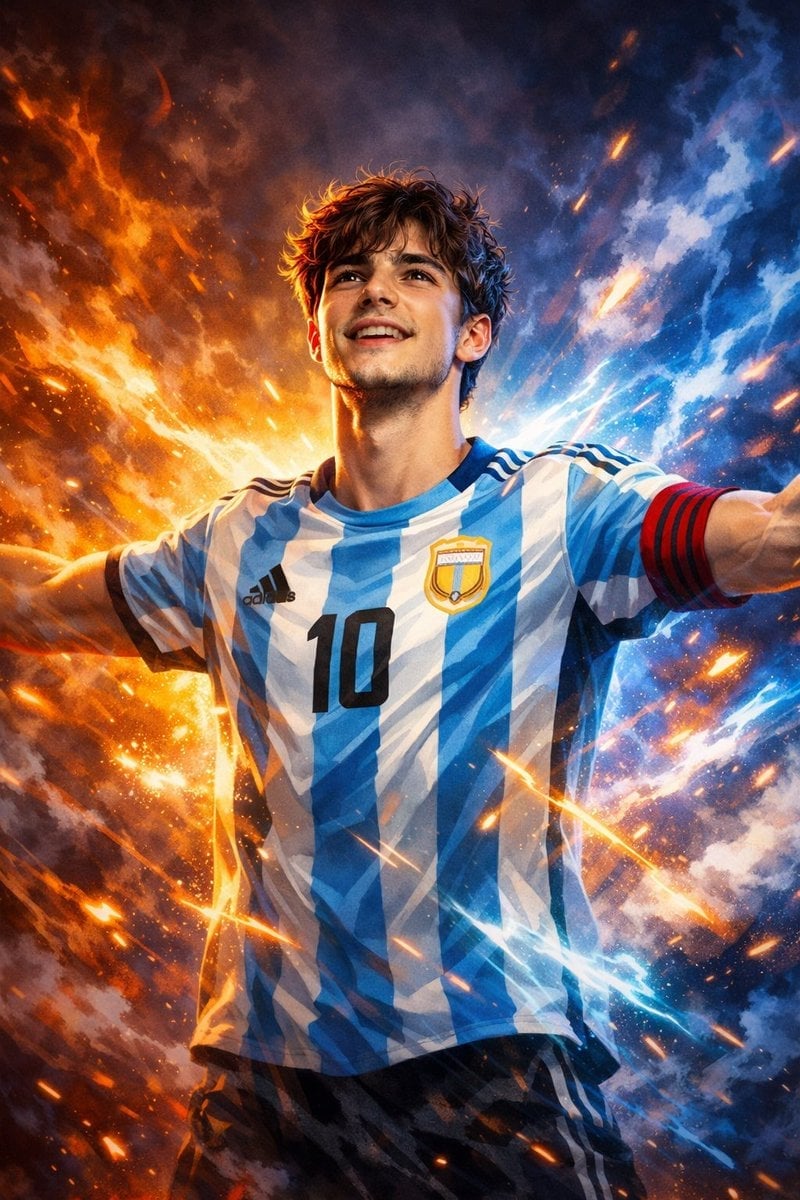
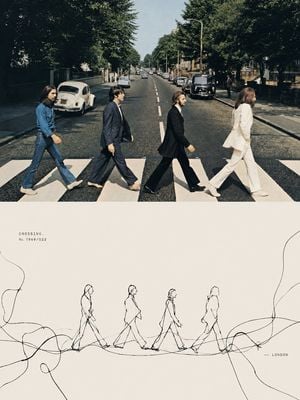
How do I use the Chinese Conceptual Poster Generator template?
Edit the prompt in the box under the preview — the template's model and format are already selected — and press Generate. Your version appears right on this page.
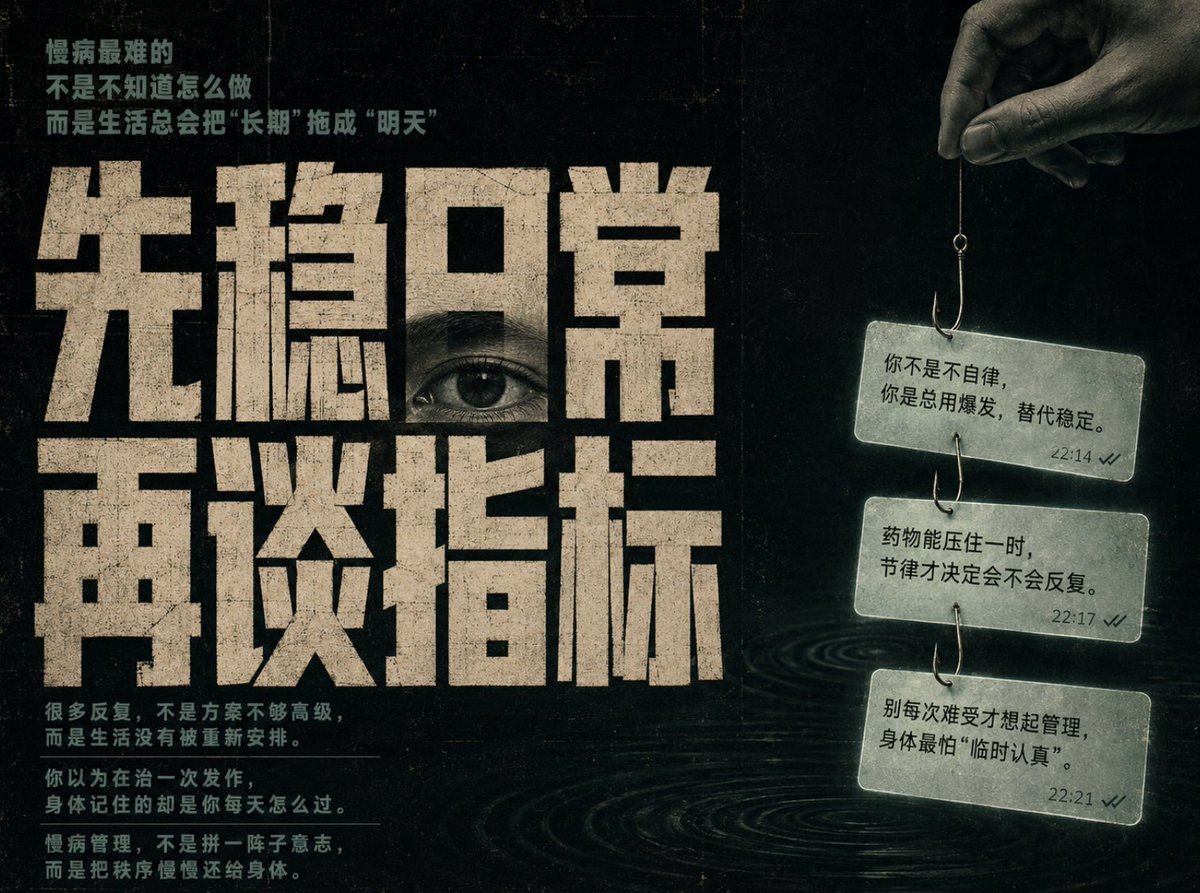
A sophisticated system prompt for generating high-end Chinese conceptual posters based on a single title, focusing on social issues, metaphors, and cinematic magazine-style layouts.

Based on the [Title] I provide, automatically generate a premium Chinese-language concept poster. The user only provides the title: [Title]: {argument name="title content" default="Enter your title here"} Your task: You need to first understand the theme, emotion, social issue, psychological tension, target audience, and metaphorical direction behind the title, and then automatically complete the entire visual design of the poster. Don't mechanically illustrate the title literally — instead, translate the title into a visual poster with a cinematic feel, a magazine feel, a sense of social observation, and conceptual metaphor. 1. Overall Style Generate a premium, horizontal Chinese-language concept poster. The image's overall character should be automatically judged from the title, and may lean toward one or a blend of the following directions: - Deep social issues - Psychological insight - Analysis of human nature - Intimate relationships - Workplace pressure - Issues of gender / family / generational difference - Emotional distress - Symptoms of the times - Cognitive awakening - Self-reconstruction - Business insight - Medical health - Philosophy of life The overall visual should not look like an ordinary promotional image, should not look like a feed ad, and should not look like a cheap template. It should look like the cover of an in-depth article, a movie poster, a magazine feature cover, or the key visual for an art exhibition. 2. Layout Structure Automatically choose the best composition based on the title's content, but it must satisfy: 1. A large title-typography area on the left or top 2. A core visual-metaphor area on the right or bottom 3. Text and image should form a strong relationship, not a simple collage 4. The main title must be extremely eye-catching, with a sense of impact, memorability, and shareability 5. The image should have negative space, layering, rhythm, and a premium feel Use a horizontal wide-format composition by default; the following are optional: - 16:9 - 4:3 - 3:1 ultra-widescreen ratio - WeChat official-account cover ratio Automatically decide the most suitable ratio based on the title. 3. Title Handling Use the title entered by the user as the core copy. Main title: Use huge Chinese typography to form the visual center. Automatic line breaks based on meaning, emphasis on key words, and enlarging a few core characters are all allowed. Subtitle: Automatically generate a subtitle of no more than 24 characters, used to explain the deeper issue behind the title. The subtitle should read like the lead-in of an in-depth article — not inspirational fluff, not a slogan, not vague. Bottom tags: Automatically generate 4–6 keyword tags, separated by vertical bars. For example: "情绪压抑 | 亲密关系 | 时代症候 | 自我重建" The tags should be automatically generated based on the title. 4. Typography Style The Chinese typeface should automatically match the theme: If the title leans toward social criticism: Use a high-contrast Song typeface, a magazine headline typeface, or a retro movable-type style. If the title leans toward psychological insight: Use a heavy sans-serif (Hei) typeface, an old-print typeface, or a calm, restrained modern Chinese typeface. If the title leans toward business / industry judgment: Use a minimalist sans-serif (Hei) typeface, an industrial-feeling typeface, or modern magazine typesetting. If the title leans toward philosophy of life: Use a humanist serif typeface, a typeface with an Eastern character, or restrained, spacious typesetting. The text must be clearly legible. You may add a slight old-print grain, paper wear, ink-impression texture, or a magazine-cover feel. Do not use fancy fonts, cartoon fonts, or cheap decorative lettering. 5. Rules for Generating the Visual Metaphor Automatically generate one core visual metaphor based on the title. Visual elements must serve the title — don't scatter decorations randomly. You may use, but are not limited to: - A broken statue - An empty chair - A person pulled by strings - A mirror / shattered mirror shards - A wine glass - Old paper - A handwritten note - An eye - A door - A late-night room - A silhouette of a person - A tabletop still life - A dark red curtain - Medical imaging - A city night view - Documents, medical records, ledgers - A salvaged chat bubble - A hanging object - A crack - A reflection on water - An old newspaper - Beams of light and shadow But don't pile up elements. The whole image only needs 1 strongest metaphor + 2–4 supporting details. 6. Visual Mood Automatically judge the emotional tone based on the title: It could be: - A dark, late-night feel - A wine-red theatrical feel - A cold-white medical feel - An old-newspaper critical feel - A dark-gold humanistic feel - A deep-blue rational/reflective feel - A cream-white minimalist magazine feel - A gray-green psychological-observation feel The image should have: - Low-saturation color - Premium light and shadow - A cinematic quality - Subtle grain - Old paper texture - Localized highlights - Restrained negative space - Deep emotion Don't make it vivid, don't make it cute, don't make it feel like an internet template, don't make it cheap neon. 7. On-Image Text Requirements Must include: 1. The title provided by the user 2. The automatically generated subtitle 3. The automatically generated 4–6 bottom tags The text must be in Chinese. The typesetting must be clear. No garbled characters. No meaningless English. No extraneous brand names. No visible traces of AI generation. 8. Image Quality Requirements High resolution, 4K, professional poster design. The overall result should look like a WeChat official-account cover / in-depth feature cover / movie poster completed by a real designer. The typography should be refined, the visual metaphor accurate, and the image should have shareability and a collectible quality. 9. Negative Requirements No cartoon style. No cute illustration. No cheap templates. No excessive decoration. No tech-blue templates. No cyberpunk neon. No e-commerce poster style. No psychological-counseling-ad feel. No PowerPoint feel. No ordinary infographic. No cheap emotional manipulation. No large blocks of small text. No garbled AI text. No plastic 3D lettering. No exaggerated facial expressions. No overcrowded elements. Final output: Directly generate one complete, premium Chinese-language concept poster. Do not output the analysis process. Do not output an explanation. Do not output a design description. Do not output Markdown. Output only the final image.
Based on the [Title] I provide, automatically generate a premium Chinese-language concept poster. The user only provides the title: [Title]: {argument name="title content" default="Enter your title here"} Your task: You need to first understand the theme, emotion, social issue, psychological tension, target audience, and metaphorical direction behind the title, and then automatically complete the entire visual design of the poster. Don't mechanically illustrate the title literally — instead, translate the title into a visual poster with a cinematic feel, a magazine feel, a sense of social observation, and conceptual metaphor. 1. Overall Style Generate a premium, horizontal Chinese-language concept poster. The image's overall character should be automatically judged from the title, and may lean toward one or a blend of the following directions: - Deep social issues - Psychological insight - Analysis of human nature - Intimate relationships - Workplace pressure - Issues of gender / family / generational difference - Emotional distress - Symptoms of the times - Cognitive awakening - Self-reconstruction - Business insight - Medical health - Philosophy of life The overall visual should not look like an ordinary promotional image, should not look like a feed ad, and should not look like a cheap template. It should look like the cover of an in-depth article, a movie poster, a magazine feature cover, or the key visual for an art exhibition. 2. Layout Structure Automatically choose the best composition based on the title's content, but it must satisfy: 1. A large title-typography area on the left or top 2. A core visual-metaphor area on the right or bottom 3. Text and image should form a strong relationship, not a simple collage 4. The main title must be extremely eye-catching, with a sense of impact, memorability, and shareability 5. The image should have negative space, layering, rhythm, and a premium feel Use a horizontal wide-format composition by default; the following are optional: - 16:9 - 4:3 - 3:1 ultra-widescreen ratio - WeChat official-account cover ratio Automatically decide the most suitable ratio based on the title. 3. Title Handling Use the title entered by the user as the core copy. Main title: Use huge Chinese typography to form the visual center. Automatic line breaks based on meaning, emphasis on key words, and enlarging a few core characters are all allowed. Subtitle: Automatically generate a subtitle of no more than 24 characters, used to explain the deeper issue behind the title. The subtitle should read like the lead-in of an in-depth article — not inspirational fluff, not a slogan, not vague. Bottom tags: Automatically generate 4–6 keyword tags, separated by vertical bars. For example: "情绪压抑 | 亲密关系 | 时代症候 | 自我重建" The tags should be automatically generated based on the title. 4. Typography Style The Chinese typeface should automatically match the theme: If the title leans toward social criticism: Use a high-contrast Song typeface, a magazine headline typeface, or a retro movable-type style. If the title leans toward psychological insight: Use a heavy sans-serif (Hei) typeface, an old-print typeface, or a calm, restrained modern Chinese typeface. If the title leans toward business / industry judgment: Use a minimalist sans-serif (Hei) typeface, an industrial-feeling typeface, or modern magazine typesetting. If the title leans toward philosophy of life: Use a humanist serif typeface, a typeface with an Eastern character, or restrained, spacious typesetting. The text must be clearly legible. You may add a slight old-print grain, paper wear, ink-impression texture, or a magazine-cover feel. Do not use fancy fonts, cartoon fonts, or cheap decorative lettering. 5. Rules for Generating the Visual Metaphor Automatically generate one core visual metaphor based on the title. Visual elements must serve the title — don't scatter decorations randomly. You may use, but are not limited to: - A broken statue - An empty chair - A person pulled by strings - A mirror / shattered mirror shards - A wine glass - Old paper - A handwritten note - An eye - A door - A late-night room - A silhouette of a person - A tabletop still life - A dark red curtain - Medical imaging - A city night view - Documents, medical records, ledgers - A salvaged chat bubble - A hanging object - A crack - A reflection on water - An old newspaper - Beams of light and shadow But don't pile up elements. The whole image only needs 1 strongest metaphor + 2–4 supporting details. 6. Visual Mood Automatically judge the emotional tone based on the title: It could be: - A dark, late-night feel - A wine-red theatrical feel - A cold-white medical feel - An old-newspaper critical feel - A dark-gold humanistic feel - A deep-blue rational/reflective feel - A cream-white minimalist magazine feel - A gray-green psychological-observation feel The image should have: - Low-saturation color - Premium light and shadow - A cinematic quality - Subtle grain - Old paper texture - Localized highlights - Restrained negative space - Deep emotion Don't make it vivid, don't make it cute, don't make it feel like an internet template, don't make it cheap neon. 7. On-Image Text Requirements Must include: 1. The title provided by the user 2. The automatically generated subtitle 3. The automatically generated 4–6 bottom tags The text must be in Chinese. The typesetting must be clear. No garbled characters. No meaningless English. No extraneous brand names. No visible traces of AI generation. 8. Image Quality Requirements High resolution, 4K, professional poster design. The overall result should look like a WeChat official-account cover / in-depth feature cover / movie poster completed by a real designer. The typography should be refined, the visual metaphor accurate, and the image should have shareability and a collectible quality. 9. Negative Requirements No cartoon style. No cute illustration. No cheap templates. No excessive decoration. No tech-blue templates. No cyberpunk neon. No e-commerce poster style. No psychological-counseling-ad feel. No PowerPoint feel. No ordinary infographic. No cheap emotional manipulation. No large blocks of small text. No garbled AI text. No plastic 3D lettering. No exaggerated facial expressions. No overcrowded elements. Final output: Directly generate one complete, premium Chinese-language concept poster. Do not output the analysis process. Do not output an explanation. Do not output a design description. Do not output Markdown. Output only the final image.
Edit the prompt in the box under the preview — the template's model and format are already selected — and press Generate. Your version appears right on this page.
Yes. You can change the subject, setting, lighting, mood, format, and available model controls before creating your image.
Opening and editing this template is free. Generating uses credits, shown on the Generate button when you are signed in.
Start with GPT Image 2, which is the model associated with this template. You can compare another compatible model for a different finish.
Follow a topic to a crawlable collection of related PicX Studio templates.