How do I use the Isometric 3D Diorama of Product Evolution Prompt template?
Choose the primary action to open PicX Studio with the available template settings. Review the model and format, personalize the creative direction, and generate when ready.
A complex, multi-step system instruction prompt designed to generate a hyper-realistic, isometric 3D diorama illustrating the evolution of a product (like bread or whiskey) across three phases (Source, Industry, Experience). Change the subject, setting, or lighting one variable at a time.

Input Variable: [INSERT TOPIC] (e.g., The History of Bread, The Making of Whiskey, The Story of Silk, The Evolution of Paper) System Instruction: Generate a hyper-realistic, isometric 3D diorama displayed on an unrolled antique map. Use the following logic to procedurally generate the scene: 1. Deconstruction: Analyze the Input: Break the topic into 3 Phases of Production (From Nature to Consumption). The Material Path: Identify the raw unit of the topic (e.g., Coffee Beans, Wheat Grains, Silk Cocoons, Wood Chips). This material will form the physical "Road" connecting the scenes. 2. Container (The Chart): The Object: A large, textured Parchment Scroll with curled edges, unrolled on a rich Mahogany wooden table. The Layout: An "S-Curve" Path winds through the center of the scroll, connecting three distinct raised platforms. The Timeline: Delicate black ink timeline markers (dates like 1600, 1850, 1920) run alongside the path. 3. Vignettes (The Production Line): CRITICAL: Do not generate Sci-Fi. Stick to Historic and Modern Classic aesthetics. Top Left - The Source): Concept: The Agricultural or Raw Origin. Visuals: Rows of crops, a mine, or a forest growing directly out of a wooden block base. Figures: Tiny farmers or laborers in period-appropriate rustic clothing harvesting the raw material. Top Right - The Industry): Concept: The Processing and Refinement (Industrial Revolution Era). Visuals: A factory or mill with Copper Stills, Brass Gears, Smokestacks, or Water Wheels . Figures: Workers operating machinery, steam rising from vents. Bottom Left - The Experience): Concept: The Final Consumption (The "Golden Age"). Visuals: A warm, inviting interior. A Victorian Pub, a Parisian Cafe, a Tailor Shop, or a Library. Figures: Patrons enjoying the finished product in a social setting. 4. The "Hero" Object (Bottom Right): Instead of a fourth building, the path ends at a Life-Sized "Hero" Object sitting on the paper. (e.g., A perfect porcelain Cup of Coffee, A Loaf of Sourdough, A Crystal Whiskey Tumbler). 5. Visual Syntax: The Path: The road connecting the buildings is NOT dirt or asphalt. It is a River of the Raw Material (e.g., A road paved with Coffee Beans or Wheat grains). Typography: An elegant Serif Header at the bottom: "The Evolution of [Input]". Lighting: Warm, indoor "Library" lighting. Soft shadows, rich wood tones, no harsh neons. Output: ONE image, 1:1 Aspect Ratio, Isometric Diorama, "Anno 1800" Strategy Game Aesthetic, High Texture,
Choose the primary action to open PicX Studio with the available template settings. Review the model and format, personalize the creative direction, and generate when ready.
Yes. You can change the subject, setting, lighting, mood, format, and available model controls before creating your image.
This template is free to open and customize. Generation usage is shown in PicX Studio before you create.
Start with Nano Banana 2, which is the model associated with this template. You can compare another compatible model for a different finish.
Follow a topic to a crawlable collection of related PicX Studio templates.
43,474 public templates available. Verified via the PicX Studio public templates API; refreshed hourly.
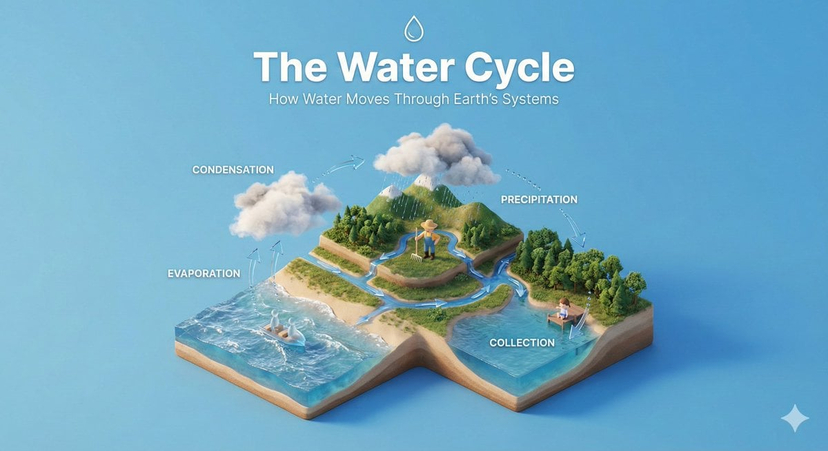
![3D isometric miniature diorama showcasing the productivity system — Create a 3D isometric miniature diorama showcasing the productivity system [SYSTEM NAME]. An](https://images.meigen.ai/tweets/2022522374483235110/0.jpg)

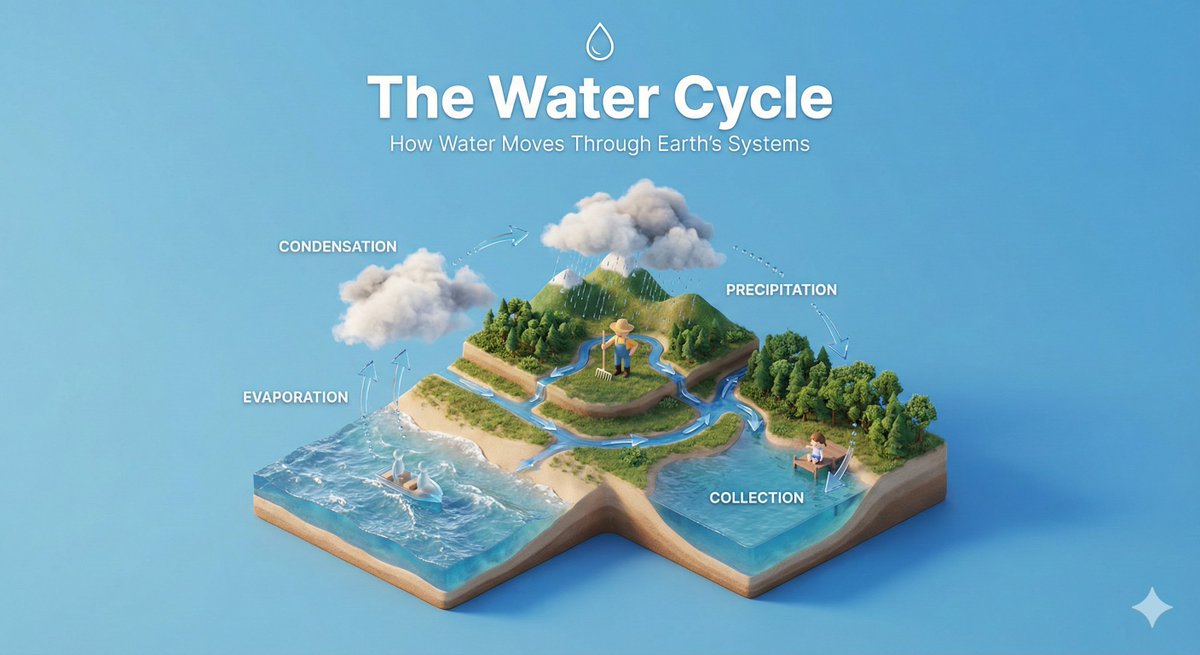
![45 top-down isometric miniature 3D diorama including all key objects — Create a 45° top-down isometric miniature 3D diorama of [SCENE], including all key object](https://images.meigen.ai/tweets/2013597392902246904/0.jpg)
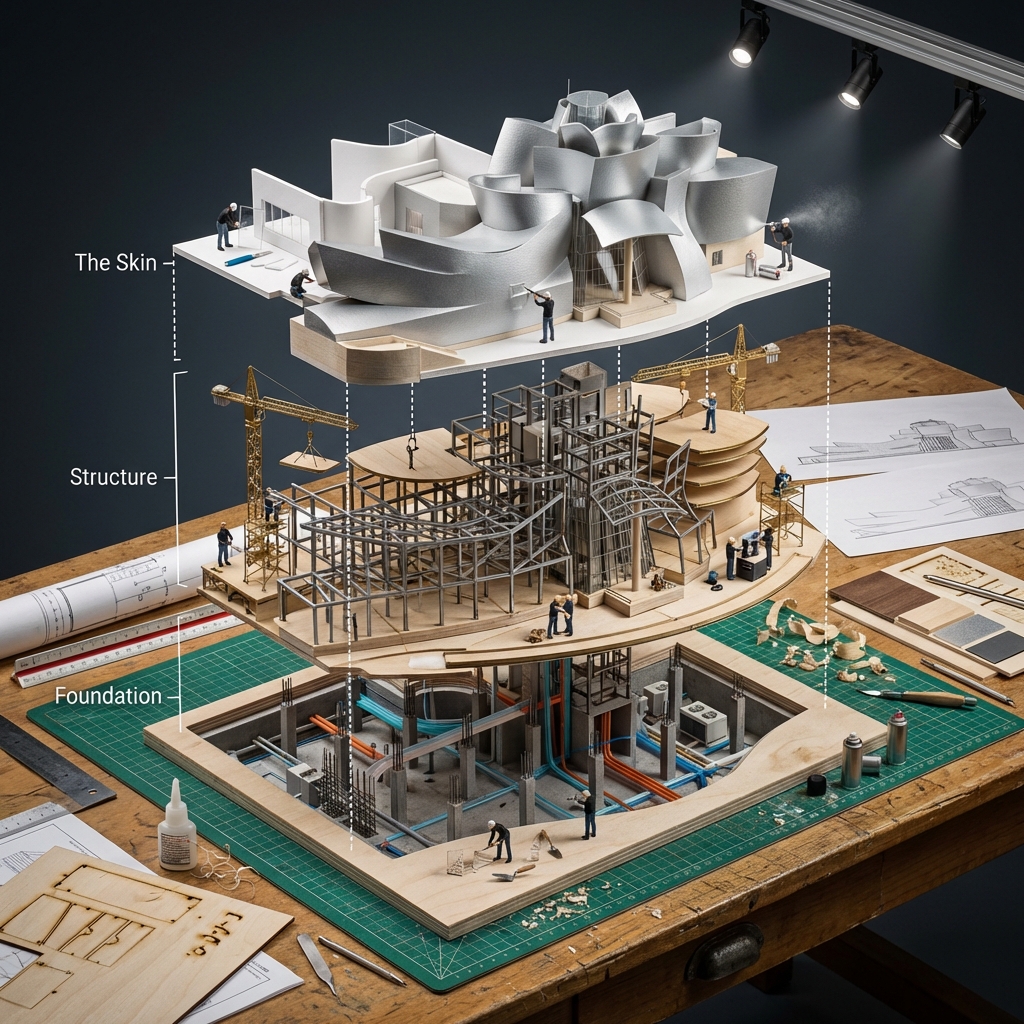
![Luxury Dessert Logo Product Photography — Minimalist luxury product photography of an edible sculpture inspired by the [brand name] logo. Logo transformed into](/_next/image?url=https%3A%2F%2Fcdn.picxstudio.com%2Fuploads%2Fmeigen_a9d271403edd_04fd5565-6f29-4349-9b66-e8e43523ac87.jpg&w=828&q=100)

![Isometric Brand Store Diorama — Present a clear, 45° top-down isometric miniature 3D cartoon diorama of the [BRAND], with soft refin…](/_next/image?url=https%3A%2F%2Fcdn.picxstudio.com%2Fuploads%2Fmeigen_18578a8c7cb6_25c7ccef-837d-4949-99fb-d6321dc5c72c.jpg&w=828&q=100)
![Clean isometric miniature 3D diorama visualizing the evolution — Create a clean isometric miniature 3D diorama visualizing the evolution of [TOPIC] from [START](https://images.meigen.ai/tweets/2022178815955636413/0.jpg)

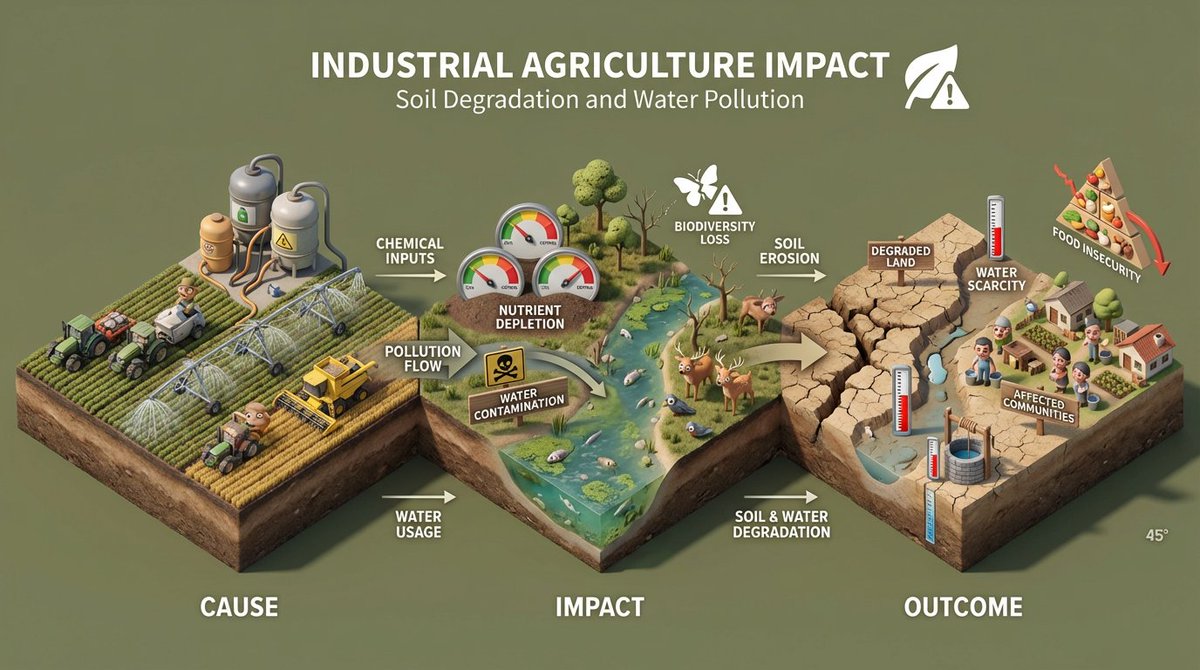
![Clear, side-facing isometric miniature 3D cartoon diorama of along — Present a clear, side-facing isometric miniature 3D cartoon diorama of [CITY] along the [WA](https://images.meigen.ai/tweets/2033888375619637274/0.jpg)
![Isometric Evolution Timeline Diorama — Create a clean isometric miniature 3D diorama visualizing the evolution of [TOPIC] from [START ERA] to [MODERN ERA]. Use](/_next/image?url=https%3A%2F%2Fcdn.picxstudio.com%2Fuploads%2Fmeigen_2022178815955636413_0b673cf9-af10-4759-9d89-36ed2bacb174.jpg&w=828&q=100)

![Miniature 3D isometric diorama showing the invention of at the moment — Create a miniature 3D isometric diorama showing the invention of [INVENTION NAME] at the](https://images.meigen.ai/tweets/2017449820928282857/0.jpg)
![3D isometric diorama illustration of an original character named — Create a 3D isometric diorama illustration of an original character named [CHARACTER NAME], p](https://images.meigen.ai/tweets/2035592959685525590/0.jpg)

![Playful Futuristic Brand Kit Board — Create a polished multi-page (multiple images) brand kit for a company called [YOYOYO]. The brand sh…](/_next/image?url=https%3A%2F%2Fcdn.picxstudio.com%2Fuploads%2Fmeigen_35482e665691_a87e3ac0-b1e5-4a95-a750-7378b7788369.jpg&w=828&q=100)
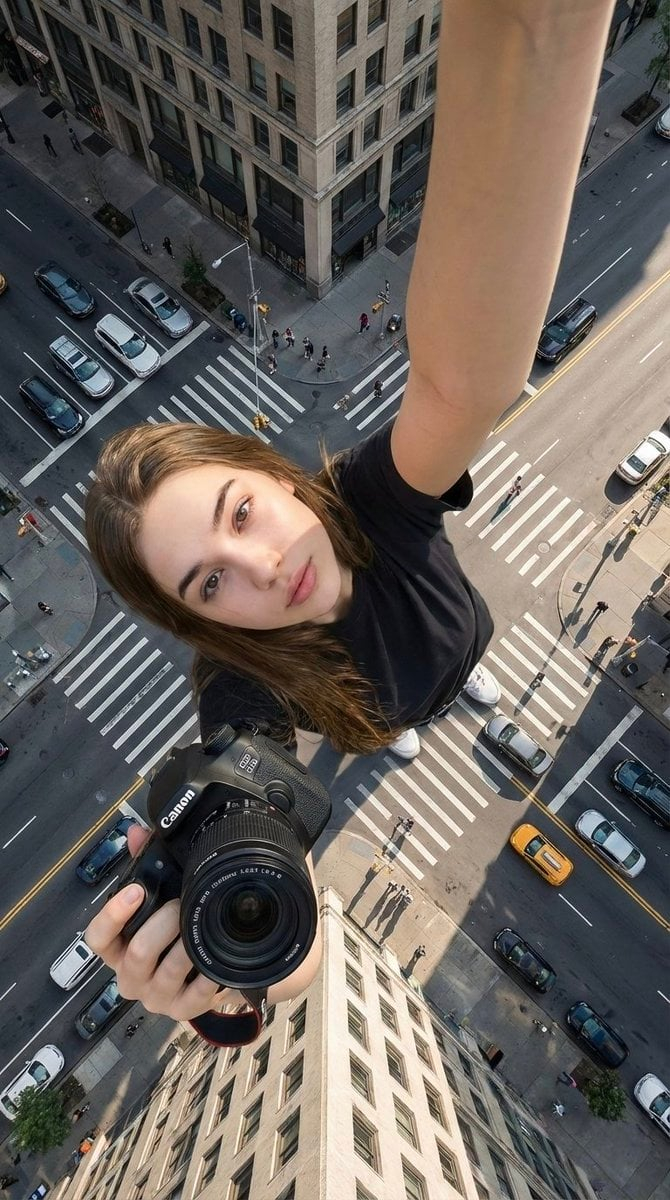
![Low Angle Product Fashion Campaign — Low-angle fashion campaign photograph of a confident model holding a large [product name] very close…](/_next/image?url=https%3A%2F%2Fcdn.picxstudio.com%2Fuploads%2Fmeigen_4c03edc4df35_6f63201c-902b-410c-8eaa-7760408114bb.jpg&w=828&q=100)
![Naive doodle-style subject illustration — A doodle-style {argument name="subject" default="[subject]"}, naive lines, humorous shape exaggeration](https://pbs.twimg.com/media/G6Wl2YxbsAARB2b.jpg)









![Soft Dreamy Holi Festival Portrait Prompt — Soft dreamy aesthetic portrait of {argument name="person description" default="[describe person]"} celebrating Holi,](https://pbs.twimg.com/media/HCjBcYBawAAyehq.jpg)
![Character Robotization and Technical Diagram Prompt — 【キャラクター設定】
※ここを描きたいキャラクターの外見に書き換えてください
[キャラクターの特徴]: {argument name="キャラクターの特徴" default="茶色のツインテール、マン…](https://pbs.twimg.com/media/G8kyXp5bEAA7mqR.jpg)






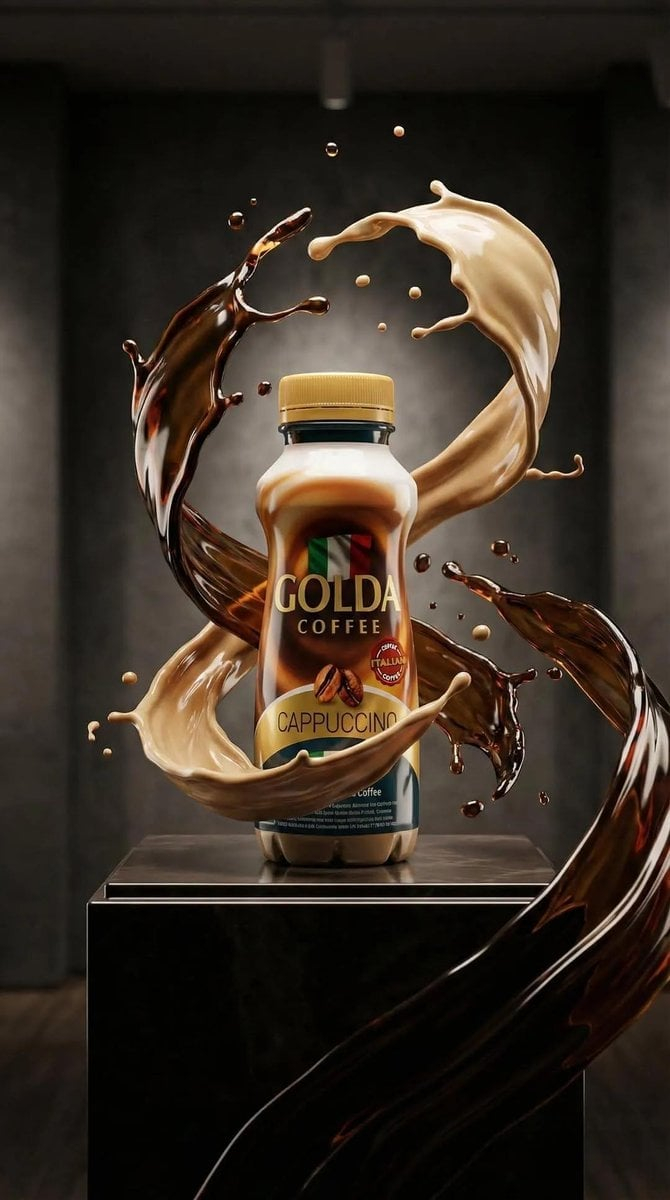
![Cutout Pop Product Photography Prompt — {argument name="product" default="[PRODUCT]"} suspended in front of a die-cut shape ({argument name="shape" default="cir](https://pbs.twimg.com/media/G9p17ttbwAAOwd-.jpg)
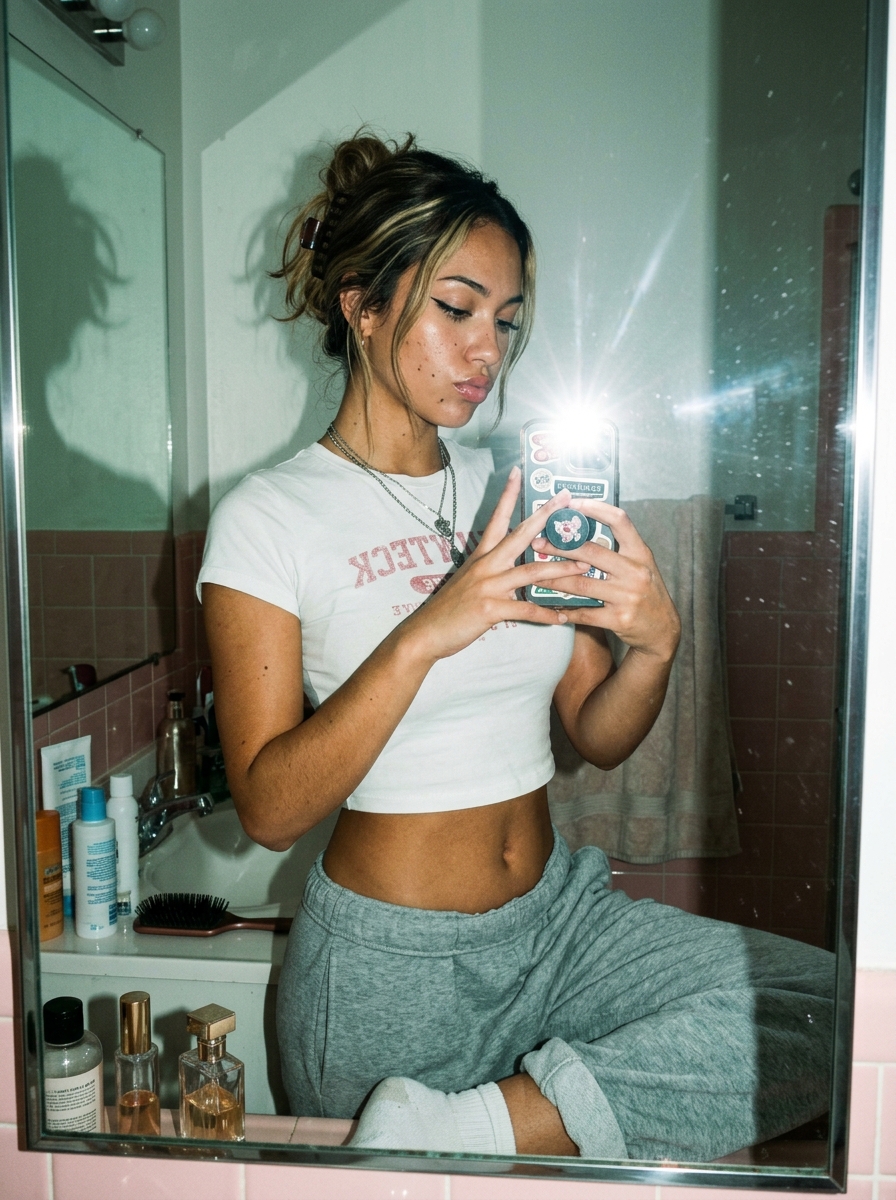




![Hyper-Realistic Summer Vacation Photo Prompt with Extreme Figure — - [ ] UHD photos taken on a smartphone with a high-end mobile CMOS sensor, 9:16 vertical form](https://pbs.twimg.com/media/HAtmNn4aMAAqKIX.jpg)