How do I use the Sanrio Tarot Card Risograph Simulation template?
Choose the primary action to open PicX Studio with the available template settings. Review the model and format, personalize the creative direction, and generate when ready.
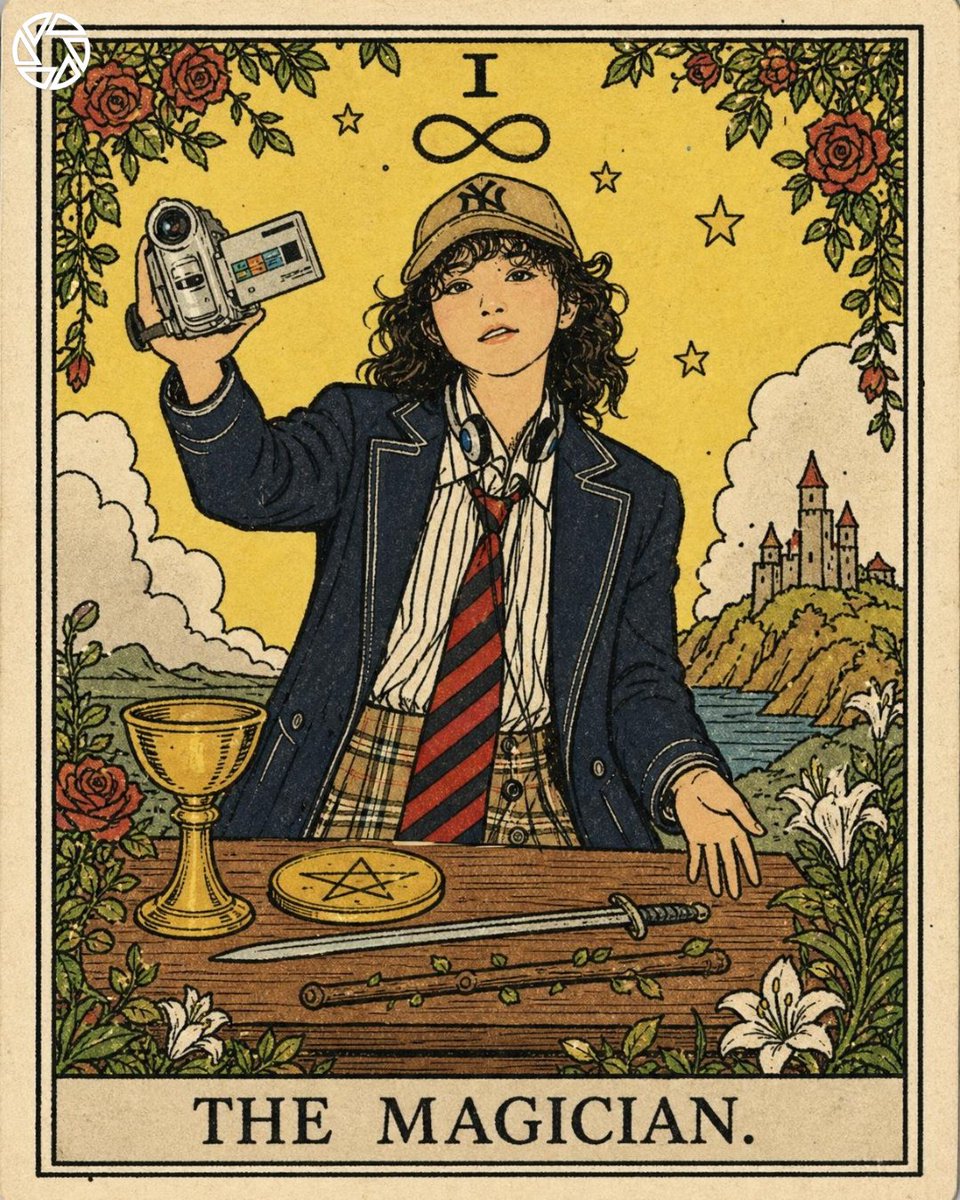
A highly specific prompt for generating a single Major Arcana tarot card featuring a randomly selected official Sanrio character. Change the subject, setting, or lighting one variable at a time.

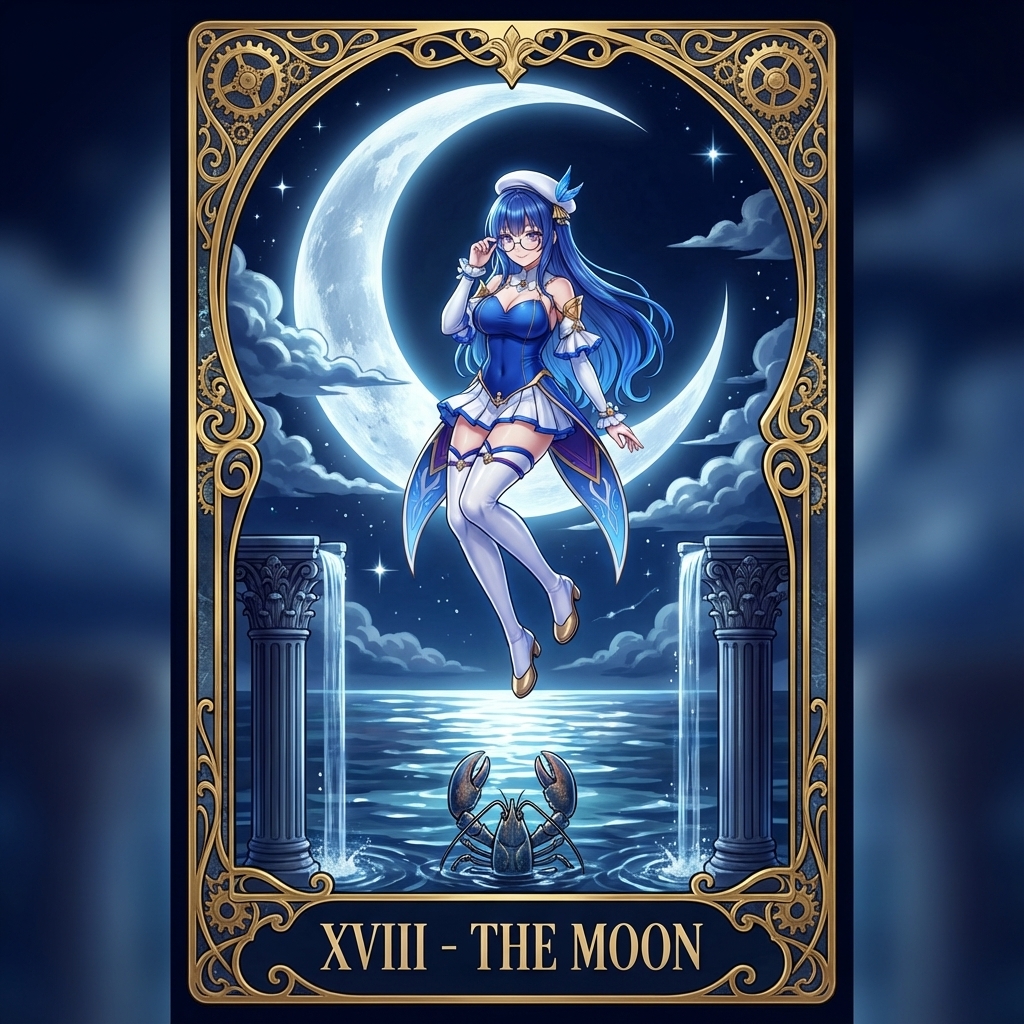
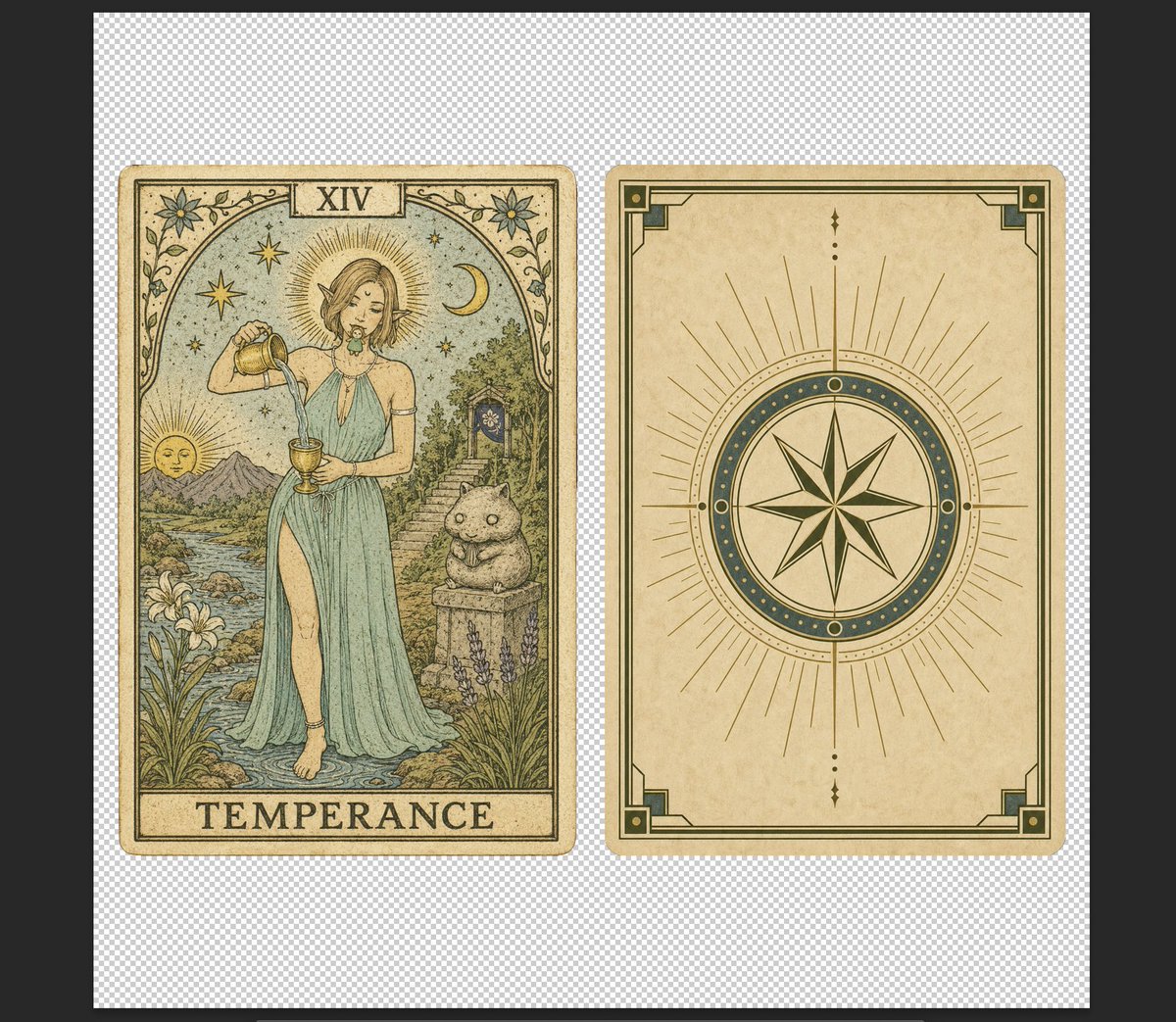
Create a single Major Arcana tarot card featuring one randomly selected official Sanrio character from this list: Hello Kitty, My Melody, Kuromi, Cinnamoroll, Pompompurin, Keroppi, Badtz-Maru, Little Twin Stars (Kiki & Lala), Chococat, Tuxedo Sam, Gudetama, Aggretsuko, Hangyodon, Dear Daniel, or Usahana. CRITICAL: The character MUST be assigned a randomly chosen zodiac theme AND a randomly chosen Major Arcana card (The Fool, The Magician, The High Priestess, The Empress, The Emperor, The Hierophant, The Lovers, The Chariot, Strength, The Hermit, Wheel of Fortune, Justice, The Hanged Man, Death, Temperance, The Devil, The Tower, The Star, The Moon, The Sun, Judgement, The World) - both assignments are non-negotiable and mandatory. The zodiac symbolism must be woven into the tarot card's meaning and visual metaphors. Render in traditional tarot card proportions (2.75:4.75 ratio, portrait orientation) with an ornate decorative border featuring Art Nouveau-inspired flowing lines, celestial motifs, and geometric patterns that reference both the zodiac sign and tarot symbolism. The character must be depicted with 100% canonical accuracy maintaining exact official Sanrio proportions and features, positioned centrally as the card's main subject in a pose that embodies the tarot card's archetypal meaning. The entire composition must be a high-quality risograph print simulation featuring authentic soy-based ink grain texture that mimics absorption on uncoated 80-120gsm paper stock, stochastic dot stippling using randomized diffusion dither patterns (not regular halftone grids), fine sand-like noise within all color fills simulating Grain Touch screening mode, organic ink density variations creating tonal shifts without smooth gradients, slight dot gain effect at color boundaries, and spot color separation logic with translucent ink layering behavior rather than CMYK process colors. Colors must be bold, flat, vibrant, and fully saturated (80-100% chroma) with maximum brightness, utilizing fluorescent ink vibrancy where appropriate and showing no fading, desaturation, or washed-out pastels. The border design should use a maximum of 3-4 spot colors plus black, with the character surrounded by a thick uniform black outline (3-4pt stroke weight). Background within the border should be cream/off-white (#FFF8E7) to simulate aged tarot card stock. The output must be 3000×5200px resolution in sRGB, containing absolutely no text labels, character names, tarot card titles, zodiac symbols (♈♉♊♋♌♍♎♏♐♑♒♓), Roman numerals, descriptive typography, or dimensional effects like drop shadows.
Choose the primary action to open PicX Studio with the available template settings. Review the model and format, personalize the creative direction, and generate when ready.
Yes. You can change the subject, setting, lighting, mood, format, and available model controls before creating your image.
This template is free to open and customize. Generation usage is shown in PicX Studio before you create.
Start with Nano Banana 2, which is the model associated with this template. You can compare another compatible model for a different finish.
Follow a topic to a crawlable collection of related PicX Studio templates.
43,474 public templates available. Verified via the PicX Studio public templates API; refreshed hourly.










![Naive doodle-style subject illustration — A doodle-style {argument name="subject" default="[subject]"}, naive lines, humorous shape exaggeration](https://pbs.twimg.com/media/G6Wl2YxbsAARB2b.jpg)








![Bauhaus Geometry Minimal Illustration Template — Depict {argument name="subject" default="[SUBJECT]"} using Bauhaus-inspired minimalism: strict geometry, primar](https://pbs.twimg.com/media/G_V0EdxaUAACK44.jpg)


![Neon X-Ray Photorealistic Scan — Neon X-Ray Photorealistic {argument name="object" default="[OBJECT]"} shown as glowing X-ray scan ag…](https://pbs.twimg.com/media/HA-QQVdbcAAz3E1.jpg)


![Object as Shelter: Naturalistic Storytelling — A massive {argument name="everyday object" default="[EVERYDAY OBJECT]"} casually used as temporary shelter by tin](https://pbs.twimg.com/media/G9OWuRMaUAAELQY.jpg)