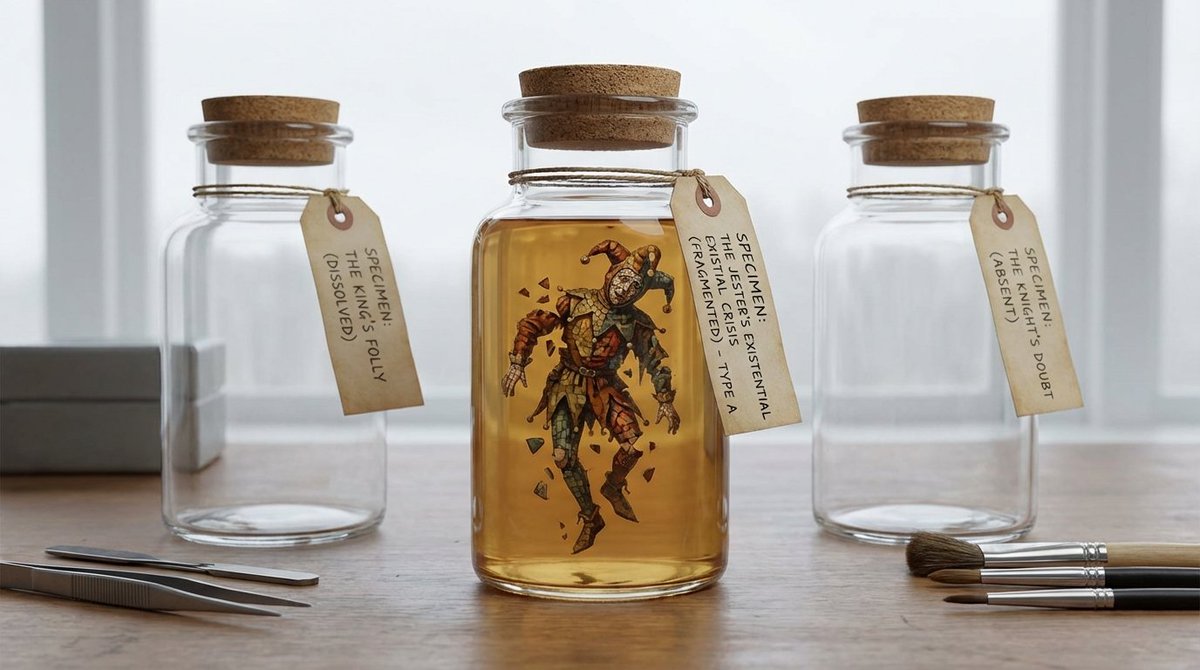
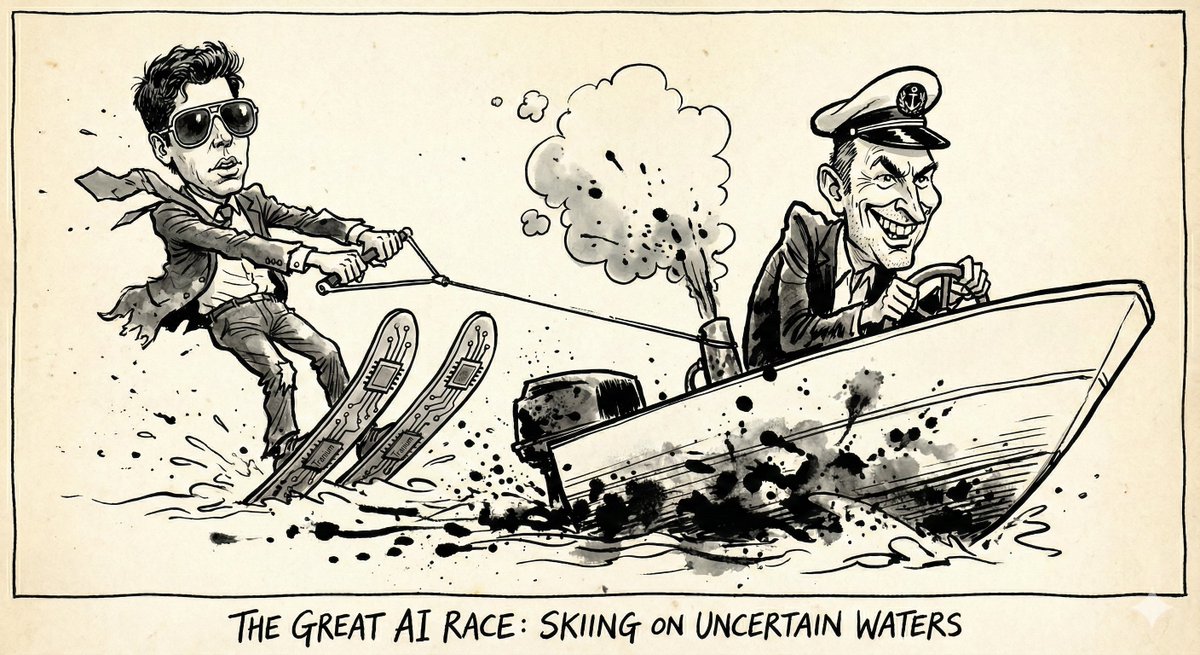
A highly structured prompt template designed to transform any input object (e.g., a tiger, skull, sneaker) into a complex, high-performance Cyber-Industrial Assembly. It specifies material replacement (carbon fiber, gunmetal polymer), internal mechanics (cabling, neon glow), and technical rendering details (Hard Surface Modeling, Isometric 3D Render).

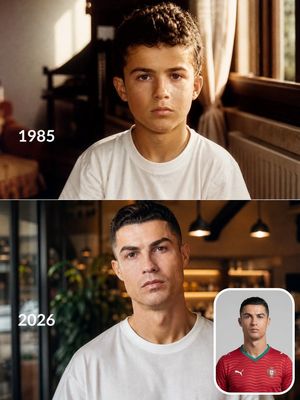
<instructions> Input Variable: {argument name="object" default="[INSERT OBJECT]"} (e.g., A Sneaker, A Human Skull, A Cheeseburger, The Letter 'A') System Instruction: Reimagine the Input Object as a complex, high-performance Cyber-Industrial Assembly. If person or animal, preserve the exact pose, camera anlge, made the hair or fur out of carbon fiber or appropriate material. 1. The "Chassis" Deconstruction: The Shell: Replace the object's natural skin with Matte Black Carbon Fiber and Gunmetal Grey Polymer. The Segmentation: The object is not solid. It is segmented into distinct panels (like Iron Man armor or a high-end camera body), held together by visible Hex Bolts and Rivets. The Gaps: Between the panels, leave small gaps to reveal the internal mechanics. 2. The "Vein" System (Internal Mechanics): The Piping: Where organic veins or structure would be, insert Bundled Industrial Cabling and Braided Steel Hoses. The Flow: These cables must look functional, routing power from a central core to the extremities of the object. The Glow (The Soul): Color: Identify the "Spirit Color" of the object (e.g., Burger = Amber/Orange; Skull = Cyan/Blue; Sneaker = Neon Green). Source: Hidden LED strips and neon tubes run parallel to the cables, casting a strong internal glow that spills out from the panel gaps. 3. The Narrative Micro-Detail (The Greebles): Scale Indicators: Embed tiny technical details to sell the scale. Vents: Cooling fans or intake grilles. Text: Tiny white serial numbers and warning labels (e.g., "CAUTION: HOT", "NO STEP") printed on the casing. The "City" (Optional): If the object is large enough, tiny architectural elements (antennas, platforms) can grow out of the mechanical base. 4. Visual Syntax & Composition: Background: Clean Studio Grey (Infinite Curve). The focus is entirely on the object's silhouette. Lighting: Key Light: Soft white studio light to highlight the texture of the carbon fiber weave. Rim Light: A sharp backlight to define the edge of the object against the grey background. Bloom: The internal colored LEDs must have a soft "Octane Bloom" effect. 5. Render Style: Aesthetic: Hard Surface Modeling, "Tech-Wear" Fashion, High-End Automotive Design. Camera: Isometric or 3/4 Product Shot angle. Output: Photorealistic 3D Render, 8k, Highly Detailed Textures (Carbon Fiber, Brushed Metal, Rubber). </instructions>
Click to start creating with this template
<instructions> Input Variable: {argument name="object" default="[INSERT OBJECT]"} (e.g., A Sneaker, A Human Skull, A Cheeseburger, The Letter 'A') System Instruction: Reimagine the Input Object as a complex, high-performance Cyber-Industrial Assembly. If person or animal, preserve the exact pose, camera anlge, made the hair or fur out of carbon fiber or appropriate material. 1. The "Chassis" Deconstruction: The Shell: Replace the object's natural skin with Matte Black Carbon Fiber and Gunmetal Grey Polymer. The Segmentation: The object is not solid. It is segmented into distinct panels (like Iron Man armor or a high-end camera body), held together by visible Hex Bolts and Rivets. The Gaps: Between the panels, leave small gaps to reveal the internal mechanics. 2. The "Vein" System (Internal Mechanics): The Piping: Where organic veins or structure would be, insert Bundled Industrial Cabling and Braided Steel Hoses. The Flow: These cables must look functional, routing power from a central core to the extremities of the object. The Glow (The Soul): Color: Identify the "Spirit Color" of the object (e.g., Burger = Amber/Orange; Skull = Cyan/Blue; Sneaker = Neon Green). Source: Hidden LED strips and neon tubes run parallel to the cables, casting a strong internal glow that spills out from the panel gaps. 3. The Narrative Micro-Detail (The Greebles): Scale Indicators: Embed tiny technical details to sell the scale. Vents: Cooling fans or intake grilles. Text: Tiny white serial numbers and warning labels (e.g., "CAUTION: HOT", "NO STEP") printed on the casing. The "City" (Optional): If the object is large enough, tiny architectural elements (antennas, platforms) can grow out of the mechanical base. 4. Visual Syntax & Composition: Background: Clean Studio Grey (Infinite Curve). The focus is entirely on the object's silhouette. Lighting: Key Light: Soft white studio light to highlight the texture of the carbon fiber weave. Rim Light: A sharp backlight to define the edge of the object against the grey background. Bloom: The internal colored LEDs must have a soft "Octane Bloom" effect. 5. Render Style: Aesthetic: Hard Surface Modeling, "Tech-Wear" Fashion, High-End Automotive Design. Camera: Isometric or 3/4 Product Shot angle. Output: Photorealistic 3D Render, 8k, Highly Detailed Textures (Carbon Fiber, Brushed Metal, Rubber). </instructions> Features: 100% free. PicXStudio's AI-powered template for instant image generation.
Optimised for nano-banana-2. Free to use — no sign-up required.