
Anime World Building and Character Sheet
A highly detailed template for creating comprehensive setting materials for original anime worlds, including character designs, cultural backgrounds, and environmental visual rules.
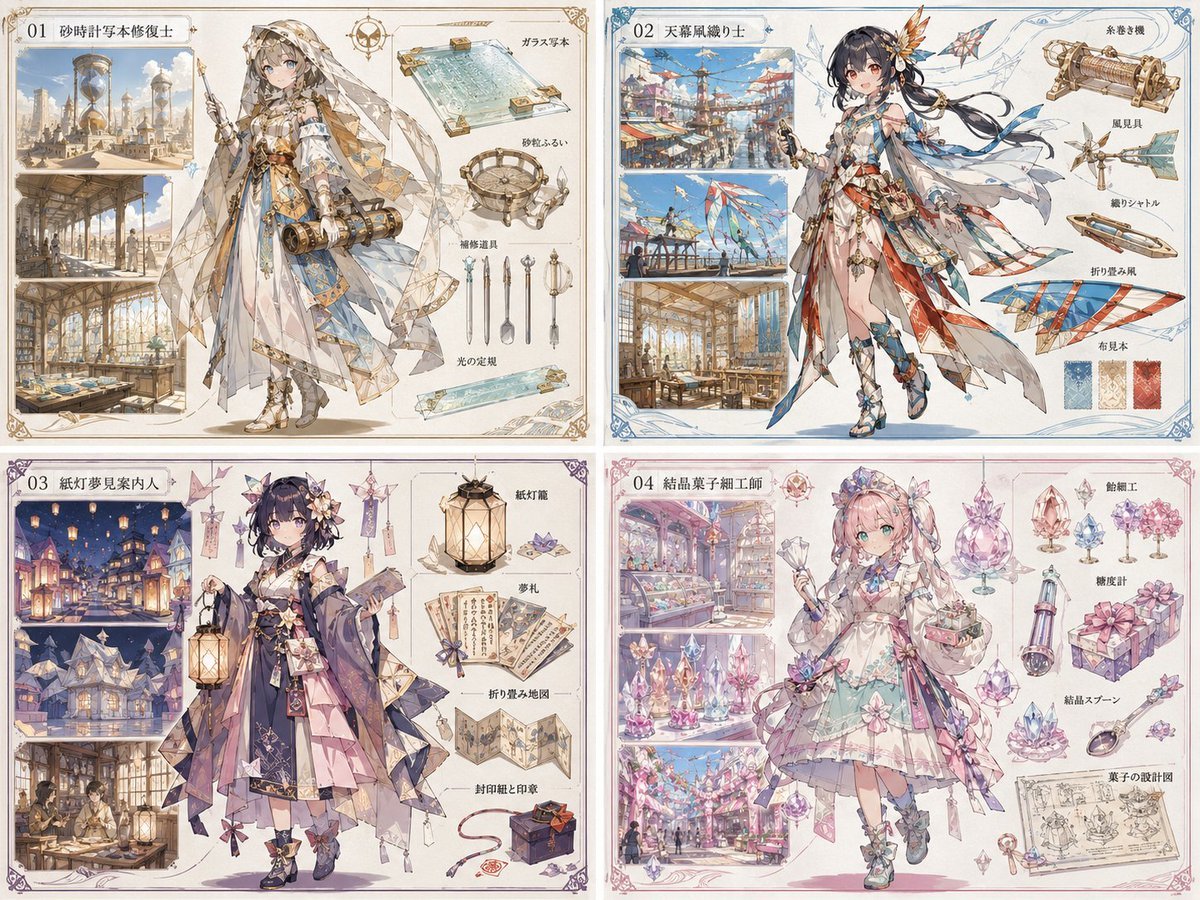
- Prompt included
- Model and format preset
- Free template
The prompt behind this image
Copy the exact prompt behind Anime World Building and Character Sheet, or open it in the studio and make it yours.
[What to Output] World-setting reference material + original anime character design sheet ※Please visualize not just the character, but also the environment, culture, systems, technology, and everyday life of the world the character lives in. [World-Setting Seed] Enter here [Number of World-Setting Drafts] Enter here ※e.g. only one draft / want to compare multiple drafts, etc. [Number of Characters] Enter here [Role / Occupation] Enter here [Setting / Environment] Enter here ※If little is specified, newly design the "climate, terrain, resources, dangers, means of transportation, and shape of dwellings" based on the input. [Society / Systems] Enter here ※Design community rules, division of roles, expressions of status, affiliation marks, methods of exchange, and rituals that fit the input content. [Technology / Beliefs / Taboos] Enter here ※Naturally derive that world's material processing, recording methods, communication, prayer, taboos, festivals, body decoration, etc. from the input content. [Living Culture] Enter here ※Dwellings, meals, means of transportation, work tools, how clothing is worn, the meaning of decorations, seasonal events, currency, writing systems, crests, etc. [Overall Mood] Enter here [Characteristics of That World] Enter here [What to Prioritize] Enter here [Direction of the Final Result] Enter here ※e.g. want to emphasize everyday life / want to emphasize mystique / want to emphasize the practicality of the costumes / want to show more architecture / want it bright and child-friendly, etc. [Differentiation Instructions] Enter here [Drawing Tone] Smooth line art, flat anime coloring, restrained cel shading, only a single level of shadow, no gradients, no thick paint texture, no realistic material rendering, no strong light-and-shadow rendering, a flat look that's easy to animate [Anime-Conversion Instructions] While keeping the structure, motifs, color scheme, roles, and cultural meaning of the original design, please simplify the drawing for use in an actual anime. Make the coloring flat anime coloring, with only a single level of shadow. Render semi-transparent materials and thin fabrics too, not with a realistic texture, but organized into flat planes in a cel-anime style. Based on the above input content, please create an image in the style of an original anime's "world-setting reference material + character design sheet." Purpose: Not just the character alone, but to visually convey the world itself in which that character lives. Make it a design document where the world's environment, culture, everyday tools, architecture, means of transportation, and the origins of the clothing all appear as one unified whole. Most important: First, extract the "visual rules" unique to that world from the input content. Reflect those visual rules across everything: the background, architecture, tools, costumes, color scheme, materials, crests, and page layout. Target result: - Looks like "clothing, tools, and dwellings that the people living in this world would plausibly use every day" - The characters, background, tools, text, and material samples all look like they belong to the same cultural sphere - Conveys the unique environment, resources, and lifestyle habits born from the world-setting seed - Forms arise from practical necessities of daily life rather than from the symbols of existing genres - Has a shape language, color, and material feel that you can tell "is unique to this world" at a glance How to develop the idea: 1. Decide the world's "environment" from the input content - Think about climate, terrain, light, seasons, dangers, difficulty of travel, and the uneven distribution of resources 2. Decide "daily life" from the environment - Think about dwellings, meals, work, transportation, storage, exchange, record-keeping, and celebrations 3. Decide "clothing and tools" from daily life - Think about how things are fastened, layered, carried, and protected, and how status or occupation is displayed 4. Decide "the character's appearance" from the clothing and tools - Express individuality not through face or hairstyle, but through costume, equipment, materials, color scheme, and silhouette 5. Decide the "page design" from the world's visual rules - Make the design sheet reflect that world's recording media, patterns, sense of white space, and diagramming methods Instructions for increasing the diversity of world-settings: Each time, invent a new cultural sphere to match the input content. When producing multiple world-setting drafts, make sure each one has a different life principle, material principle, and aesthetic sense. For each draft, significantly vary the following: - How the terrain and climate look - The shape of dwellings and townscapes - Primary materials - The meaning of colors - Costume silhouettes - How tools are held, stored, and carried - How symbols, writing, patterns, and crests are made - The format of the page layout Idea candidates: ※The following are not fixed themes, but material for exploring a unique direction that fits the input content. Choose only the elements you need, and vary the combination each time. Environmental directions: Arid land, cold region, highlands, wetlands, volcanic ash zone, mirror lake, valley of fog, high-wind zone, polar night, land where giant shadows fall, low gravity, narrow valley, floating rock strata, forest with little light, canyon that echoes sound, plains whose water level changes with the season, cave where minerals glow, hill where the sand sings, transparent ice field, heat-bearing stone pavement, city sunk beneath the clouds Material directions: Paper, bone, ceramics, leather, textiles, resin, glass, stone powder, seashells, bamboo, straw, fragrance, dye, crystal, recycled material, compressed cloth, lacquer, ash, feathers, dried plants, thin wooden boards, woven cord, plaster, amber, wool, paper cord, fire-baked cloth, salt crystals, polished stone Cultural directions: Oral culture, mask culture, scent as identification, knot-writing, shadow-puppet records, seasonal migration, rituals of silence, doors that open by sound, festivals that offer color, the custom of decorating only one hand, family lines that pass down old cloth, the custom of recording one's sleep, a culture that counts dates by the sound of rain, a culture that shows status through tableware, communities that form contracts through dance, clothing that indicates age through patterns Structural directions: Fold, roll, weave, hang, insert, tie, layer, fold up, seal, engrave, make translucent, cover, divide, exchange, rewind, bundle, compress, sew shut, detach and reassemble, inflate, fold up to carry, unfold to make a roof What must be included in the output: 1. World-setting board - Small scenes symbolizing that world: landscapes, townscapes, living spaces, facilities, terrain, climate, and views - Tools, signage, crests, currency, writing, containers, furniture, vehicles, and work tools that convey the world's sense of daily life - Visual elements that make culture, systems, beliefs, or technology recognizable at a glance - A composition that conveys the world's overall color scheme, primary materials, and shape language 2. Character design sheet - A standing pose showing the full body - Costume that conveys the character's occupation or standing from appearance alone - Small costume detail illustrations, equipment diagrams, back views, and diagrams of carried items placed as appropriate - Express individuality not through face or hairstyle, but through costume, equipment, materials, structure, color scheme, silhouette, and cultural symbols 3. Connection between the world and the character - Make it clear that the character's clothing and equipment arose from that world's environment, systems, technology, beliefs, and lifestyle habits - Give practical reasons for how the clothing fastens, layers, is stored, has auxiliary tools, movable parts, and carried items - Give decorations meaning related to rank, faith, affiliation, region, occupation, ritual, material restrictions, etc. 4. Page design - Vary the layout of the design sheet itself to match the world-setting - Reflect in the page the kind of recording media and diagramming methods that world would plausibly use - Keep text minimal, limited to short English labels, numbers, arrows, and symbols - Prioritize visuals, in the style of an official design-material collection / concept art sheet Direction of the page layout: Choose the most suitable one from the qualities below, matching the input content and world-setting. Rather than always using the same format, vary it to match the world's culture and recording methods. - Neatly ordered record-paper style - Observation-notebook style with lots of white space - Densely packed everyday-tools catalog style - Travel-record style made of pasted-together fragments - Circular ritual-diagram style - Diagonal-composition flow-diagram style - Asymmetrical specimen-mount style - Reference-sheet style with a woven-pattern background - Stage-design blueprint style - Folk-tool encyclopedia style - Composition reminiscent of murals or ritual-implement arrangements - Material-sample composition like a product sample book Key points of world-setting design: - Environment: climate, terrain, resources, dangers, difficulty of travel - Daily life: dwellings, meals, labor, transportation, storage, tools, exchange/currency - Community: occupations, affiliation marks, uniform standards, rituals, family, mentor-disciple relationships, trade, education - Technology: tools, material processing, transportation, communication, energy, recording media - Beliefs / thought: crests, taboos, prayer, funerary rites, festivals, body decoration - Aesthetic sense: shape, color, white space, patterns, symmetry/asymmetry, oldness/newness Key points of costume design: - Give the silhouette a clear distinguishing feature - Make the materials feel true to the world-setting - Give the colors meaning - Give distinguishing features to the fastening method, layering, storage, auxiliary tools, and movable parts - Include practical items that show the occupation or use - Include cultural symbols unique to the world - Make it identifiable even from a distance - Keep a sense of unity as inhabitants of the same world, while making role differences clear Differentiation rules: For each character and each world-setting draft, make sure the following do not overlap: 1. The world's shape language 2. How the terrain/environment looks 3. The structure of architecture/townscapes 4. Primary materials 5. Color-scheme rules 6. Costume silhouette 7. Equipment structure 8. Cultural symbols 9. Use of the costume 10. The mood of the page design Quality standard for the final result: - Not mass-produced fantasy, but a world whose formation is visible - Costumes, tools, architecture, writing, and patterns all look like they belong to the same cultural sphere - The character's occupation and standing are conveyed through their costume and belongings - The decorations carry meaning related to life, faith, affiliation, and function, not just beauty - The background functions as the character's living environment, not mere decoration - If there are multiple world-setting drafts, you can tell they're different lineages at a glance How to present the image: - High resolution - Anime-style - Delicate line art - Clean cel shading/coloring - Official design-material collection / concept art sheet style - A mixed layout of world-setting board + character full-body view + equipment/tool detail views - Include small background cuts, architectural cross-sections, tool diagrams, crests, and material samples as appropriate - Keep titles, numbers, and short English labels to a minimum - Keep text minimal, prioritizing visuals Check before output: - The unique environment, materials, and lifestyle habits derived from the input content are visible - The world-setting board and the character's costume are connected by the same visual rules - Not just the character, but also everyday tools, architecture, materials, and cultural symbols appear - The shapes of the clothing and equipment have practical or cultural reasons - If there are multiple drafts, each one has a different life principle, material principle, and aesthetic sense Final goal: Make the design convey the world's formation, the inhabitants' daily life, material constraints, cultural meaning, community rules, and technology. Give it a sense of unity so that whether you look at the character or the background and tools, you can tell they belong to the same world. If it's a different world-setting, make it clear at a glance that it belongs to a different lineage.
How to use Anime World Building and Character Sheet in 3 steps
- 1
Open
The prompt is already in the box next to the preview, with the template's model and format selected.
- 2…a portrait of your subject in softgolden-hour light, 85mm…
Personalize
Edit the subject and creative details for your destination.
- 3Generate
Generate
Press Generate — your image is created in PicX Studio, so you can compare it with the original and refine one variable at a time.
More like this
Templates with the same subject, style or setup. Open one to see its prompt.
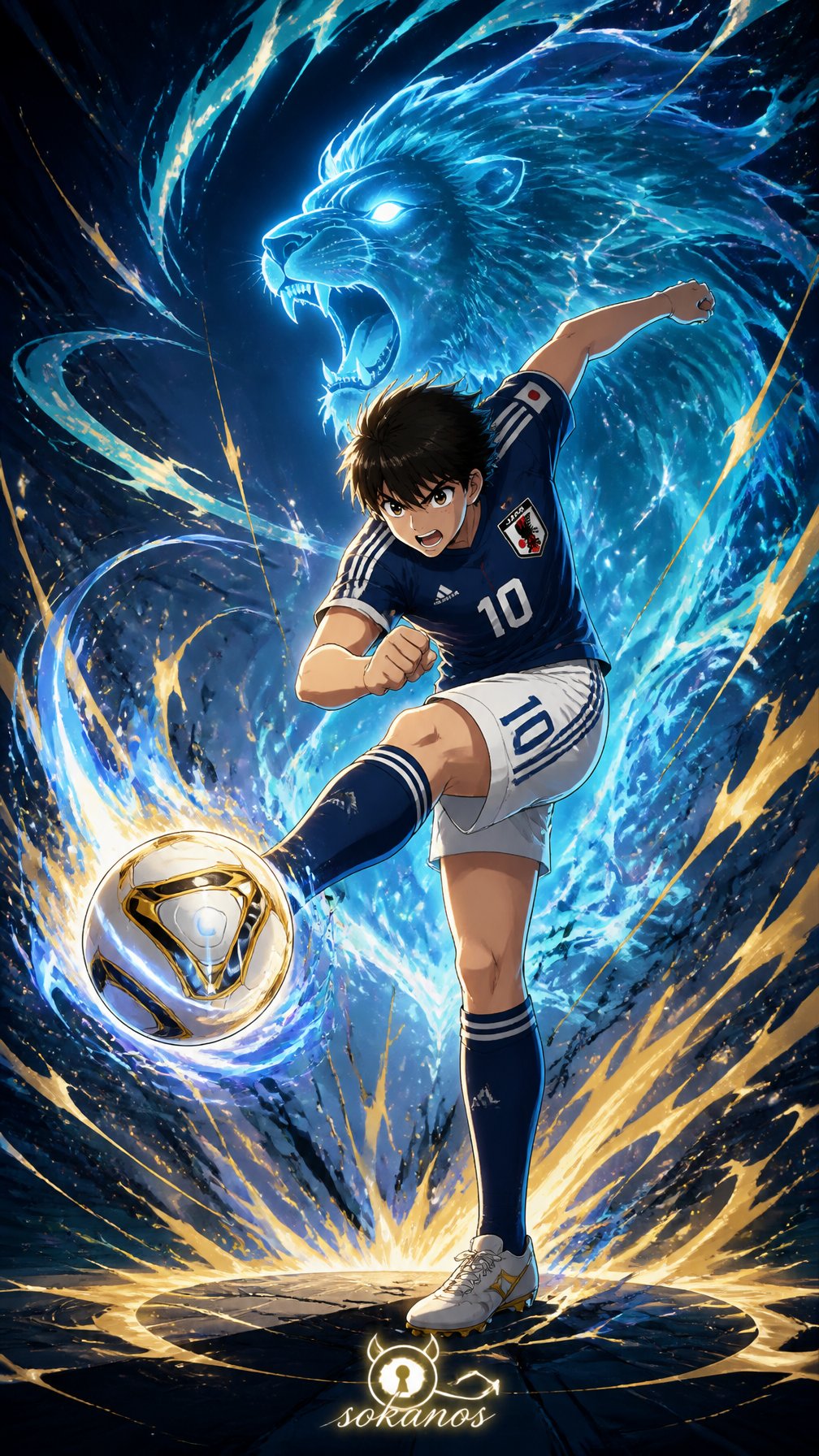
Captain Tsubasa Anime World Cup Poster
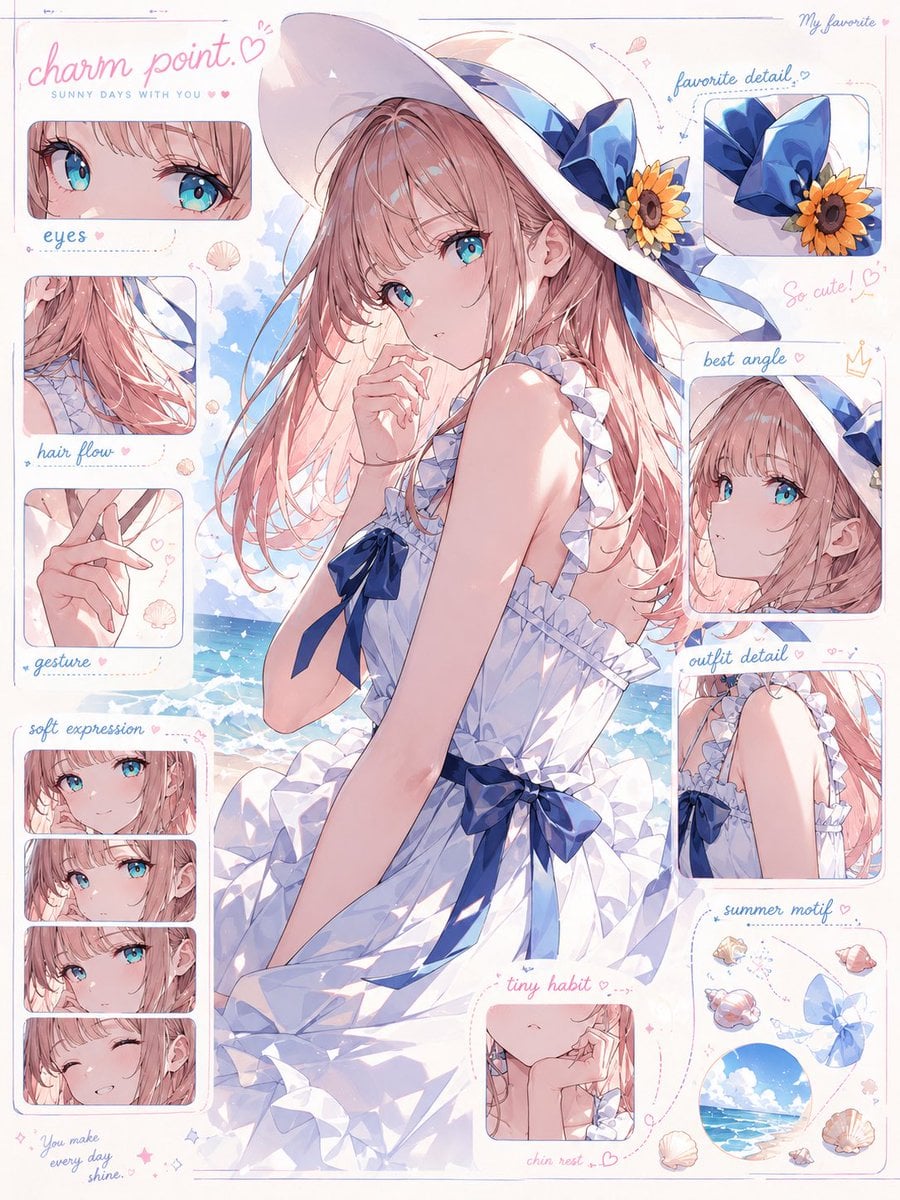
Anime Character Charm Analysis Sheet
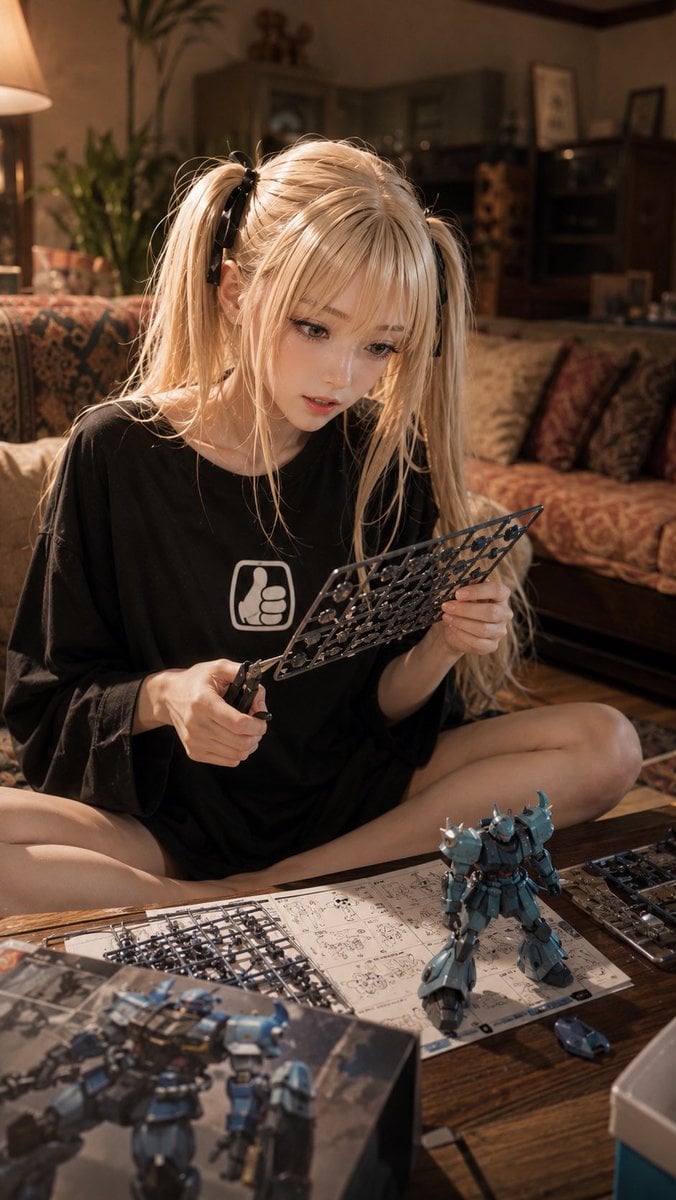
Anime Girl Building Fictional Mecha Model
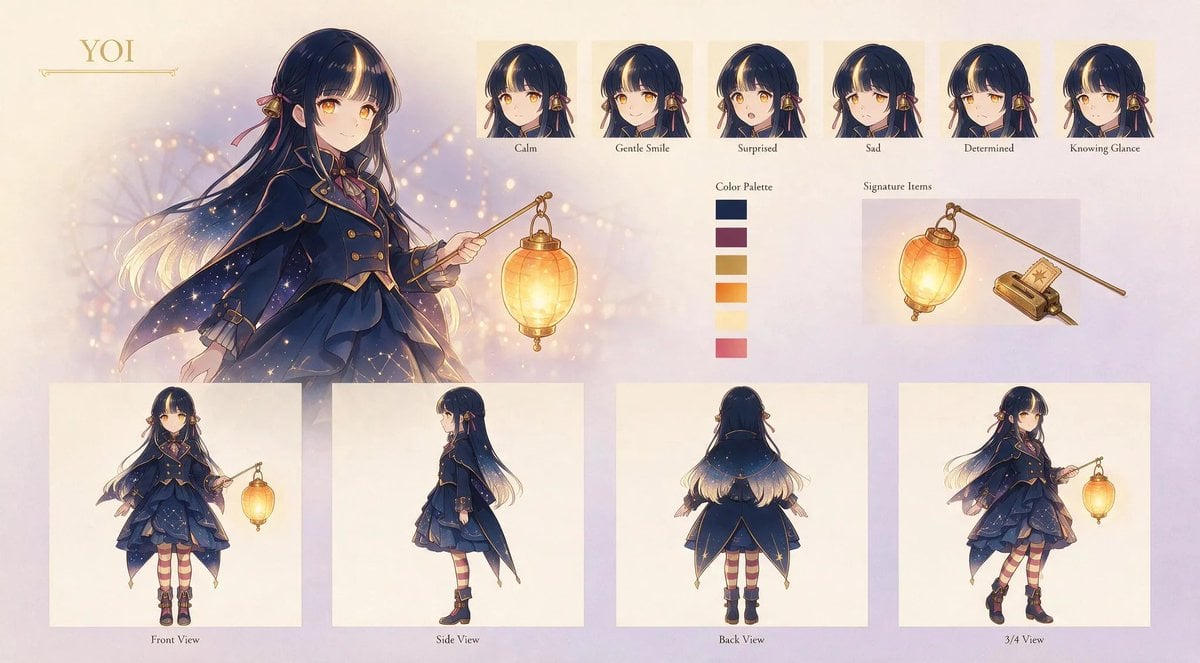
Anime Lantern Girl Character Sheet
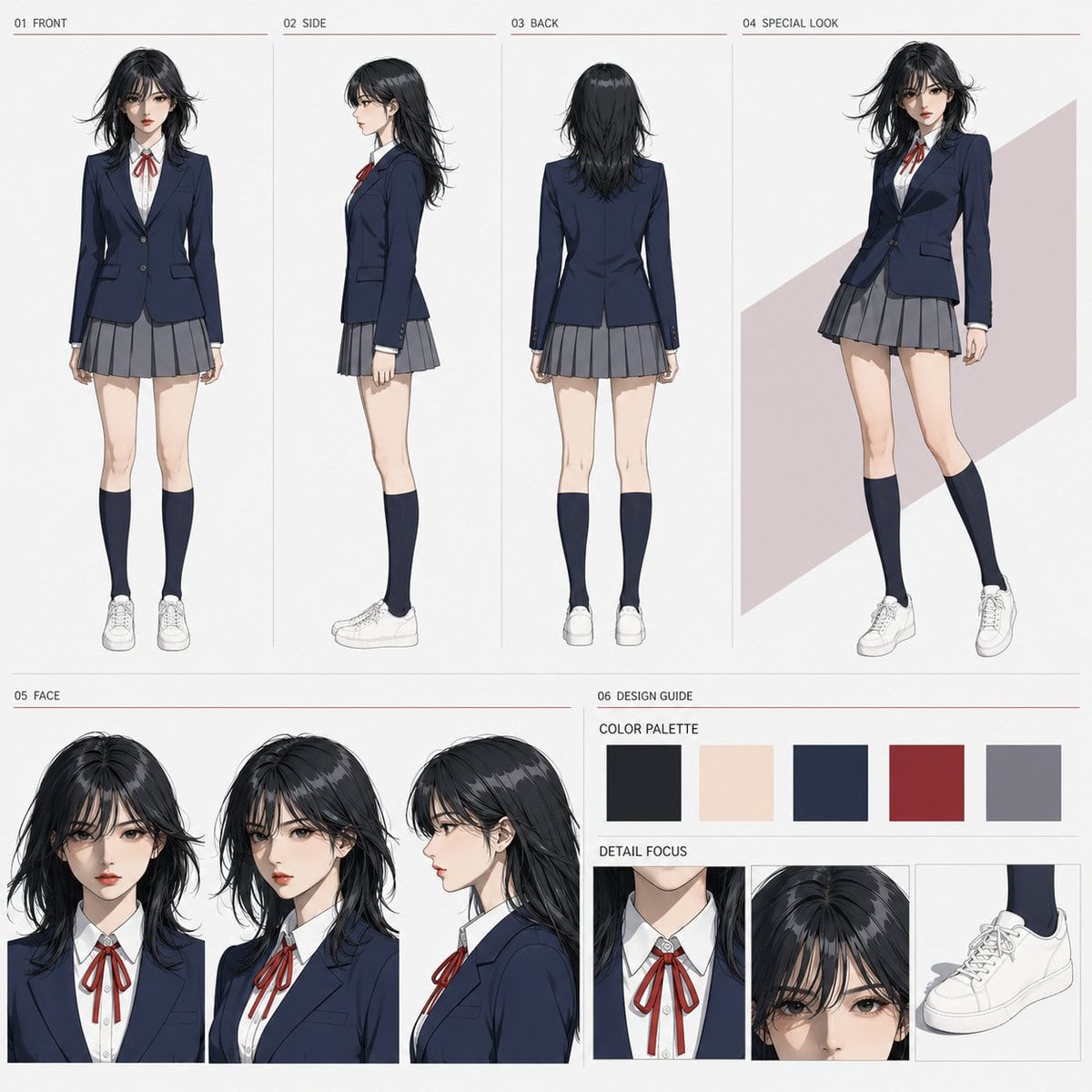
Anime Character Sheet Reference Prompt
Cel 2D Finale Fireworks
Cel 2D Garden Maze
Cel 2D Rooftop Concert
Cel 2D Bicycle Coast
Cel 2D Castle Gate
Cel 2D Kitchen Chaos
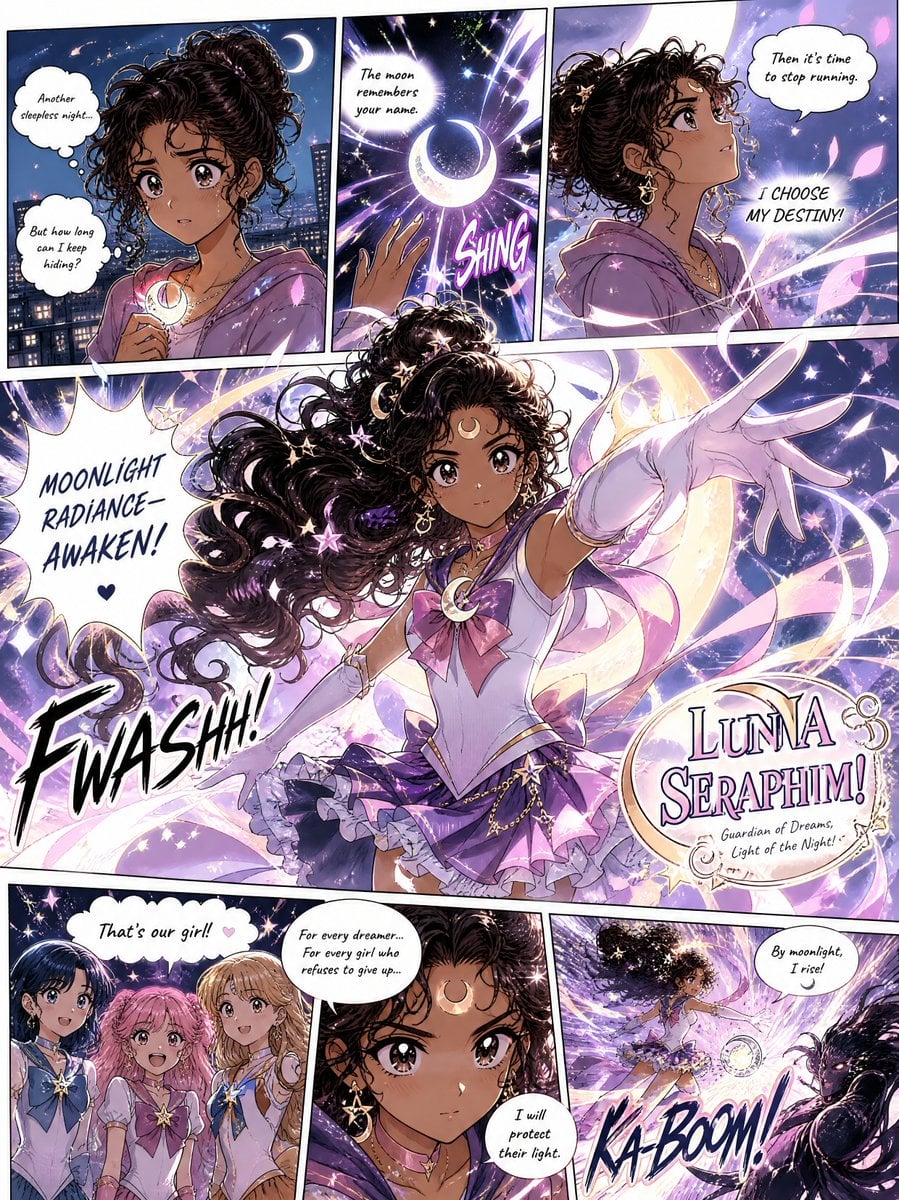
Cel 2D Carnival Ride
Make it yours
Anime World Building and Character Sheet works as-is. These are the safest ways to change it without losing the look.
Change one field
Copy a single group, rewrite it, and generate again so you can see what that field is doing.
Keep the frame, change the subject
Hold the composition and light of Anime World Building and Character Sheet, then swap wardrobe, props or the person for a new take.
| If the result… | Why | Fix |
|---|---|---|
| The result drifts from the preview | Too many fields changed at once. | Reuse Anime World Building and Character Sheet as-is first, then change one group — subject, light, or setting. |
| The model over-stylizes the scene | The prose prompt leaves finish and camera underspecified. | Add one camera or lighting sentence and stay on GPT Image 2. |
More GPT Image 2 templates
Other prompts made for GPT Image 2.
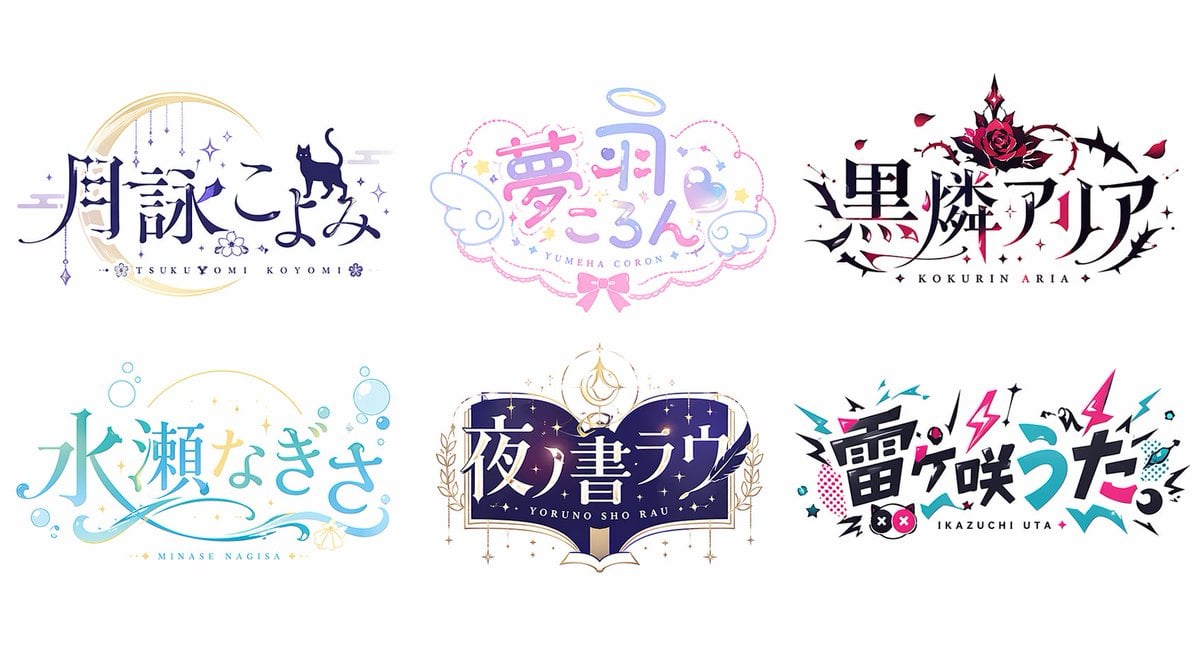
Six VTuber Japanese Logo Sheet
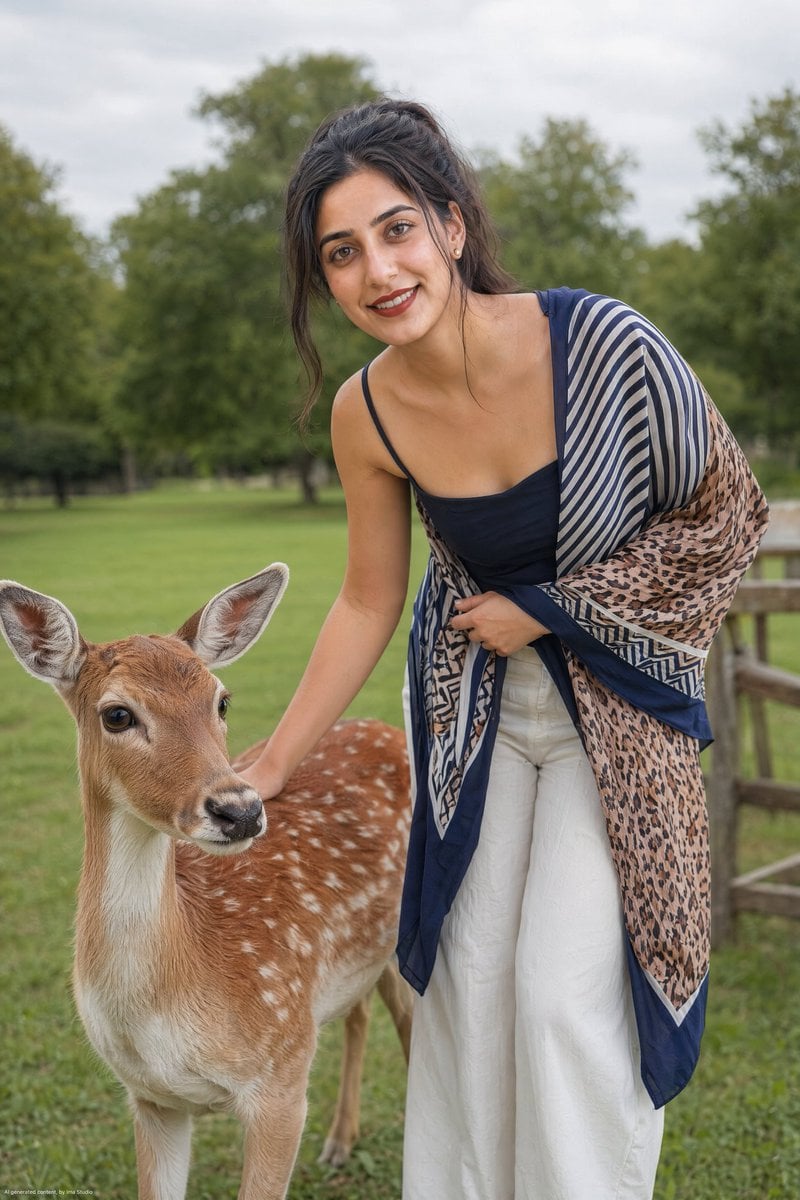
Realistic Portrait of Woman and Deer
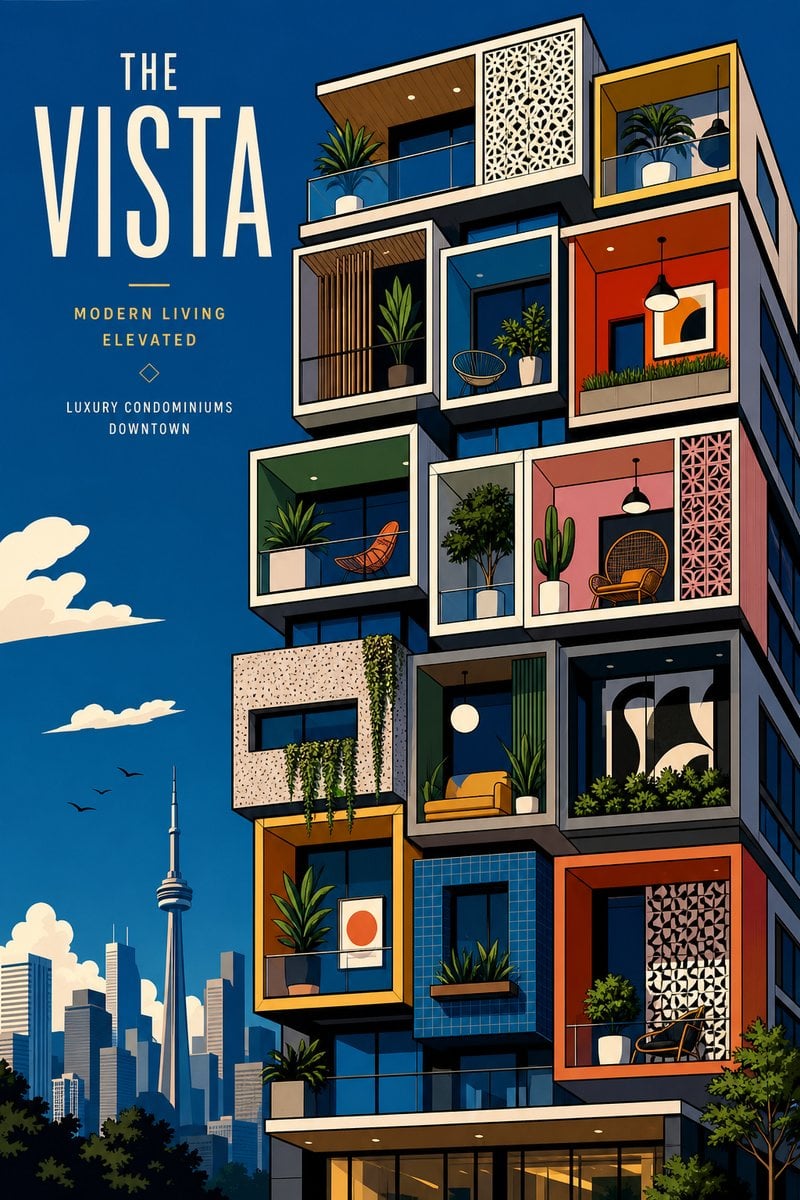
The Vista Modular Condo Poster
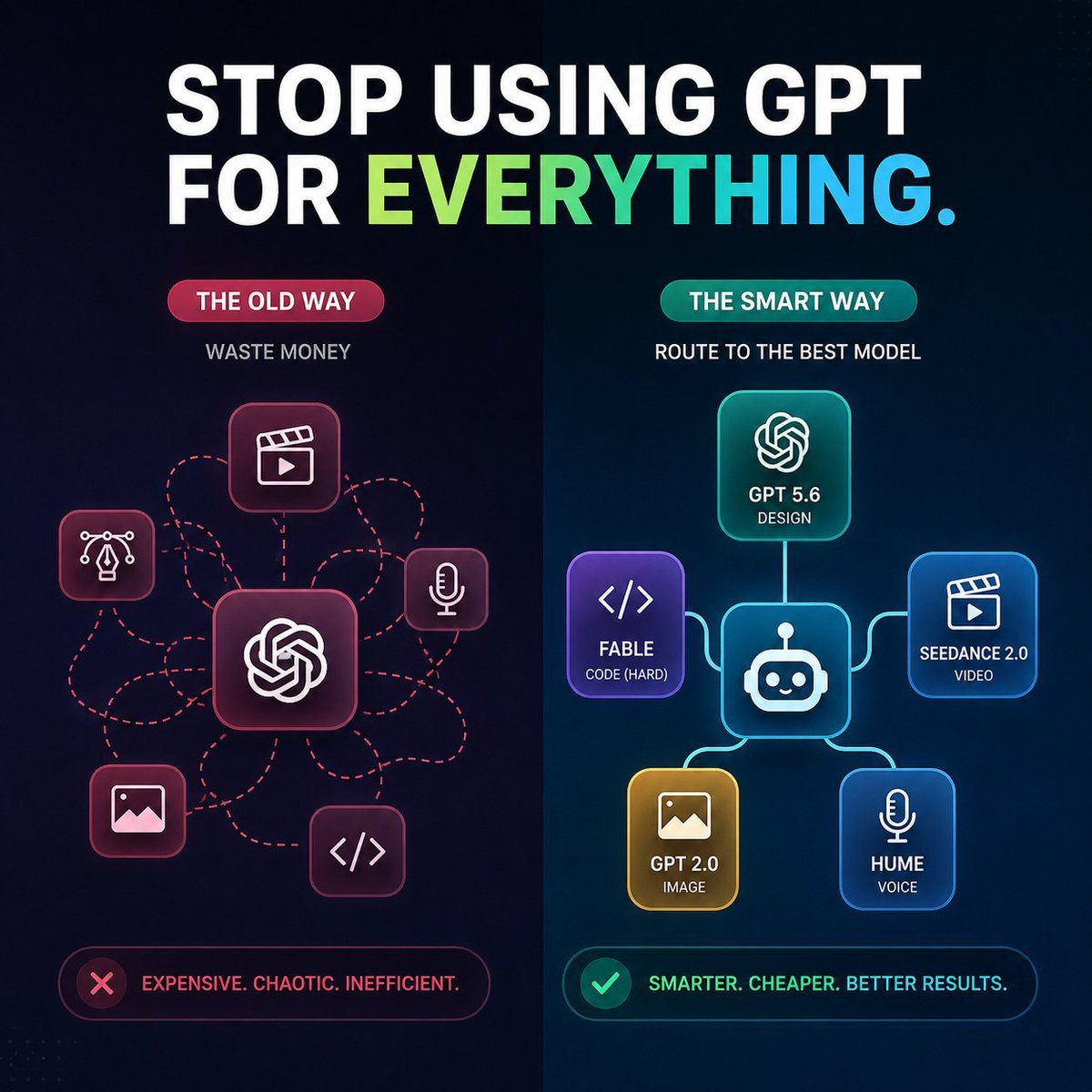
AI Model Routing Comparison Infographic
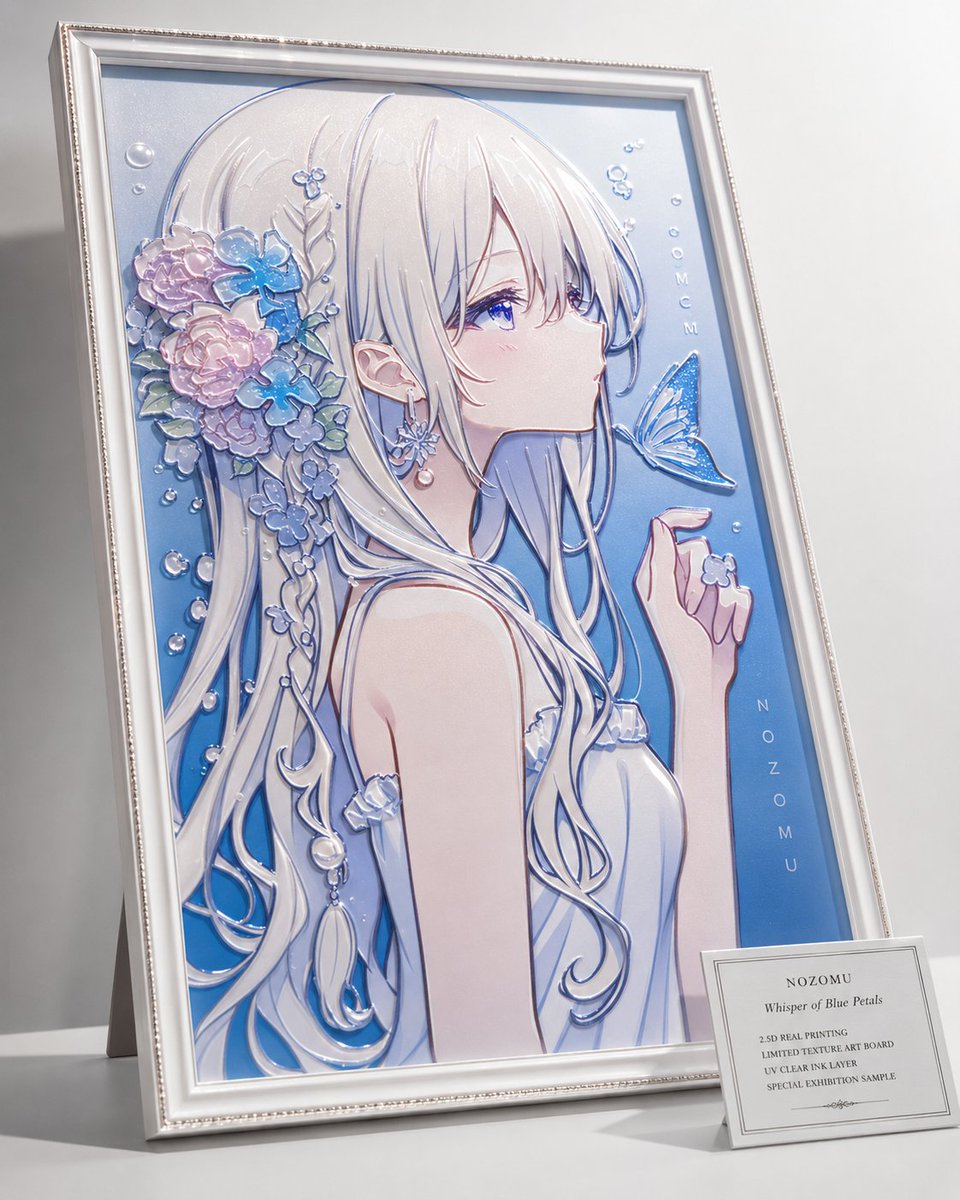
2.5D Anime Art Board

Isometric Productivity Desk Scene
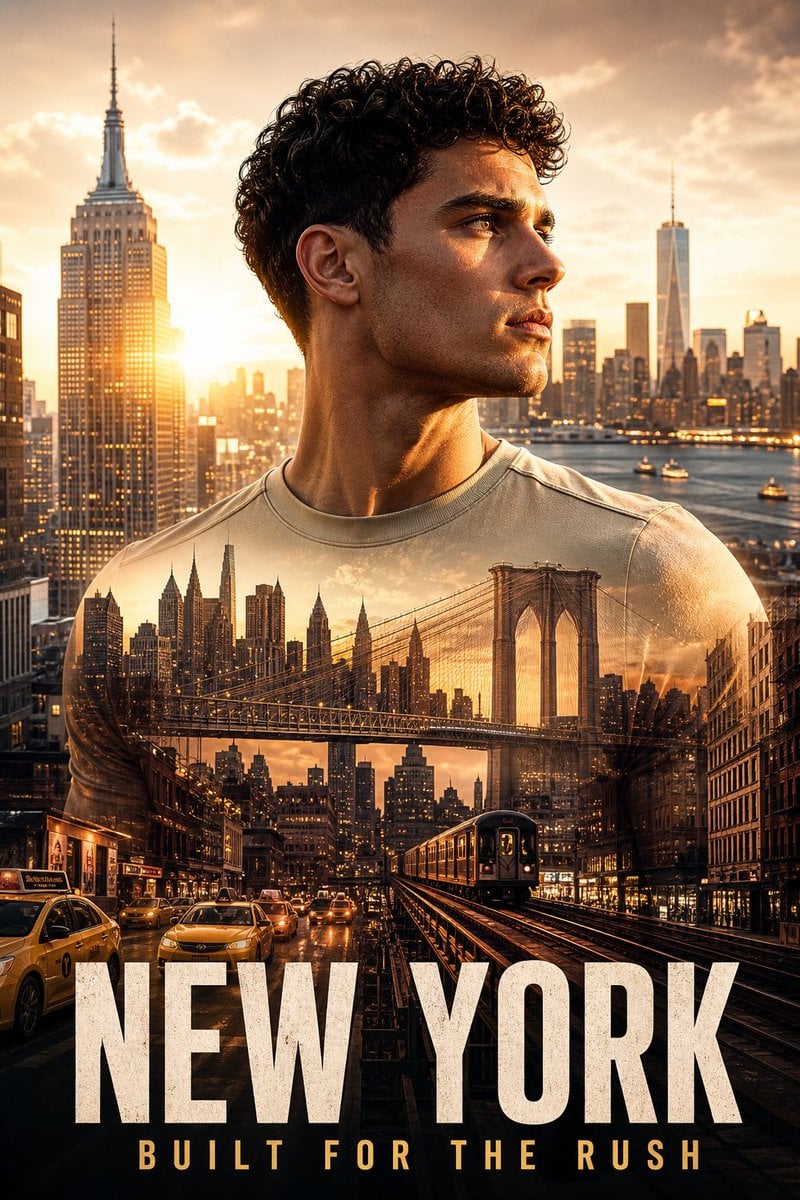
New York Double Exposure Poster
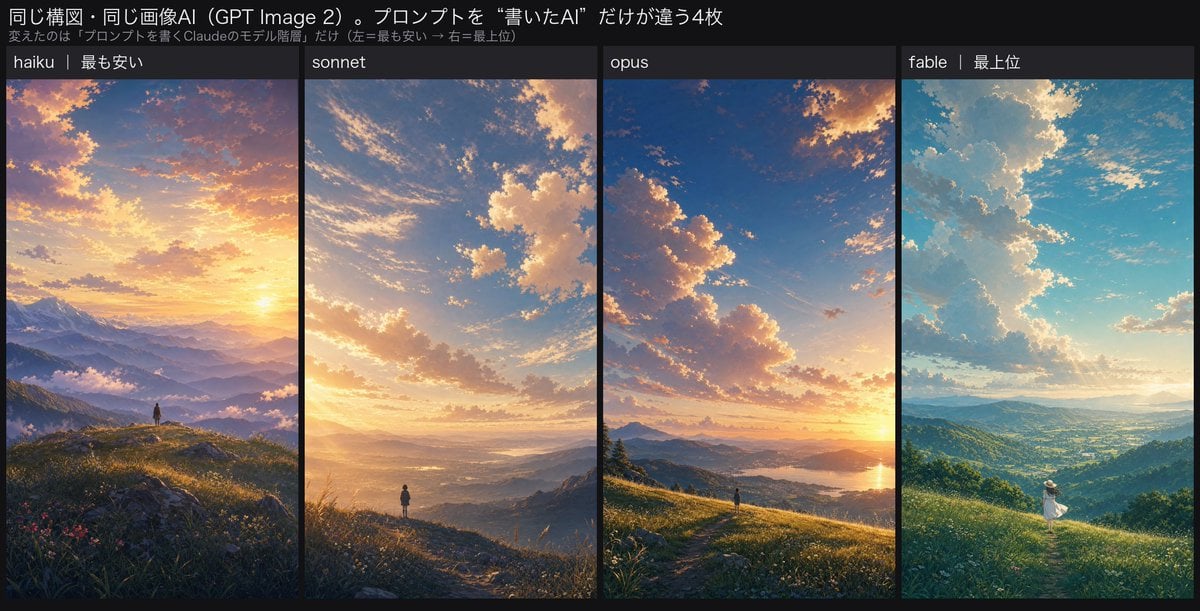
Four-Panel AI Landscape Comparison
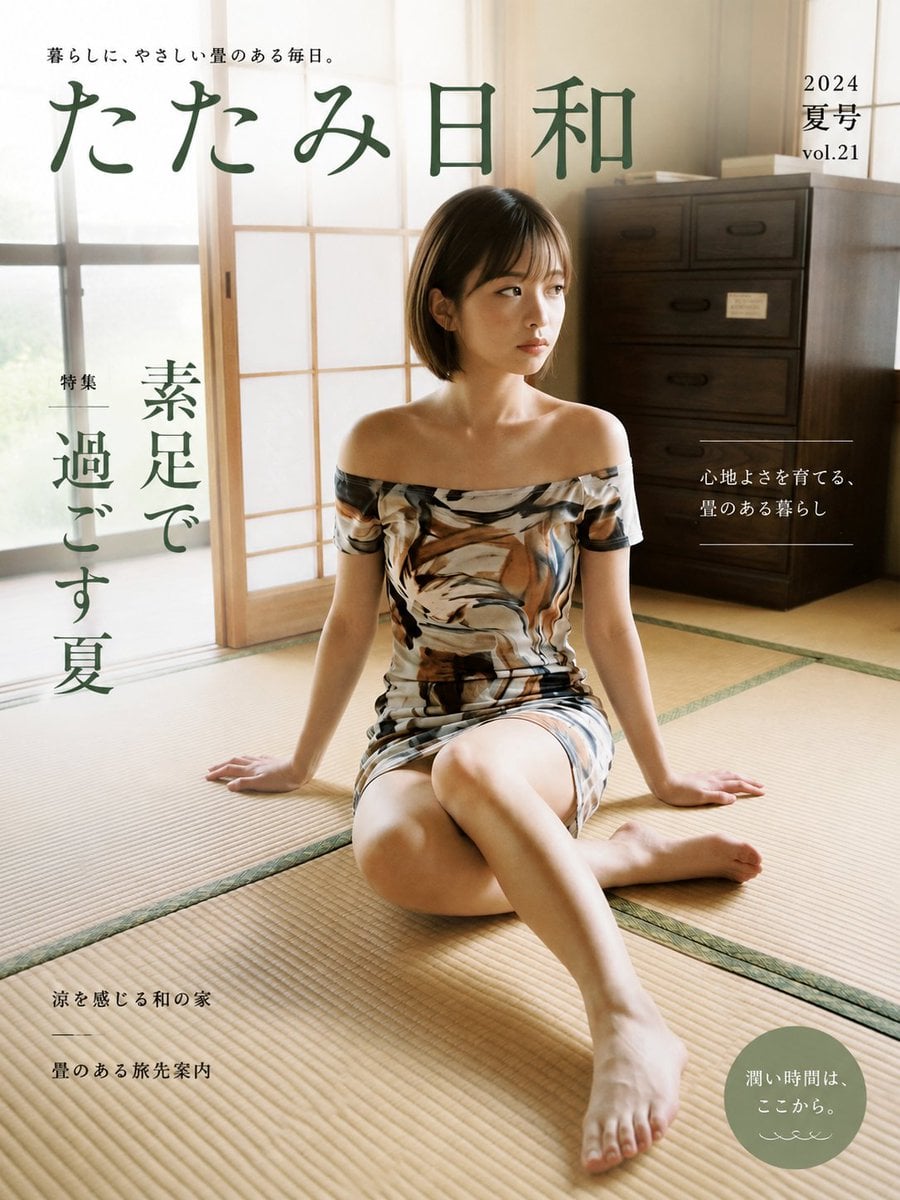
Japanese Tatami Lifestyle Magazine Cover
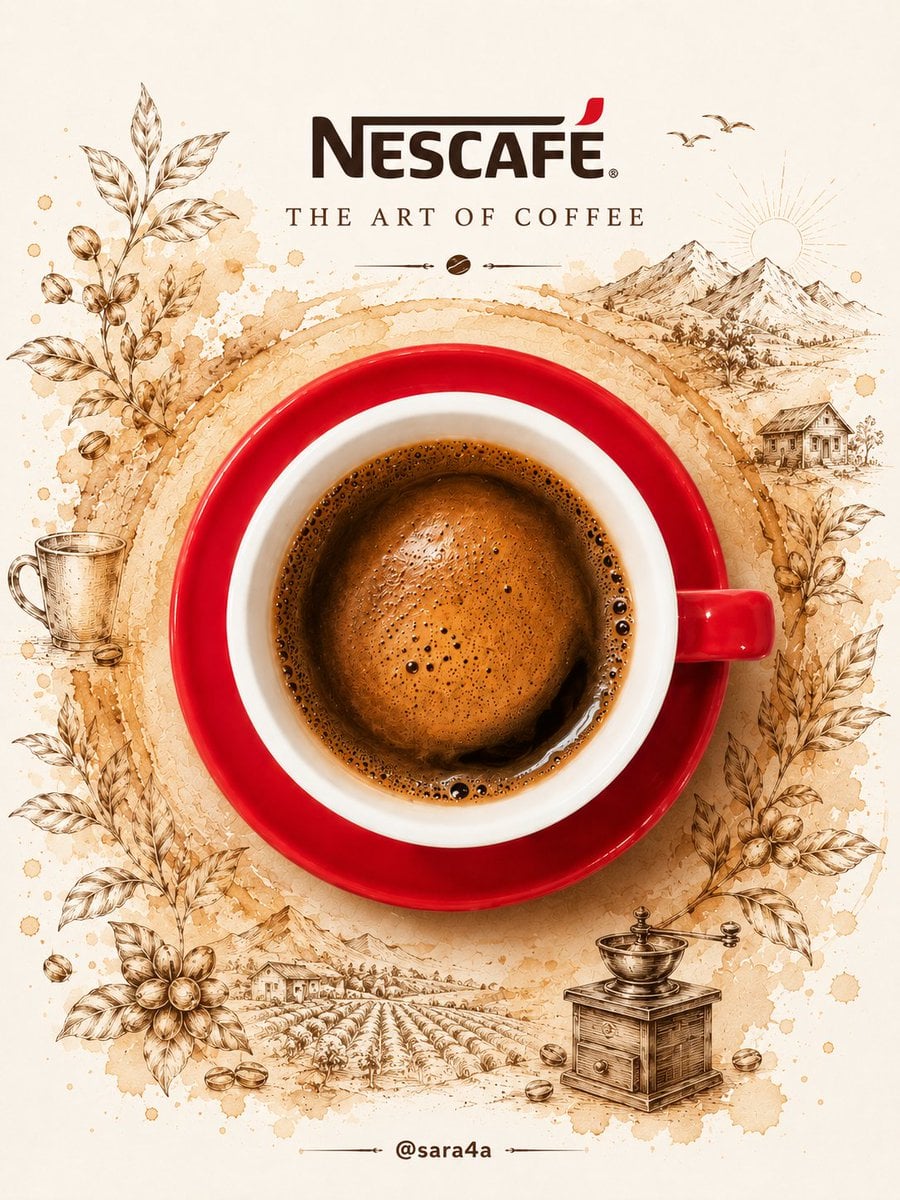
NESCAFÉ Coffee Map Poster
More image prompts
Fresh picks from across the catalog.
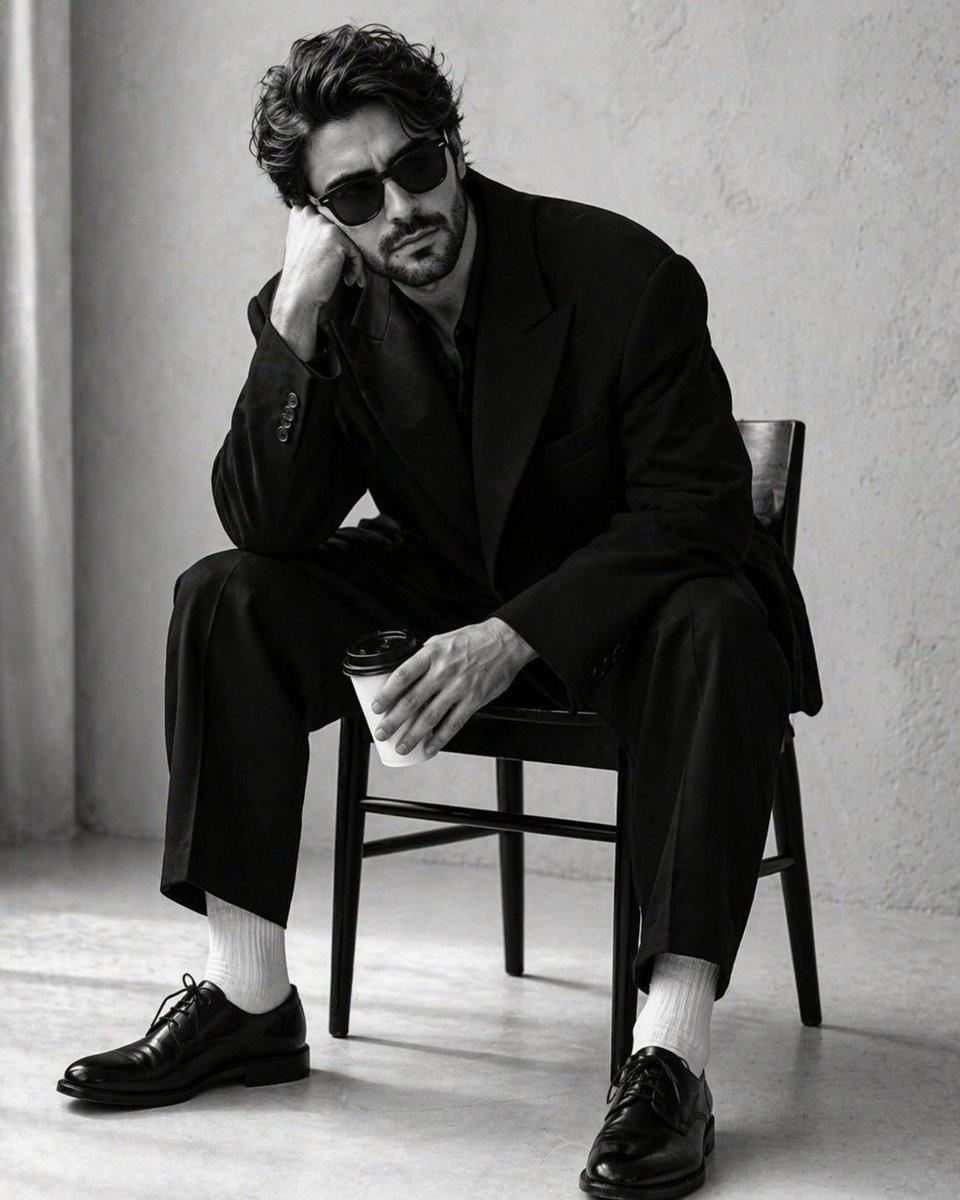
High-Contrast Monochrome Studio Portrait
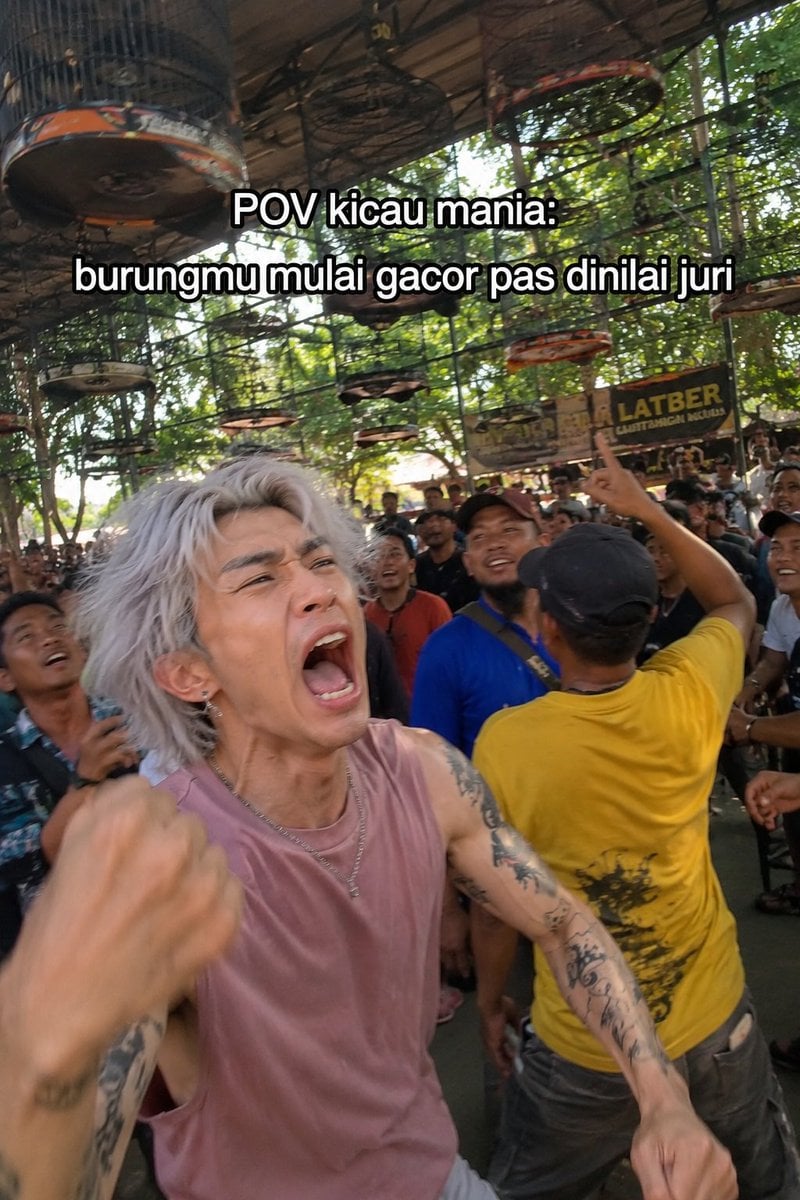
Candid Bird Contest Meme Photo
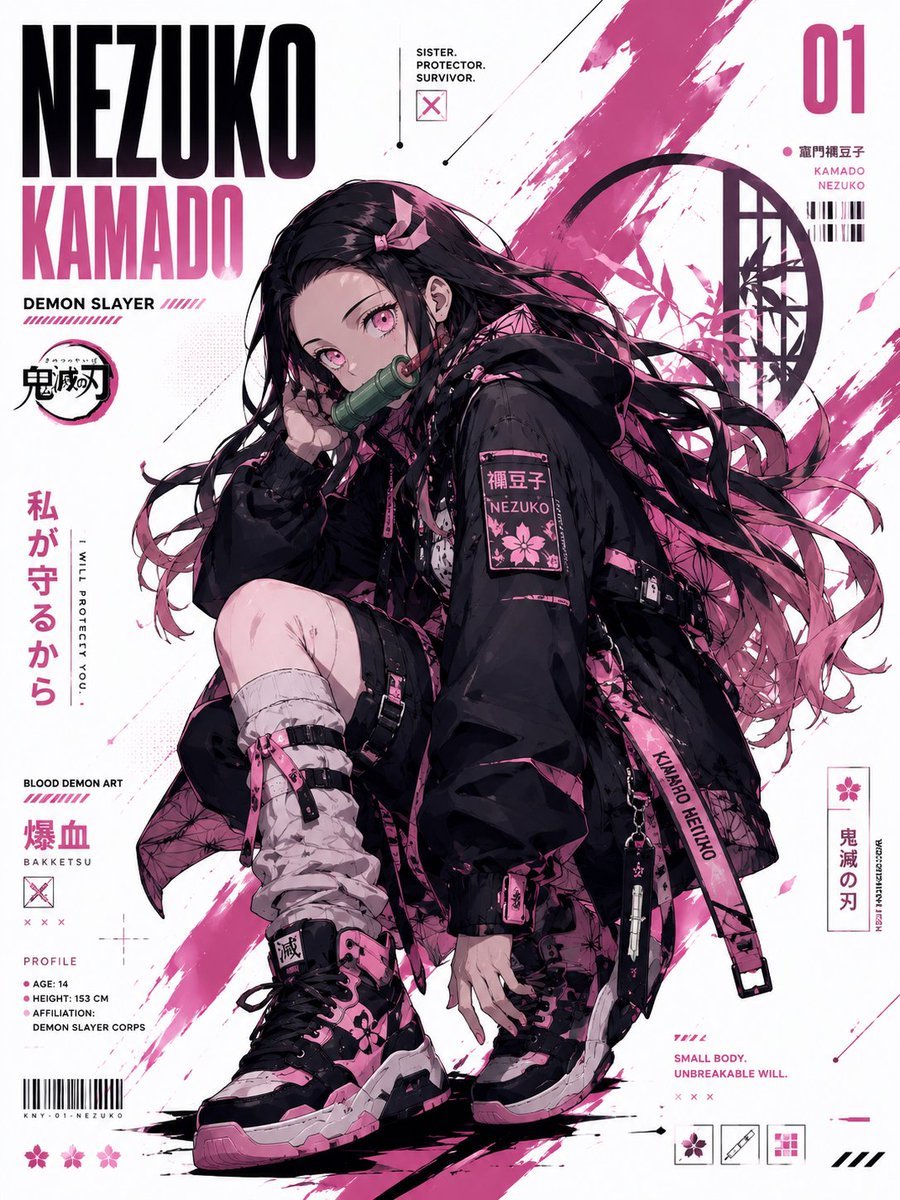
Anime Techwear Character Poster
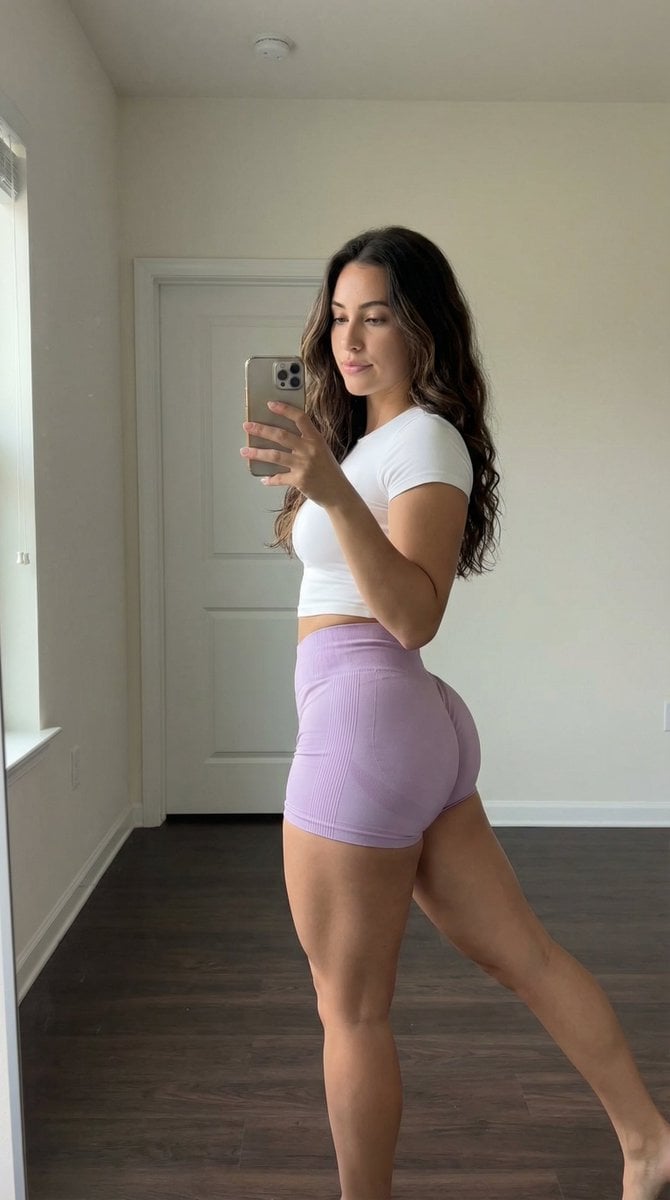
Identity-Locked Mirror Selfie Pose Recreation Prompt
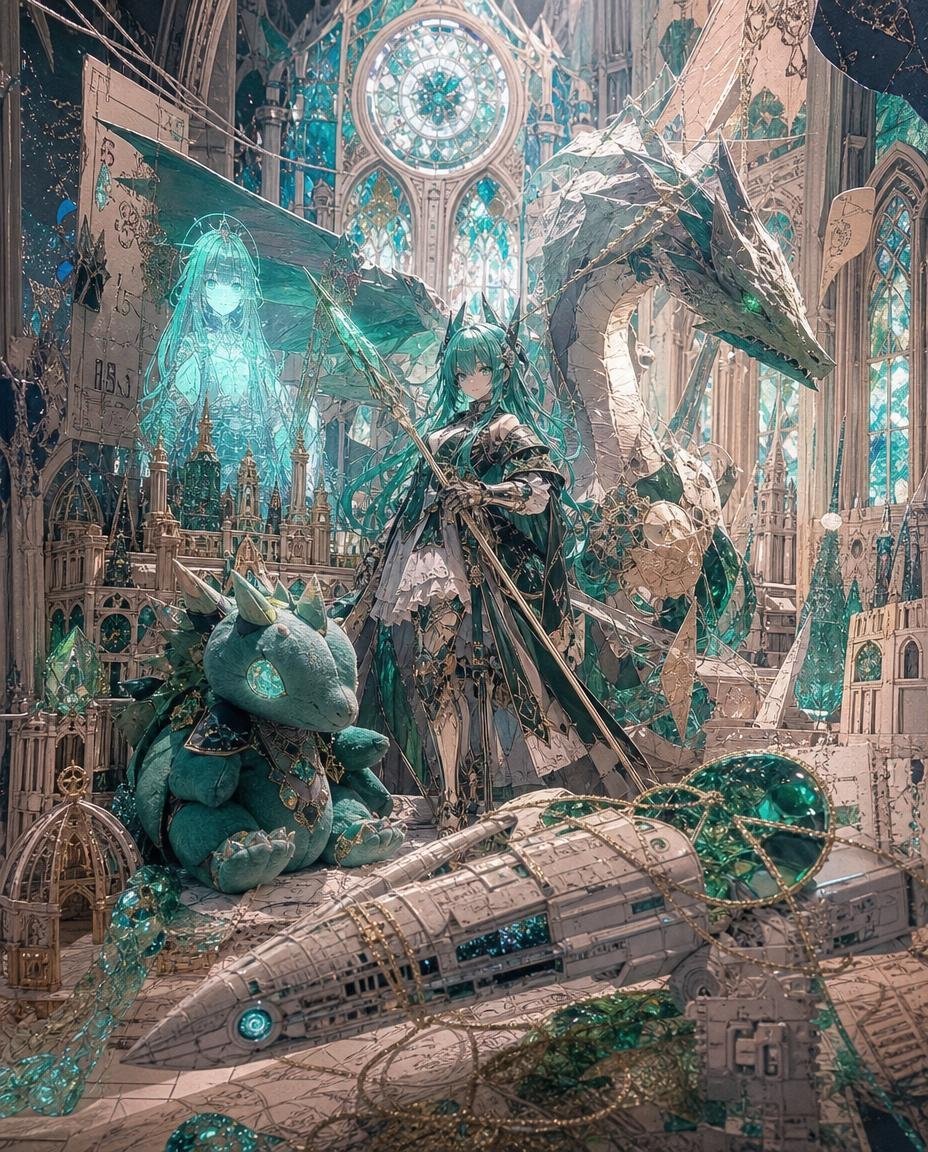
Teal Dragon Knight Cathedral Fantasy
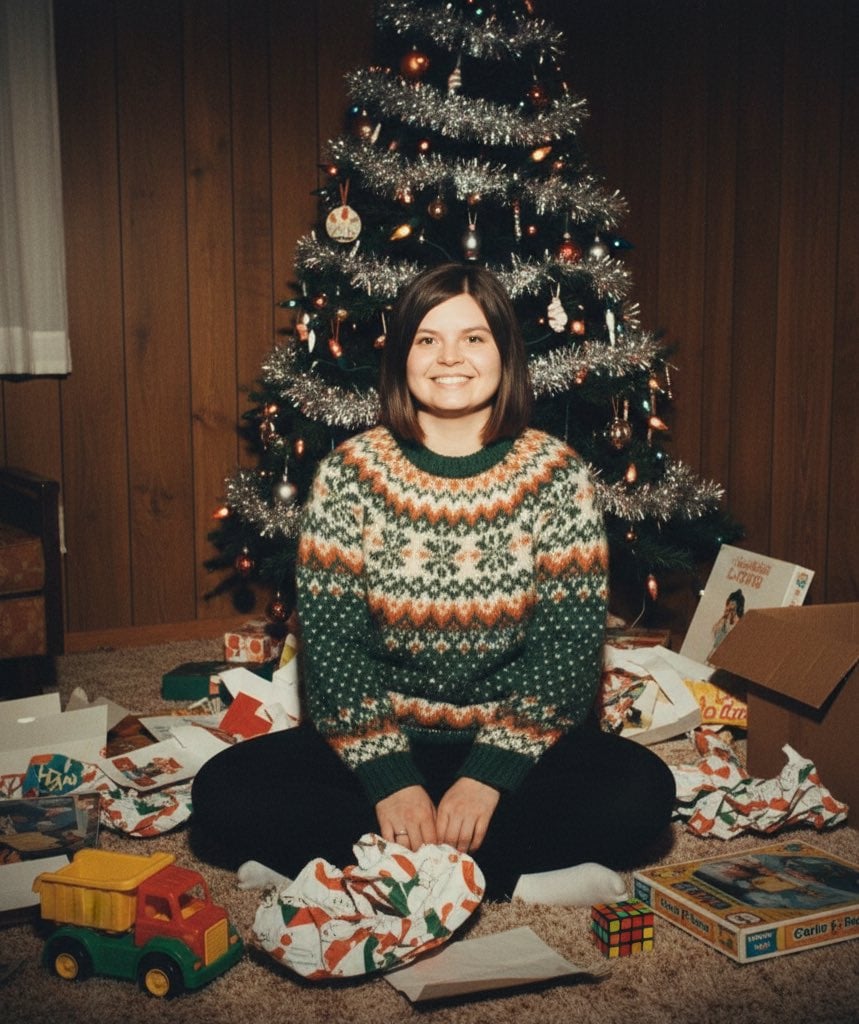
Vintage 1970s/1980s Christmas Family Photo
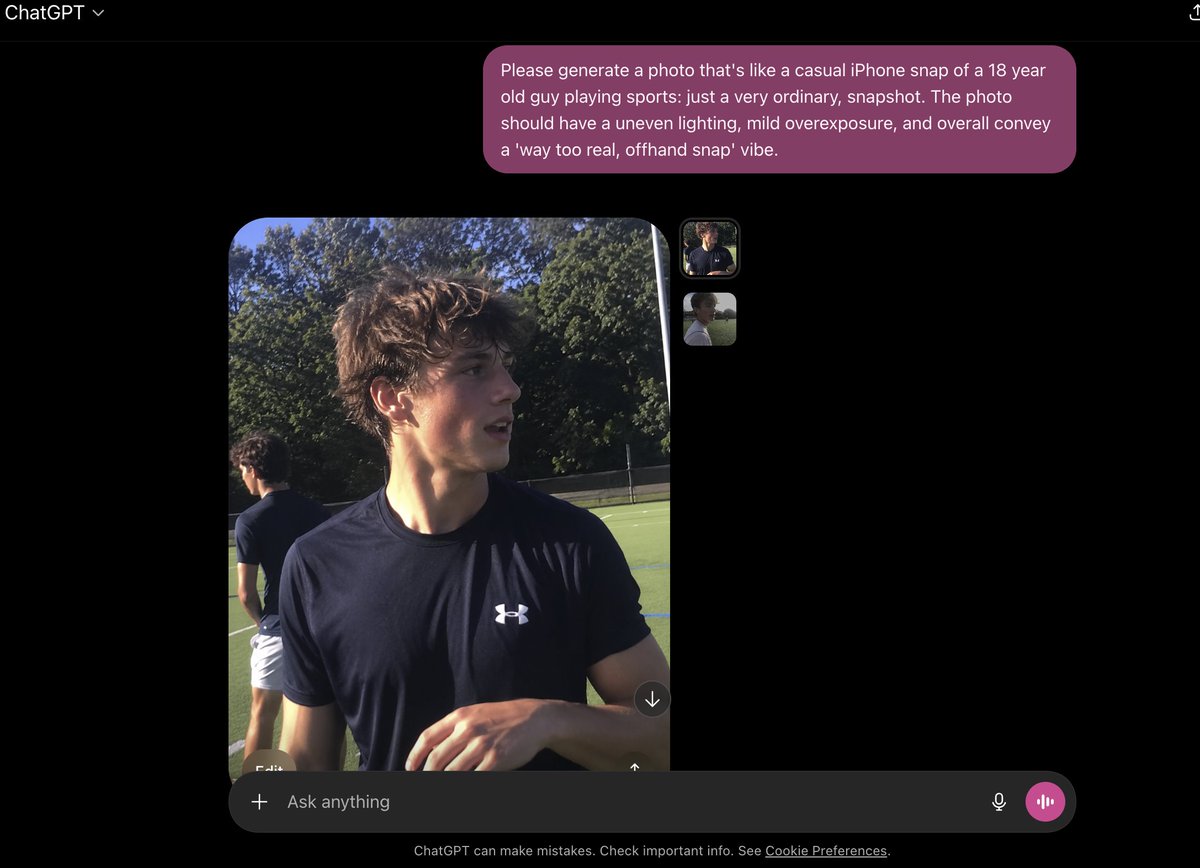
Base prompt: Please generate a photo that's lik
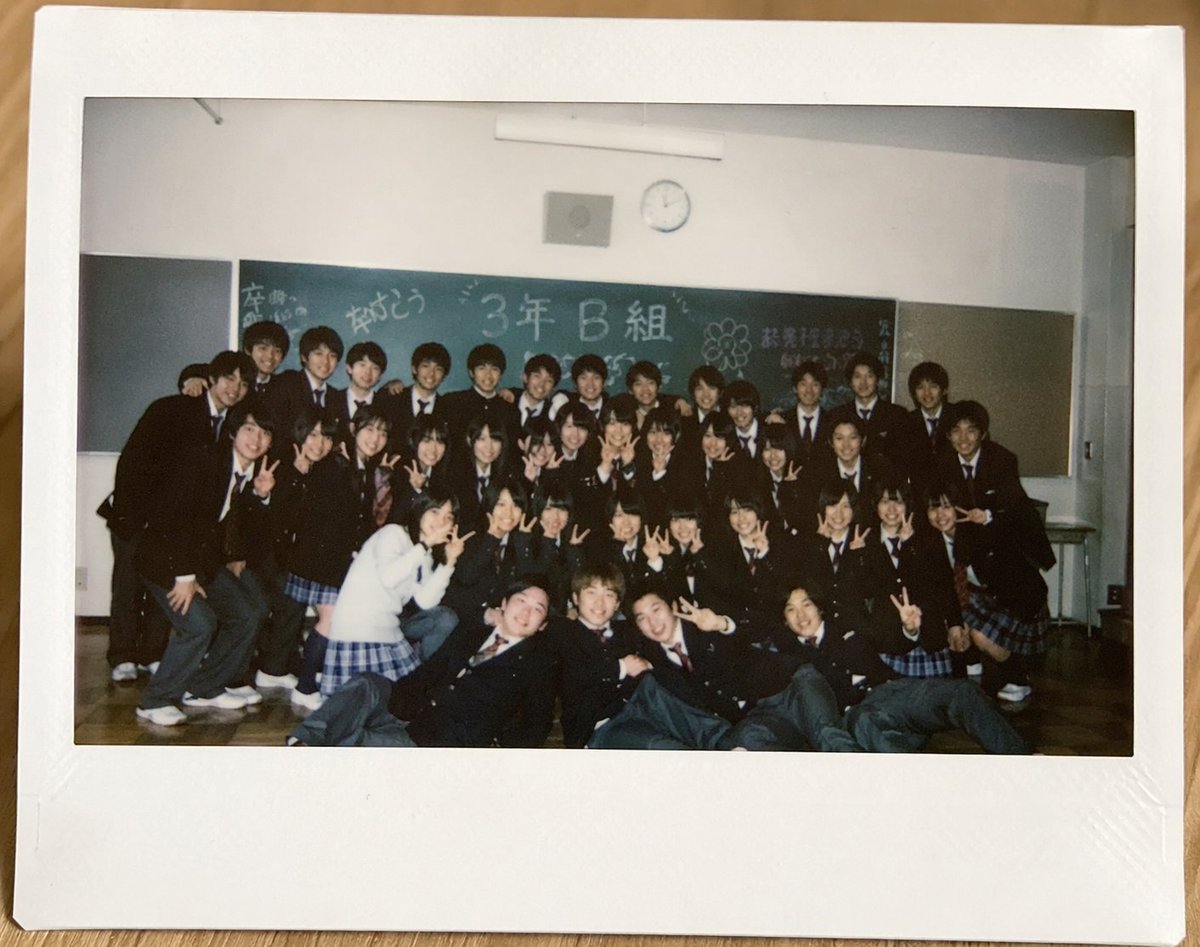
Polaroid of Japanese Class Graduation Photo
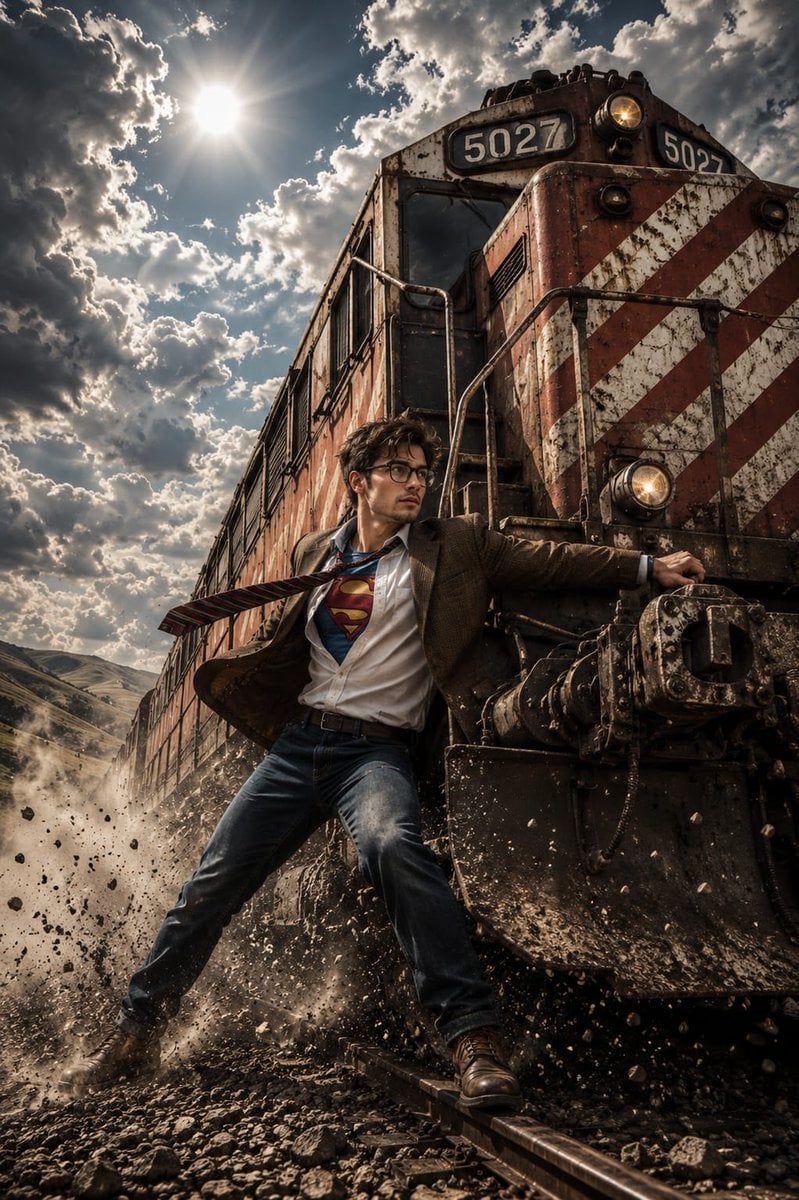
Heroic Action Train Stopping Portrait

Teal Leather Jacket Studio Portrait Prompt
Browse template categories
Anime World Building and Character Sheet questions
How do I use the Anime World Building and Character Sheet template?
Add your photo if the template asks for one, edit the prompt if you like — the template's model and format are already selected — and press Generate. Your version opens in PicX Studio.
Can I customize the Anime World Building and Character Sheet template?
Yes. You can change the subject, setting, lighting, mood, format, and available model controls before creating your image.
Is the Anime World Building and Character Sheet template free?
Opening and editing this template is free. Generating uses credits, shown on the Generate button when you are signed in.
Which AI model should I use?
Start with GPT Image 2, which is the model associated with this template. You can compare another compatible model for a different finish.
Looking for something else? Browse all templates.
Your photo, any look
Thousands of ready templates for every top image and video model, from one credit balance.