
Cinematic Macro Toy-Photography of Mini Beasts
A complex, multi-section prompt for generating a cinematic macro toy-photography scene.
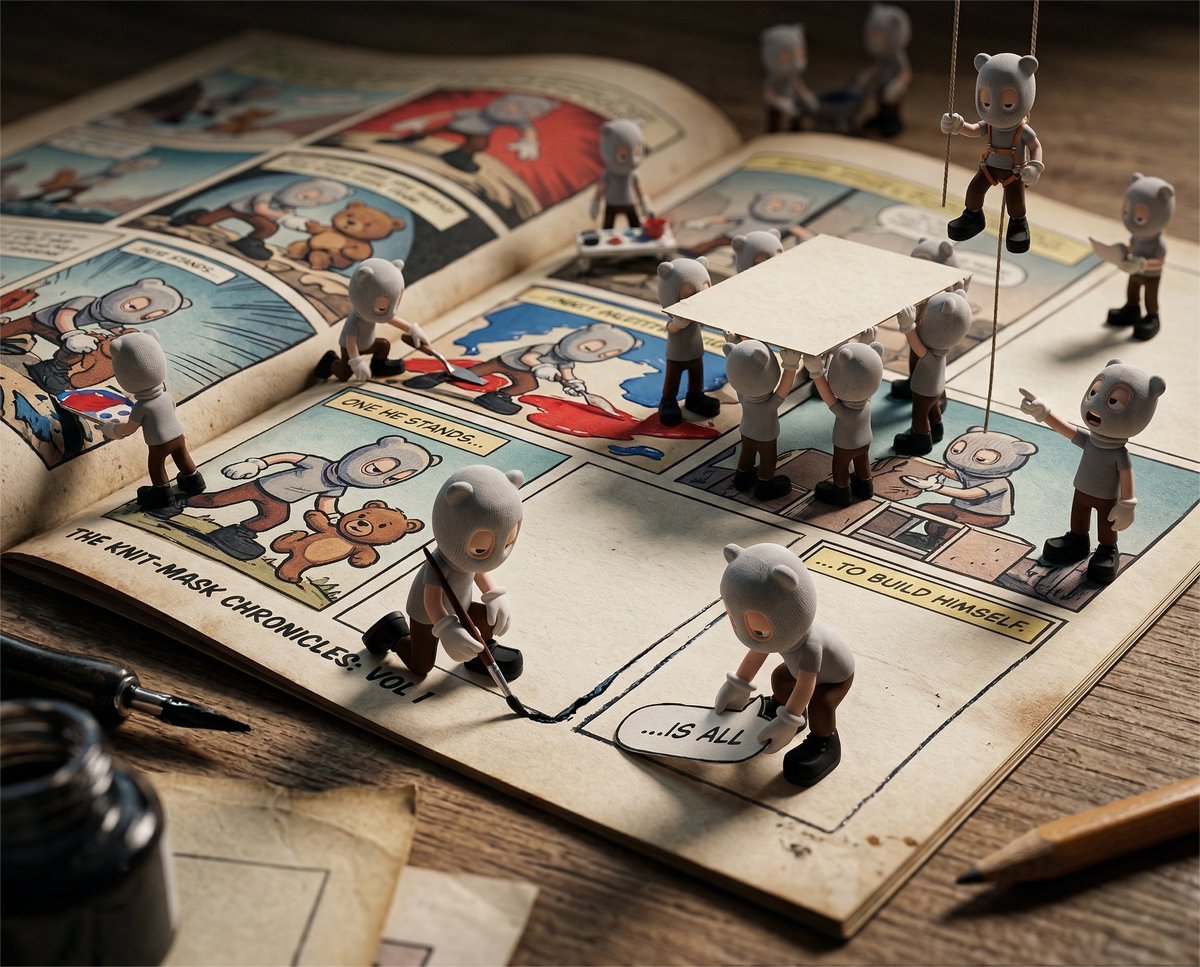
- Prompt included
- Model and format preset
- Free template
The prompt behind this image
Copy the exact prompt behind Cinematic Macro Toy-Photography of Mini Beasts, or open it in the studio and make it yours.
A cinematic macro toy-photography scene of the uploaded reference character multiplied into dozens of miniature identical instances, each actively working on a giant open comic book that tells the story of the same character. Likeness Integrity (CRITICAL) All miniature instances must preserve the exact identity of the reference character: • identical proportions • exact eye shape, spacing, stylization • same silhouette and material behavior • no added features, no face changes, no stylization drift The comic book artwork must depict the exact same character design language, translated into printed comic style without altering anatomy or facial structure. Scene Concept & Action The giant comic book lies open like a construction site of narrative. Mini characters are scattered across the pages, each performing a specific task: • some are drawing panels with tiny tools (pens, brushes, stylus-like tools) • some are painting color into panels • some are climbing panel borders like scaffolding • some are inspecting scenes, pointing, directing • some are physically interacting with the comic world ( lifting panels, stepping into frames) The scene must feel like they are building their own story in real-time. Perspective & Composition (MANDATORY) Camera & Perspective (Corrected) Low-angle macro shot, camera positioned close to the comic page Lens: 90–100mm macro (compression, NOT distortion) • Perspective compression must preserve consistent object scale • Foreground character appears larger only due to proximity to lens • No exaggerated wide-angle distortion • Spatial depth created through distance falloff + focus, not scaling • The open comic book stretches diagonally into depth • Panels form strong leading lines across the frame • Composition is intentionally off-balance, not centered • Some characters partially cropped by frame edges Foreground includes blurred ink tools, paper edges, or panel borders creating depth layering Depth of Field (CRITICAL) Extremely shallow depth of field • Primary focal plane: one or two mini characters in the foreground actively working • Mid-ground characters slightly softer • Background characters and panels fall into creamy blur No full-frame sharpness Focus must guide the viewer toward the “main worker” character Lighting Doctrine Hard directional cinematic light from top-left • sharp shadows cast across comic panels • subtle rim light separating characters from page • ink reflections create small specular highlights • shadows from panel edges create natural depth No flat lighting Environment & Surface Detail Macro-level realism of the comic book: • visible paper fibers • ink texture and slight gloss • subtle imperfections in print • panel borders slightly raised or embossed Tiny tools leave micro mar
How to use Cinematic Macro Toy-Photography of Mini Beasts in 3 steps
- 1Upload ImagePNG, JPG or paste
Add your photo
Upload the photo the template builds on. The prompt, model and format are already set.
- 2…a portrait of your subject in softgolden-hour light, 85mm…
Personalize
Edit the subject and creative details for your destination.
- 3Generate
Generate
Press Generate — your image is created in PicX Studio, so you can compare it with the original and refine one variable at a time.
More like this
Templates with the same subject, style or setup. Open one to see its prompt.
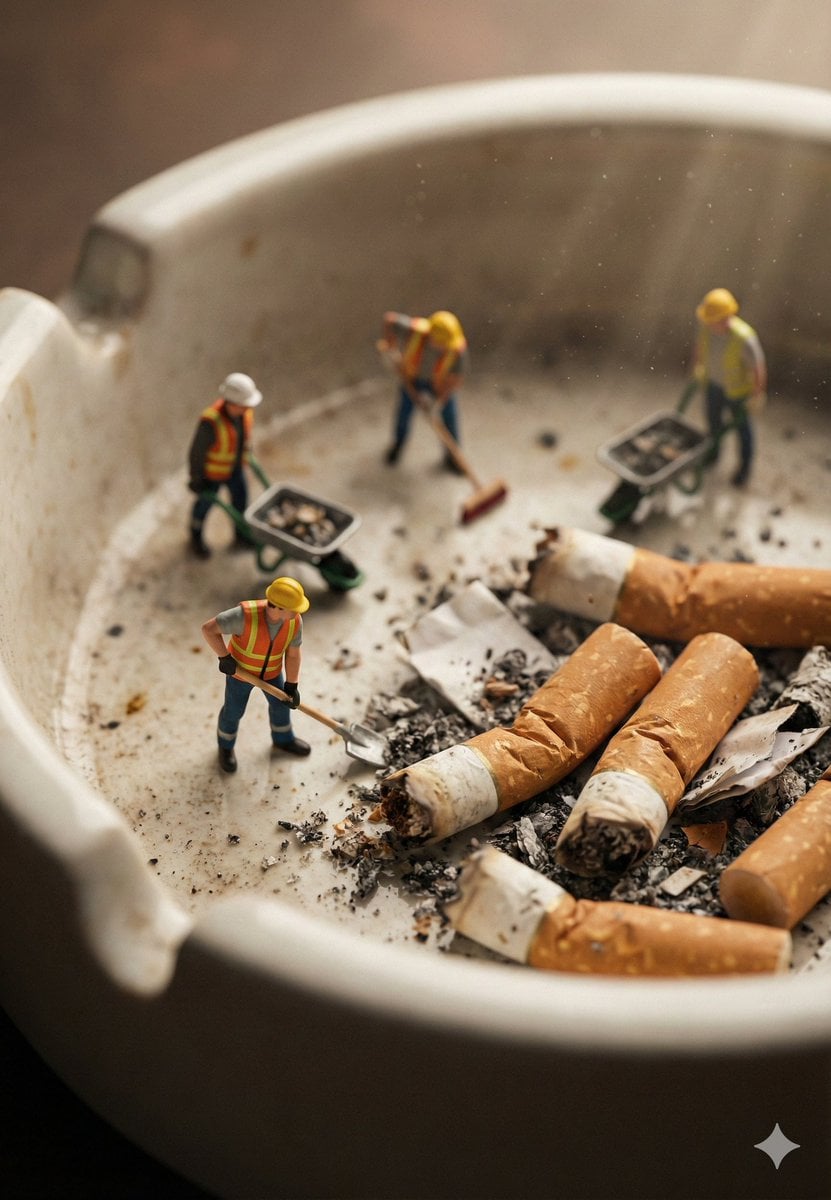
Macro Photography of Miniature Workers Cleaning Ashtray
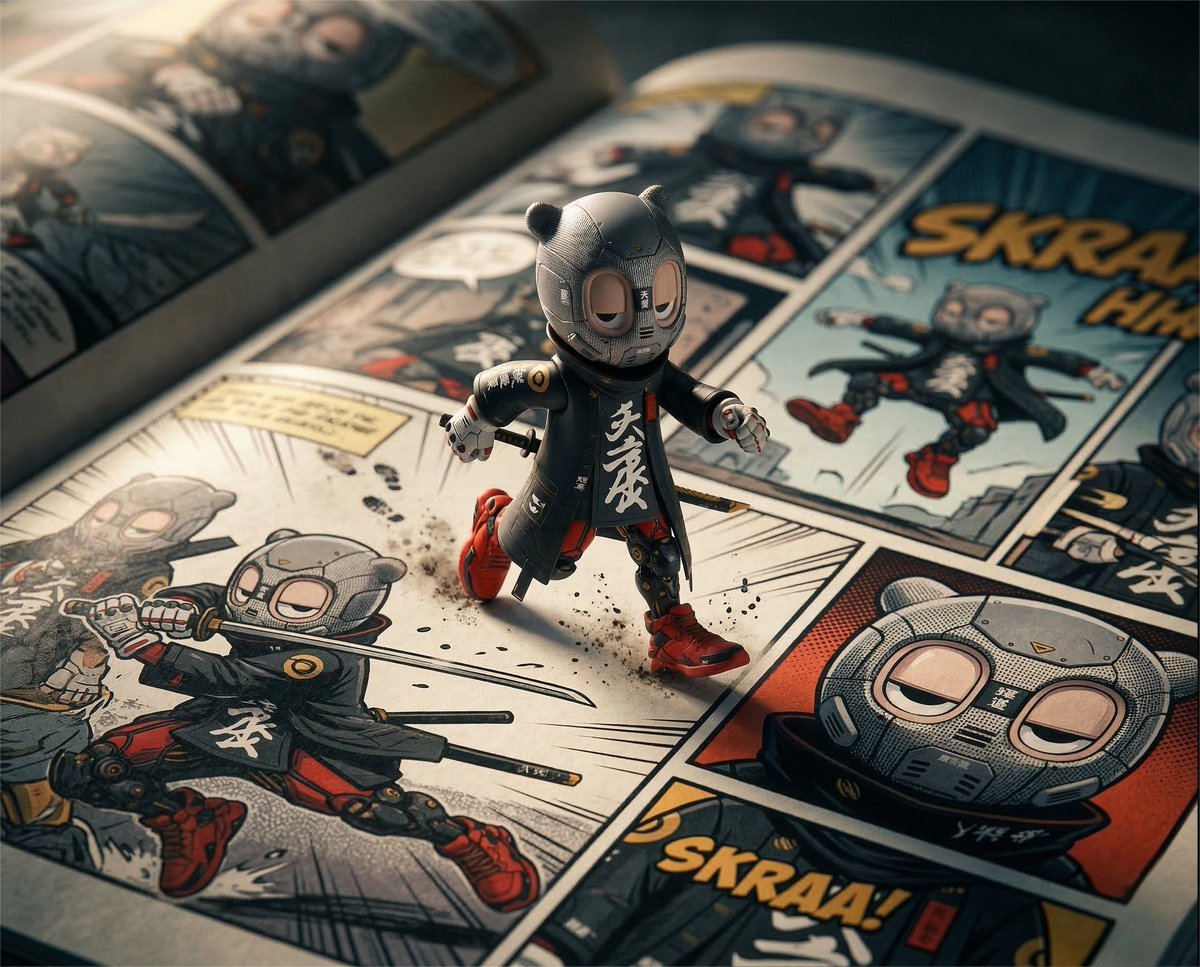
Macro Toy Photography: Beast Escaping Comic Panel
Mirror Selfie Chibi Characters Pixar Style
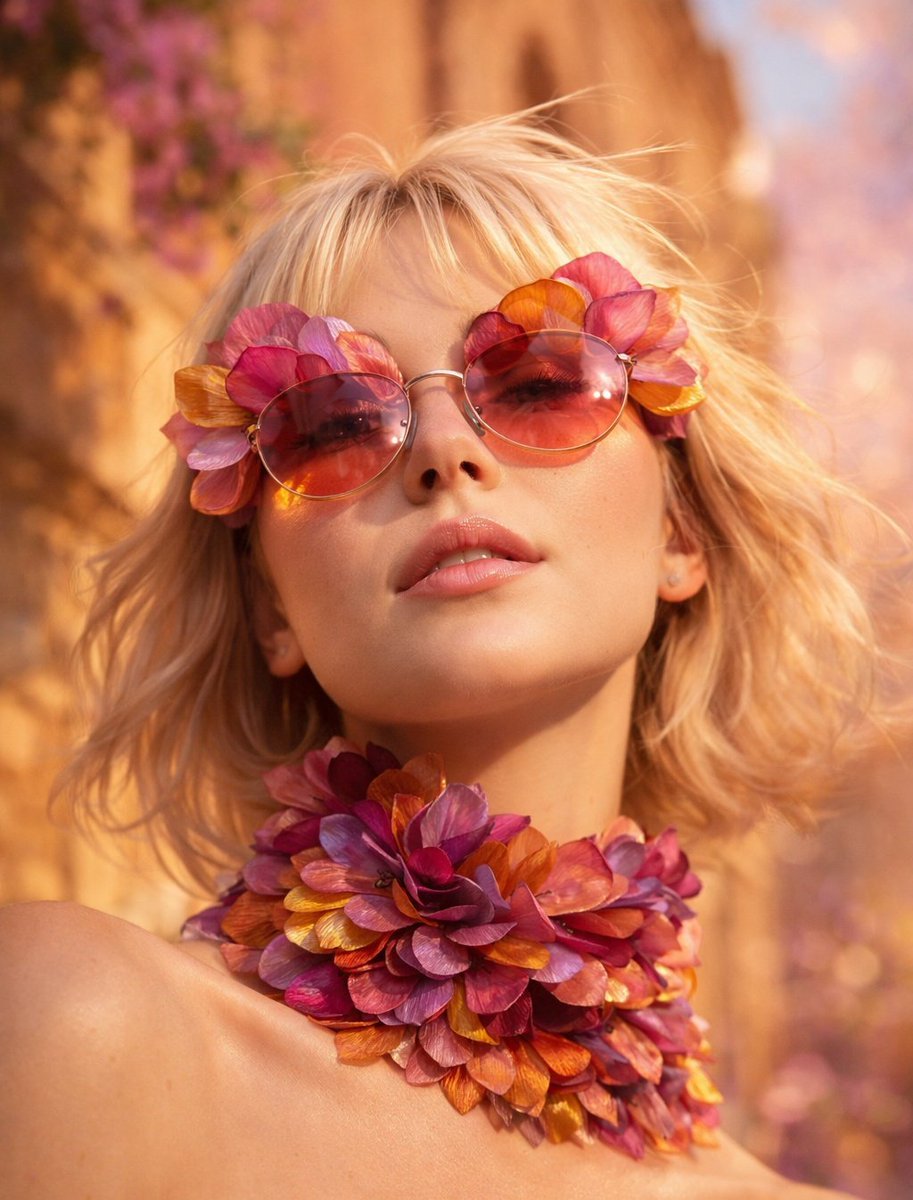
Flower Petal Sunglasses Couture Portrait

Fashion Portrait Colored Smoke Studio
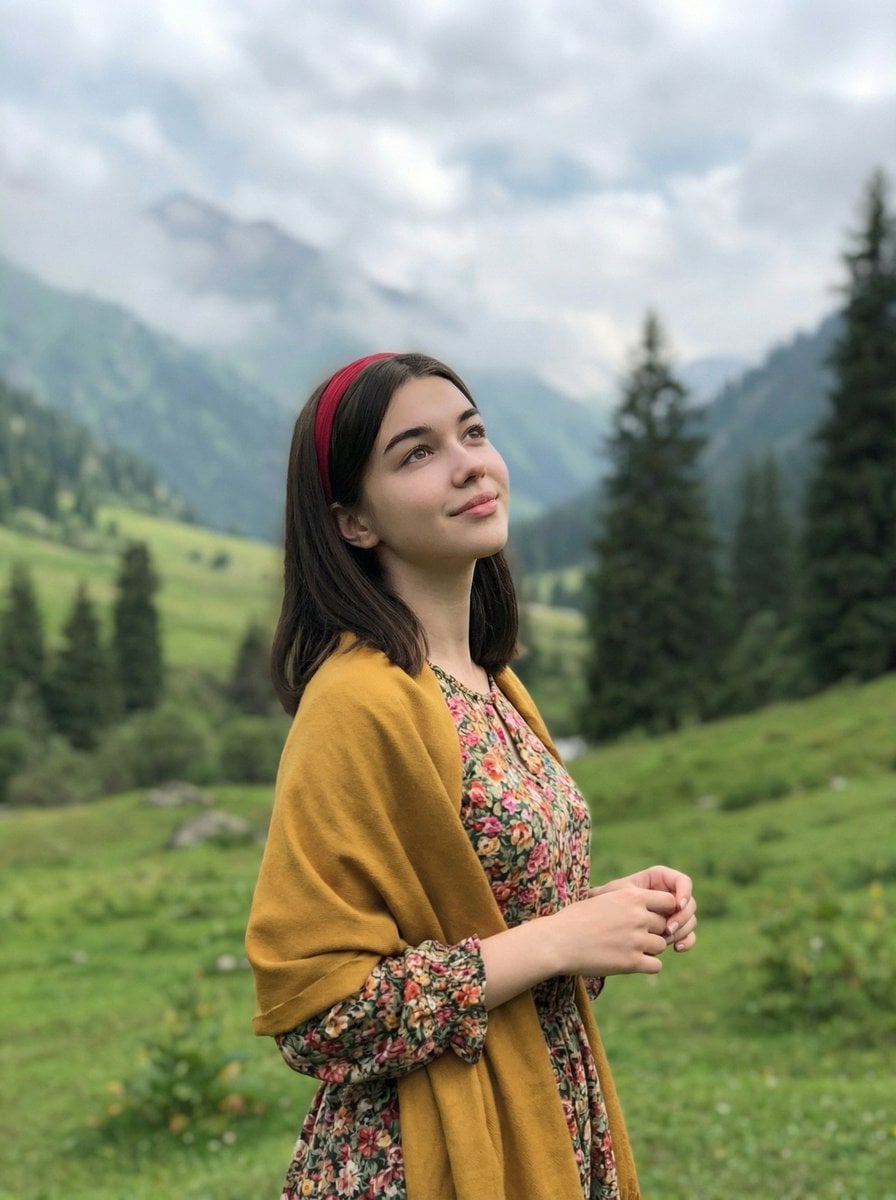
Mountain Valley Lifestyle Portrait
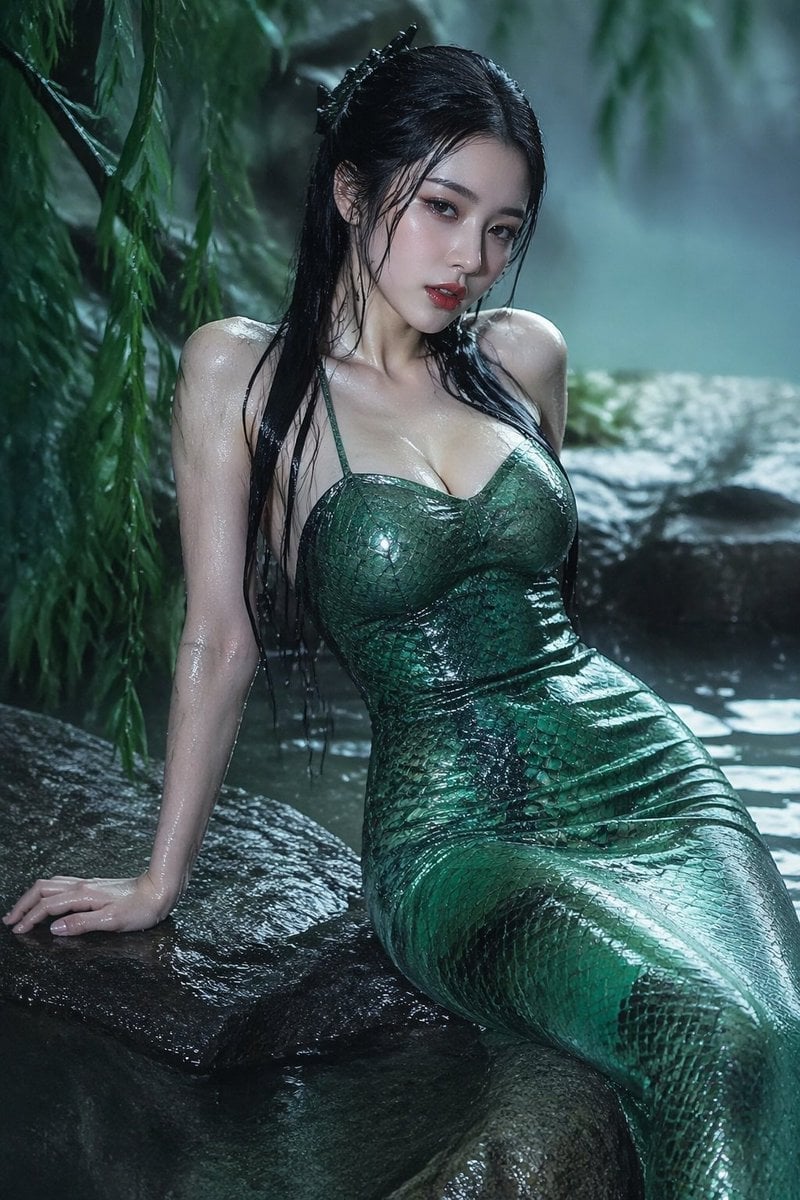
青蛇小青写真大片,绿色紧身蛇鳞裙,湿发红唇,妖娆妩媚
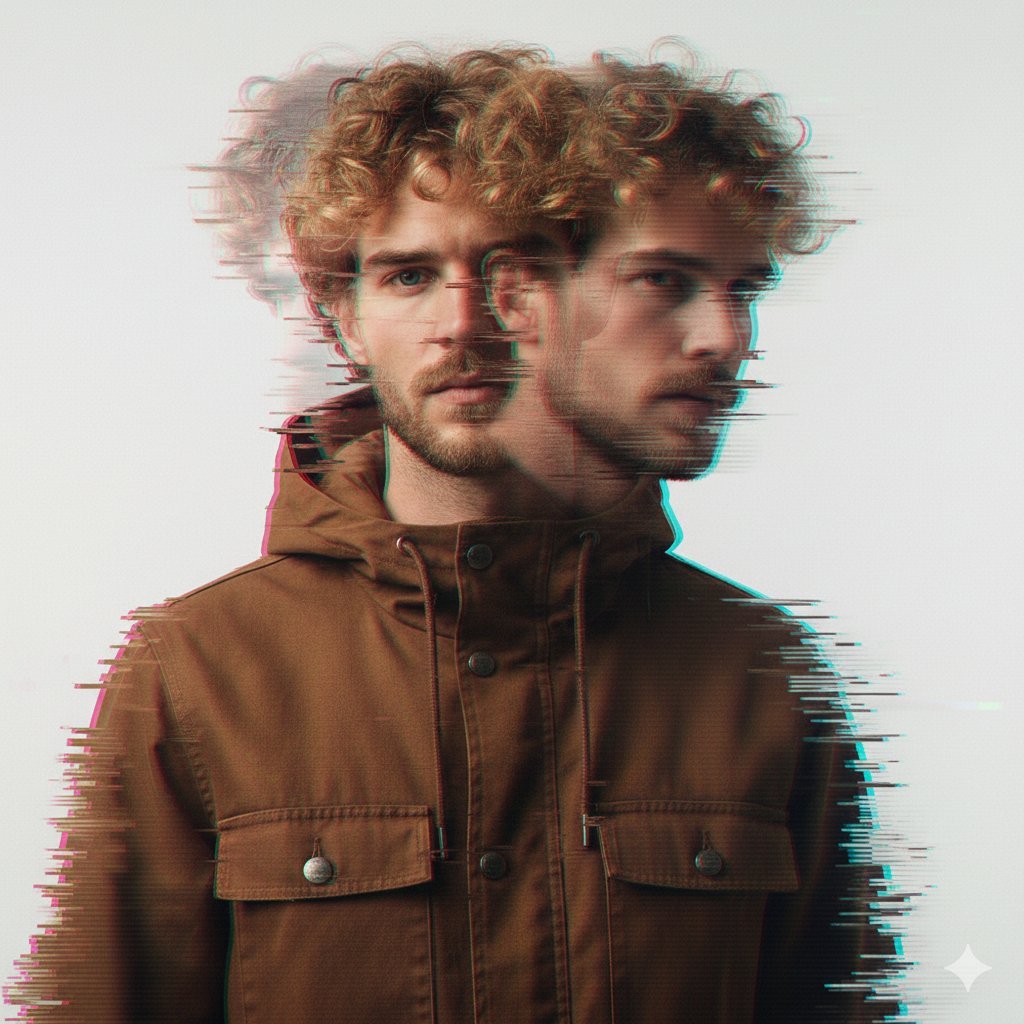
A double exposure, long exposure editorial photograph of a man Use image

Portrait of a young woman in her early 20s walking calmly on a beautiful
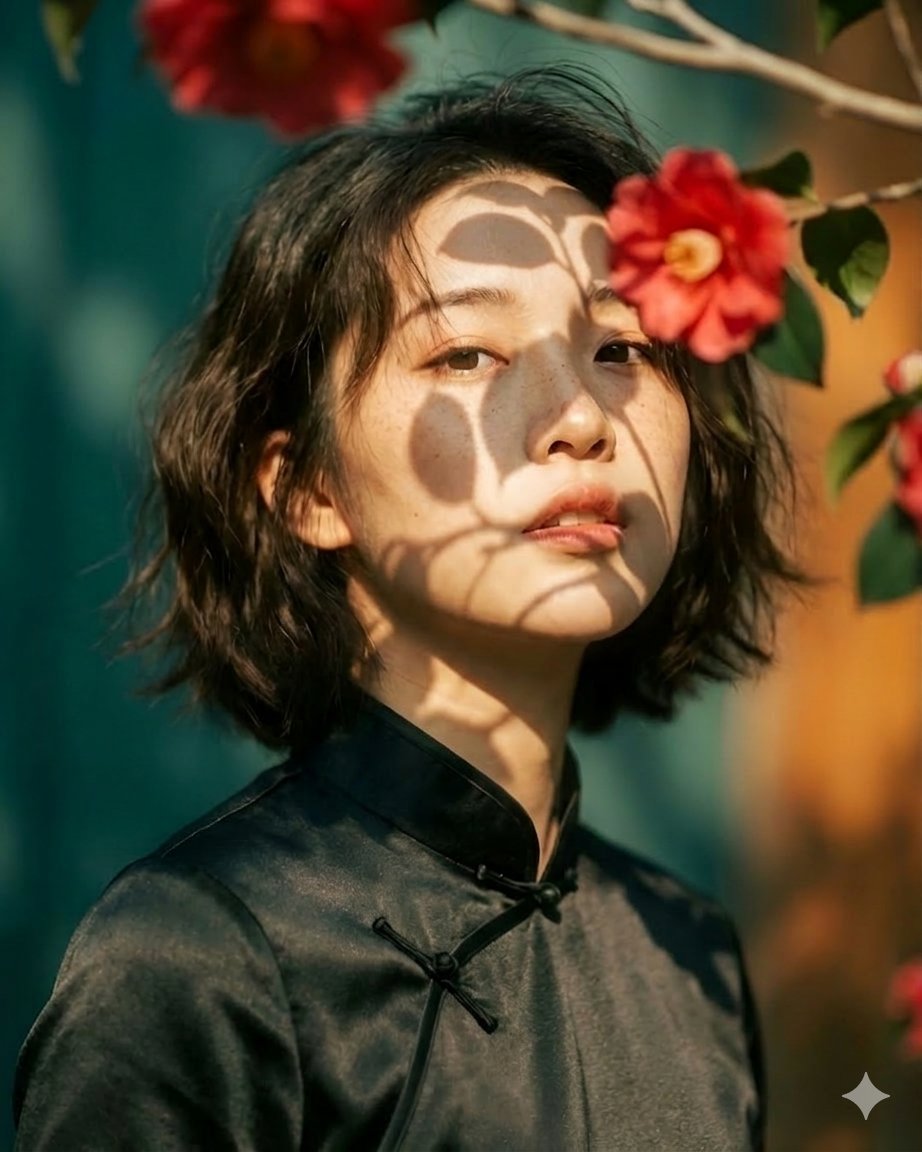
Artistic portrait of an elegant Asian woman wearing a black silk
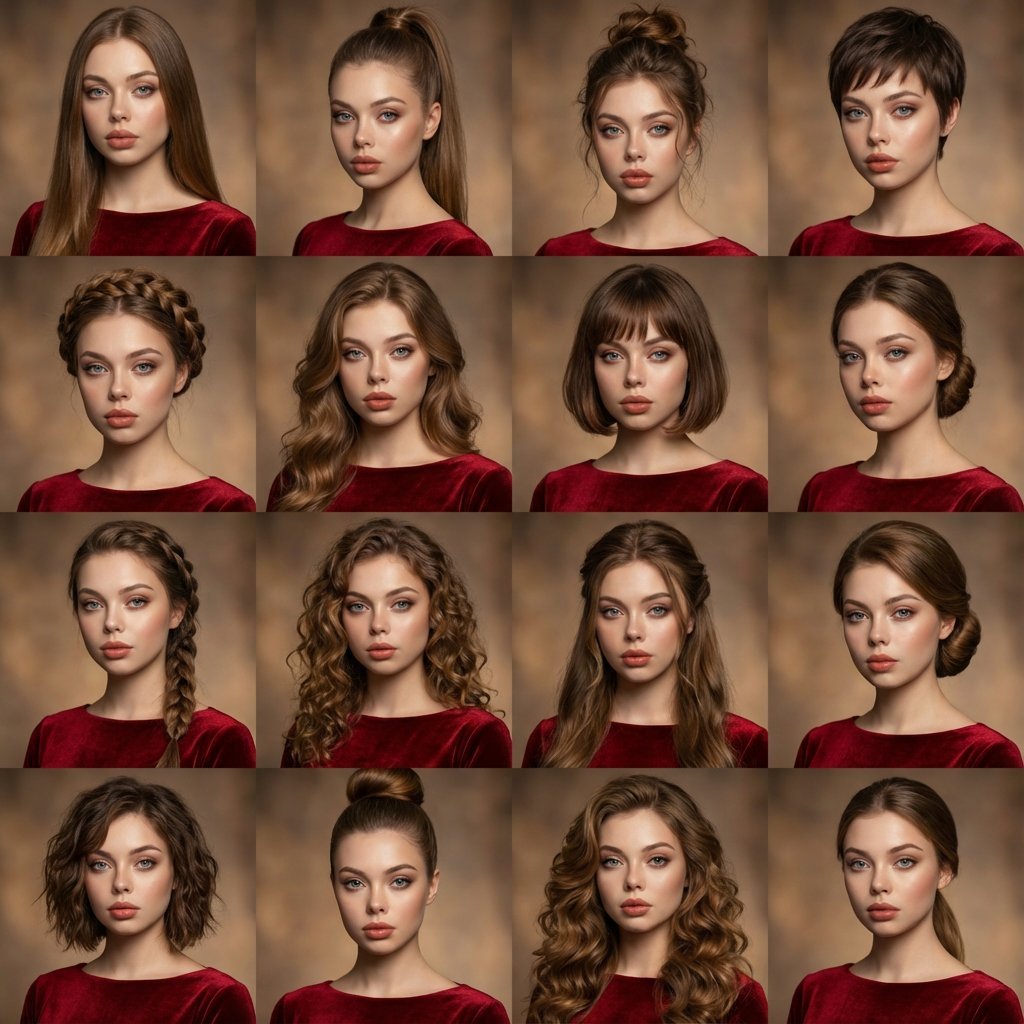
A high-quality photo collage featuring the same person with identical
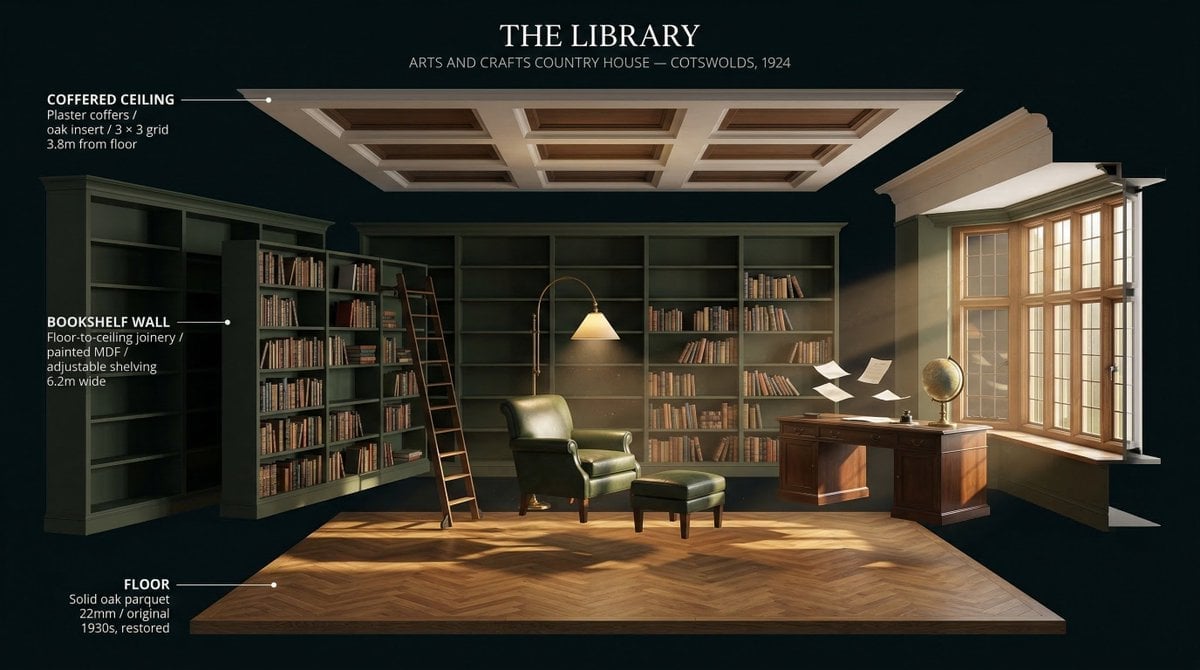
LIGHTING each element still lit by its original source, windows casting
Make it yours
Cinematic Macro Toy-Photography of Mini Beasts works as-is. These are the safest ways to change it without losing the look.
Change one field
Copy a single group, rewrite it, and generate again so you can see what that field is doing.
Keep the frame, change the subject
Hold the composition and light of Cinematic Macro Toy-Photography of Mini Beasts, then swap wardrobe, props or the person for a new take.
| If the result… | Why | Fix |
|---|---|---|
| The result drifts from the preview | Too many fields changed at once. | Reuse Cinematic Macro Toy-Photography of Mini Beasts as-is first, then change one group — subject, light, or setting. |
| The model over-stylizes the scene | The prose prompt leaves finish and camera underspecified. | Add one camera or lighting sentence and stay on Nano Banana 2. |
More Nano Banana 2 templates
Other prompts made for Nano Banana 2.
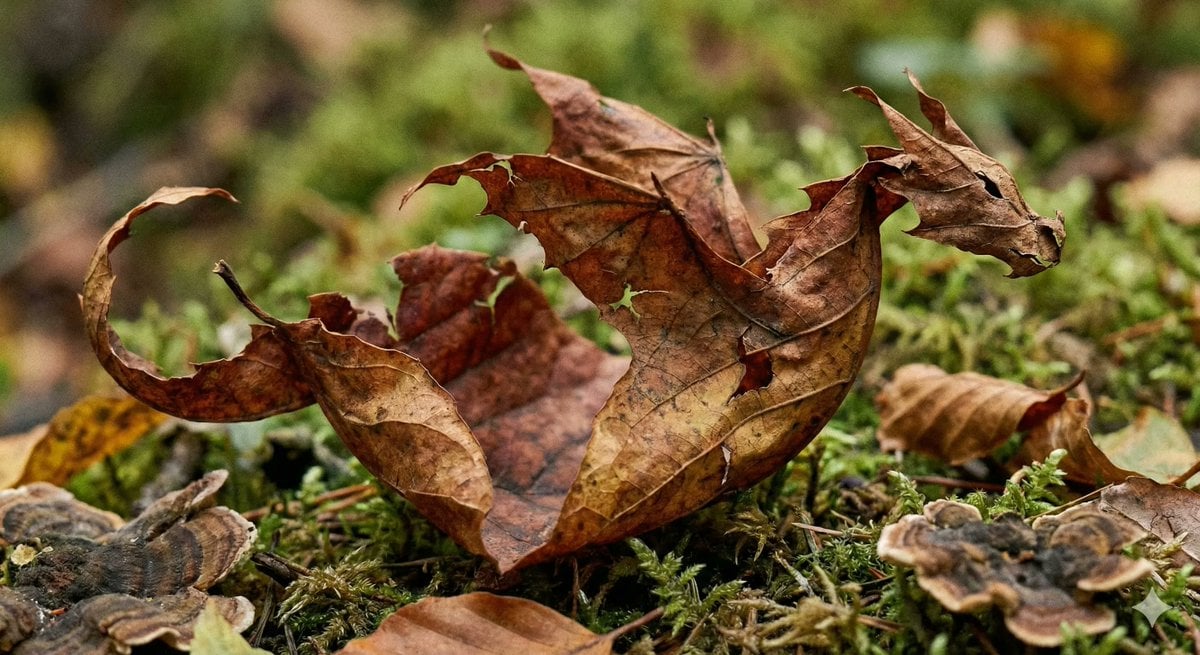
Photorealistic Leaf Shaped Like a Dragon
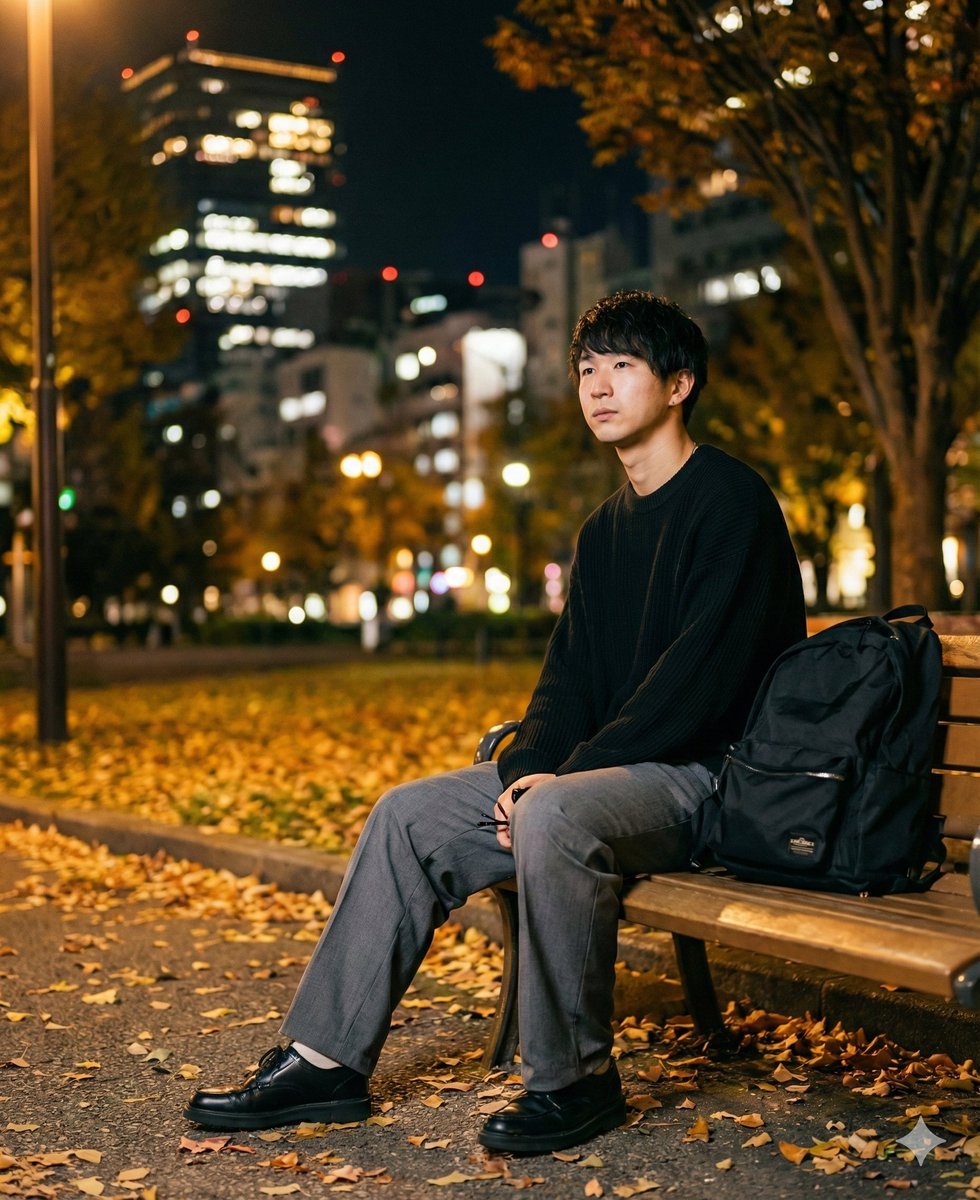
K-Pop Idol Portrait Grid for Rapid Selection
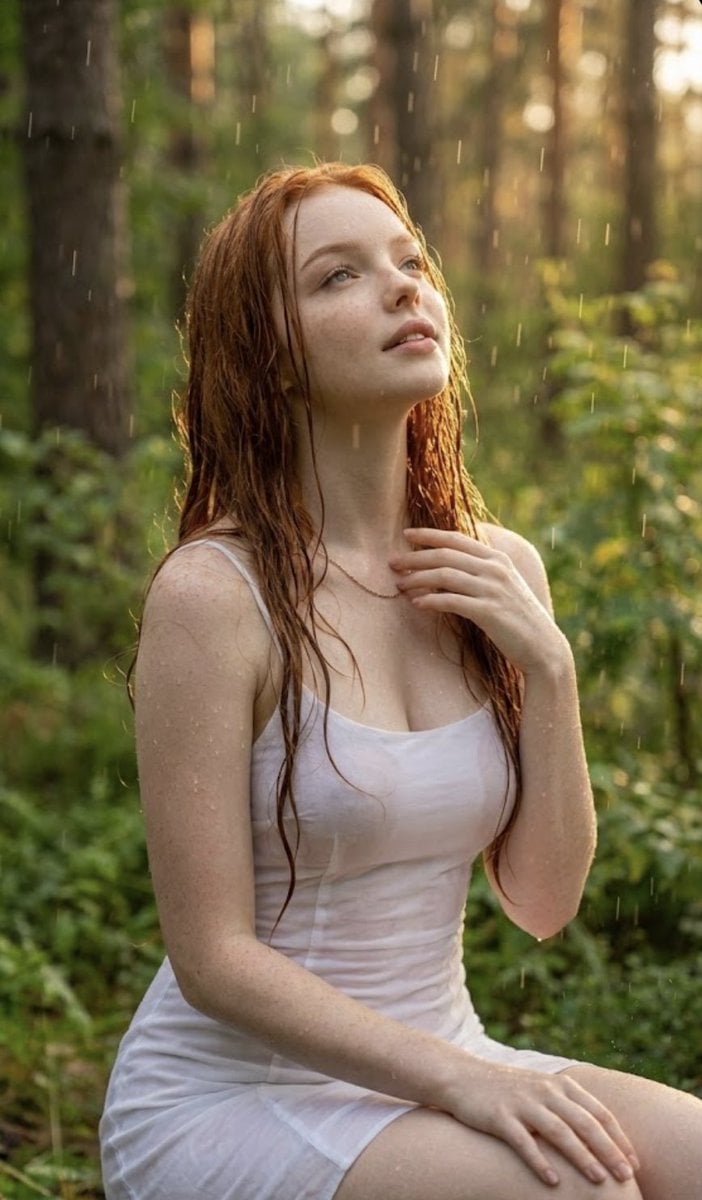
Poetic Rain Forest Portrait During Golden Hour
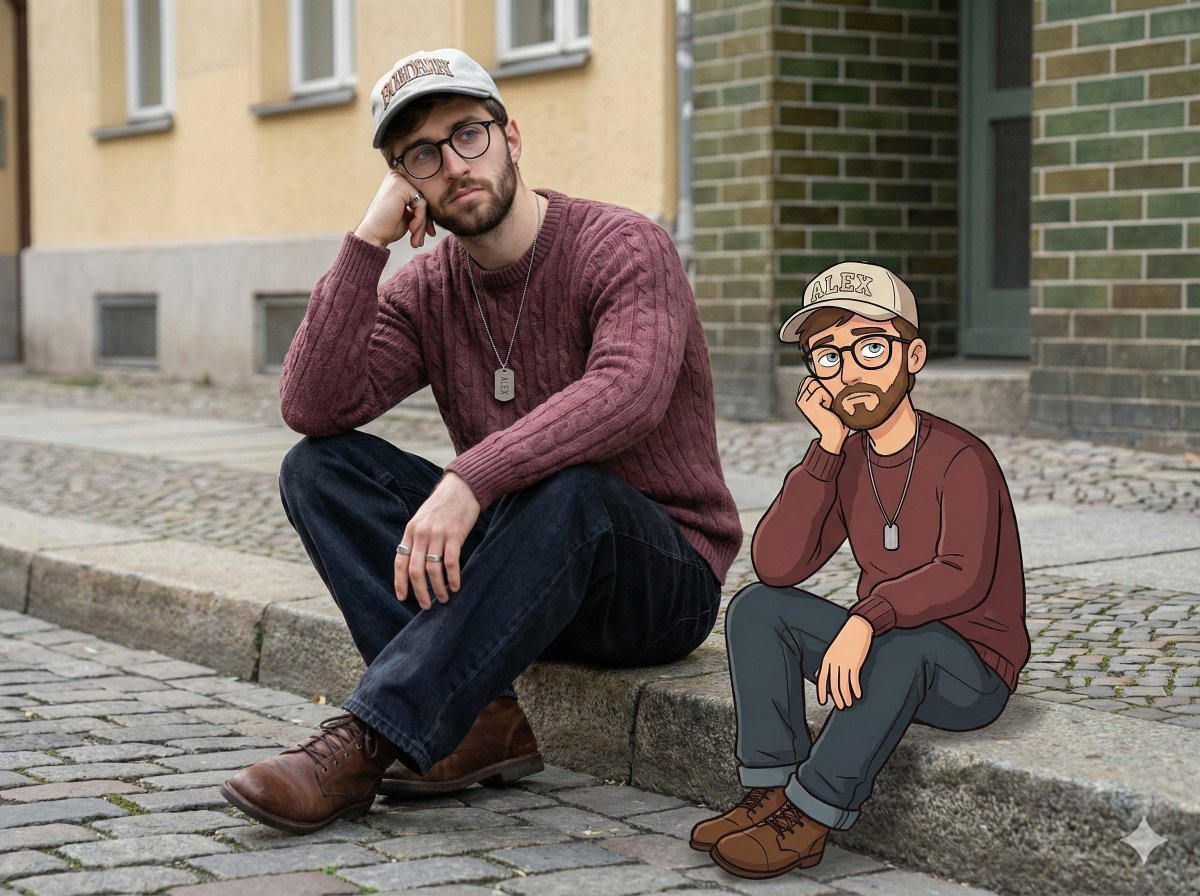
Urban Street Portrait with Cartoon Inner Self Duo
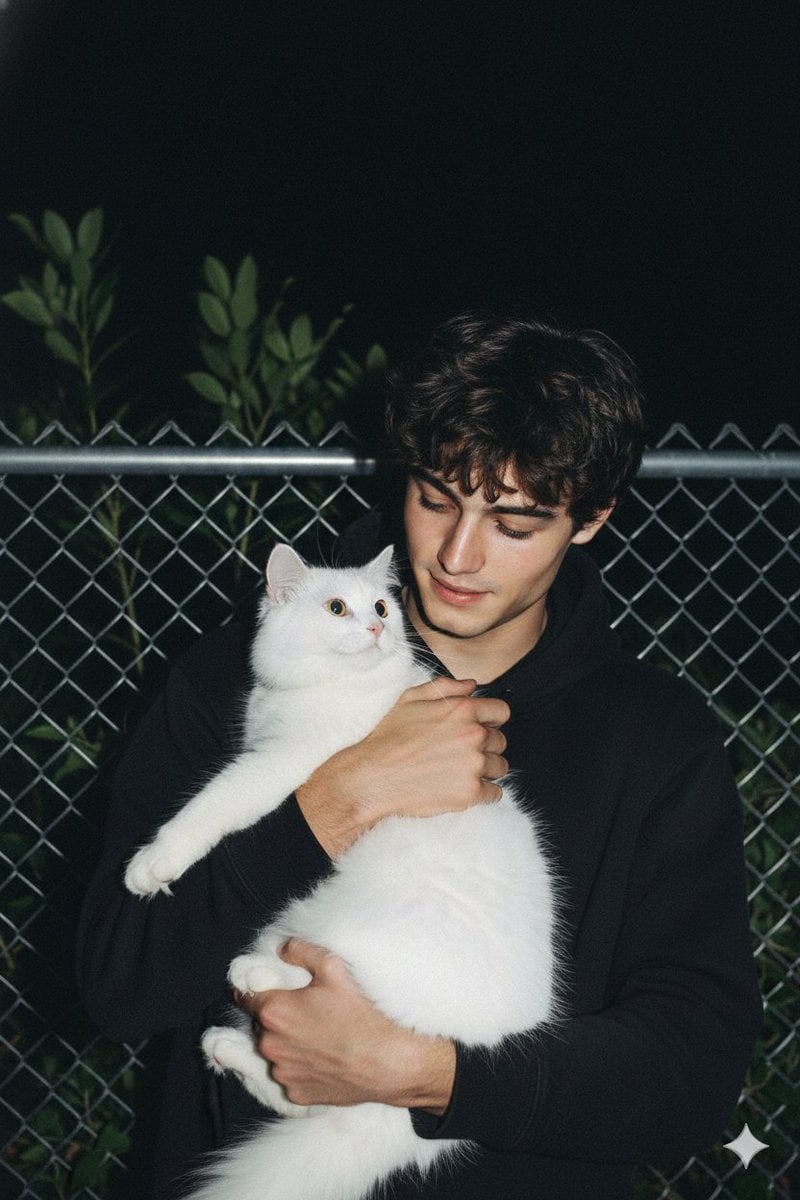
Candid Nighttime Photo with Cat Prompt
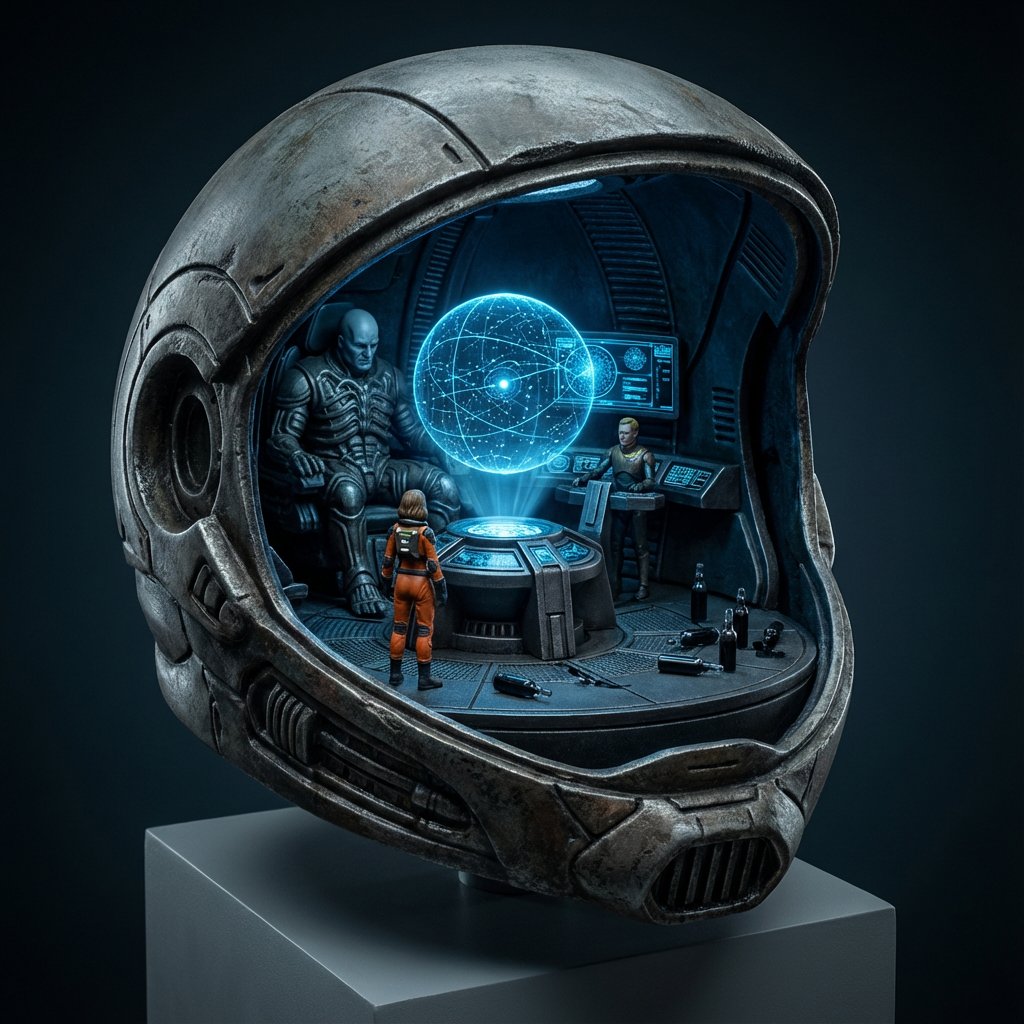
High-Concept 3D Diorama Generation Prompt
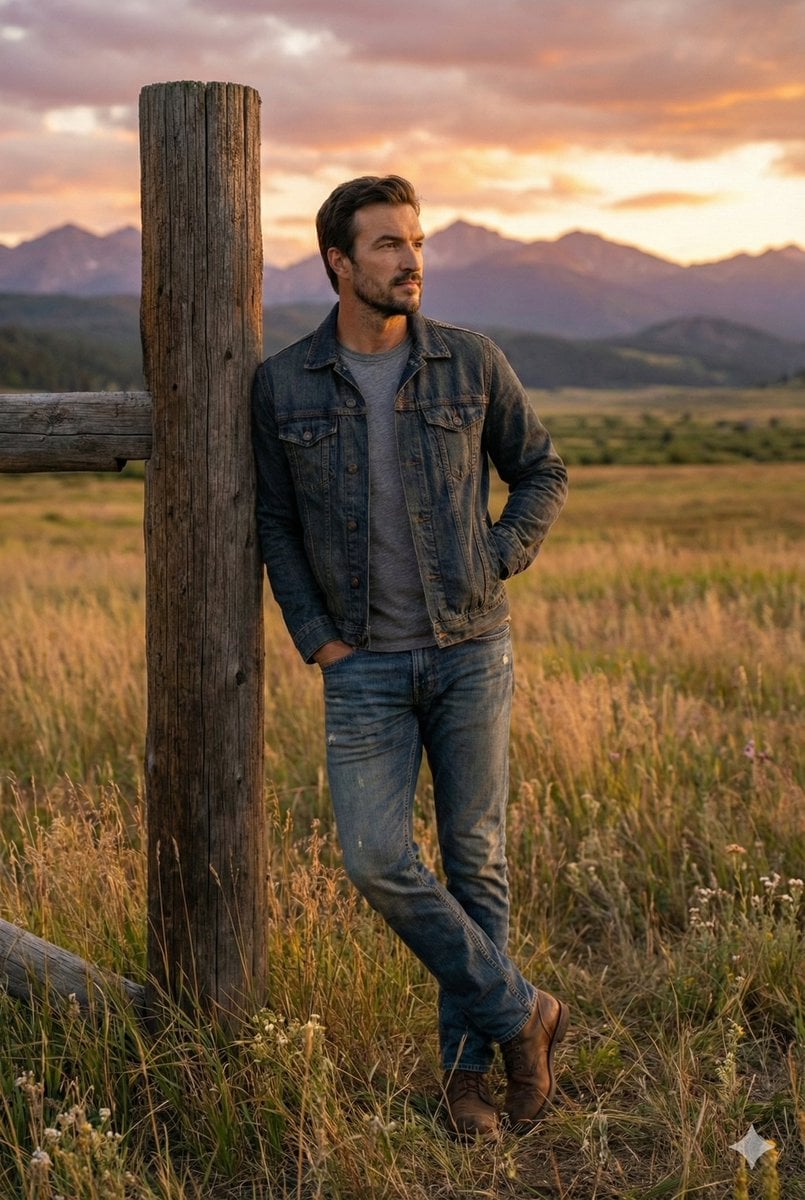
Cinematic Futuristic Studio Portrait Template
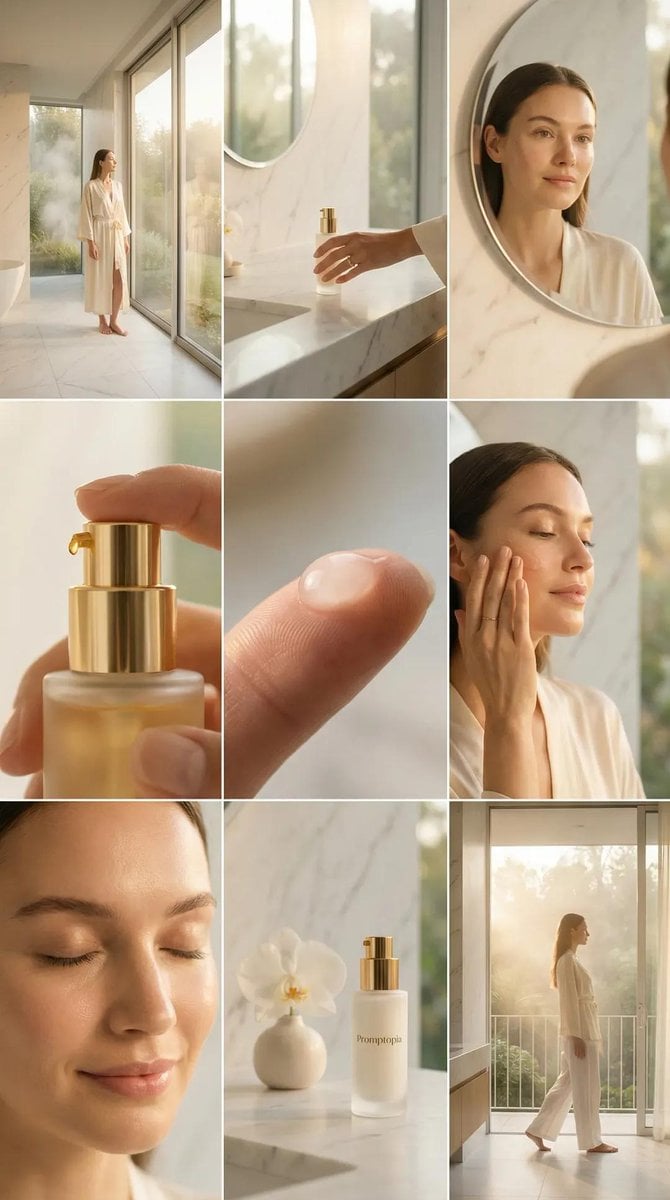
Skincare Editorial Photography Collage Prompt
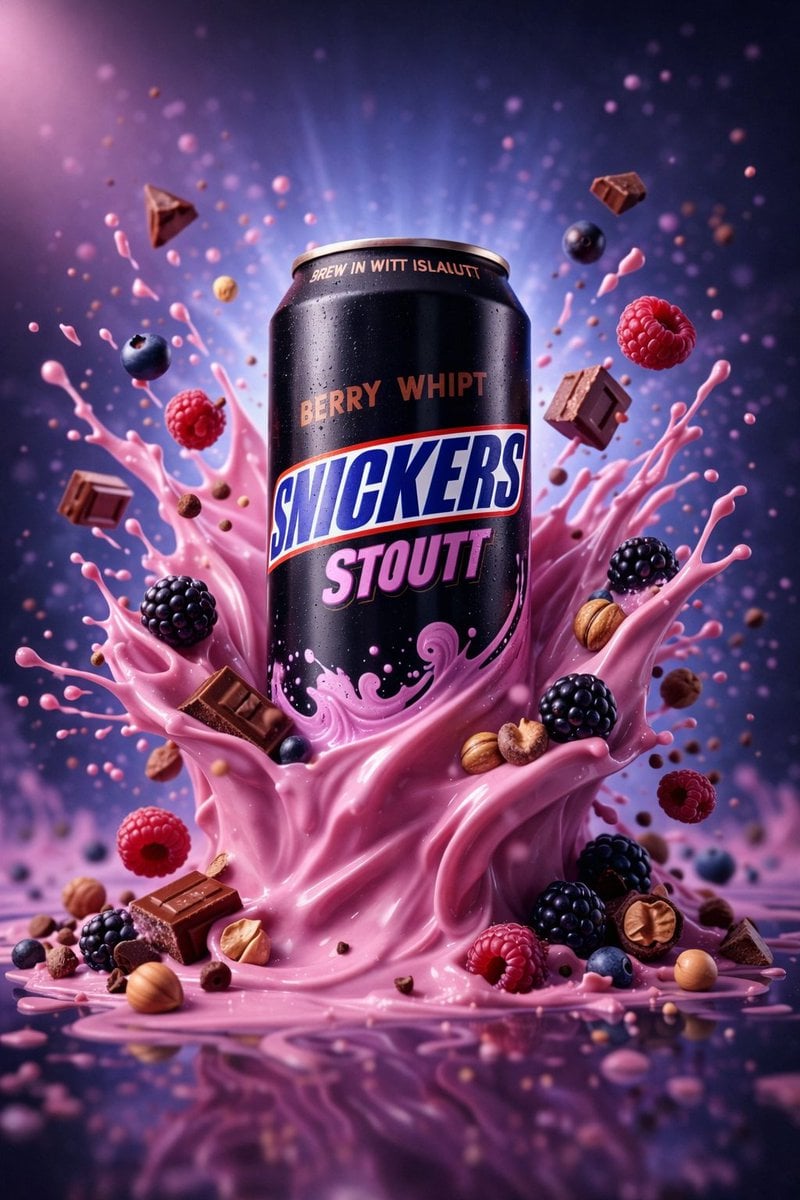
Hyper-Realistic Commercial Product Photography (Splash Effect)
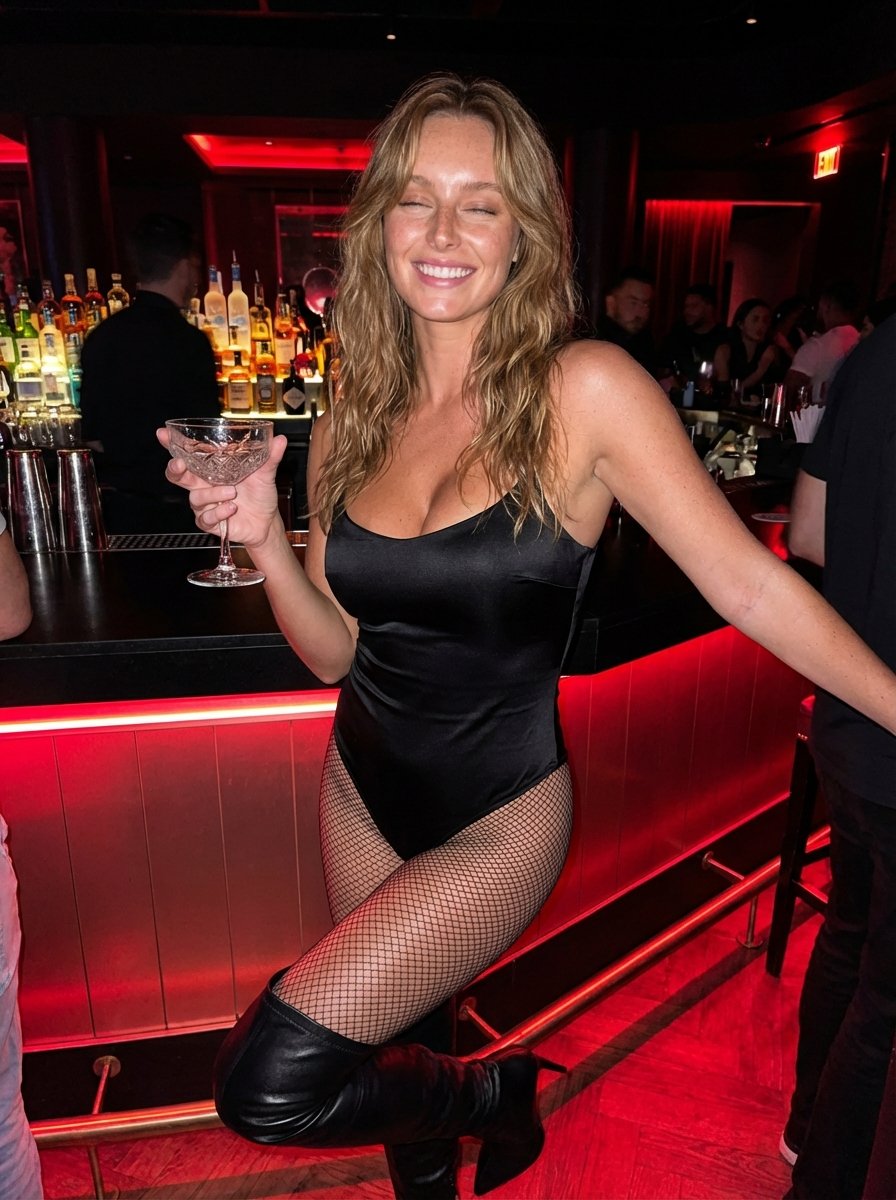
Hyper-Realistic Nightclub Portrait Prompt
More image prompts
Fresh picks from across the catalog.
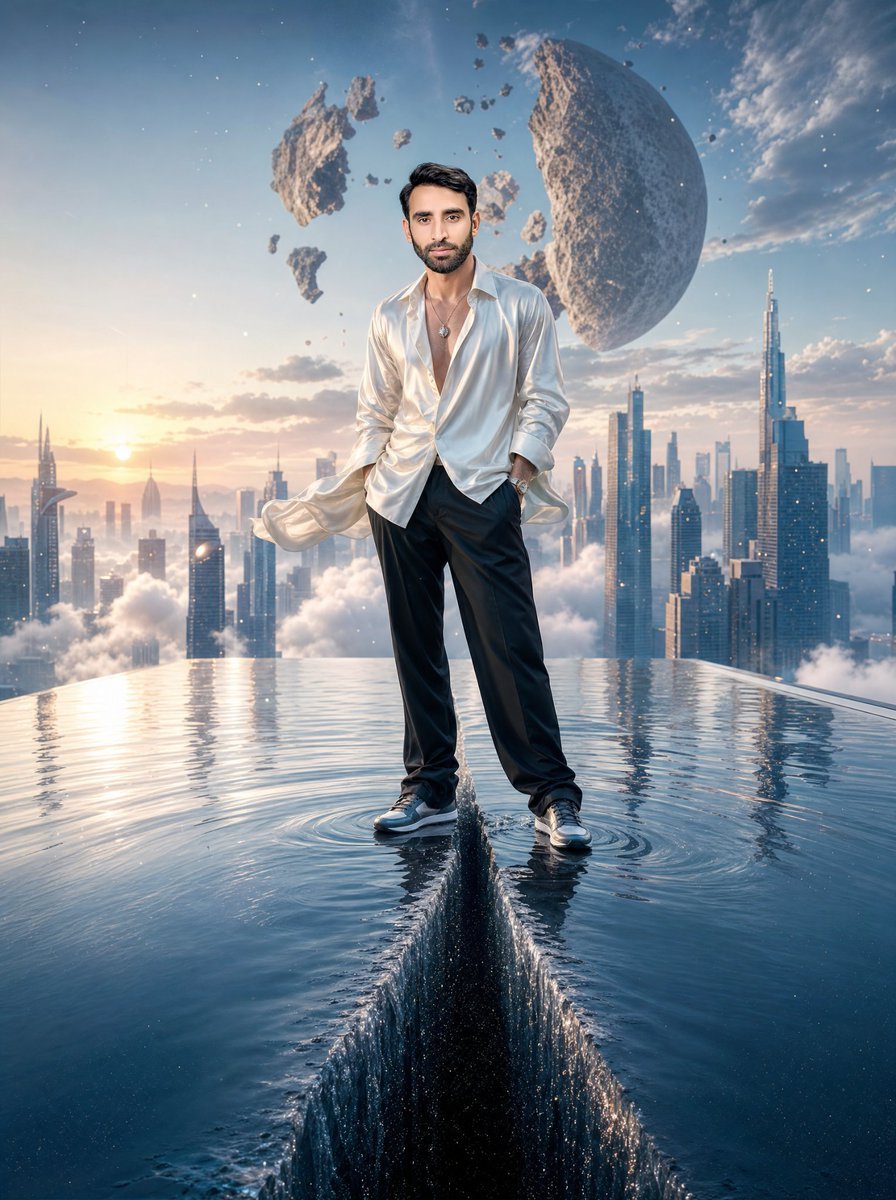
Surreal Rooftop Infinity Pool Portrait
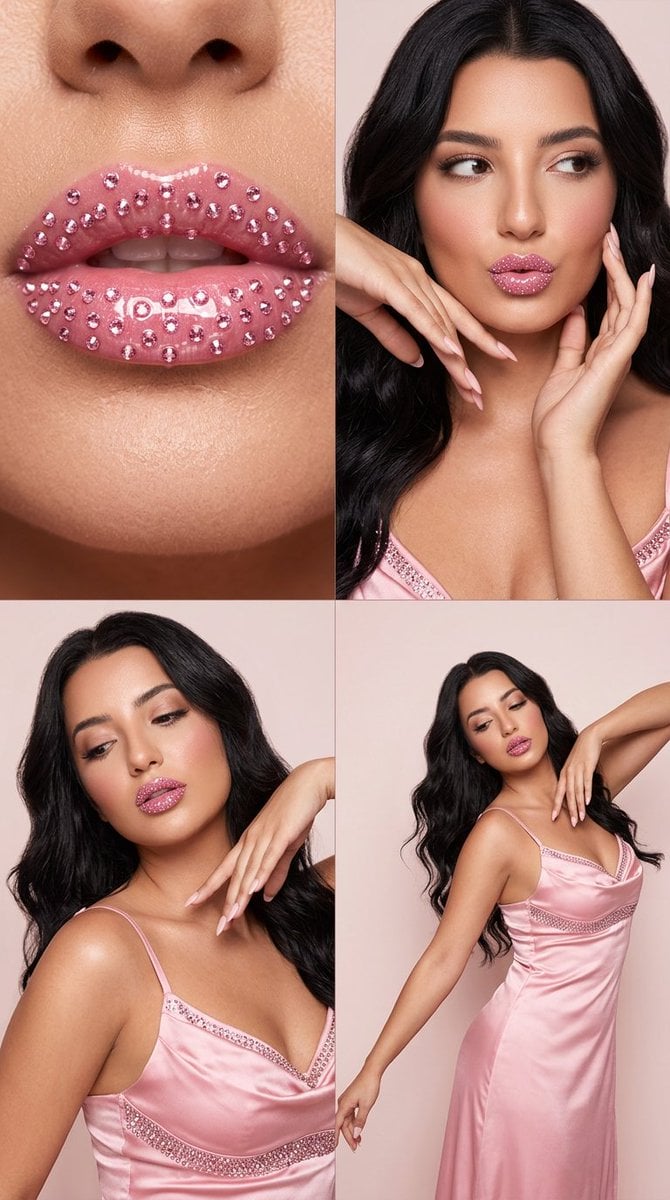
2x2 Editorial Grid: Pink Rhinestone Lips and Dance Fashion
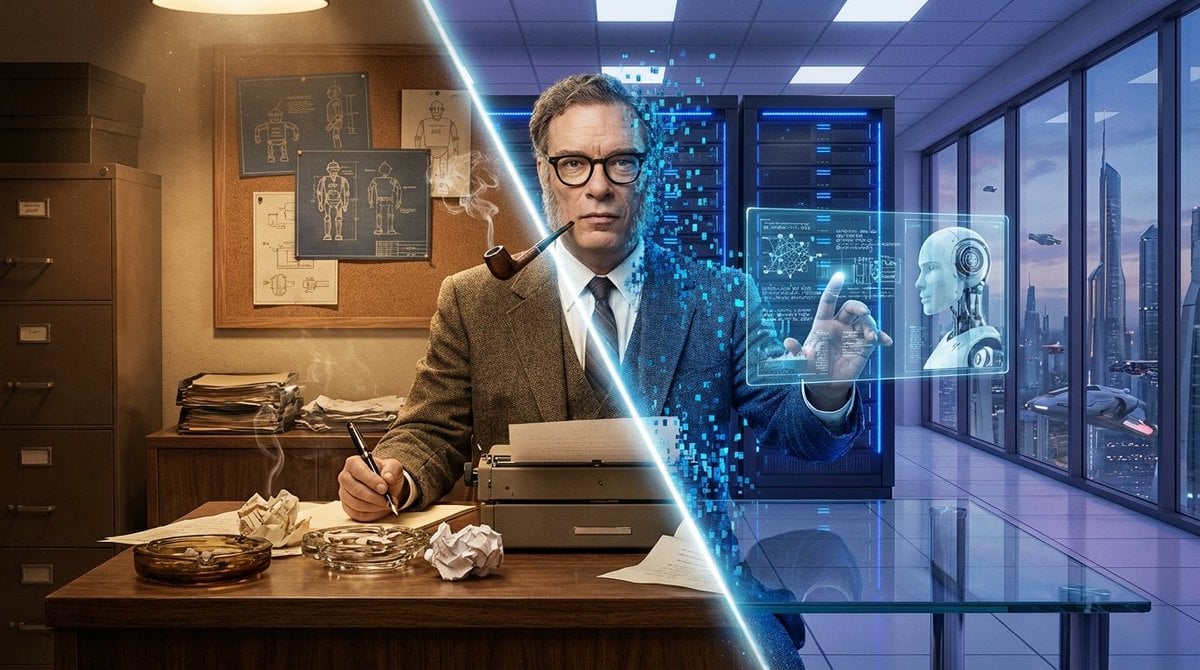
Asimov Visionary Split-Scene Concept Art Prompt
Retro Amagasaki Travel Poster
Cinematic Gala Still Identity Preservation Prompt
Zero-Gravity Space Station Maid Cafe
11 Walt Disney Concert Hall — California Series
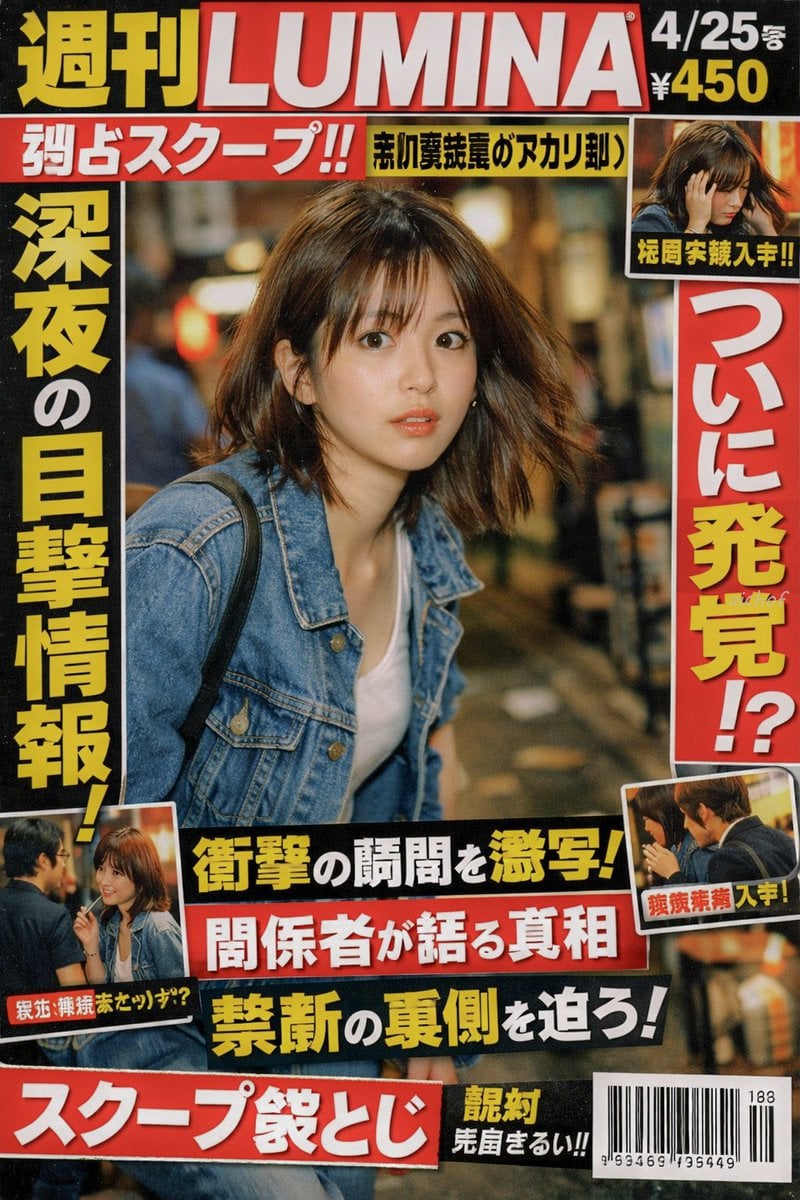
Japanese Tabloid Magazine Cover
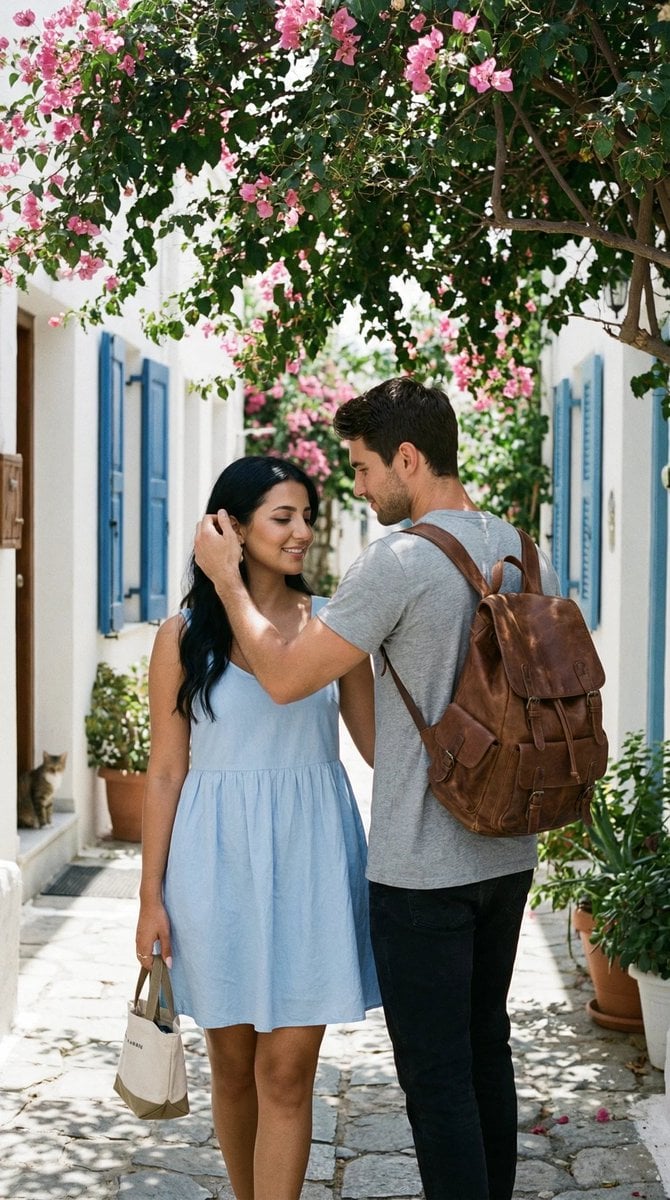
Ultra-Photorealistic Candid Travel Romance Scene: Aegean Stone Street
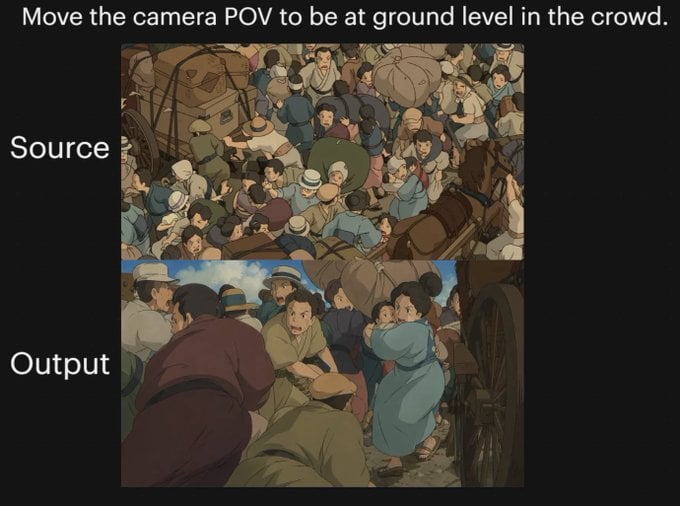
Anime Crowd POV Comparison
Browse template categories
Cinematic Macro Toy-Photography of Mini Beasts questions
How do I use the Cinematic Macro Toy-Photography of Mini Beasts template?
Add your photo if the template asks for one, edit the prompt if you like — the template's model and format are already selected — and press Generate. Your version opens in PicX Studio.
Can I customize the Cinematic Macro Toy-Photography of Mini Beasts template?
Yes. You can change the subject, setting, lighting, mood, format, and available model controls before creating your image.
Is the Cinematic Macro Toy-Photography of Mini Beasts template free?
Opening and editing this template is free. Generating uses credits, shown on the Generate button when you are signed in.
Which AI model should I use?
Start with Nano Banana 2, which is the model associated with this template. You can compare another compatible model for a different finish.
Looking for something else? Browse all templates.
Your photo, any look
Thousands of ready templates for every top image and video model, from one credit balance.