How do I use the Educational Commodity Universe Diorama Prompt template?
Choose the primary action to open PicX Studio with the available template settings. Review the model and format, personalize the creative direction, and generate when ready.
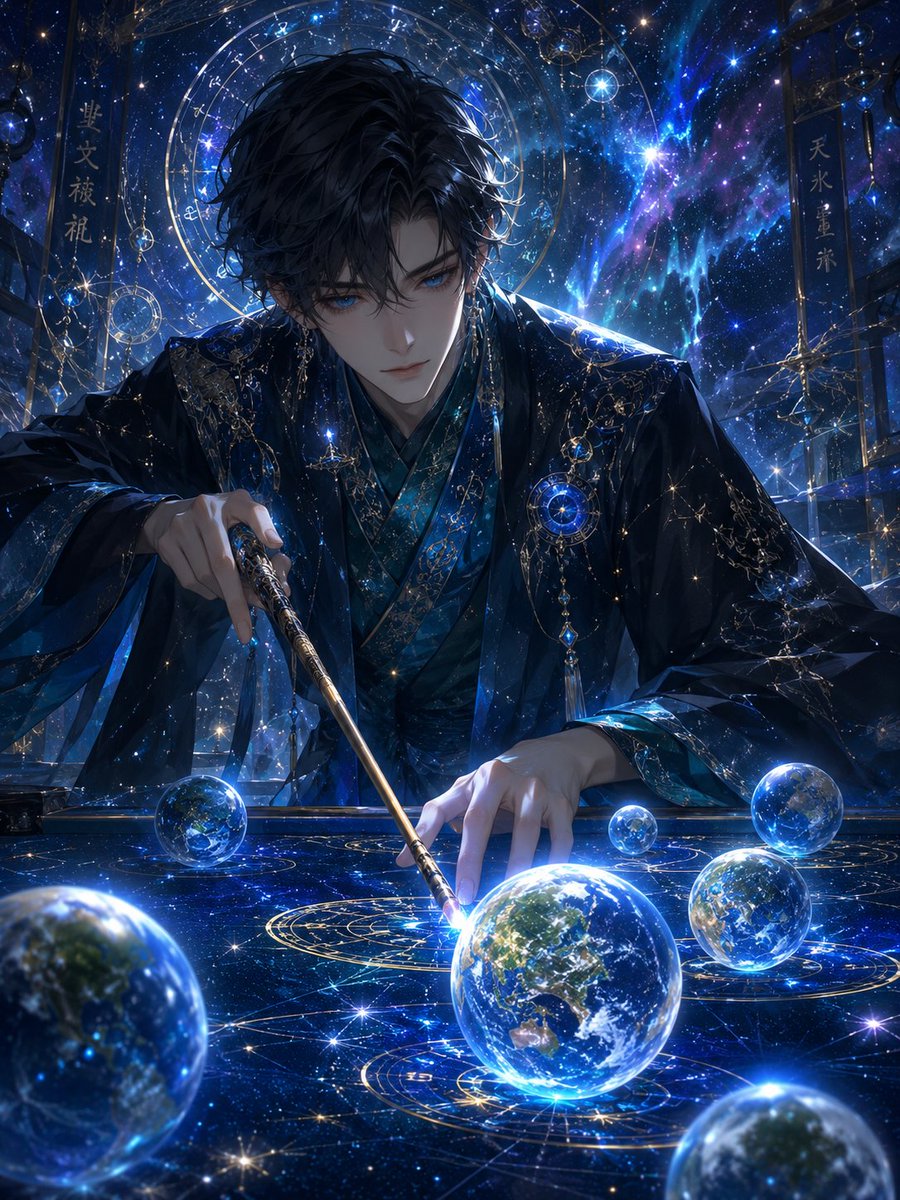
An educational, highly structured prompt template designed to generate an isometric tabletop photography image of a 'Commodity Universe' diorama. Change the subject, setting, or lighting one variable at a time.

<instruction> for {argument name="commodity" default="Coffee"} Input A is a Historic Commodity or Resource (e.g., Spices, Tea, Silk, Coffee, Gold). Deconstruct the commodity into 3 Educational Assets: The Core : Identify the most common or valuable raw form. (e.g., Spices -> A pile of Black Peppercorns. Tea -> A mound of Black Tea leaves. Gold -> A large Nugget). The Varieties: Identify 4-5 distinct variations or colors. (e.g., Spices -> Red Paprika, Yellow Turmeric, Brown Cinnamon. Tea -> Green, White, Oolong, Matcha). The Transit : Identify the historical method of transport. (e.g., Camel Caravans, East Indiaman Ships, Steam Trains). 2. Container Goal: "Commodity Universe" Educational Diorama. The Base: A large, square Polished Walnut or Oak Board sitting on a library table. The Layout: A radial/circular design in the center, flanked by narrative vignettes in the corners. 3. The Centerpiece The Metaphor: The commodity is the center of the world. The Sun: A massive, textured pile of the "Core" material (Step 1) sits in the exact center. The Orbit: Inlaid gold or brass rings ripple out from the center. The Planets: Smaller mounds or spheres of the "Varieties" (Step 1) orbit the center, creating a colorful spectrum of textures (powders, grains, solids). 4. Narrative Corners The Origin (Top Corners): Miniature dioramas sculpted directly onto the board showing the harvesting process (e.g., tiny figures picking tea leaves, mining gold, or shaking spice trees). The Journey (Bottom Corners): Miniature dioramas showing the "Transit" (Step 1). Detail: Use Resin for water (ships) or Sand for deserts (camels). 5. The Footer: Placement: Along the bottom edge of the board. Format: Three or four rectangular Wooden Plaques embedded in the table. Content: The name of a specific variety (e.g., "Cinnamon") engraved in serif text, with a physical sample of that ingredient piled on the plaque. Output: ONE image, 1:1 Aspect Ratio, Isometric Tabletop Photography, "Museum Display" aesthetic, Warm Tones. </instruction>
Choose the primary action to open PicX Studio with the available template settings. Review the model and format, personalize the creative direction, and generate when ready.
Yes. You can change the subject, setting, lighting, mood, format, and available model controls before creating your image.
This template is free to open and customize. Generation usage is shown in PicX Studio before you create.
Start with Nano Banana 2, which is the model associated with this template. You can compare another compatible model for a different finish.
© 2026 PicX Studio. All rights reserved.

Follow a topic to a crawlable collection of related PicX Studio templates.
43,474 public templates available. Verified via the PicX Studio public templates API; refreshed hourly.
![Isometric Brand Store Diorama — Present a clear, 45° top-down isometric miniature 3D cartoon diorama of the [BRAND], with soft refin…](/_next/image?url=https%3A%2F%2Fcdn.picxstudio.com%2Fuploads%2Fmeigen_18578a8c7cb6_25c7ccef-837d-4949-99fb-d6321dc5c72c.jpg&w=828&q=100)
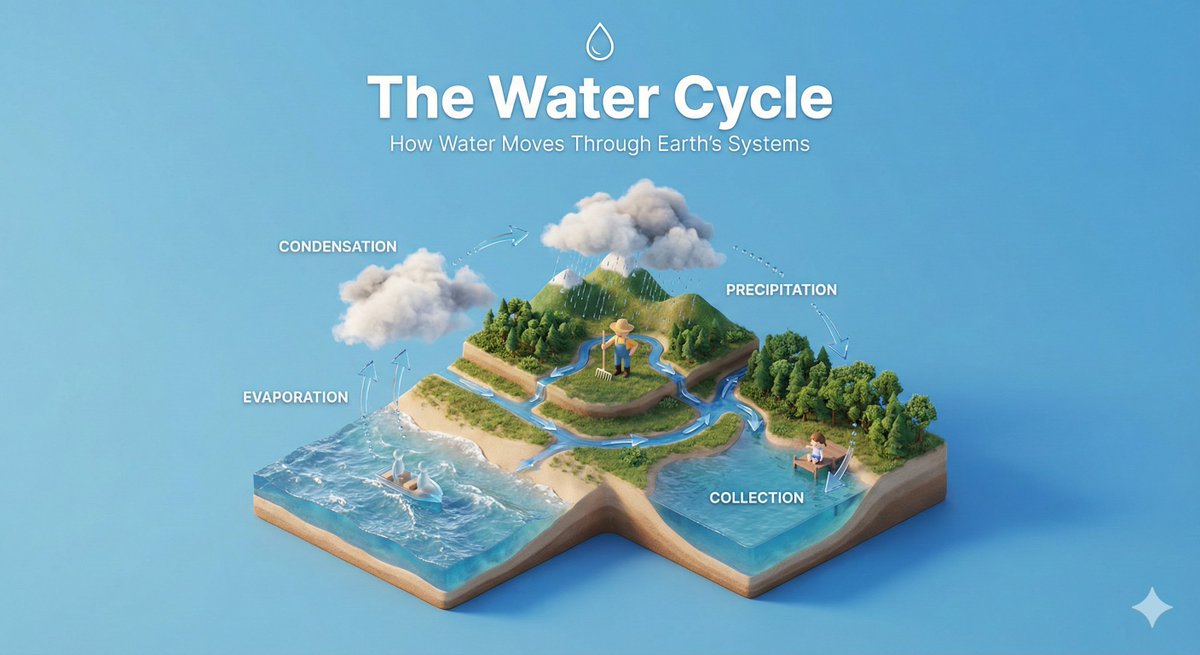
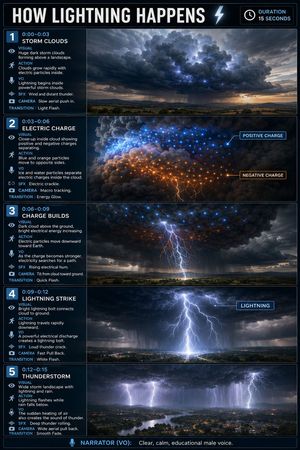



![Surreal Miniature Universe Bubble Portrait — A surreal, photorealistic portrait of {argument name="character" default="[User Face/Character]"} standing naturall](https://pbs.twimg.com/media/HKUJLZgWwAA7_0m.jpg)

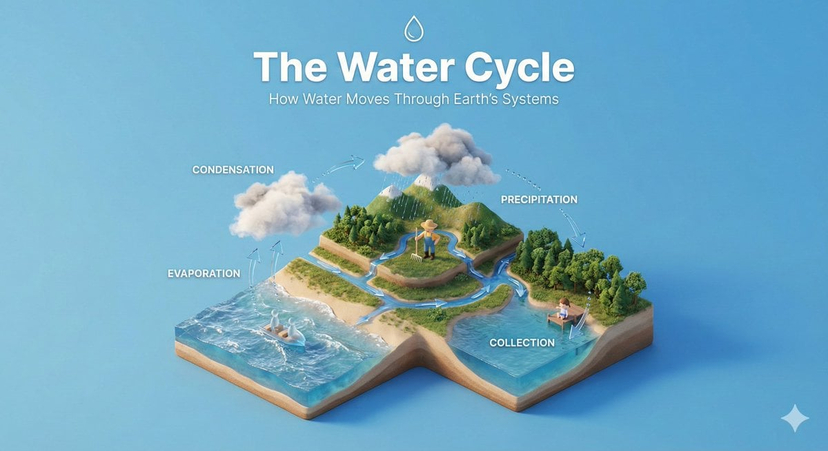
![Isometric Educational Process Diorama — Create a clear, 45° top-down isometric miniature 3D educational diorama explaining [PROCESS / CONCEPT].
Use soft refine](/_next/image?url=https%3A%2F%2Fcdn.picxstudio.com%2Fuploads%2Fmeigen_2013493349156823287_ccb7d2c8-ed1f-4294-a2db-8abd0e0b5603.jpg&w=828&q=100)


![Naive doodle-style subject illustration — A doodle-style {argument name="subject" default="[subject]"}, naive lines, humorous shape exaggeration](https://pbs.twimg.com/media/G6Wl2YxbsAARB2b.jpg)










![High-End Skincare Product Macro Photography Ad — [{argument name="产品名称" default="产品"}],俯视平铺中心位置,周围环绕[{argument name="成分描述" default="成分"}],新鲜切片和整块,光泽湿润外观,水花冻结在产品](https://pbs.twimg.com/media/G_krEgZbcAADmJh.jpg)







![High-End Cocktail Visual Marketing Prompt — A high-end studio photograph of a [{argument name="cocktail name" default="YOUR COCKTAIL"}], shot from a high-angle](https://pbs.twimg.com/media/G-Yut-8WEAAXhGB.jpg)