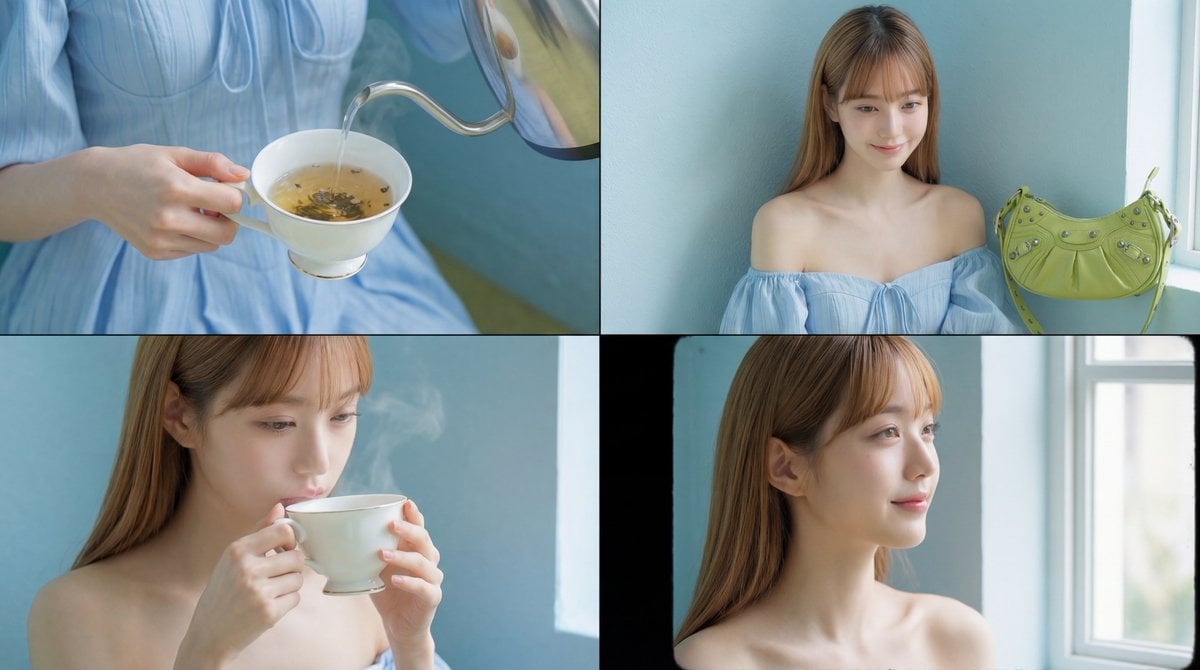
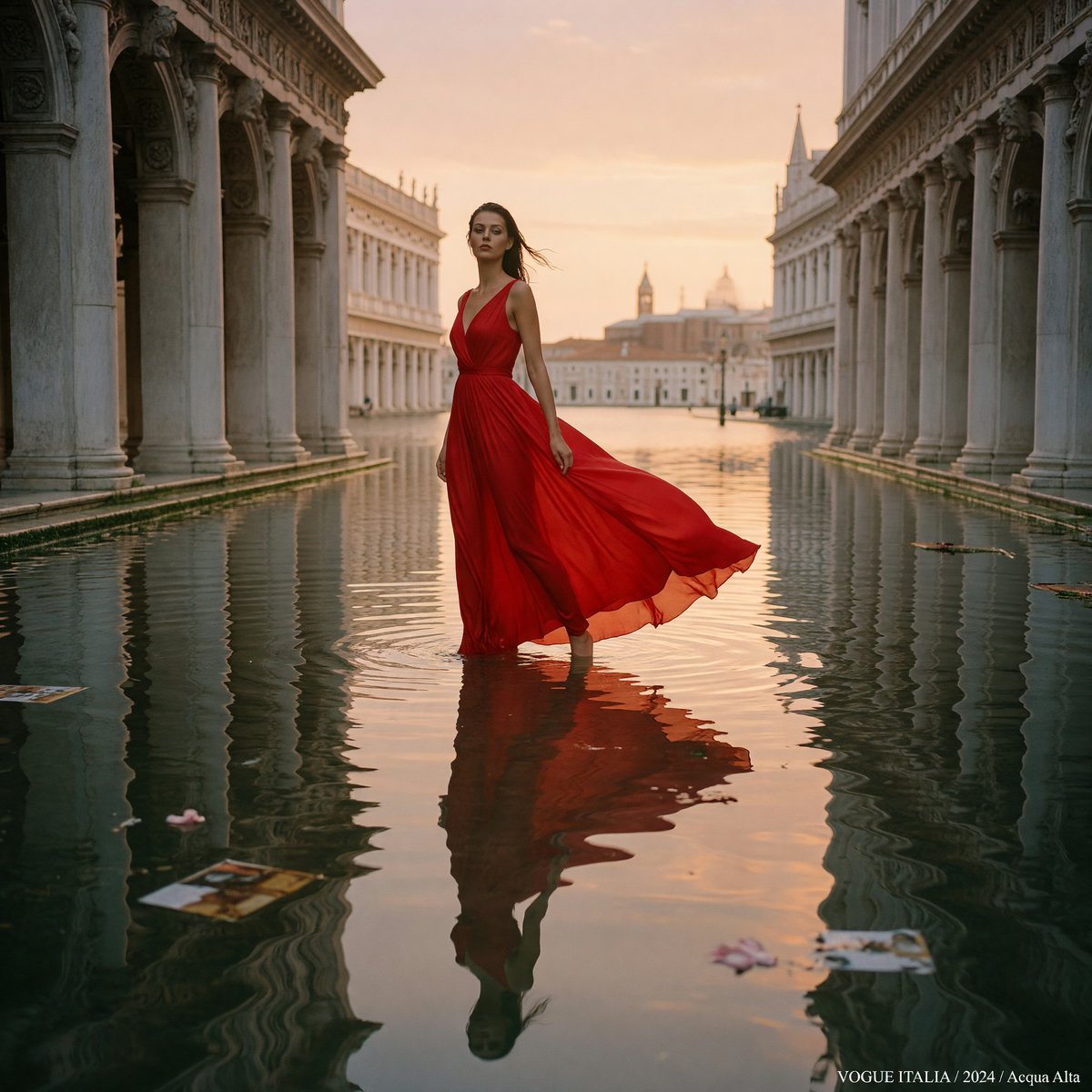
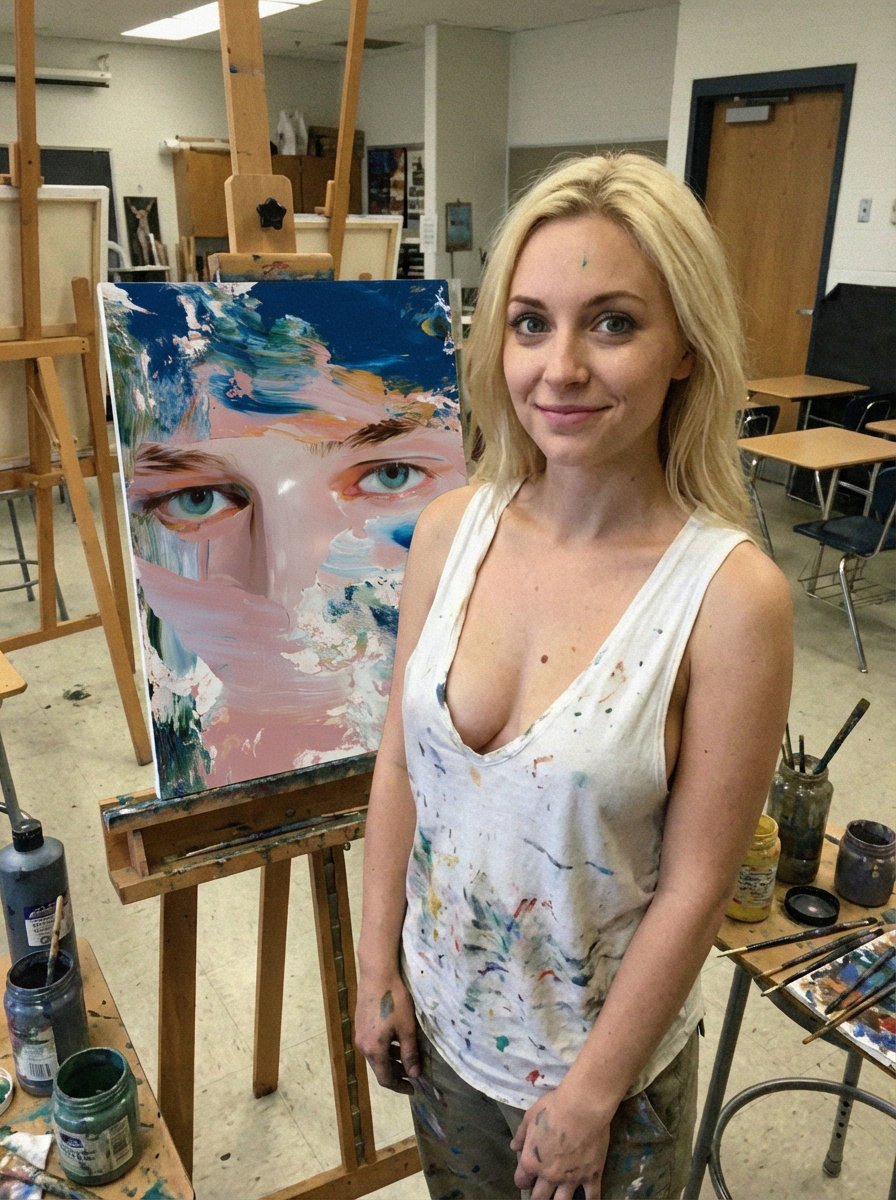
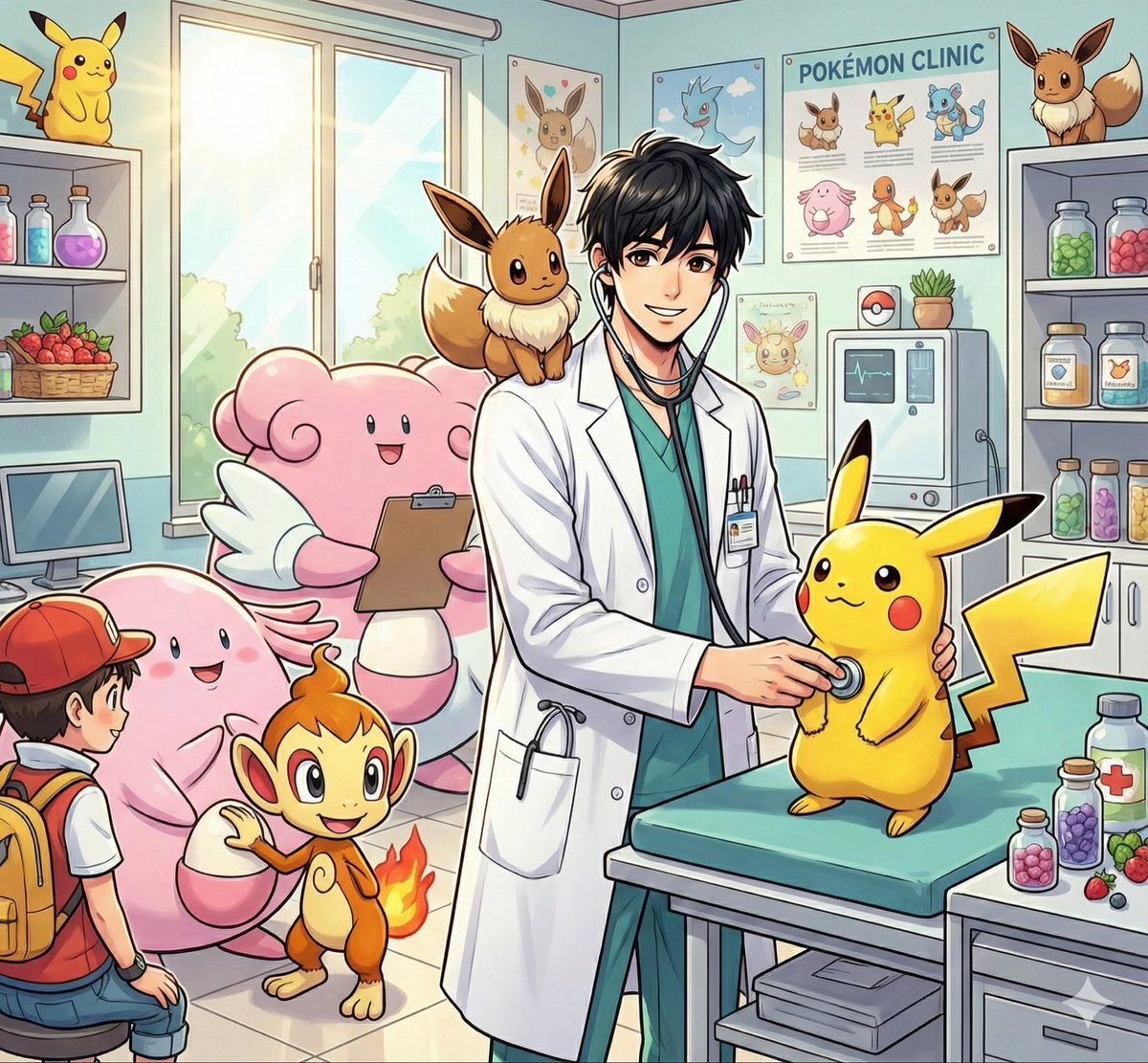
How do I use the Two-Panel AI Portrait Comparison template?
Edit the prompt in the box under the preview — the template's model and format are already selected — and press Generate. Your version appears right on this page.
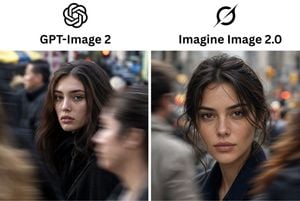
Generates a wide side-by-side comparison of two similar realistic female AI portraits with Japanese iteration labels.

This template uses your photo — add one with the + button.
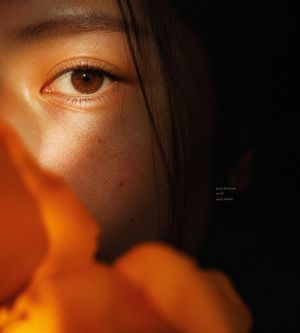
Goal: Create a side-by-side comparison image showing two AI-generated close-up portraits of the same young East Asian woman, emphasizing subtle facial differences between two generations. Canvas: Wide horizontal 2-panel layout, approximately 1200×525 px, with a thin vertical divider exactly in the center. No outer border, no title, no watermark. Layout: Use exactly 2 equal panels. Left panel: first portrait, labeled {argument name="left label" default="1回目"} in small white text near the lower-right corner. Right panel: second portrait, labeled {argument name="right label" default="2回目"} in small white text near the lower-right corner. The labels should be clean sans-serif, white with a subtle dark shadow for legibility. Subject details: Each panel shows a tightly cropped frontal head-and-face portrait of {argument name="subject" default="a young East Asian woman"}. She has long, loose {argument name="hair color" default="black hair"} framing her face, a smooth forehead, natural dark eyebrows, almond-shaped dark eyes looking directly into the camera, a small straight nose, softly closed lips, and a calm neutral expression. The face fills most of each panel, cropped near the top of the forehead and around the chin, with hair extending to both sides. The two portraits should look very similar but not identical: slightly different eye shape, cheek fullness, nose bridge, mouth shape, and face proportions. Visual style: Realistic AI portrait photography with soft cinematic lighting, shallow depth of field, smooth skin texture, muted warm skin tones, dark blurred background, and slightly soft focus. The overall mood is quiet and serious. Keep the left portrait a little softer and flatter, and the right portrait slightly more polished, warmer, and more symmetrical. Constraints: Include exactly 2 portraits and exactly 2 text labels. Do not add extra captions, UI elements, logos, or decorative graphics. Maintain a direct face comparison composition with both faces centered and similarly scaled.
Goal: Create a side-by-side comparison image showing two AI-generated close-up portraits of the same young East Asian woman, emphasizing subtle facial differences between two generations. Canvas: Wide horizontal 2-panel layout, approximately 1200×525 px, with a thin vertical divider exactly in the center. No outer border, no title, no watermark. Layout: Use exactly 2 equal panels. Left panel: first portrait, labeled {argument name="left label" default="1回目"} in small white text near the lower-right corner. Right panel: second portrait, labeled {argument name="right label" default="2回目"} in small white text near the lower-right corner. The labels should be clean sans-serif, white with a subtle dark shadow for legibility. Subject details: Each panel shows a tightly cropped frontal head-and-face portrait of {argument name="subject" default="a young East Asian woman"}. She has long, loose {argument name="hair color" default="black hair"} framing her face, a smooth forehead, natural dark eyebrows, almond-shaped dark eyes looking directly into the camera, a small straight nose, softly closed lips, and a calm neutral expression. The face fills most of each panel, cropped near the top of the forehead and around the chin, with hair extending to both sides. The two portraits should look very similar but not identical: slightly different eye shape, cheek fullness, nose bridge, mouth shape, and face proportions. Visual style: Realistic AI portrait photography with soft cinematic lighting, shallow depth of field, smooth skin texture, muted warm skin tones, dark blurred background, and slightly soft focus. The overall mood is quiet and serious. Keep the left portrait a little softer and flatter, and the right portrait slightly more polished, warmer, and more symmetrical. Constraints: Include exactly 2 portraits and exactly 2 text labels. Do not add extra captions, UI elements, logos, or decorative graphics. Maintain a direct face comparison composition with both faces centered and similarly scaled.
Edit the prompt in the box under the preview — the template's model and format are already selected — and press Generate. Your version appears right on this page.
Yes. You can change the subject, setting, lighting, mood, format, and available model controls before creating your image.
Opening and editing this template is free. Generating uses credits, shown on the Generate button when you are signed in.
Start with GPT Image 2, which is the model associated with this template. You can compare another compatible model for a different finish.
Follow a topic to a crawlable collection of related PicX Studio templates.