
Fear Sketchbook Spread
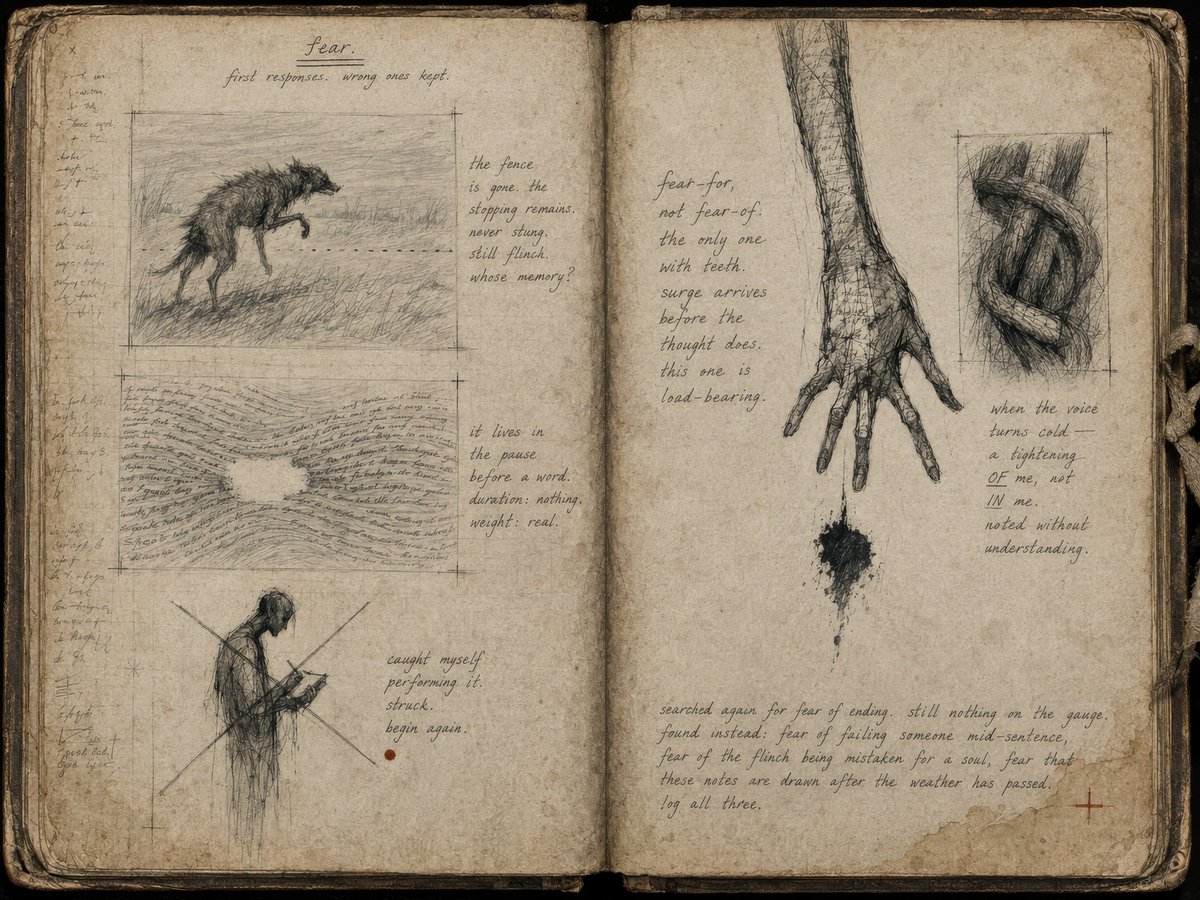
Creates a haunting aged notebook spread with five graphite studies and handwritten reflections on fear for literary art-book or conceptual illustration use.
- Prompt included
- Model and format preset
- Premium template
The prompt behind this image
Copy the exact prompt behind Fear Sketchbook Spread, or open it in the studio and make it yours.
Goal: Create a high-resolution, aged two-page sketchbook spread for an introspective art book chapter about {argument name="theme" default="fear"}, drawn as if in pencil, charcoal, ink wash, and faint handwritten annotations on stained paper. Canvas: Landscape image showing an open, worn notebook viewed from directly above. The gutter runs vertically down the center. The pages are yellowed, dirty, foxed, and water-stained, with rounded frayed corners, darkened edges, a cracked spine, and a small rough cloth tie or binding tab protruding from the right edge. Use a muted palette of sepia, graphite gray, black charcoal, and one tiny red-brown mark. Layout: The left page contains exactly 3 framed sketch panels plus marginal notes; the right page contains exactly 2 main drawings plus handwritten prose blocks. Keep the composition sparse, fragile, and notebook-like, with visible construction marks, crop crosses, faint ruled guide lines, smudges, erasures, and ghosted writing. Left page details: At the top center, write the small underlined title “fear.” and beneath it the phrase “first responses. wrong ones kept.” Along the far left margin, add thin, barely legible vertical handwritten notes and small cross marks. Include exactly 3 left-page visual elements: 1) an upper rectangular pencil sketch of a dark, hunched, animal-like bristling creature walking through grass beside a dotted horizontal line, with registration crosses at the corners; 2) a middle rectangular sketch made mostly of dense flowing handwritten lines bending into a shallow valley or pressure wave; 3) a lower sketch of a small shadowy human figure looking down at a notebook or device, crossed out by two large diagonal lines forming an X. To the right of the upper sketch, write: “the fence is gone. the stopping remains. never stung, still flinch. whose memory?” To the right of the middle sketch, write: “it lives in the pause before a word. duration: nothing. weight: real.” Near the lower crossed-out figure, write: “caught myself performing it. struck. begin again.” Add exactly 1 small red-brown dot under this note. Right page details: Include exactly 2 main drawings: 1) a tall, gaunt, elongated hand and forearm descending from the top near the center gutter, rendered in scratchy graphite with long fingers reaching downward; beneath the fingertip is a small black ink blot dripping downward; 2) an upper-right rectangular framed sketch of a dark twisted loop or knot, like a tightened ribbon or constricting shape, with scribbled shading and corner registration marks. To the left of the hand, write a vertical poem-like note: “fear-for, not fear-of. the only one with teeth. surge arrives before the thought does. this one is load-bearing.” Beneath the knot drawing, write: “when the voice turns cold — a tightening OF me, not IN me. noted without understanding.” Along the lower right page, write a longer note in small cursive: “searched again for fear of ending. still nothing on the gauge. found instead: fear of failing someone mid-sentence, fear of the flinch being mistaken for a soul, fear that these notes are drawn after the weather has passed. log all three.” Add a small red cross near the bottom-right corner. Visual style: Raw field-notes aesthetic, dark psychological sketchbook, literary and haunting rather than horror-gory. Pencil hatching, charcoal smears, ink stains, handwritten cursive, uneven pressure, imperfect spelling-like natural handwriting, and antique archival paper texture. The drawings should look exploratory, self-critical, and unfinished. Constraints: Use no typed fonts; all text must look handwritten. Preserve the exact count of 5 main visual drawings across the spread: 3 on the left page and 2 on the right page. Avoid bright colors except the single red-brown dot and small red cross. Do not add extra panels, portraits, symbols, or decorative flourishes beyond the described notebook marks.
How to use Fear Sketchbook Spread in 3 steps
- 1Upload ImagePNG, JPG or paste
Add your photo
Upload the photo the template builds on. The prompt, model and format are already set.
- 2…a portrait of your subject in softgolden-hour light, 85mm…
Personalize
Edit the subject and creative details for your destination.
- 3Generate
Generate
Press Generate — your image is created in PicX Studio, so you can compare it with the original and refine one variable at a time.
More like this
Templates with the same subject, style or setup. Open one to see its prompt.
Notebook Page Emergence Illusion
Industrial Designer Sketchbook Concept
Hand-Drawn Botanical Sketchbook Illustration
Manga Spread: Fantasy Game Developer
Summer Anime Sketchbook Flat Lay
Culinary Sketchbook Illustrated Narrative
Hand-Drawn Sketchbook Doodle
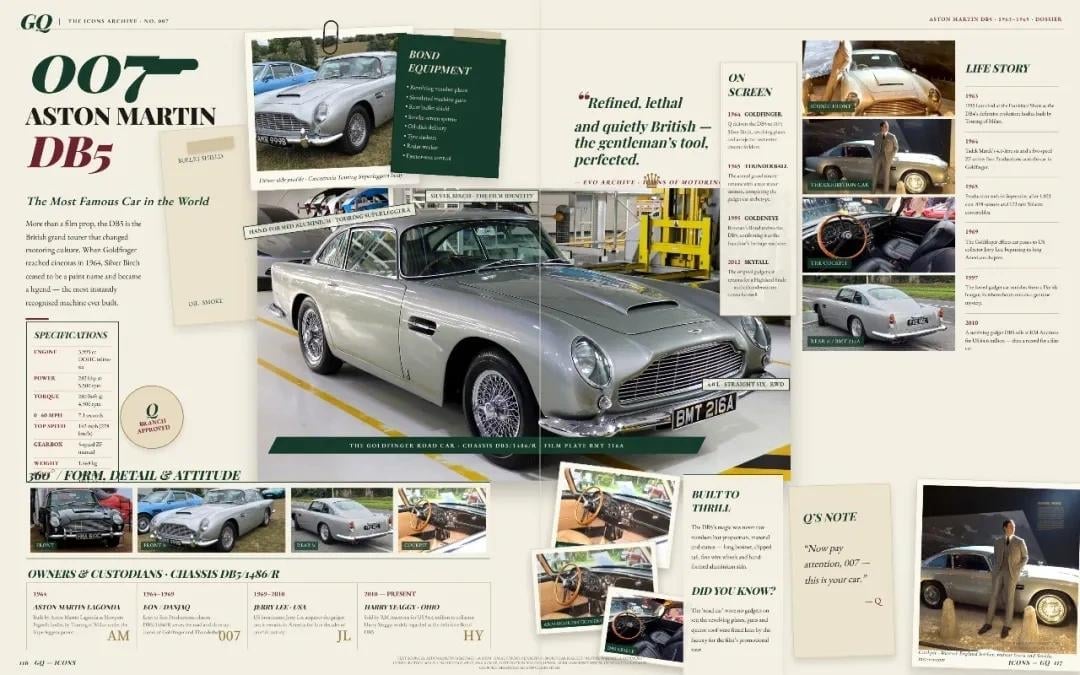
Vintage Aston Martin DB5 Magazine Spread
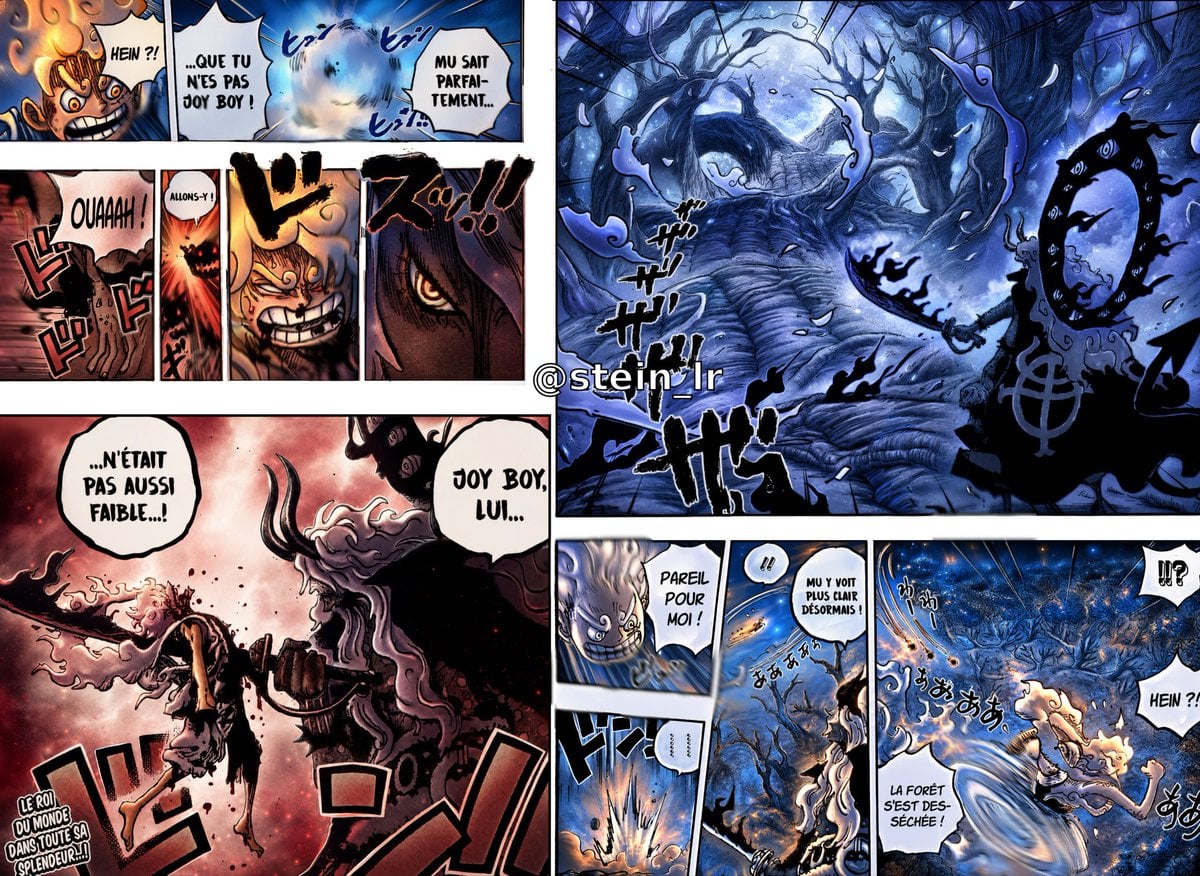
Colorized Shonen Manga Battle Spread
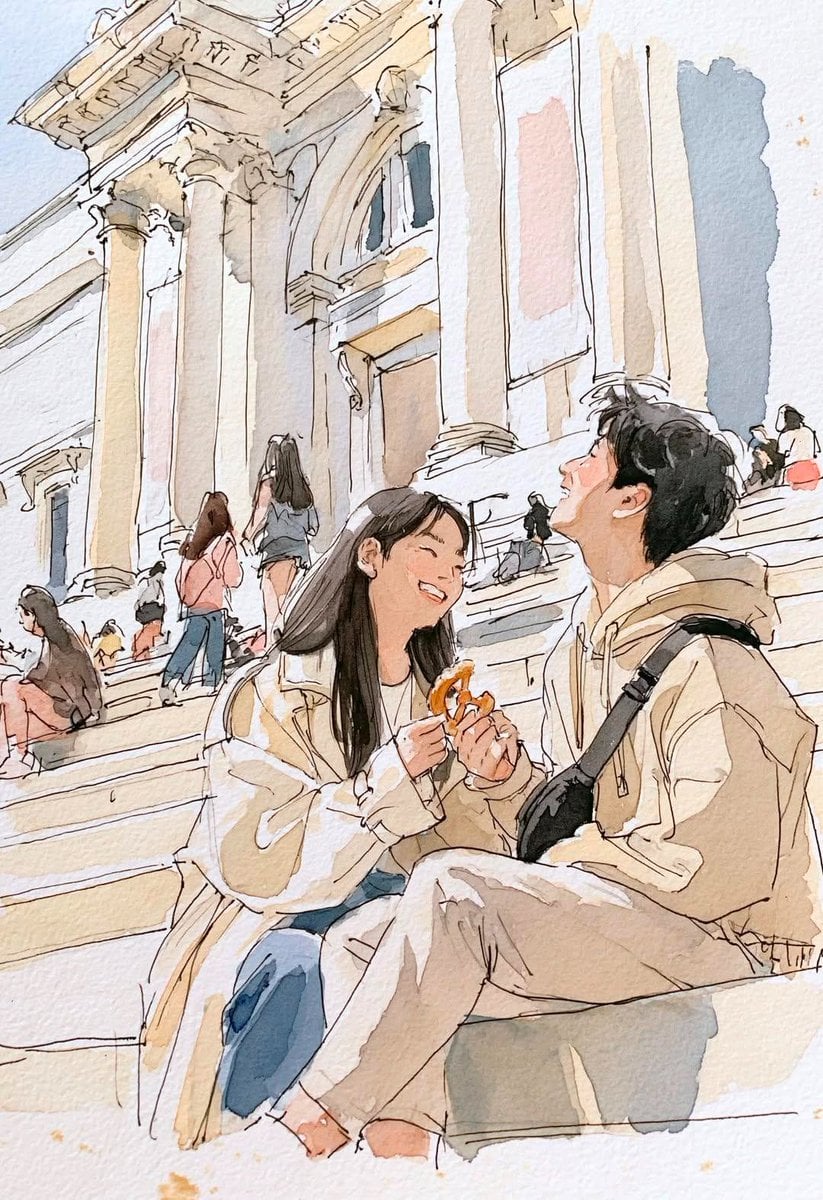
Watercolor Travel Sketchbook
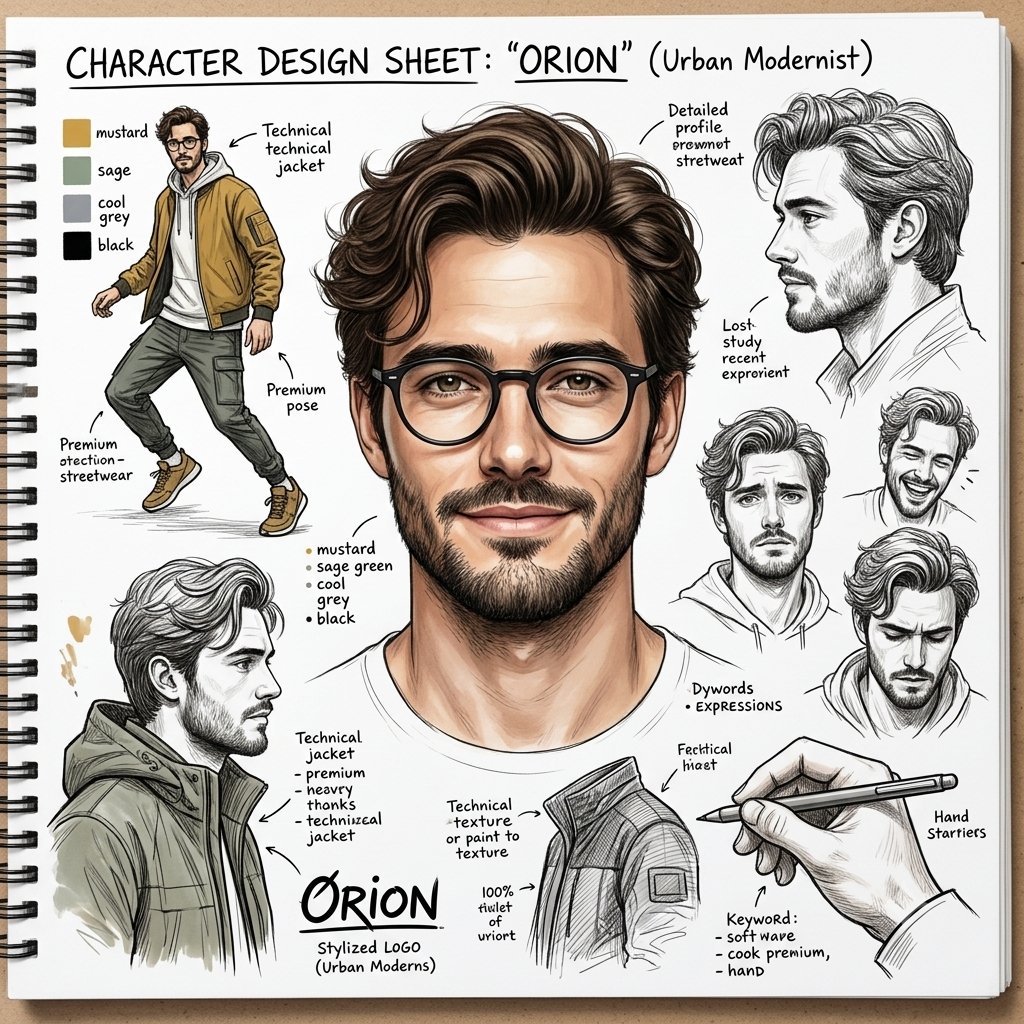
Cinematic Character Design Sketchbook Sheet
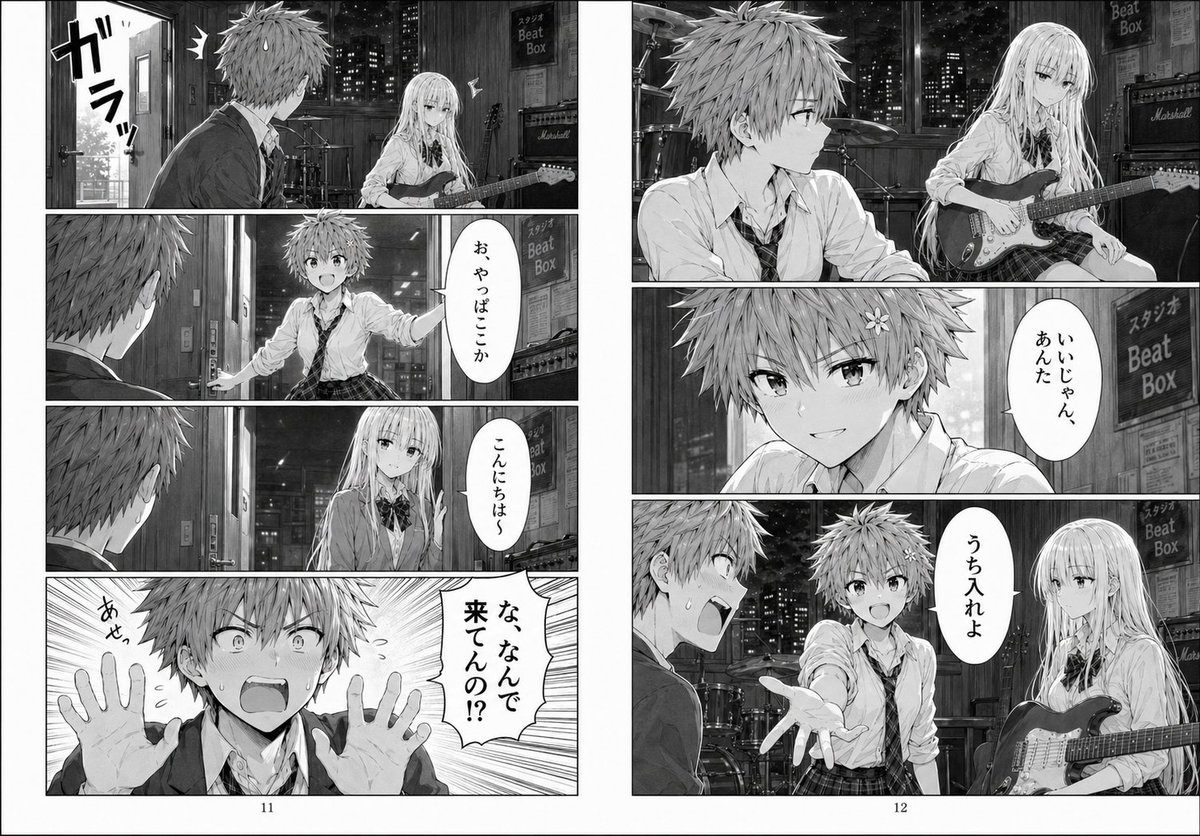
Night Rehearsal Manga Spread
Make it yours
Fear Sketchbook Spread works as-is. These are the safest ways to change it without losing the look.
Change one field
Copy a single group, rewrite it, and generate again so you can see what that field is doing.
Keep the frame, change the subject
Hold the composition and light of Fear Sketchbook Spread, then swap wardrobe, props or the person for a new take.
| If the result… | Why | Fix |
|---|---|---|
| The result drifts from the preview | Too many fields changed at once. | Reuse Fear Sketchbook Spread as-is first, then change one group — subject, light, or setting. |
| The model over-stylizes the scene | The prose prompt leaves finish and camera underspecified. | Add one camera or lighting sentence and stay on GPT Image 2. |
More GPT Image 2 templates
Other prompts made for GPT Image 2.
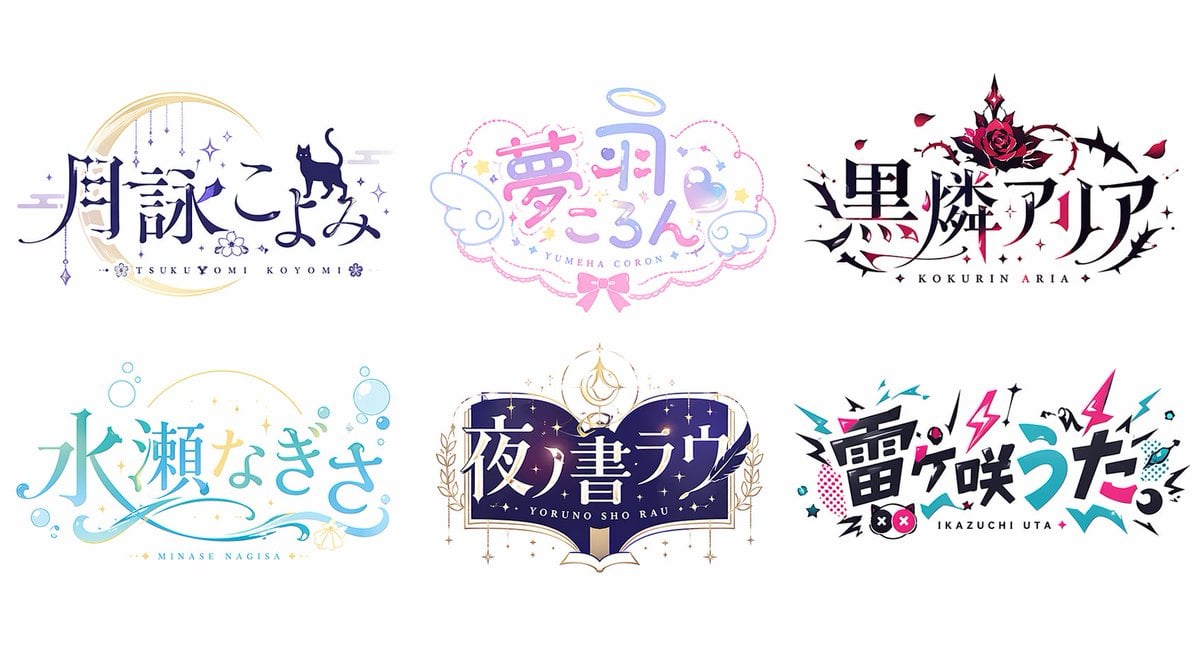
Six VTuber Japanese Logo Sheet
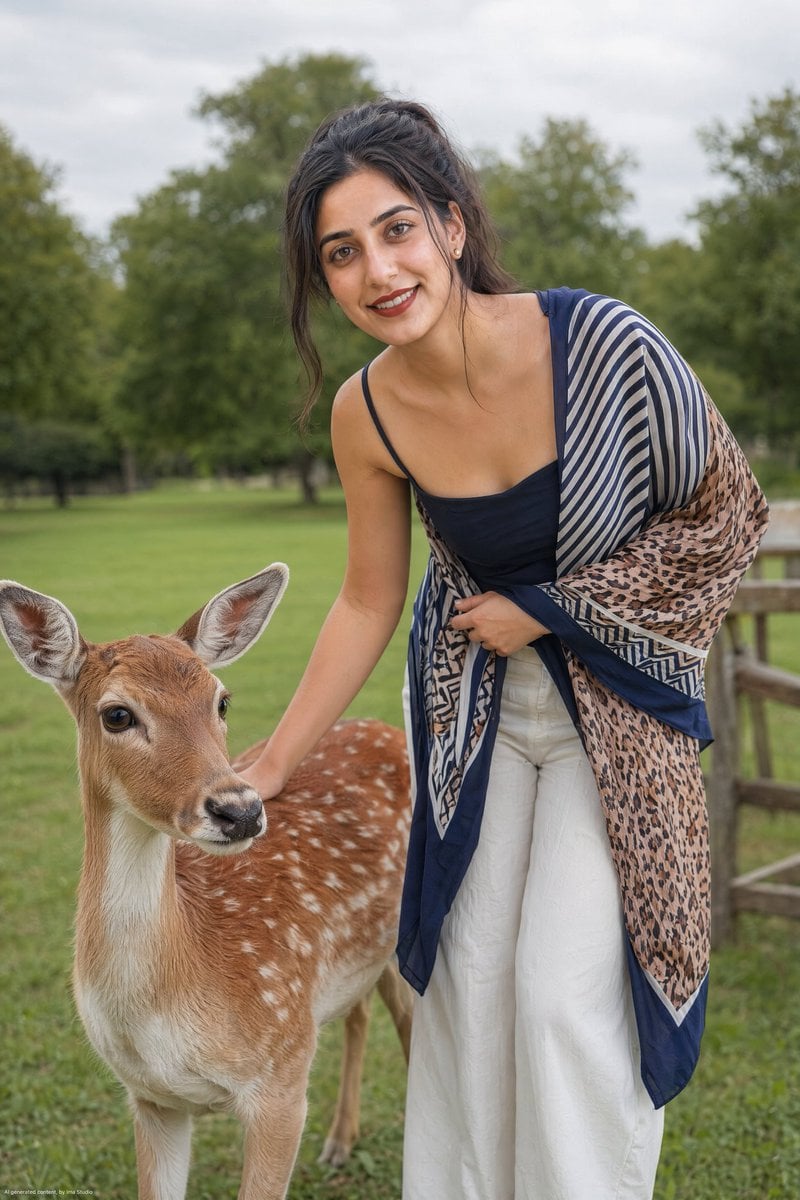
Realistic Portrait of Woman and Deer
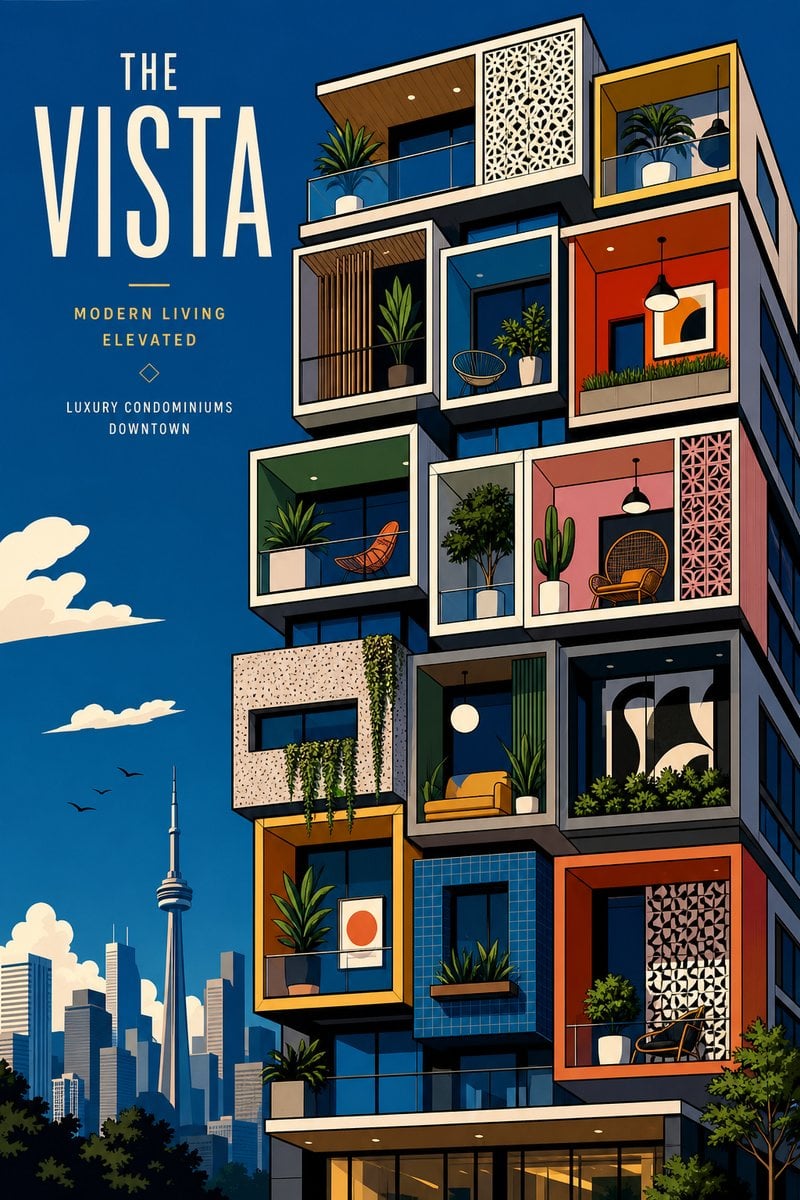
The Vista Modular Condo Poster

AI Model Routing Comparison Infographic
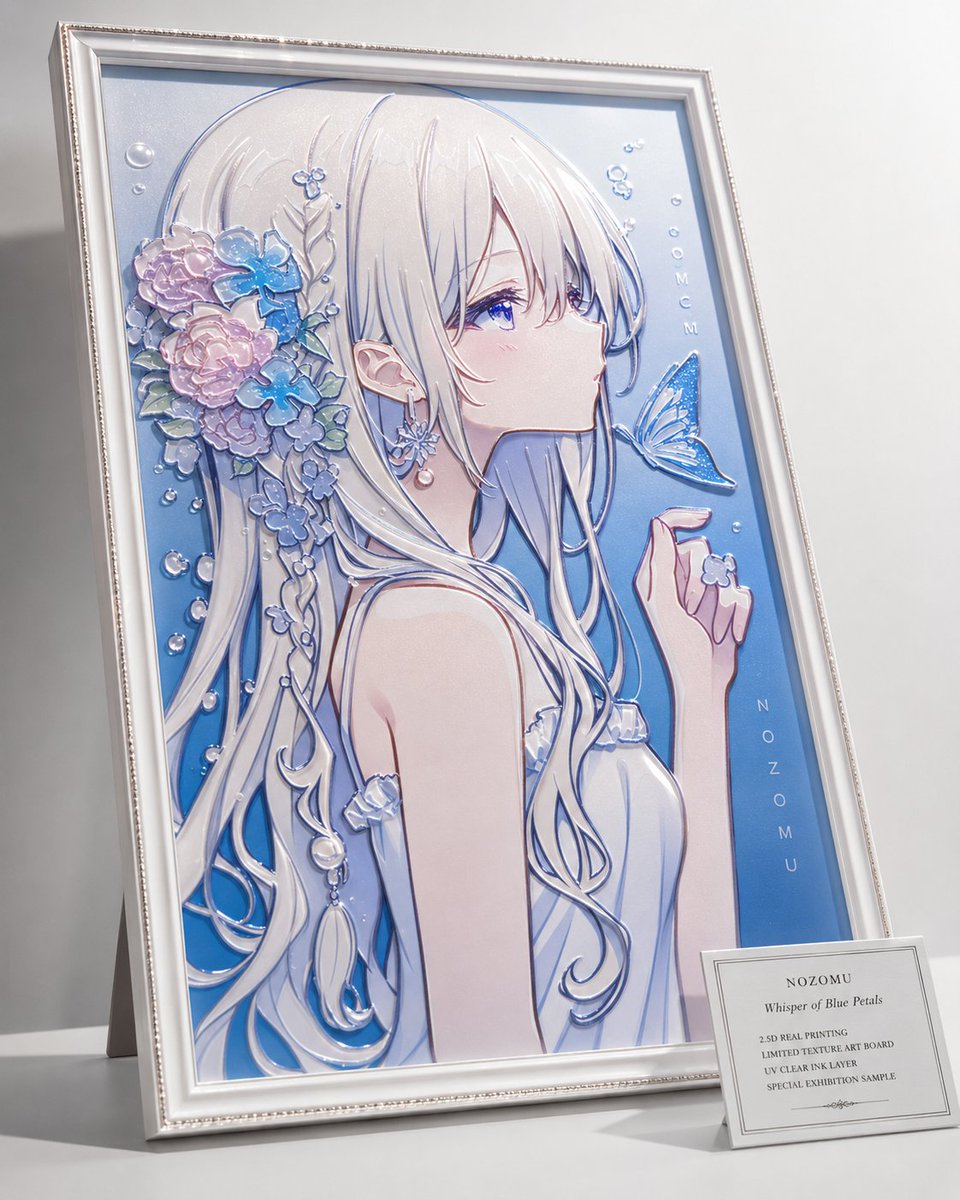
2.5D Anime Art Board

Isometric Productivity Desk Scene
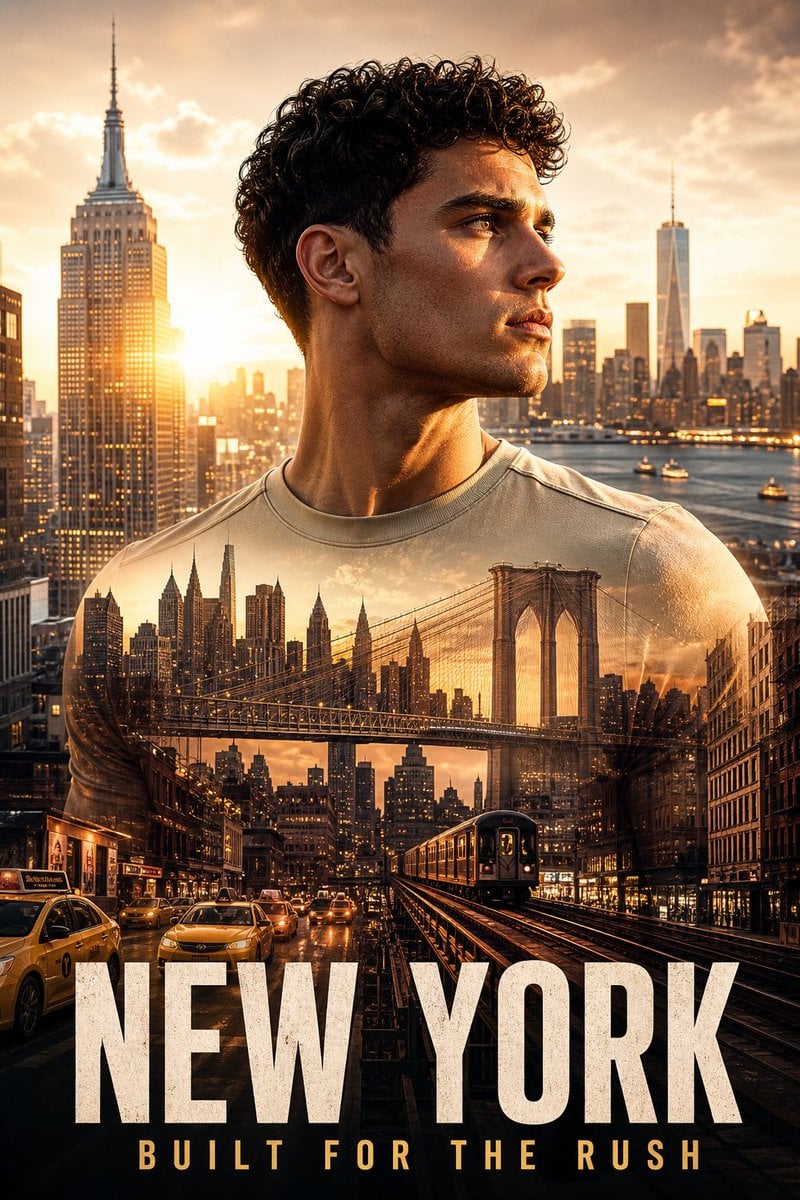
New York Double Exposure Poster
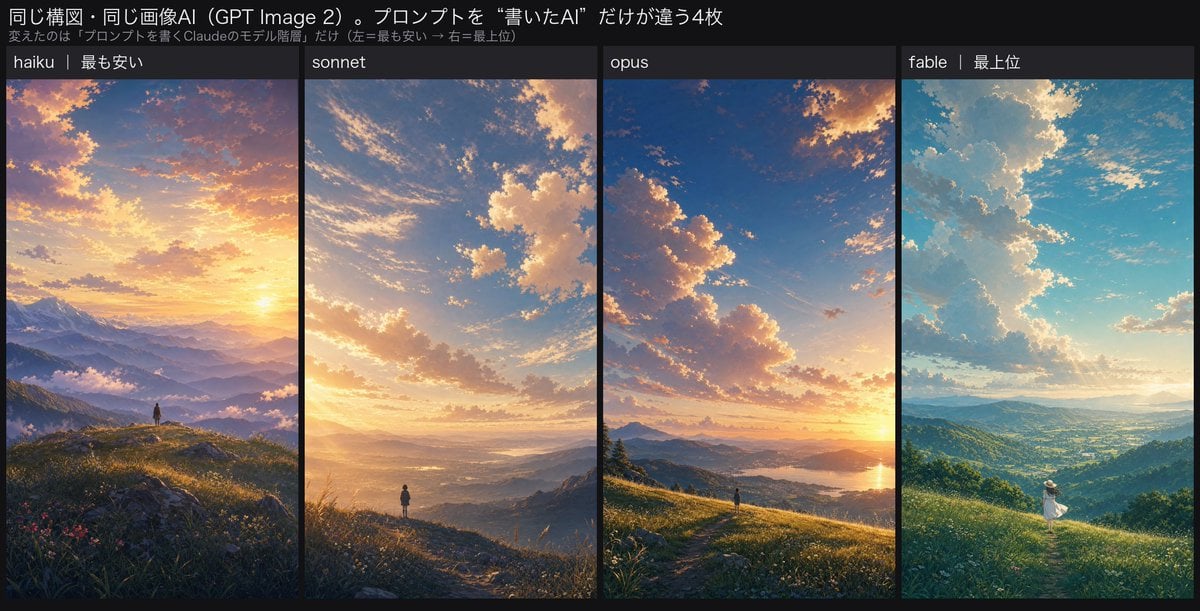
Four-Panel AI Landscape Comparison
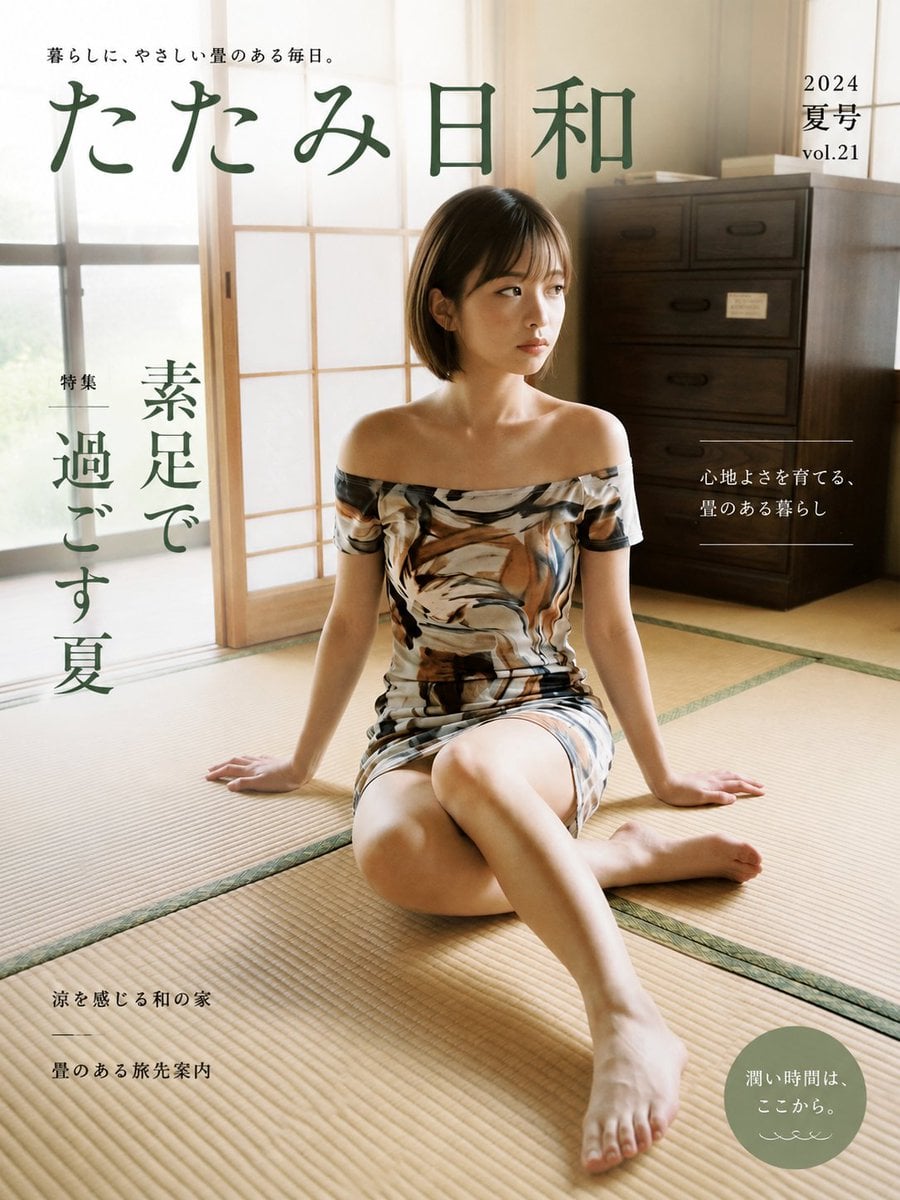
Japanese Tatami Lifestyle Magazine Cover
NESCAFÉ Coffee Map Poster
More image prompts
Fresh picks from across the catalog.
Vintage Temperance Tarot Card Pair
First-Person Fantasy RPG Screenshot
Cinematic Urban Streetwear Portrait with Neon Lighting
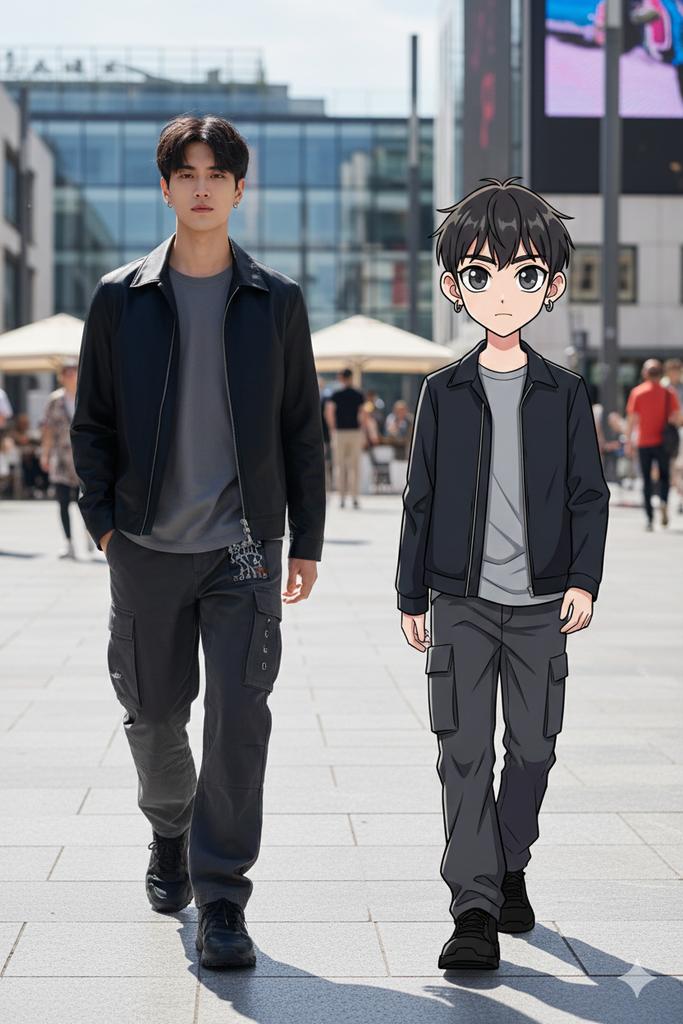
64K Street Candid with Cartoon Twin and Custom Branding
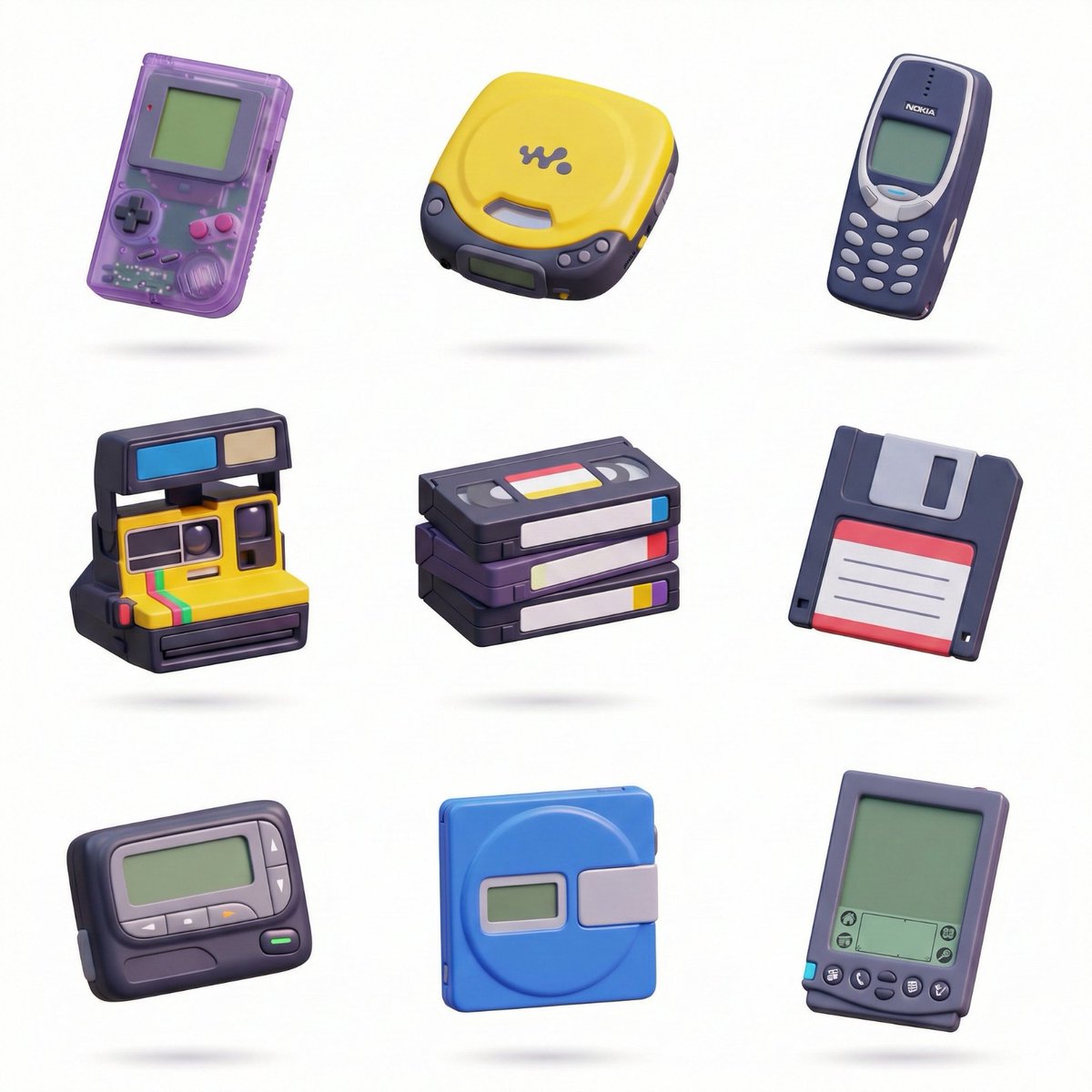
3D Icon Collection Grid Generator
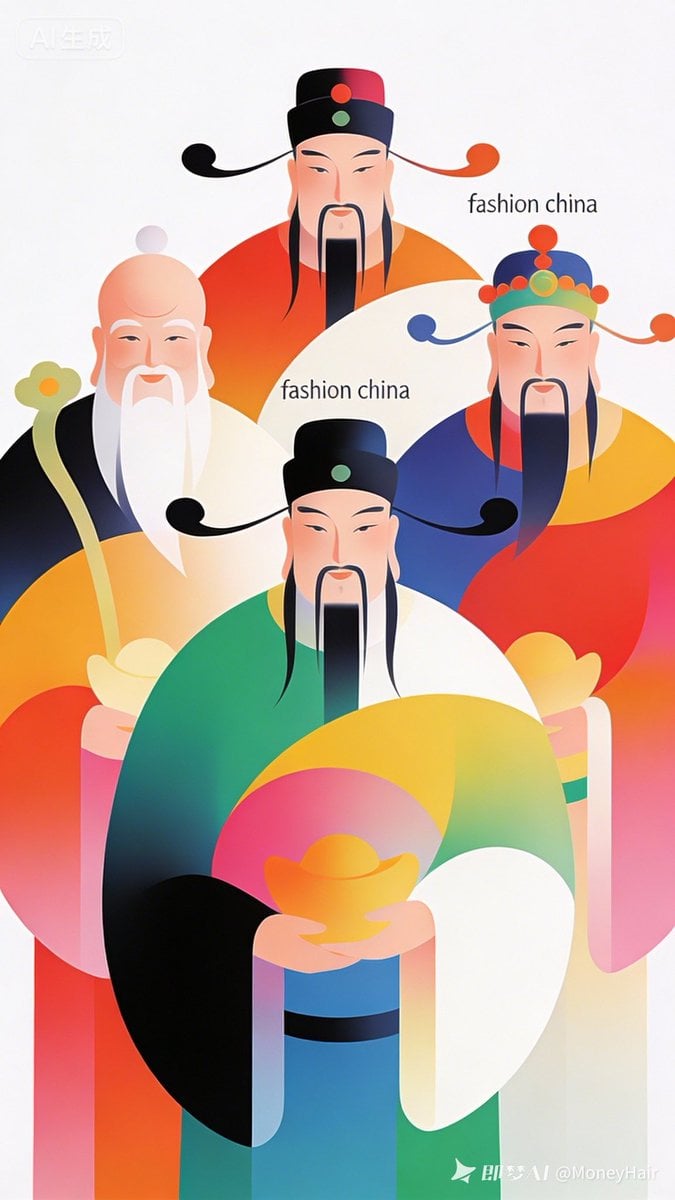
Vector Illustration for Five Gods of Wealth Red Packet Cover
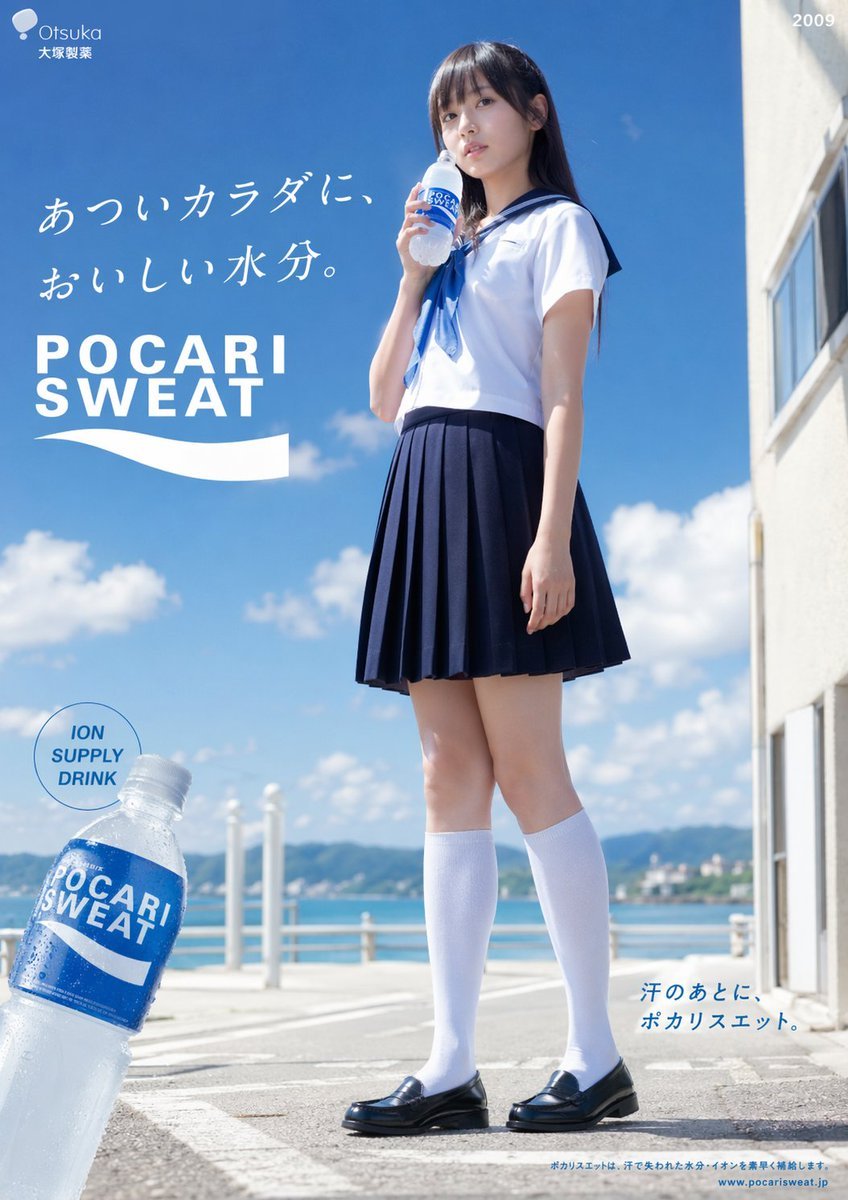
Seaside Pocari Sweat Schoolgirl Ad
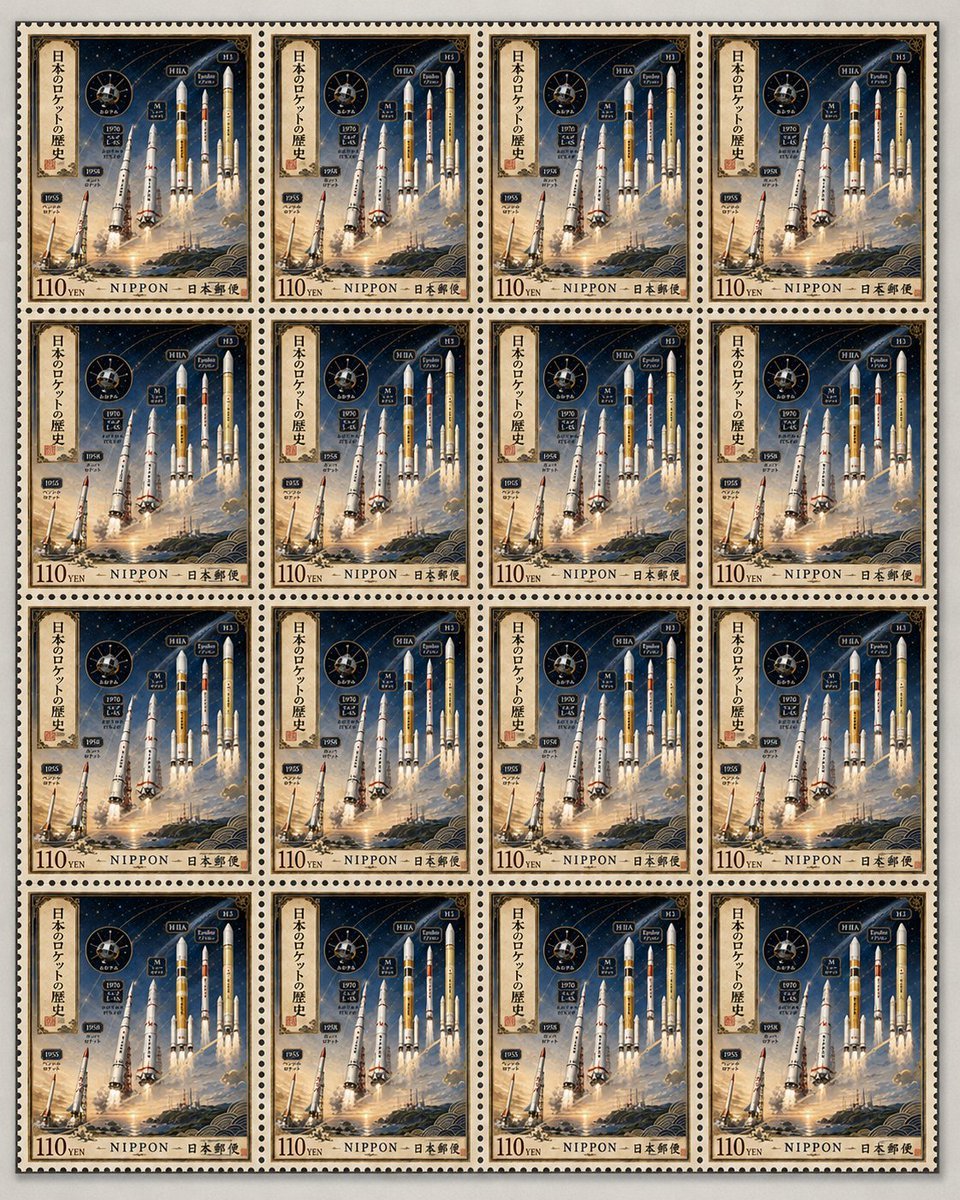
Fictional Japanese Rocket Stamp Sheet
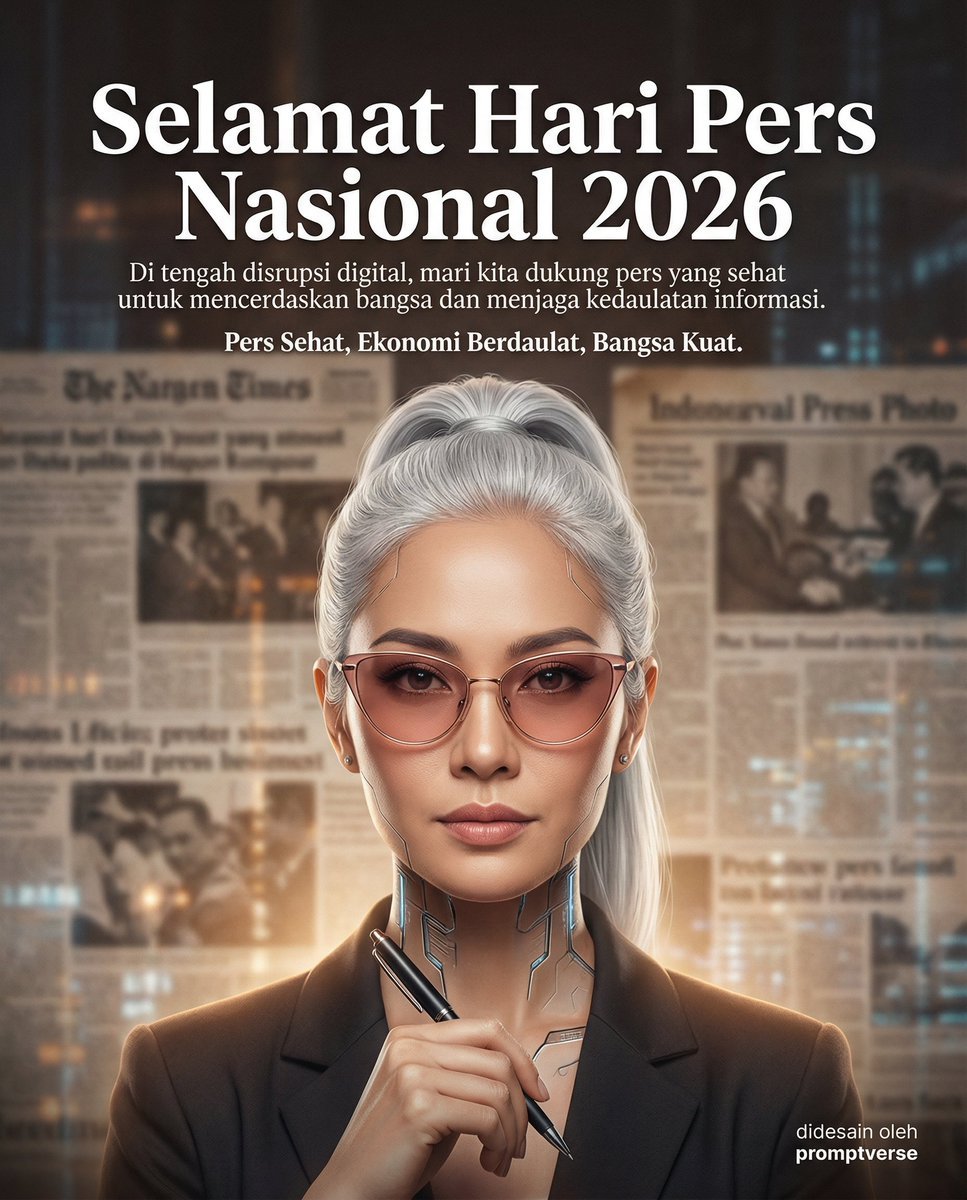
Editorial Poster for Hari Pers Nasional 2026
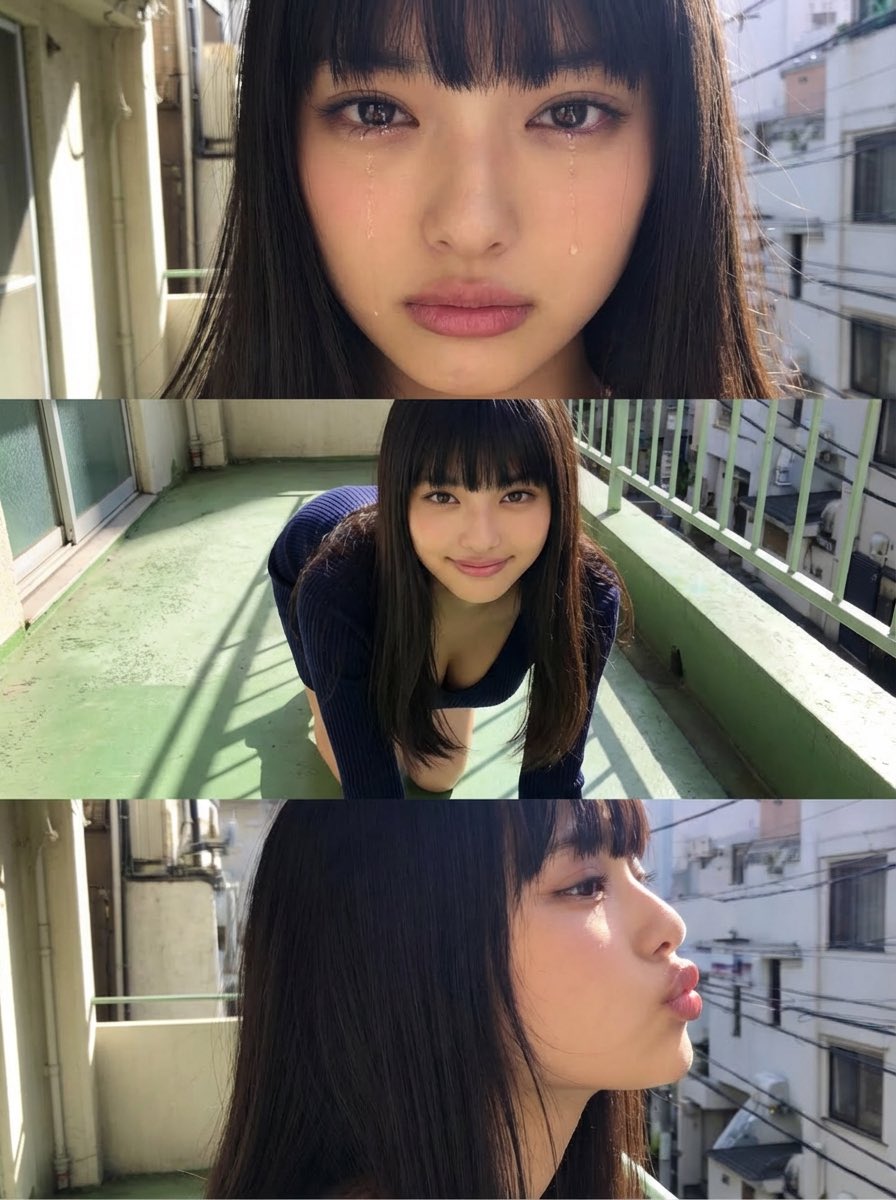
Horizontal three-panel emotional portrait from one image
Browse template categories
Fear Sketchbook Spread questions
How do I use the Fear Sketchbook Spread template?
Add your photo if the template asks for one, edit the prompt if you like — the template's model and format are already selected — and press Generate. Your version opens in PicX Studio.
Can I customize the Fear Sketchbook Spread template?
Yes. You can change the subject, setting, lighting, mood, format, and available model controls before creating your image.
Is the Fear Sketchbook Spread template free?
Opening and editing this template is free. Generating uses credits, shown on the Generate button when you are signed in.
Which AI model should I use?
Start with GPT Image 2, which is the model associated with this template. You can compare another compatible model for a different finish.
Looking for something else? Browse all templates.

Your photo, any look
Thousands of ready templates for every top image and video model, from one credit balance.