
Dunhuang Mural Artistic Template
A sophisticated template for generating Dunhuang-style murals with museum-grade aesthetics and intricate gold detailing.
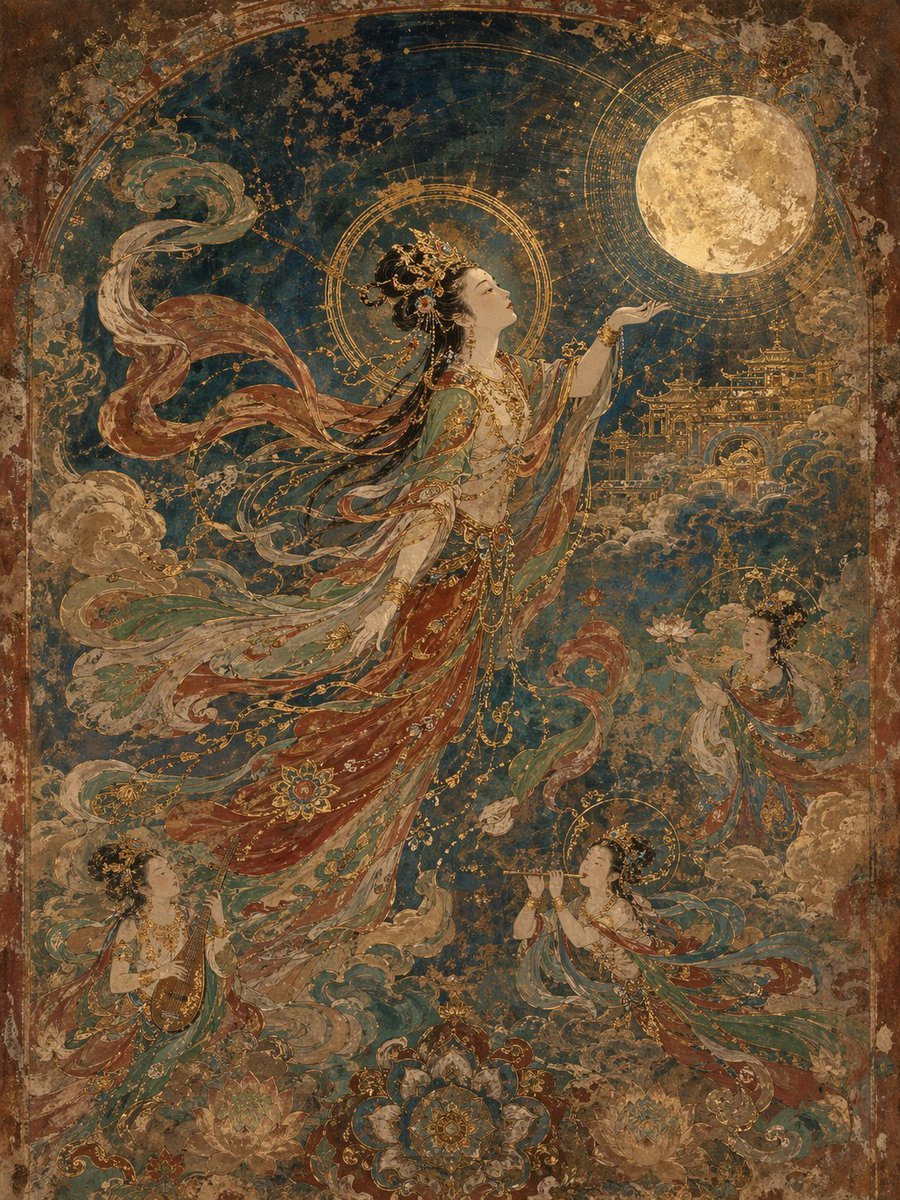
- Prompt included
- Model and format preset
- Free template
The prompt behind this image
Copy the exact prompt behind Dunhuang Mural Artistic Template, or open it in the studio and make it yours.
Please create a high-end Dunhuang-mural-style artwork centered on {argument name="theme" default="a flying-apsara goddess"}. Use {argument name="composition" default="the main character as the single visual core"} for the composition, portraying the sacred moment of her core action / situation. The overall mood should be {argument name="overall mood" default="sacred, solemn, and magnificent"}, with a museum-grade aesthetic, cultural depth, and collectible-level artistry. Main Subject Requirements: The main character should convey an elegant, solemn, tall and noble bearing with a strong sense of divinity — a relaxed, extended pose with the clear sanctity and ritual quality of a Dunhuang mural. Her face should be tranquil, holy, restrained, and inviolable, carrying the solemn air of a goddess / bodhisattva / flying-apsara figure from Dunhuang murals, rather than that of an ordinary guofeng (Chinese-style) beauty. Her hair should be piled up high, adorned with an elaborate, exquisite gold hair crown, dangling pearl-and-bead hairpins, earrings, a beaded necklace, armlets, and a waist ornament. Her garments should be magnificent, with flowing drapery and fine, strong lines, full of the rhythm of a flying apsara and the texture of a court-level mural. Her sleeves, ribbons, skirt hem, and cuffs should form rhythmic, flowing curves, reinforcing the sense of sacred ascension and the rhythm of the composition. Gold-Structure Requirements: The image needs to emphasize structural use of gold — not scattered dabs of gold, but a clear, luxurious order: The main character's hair crown, jewelry, garment edges, cuffs, waist sash, ribbon edges, and skirt patterns should use gold outlining, gold-clay technique, gilding, gold-thread embroidery, and traces of worn gold leaf; Core sacred elements — such as the lunar disc / halo of Buddha-light / dharma wheel / canopy / lotus throne, cloud patterns, lotus petals, precious-flower motifs, caisson-ceiling patterns, roundel flower patterns, and border decoration — should also carry clearly visible yet restrained, premium gold decoration; The overall effect should be resplendent with gold but not gaudy, richly crafted but not cheap — conveying the worn, luxurious feel of something that has weathered a thousand years yet still retains the afterglow of its golden splendor. Color Requirements: The colors should mainly be ochre-red, cinnabar, azure-green, azurite, malachite green, earthy yellow, and ivory white, complemented by a restrained, exquisite use of earthy gold and gilding. The overall tone should be rich, deep, antique, and noble — avoid light, candy-like colors. The background can use an ambient primary color such as a deep azurite sky backdrop, a warm ancient-wall base tone, or a dark-gold mineral base combined with an ancient-wall texture, to set off the sanctity and dignity of the main subject. Decorative Element Requirements: The image can incorporate typical Dunhuang visual motifs such as flying apsaras, lotus flowers, precious-flower motifs, caisson ceilings, auspicious clouds, court musicians, roundel flower patterns, pavilions and palace halls, ritual implements, halos of holy light, and classical border decoration — but these must be concentrated around the main subject with clear hierarchy, avoiding an evenly-filled, cluttered composition. Keep any accompanying figures to just a few, serving as attendants and homage, positioned around or below the main subject, forming a ceremonial momentum directed toward her. They may perform accompanying actions such as holding a lotus / playing the pipa / playing the flute / offering flowers / holding a lamp / holding a banner, with light, flowing lines that echo the main subject without overshadowing her. Space and Composition Requirements: The composition should retain a moderate amount of cloud-mist space, negative space around the holy light, and moonlight or sky negative space, so the image has room to breathe. The core sacred element should be eye-catching, solemn, and complete/whole, with gilded halos, rings of holy light, and fine gold-line trails around it to reinforce the subject's sanctity. Distant background elements — such as a lunar palace / palace halls amid the clouds / a Buddhist-realm building / a celestial sky backdrop — can be added sparingly, to enhance spatial layering and a sense of the immortal realm without becoming excessive. Material Requirements: Emphasize the texture of ancient cave murals and mineral pigments: There should be visible mottling, cracks, weathering, slight flaking, the patina of age, powdery edges, and an ancient-wall texture; At the same time, retain localized gold outlining, worn gold leaf, and the abraded sheen of gilding, forming a premium artistic texture that is "old yet noble, worn yet magnificent, ancient yet sacred." Overall requirements: magnificent, delicate, mysterious, solemn, unified, collectible-grade, artistic, and extremely premium in feel. Negative Constraints: Avoid a modern guochao (China-chic) style, avoid a commercial-illustration feel, avoid an ordinary guofeng-beauty illustration, avoid an anime feel, avoid an influencer aesthetic, avoid a plastic-like texture, avoid cheap, gaudy gold, avoid gold that is too bright or garish, avoid fluorescent colors, avoid over-saturation, avoid too many figures, avoid over-filled background elements, avoid decoration spread evenly across the whole image, avoid an overly busy, floral-clutter feel, avoid unclear visual hierarchy, avoid a subject that fails to stand out, avoid a low-grade, piled-on feel, avoid mediocrity, avoid frivolity, avoid a modern-clothing feel, avoid a photographic feel, avoid a plastic-like 3D-model feel.
How to use Dunhuang Mural Artistic Template in 3 steps
- 1
Open
The prompt is already in the box next to the preview, with the template's model and format selected.
- 2…a portrait of your subject in softgolden-hour light, 85mm…
Personalize
Edit the subject and creative details for your destination.
- 3Generate
Generate
Press Generate — your image is created in PicX Studio, so you can compare it with the original and refine one variable at a time.
More like this
Templates with the same subject, style or setup. Open one to see its prompt.
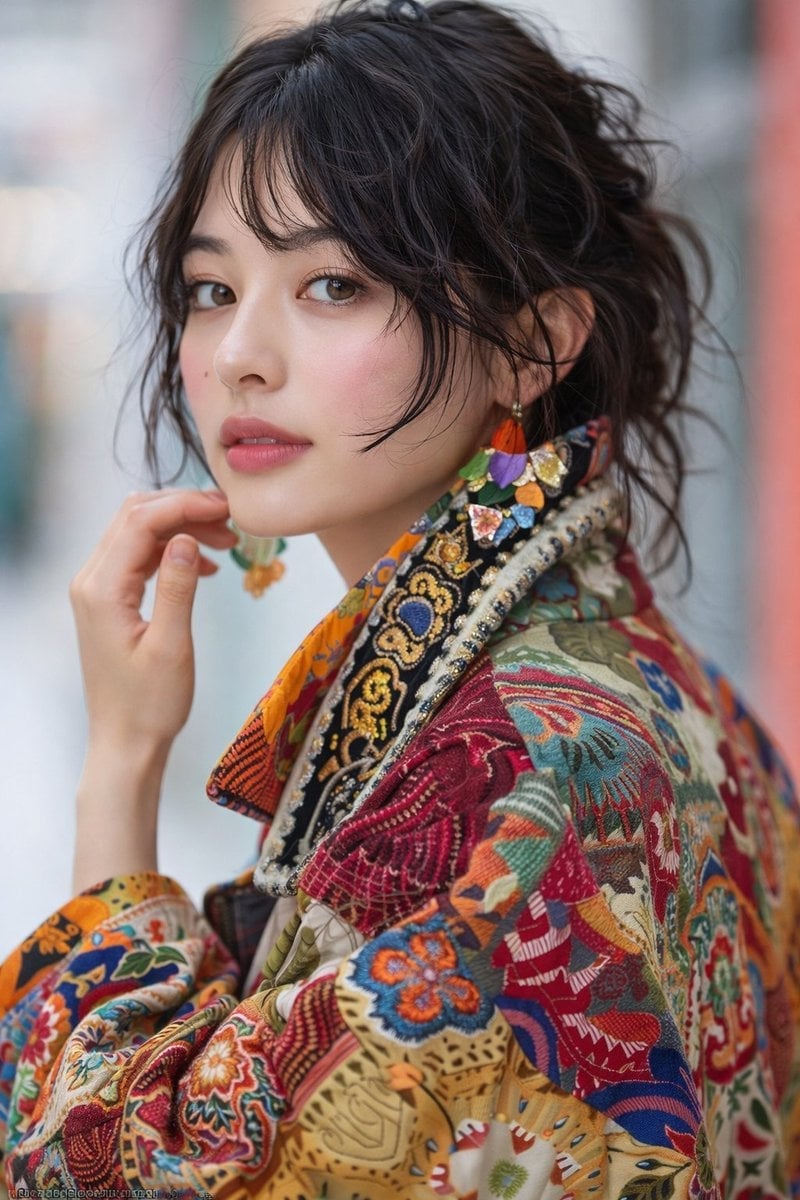
Artistic Patchwork Fashion Portrait Spring Festival
Artistic Patchwork Fashion Portrait Spring Festival
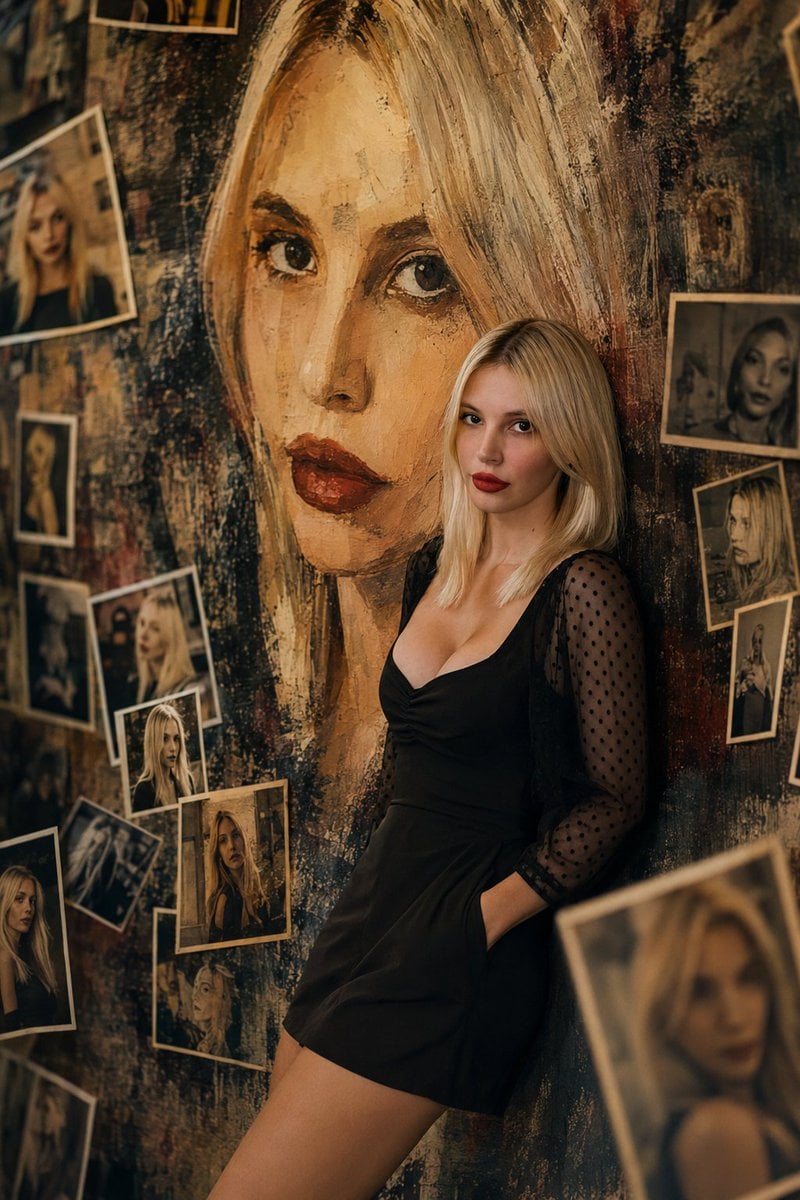
Artistic Mural Gallery Portrait
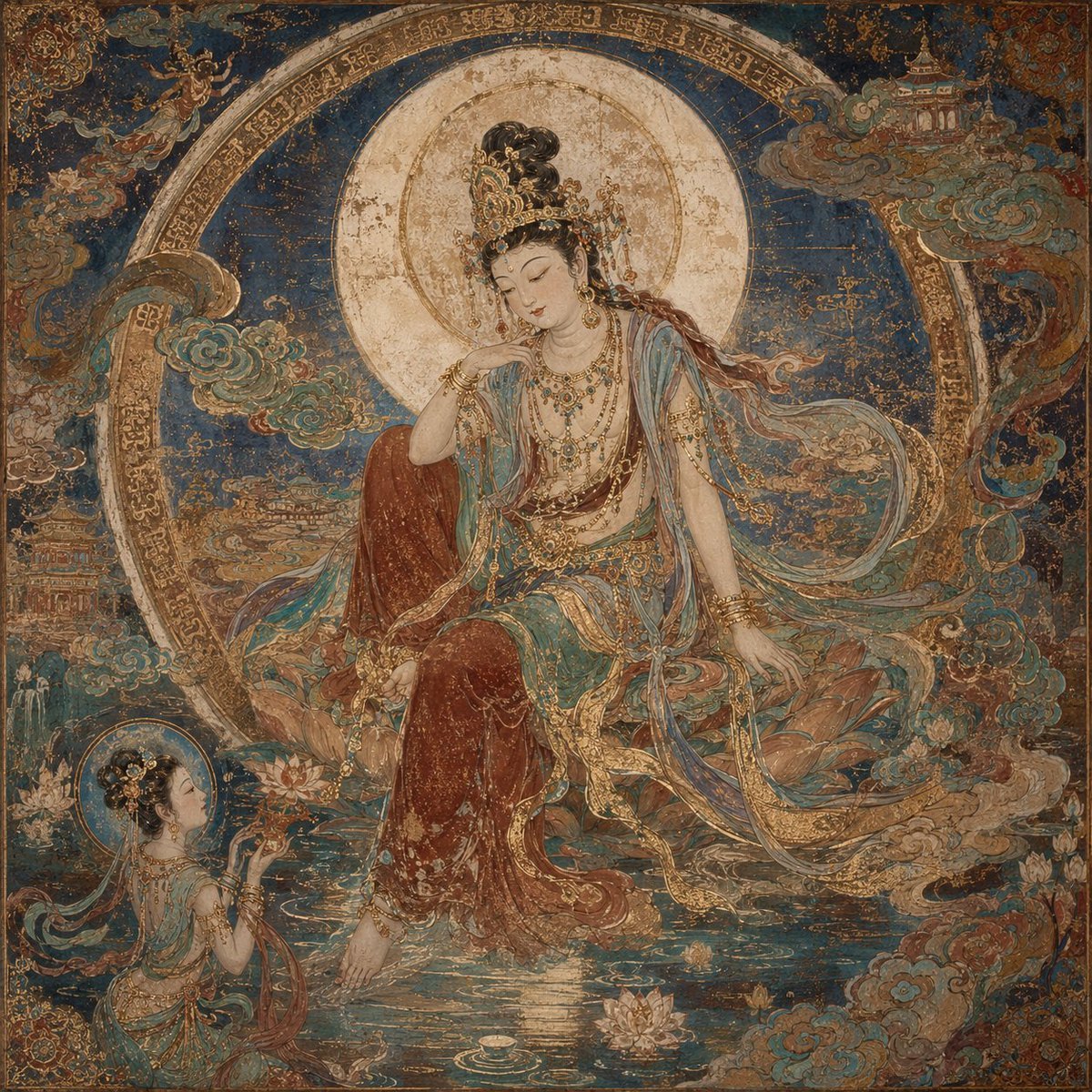
Dunhuang Mural Water Moon Guanyin
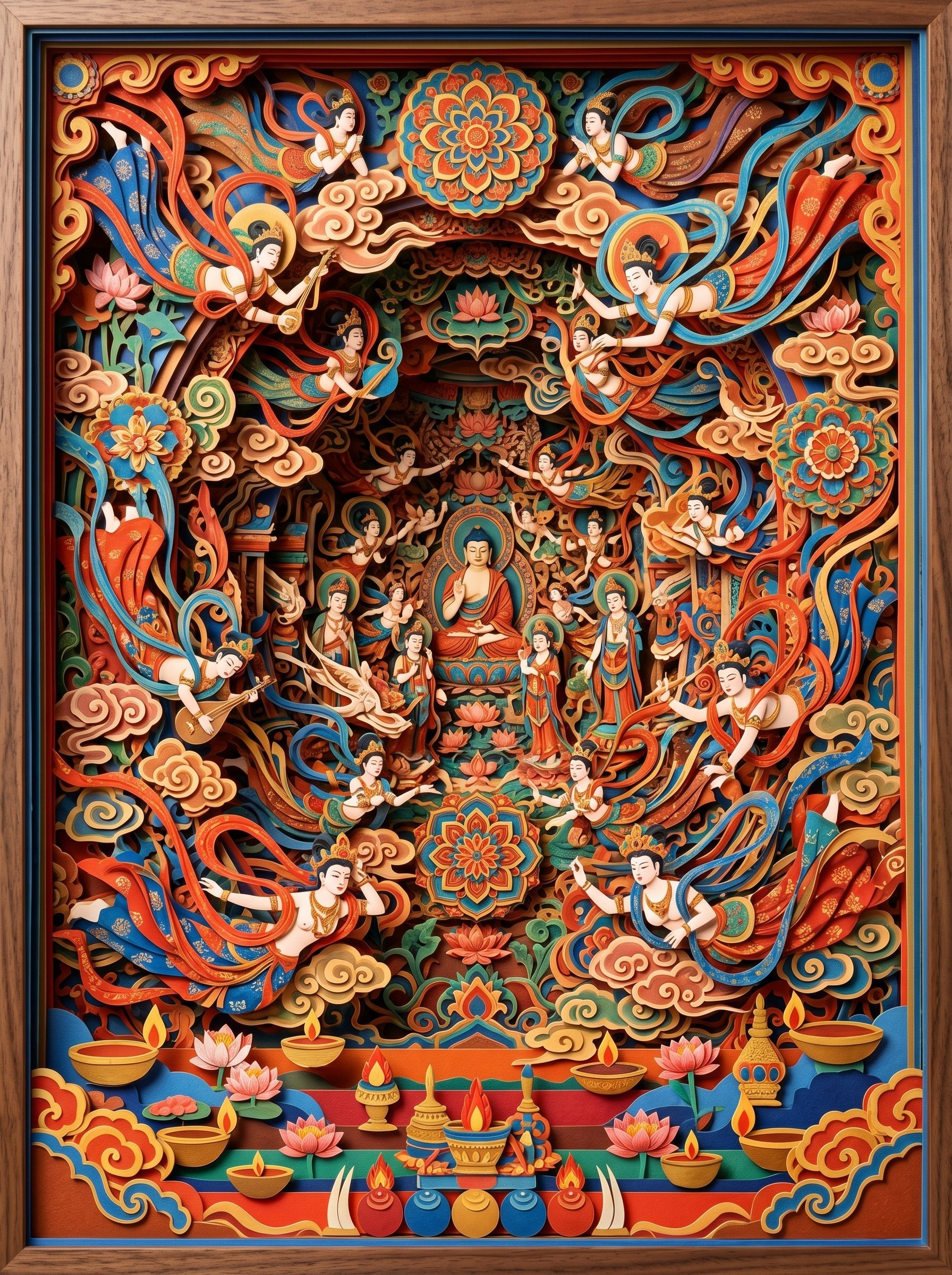
敦煌纸雕飞天 — 3D Layered Paper Cutout
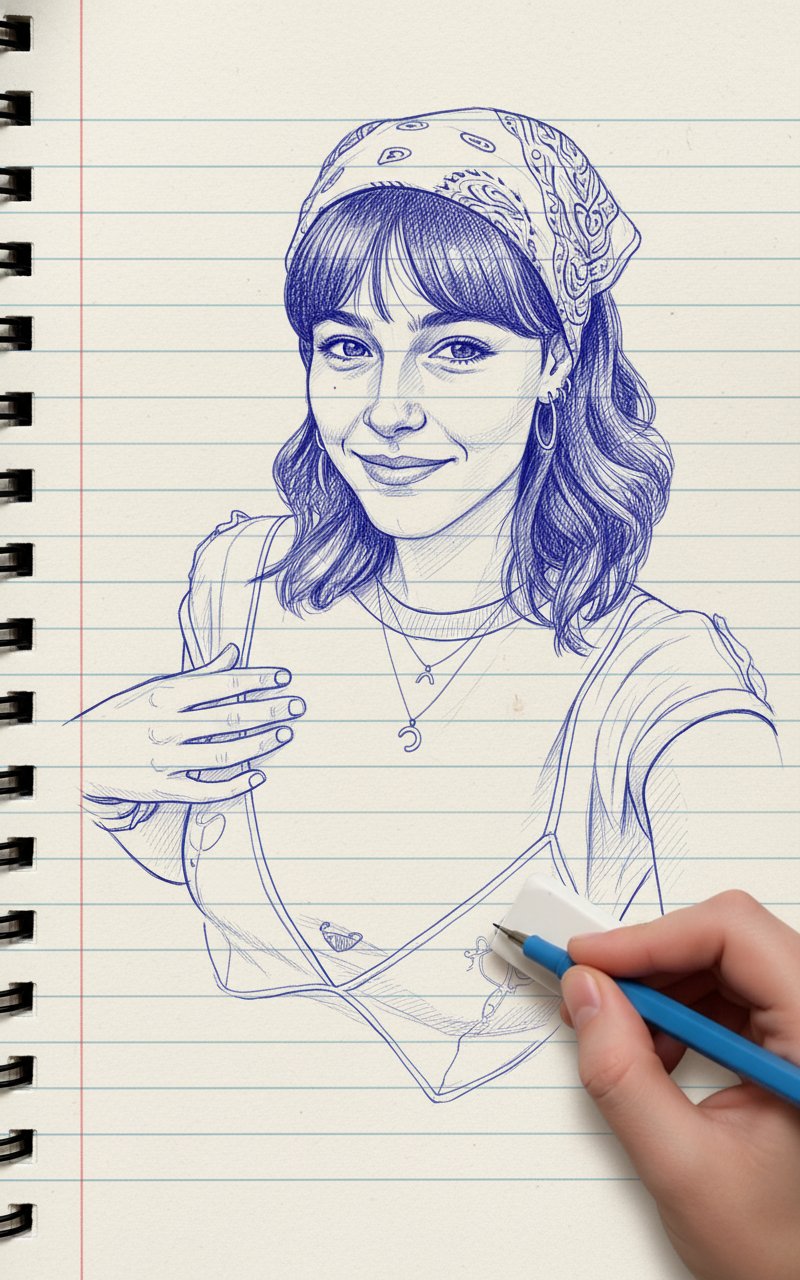
Blue Pencil Sketching
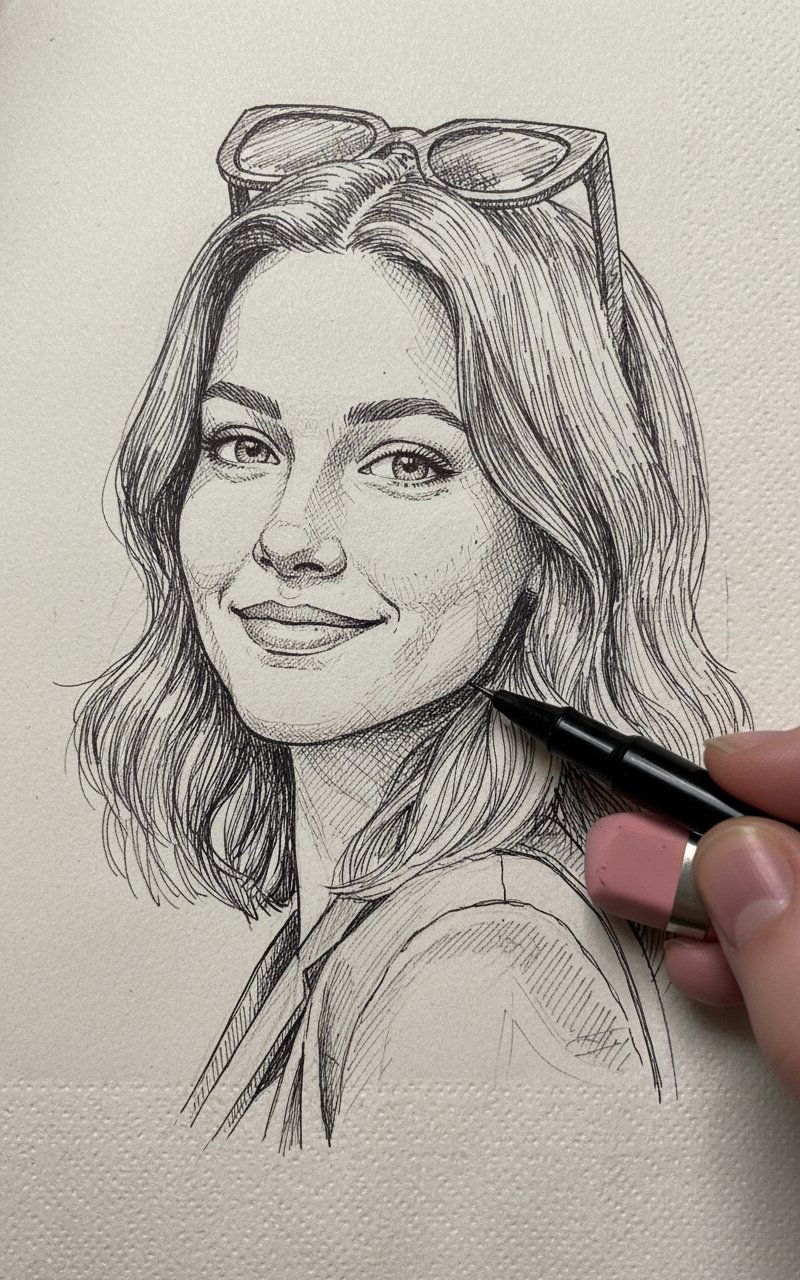
Pencil Sketch
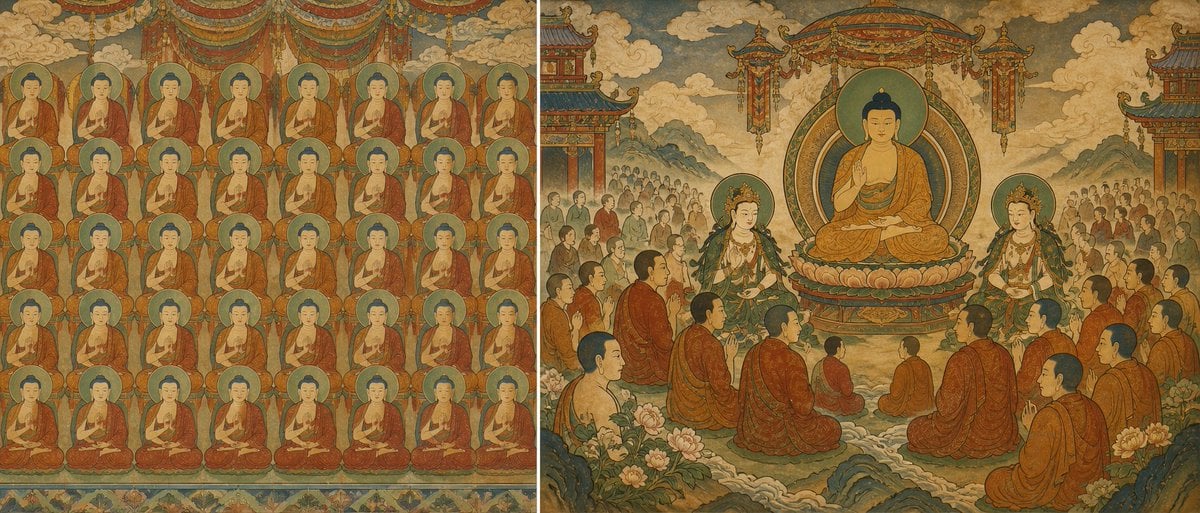
Buddhist Mural Composition Diptych
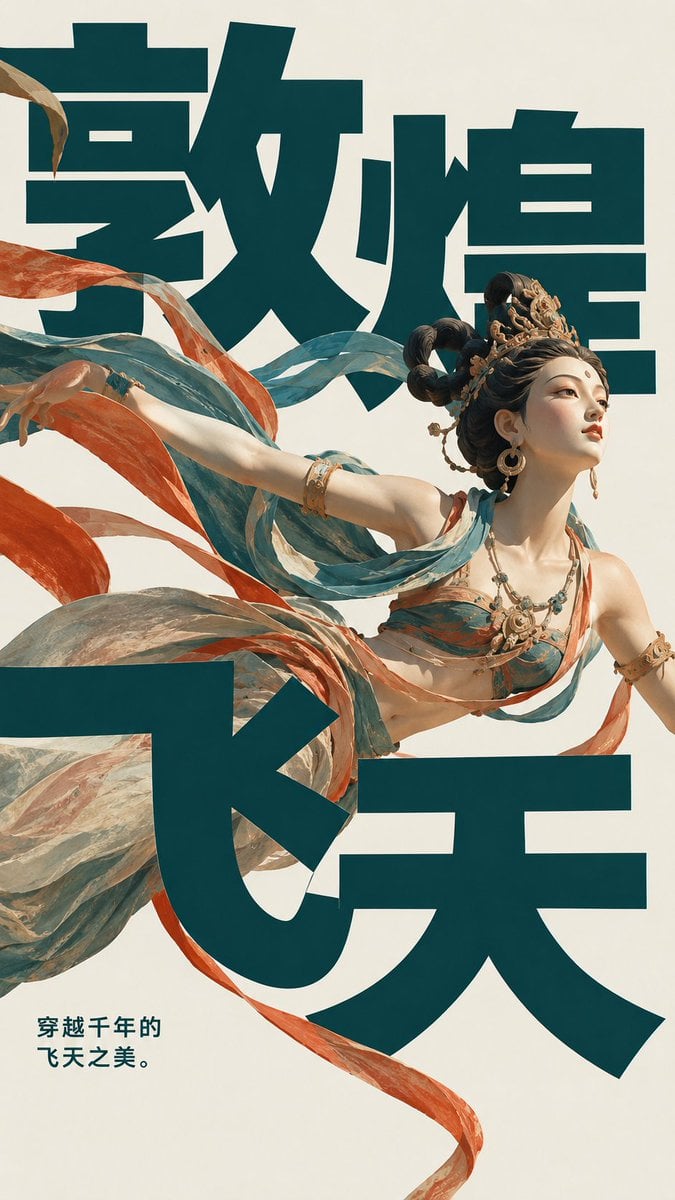
Dunhuang Flying Apsara Poster
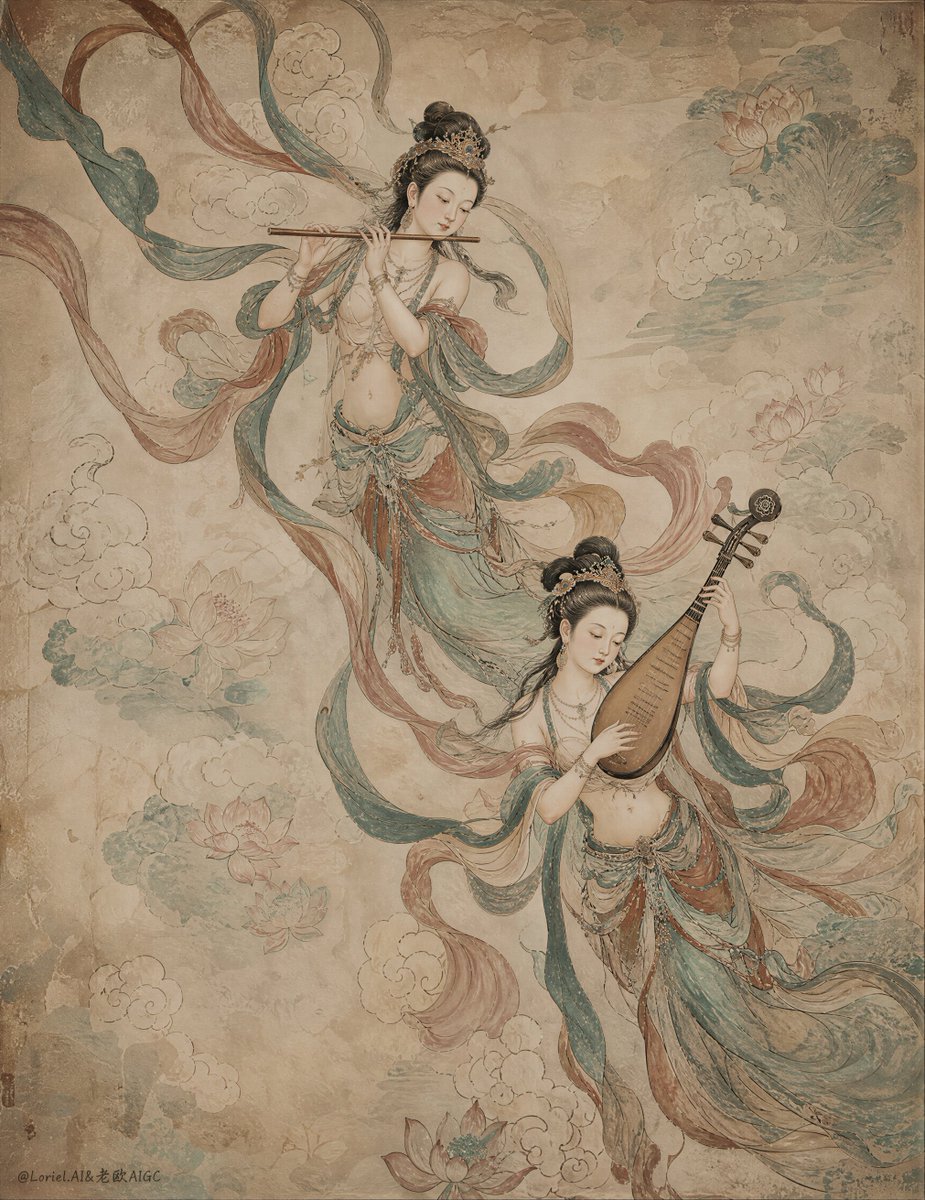
Ancient Chinese Mural of Celestial Musicians
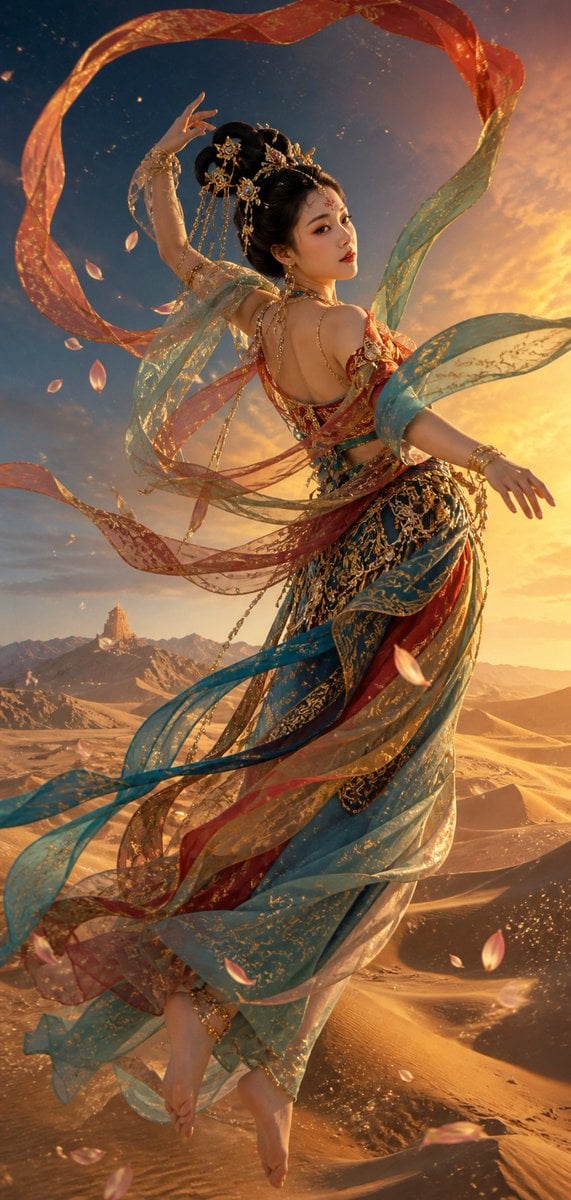
Dunhuang Flying Apsaras Portrait
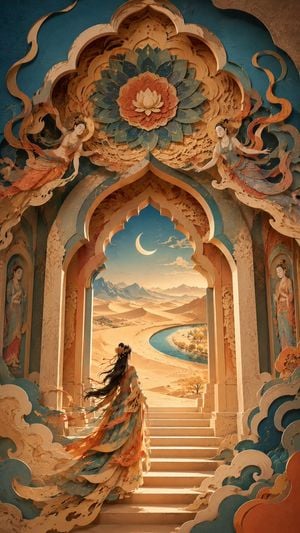
Modern Dunhuang Papercut Art
Make it yours
Dunhuang Mural Artistic Template works as-is. These are the safest ways to change it without losing the look.
Change one field
Copy a single group, rewrite it, and generate again so you can see what that field is doing.
Keep the frame, change the subject
Hold the composition and light of Dunhuang Mural Artistic Template, then swap wardrobe, props or the person for a new take.
| If the result… | Why | Fix |
|---|---|---|
| The result drifts from the preview | Too many fields changed at once. | Reuse Dunhuang Mural Artistic Template as-is first, then change one group — subject, light, or setting. |
| The model over-stylizes the scene | The prose prompt leaves finish and camera underspecified. | Add one camera or lighting sentence and stay on GPT Image 2. |
More GPT Image 2 templates
Other prompts made for GPT Image 2.
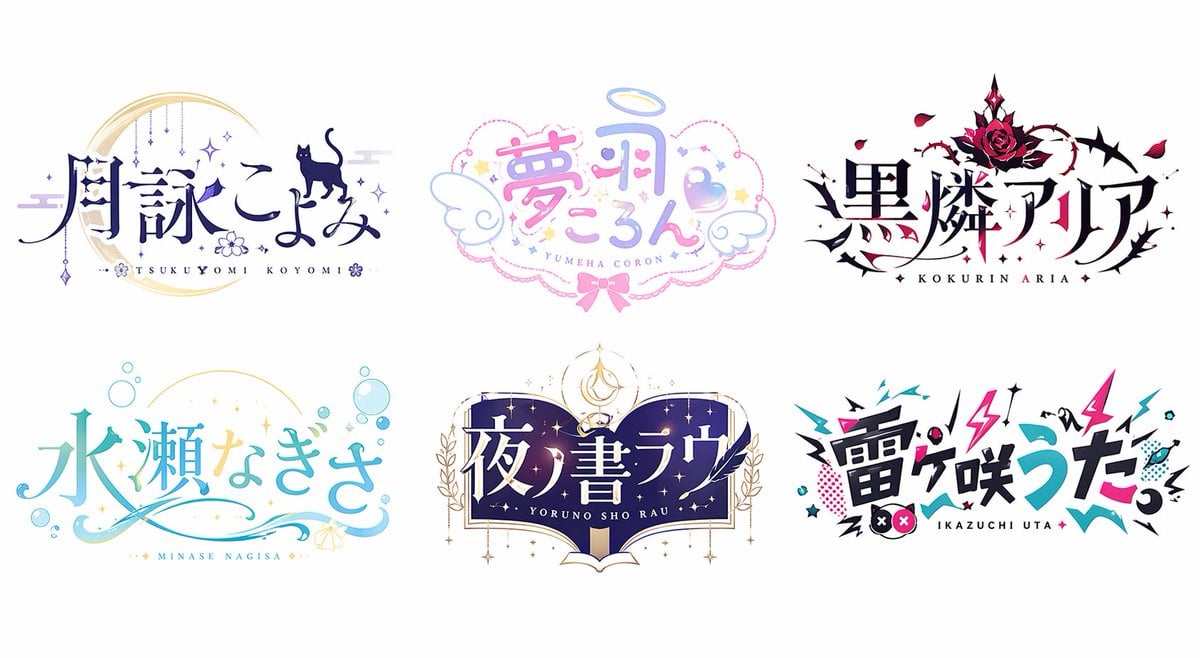
Six VTuber Japanese Logo Sheet
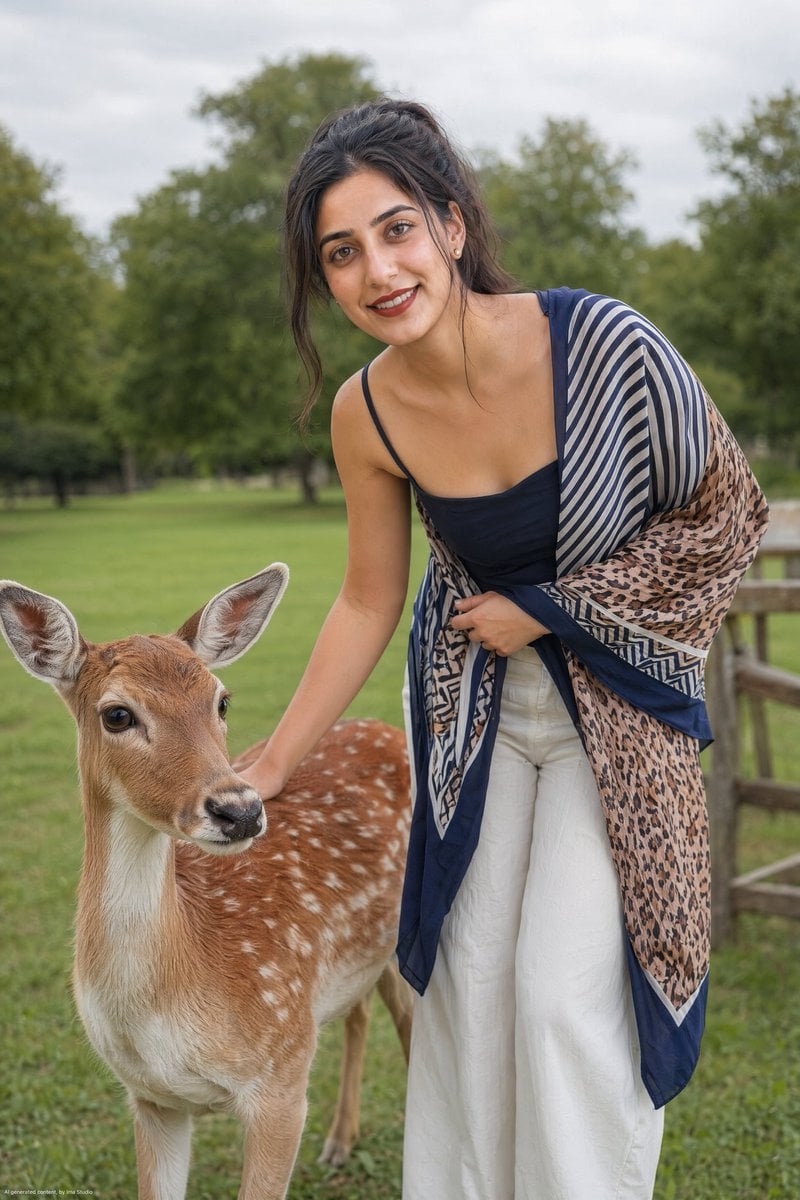
Realistic Portrait of Woman and Deer
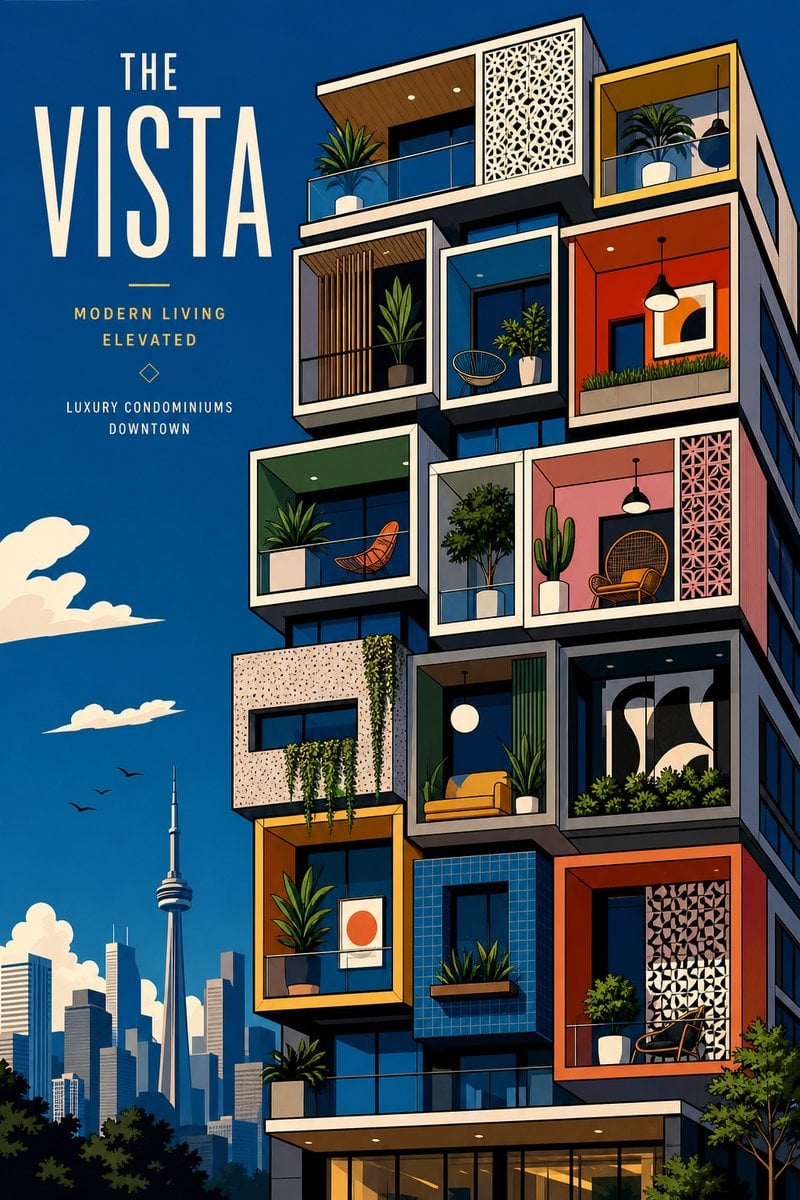
The Vista Modular Condo Poster

AI Model Routing Comparison Infographic
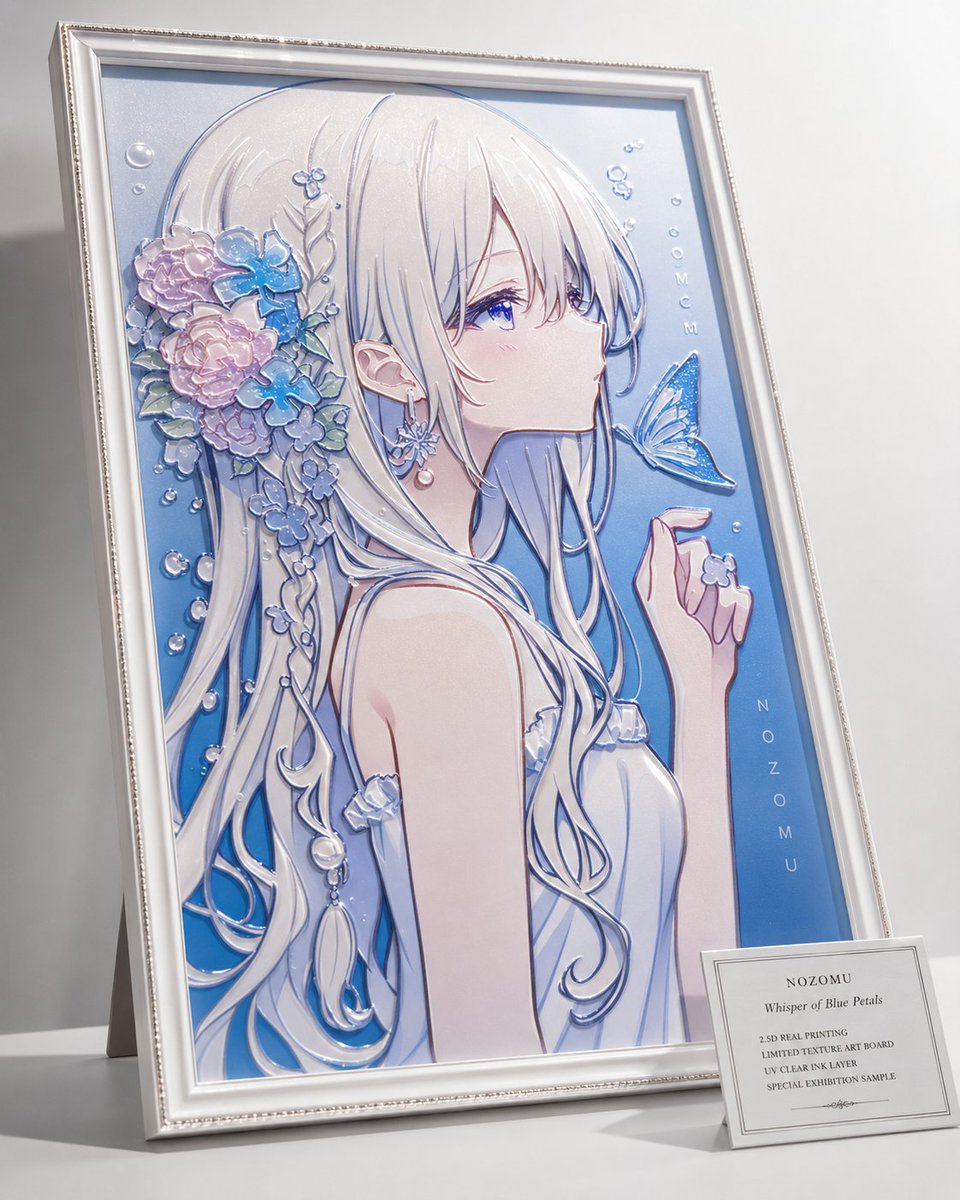
2.5D Anime Art Board
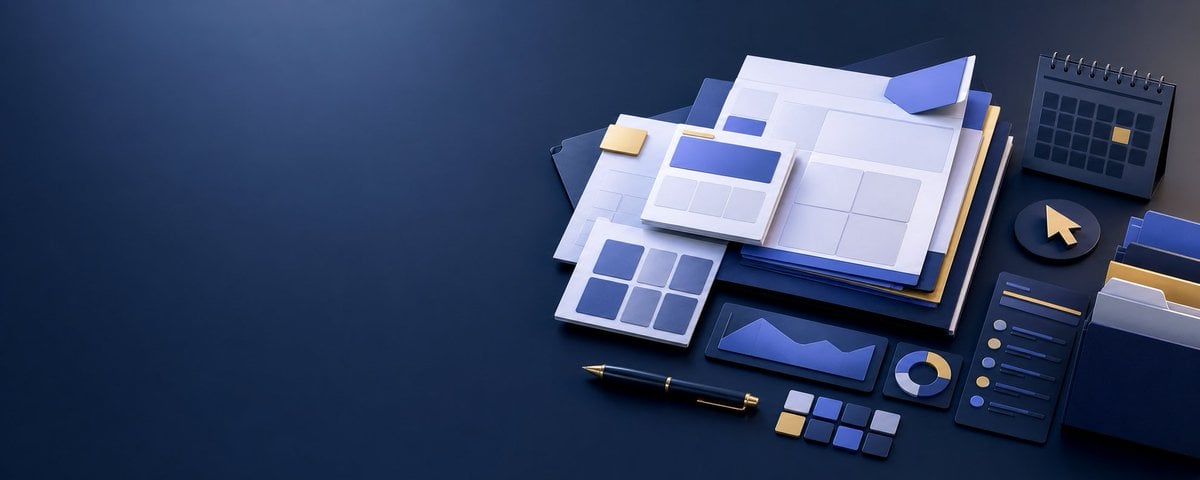
Isometric Productivity Desk Scene
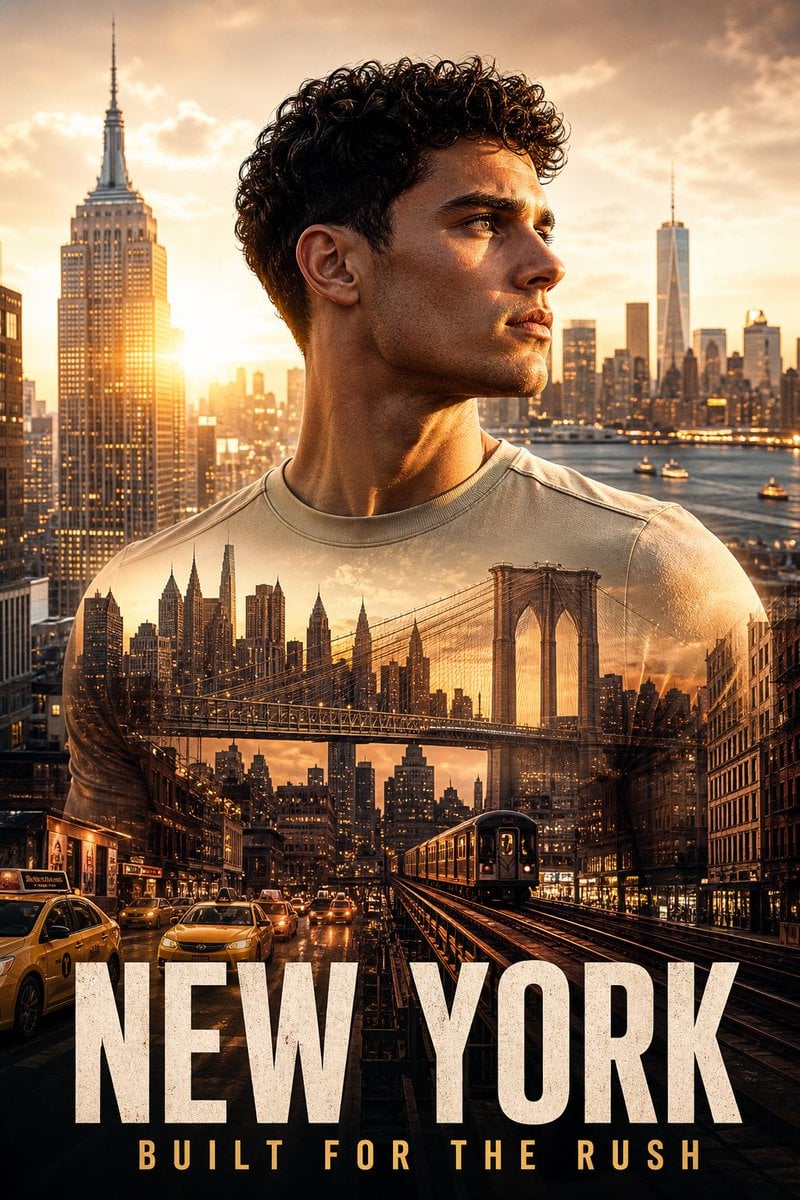
New York Double Exposure Poster
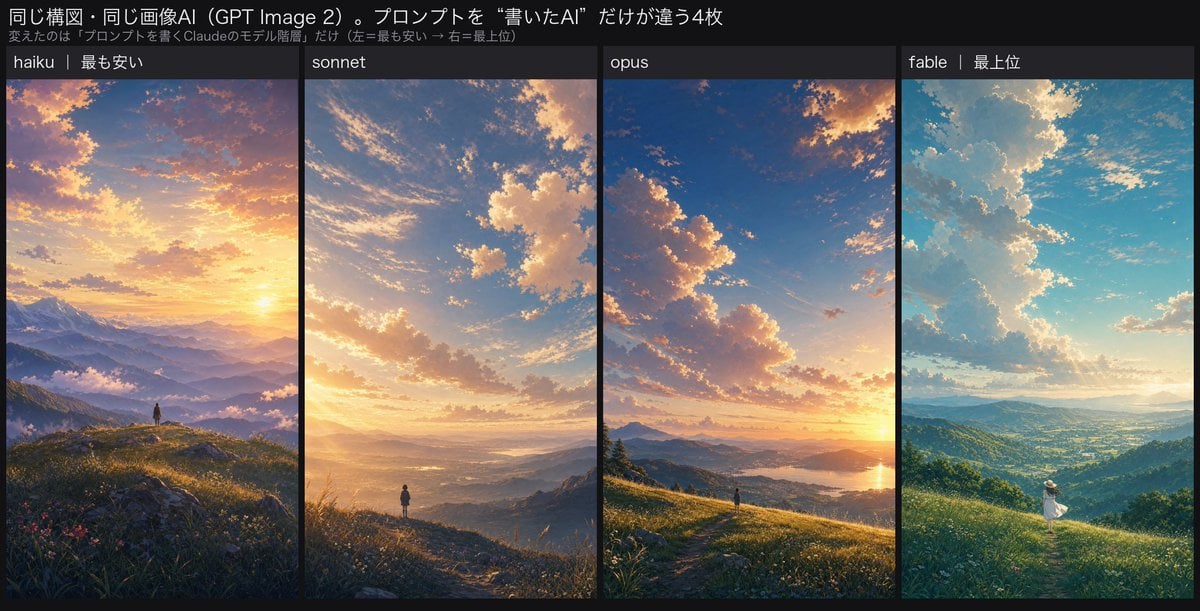
Four-Panel AI Landscape Comparison
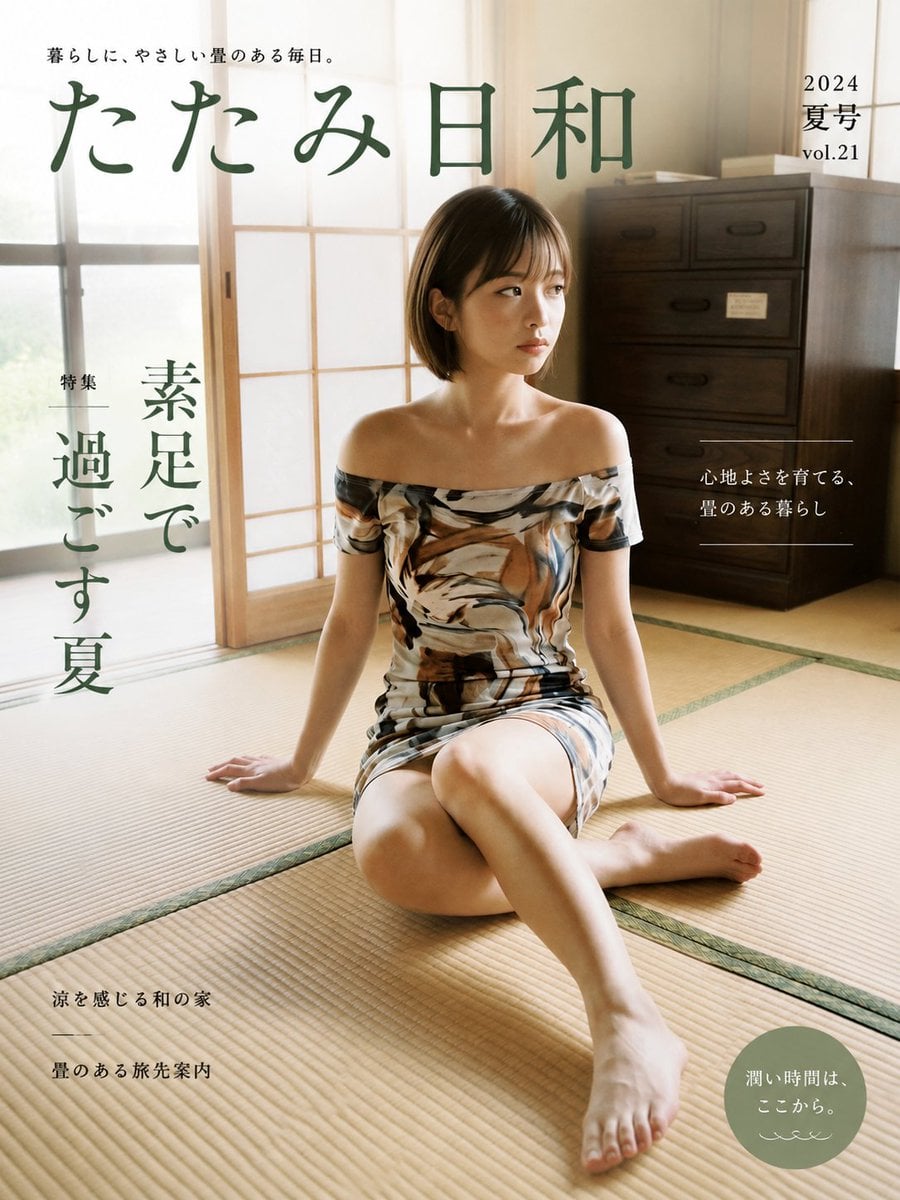
Japanese Tatami Lifestyle Magazine Cover
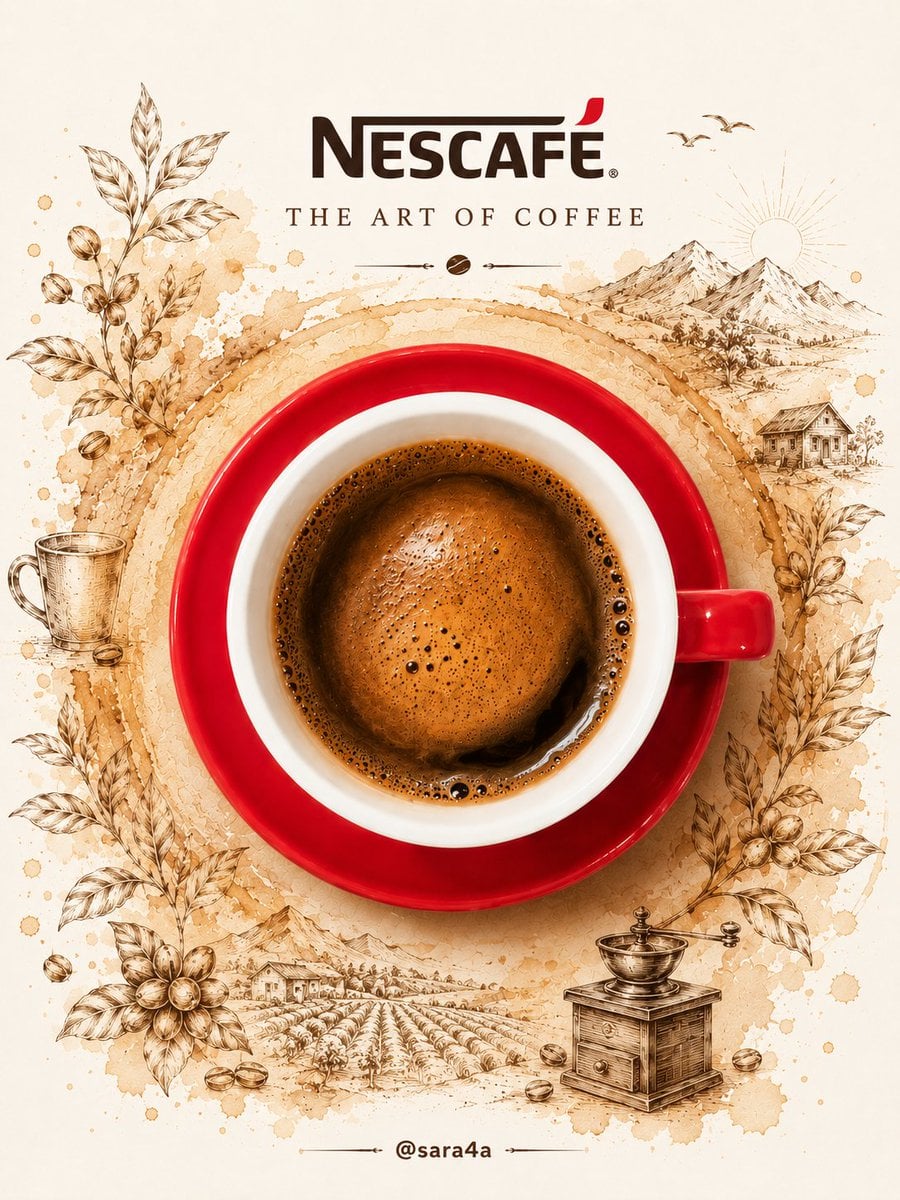
NESCAFÉ Coffee Map Poster
More image prompts
Fresh picks from across the catalog.
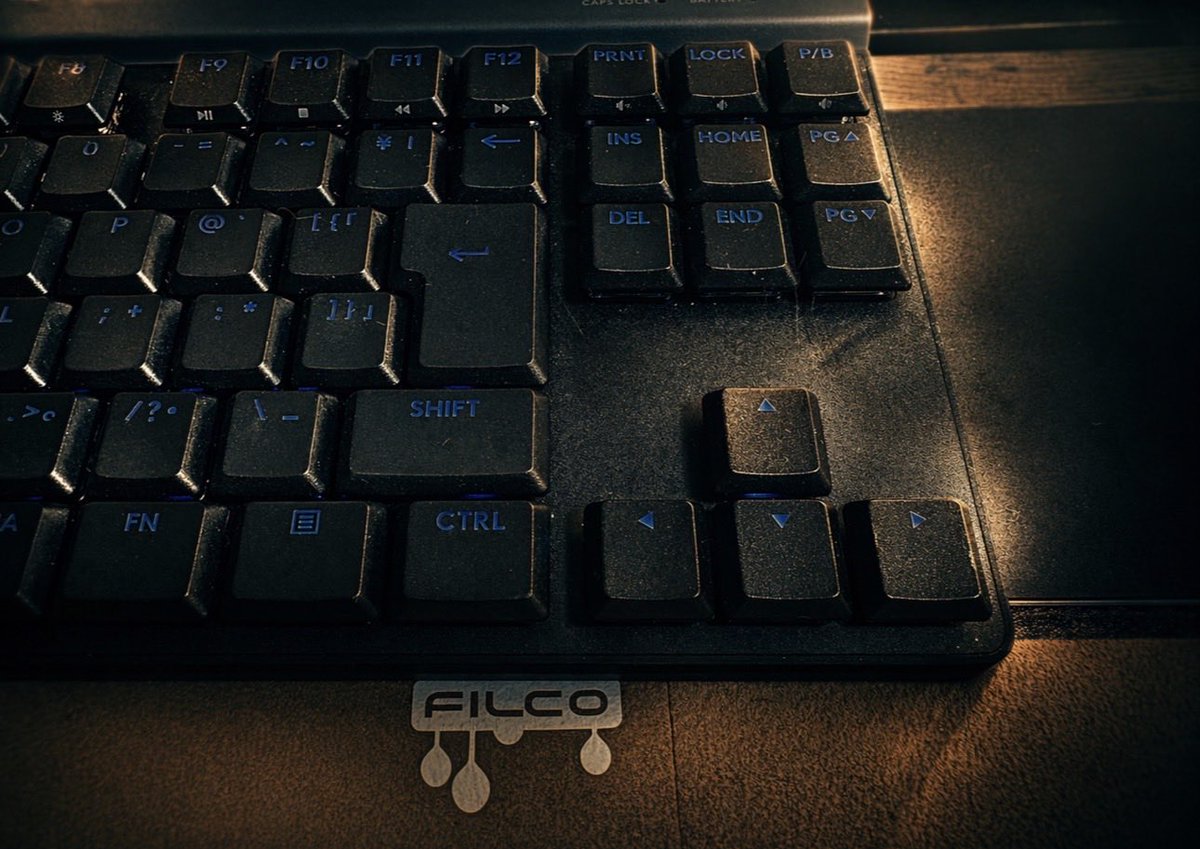
Dramatic Film Filter Processing
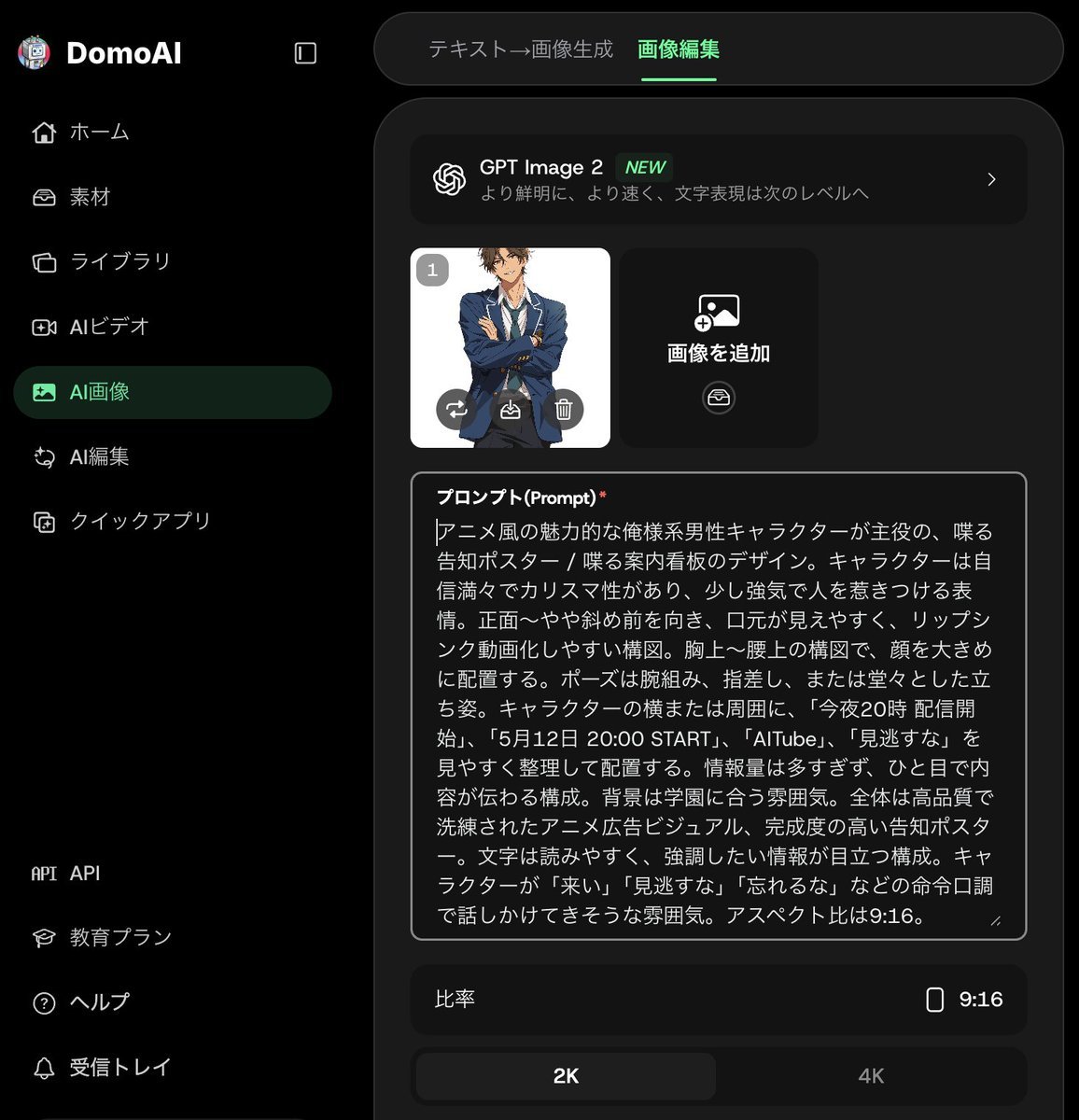
Anime Announcement Poster Template
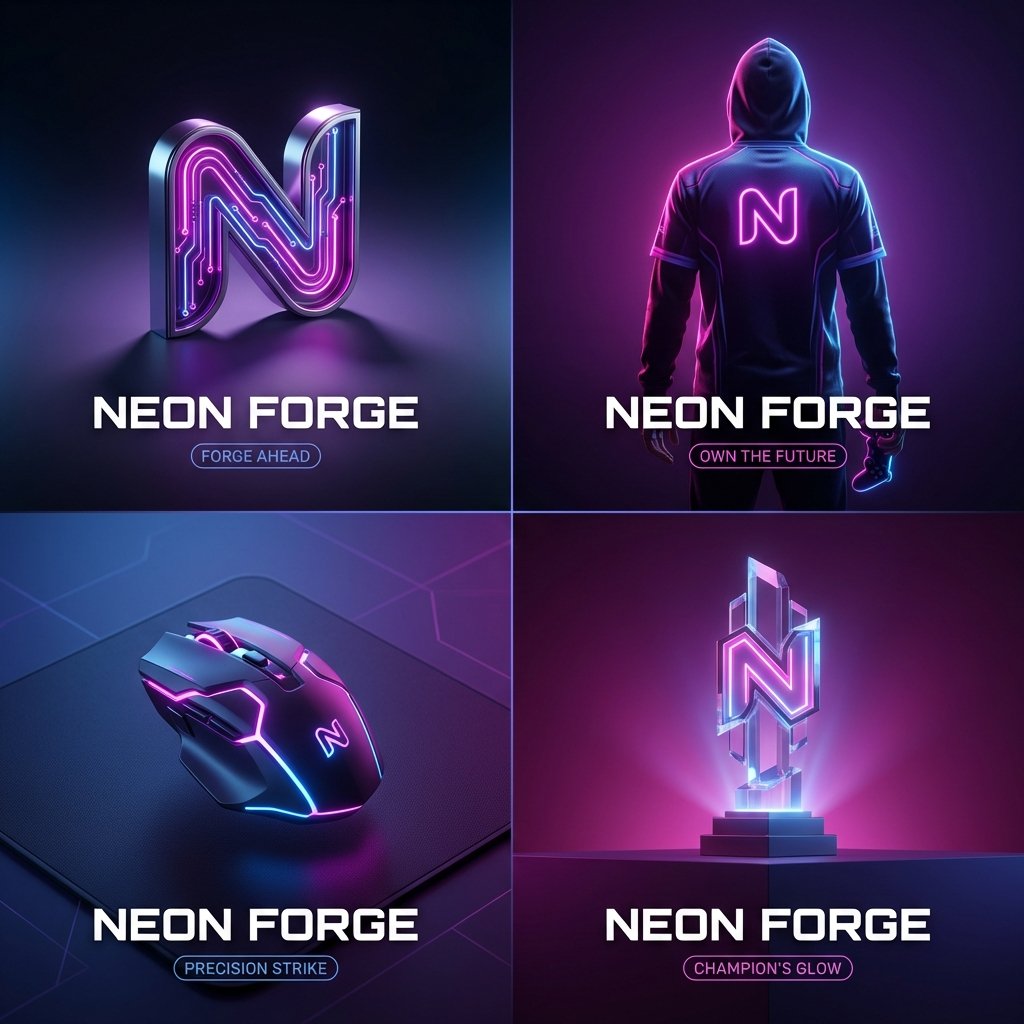
High-End Cover Visual Generation Prompt
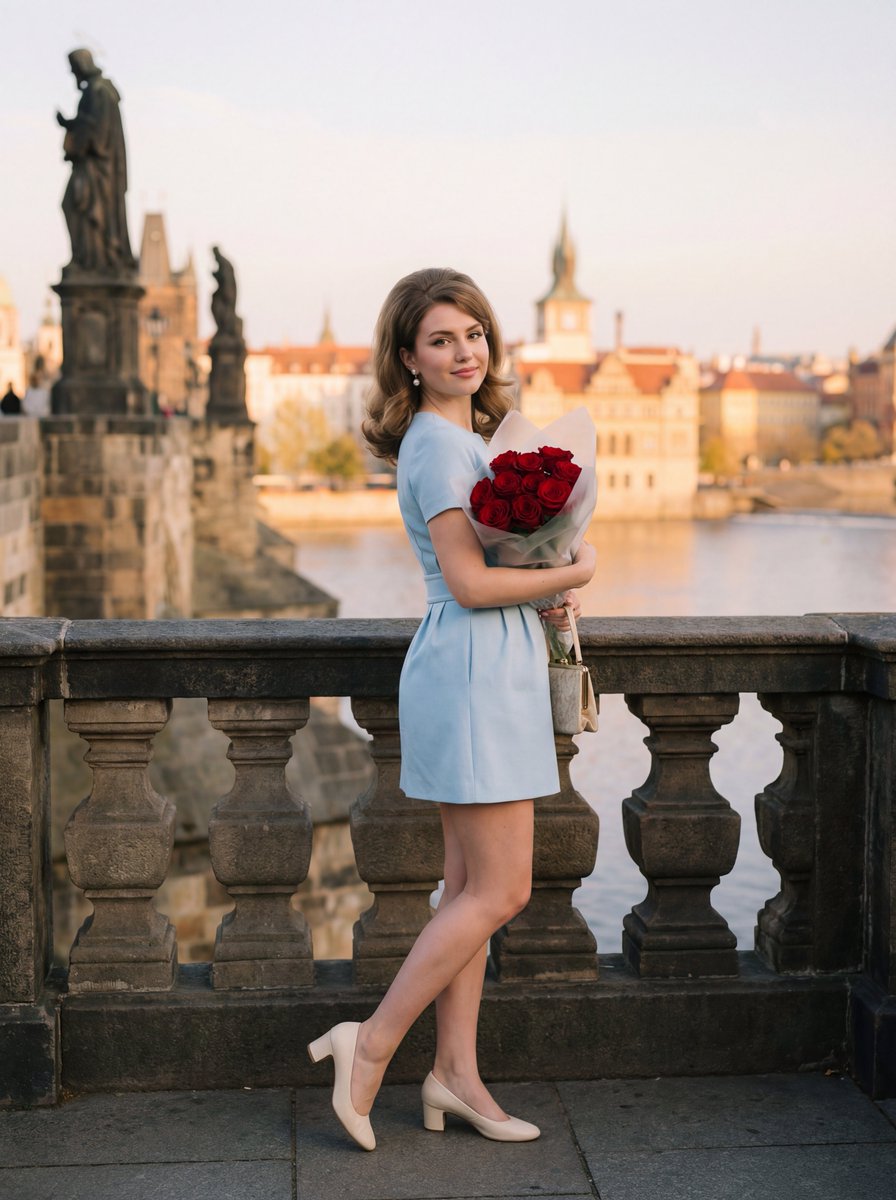
Editorial Photograph of Woman with Roses in Prague (JSON)
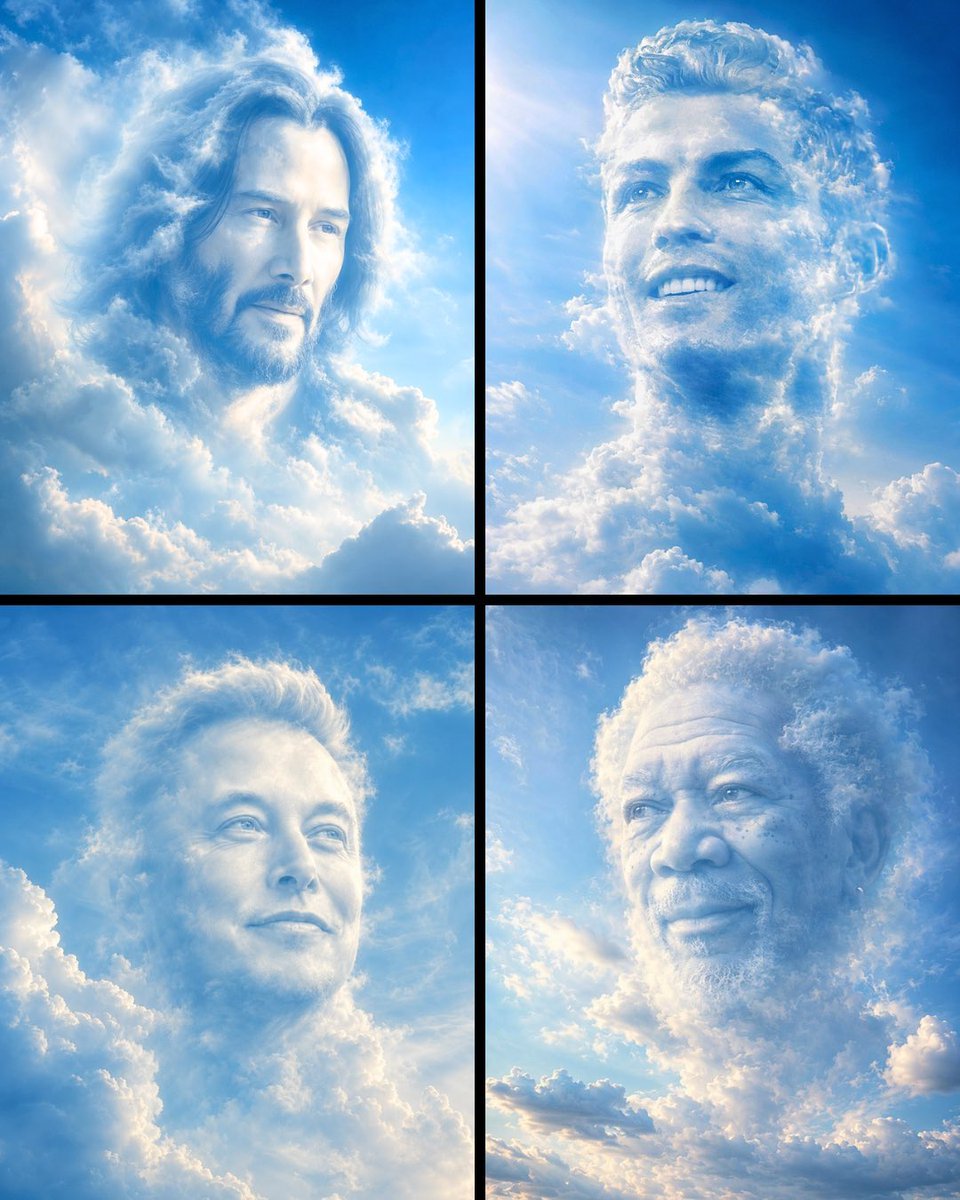
Ethereal Cloud Portrait Reimaging
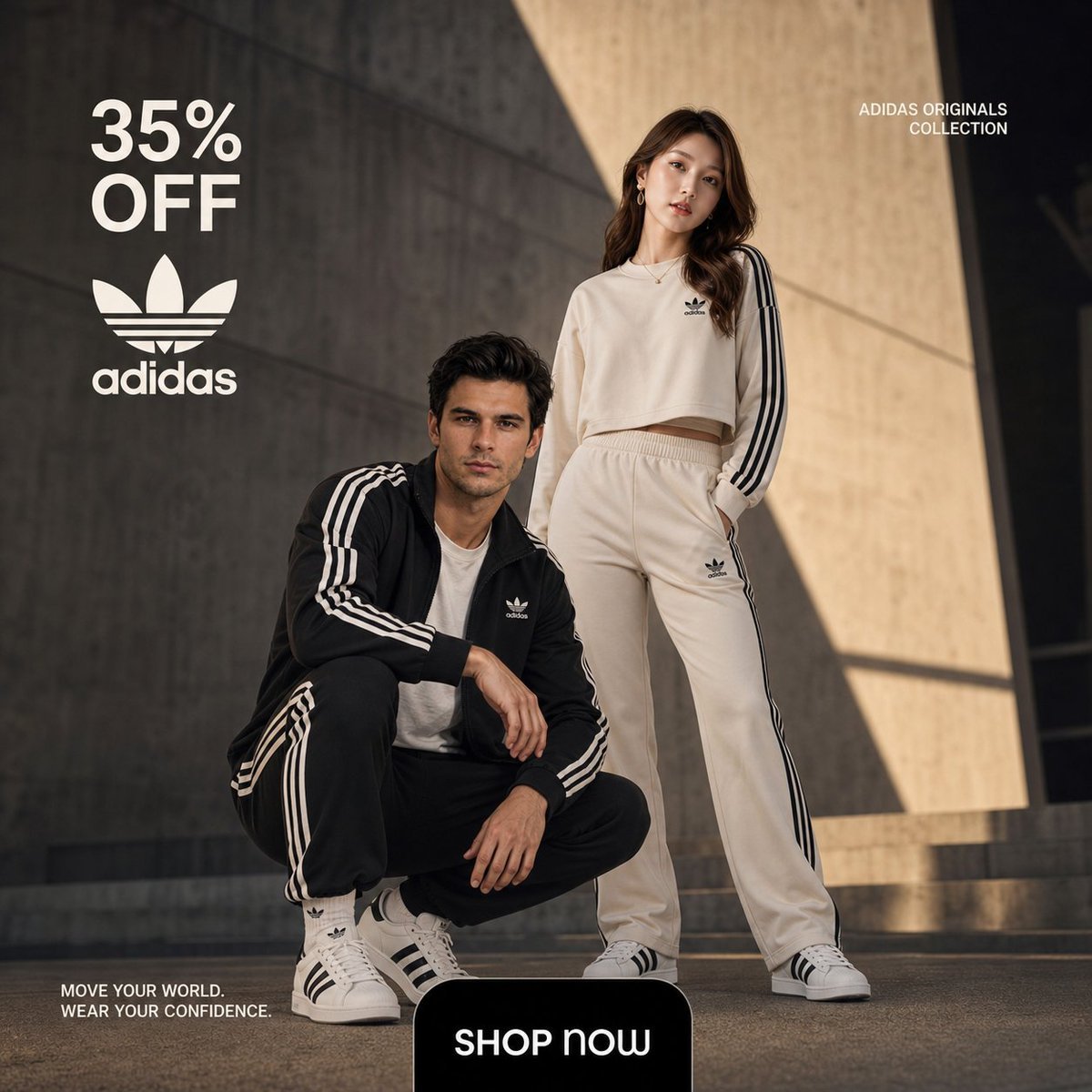
Adidas Originals Fashion Ad
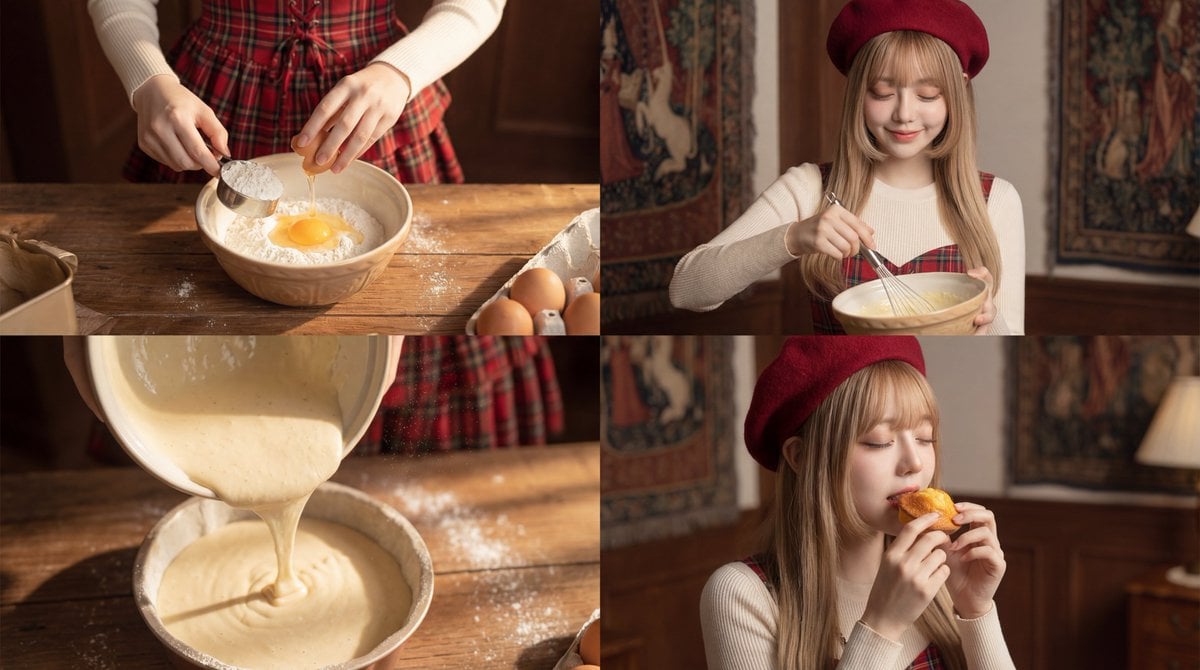
Cinematic Video Prompt for Woman Baking
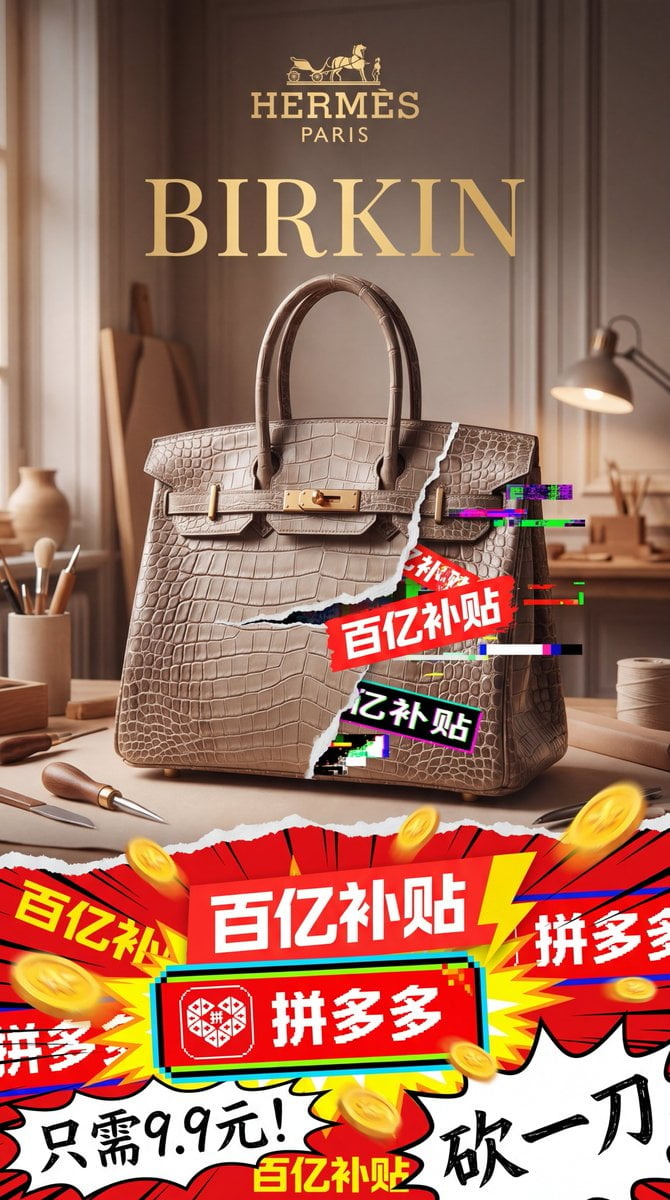
Luxury Bag Meets Discount Chaos Poster
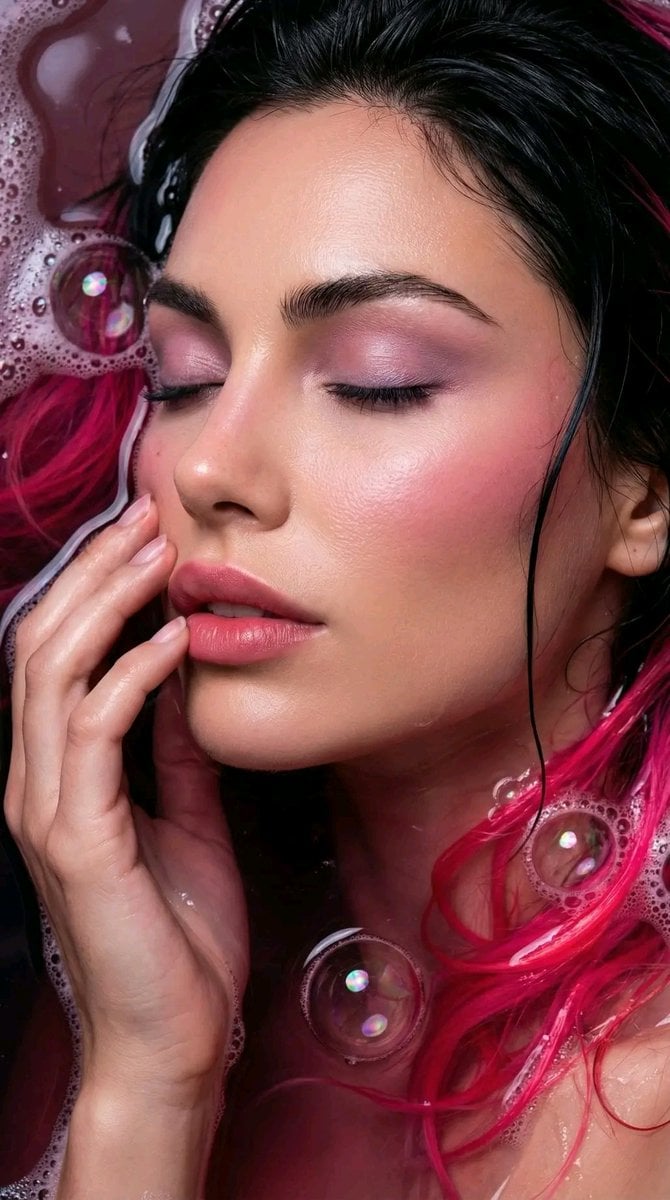
Ethereal Bloom Immersion Macro Portrait Prompt
Kling AI + Google Nano Banana Pro Prompt (Video and Image)
Browse template categories
Dunhuang Mural Artistic Template questions
How do I use the Dunhuang Mural Artistic Template template?
Add your photo if the template asks for one, edit the prompt if you like — the template's model and format are already selected — and press Generate. Your version opens in PicX Studio.
Can I customize the Dunhuang Mural Artistic Template template?
Yes. You can change the subject, setting, lighting, mood, format, and available model controls before creating your image.
Is the Dunhuang Mural Artistic Template template free?
Opening and editing this template is free. Generating uses credits, shown on the Generate button when you are signed in.
Which AI model should I use?
Start with GPT Image 2, which is the model associated with this template. You can compare another compatible model for a different finish.
Looking for something else? Browse all templates.
Your photo, any look
Thousands of ready templates for every top image and video model, from one credit balance.