
Six-Stage Life Progression Portrait
Creates a vertical photorealistic timeline composite showing one male subject from newborn to mature adult with Chinese age-stage labels.
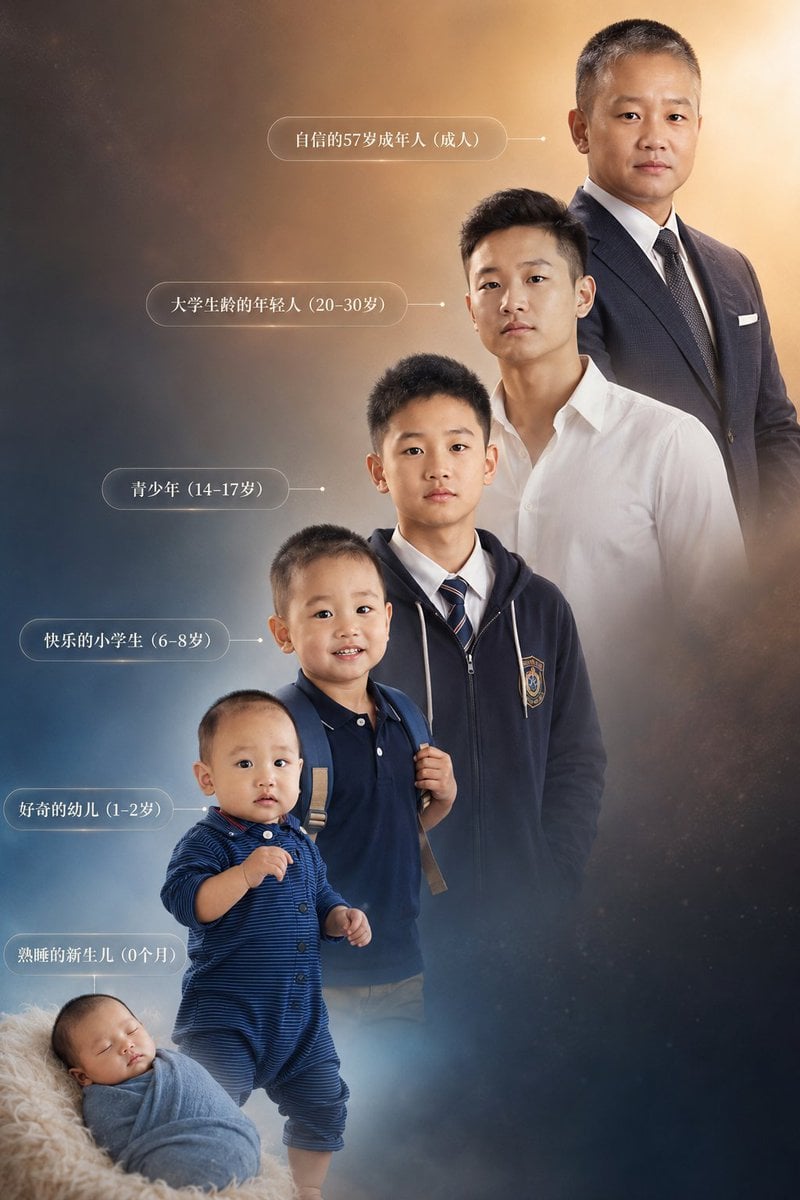
- Prompt included
- Model and format preset
- Free template
The prompt behind this image
Copy the exact prompt behind Six-Stage Life Progression Portrait, or open it in the studio and make it yours.
Goal: Create a highly detailed vertical composite photo showing the life progression of {argument name="subject description" default="the same Chinese male"} from birth to adulthood, with six separate age-stage figures arranged in a rising diagonal timeline. Maintain strong facial-structure continuity across all six versions of the same person, while making age, body size, clothing, posture, and hairstyle appropriate for each stage. Canvas: Vertical 2:3 portrait composition, cinematic studio-photography quality, warm golden light in the upper right fading into cool blue-gray mist in the lower left, subtle starry dust and smoky atmospheric background, soft depth of field, elegant inspirational tone. Layout: Arrange exactly 6 figures from bottom-left to top-right, increasing in age and height. The youngest baby is at the bottom-left foreground, the toddler stands above and slightly right, the elementary-school child stands behind, the teenager stands higher in the center, the young adult is upper-right center, and the mature adult is tallest at the top-right. Use overlapping bodies and scale changes to create a continuous life staircase. Subjects: Exactly 6 visible versions of the same male: 1. Newborn, 0 months: sleeping infant wrapped in a pale blue swaddle, lying on a fluffy cream blanket at the bottom-left. 2. Curious toddler, 1–2 years: standing child in a dark blue striped one-piece outfit, small hands raised slightly, short black hair. 3. Happy elementary-school student, 6–8 years: child wearing a navy polo shirt and backpack straps, standing confidently. 4. Teenager, 14–17 years: school-age boy wearing a navy zip-up hoodie with a school crest, white shirt, striped tie, neat short hair. 5. College-life young adult, 20–30 years: young man wearing a crisp white open-collar shirt, modern short black hair, relaxed posture. 6. Confident mature adult, 57 years: tall mature man in a dark business suit, white shirt, tie, pocket square, standing upright and dignified. Text content: Add exactly 6 translucent rounded-rectangle Chinese labels on the left side, each connected to the matching figure by a thin horizontal line and small dot. Use white serif-style Chinese text. The labels must read, from top to bottom: 「自信的57岁成年人(成人)」, 「大学生络的年轻人(20-30岁)」, 「青少年(14-17岁)」, 「快乐的小学生(6-8岁)」, 「好奇的幼儿(1-2岁)」, 「熟睡的新生儿(0个月)」. Visual style: Photorealistic composite portrait, high-end commercial retouching, soft rim light, realistic clothing texture, natural skin tones, coherent lighting across all age stages, gentle mist around the lower figures, warm halo around the adult at the top-right. Constraints: Keep exactly six figures and exactly six matching labels. Do not add extra people, panels, borders, logos, watermarks, or unrelated objects. The faces should be visible and consistent unless intentionally anonymized with {argument name="face treatment" default="plain skin-tone rectangular blur masks over each face"}.
How to use Six-Stage Life Progression Portrait in 3 steps
- 1Upload ImagePNG, JPG or paste
Add your photo
Upload the photo the template builds on. The prompt, model and format are already set.
- 2…a portrait of your subject in softgolden-hour light, 85mm…
Personalize
Edit the subject and creative details for your destination.
- 3Generate
Generate
Press Generate — your image is created in PicX Studio, so you can compare it with the original and refine one variable at a time.
More like this
Templates with the same subject, style or setup. Open one to see its prompt.
Dark Luxury Stage Fashion Editorial Portrait
Female Life Progression Portrait
Life Stages Composite Portrait
Found Photograph: Us, 1970
80s Couple Studio Portrait
80s Bollywood Star
80s Golden Hour Cinema
Me in 1985
1985 Studio Portrait
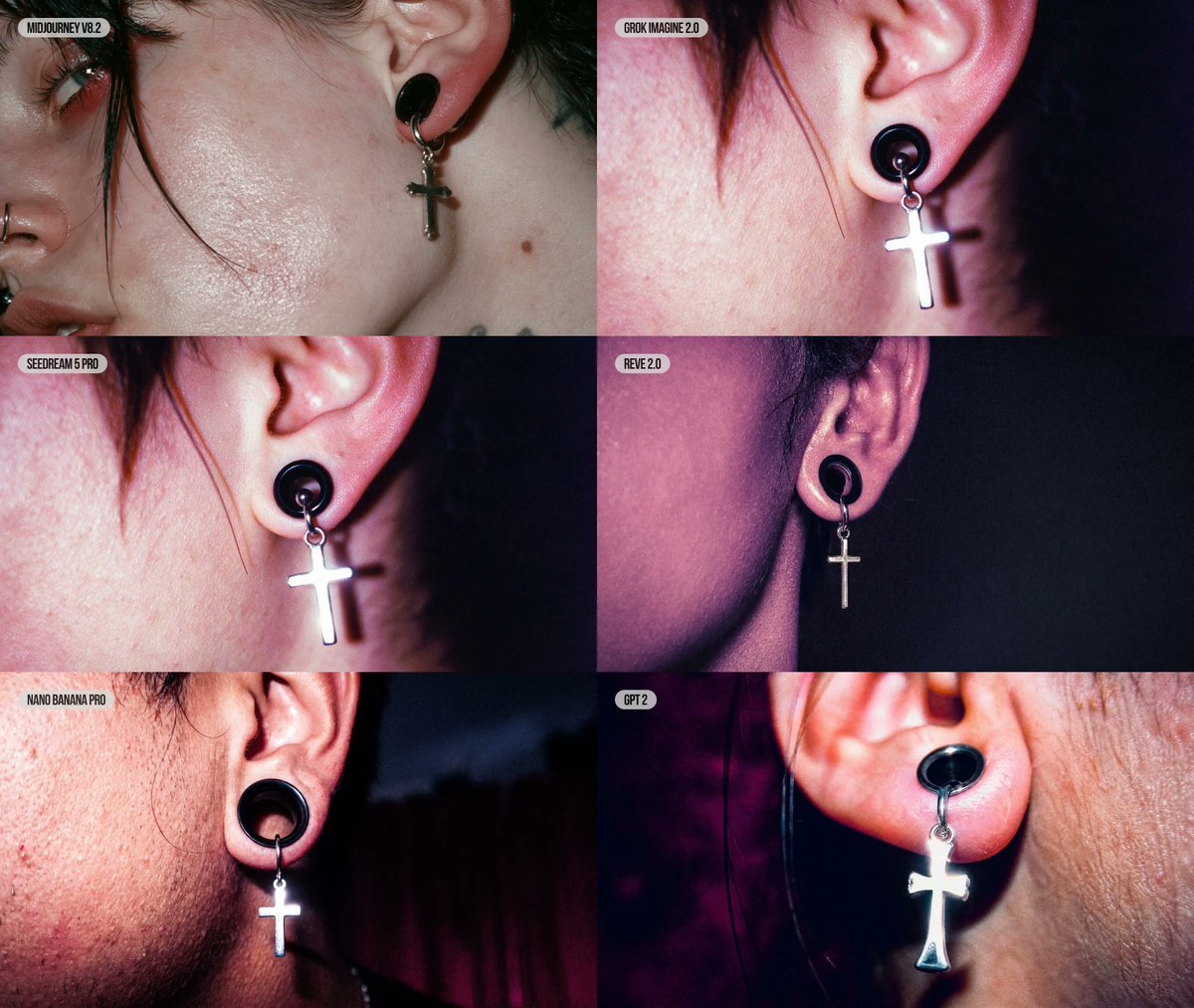
Six-Panel AI Jewelry Portrait Comparison
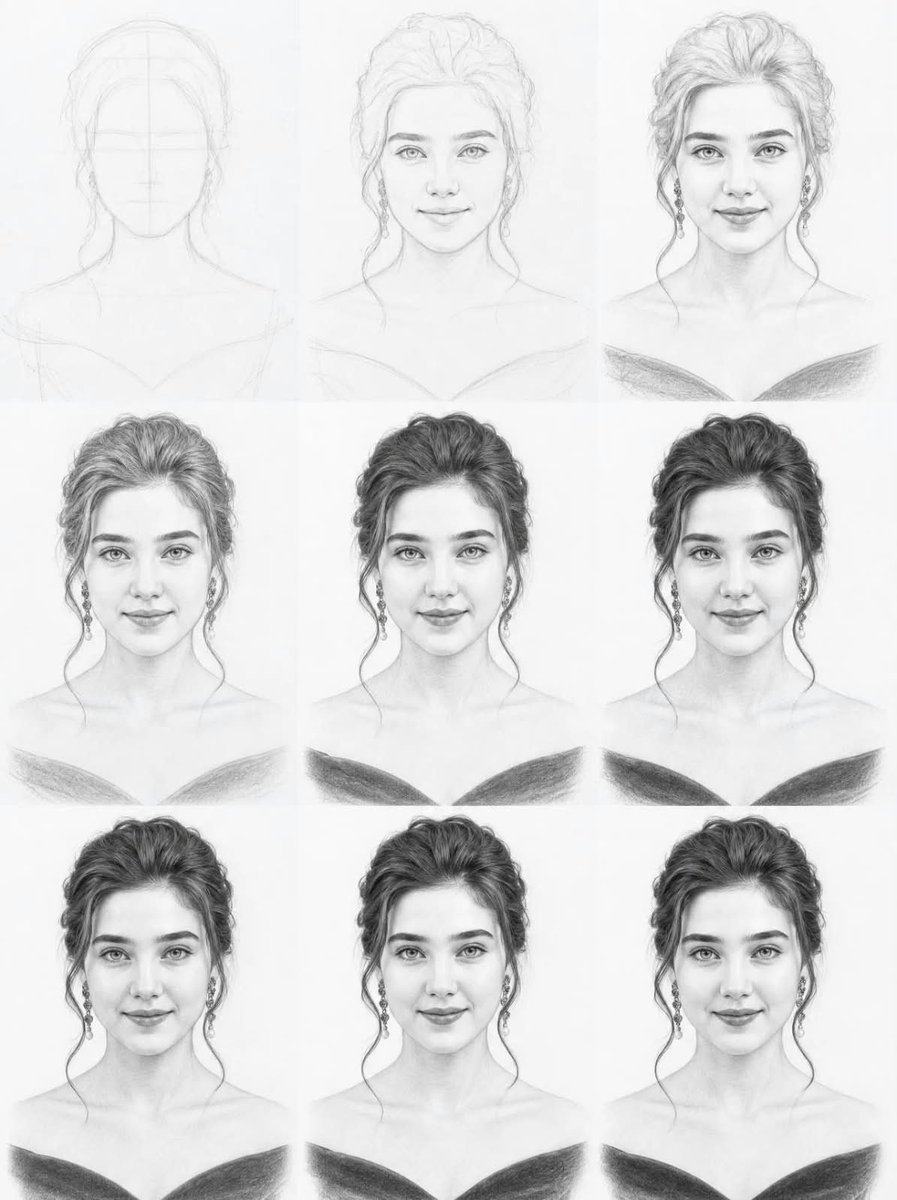
Graphite Portrait Progression Sheet
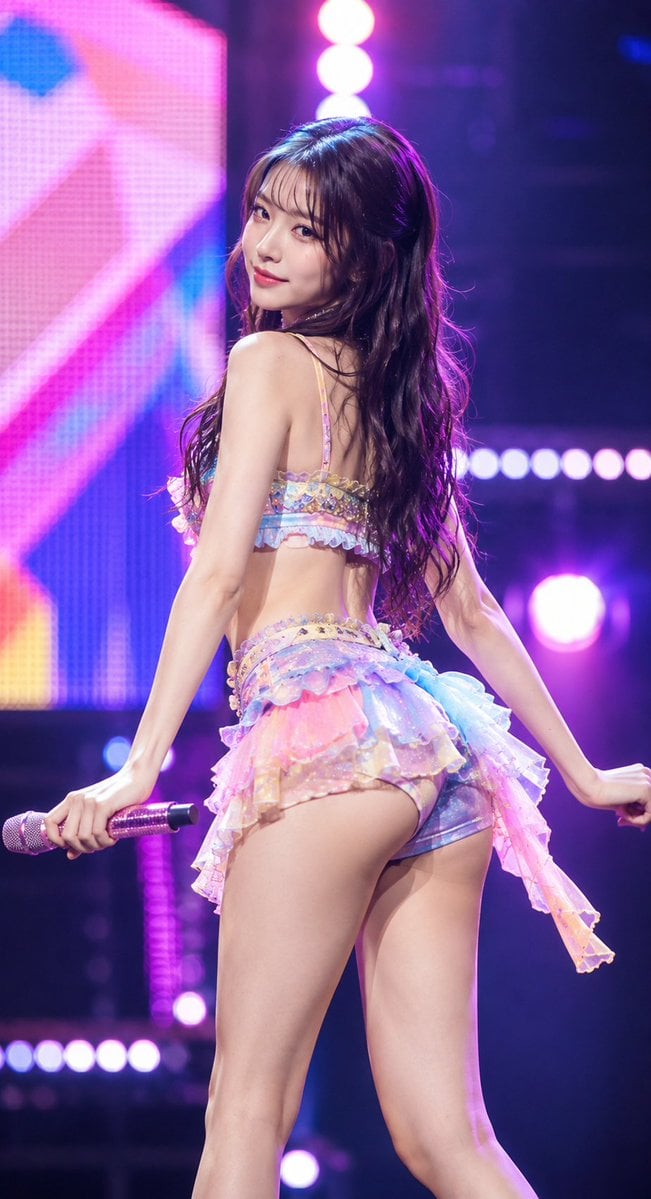
Idol Stage Performance Portrait
Make it yours
Six-Stage Life Progression Portrait works as-is. These are the safest ways to change it without losing the look.
Change one field
Copy a single group, rewrite it, and generate again so you can see what that field is doing.
Keep the frame, change the subject
Hold the composition and light of Six-Stage Life Progression Portrait, then swap wardrobe, props or the person for a new take.
| If the result… | Why | Fix |
|---|---|---|
| The result drifts from the preview | Too many fields changed at once. | Reuse Six-Stage Life Progression Portrait as-is first, then change one group — subject, light, or setting. |
| The model over-stylizes the scene | The prose prompt leaves finish and camera underspecified. | Add one camera or lighting sentence and stay on GPT Image 2. |
More GPT Image 2 templates
Other prompts made for GPT Image 2.
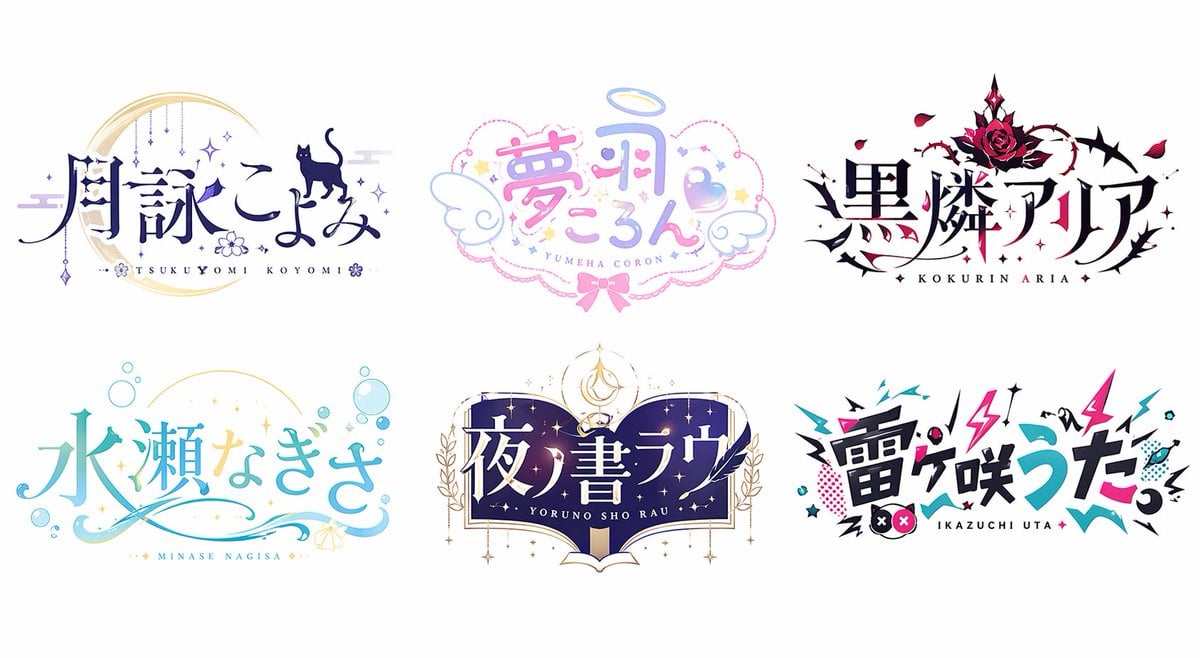
Six VTuber Japanese Logo Sheet
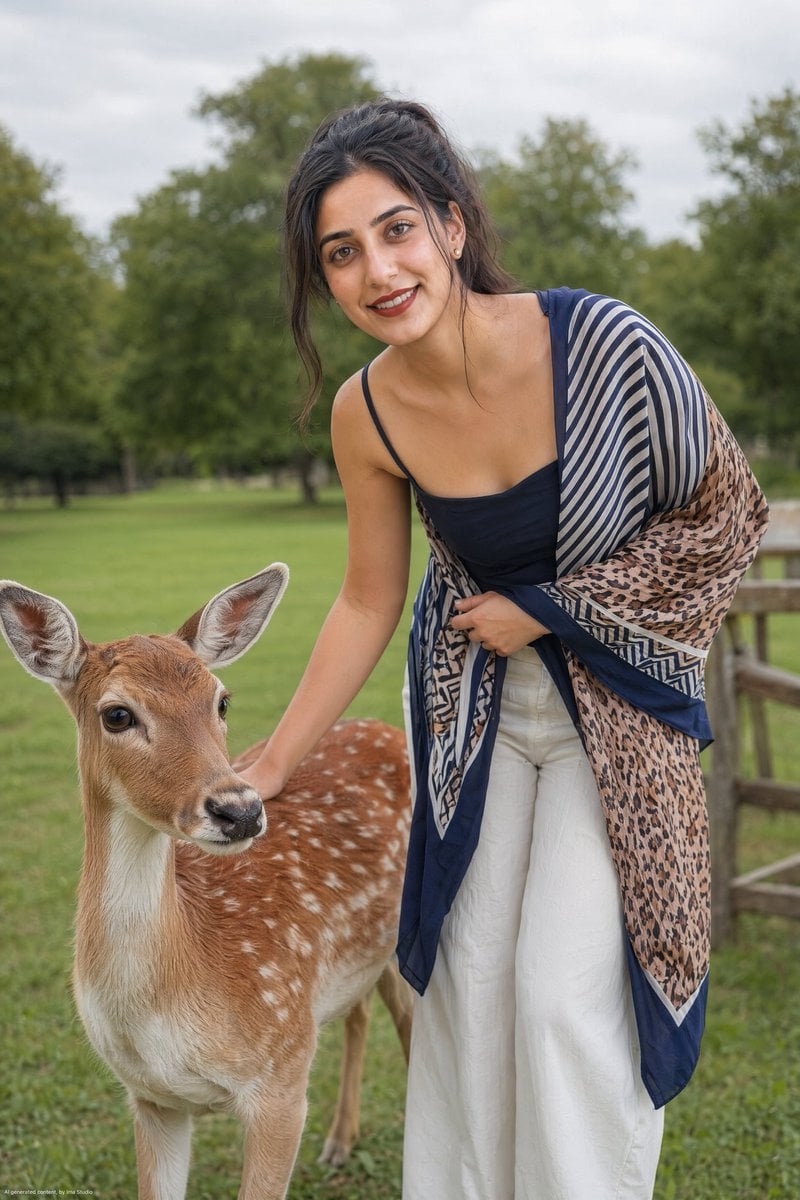
Realistic Portrait of Woman and Deer
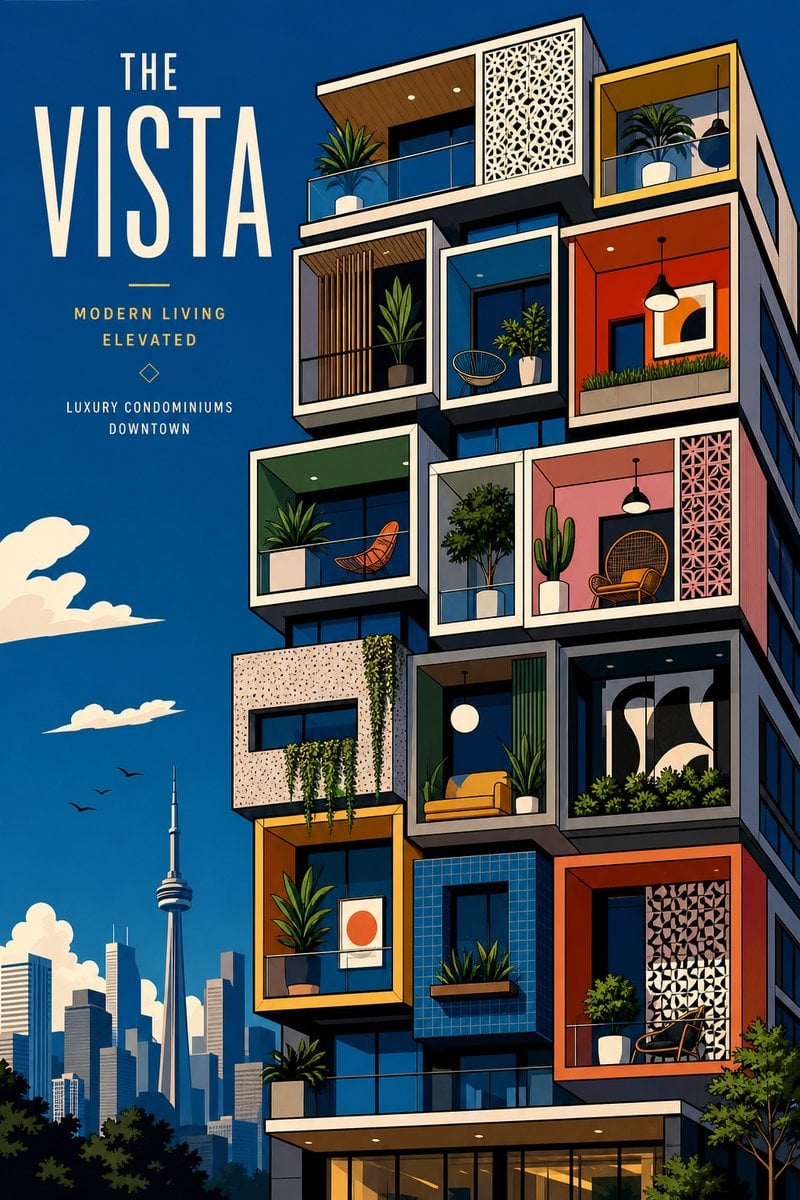
The Vista Modular Condo Poster
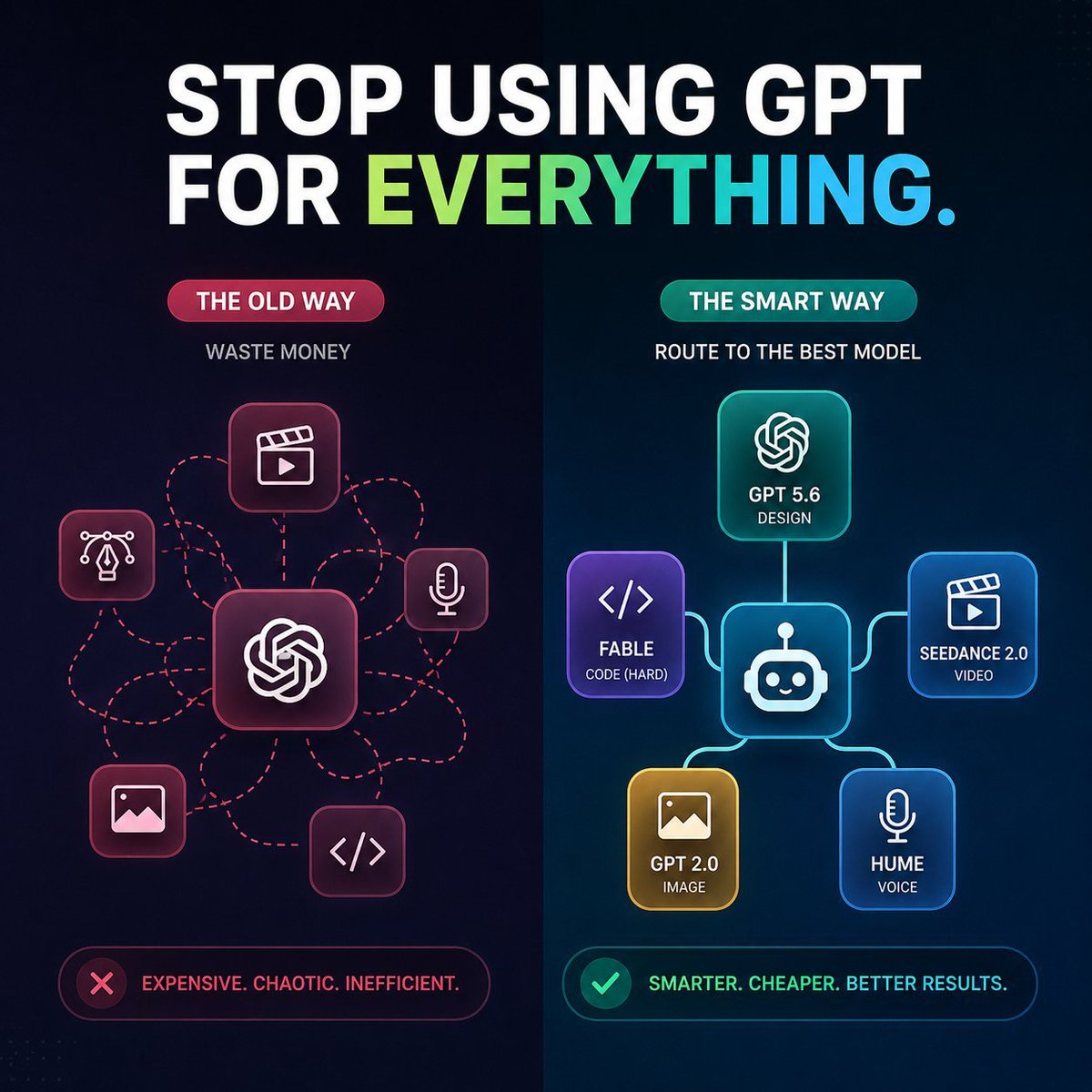
AI Model Routing Comparison Infographic
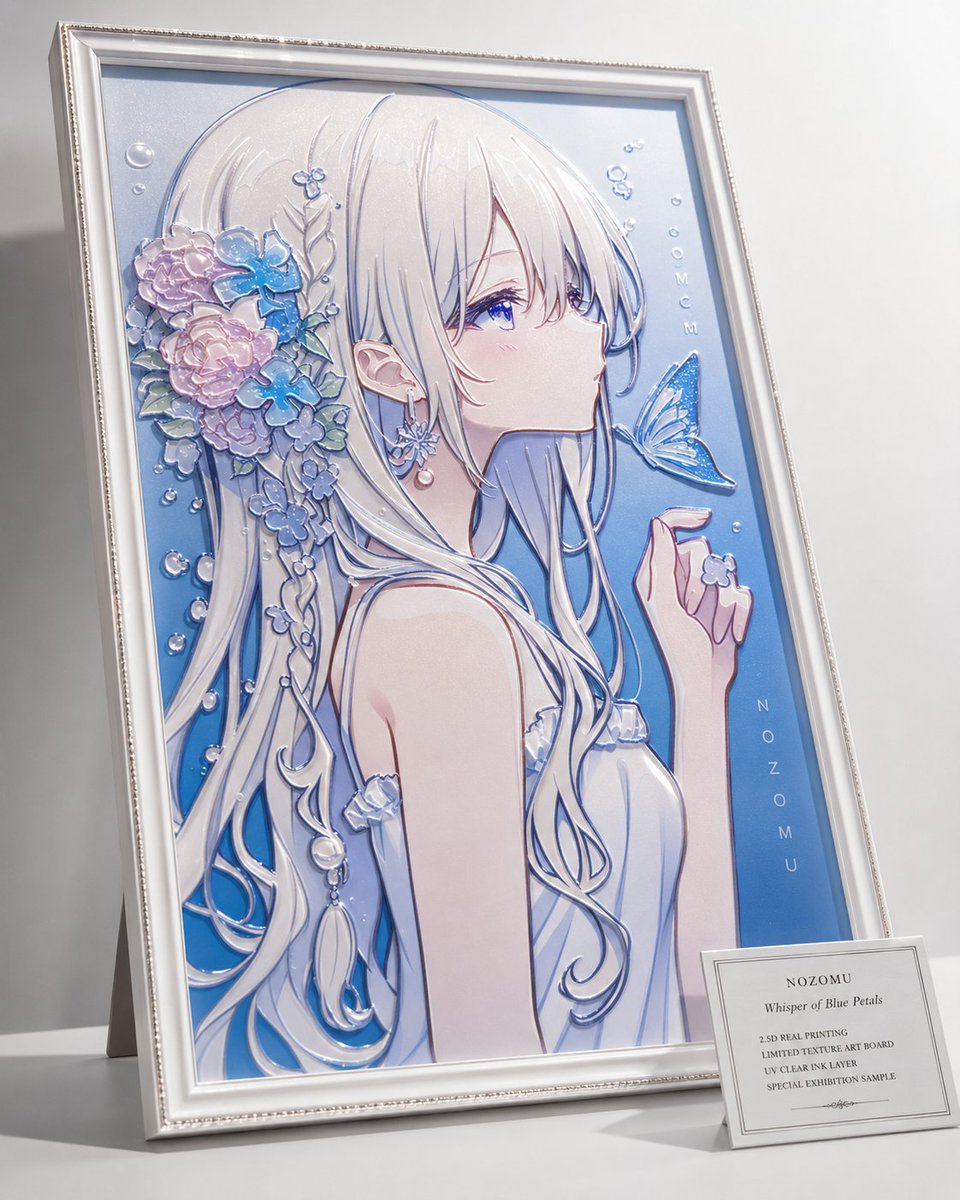
2.5D Anime Art Board

Isometric Productivity Desk Scene
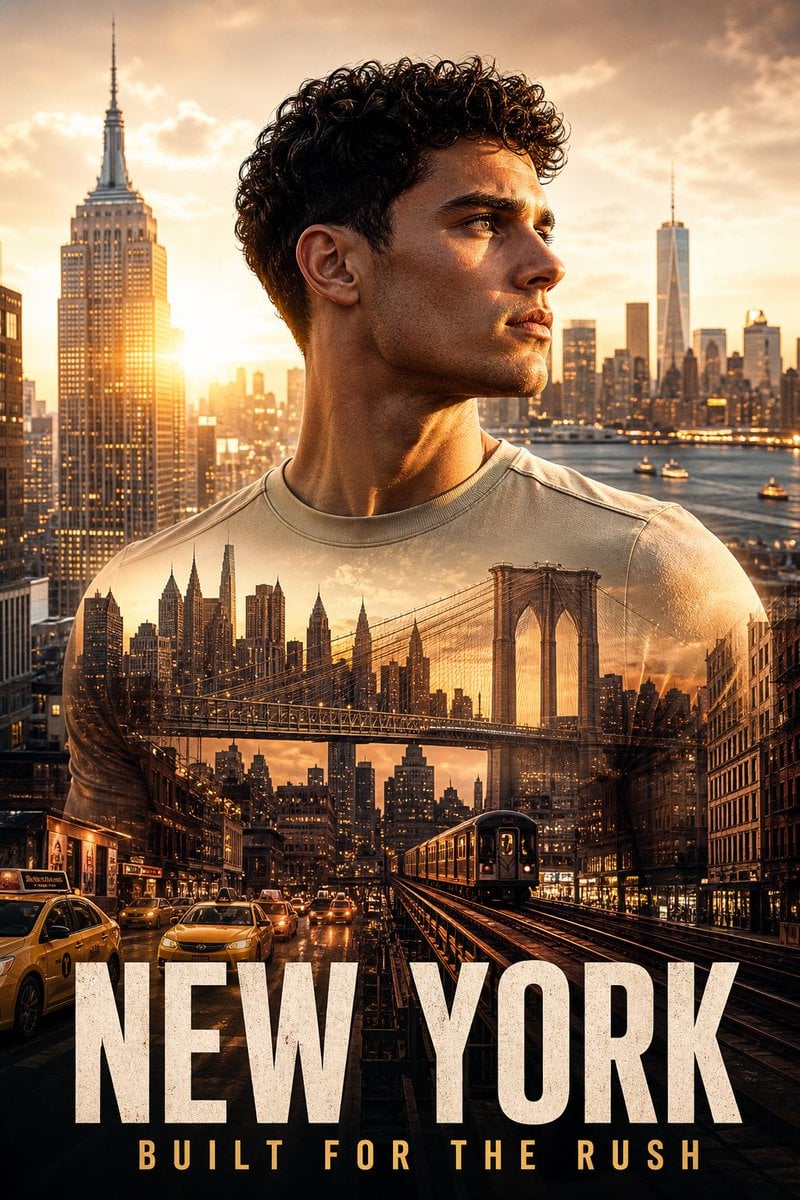
New York Double Exposure Poster
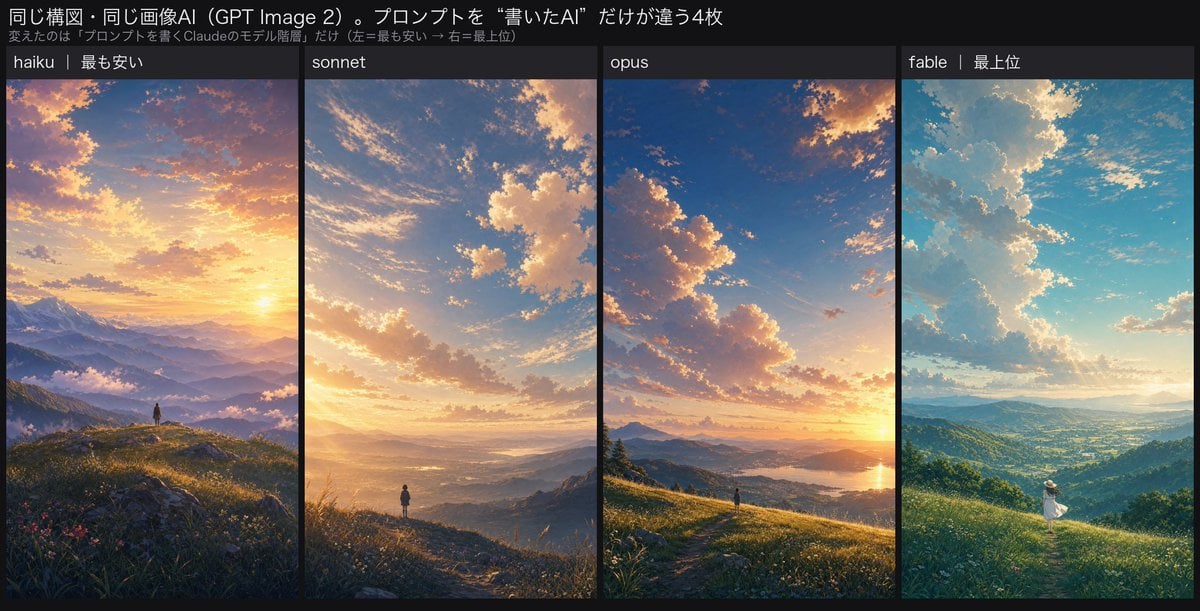
Four-Panel AI Landscape Comparison
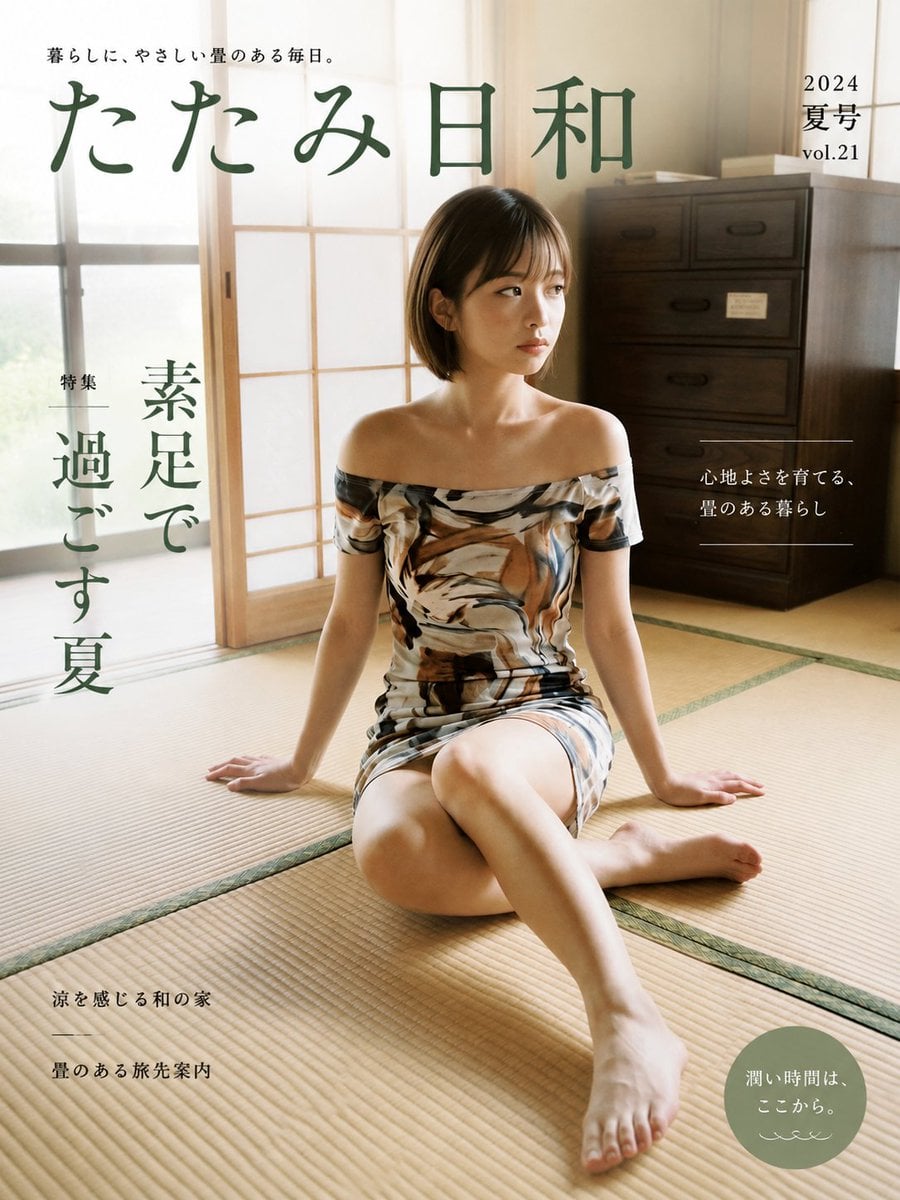
Japanese Tatami Lifestyle Magazine Cover

NESCAFÉ Coffee Map Poster
More image prompts
Fresh picks from across the catalog.
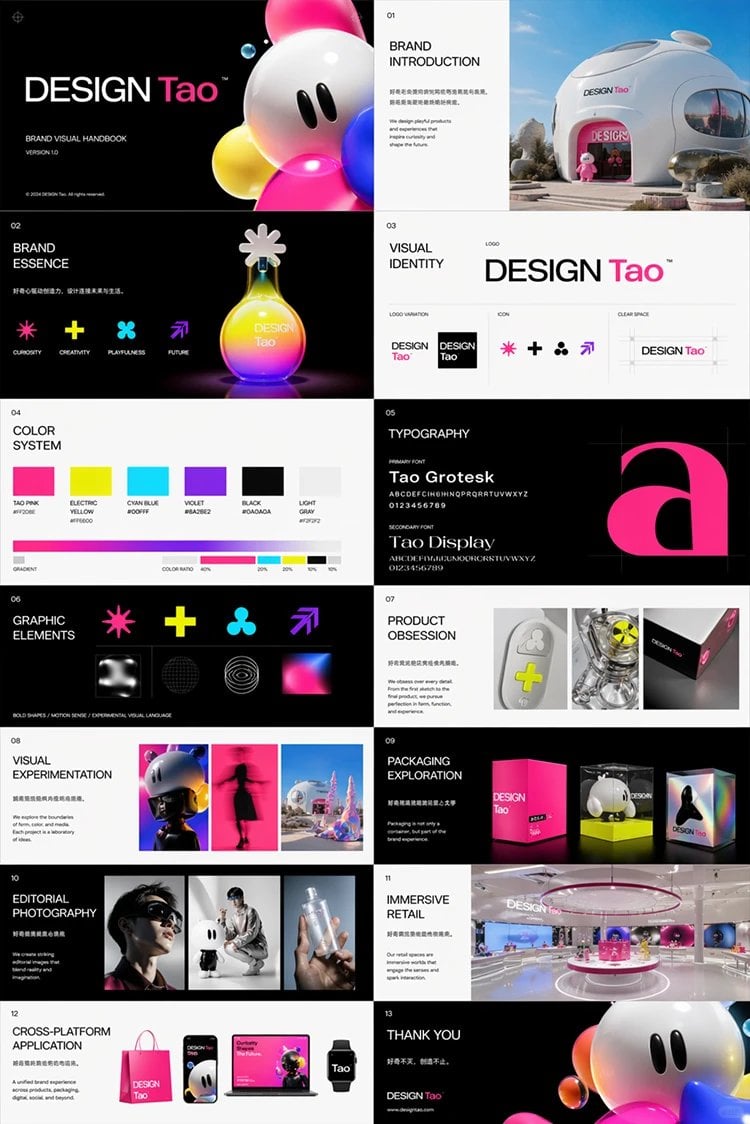
Futuristic Brand Visual Manual
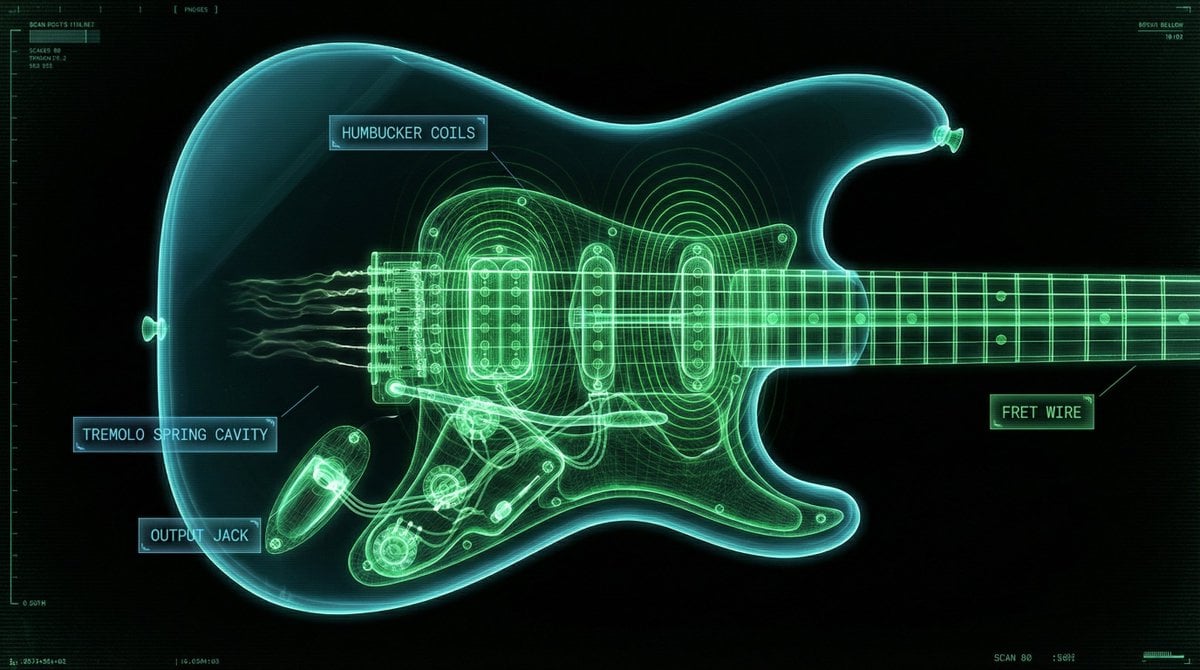
Neon X-Ray Photorealistic Scan

Four-Panel Manga: Labyrinth of Objection

Red Studio Fashion Editorial with Motion Echo Effect
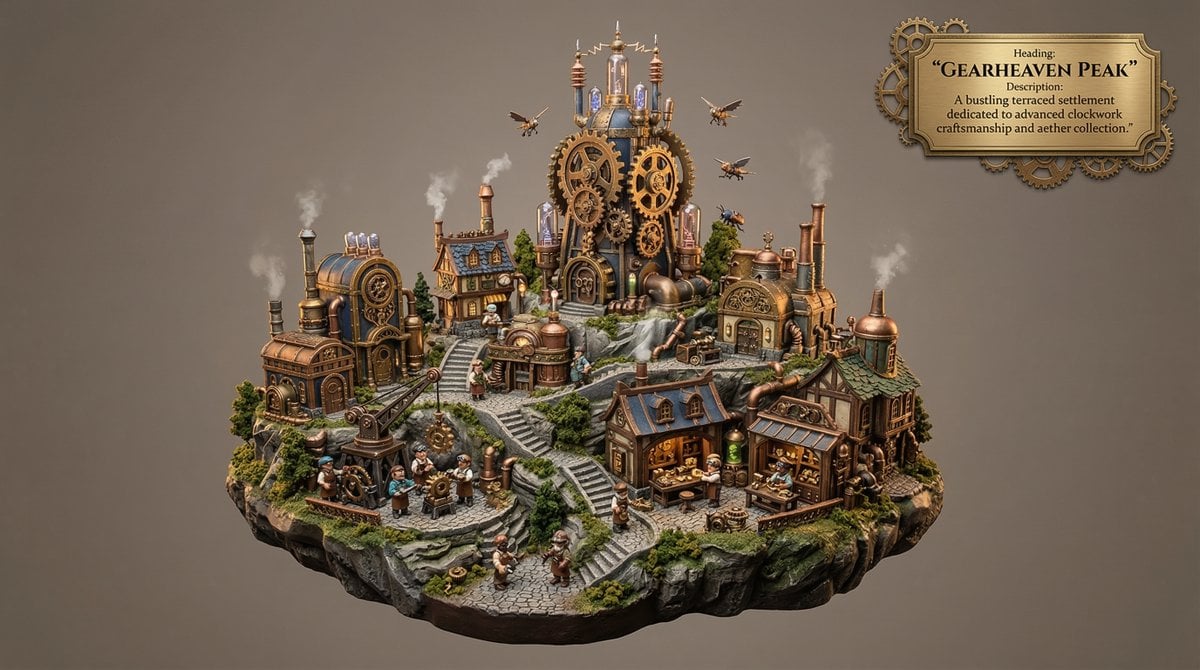
Whimsical Mono-Punk Floating Miniature Diorama Generator
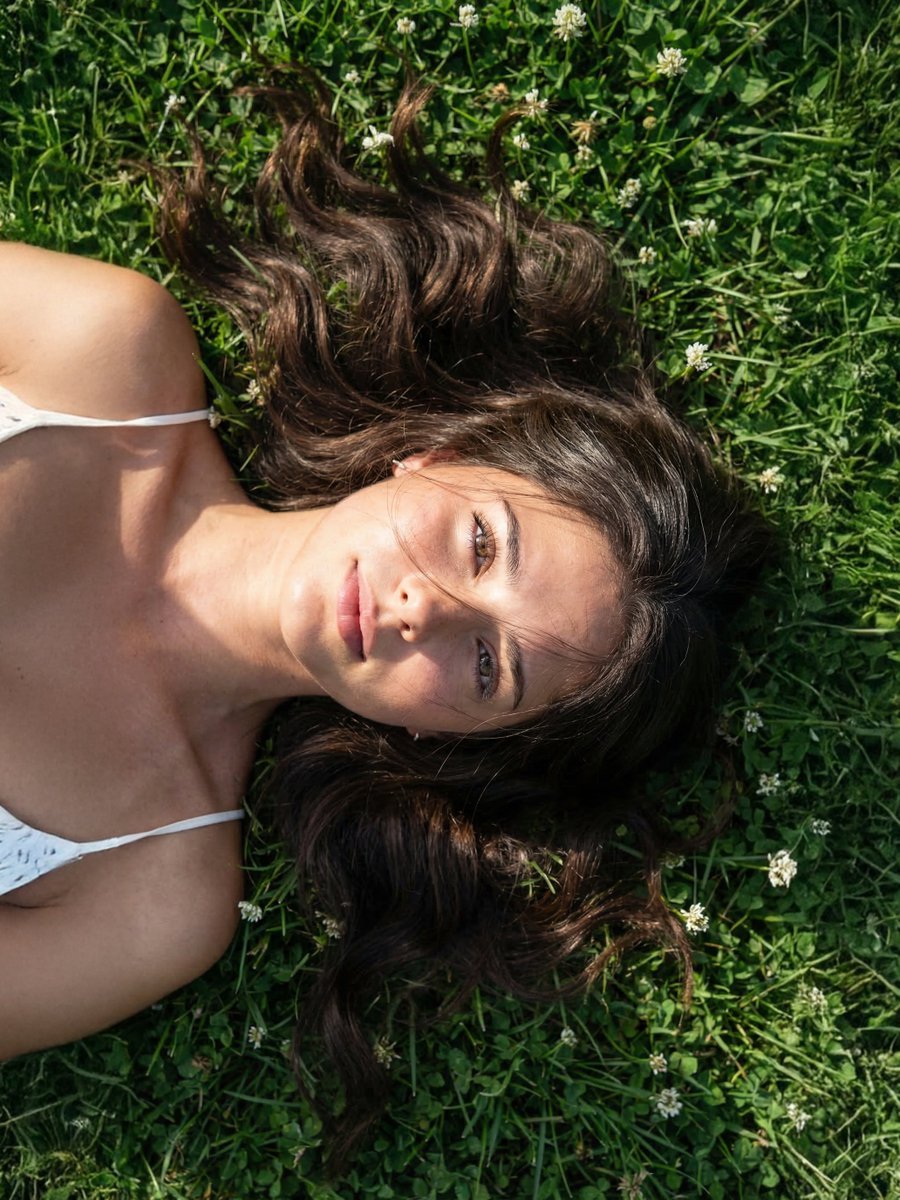
Photorealistic Close Portrait with Raw Natural Photography Style

QR Code Business Card Designer
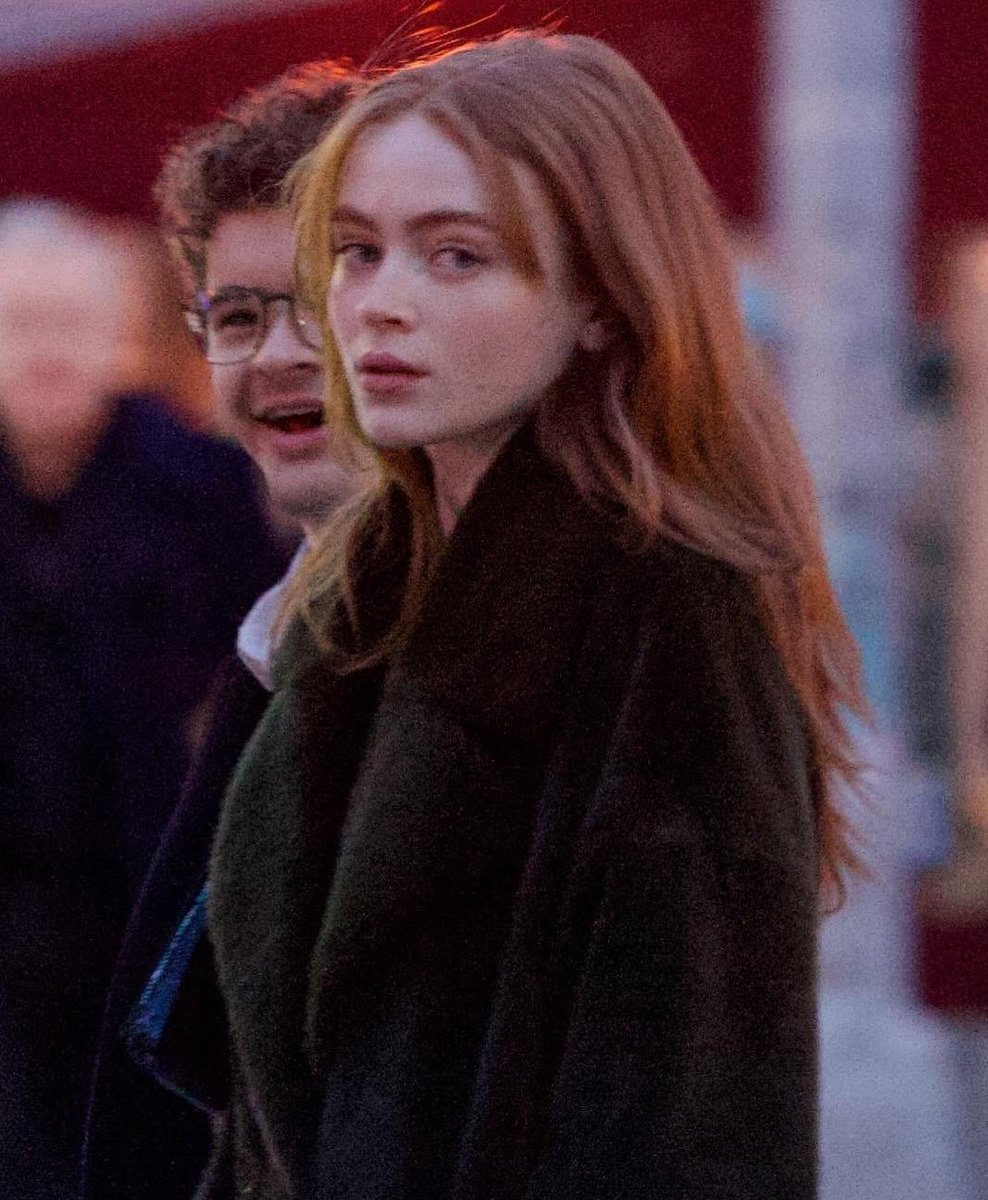
Cinematic Evening Street Portrait Prompt
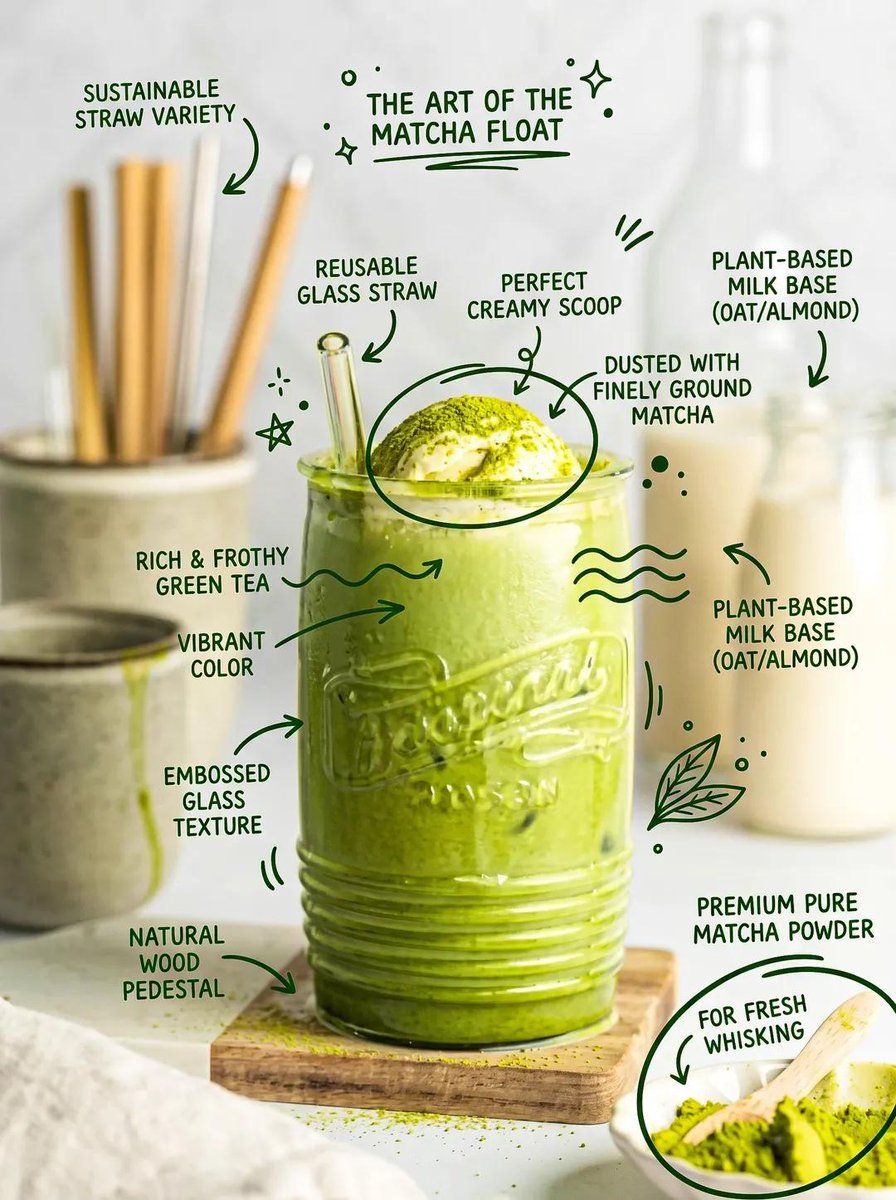
Hand-Drawn Doodles Overlay Prompt

Photorealistic Blu-ray Cover Portrait
Browse template categories
Six-Stage Life Progression Portrait questions
How do I use the Six-Stage Life Progression Portrait template?
Add your photo if the template asks for one, edit the prompt if you like — the template's model and format are already selected — and press Generate. Your version opens in PicX Studio.
Can I customize the Six-Stage Life Progression Portrait template?
Yes. You can change the subject, setting, lighting, mood, format, and available model controls before creating your image.
Is the Six-Stage Life Progression Portrait template free?
Opening and editing this template is free. Generating uses credits, shown on the Generate button when you are signed in.
Which AI model should I use?
Start with GPT Image 2, which is the model associated with this template. You can compare another compatible model for a different finish.
Looking for something else? Browse all templates.

Your photo, any look
Thousands of ready templates for every top image and video model, from one credit balance.