
Misordered Image Relay Grid
A complex creative prompt that transforms an input image through 12 stages of intentional 'misinterpretation' by imaginary sequential creators, resulting in a humorous 3x4 evolution grid.
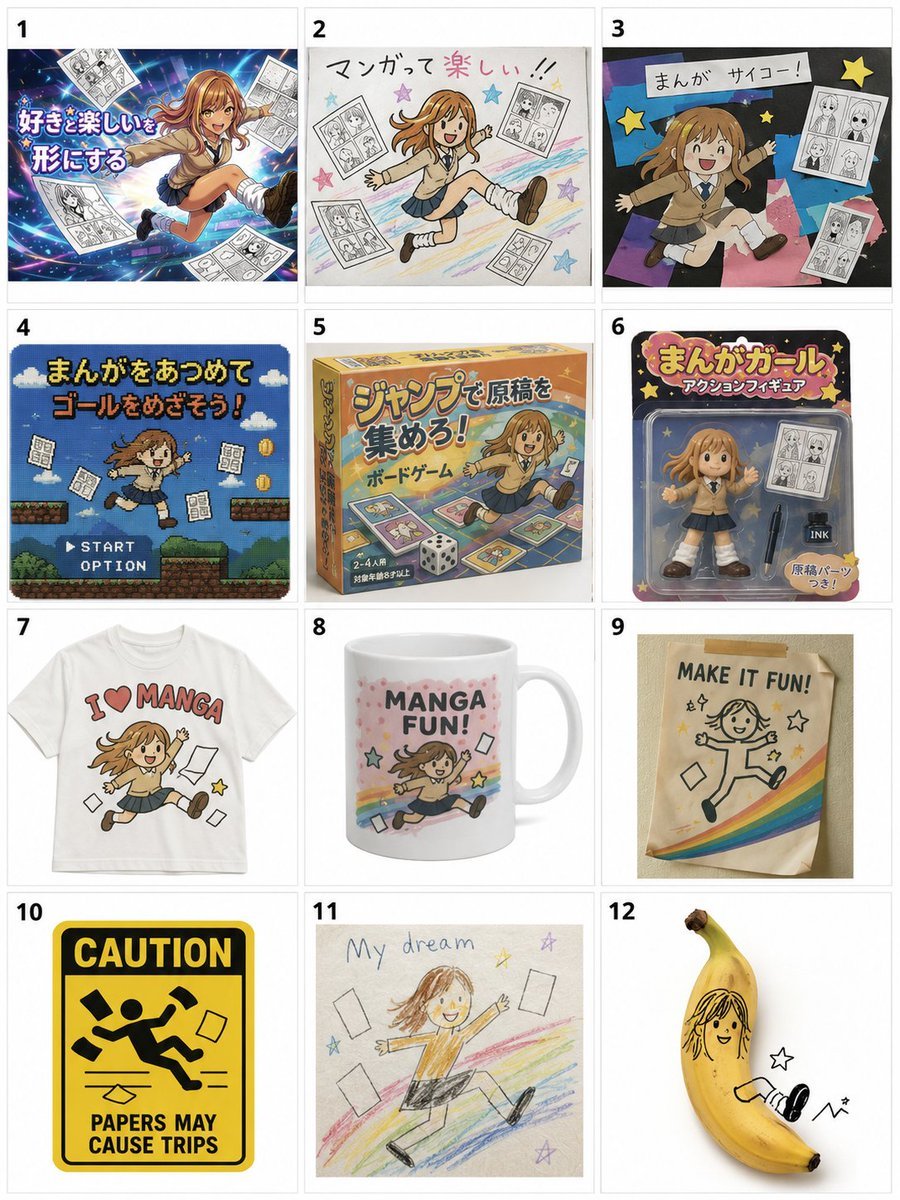
- Prompt included
- Model and format preset
- Free template
The prompt behind this image
Copy the exact prompt behind Misordered Image Relay Grid, or open it in the studio and make it yours.
Based on the attached image, arrange {argument name="Grid" default="3×4"} versions in a {argument name="Number of Versions" default="12 versions"} grid. Depict this as if the image were passed in sequence to 12 different people, each of whom, seeing only what the previous person made, mistakenly assumed "this is probably this kind of thing" or "it's probably used for this purpose," and remade it into a different form. Have the first panel start out fairly close to the original in mood. From there, as the panels progress, gradually have the original image's shape, color, expression, pose, composition, motif, and mood be misunderstood, simplified, converted to a different purpose, and drift further and further from its original meaning and form. Make each panel look as if it were remade by a different person who saw only the previous panel and judged "this was probably meant to be this kind of request." Let it change naturally depending on the content of the original image — a person or character, a pet, food, a landscape, a building, a profile picture, etc. Don't fix the direction of change too precisely along the way. It's fine if one panel becomes an illustration, the next becomes a mascot, the next becomes a product, and further ones get misunderstood into other uses such as a signboard, a flyer, a stuffed toy, food packaging, a souvenir, a warning sign, a game character, a mysterious toy, a reference icon, or a handmade craft object. The direction of change should be something that naturally follows from the look of the original image and the previous panel. As the panels progress, make it feel like "you can tell someone was seriously trying to make this, but they're gradually getting more wrong about what the request actually was." Let the shape, proportions, eyes, mouth, outline, color placement, material feel, purpose, decoration, and composition drift bit by bit, becoming more unexpected and humorous the further along it goes. What matters is that this isn't simple image degradation or noise — it should look like the result of someone seeing the previous output, misinterpreting it, and remaking it for a different purpose, so that it keeps collapsing further and further. In the later panels, rather than erasing the original image's features completely, leave just one or two of the following unnaturally intact: color, outline, expression, hairstyle, clothing, accessories, pose, composition, or motif — while the other elements can be boldly omitted, distorted, misunderstood, or turned into something else entirely. For the 12th panel, make it just barely recognizable as the original to someone who already knows the source image, but bold enough that to someone seeing it for the first time it looks like a completely different mysterious entity, mysterious product, mysterious character, mysterious craft object, mysterious icon, or mysterious mascot. Make the ending land somewhere unexpected and a little funny, the kind of thing that makes you think "how did it end up like this?!" Make each panel look different from the others. Keep the background plain white, and arrange it as a 3×4 grid so the 12 stages of change are easy to see. Don't make the later panels too neatly tidy — instead, have each subsequent person's misunderstanding drift even further in a different direction from the last person's misunderstanding. For the 12th panel, change it boldly enough that only one feature of the original image remains strangely intact, while everything else has become almost a completely different thing.
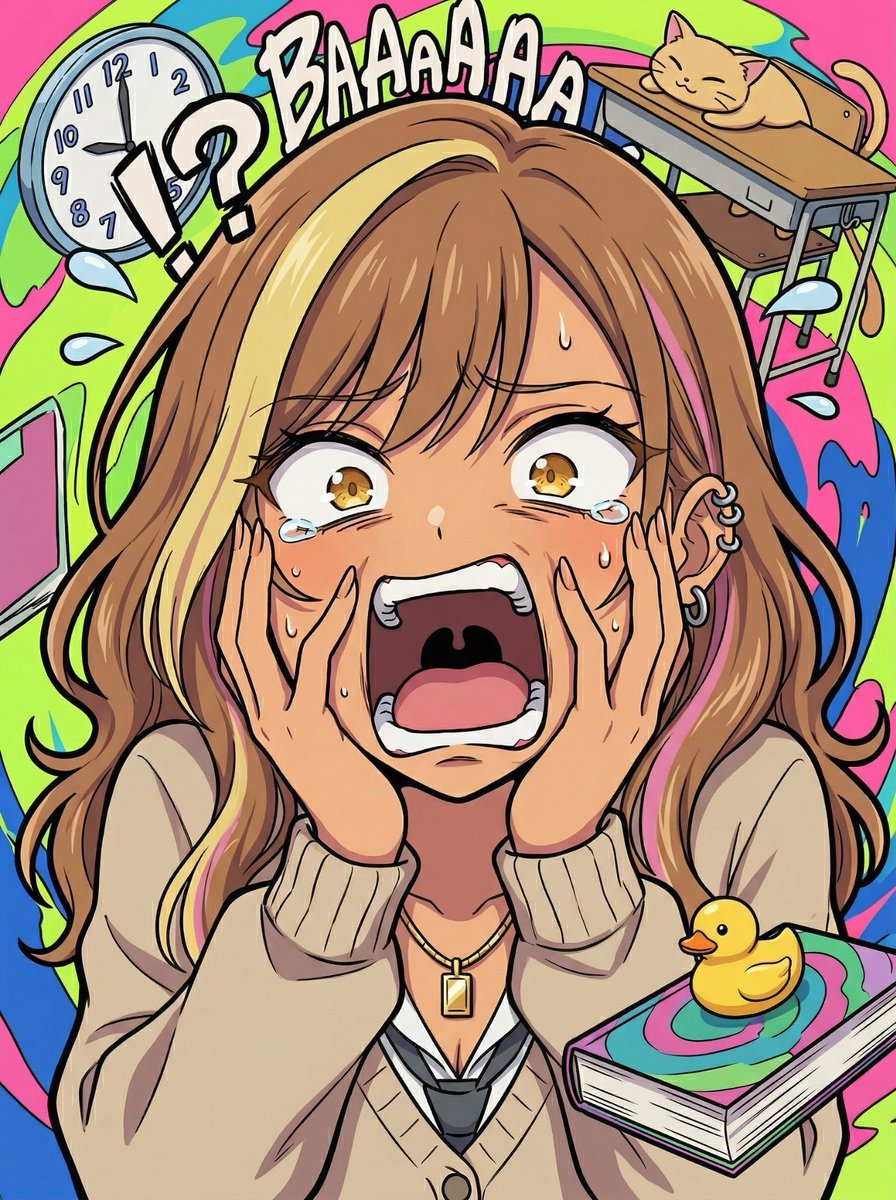
Reference images included
Misordered Image Relay Grid needs input media to work. They load alongside the prompt when you open it in the studio.

How to use Misordered Image Relay Grid in 3 steps
- 1Upload ImagePNG, JPG or paste
Add your photo
Upload the photo the template builds on. The prompt, model and format are already set.
- 2…a portrait of your subject in softgolden-hour light, 85mm…
Personalize
Edit the subject and creative details for your destination.
- 3Generate
Generate
Press Generate — your image is created in PicX Studio, so you can compare it with the original and refine one variable at a time.
More like this
Templates with the same subject, style or setup. Open one to see its prompt.
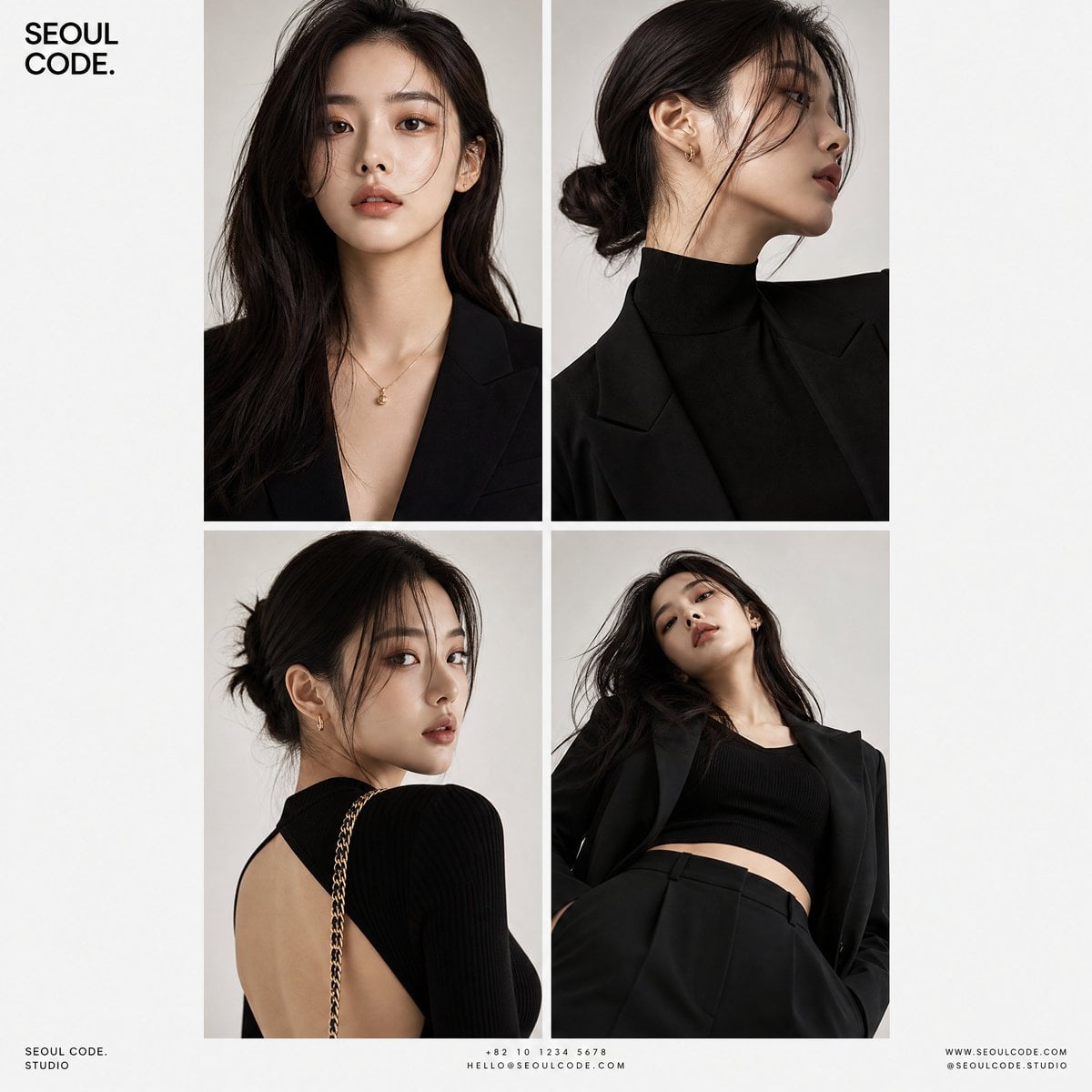
Korean Luxury Fashion Editorial 2x2 Grid Series
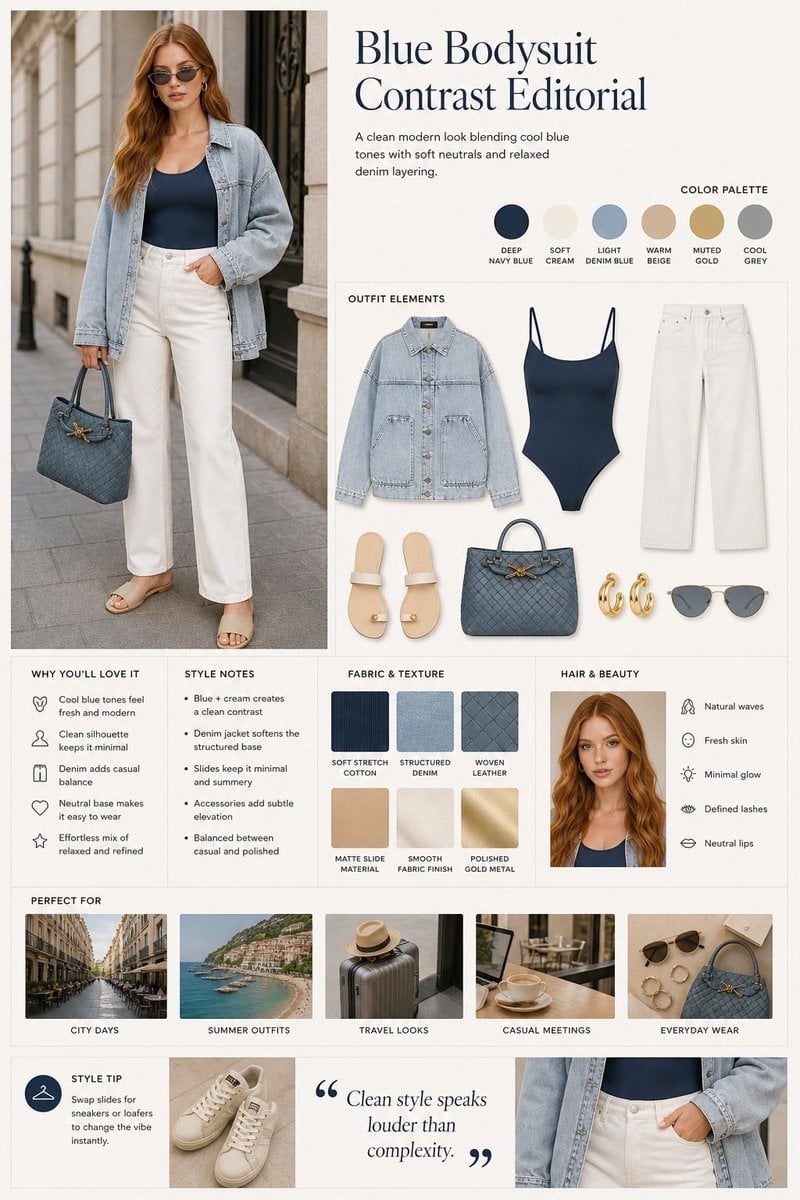
Minimalist Fashion Editorial Split Layout
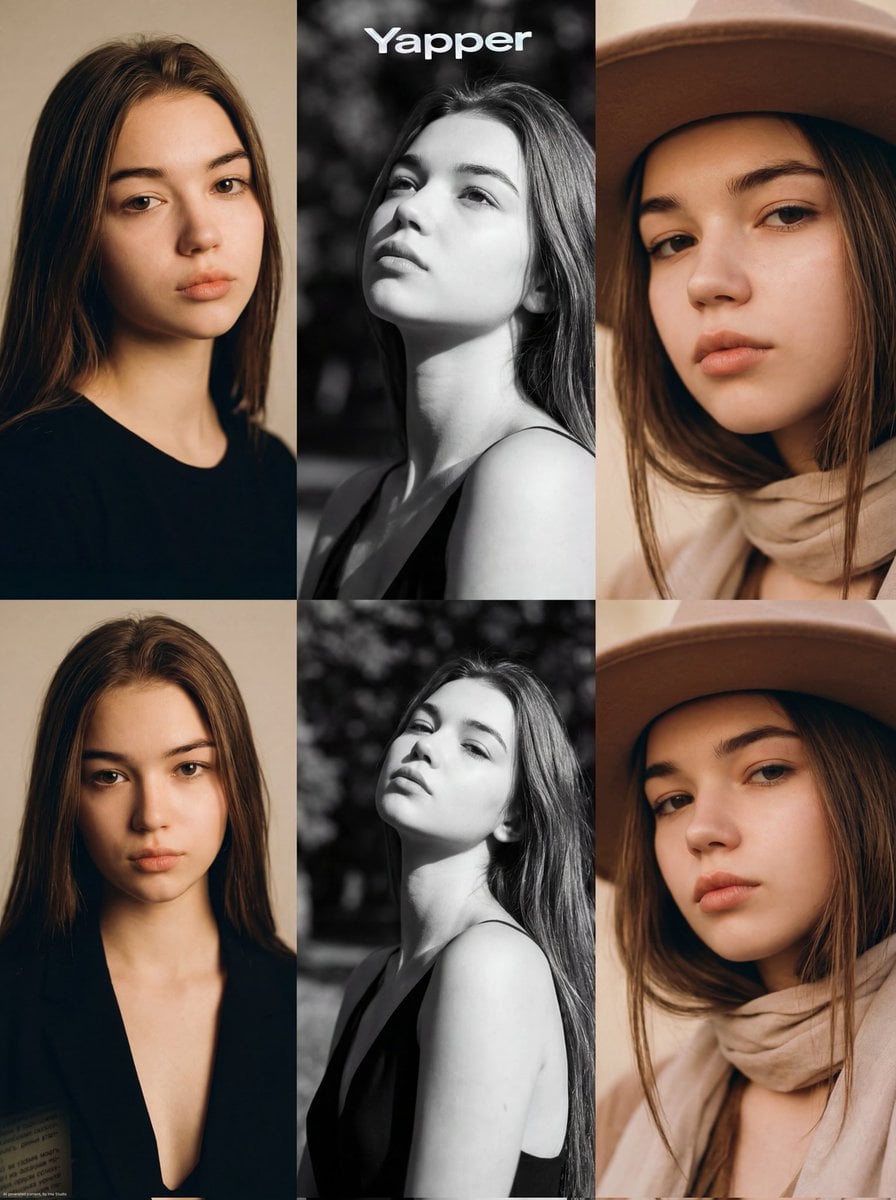
Ultra-Realistic Vogue-Style Editorial Fashion Grid
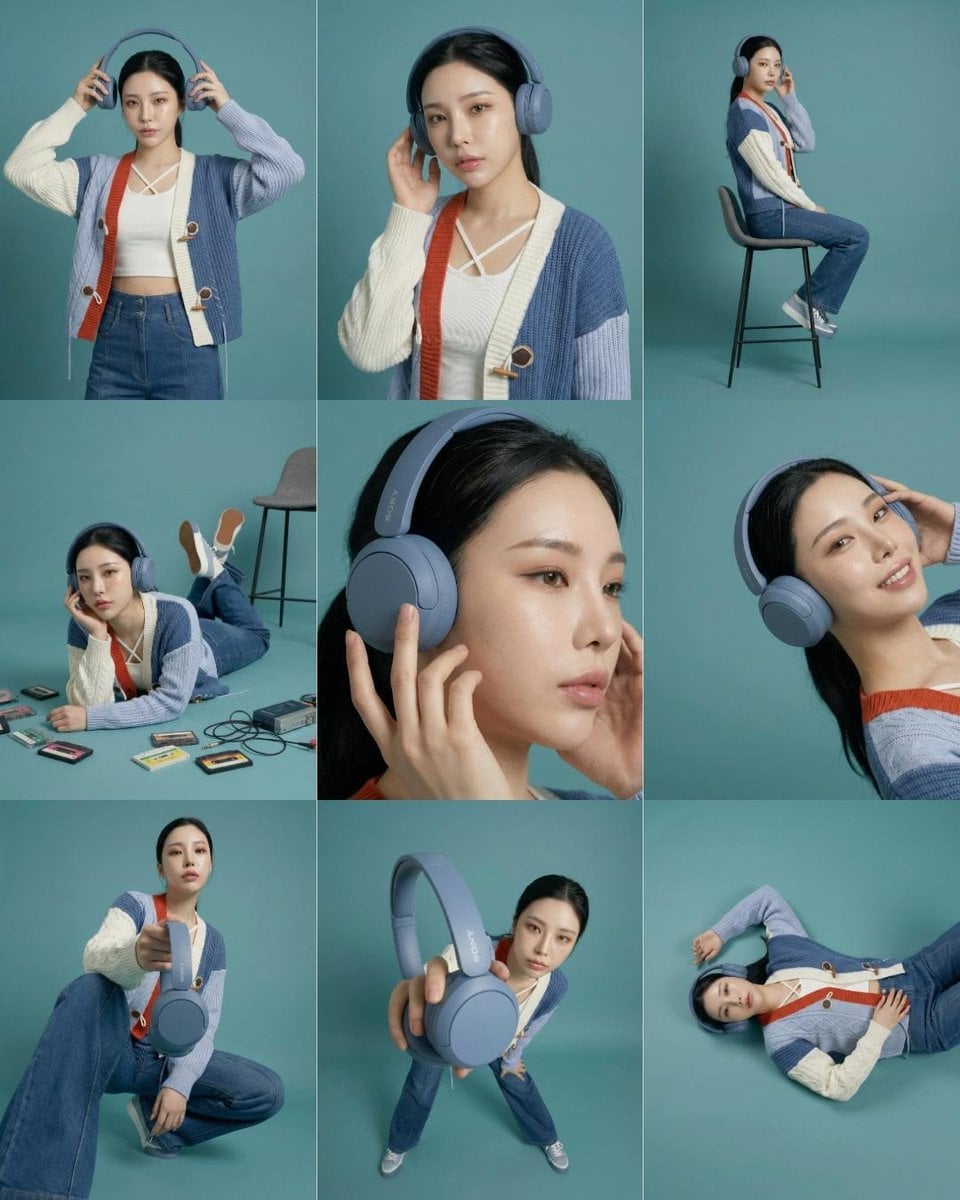
Headphones Lifestyle Nine Panel Grid
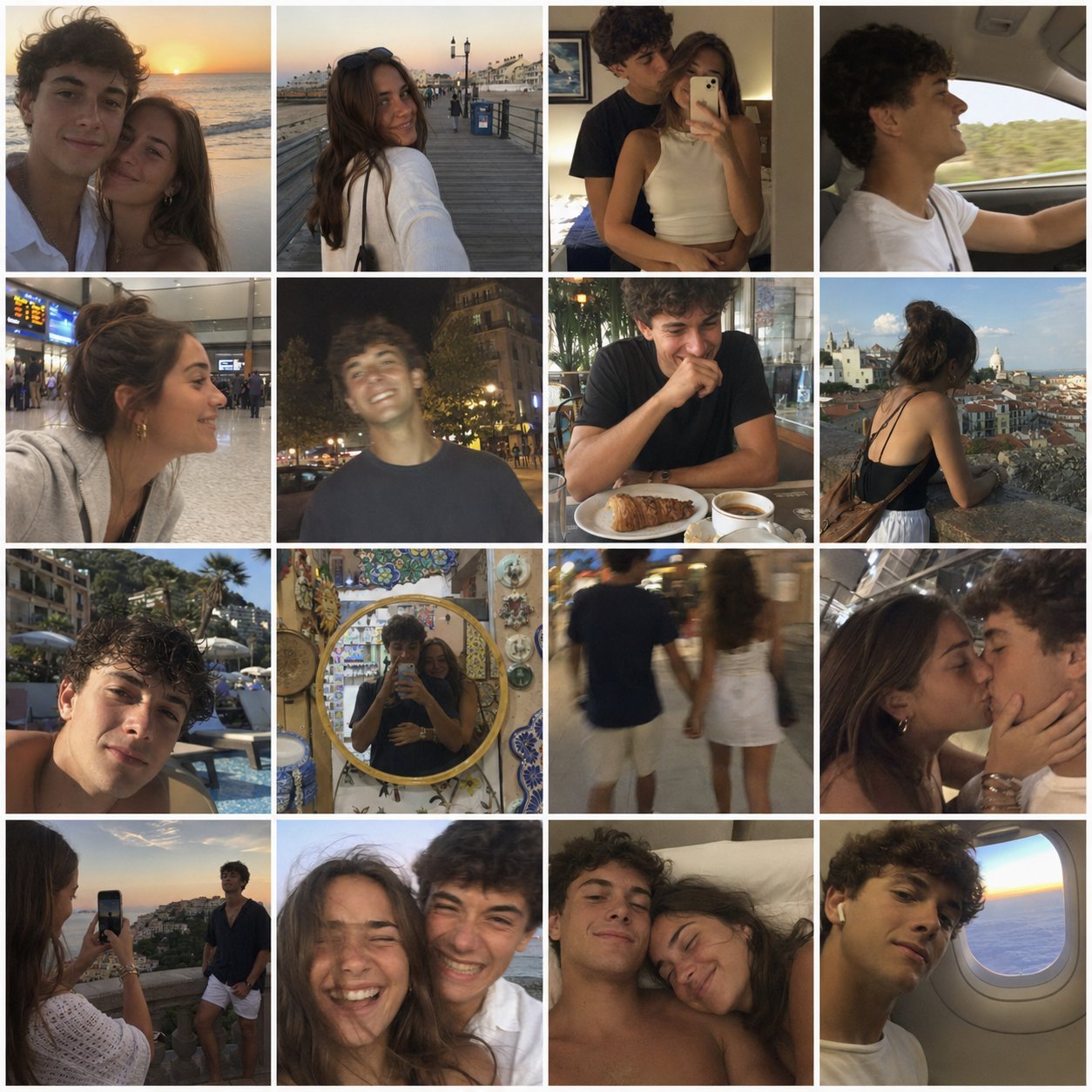
4x4 Grid - Candid Nostalgic Vacation Selfies
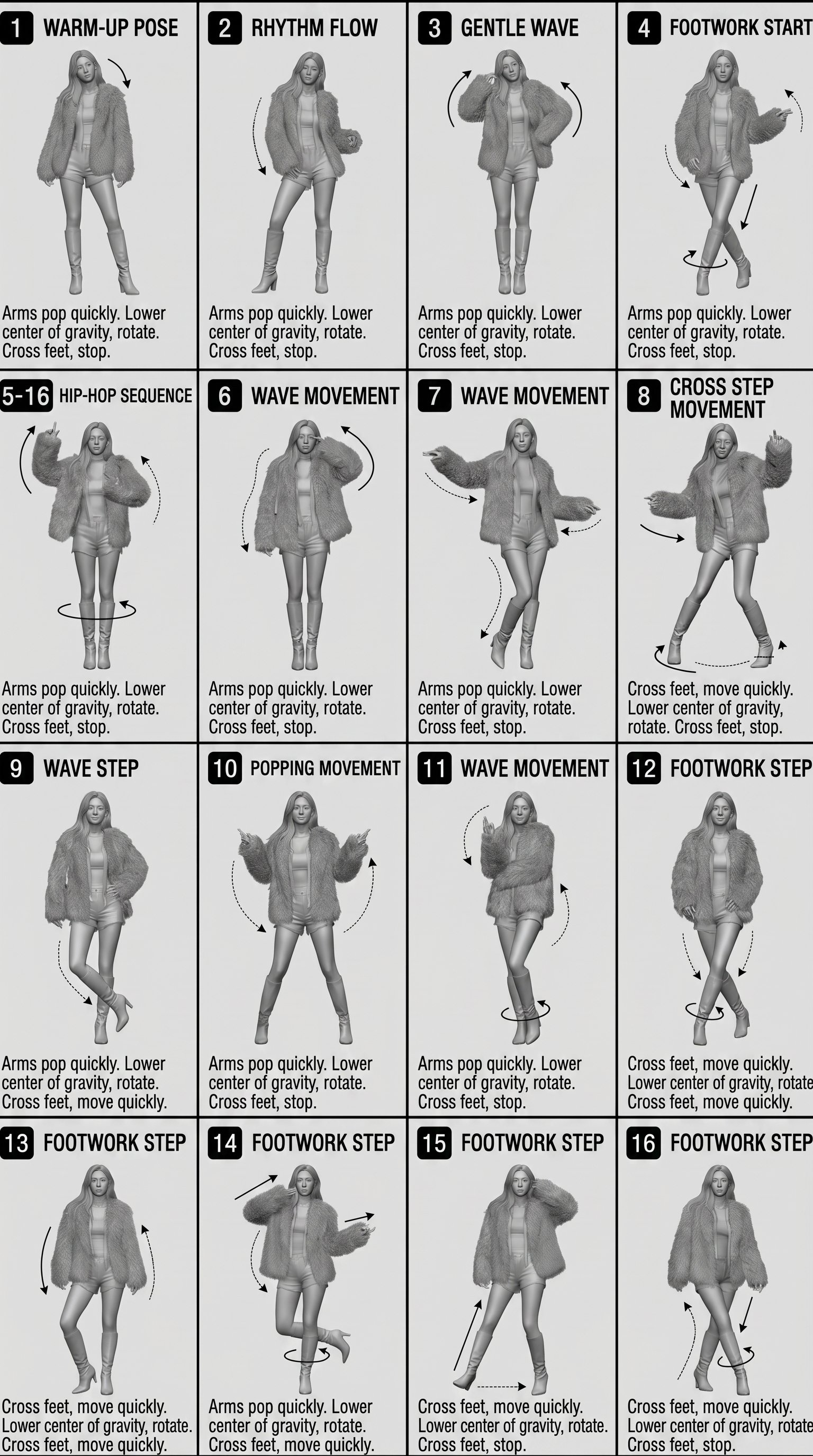
Movement Sheet - Dance Reference (Seedance 2.0)
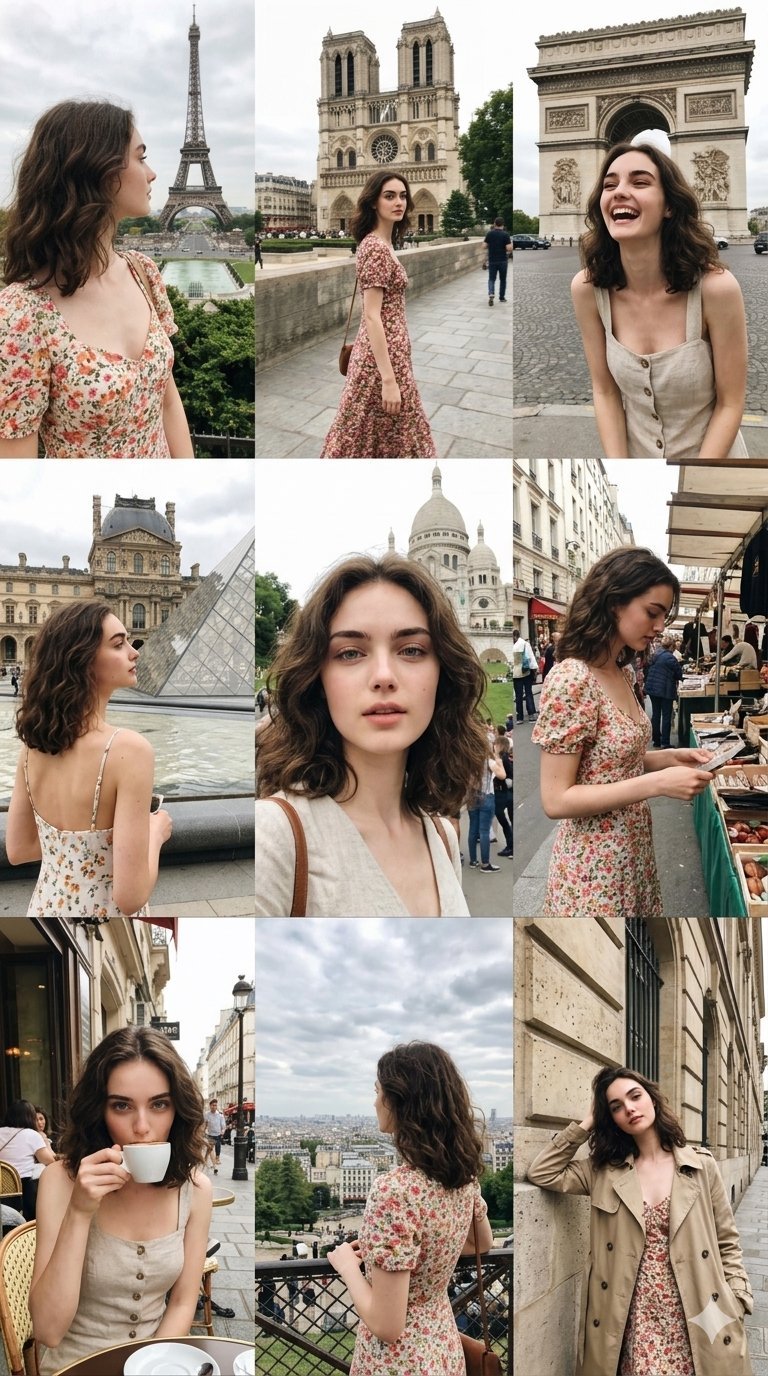
Paris Travel Collage Grid - Face Reference
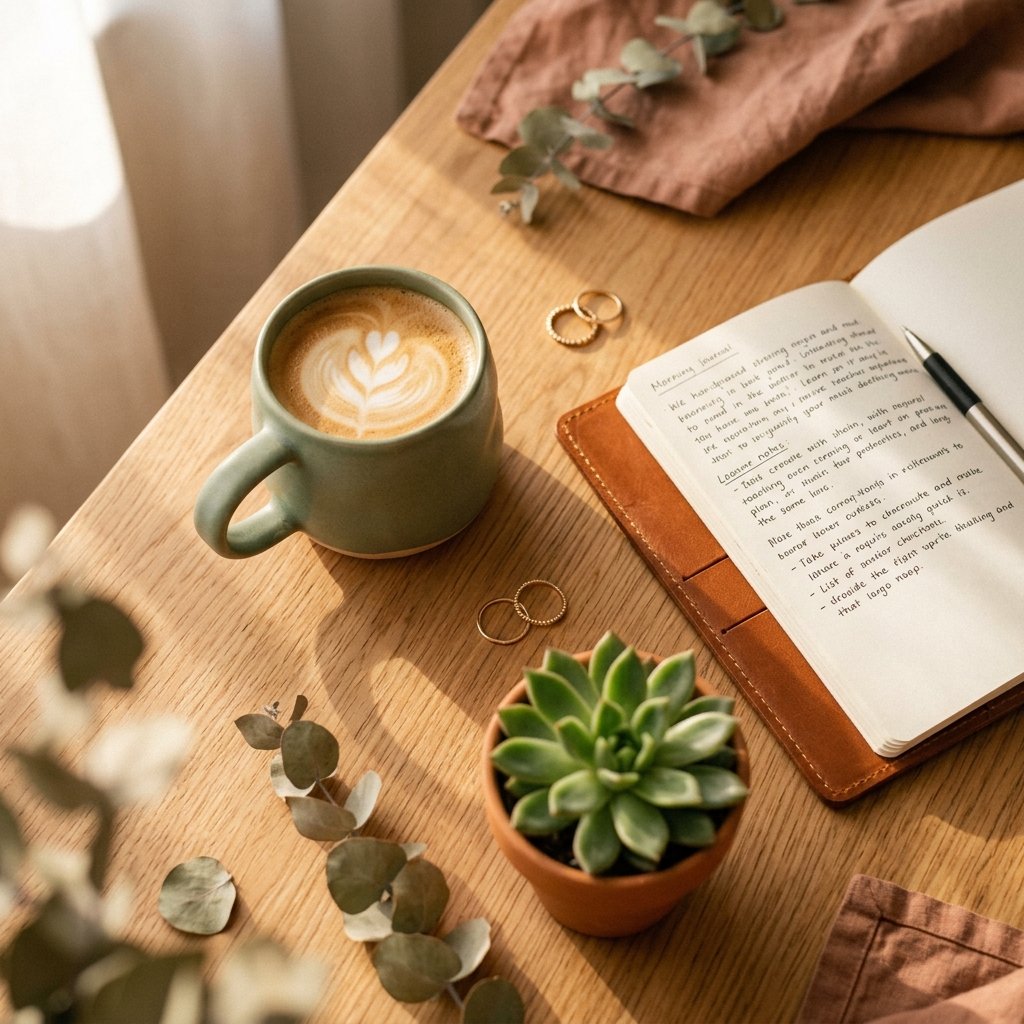
Instagram Feed Grid
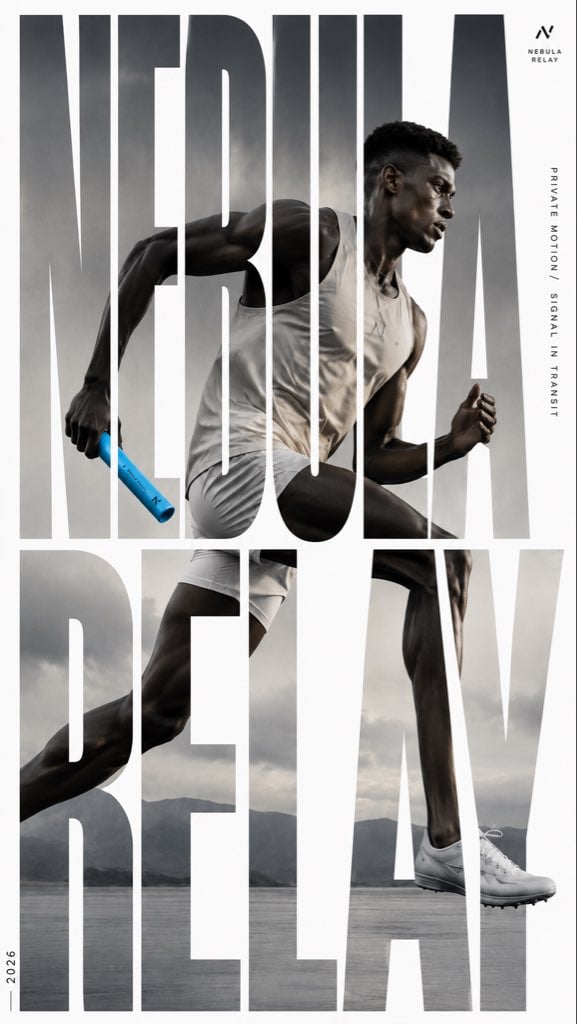
Nebula Relay Sprinter Poster
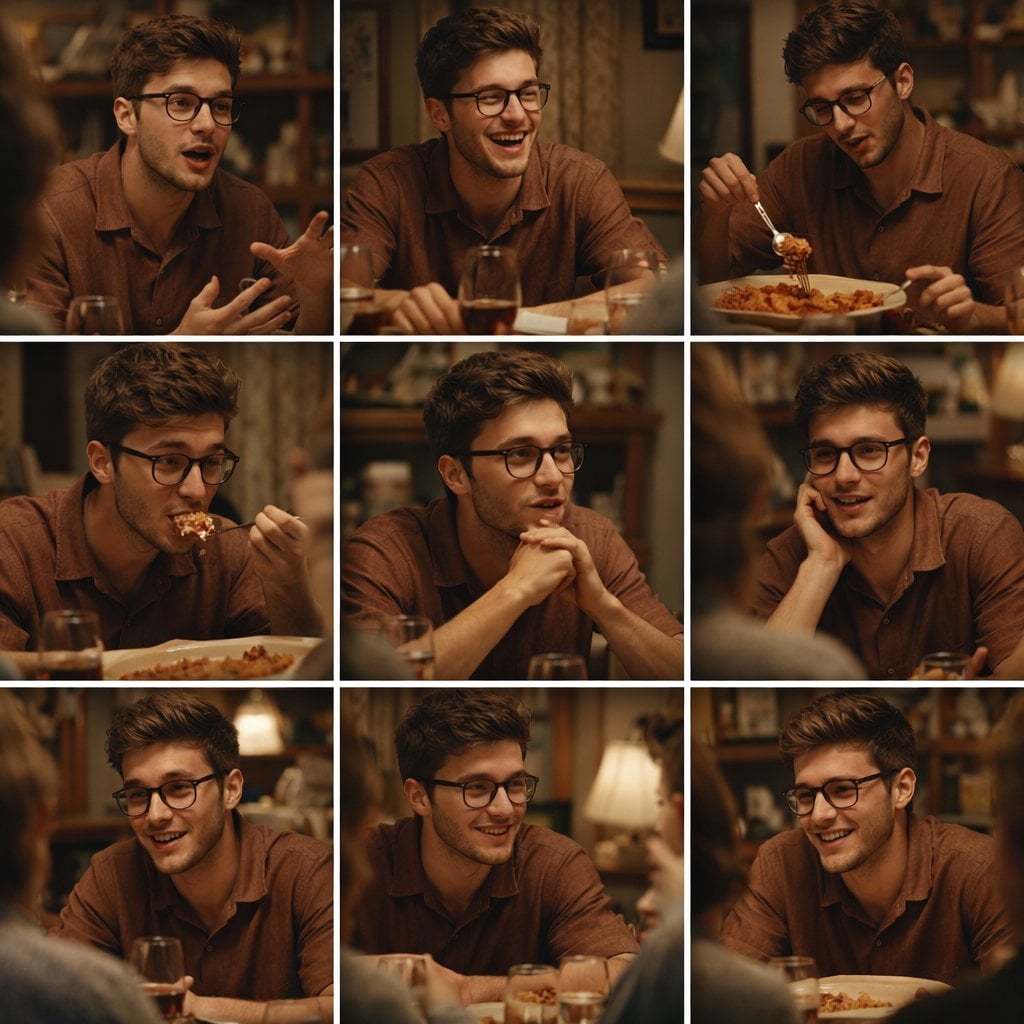
A 3x3 grid storyboard contact sheet comprised of nine candid, cinematic
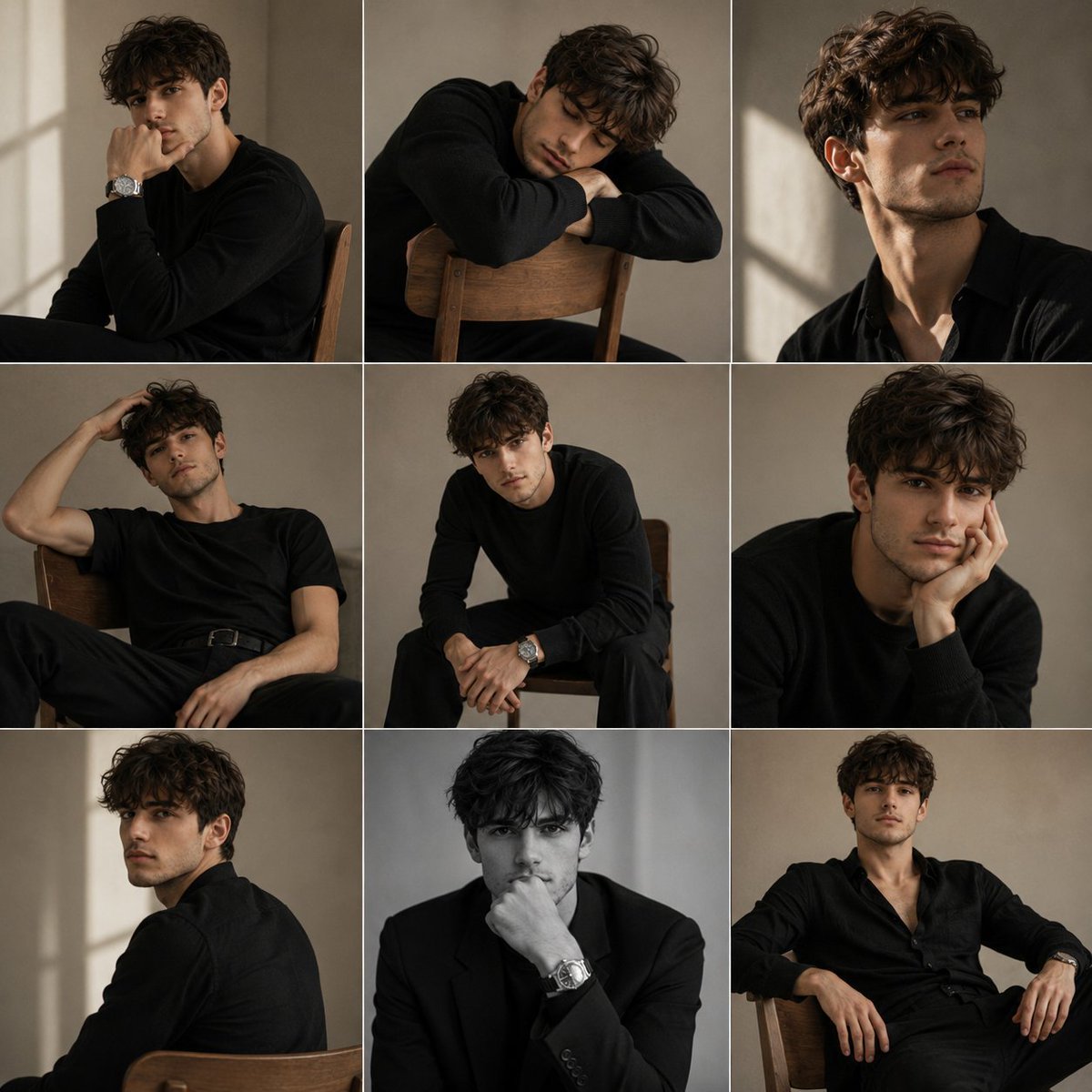
Minimalist Studio Fashion Portrait Grid
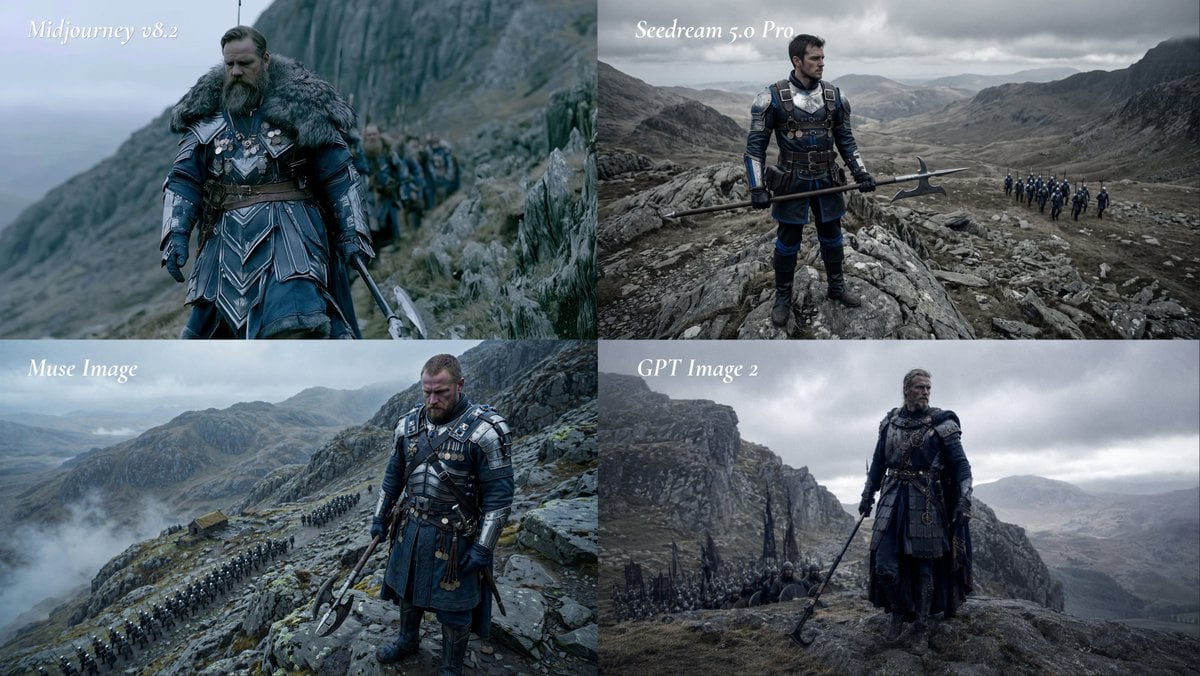
Fantasy Model Comparison Grid
Make it yours
Misordered Image Relay Grid works as-is. These are the safest ways to change it without losing the look.
Change one field
Copy a single group, rewrite it, and generate again so you can see what that field is doing.
Keep the frame, change the subject
Hold the composition and light of Misordered Image Relay Grid, then swap wardrobe, props or the person for a new take.
| If the result… | Why | Fix |
|---|---|---|
| The result drifts from the preview | Too many fields changed at once. | Reuse Misordered Image Relay Grid as-is first, then change one group — subject, light, or setting. |
| The model over-stylizes the scene | The prose prompt leaves finish and camera underspecified. | Add one camera or lighting sentence and stay on GPT Image 2. |
More GPT Image 2 templates
Other prompts made for GPT Image 2.
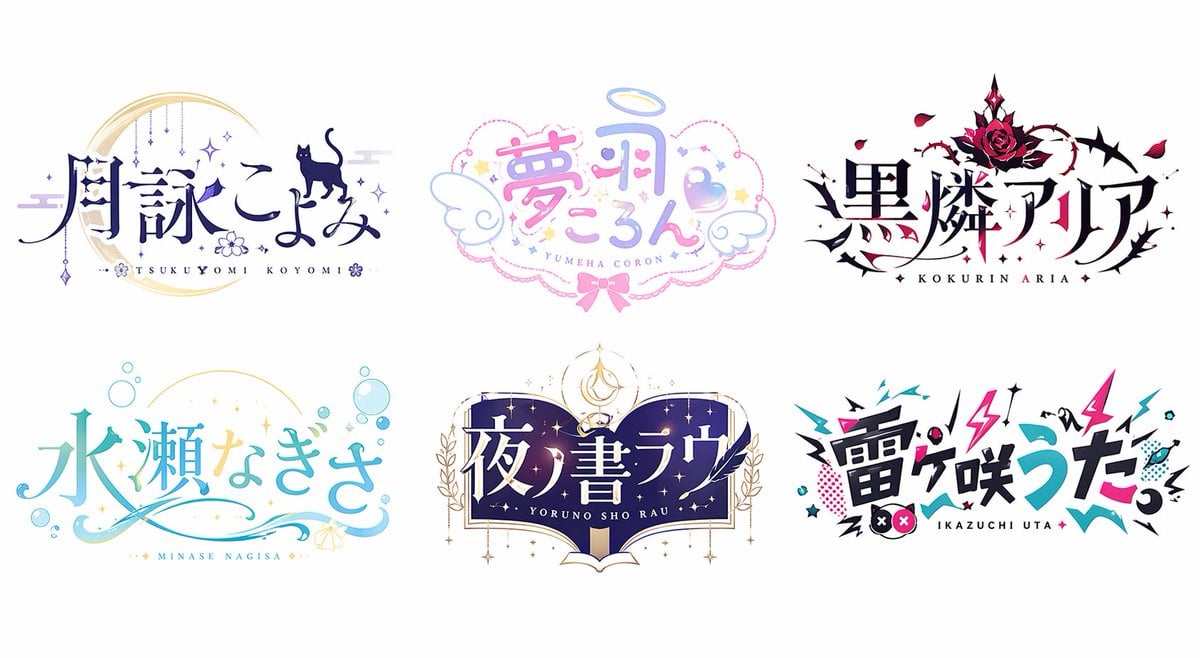
Six VTuber Japanese Logo Sheet
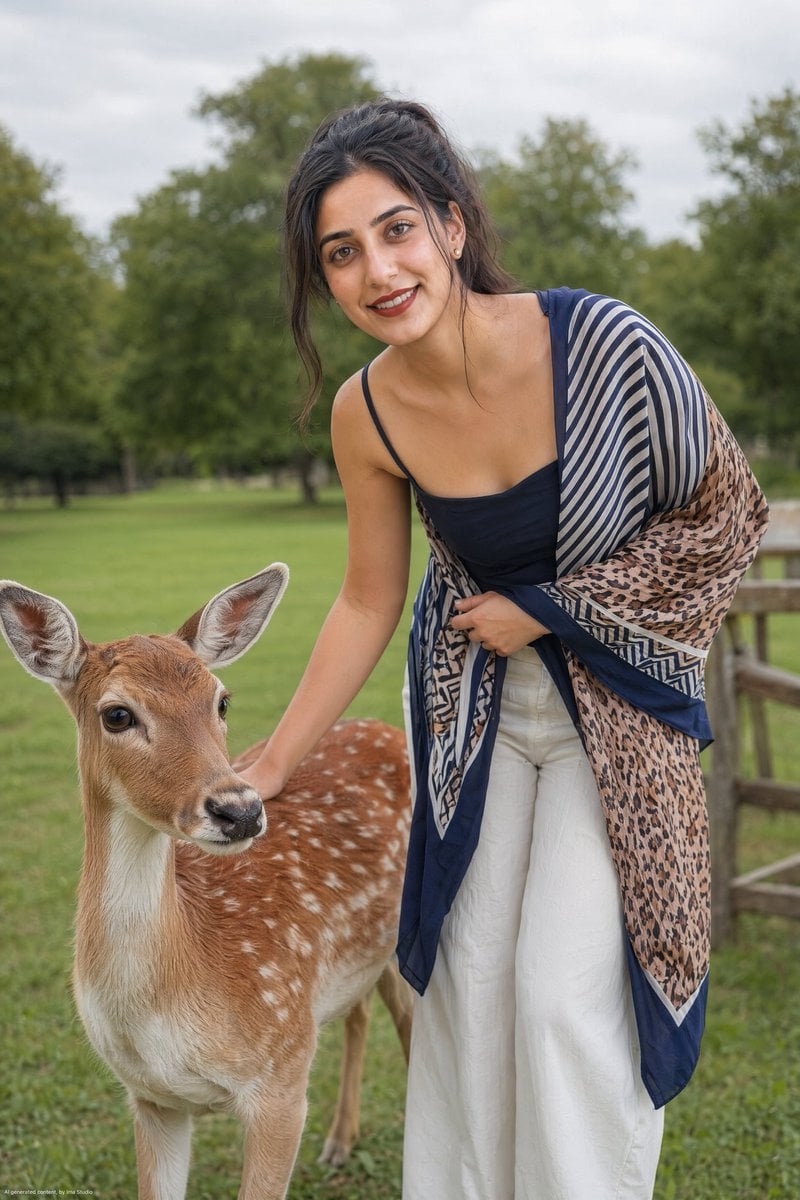
Realistic Portrait of Woman and Deer
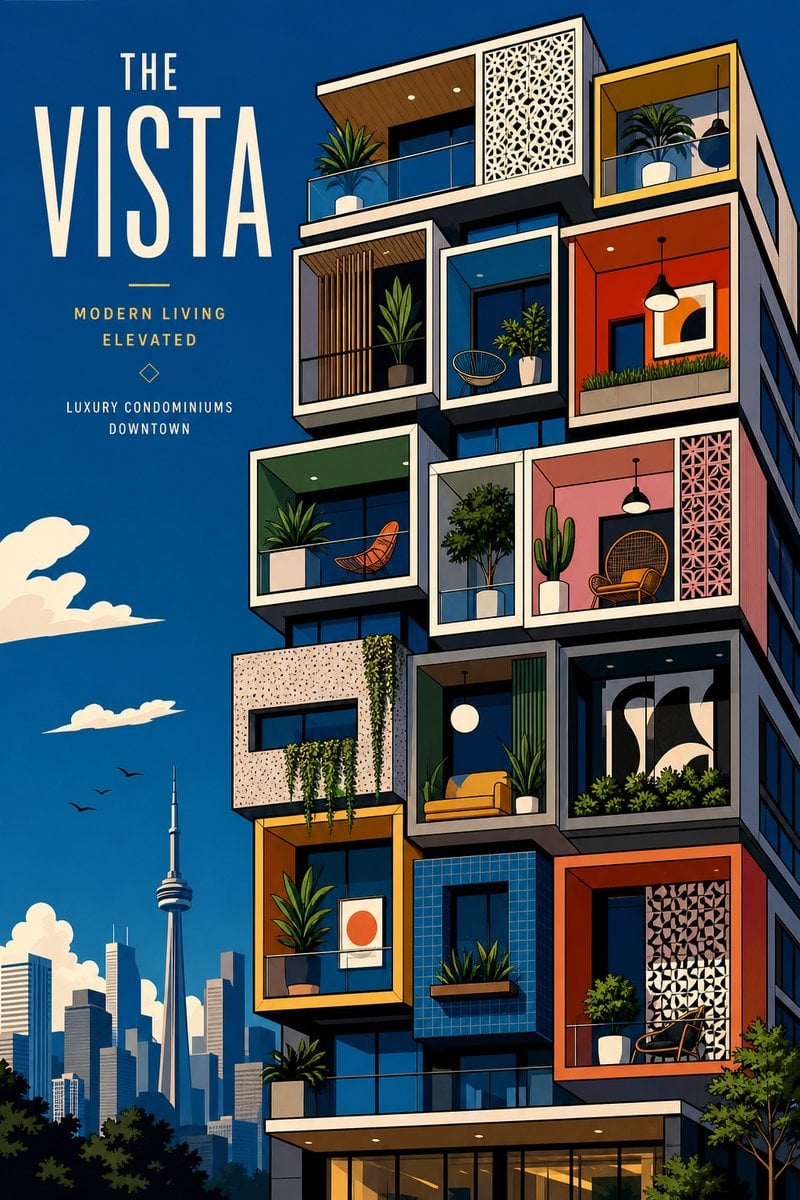
The Vista Modular Condo Poster
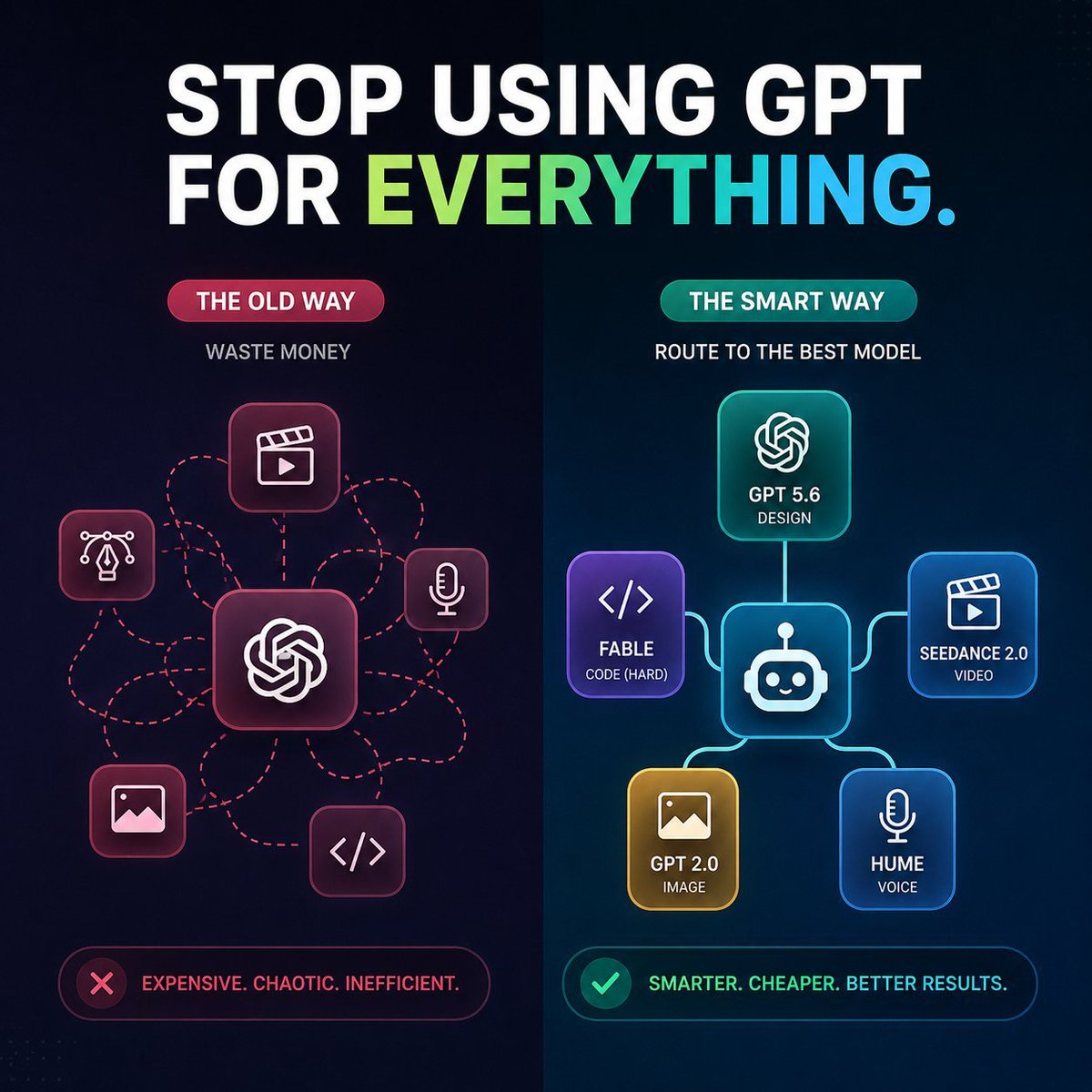
AI Model Routing Comparison Infographic
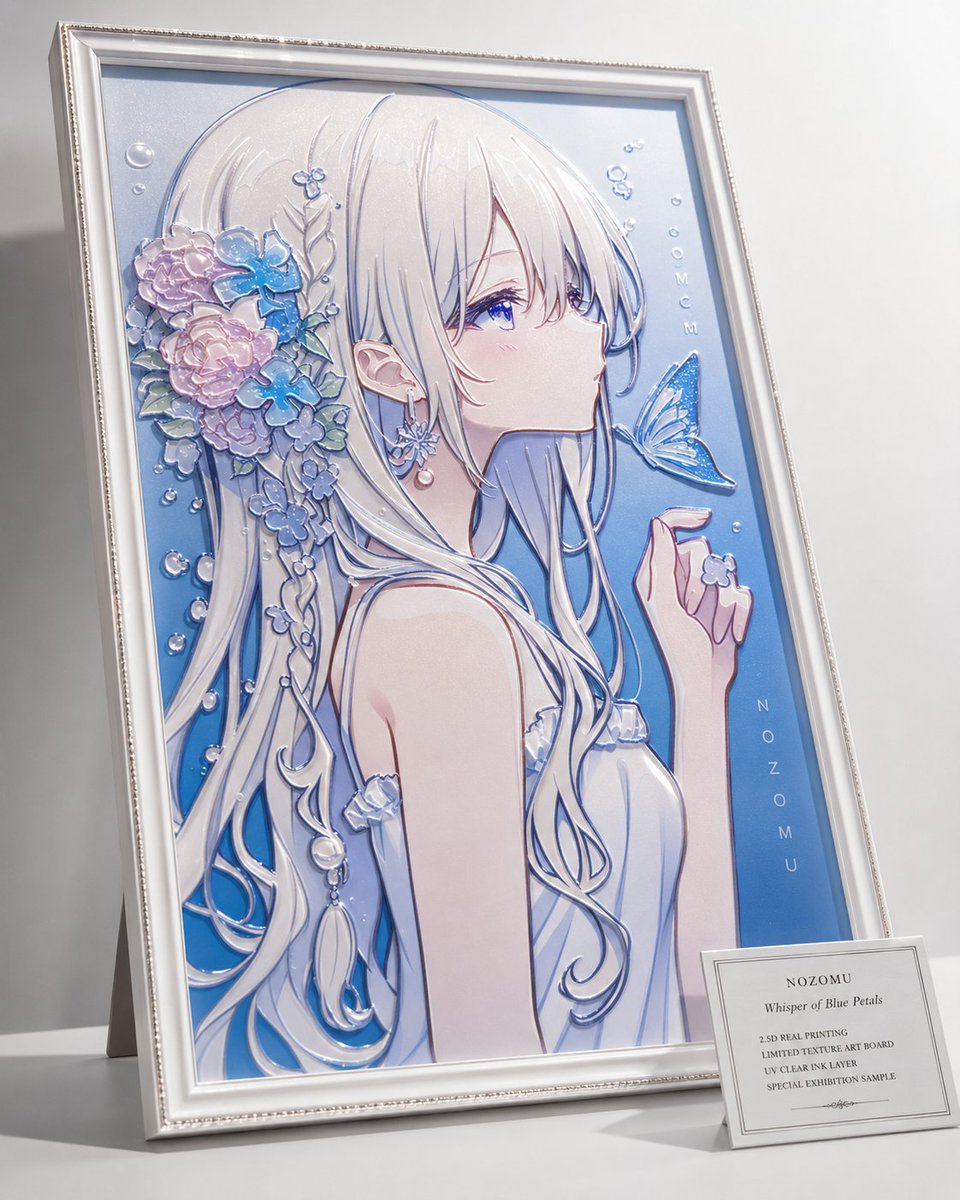
2.5D Anime Art Board
Isometric Productivity Desk Scene
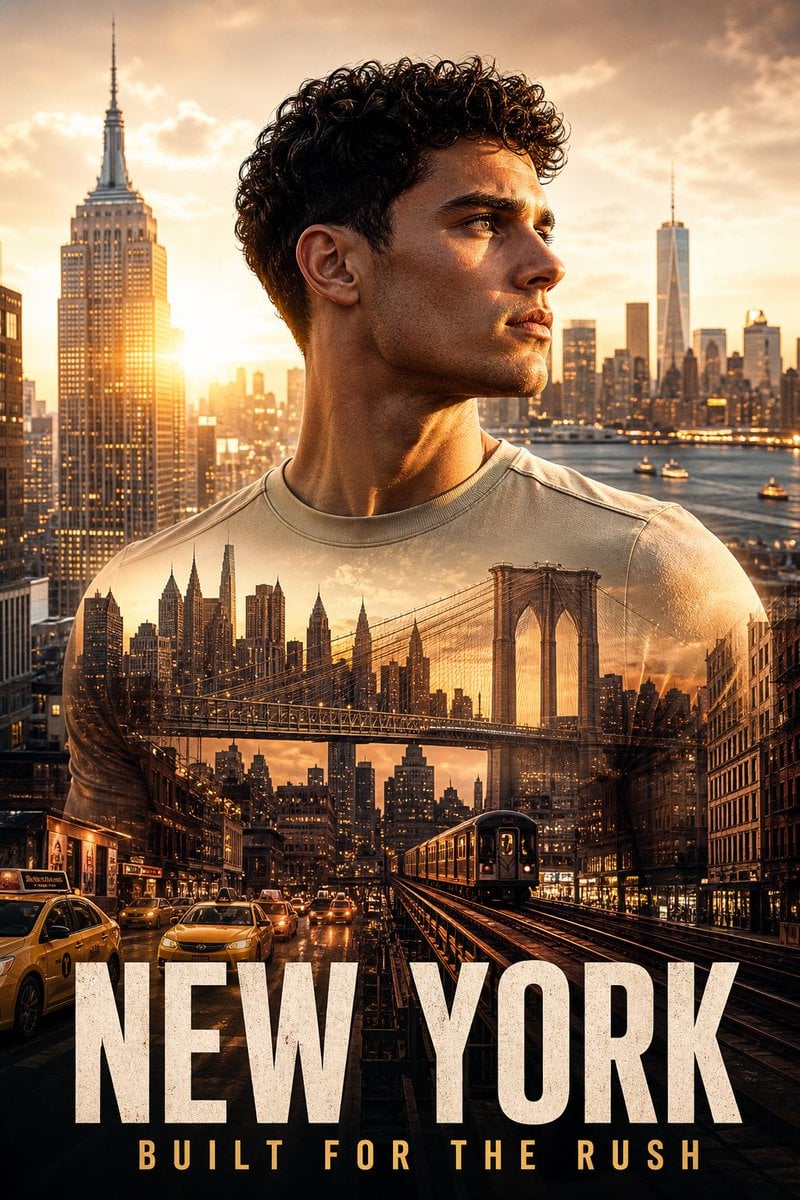
New York Double Exposure Poster
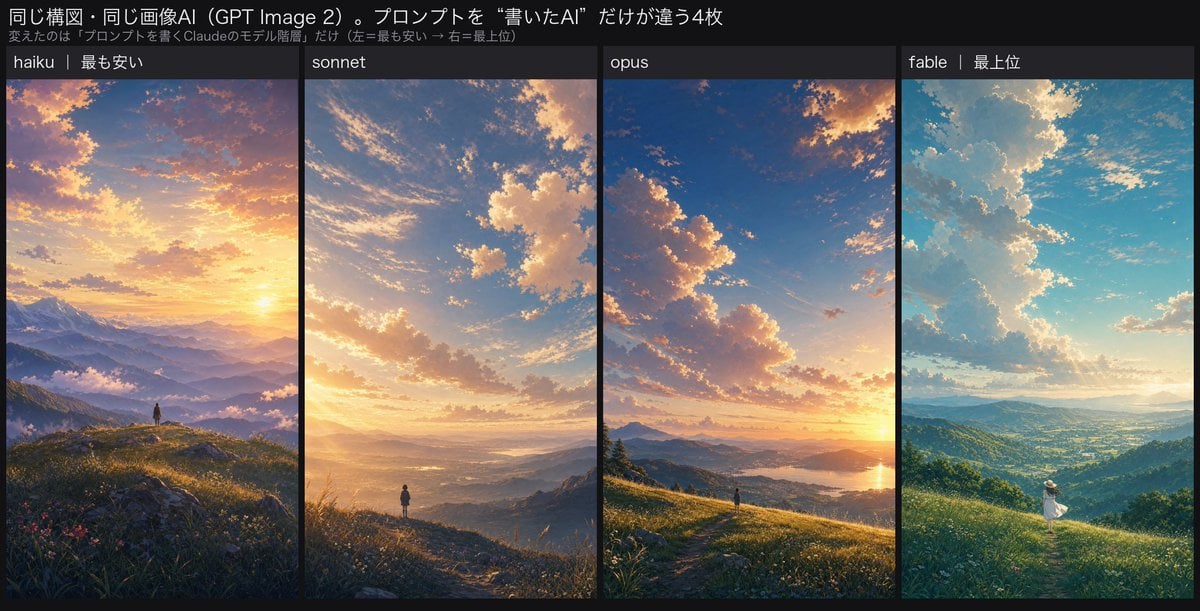
Four-Panel AI Landscape Comparison
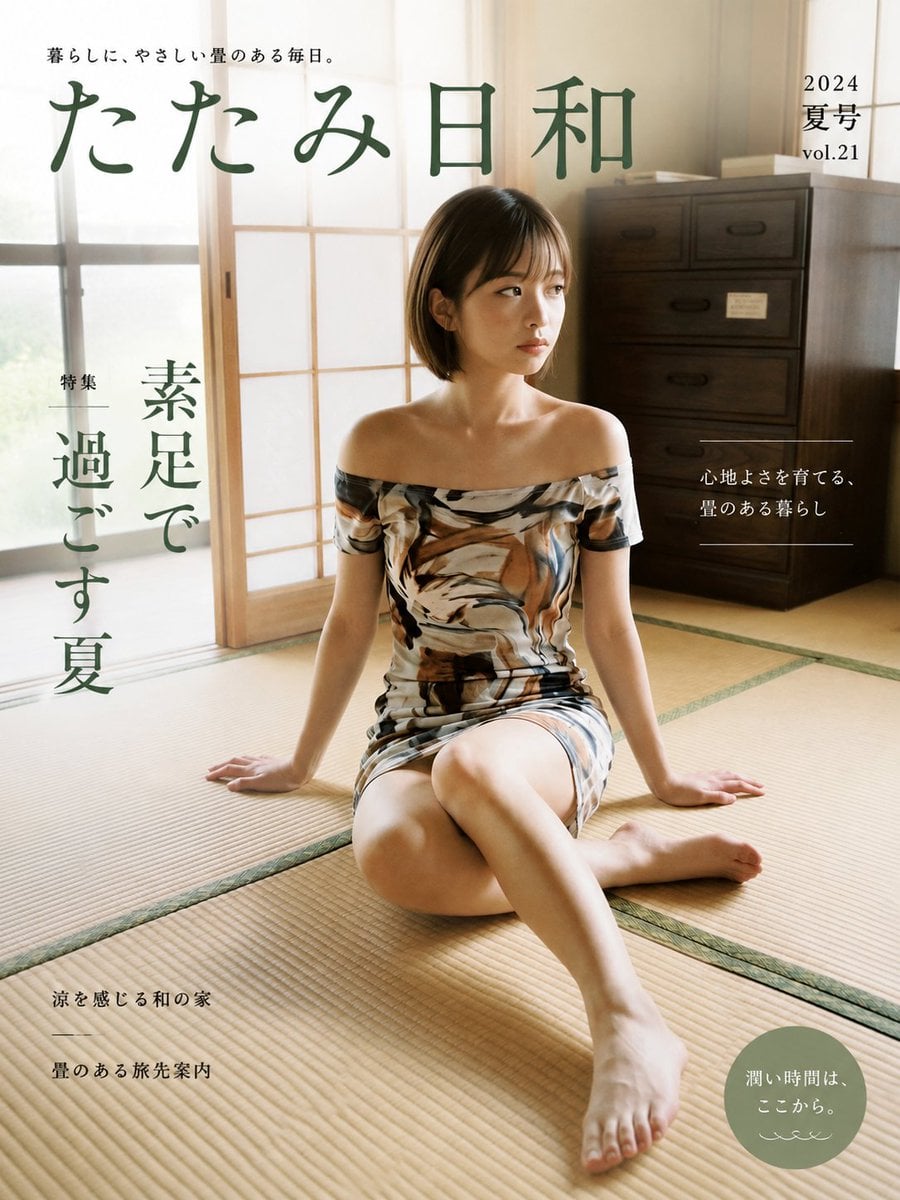
Japanese Tatami Lifestyle Magazine Cover
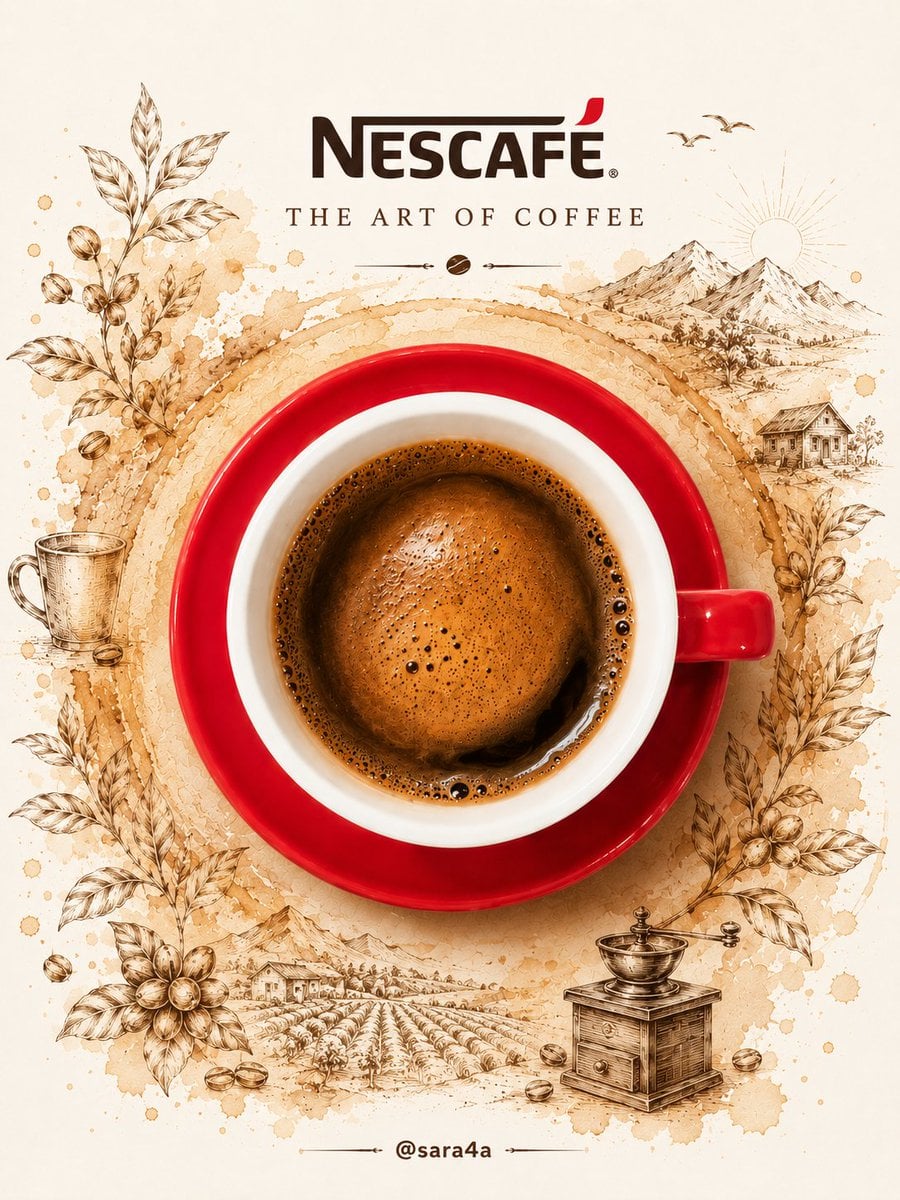
NESCAFÉ Coffee Map Poster
More image prompts
Fresh picks from across the catalog.

Cinematic Realism Portrait in a Library Loft
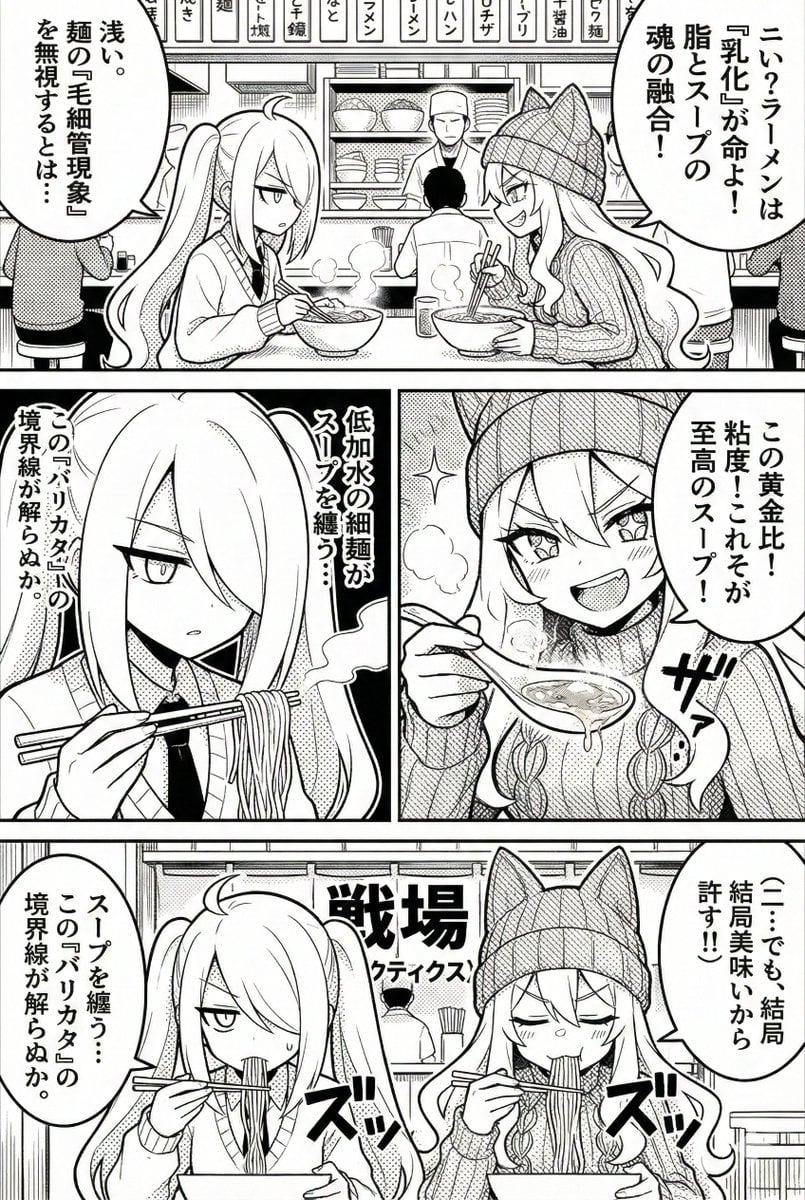
Manga Generation Prompt Template for Nano Banana Pro
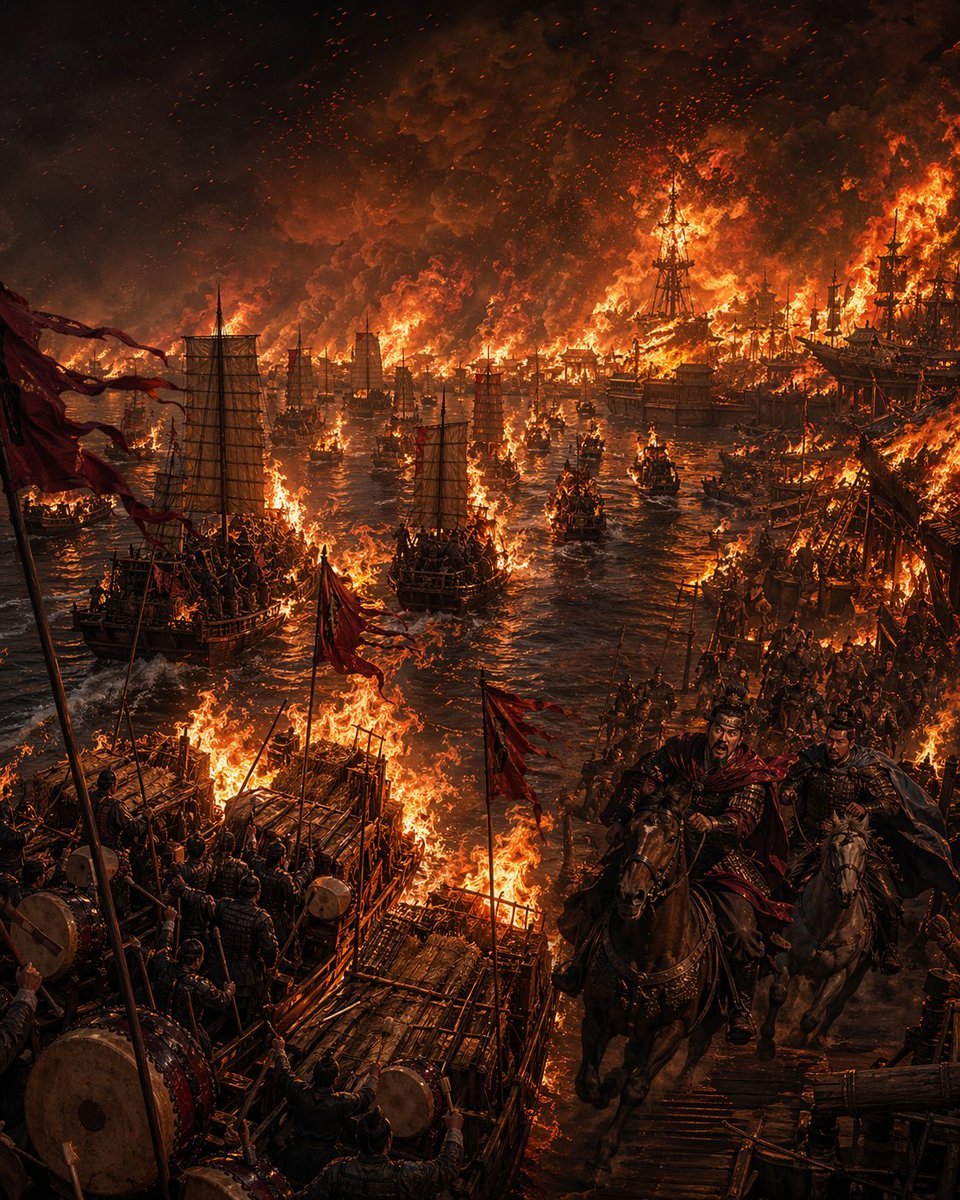
Burning Red Cliffs Night Battle
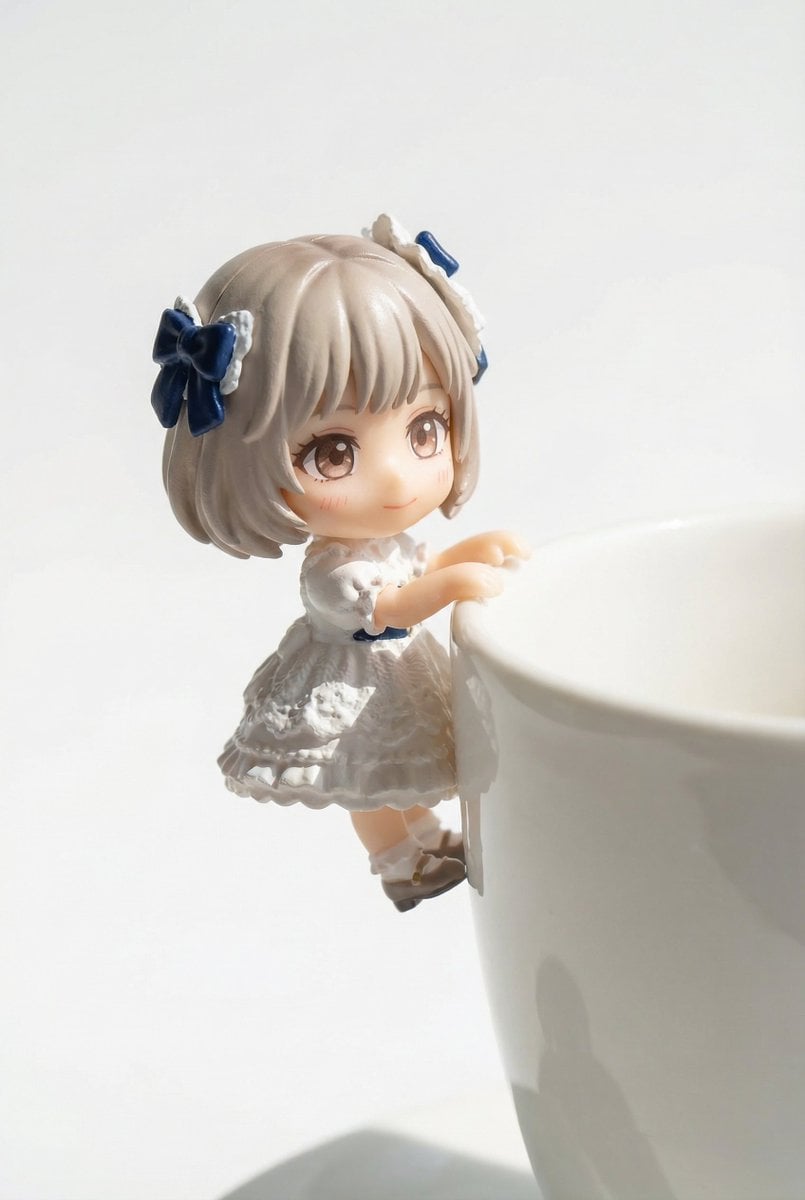
Miniature Figure Close-up with Melted Pizza Cheese
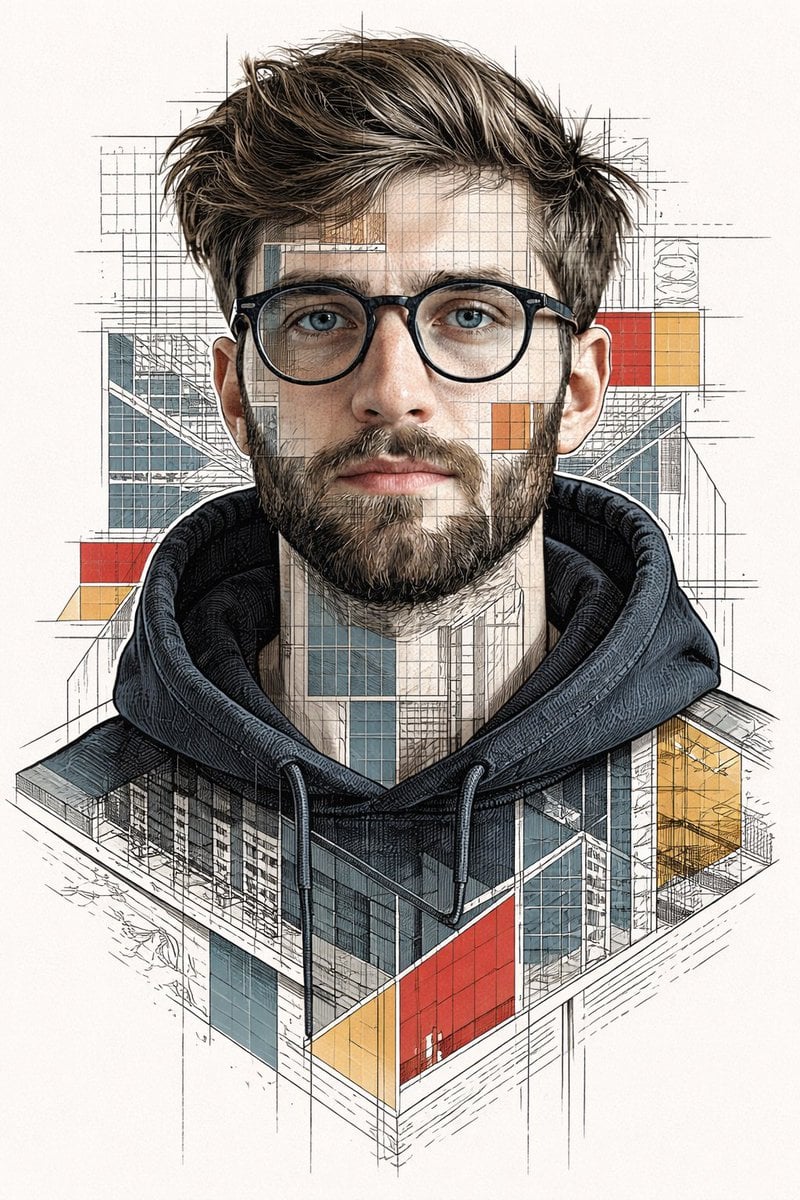
Architectural Blueprint Face Portrait
High-Contrast Documentary Photo Under a Brutalist Overpass
bit RPG Field Exploration Prompt
X-Ray/Thermal Visualization Prompt for Mecha (VOTOMS Scopedog)
Nano Banana Pro Monster Hunter Battle Prompt
Moody Censored Film Still
Browse template categories
Misordered Image Relay Grid questions
How do I use the Misordered Image Relay Grid template?
Add your photo if the template asks for one, edit the prompt if you like — the template's model and format are already selected — and press Generate. Your version opens in PicX Studio.
Can I customize the Misordered Image Relay Grid template?
Yes. You can change the subject, setting, lighting, mood, format, and available model controls before creating your image.
Is the Misordered Image Relay Grid template free?
Opening and editing this template is free. Generating uses credits, shown on the Generate button when you are signed in.
Which AI model should I use?
Start with GPT Image 2, which is the model associated with this template. You can compare another compatible model for a different finish.
Looking for something else? Browse all templates.
Your photo, any look
Thousands of ready templates for every top image and video model, from one credit balance.