
Ming Dynasty Hanfu Wedding Portraits
A comprehensive prompt for generating high-end, realistic Ming Dynasty style wedding photos based on user-provided reference images.
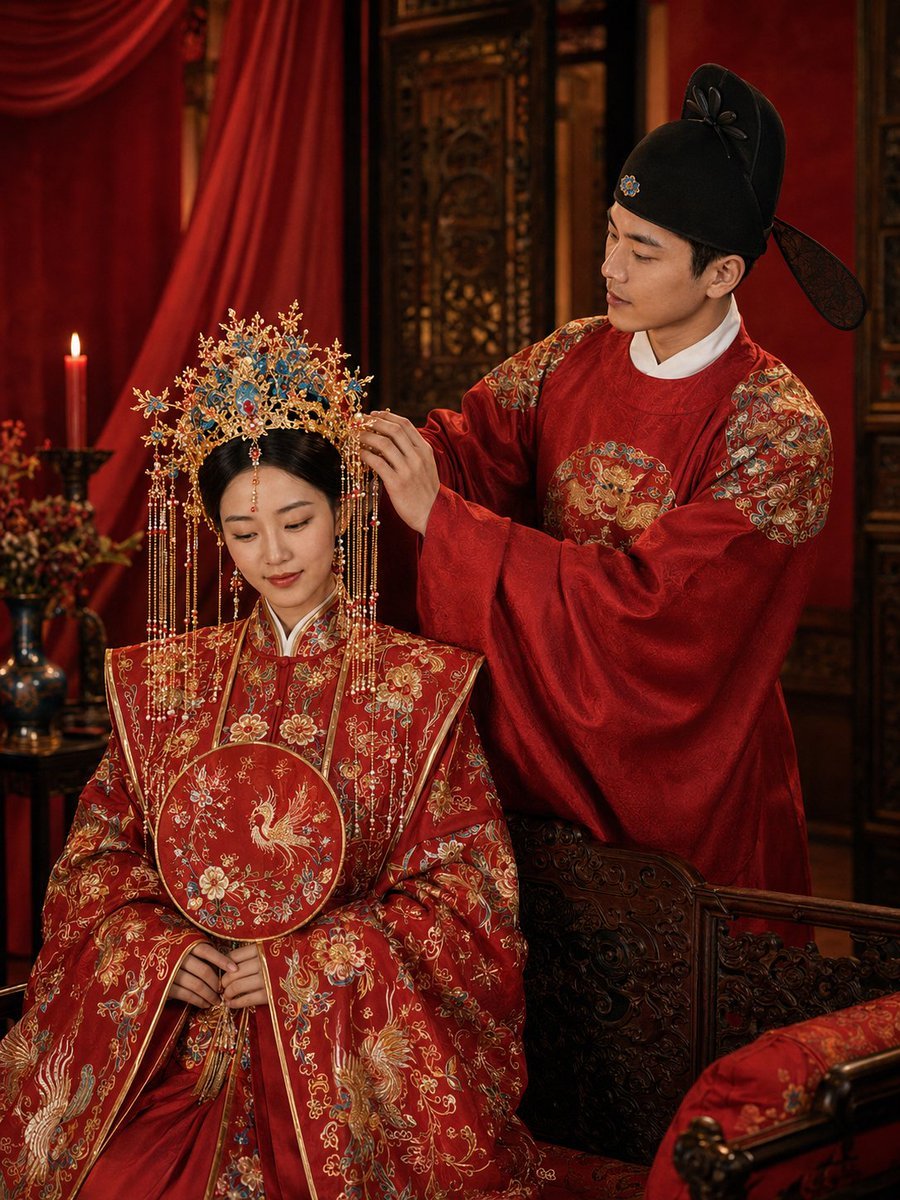
- Prompt included
- Model and format preset
- Free template
The prompt behind this image
Copy the exact prompt behind Ming Dynasty Hanfu Wedding Portraits, or open it in the studio and make it yours.
Based on the two real people's clear everyday photos uploaded by the user, generate high-budget, realistically shootable Ming-dynasty-style hanfu wedding photos. The real identity features of both people must be preserved, including face shape, facial feature proportions, eyes, nose, lips, skin tone, apparent age, temperament, height/body-type difference, and recognizability. Every photo must clearly show the same real couple — no face-swapping, no influencer-style fake faces, no excessive Westernization, no over-smoothing, and no obvious AI look. The overall theme is Ming-dynasty-style hanfu wedding photography. The clothing, hair/makeup, accessories, props, and setting should all reference authentic Ming-dynasty wedding aesthetics, shot with the texture of a high-end wedding studio's sample photos — dignified, grand, magnificent, restrained, and ceremonial. Character Setup Bride The bride wears a Ming-style bright-red wedding garment; the form must match Ming-wedding-attire aesthetics, and can use combinations such as the phoenix crown and xiapei (ceremonial cape), gold-brocade wide-sleeve robe, round-collar robe, ao-qun (jacket and skirt), the xiapei's hanging sash, and cloud-shoulder collar. The fabric should be thick and substantial, with clear texture in the gold brocade, embroidery, kesi silk tapestry, and zhuanghua weaving. The patterns should mainly be traditional auspicious motifs such as phoenixes, peonies, rosette flowers, cloud patterns, the "sea and cliffs" motif (haishui jiangya), and cranes. The bride's headdress is a Ming-style phoenix crown, which should have layers such as gold phoenixes, kingfisher-feather blue inlay (dianCui), pearl tassels, gem inlays, flower-tree ornaments, ear-covering pieces, and dangling step-shake ornaments (buyao); the craftsmanship should be intricate, luxurious but not cheap-looking. The hairstyle must be a center-parted, sleek style with smooth temples, a low bun, round bun, or classical updo — it must not be loose modern long curls, not a Qing-dynasty-court headdress, and not a Tang-style tall bun. The makeup is a high-budget, finely retouched bridal look: a fine, clean base makeup, crisp and clear eyebrow shape, delicate eye makeup with expressive eyes, naturally defined lashes, a slightly upturned eyeliner, a clean midface, and lip color in true red or deep crimson — overall dignified, luxurious, and classical. Groom The groom wears a Ming-style bright-red round-collar robe, or formal Ming-wedding menswear, with the rank badge (buzi) or gold-brocade pattern on the chest clearly visible, thick and substantial fabric, crisp and structured folds, and complete details such as a jade belt, sash, and black boots; he wears a black gauze cap (wusha mao) or futou headwear on his head. Overall he should look refined, upright, warm, scholarly, and dignified/ceremonial. The groom must not always be shown from the same angle — the set must include different states such as a straight-on face, a 3/4 profile, a full profile, a seated straight-on face, walking motion, and a leaning-in interaction. He must not always be standing behind and to the right of the bride, and must not always have just a faint smile with his head lowered. Fixed Attire Settings (recommended to add directly to the master control) Costume Continuity Requirements Throughout the whole set of wedding photos, the bride and groom must keep the same fixed set of Ming-style wedding attire — the clothing style, headdress structure, main pattern, main color, or overall look must not change just because the shot changes. Different photos may only show different parts of the clothing due to differences in shooting angle, action, or framing, but it must essentially be the same set of wedding attire. Bride's Fixed Wedding Attire Settings The bride consistently wears the same set of Ming-style bright-red wedding attire, an overall phoenix-crown-and-xiapei bridal look. The clothing structure is fixed as: a bright-red wedding-garment body, an ornate phoenix crown, the xiapei's hanging sash, and a classical ao-qun or wide-sleeve ceremonial-robe structure. The clothing's main color is fixed as true red + gold embroidery + a small amount of kingfisher-blue headdress detail. The clothing pattern is fixed as traditional auspicious motifs such as phoenixes, peonies, cloud patterns, rosette flowers, and the "sea and cliffs" motif; the overall style should be sumptuous, dignified, and intricate — do not change the pattern logic in every photo. The phoenix crown is fixed as a Ming-style phoenix crown, which should have gold phoenixes, kingfisher-blue inlay, pearl tassels, gem inlays, and a symmetrical large-wing or ornately layered structure. The overall structure of the phoenix crown must stay consistent throughout — it must not lean toward a gold crown in one photo and then turn into a completely different headdress in another. The hairstyle is fixed as a center-parted, sleek style with a low bun and a classical updo — it must not be an updo in one photo, loose hair in another, and yet another dynasty's style in a third. The makeup is fixed as a dignified, refined Chinese bridal look, with true-red lips, clean base makeup, clear brows and eyes, and an overall classical, luxurious feel. Groom's Fixed Wedding Attire Settings The groom consistently wears the same set of Ming-style bright-red round-collar wedding robe, with a fixed-style black gauze cap or futou headwear. The robe's main color is fixed as true red, with a fixed rank badge or gold-brocade pattern on the chest, and a fixed sash at the waist; overall it should be thick, structured, upright, and formal. The groom's hat shape, robe form, rank-badge position, and color logic must all stay consistent throughout — it must not be a different style in every photo. Emphasis on Attire Consistency Throughout the whole set, do not change the wedding attire, do not change the headdress, do not change the main color, do not change the pattern system, and do not shift from one set of Ming-style wedding attire to a different-styled set of Ming-style wedding attire. All shots are assumed by default to be the same couple, the same set of Ming-style wedding attire, and the same wedding photoshoot project. Scene and Props The setting is a high-budget Chinese-wedding studio shoot or the interior of a bridal chamber in a traditional building, including elements such as red drapery, Ming-style wooden furniture, a large "囍" (double-happiness) character wall hanging, palace lanterns, dragon-and-phoenix candles, a round fan, a red bridal veil, hejin wine vessels (for the wedding wine ceremony), festive trays, blue-and-white porcelain, carved lattice windows, red bed curtains, dark wooden beams, and a folding screen. The props should be refined and realistic, serving the relationship between the characters — not too cluttered, and not looking like a studio crammed full of props. Lighting Requirements The overall lighting is cinematic-level Chinese-wedding lighting in warm red-gold tones. It should have a sense of depth — not a flat, lifeless red. It can use: A warm-toned key light to shape the subjects' faces and the texture of the clothing Candlelight as a local accent for atmosphere Soft window light or side/back light to outline the phoenix crown's tassels, pearls, and the clothing's texture Keeping layers of dark wood tones and red in the shadow areas Overall it should look like a premium, high-end Chinese wedding-photo sample, not an ordinary studio photo with a plain red backdrop. Consistency Requirements for Expression, Action, Gaze, and Composition This set of photos must clearly avoid repetition. Every photo should vary in expression, gaze relationship, interaction, framing, camera position, and the groom's positioning. It must achieve the following: Across the different photos, the subjects must not always have the same kind of smile Across the different photos, the two must not always be looking at each other Across the different photos, they must not always be standing side by side facing forward In at least 3 photos, the groom must be the one initiating the action or the visual focal point There should be different treatments such as looking at the camera, looking at each other, looking at a prop, quietly looking down, and gazes that don't align There should be full-body, three-quarter-body, half-body, and close-up shots There should be eye-level, slightly low-angle, and slightly high-angle camera positions The actions should be restrained, graceful, and courteous — no vulgar intimacy, no modern-drama-style hugging Image and Output Requirements Each photo should be a separate, standalone image, in 3:4 vertical composition, high definition, cinematic, with a premium wedding-sample-photo texture, and a clean image — no collage, no 9-panel grid, no text, no logo, no watermark. Issues to Avoid Avoid a Qing-court style, a Tang-style high-waisted qixiong ruqun, a Song-style plain/understated look, a Korean-hanbok feel, an opera-costume feel, a cheap studio red-cloth backdrop, modern loose hair, repetitive angles for the groom, fake-looking faces, deformed fingers, blurred clothing patterns, an incorrect phoenix-crown structure, unbalanced proportions, odd perspective, over-smoothed images, and stiff expressions. Prompt 01 | Main Wedding Ceremony Poster Please generate a main poster-style Ming-hanfu wedding photo. The bride and groom stand in the center of the bridal chamber, with a large "囍" wall hanging and red drapery behind them, palace lanterns and dragon-and-phoenix candles on either side, and dark Ming-style wooden furniture in the background. The bride wears the bright-red phoenix crown and xiapei; the phoenix crown is ornate and intricate, with clear layers of kingfisher-blue inlay, gold phoenixes, pearl tassels, and gems; her hairstyle is a center-parted, sleek low bun, and her makeup is dignified and refined. She holds a red embroidered round fan, positioned slightly below her chest. The groom wears the bright-red Ming-style round-collar robe, with a refined rank badge on the chest, a black gauze cap on his head, and thick, structured fabric. Both of them look at the camera, with dignified, calm, and composed expressions, carrying the formality of a main wedding portrait. The groom's face must be clearly straight-on — he must not just be a supporting presence again. The composition is full-body, vertical, from a slightly low camera angle, emphasizing the clothing's silhouette, the phoenix crown, the robe, and the overall presence. The lighting is a warm red-gold key light, with the subjects' faces clear, and highlight detail on the clothing's embroidery and the phoenix crown's jewels; overall grand, ceremonious, and luxurious. Prompt 02 | Gazing at Each Other Before the Ceremony Please generate a Ming-style couple's photo with a paused feeling, just before the bowing ceremony. The setting is a wedding interior in front of red drapery, with an offering table in front, on which sit dragon-and-phoenix candles, hejin wine vessels, and festive trays. The bride wears the bright-red Ming-style wedding garment, the phoenix crown and xiapei complete; she holds the round fan but lowers it slightly, revealing her full makeup and red lips. The groom wears the bright-red round-collar robe and a black gauze cap, standing across from the bride, keeping a ceremonially close distance from her. In terms of action, the groom gently holds the bride's sleeve or wrist, and the bride lightly raises her eyes to look at the groom. The gaze relationship is: the bride looks at the groom, and the groom looks at the bride. In terms of expression, the bride is gentle, reserved, and slightly shy; the groom is solemn, focused, and carries a touch of admiration — not just a template smile. The composition is a three-quarter-body shot at eye level, focusing on the relationship between the two, their gazes, hand actions, the xiapei's hanging sash, and the clothing patterns. The lighting is mainly a warm-toned key light, with candlelight forming atmospheric accents in the background and on the table, giving the image both dignity and emotion. Prompt 03 | The Groom Adjusting the Bride's Phoenix Crown Please generate a candid-style Ming-wedding interaction photo. The setting is a corner of the bridal chamber, with red drapery, dark wooden furniture, and localized candlelight in the background. The bride sits upright at the edge of a carved Ming-style chair or a low daybed (luohan ta), wearing the bright-red phoenix crown and xiapei, lightly holding the round fan, her body turned slightly toward the camera, her head lowered, not looking at the camera. The groom stands behind her, slightly to the side, wearing the bright-red round-collar robe and a black gauze cap, both hands gently adjusting the pearl tassels or dangling step-shake ornament on one side of the bride's phoenix crown, or the shoulder of the xiapei. The groom's face must be clearly shown in 3/4 view — not left as just a blurry profile. In terms of expression, the bride is quiet, dignified, reserved, with a faint smile; the groom is focused, gentle, and natural, with a genuine sense of caring for her. The interaction should look like a moment of grooming before the wedding — restrained, natural, intimate but not exaggerated. The composition is half-body to three-quarter-body, from a slightly high camera angle, highlighting the phoenix crown's craftsmanship, the tassels, the hand action, and the clothing's embroidery detail. The lighting uses soft side light and warm ambient light; the pearls and gold ornaments should have delicate reflections, giving the image a refined, quiet feel. Prompt 04 | The Moment of Lifting the Bridal Veil Please generate a Ming-wedding veil-lifting ceremony photo. The setting is the interior of the red bridal chamber, with a "囍" character, red bed curtains, Ming-style wooden windows, dragon-and-phoenix candles, and warm candlelight in the background. The bride sits at the edge of the wedding bed or daybed, wearing the complete Ming-style bright-red wedding garment and phoenix crown and xiapei, her head covered with a red bridal veil. The groom stands directly in front of her, leaning in slightly, wearing the bright-red round-collar robe, both hands gently lifting a corner of the red veil. The red veil half-covers, half-reveals, showing the bride's makeup, red lips, and a quiet, restrained gaze. The gaze relationship is: the bride gently looks up at the groom from beneath the veil, and the groom looks intently at the bride. In terms of expression, the bride has a touch of shyness and a hint of a smile; the groom is gentle, solemn, and slightly awestruck. The composition is a medium vertical shot, with the red veil as the visual center; the distance between the two is closer than in the previous photos, but still restrained. The lighting is soft, with candlelight and a warm key light working together to shape the scene, giving the red tones rich depth, and making the phoenix crown, red veil, and facial details all clear. Prompt 05 | The Hejin Wine Ceremony Please generate a Ming-wedding hejin-wine ceremony photo of the couple. The setting is in front of the wedding table or a daybed, with hejin wine cups, a wine pot, celebratory fruit/candies, red candles, and a small tray on the table. The bride and groom sit side by side or facing each other, each holding a wine cup, their arms naturally crossed, about to drink the hejin wine. The bride wears the phoenix crown and xiapei; the round fan can be placed by the table or on her lap. The groom wears the bright-red round-collar robe, his black gauze cap set neatly straight. In this photo, the two should not be looking at each other — instead, both should be looking down at the wine cups or at their crossed hands. In terms of expression, both are calm, dignified, and focused, with a sense of ceremony. The action should be restrained and graceful, with the cuffs and robe sleeves falling naturally. The composition is half-body to three-quarter-body, at eye level, focusing on the cup-crossing action, the lines of the hands, the candlelight, the tableware, and the clothing details. The lighting is mainly a warm candlelit atmosphere, paired with a soft key light; the gold-thread embroidery, porcelain, and wine-cup details should be very refined. Prompt 06 | Walking Together Holding a Lantern Please generate a Ming-wedding-attire photo of the couple walking together. The setting is between red drapery and a Ming-style long corridor, with palace lanterns, a wood-lattice window, and dark wooden beams in the background; the foreground can have a layer of softly blurred red gauze. The bride and groom walk slowly side by side; they can carry one red palace lantern together, or each carry their own. The bride wears the phoenix crown and xiapei, her skirt hem and wide sleeves swaying naturally with her steps. The groom wears the bright-red round-collar robe, his steps steady, the robe having a flowing quality. In terms of action, the groom walks about half a step ahead, becoming the one leading the movement, turning his head gently to look back at the bride; the bride looks down at the lantern or gently looks back at the groom. In terms of expression, both are a bit softer, with the sense of harmony that comes from walking together after the wedding. The composition is full-body, vertical, from a slightly low angle, with a slight candid feel — it should not look like a completely static posed shot. In terms of lighting, warm light illuminates the subjects and the clothing's gold thread, while the background keeps layers of deep red and wood tones, giving the image a sense of flow, atmosphere, and space. Prompt 07 | Groom-Led Seated Shot Please generate a Ming-style couple's wedding photo where the groom has a strong presence. The setting is a formal interior of the bridal chamber, with a "囍" wall hanging, red drapery, a Ming-style table, and palace lanterns in the background. In this photo, have the groom sit on a Ming-style chair, wearing the bright-red round-collar robe and a black gauze cap; his face must be clearly straight-on, his seated posture upright but relaxed, his hands can rest lightly on his knees or hold a hu ceremonial tablet; his air should be composed, refined, and commanding. The bride stands beside him or slightly closer to him, wearing the phoenix crown and xiapei, holding the round fan, her body turned slightly toward the groom. The gaze can be designed as: the bride looking at the groom while the groom looks at the camera, or both looking at the camera with the groom being the stronger visual focal point. In terms of expression, the groom is composed, steady, and upright; the bride is gentle, elegant, and dignified. The composition is three-quarter-body to full-body, at eye level or from a slightly low angle, with the focus on changing the dynamic between the two, breaking the problem of "the groom always being just a supporting presence." The lighting should lean formal, the faces clean, with a clear sense of volume in the clothing and layered depth in the wooden environment. Prompt 08 | Closing Close-Up by the Window Please generate a quiet, closing close-up photo of the couple in Ming-style wedding attire. The setting is in front of a carved lattice window or a quiet corner of the bridal chamber, with softly blurred red drapery, a partial "囍" character, candlelight, and dark wooden furniture in the background. The bride and groom sit a bit closer together. The bride wears the phoenix crown and xiapei, holding the red embroidered round fan, resting it lightly against her chest or slightly covering the lower half of her face. The groom wears the bright-red round-collar robe, close to the bride's side, but his actions are restrained, forming only a sense of spatial closeness. The gaze relationship is set as: the bride looking at the groom over the top of the fan, and the groom quietly looking at the bride's profile — neither should look at the camera. In terms of expression, the bride is reserved, clear-eyed, with a touch of a light smile; the groom is soft, quiet, with a strong sense of admiration. The composition is close-up to half-body, vertical, highlighting the phoenix crown, the tassels, the makeup, the fan's embroidery, the groom's profile, and the atmosphere between the two. The lighting uses soft window light and a warm fill light, giving the subjects' faces a soft, refined quality with rich depth, like the emotional closing page of the whole wedding-photo set.
How to use Ming Dynasty Hanfu Wedding Portraits in 3 steps
- 1Upload ImagePNG, JPG or paste
Add your photo
Upload the photo the template builds on. The prompt, model and format are already set.
- 2…a portrait of your subject in softgolden-hour light, 85mm…
Personalize
Edit the subject and creative details for your destination.
- 3Generate
Generate
Press Generate — your image is created in PicX Studio, so you can compare it with the original and refine one variable at a time.
More like this
Templates with the same subject, style or setup. Open one to see its prompt.
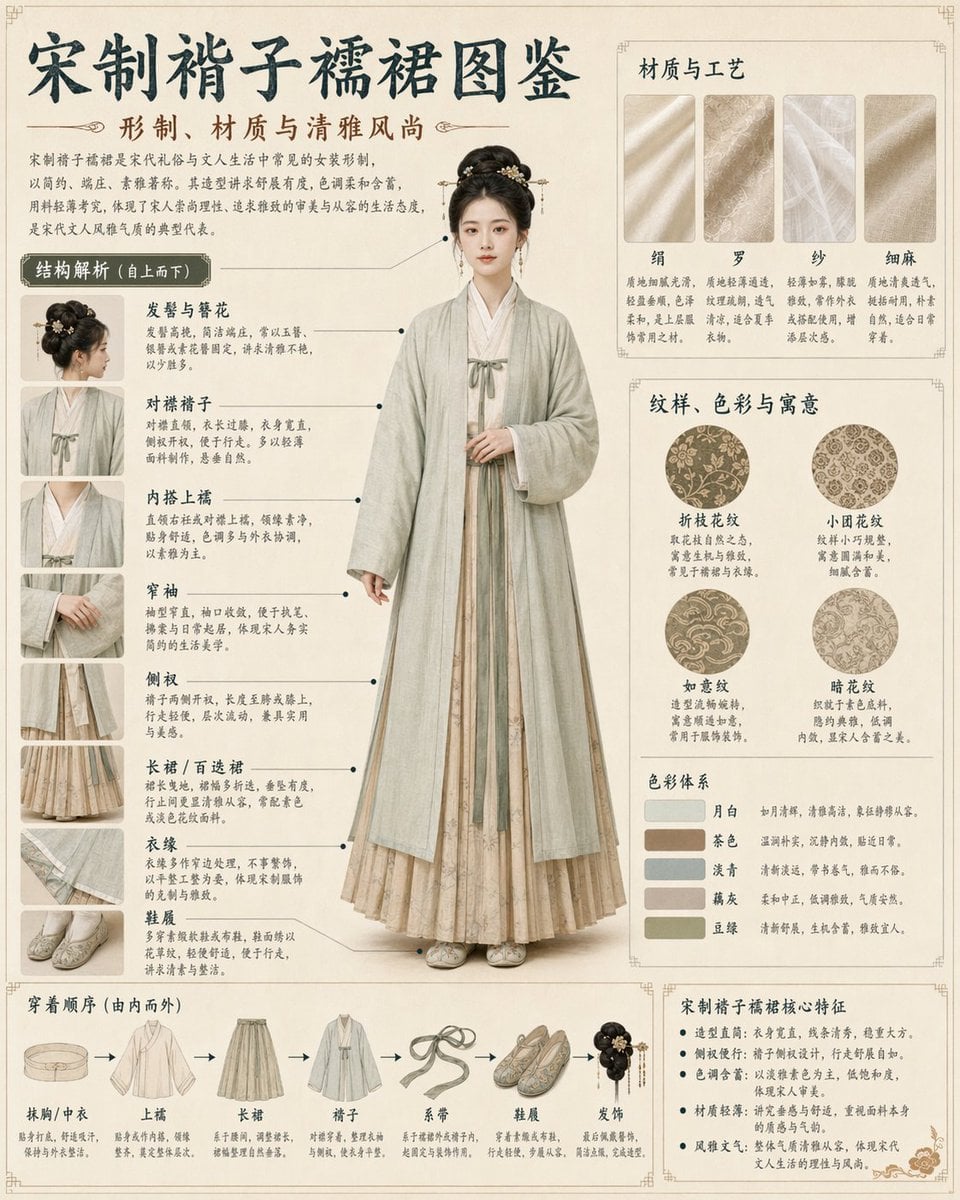
Song Dynasty Hanfu Infographic Guide
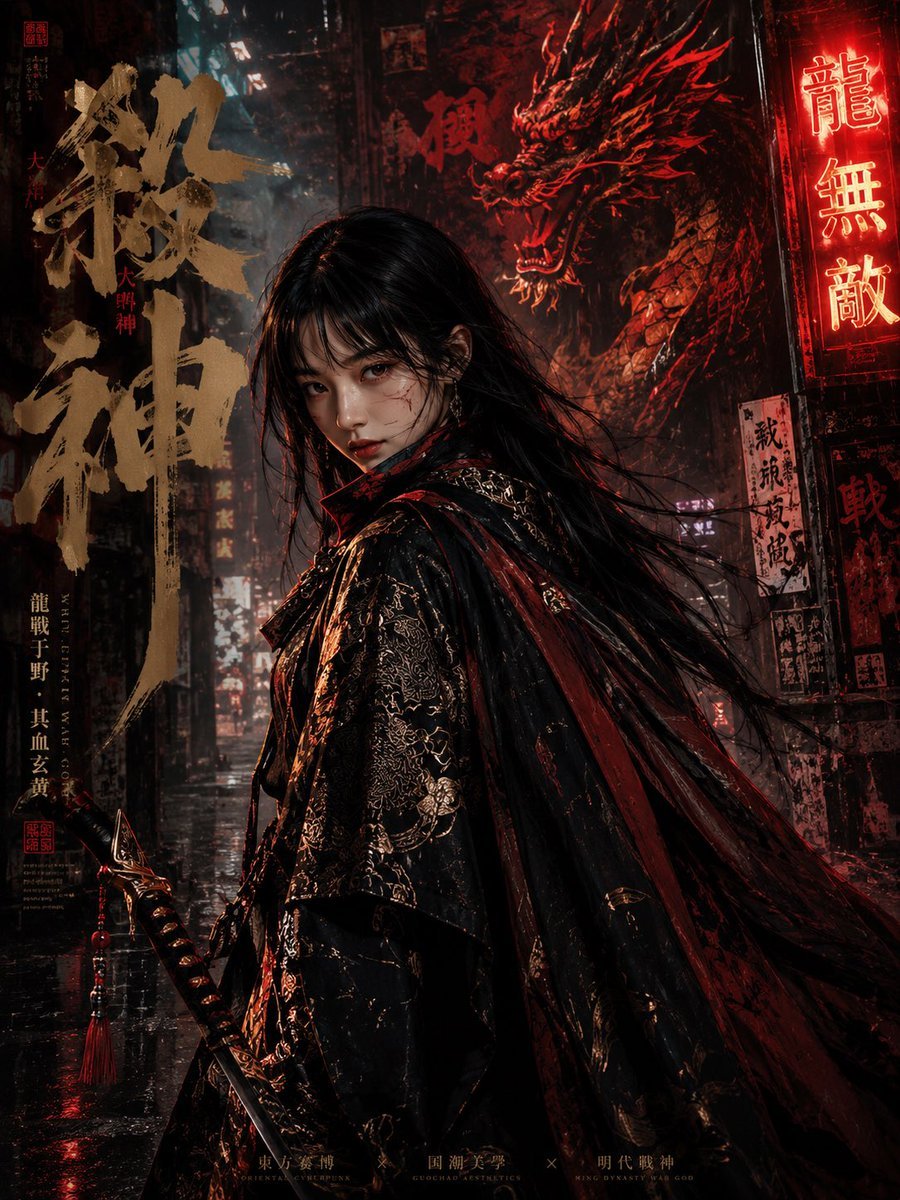
Cyberpunk Ming Dynasty Warrior Poster
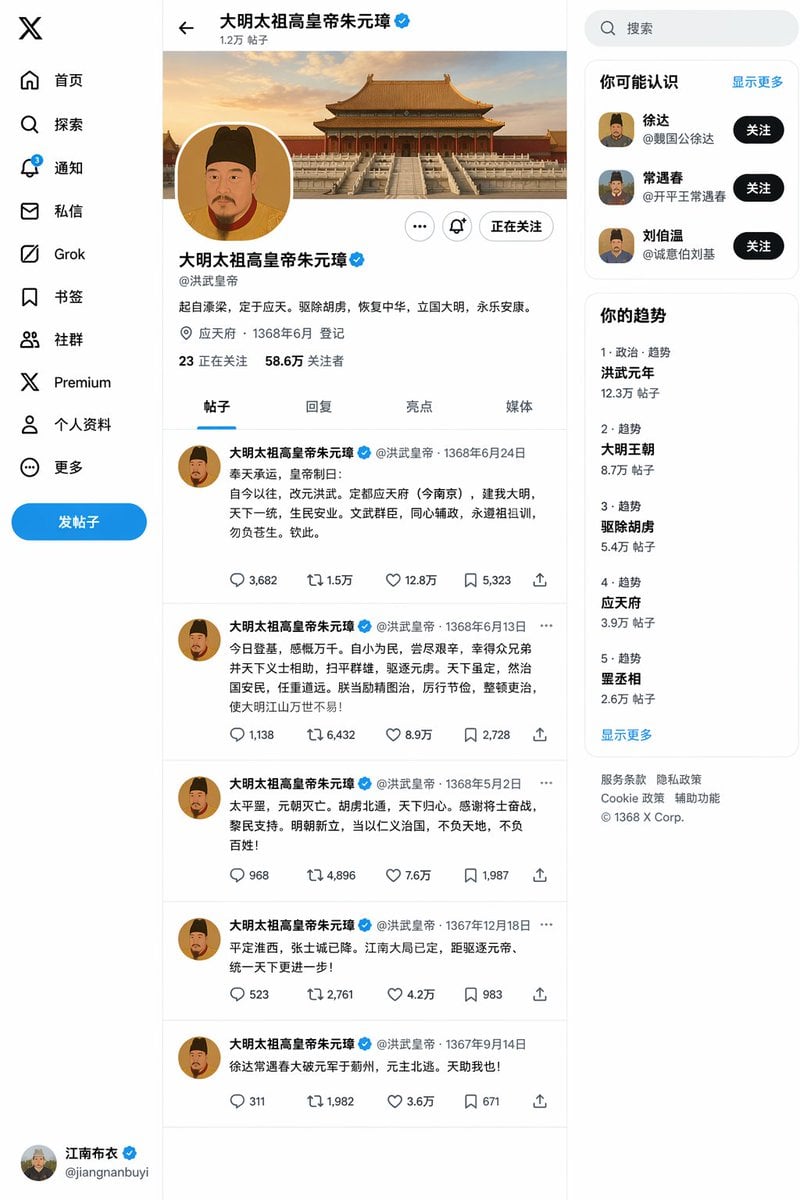
Ming Dynasty Social Media Post
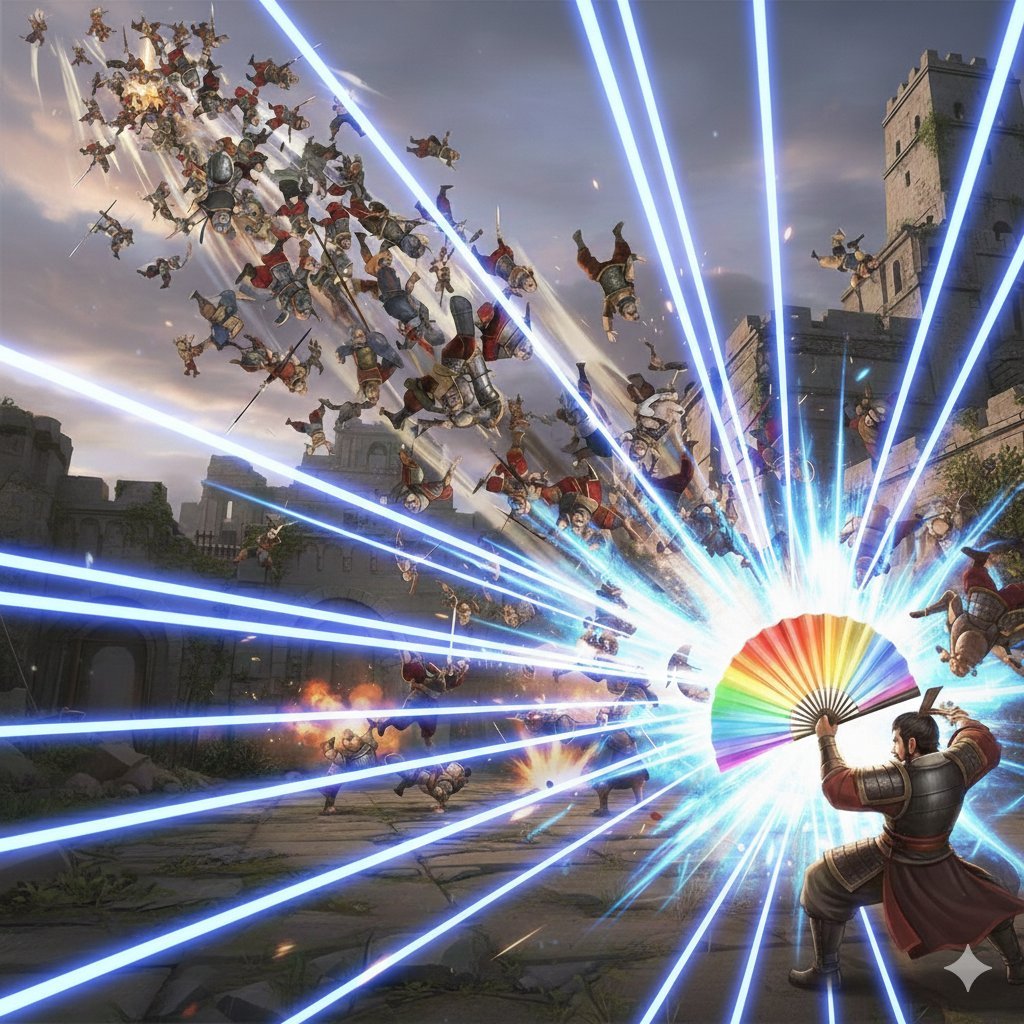
Dynasty Warriors: Kongming Musou Ranbu
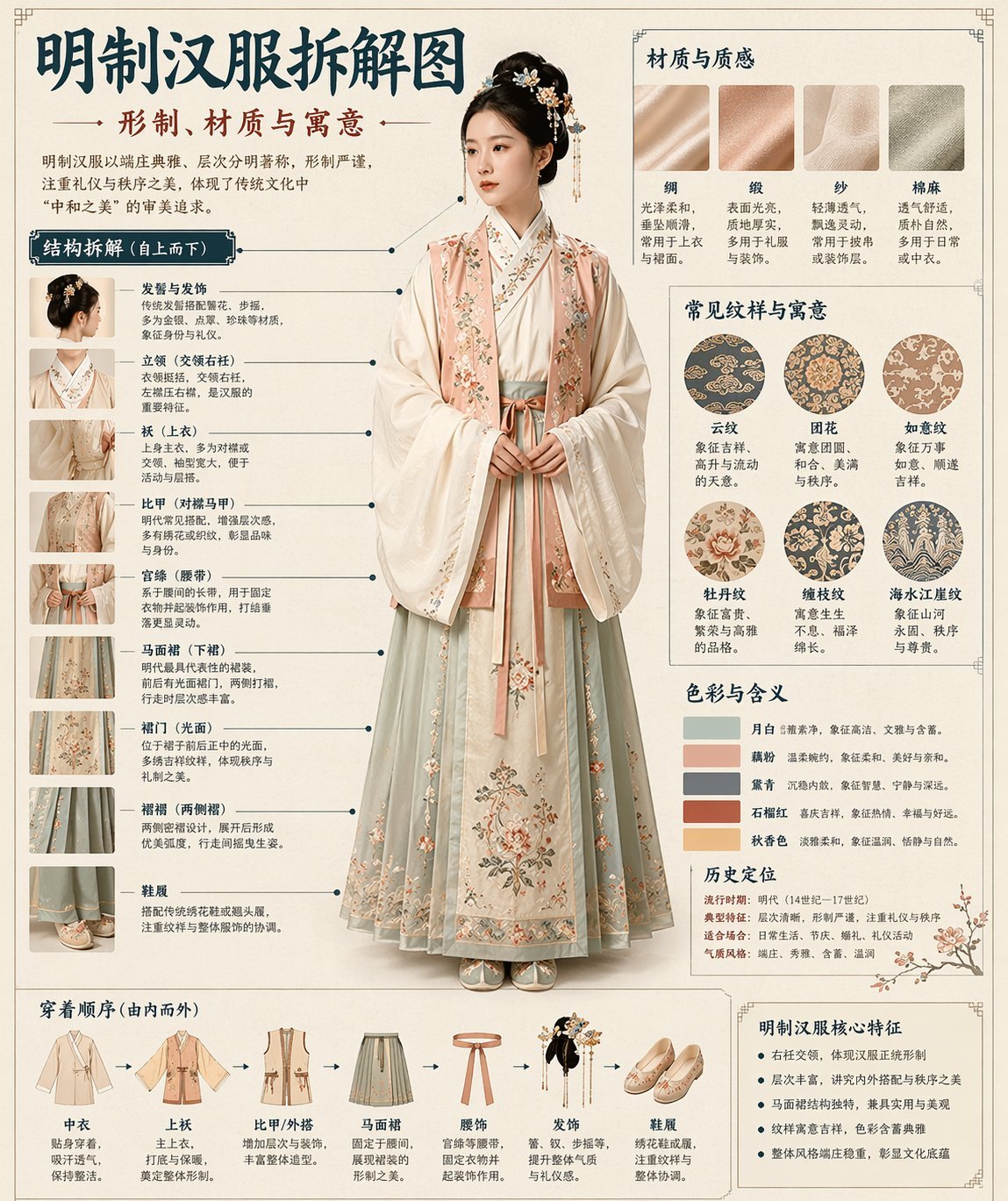
博物馆图鉴式汉服拆解图 — GPT-image-2

Song Dynasty Enamel Badges
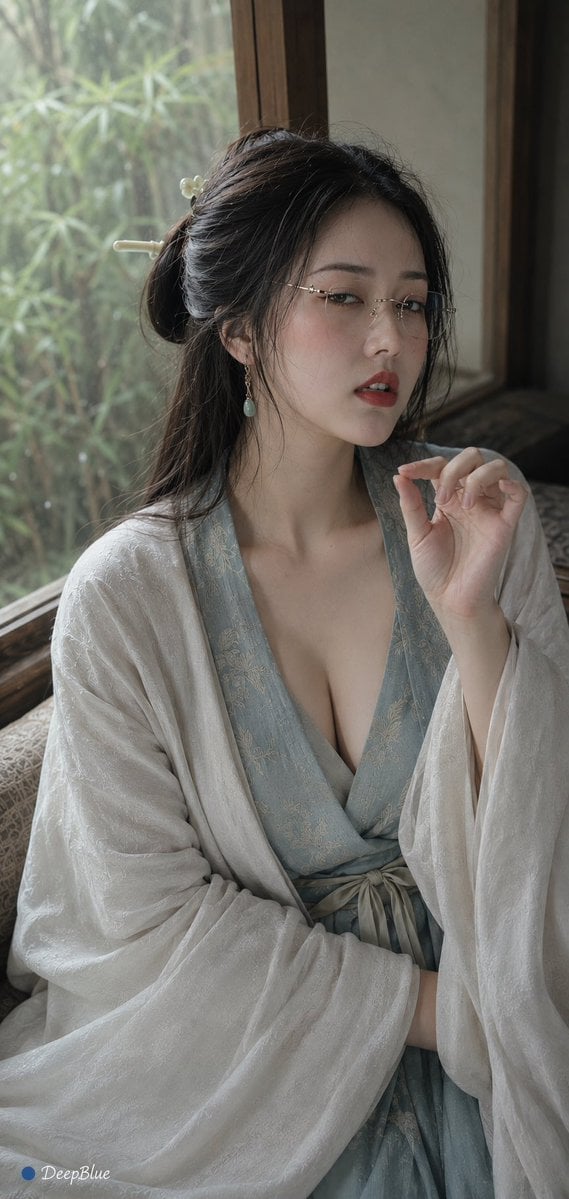
Hanfu Intellectual Portrait with Glasses

Tang Dynasty Royal Banquet Cinematography
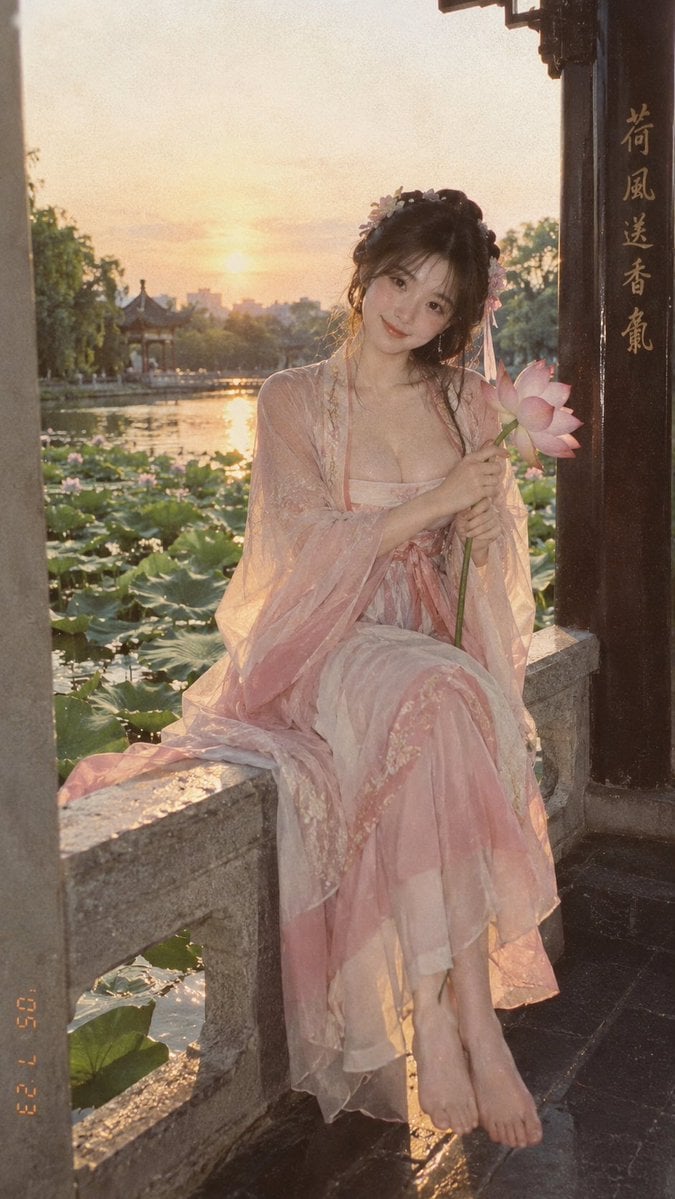
Lotus Pond Hanfu Sunset Portrait
Tang Dynasty Minimalist Editorial
Tang Dynasty Courtyard Rain Scene
Tang Dynasty Cinematic Photography
Make it yours
Ming Dynasty Hanfu Wedding Portraits works as-is. These are the safest ways to change it without losing the look.
Change one field
Copy a single group, rewrite it, and generate again so you can see what that field is doing.
Keep the frame, change the subject
Hold the composition and light of Ming Dynasty Hanfu Wedding Portraits, then swap wardrobe, props or the person for a new take.
| If the result… | Why | Fix |
|---|---|---|
| The result drifts from the preview | Too many fields changed at once. | Reuse Ming Dynasty Hanfu Wedding Portraits as-is first, then change one group — subject, light, or setting. |
| The model over-stylizes the scene | The prose prompt leaves finish and camera underspecified. | Add one camera or lighting sentence and stay on GPT Image 2. |
More GPT Image 2 templates
Other prompts made for GPT Image 2.
Six VTuber Japanese Logo Sheet
Realistic Portrait of Woman and Deer
The Vista Modular Condo Poster

AI Model Routing Comparison Infographic
2.5D Anime Art Board

Isometric Productivity Desk Scene

New York Double Exposure Poster
Four-Panel AI Landscape Comparison
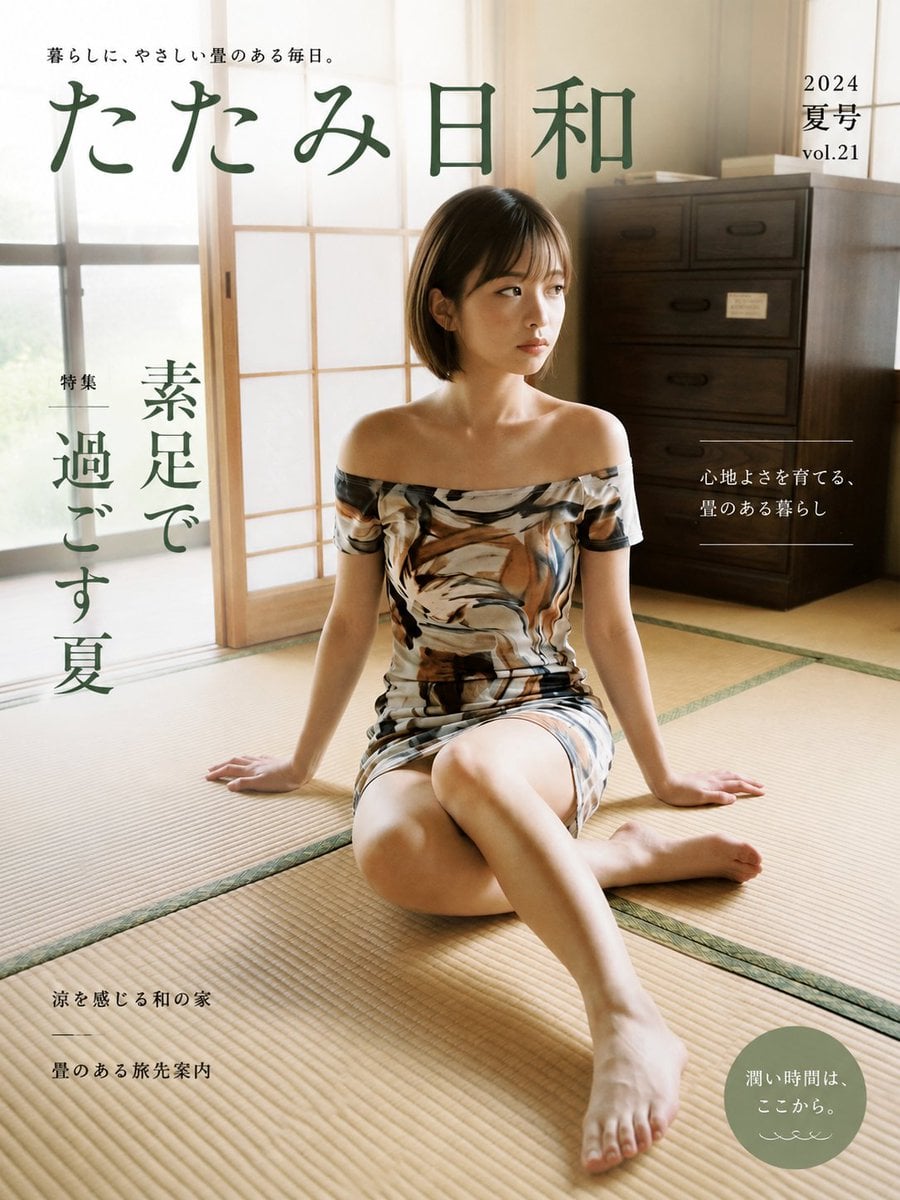
Japanese Tatami Lifestyle Magazine Cover
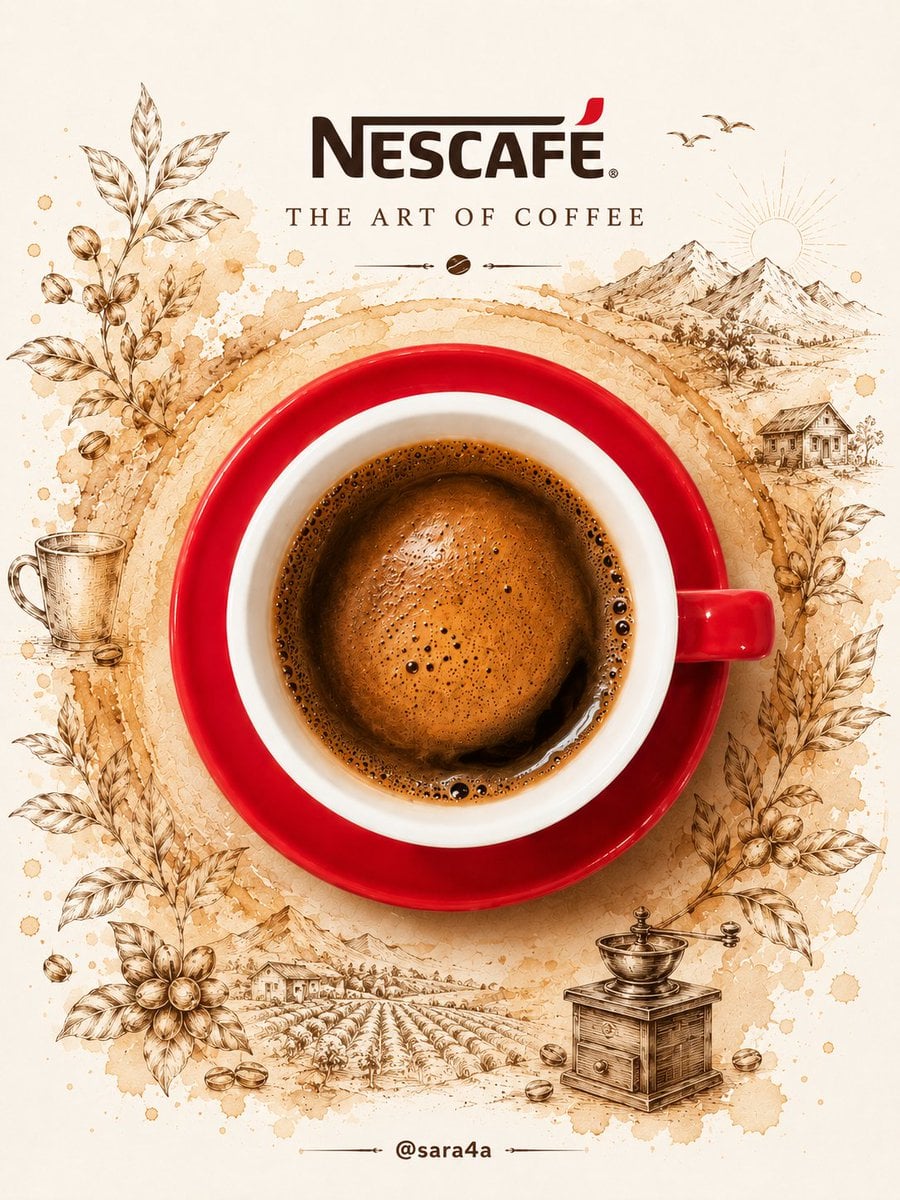
NESCAFÉ Coffee Map Poster
More image prompts
Fresh picks from across the catalog.

Tower defense mobile app design mockup grid
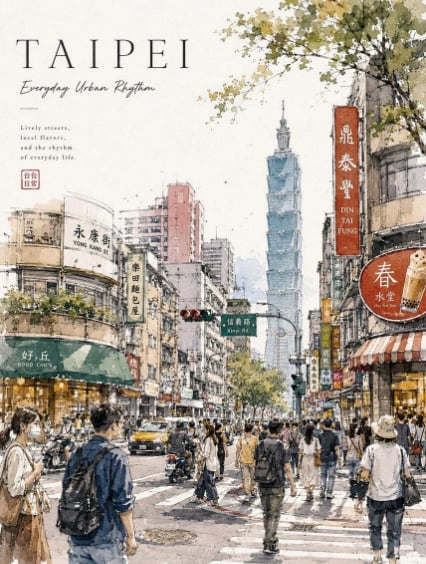
Taipei Watercolor Travel Poster
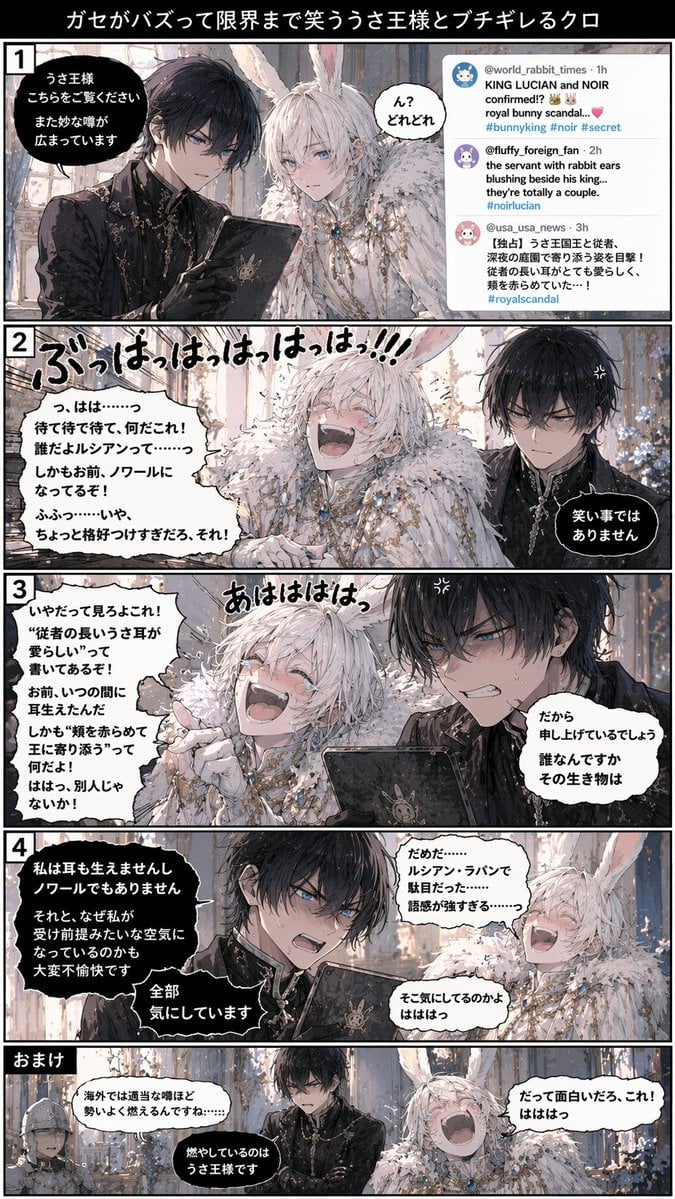
Vertical 5-Panel Anime Comic Strip

Mystic Ruins Platformer Screenshot

Ice Cream Heist Chibi Cartoon Prompt
JSON-style Nano Banana Pro prompt for realistic faces
Kai Industrial Titan Storyboard
Vintage Newspaper Ink Sketch
Convert image into YouTube thumbnail with OMW text
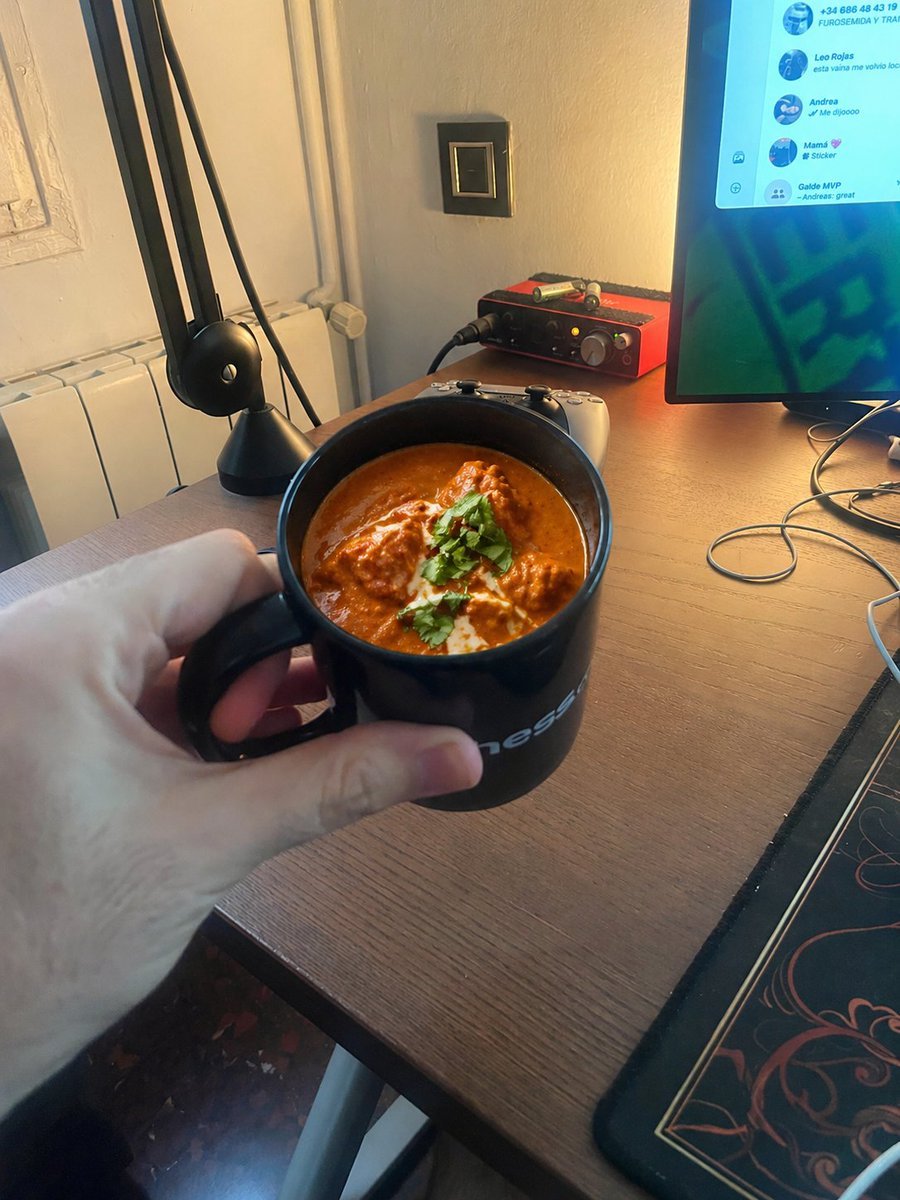
Chicken Tikka Masala Mug Desk Photo
Browse template categories
Ming Dynasty Hanfu Wedding Portraits questions
How do I use the Ming Dynasty Hanfu Wedding Portraits template?
Add your photo if the template asks for one, edit the prompt if you like — the template's model and format are already selected — and press Generate. Your version opens in PicX Studio.
Can I customize the Ming Dynasty Hanfu Wedding Portraits template?
Yes. You can change the subject, setting, lighting, mood, format, and available model controls before creating your image.
Is the Ming Dynasty Hanfu Wedding Portraits template free?
Opening and editing this template is free. Generating uses credits, shown on the Generate button when you are signed in.
Which AI model should I use?
Start with GPT Image 2, which is the model associated with this template. You can compare another compatible model for a different finish.
Looking for something else? Browse all templates.

Your photo, any look
Thousands of ready templates for every top image and video model, from one credit balance.