
Cinematic Holographic Music Player Edit
Transforms a street musician reference photo into a viral cinematic edit with glowing glass music-player cards and warm motion-blur grading.
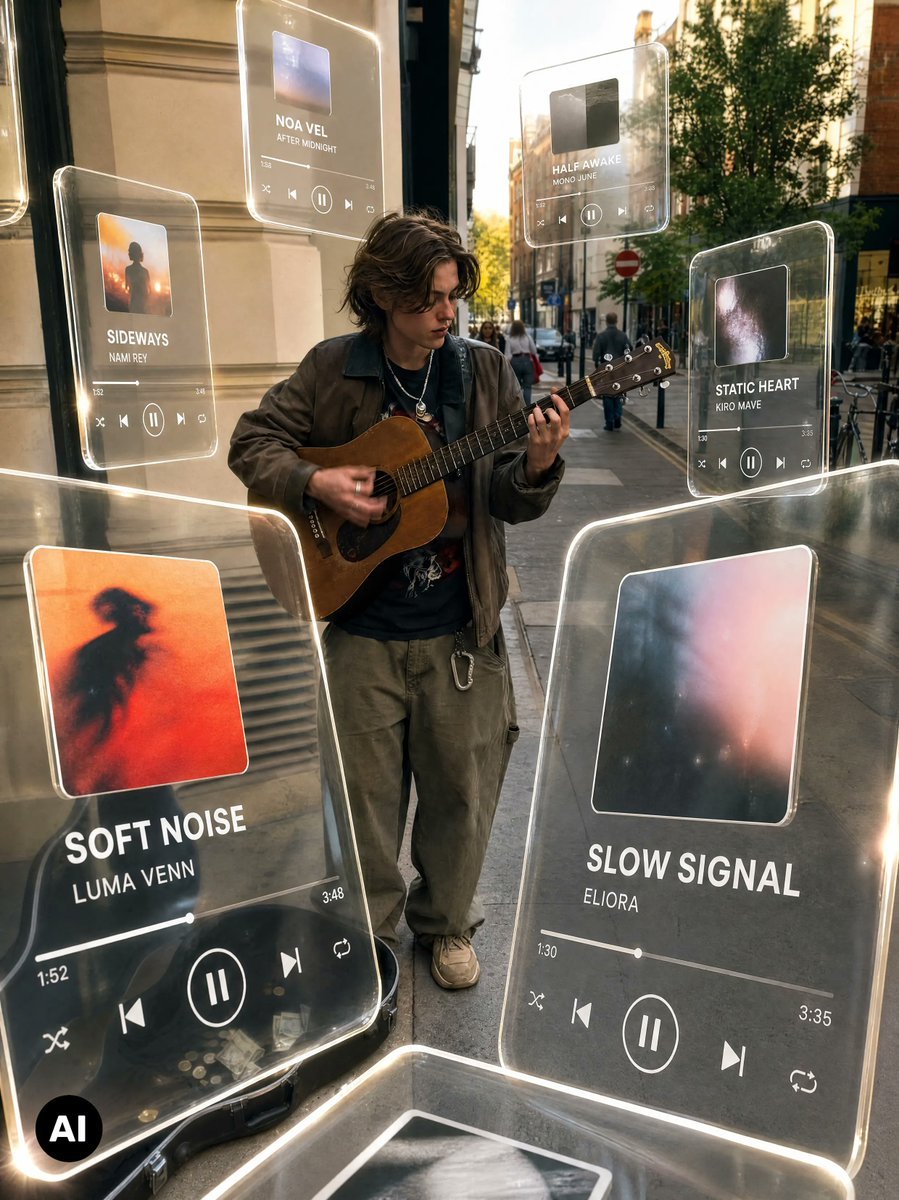
- Prompt included
- Model and format preset
- Free template
The prompt behind this image
Copy the exact prompt behind Cinematic Holographic Music Player Edit, or open it in the studio and make it yours.
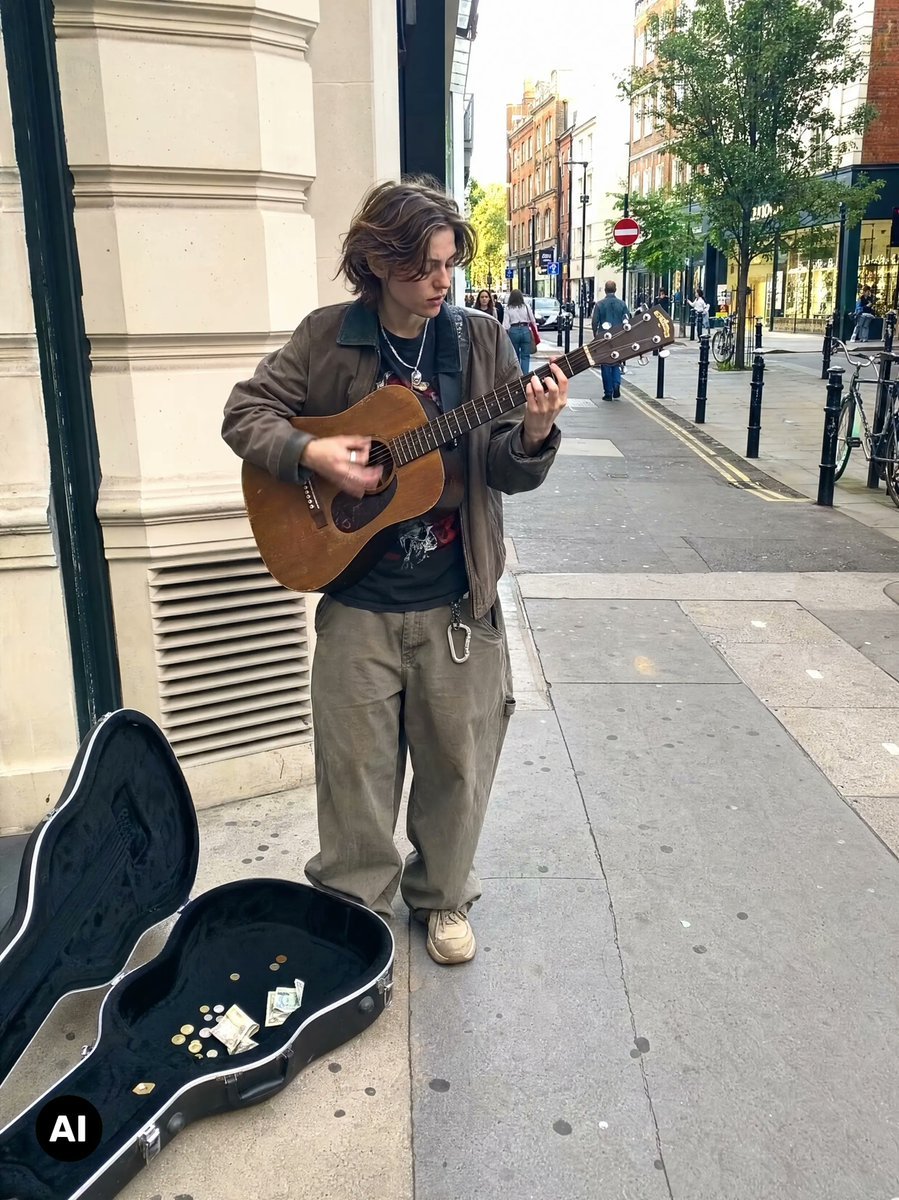
Using the provided reference image as the base street-busker photo, keep the person, guitar, outfit, sidewalk location, guitar case, and overall camera angle intact, but transform it into a viral cinematic music-edit scene. Add floating translucent glass music-player UI panels around the performer, with glowing rounded edges, soft reflections, and slight perspective depth as if they are holographic cards suspended in the street. Apply warm golden-hour color grading, stronger contrast, subtle motion/radial blur streaks around the edges, and a polished editorial look while keeping the subject relatively sharp. Add exactly 6 visible music-player cards: 1. Large foreground card at lower left: album art with a red/orange blurred silhouette, title “SOFT NOISE,” artist “LUMA VENN,” timestamp 1:52, duration 3:48, and playback controls. 2. Large foreground card at lower right: misty blue-pink album art, title “SLOW SIGNAL,” artist “ELIORA,” timestamp 1:30, duration 3:35, and playback controls. 3. Small upper-left card: title “SIDEWAYS,” artist “NAMI REY,” with album art and controls. 4. Small top-center card: title “NOA VEL,” artist “AFTER MIDNIGHT,” with album art and controls. 5. Small upper-middle-right card: title “HALF AWAKE,” artist “MONO JUNE,” with album art and controls. 6. Small upper-right card: title “STATIC HEART,” artist “KIRO MAVE,” with album art and controls. Style constraints: make the cards semi-transparent so the street remains visible through them; use white typography and minimalist player icons; add luminous edge highlights and realistic glass distortion; preserve the small black “AI” badge in the bottom-left corner; avoid changing the performer’s identity or pose. Optional customization: use {argument name="main left song title" default="SOFT NOISE"}, {argument name="main right song title" default="SLOW SIGNAL"}, {argument name="color grade" default="warm golden-hour cinematic"}, {argument name="UI material" default="translucent glowing glass"}, and {argument name="overall effect" default="viral music edit with edge blur"}.
Reference images included
Cinematic Holographic Music Player Edit needs input media to work. They load alongside the prompt when you open it in the studio.
How to use Cinematic Holographic Music Player Edit in 3 steps
- 1Upload ImagePNG, JPG or paste
Add your photo
Upload the photo the template builds on. The prompt, model and format are already set.
- 2…a portrait of your subject in softgolden-hour light, 85mm…
Personalize
Edit the subject and creative details for your destination.
- 3Generate
Generate
Press Generate — your image is created in PicX Studio, so you can compare it with the original and refine one variable at a time.
More like this
Templates with the same subject, style or setup. Open one to see its prompt.
Korean Idol Partial Shadow Editorial Portrait
Our Song was on a Cassette
Y2K Music Editorial Portrait
Cinematic Sci-Fi Interface Side Profile
Neon Violet Streetwear Fashion Portrait

Legendary Player Fragmented Editorial Poster

Clean Minimalist Player Editorial Poster
Underground Club Music Poster Portrait
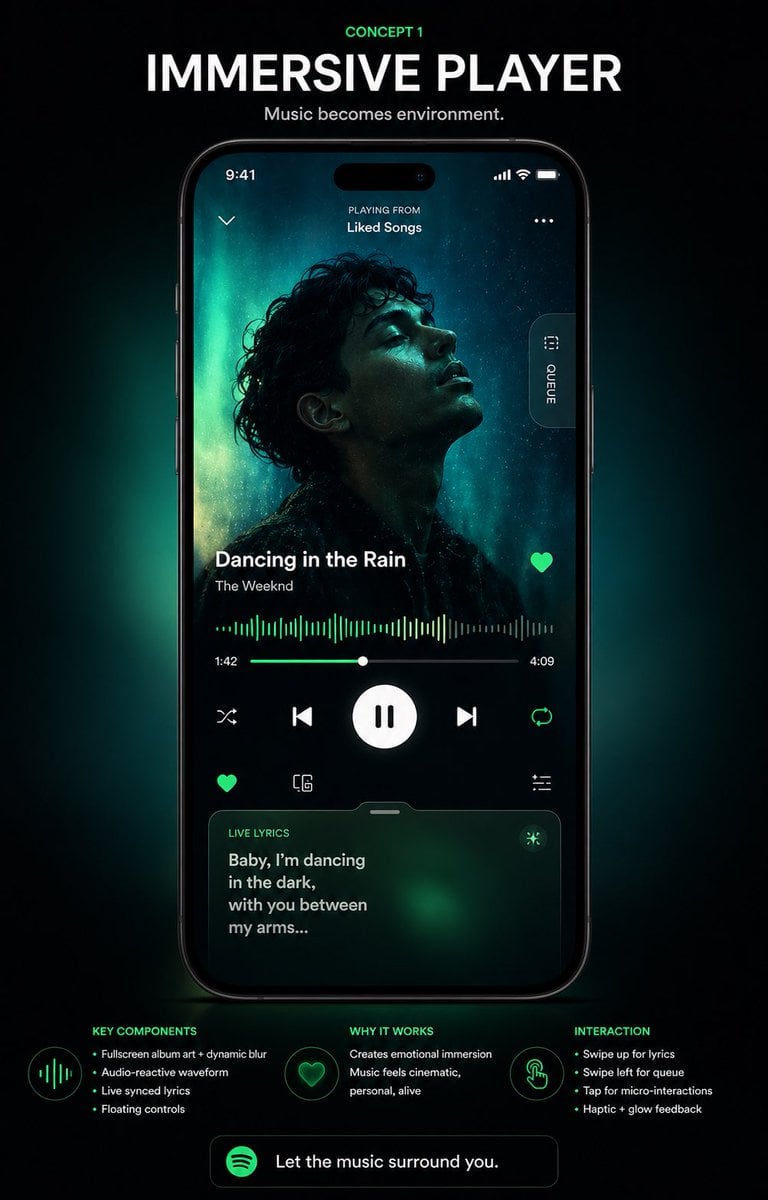
Immersive Music Player UI Poster
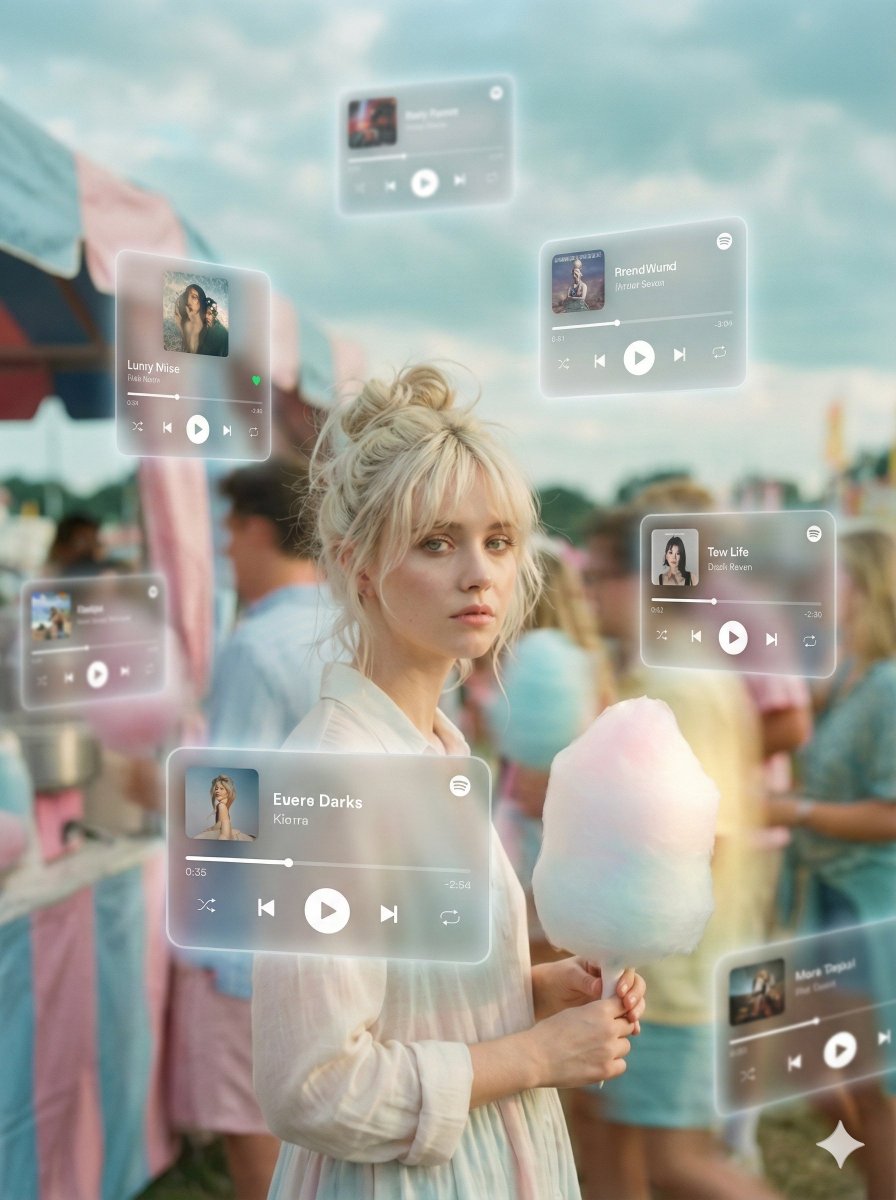
Augmented Reality Music Player Portrait
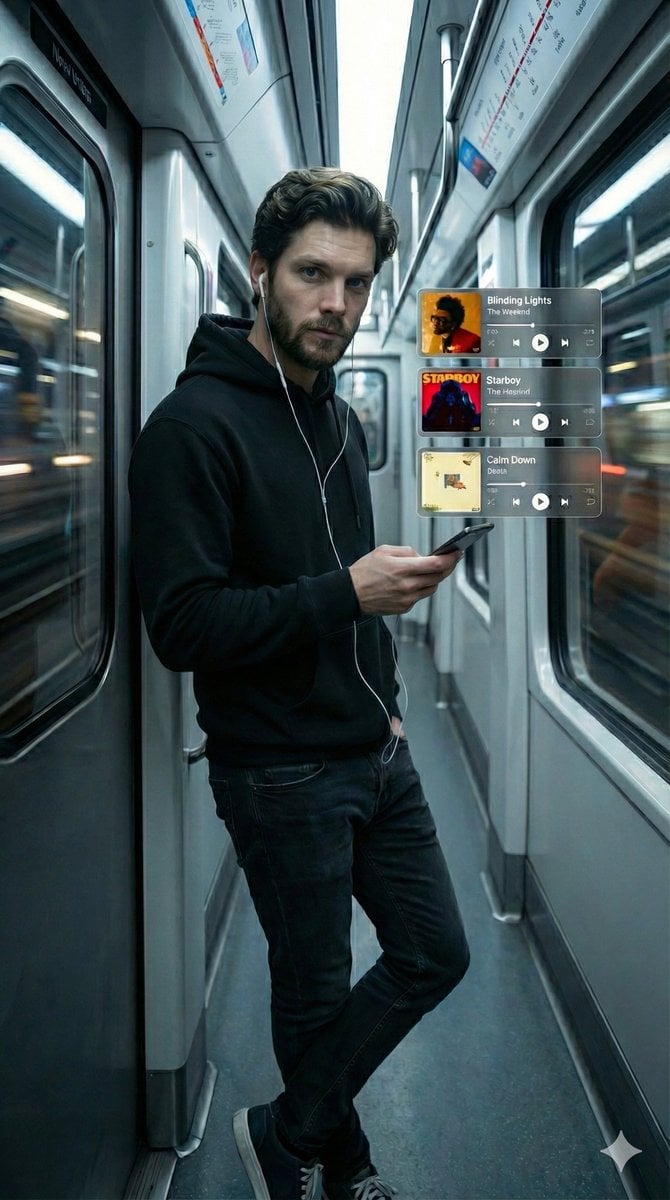
Cinematic Subway Portrait with Holographic Music UI
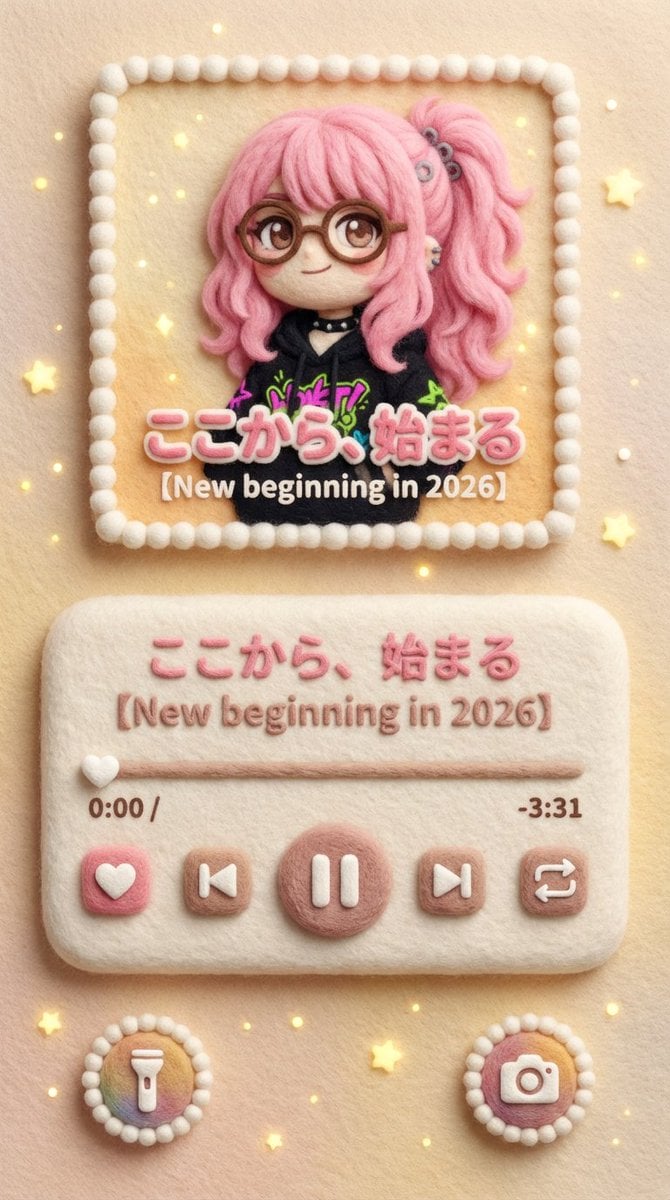
Felted Wool Smartphone Lock Screen Music Player
Make it yours
Cinematic Holographic Music Player Edit works as-is. These are the safest ways to change it without losing the look.
Change one field
Copy a single group, rewrite it, and generate again so you can see what that field is doing.
Keep the frame, change the subject
Hold the composition and light of Cinematic Holographic Music Player Edit, then swap wardrobe, props or the person for a new take.
| If the result… | Why | Fix |
|---|---|---|
| The result drifts from the preview | Too many fields changed at once. | Reuse Cinematic Holographic Music Player Edit as-is first, then change one group — subject, light, or setting. |
| The model over-stylizes the scene | The prose prompt leaves finish and camera underspecified. | Add one camera or lighting sentence and stay on GPT Image 2. |
More GPT Image 2 templates
Other prompts made for GPT Image 2.

Six VTuber Japanese Logo Sheet
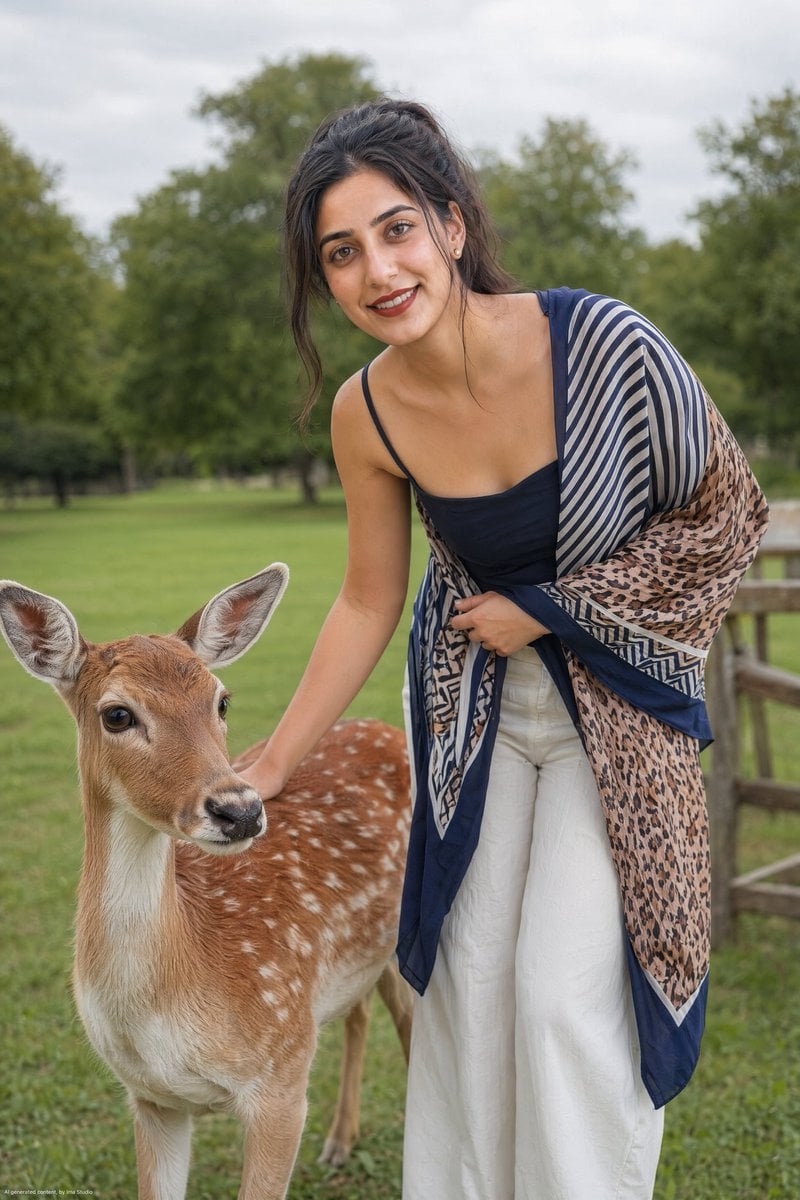
Realistic Portrait of Woman and Deer
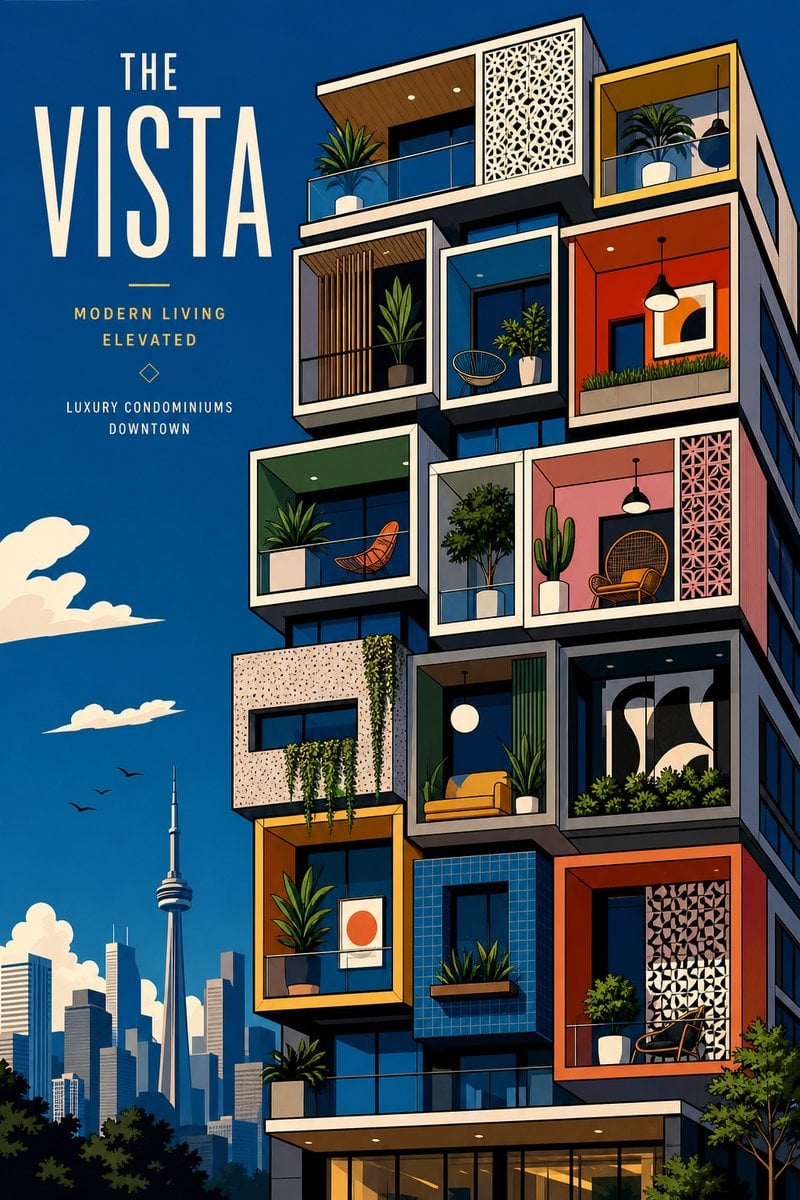
The Vista Modular Condo Poster
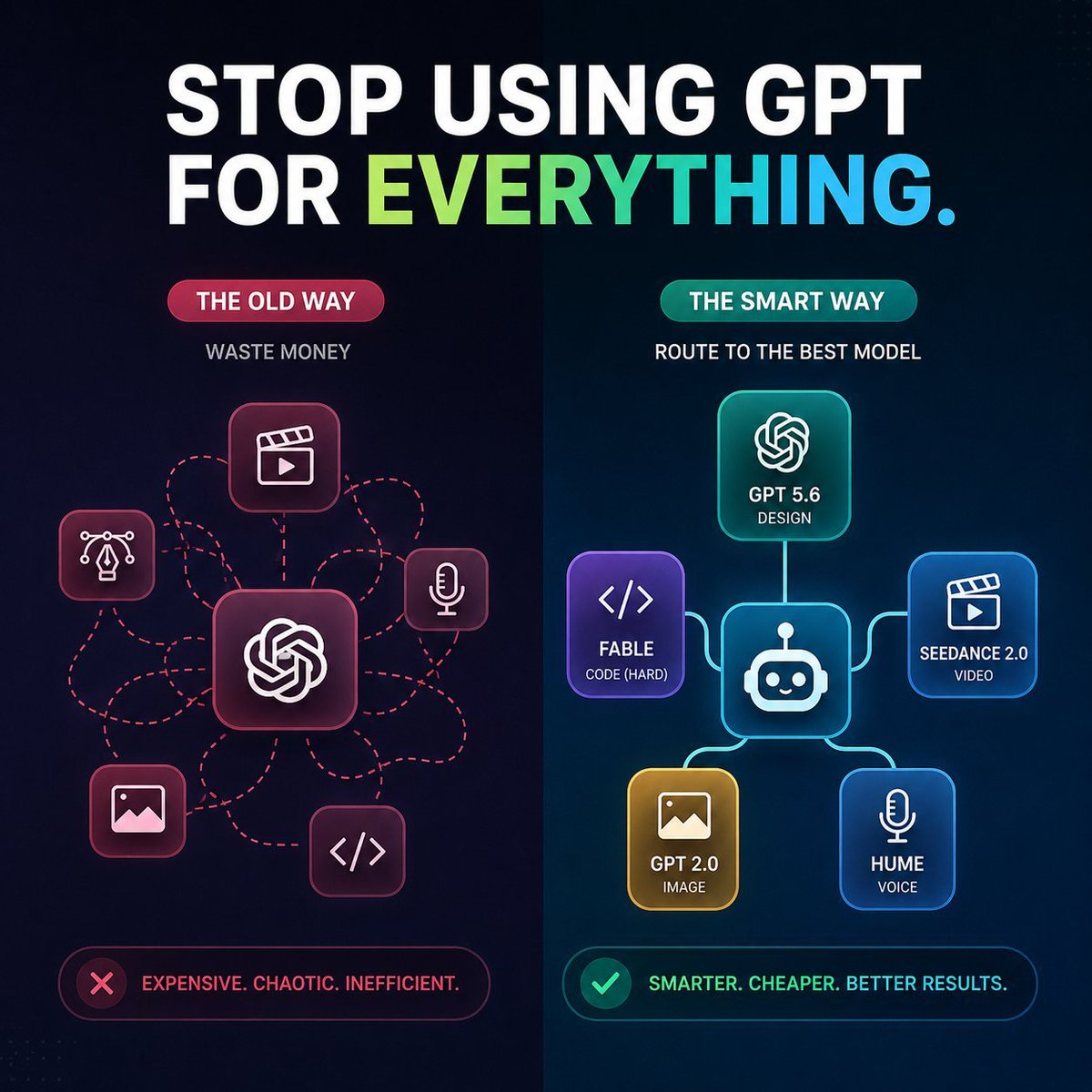
AI Model Routing Comparison Infographic
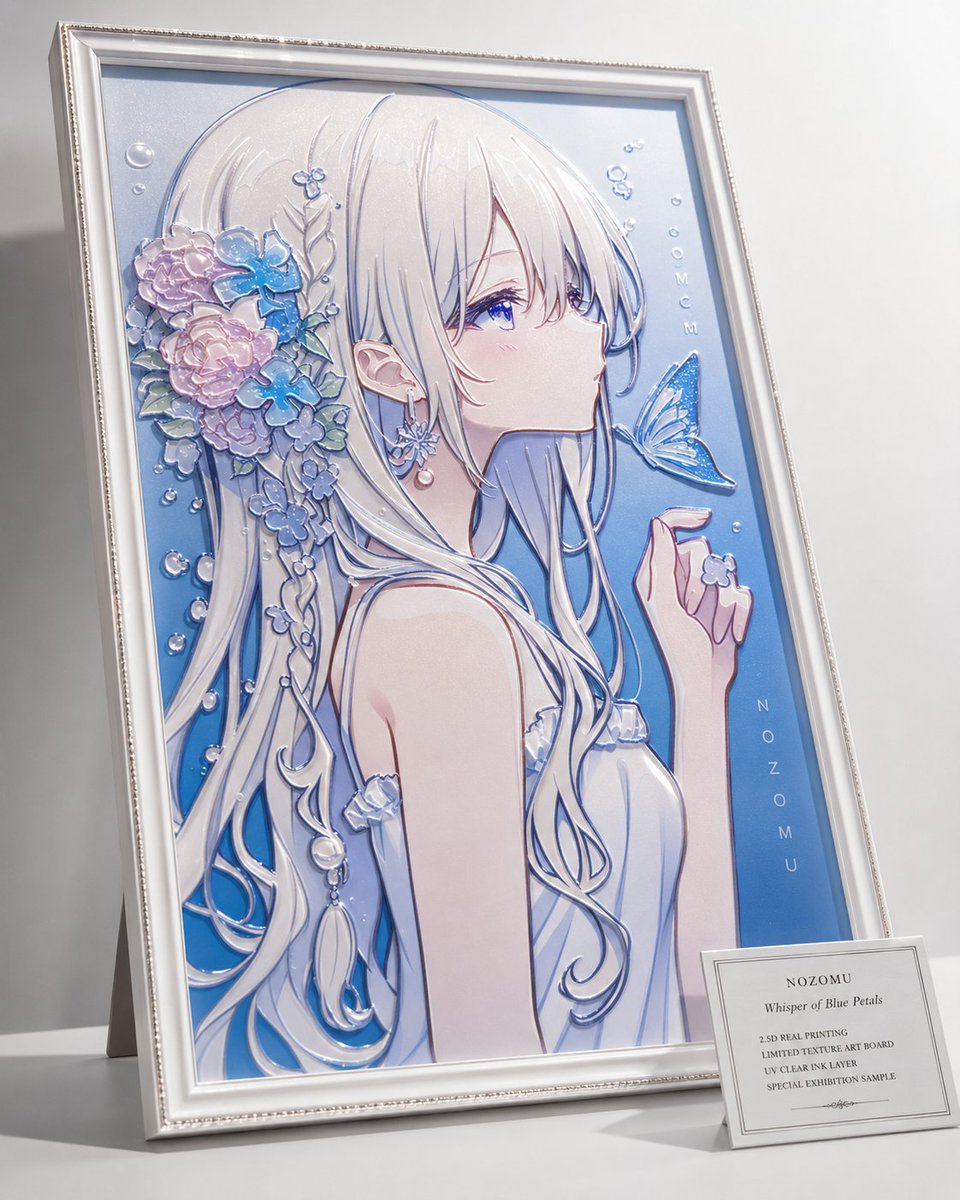
2.5D Anime Art Board

Isometric Productivity Desk Scene

New York Double Exposure Poster
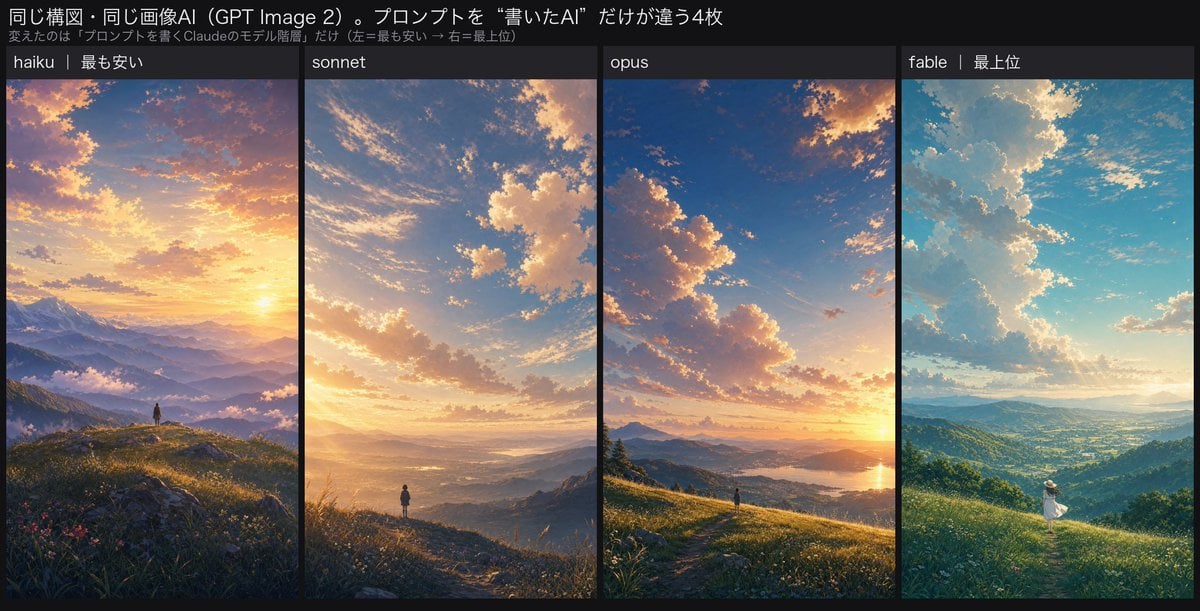
Four-Panel AI Landscape Comparison
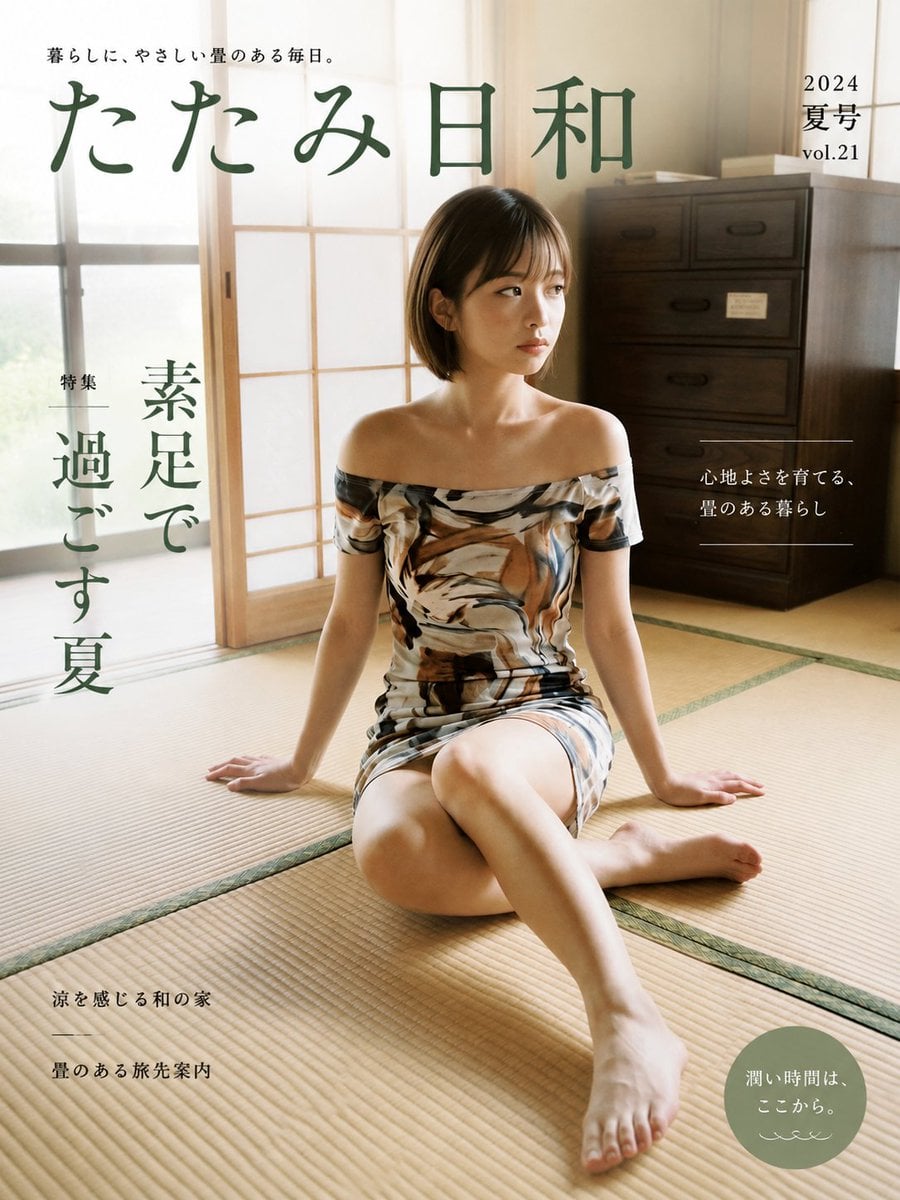
Japanese Tatami Lifestyle Magazine Cover

NESCAFÉ Coffee Map Poster
More image prompts
Fresh picks from across the catalog.
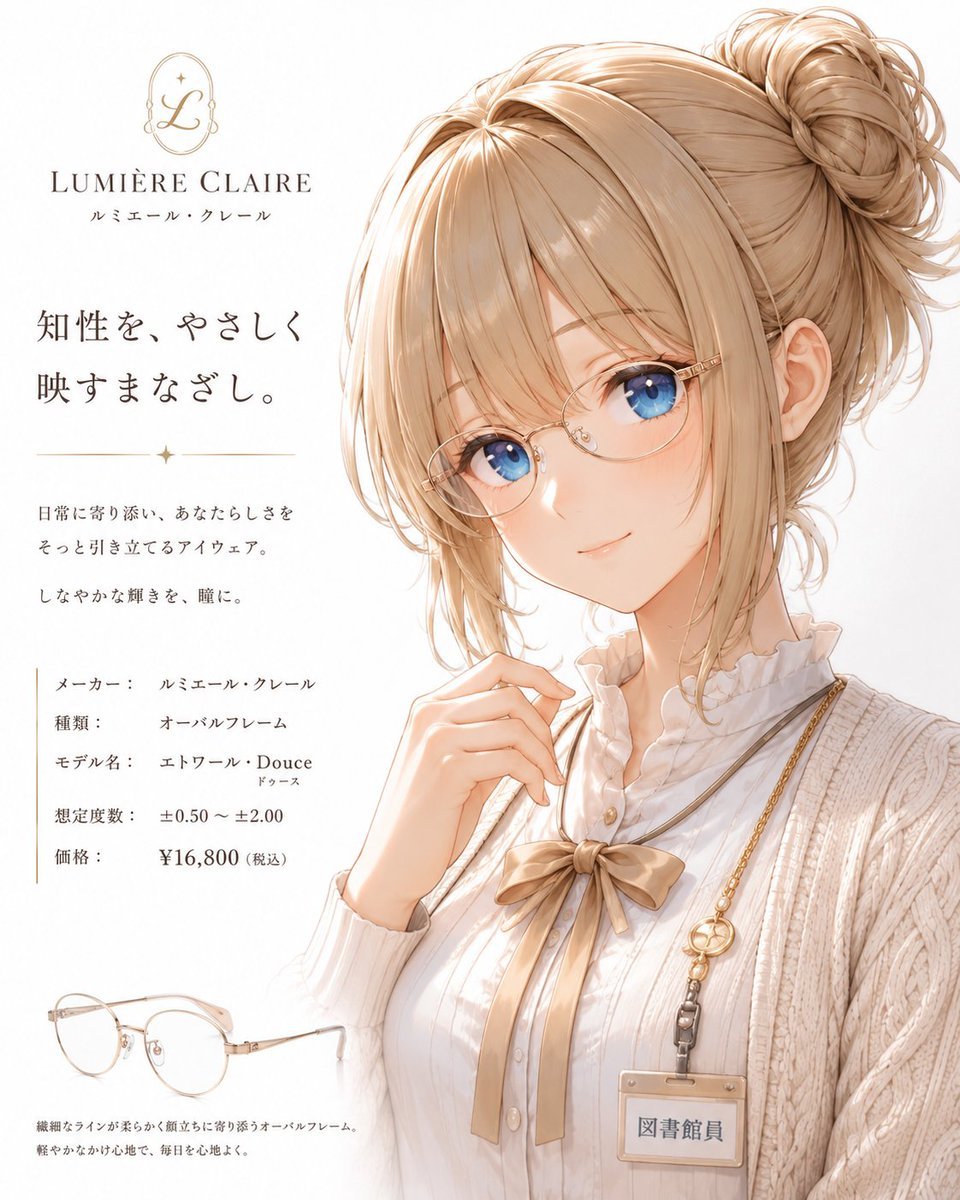
Minimalist Anime Eyeglasses Fashion Poster

Anime Fashion Lookbook Collage
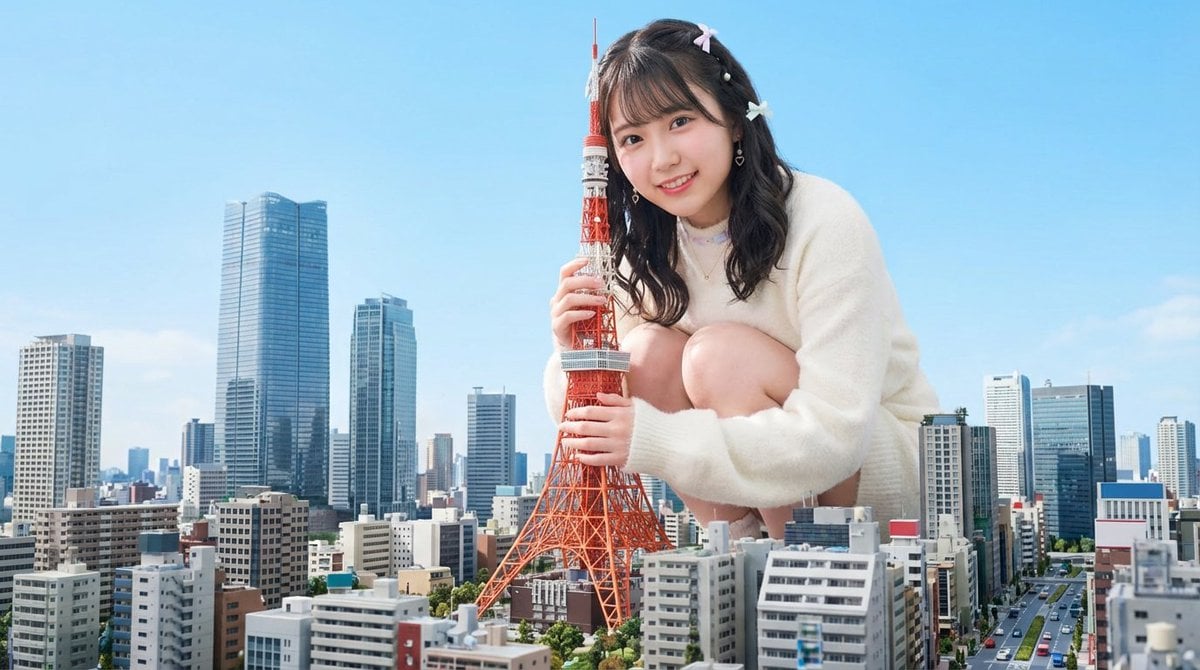
Giant Hugging Tokyo Tower Photo Prompt

Cinema Date Popcorn Realistic By Nano Ba
Blonde Maid in Warm Cafe
Nostalgic 90s Disposable Camera Snapshot
Isometric living room layout based on a sofa photo
Dark Fantasy Double Exposure Poster
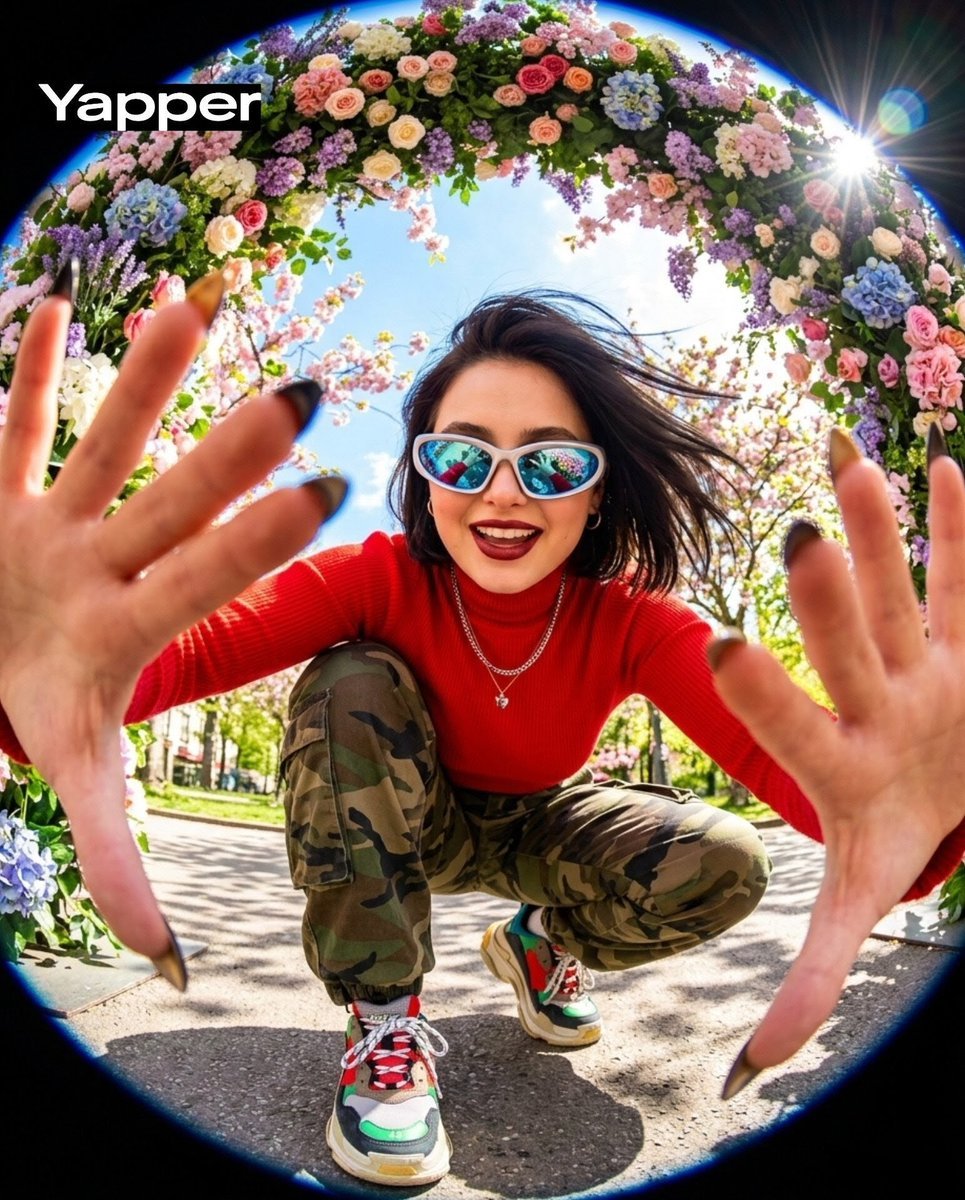
Funky style selfie portrait with fisheye distortion

Dark Anime Energy Drink Poster
Browse template categories
Cinematic Holographic Music Player Edit questions
How do I use the Cinematic Holographic Music Player Edit template?
Add your photo if the template asks for one, edit the prompt if you like — the template's model and format are already selected — and press Generate. Your version opens in PicX Studio.
Can I customize the Cinematic Holographic Music Player Edit template?
Yes. You can change the subject, setting, lighting, mood, format, and available model controls before creating your image.
Is the Cinematic Holographic Music Player Edit template free?
Opening and editing this template is free. Generating uses credits, shown on the Generate button when you are signed in.
Which AI model should I use?
Start with GPT Image 2, which is the model associated with this template. You can compare another compatible model for a different finish.
Looking for something else? Browse all templates.

Your photo, any look
Thousands of ready templates for every top image and video model, from one credit balance.