Minimalist Fashion Editorial Split Layout
Fashion editorial layout, split design with model photo on the left and styled outfit board on the right, modern minimal magazine aesthetic. A woman with long soft waves wearing a deep navy blue bodysuit, light wash oversized denim jacket, high-waisted cream straight-leg jeans, beige slide sandals, and a structured woven leather handbag. Neutral city street background, soft natural lighting.
On the right: neatly arranged outfit flat lay (denim jacket, navy bodysuit, cream jeans, sandals, handbag, gold hoop earrings, sunglasses), color palette swatches (navy, cream, denim blue, beige, muted gold, grey), fabric texture samples, and clean typography sections like “Style Notes,” “Why You’ll Love It,” and “Perfect For.”
Editorial typography, muted tones, luxury minimalist branding, balanced grid layout, high-end fashion magazine style, ultra-realistic, sharp details, soft shadows.
2. Bold Red Contrast Editorial
Prompt:
High-end fashion editorial board with a split layout: model on the left, outfit breakdown on the right. A woman with long wavy hair wearing a bold red lightweight jacket, white bodysuit, high-waisted white straight-leg jeans, and woven white flats, holding a soft woven handbag. Urban street setting, neutral architecture, soft daylight.
Right side includes outfit flat lay (red jacket, white bodysuit, white jeans, flats, bag, silver earrings, sunglasses), color palette (white, cream, bold red, ivory, silver, beige), fabric textures (nylon, denim, mesh, leather), and editorial sections with clean serif fonts.
Minimalist magazine layout, strong contrast styling, polished and modern aesthetic, luxury fashion campaign look, crisp lighting, refined composition.
3. Neutral Olive Contrast Editorial
Prompt:
Minimalist fashion editorial layout with a soft neutral palette. Split composition: full-body model on the left, outfit breakdown grid on the right. A woman with long natural waves wearing an olive green ribbed tank top, beige tailored blazer, white straight-leg jeans, brown sneakers, and a structured brown leather shoulder bag, with a matching olive cap.
Right side features outfit flat lay (blazer, olive tank, white jeans, sneakers, bag, gold hoops, cap), color palette (beige, olive green, white, deep brown, muted gold, taupe), fabric textures (ribbed cotton, blazer fabric, denim, suede, leather), and editorial text sections.
Clean magazine aesthetic, earthy tones, soft lighting, neutral background, elegant grid layout, modern typography, lifestyle fashion branding, ultra-realistic and highly detailed.
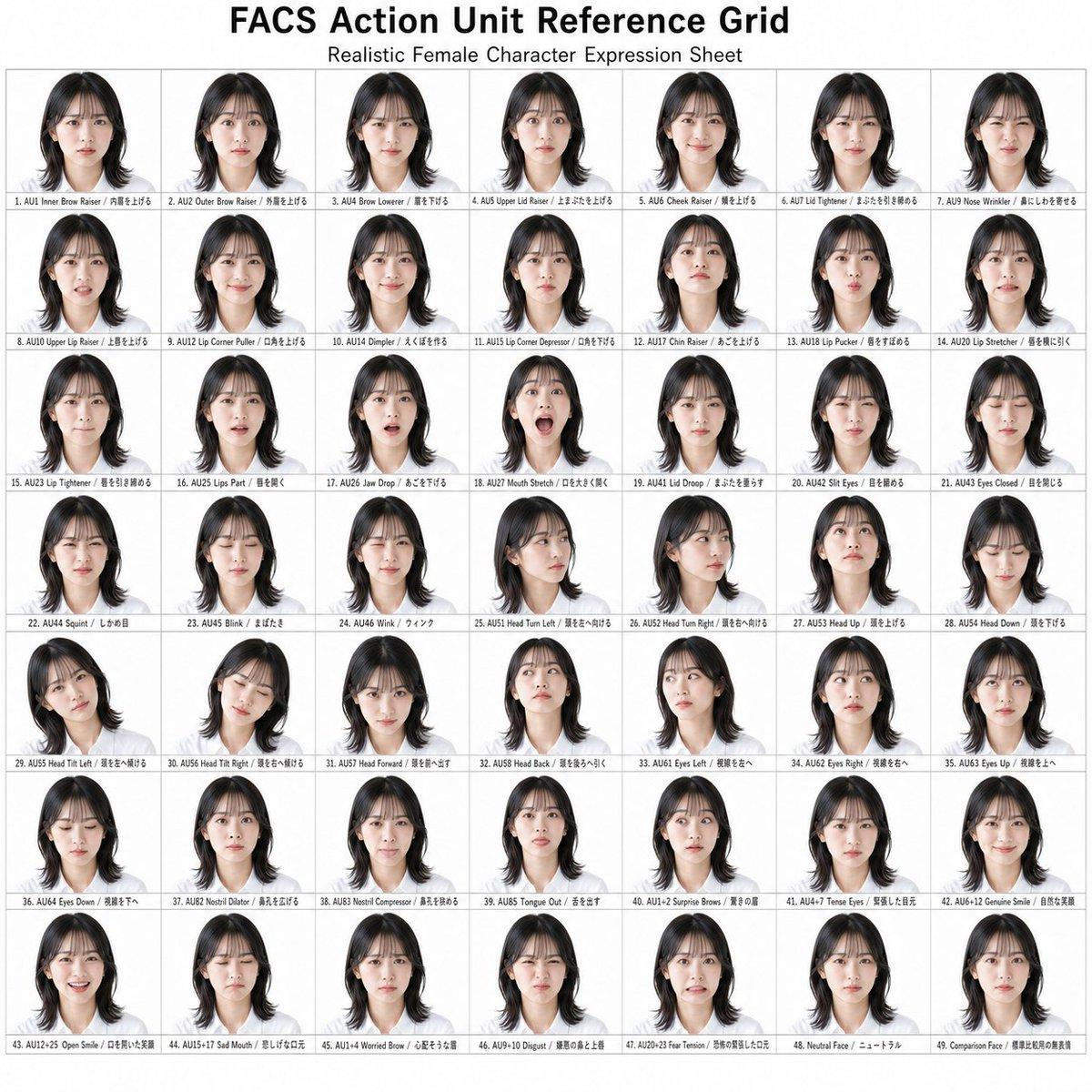




![Movement Sheet - Dance Reference (Seedance 2.0) — [STYLE]
Monochrome grayscale illustration, 3D-rendered character, clean instructional reference sheet, white b](https://pbs.twimg.com/media/HGzSvcnboAA_bjD.jpg?name=orig)







![Minimalist Flat Vector Travel Poster — Premium minimalist flat-vector travel poster for {argument name="city name" default="[CITY_NAME]"}, 3:4 vertical format.](https://cms-assets.youmind.com/media/1787917359711_3ug846_HQX205cbMAA6F6S-300x400.jpg)